Delay Claims In Construction
Description
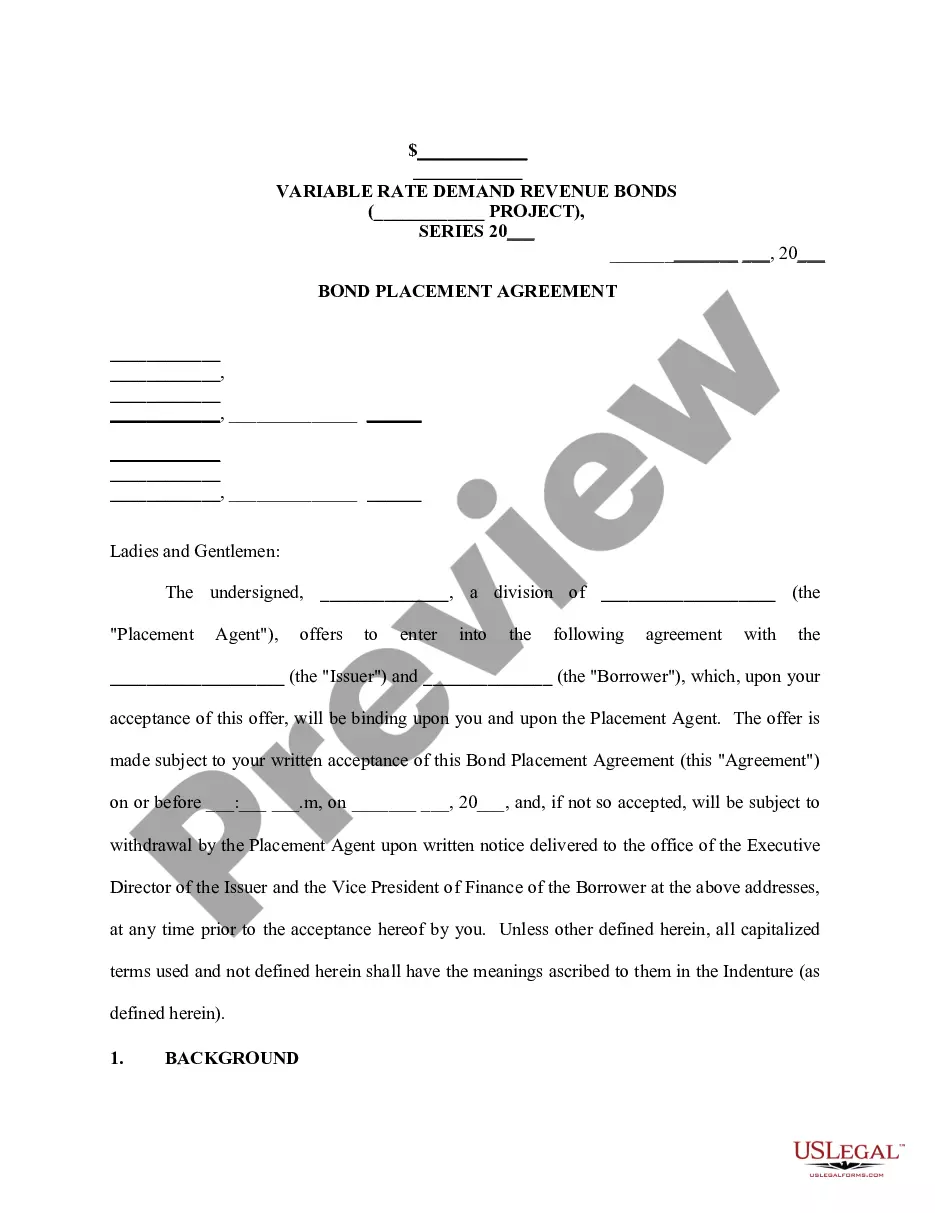
Get your form ready online
Our built-in tools help you complete, sign, share, and store your documents in one place.
Make edits, fill in missing information, and update formatting in US Legal Forms—just like you would in MS Word.
Download a copy, print it, send it by email, or mail it via USPS—whatever works best for your next step.
Sign and collect signatures with our SignNow integration. Send to multiple recipients, set reminders, and more. Go Premium to unlock E-Sign.
If this form requires notarization, complete it online through a secure video call—no need to meet a notary in person or wait for an appointment.
We protect your documents and personal data by following strict security and privacy standards.

Make edits, fill in missing information, and update formatting in US Legal Forms—just like you would in MS Word.

Download a copy, print it, send it by email, or mail it via USPS—whatever works best for your next step.

Sign and collect signatures with our SignNow integration. Send to multiple recipients, set reminders, and more. Go Premium to unlock E-Sign.

If this form requires notarization, complete it online through a secure video call—no need to meet a notary in person or wait for an appointment.

We protect your documents and personal data by following strict security and privacy standards.
Looking for another form?

How to fill out Bond Claim Notice?
Managing legal paperwork and processes can be an arduous addition to your routine.
Delay Claims In Construction and similar forms generally require you to search for them and figure out the optimal way to fill them out correctly.
For this reason, when dealing with financial, legal, or personal issues, having a thorough and straightforward online collection of forms readily available will be immensely beneficial.
US Legal Forms is the leading online platform for legal templates, boasting over 85,000 state-specific forms and a variety of tools to assist you in completing your documents with ease.
Simply Log In to your account, find Delay Claims In Construction, and download it immediately from the My documents section. You can also retrieve previously downloaded forms.
- Examine the assortment of pertinent documents accessible to you with a single click.
- US Legal Forms provides you with state- and county-specific forms available for download at any time.
- Safeguard your document management tasks with a high-quality service that allows you to create any form in minutes without incurring extra or concealed fees.
Form popularity
FAQ
The four types of delays often discussed in construction are excusable, non-excusable, compensable, and concurrent. Each type plays a significant role in determining the outcome of delay claims in construction. For instance, excusable delays can lead to time extensions, whereas non-excusable delays may result in penalties. Being knowledgeable about these types can empower stakeholders to manage their projects more effectively and mitigate disputes.
The four delays in networking that relate to construction project management include processing delay, queuing delay, transmission delay, and propagation delay. Processing delay occurs when a packet is being processed by a router. Queuing delay happens when packets wait in a queue before being transmitted. Transmission delay is the time it takes to push all the packet's bits onto the link, while propagation delay refers to the time it takes for a signal to travel from the sender to the receiver. Understanding these delays can help in assessing delay claims in construction projects involving technology.
In total, there are various types of delays identified in construction projects, typically categorized into excusable, non-excusable, compensable, and concurrent delays. Each type impacts project timelines and budget differently. Recognizing these variations helps project managers to address and resolve delay claims in construction promptly. Utilizing platforms like US Legal Forms can streamline the documentation and claims process.
The four types of delays are excusable, non-excusable, compensable, and concurrent delays. Excusable delays are caused by unforeseen circumstances, while non-excusable delays arise from the contractor's actions. Compensable delays allow for additional compensation to the contractor, whereas concurrent delays occur when two delays happen simultaneously. Understanding these types is crucial for managing delay claims in construction effectively.
The four stages of delay in construction include notification, analysis, mitigation, and resolution. First, project managers must notify stakeholders of the delay. Next, an analysis of the delay's impact on the project schedule occurs. Mitigation strategies are then developed to minimize the delay's effects. Finally, resolution involves addressing any claims or disputes related to the delay, ensuring that all parties understand their responsibilities.
A delay claim in construction refers to a request for compensation or an extension of time due to delays caused by factors outside the contractor's control. These claims arise when unexpected events disrupt the project schedule, impacting costs and timelines. Understanding delay claims in construction is vital, as they can significantly affect the project's outcome. Using resources from USLegalForms can assist you in navigating the complexities of these claims, ensuring you have the necessary documentation.
If your contractor is taking too long, first, communicate with them to understand the reasons for the delay. It’s essential to express your concerns clearly and seek a timeline for project completion. If delays continue, consider documenting the issues and exploring delay claims in construction to protect your rights. Additionally, platforms like USLegalForms can help you draft formal notices or claims to address the situation effectively.
To prepare a construction delay claim, start by gathering all relevant documentation, including contracts, schedules, and communication records. Clearly outline the timeline of events and identify the reasons for the delays. Ensure that you calculate any costs incurred due to the delay accurately. Delay claims in construction require thorough preparation, so consider using resources from US Legal Forms to help you organize your claim effectively.
When writing a construction delay letter, begin with a clear subject line stating the purpose of the letter. Detail the delay, including dates, reasons, and any relevant contract clauses. Make sure to express your expectations regarding resolution and compensation. Using US Legal Forms can provide you with templates to ensure your letter is professionally formatted and effective in addressing delay claims in construction.
To write a construction delay claim, start by outlining the details of the project and the specific delays encountered. Clearly state the reasons for the delays and how they affected the project timeline and costs. Including documentation such as contracts and correspondence is crucial for supporting your claim. Remember, delay claims in construction should be concise and factual for maximum impact.
