Trust For Credit Unions
Description

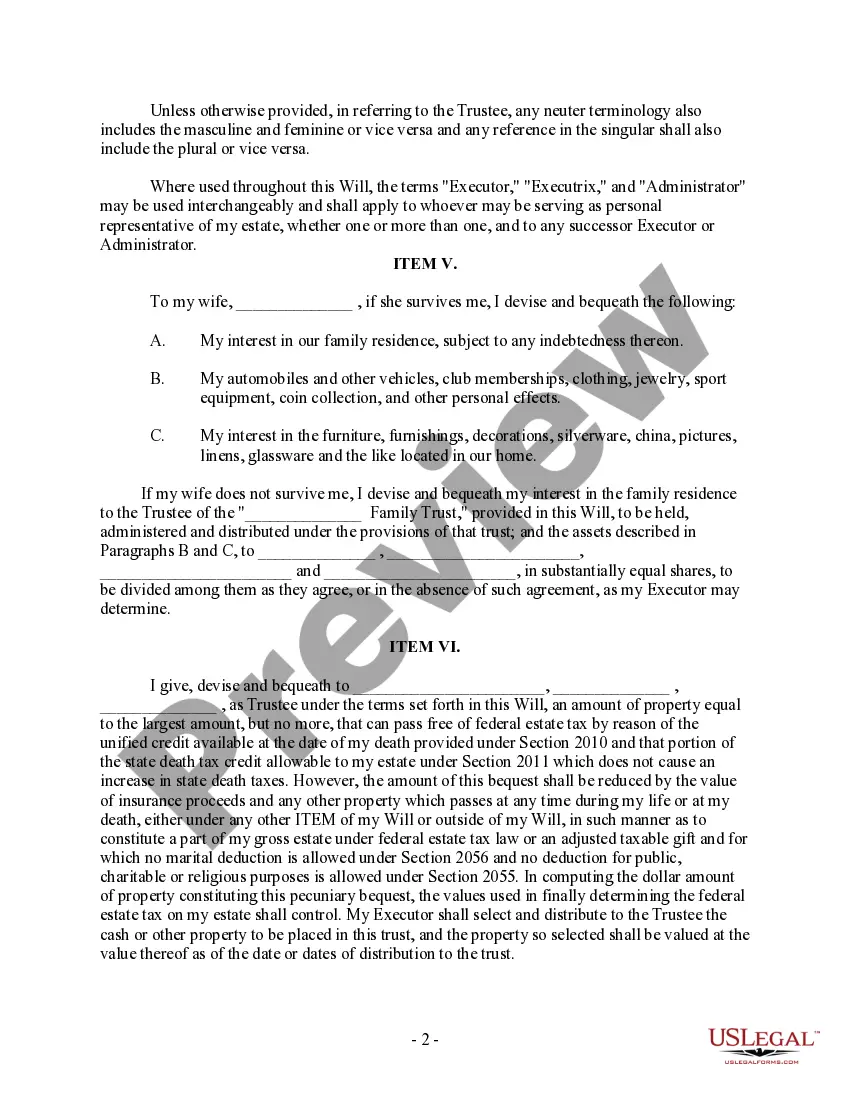
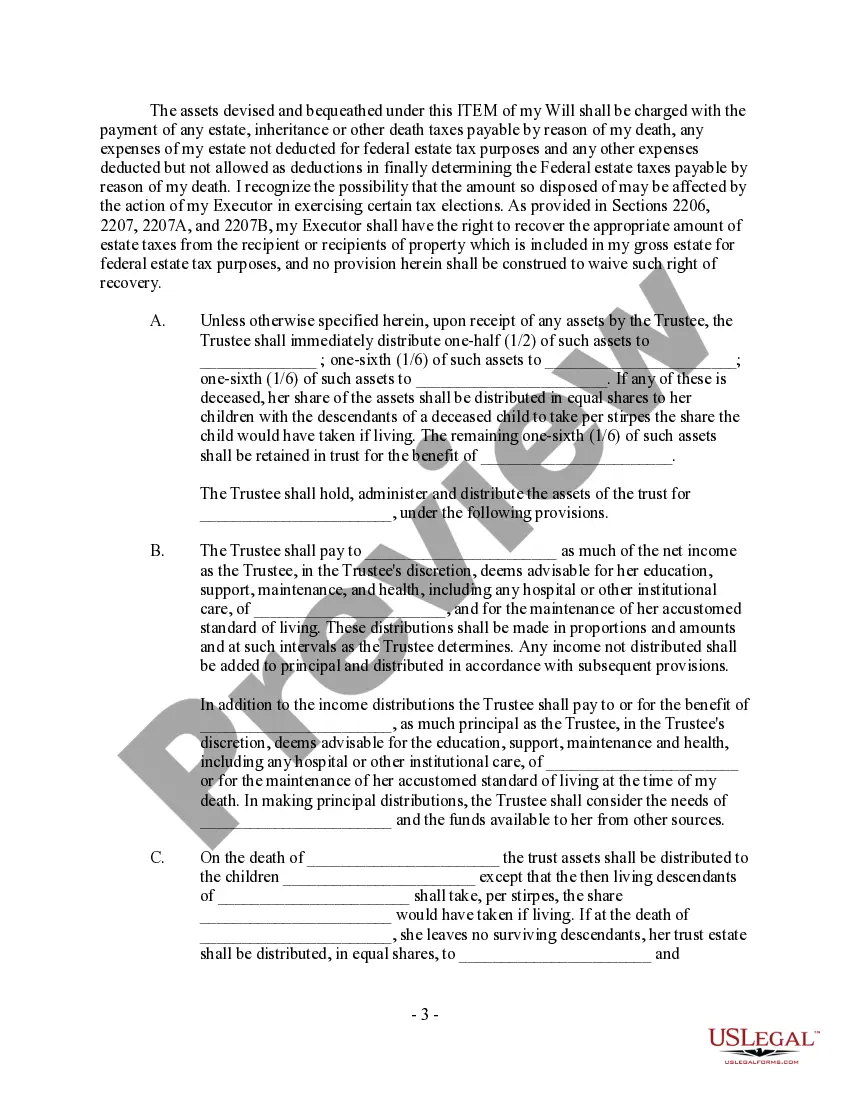
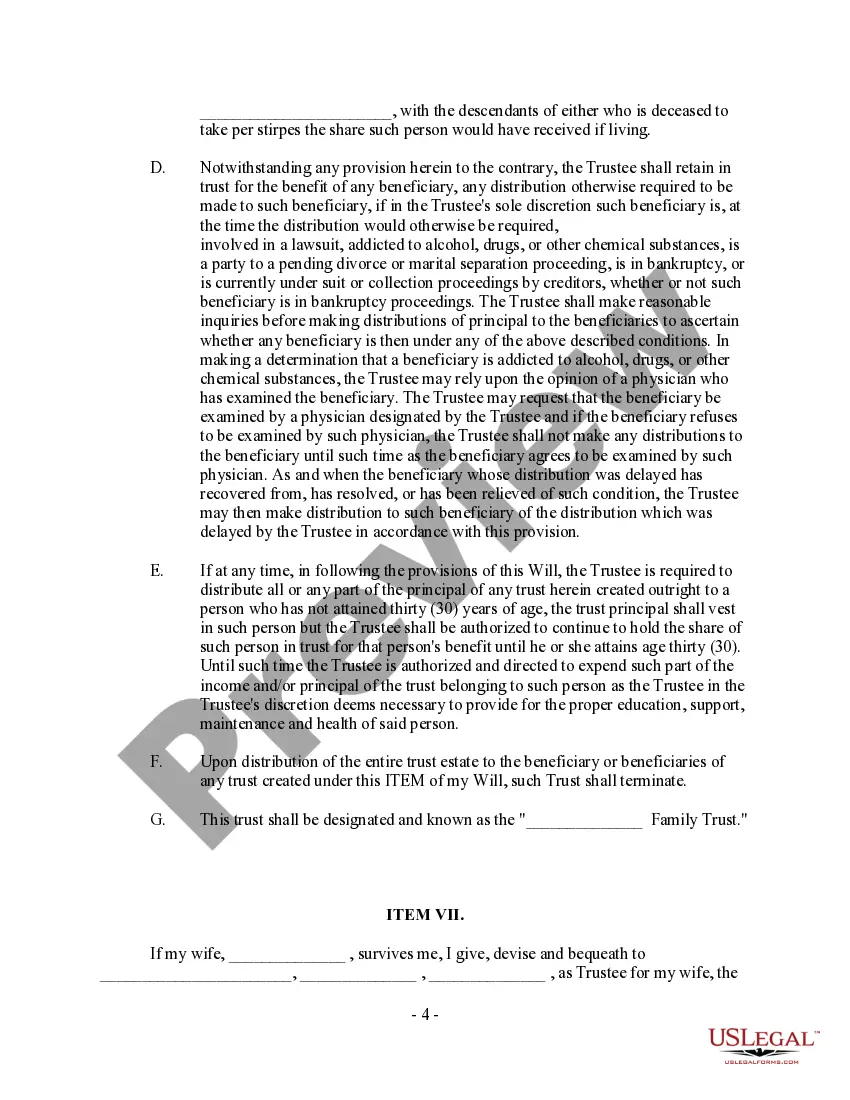
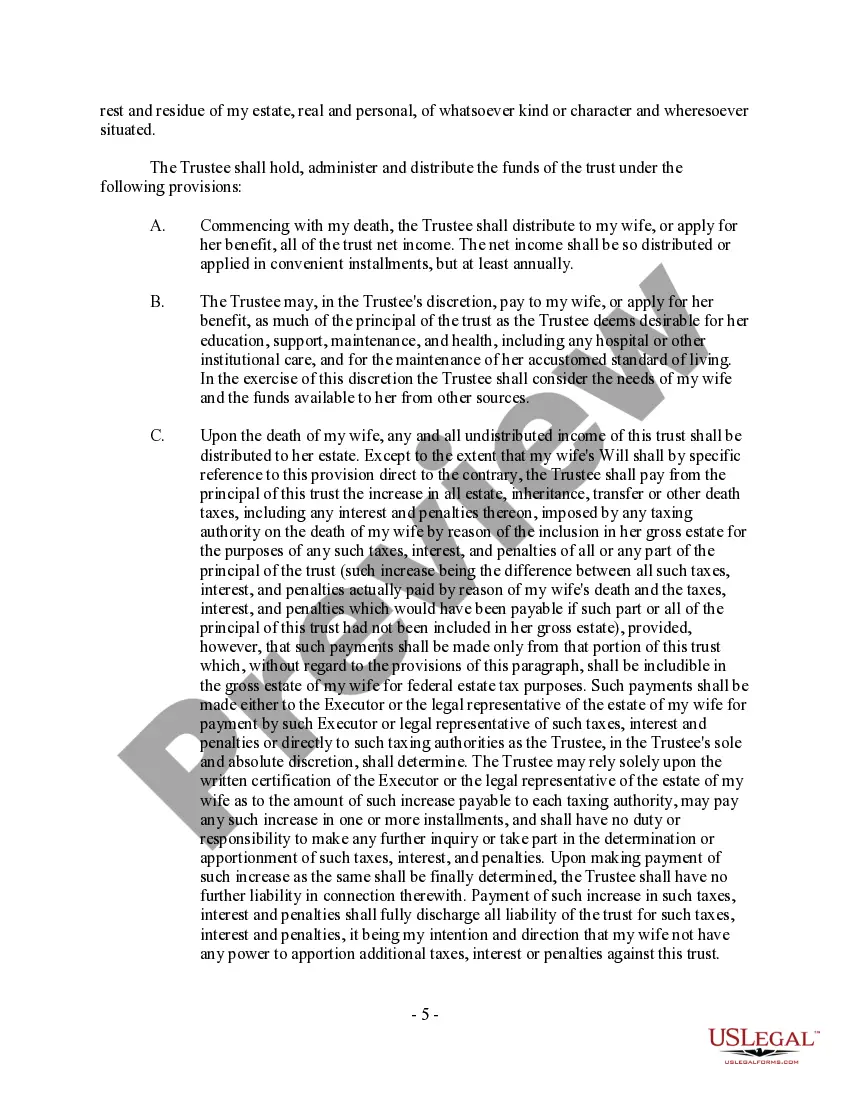
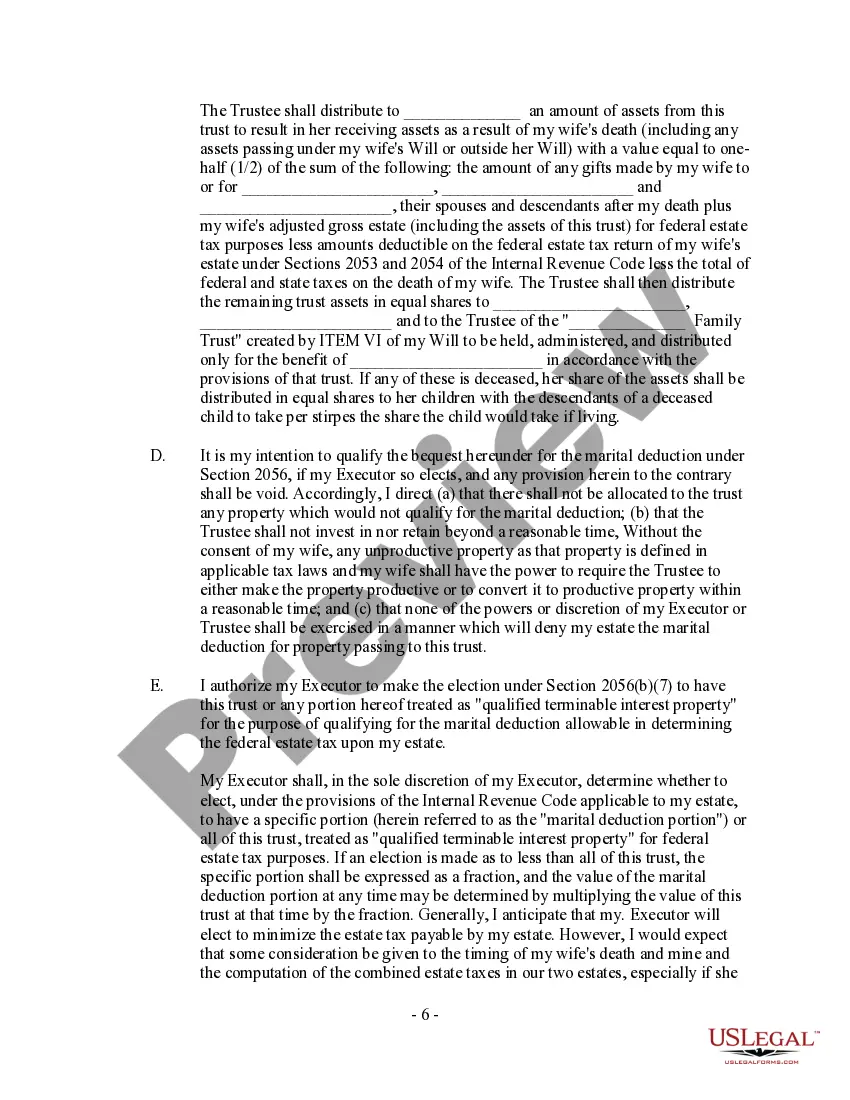
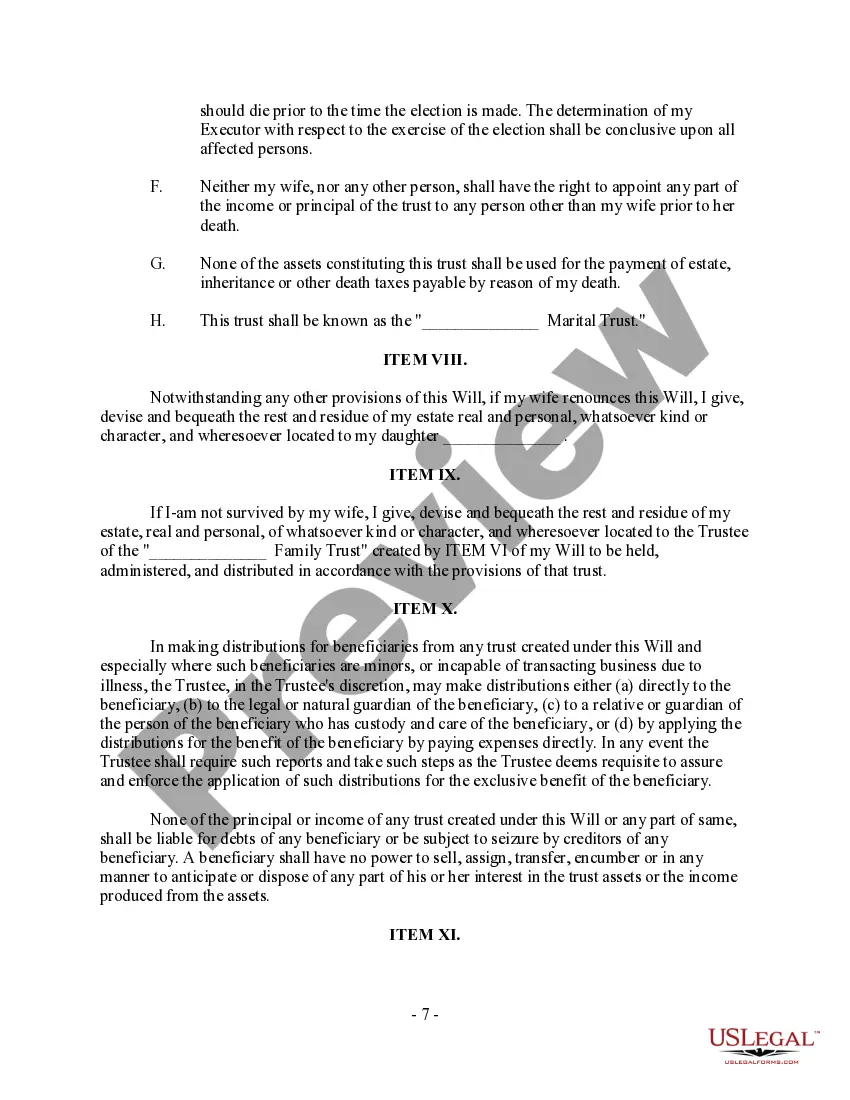
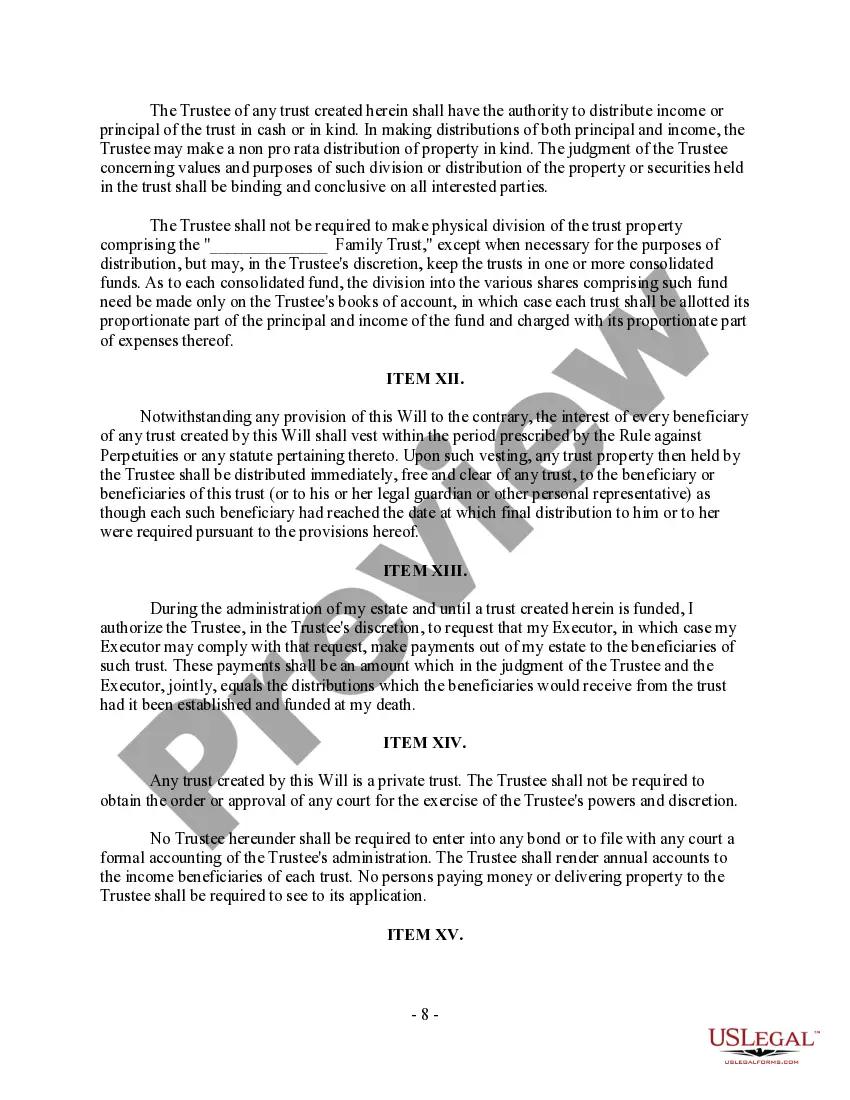
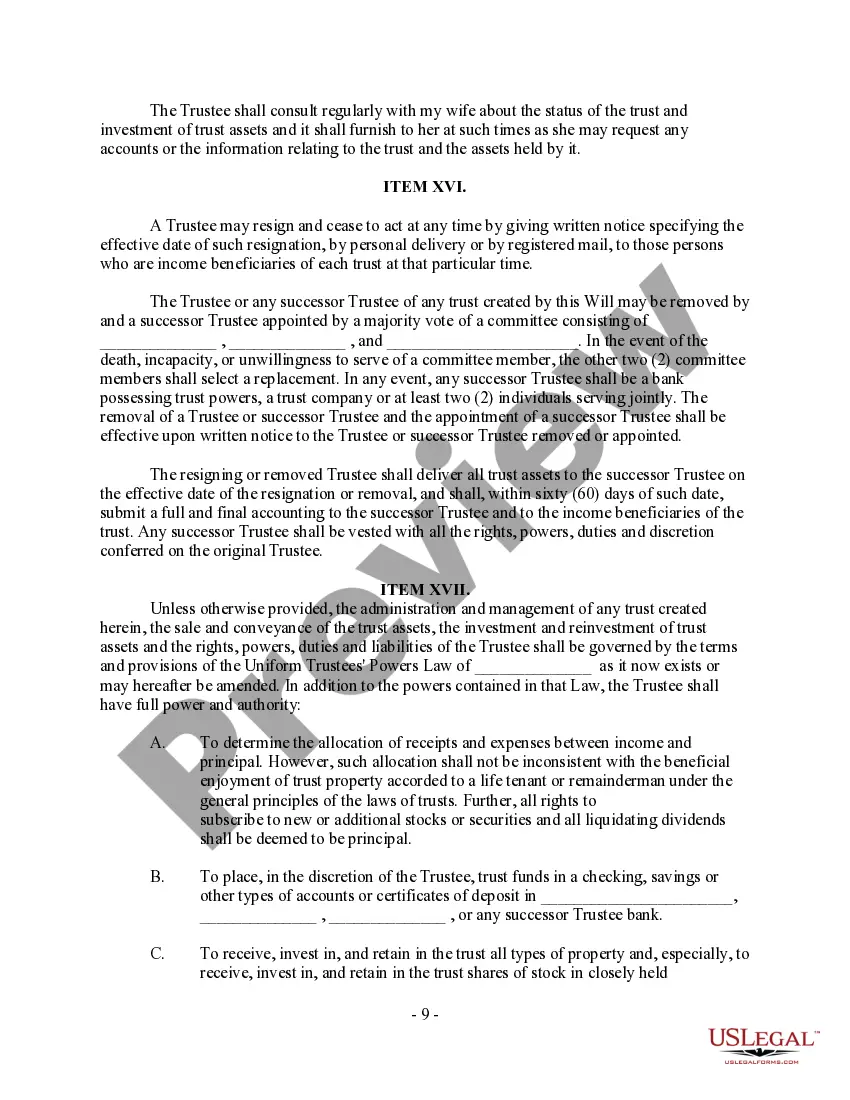



Get your form ready online
Our built-in tools help you complete, sign, share, and store your documents in one place.
Make edits, fill in missing information, and update formatting in US Legal Forms—just like you would in MS Word.
Download a copy, print it, send it by email, or mail it via USPS—whatever works best for your next step.
Sign and collect signatures with our SignNow integration. Send to multiple recipients, set reminders, and more. Go Premium to unlock E-Sign.
If this form requires notarization, complete it online through a secure video call—no need to meet a notary in person or wait for an appointment.
We protect your documents and personal data by following strict security and privacy standards.

Make edits, fill in missing information, and update formatting in US Legal Forms—just like you would in MS Word.

Download a copy, print it, send it by email, or mail it via USPS—whatever works best for your next step.

Sign and collect signatures with our SignNow integration. Send to multiple recipients, set reminders, and more. Go Premium to unlock E-Sign.

If this form requires notarization, complete it online through a secure video call—no need to meet a notary in person or wait for an appointment.

We protect your documents and personal data by following strict security and privacy standards.
Looking for another form?



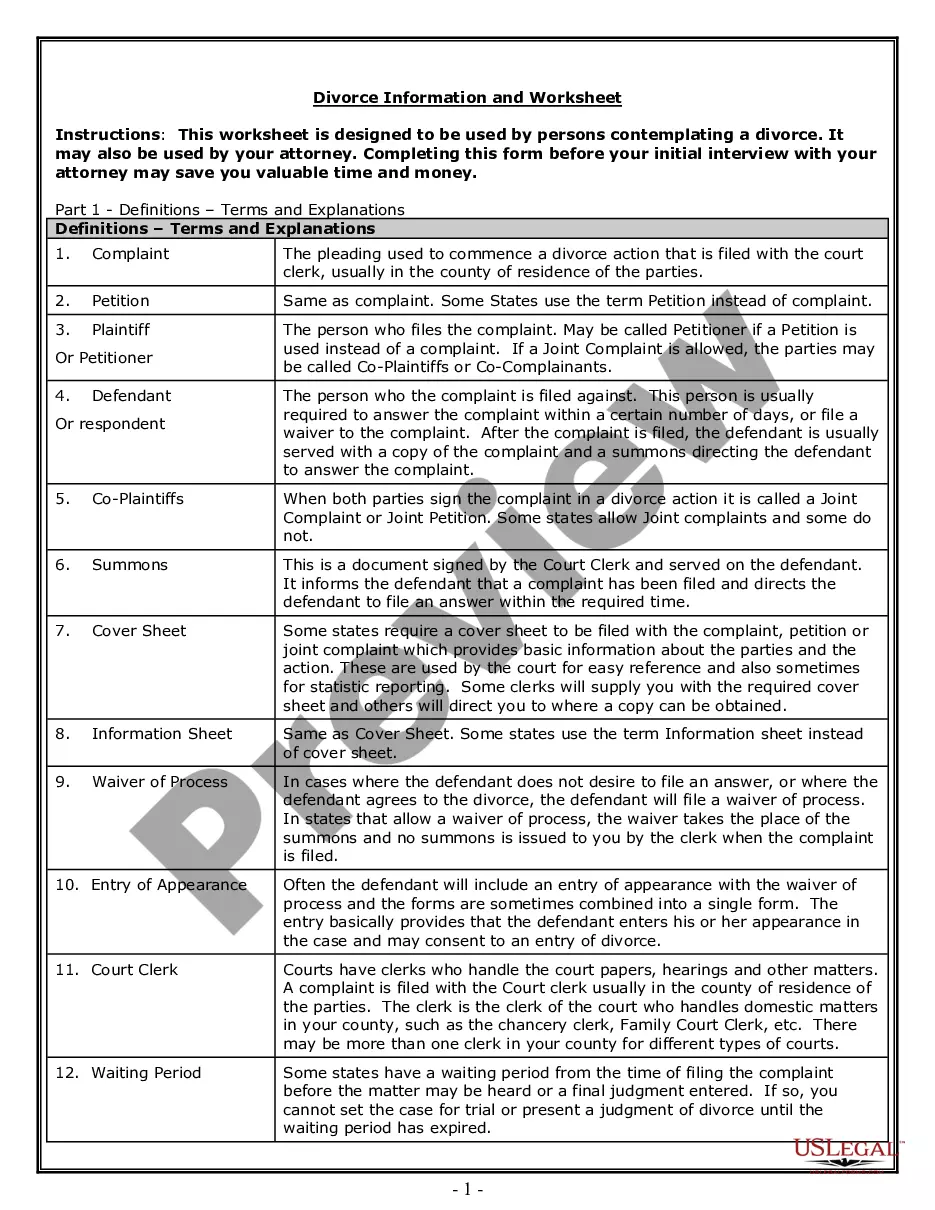



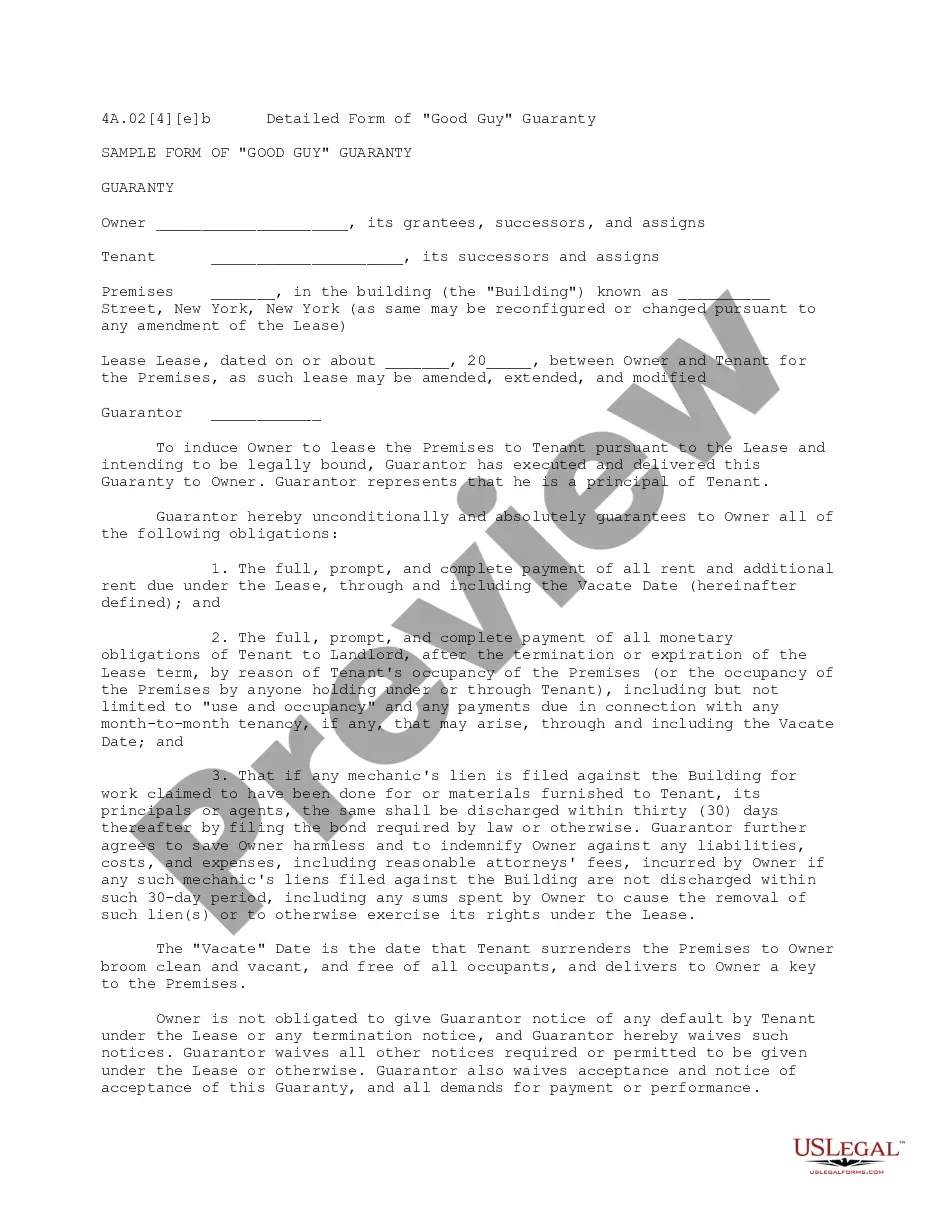


How to fill out Complex Will - Credit Shelter Marital Trust For Spouse?
Obtaining legal document examples that adhere to federal and local laws is essential, and the internet provides a multitude of selections to choose from.
However, what's the use of spending time hunting for the suitable Trust For Credit Unions example online when the US Legal Forms digital library already contains such templates gathered in one location.
US Legal Forms is the largest online legal repository with over 85,000 editable templates created by lawyers for any business and personal situation. They are simple to navigate with all documents categorized by state and intended use.
All templates you find via US Legal Forms are reusable. To re-download and complete previously saved documents, access the My documents tab in your account. Enjoy the most comprehensive and user-friendly legal documentation service!
- Our specialists keep pace with legislative changes, ensuring your documents are always current and compliant when obtaining a Trust For Credit Unions from our site.
- Acquiring a Trust For Credit Unions is quick and straightforward for both existing and new users.
- If you already possess an account with an active subscription, Log In and save the document example you require in your chosen format.
- If you are a newcomer to our site, follow the steps below.
- Examine the template using the Preview feature or through the text outline to ensure it satisfies your requirements.
Form popularity
FAQ
Yes, credit unions can offer trust accounts to their members. These accounts provide an excellent way to hold and manage assets on behalf of beneficiaries, ensuring that funds are protected and distributed according to the trust's terms. By choosing a trust for credit unions, members gain access to flexible financial solutions tailored to their needs. For a straightforward setup process, visit uslegalforms for the necessary documentation and support.
To place everything you own in a trust, start by identifying all your assets, such as real estate, bank accounts, and investments. You will then need to formally transfer these assets into the trust by executing the necessary legal documents. Using a service like USLegalForms can make this process smoother as they provide step-by-step guidelines tailored for creating a trust for credit unions.
Yes, many credit unions accept trust accounts, allowing you to manage your assets effectively. However, it’s essential to check the specific requirements of your credit union, as they may vary. Establishing a trust for credit unions can offer greater financial flexibility and security for you and your beneficiaries.
One common mistake parents make is not updating the trust after significant life events, such as the birth of a child or a change in financial circumstances. This can lead to confusion and disputes among beneficiaries later on. It is crucial to regularly review and update your trust for credit unions to ensure it reflects your current intentions and circumstances.
To fill out a trust form, begin by specifying the name of your trust and the date it becomes effective. Next, list the assets you intend to place in the trust along with the names of the beneficiaries. Utilizing services like USLegalForms can provide you with clear instructions and templates specifically designed for establishing a trust for credit unions.
Filling out a trust form involves gathering necessary information about the assets you want to include. Start by clearly identifying the trustee, beneficiaries, and the assets to be placed in the trust. Once you have these details, you can use platforms like USLegalForms to access customizable templates that simplify the process of creating a trust for credit unions.
Trust is a vital factor when choosing a financial partner. Credit unions operate on a cooperative model, focusing on member service rather than profit. This structure encourages transparency and ethical practices. Many members feel a strong sense of trust for credit unions because of their dedication to community and member well-being.
Many people wonder about the safety of their financial institutions. Credit unions prioritize their members, which contributes to their stability. Regulatory bodies oversee their operations and ensure they maintain sound financial practices. Thus, many find that trust for credit unions exists due to their commitment to member security and responsible management.
Yes, opening a trust account at a credit union is possible and often straightforward. Many credit unions offer specialized services to assist members in setting up a trust for credit unions tailored to their needs. To begin, you will need to gather necessary documentation, such as the trust agreement and identification. Consider reaching out to your credit union for personalized guidance on the application process.
Not all credit unions have dedicated trust departments, but many partner with financial institutions that do offer trust services. These partnerships help members manage their trust accounts effectively and ensure compliance with legal requirements. When considering a trust for credit unions, look for those that provide access to qualified trust specialists. This support can enhance your overall experience and help you navigate the complexities of estate planning.