Credit Shelter Trust Pros And Cons
Description

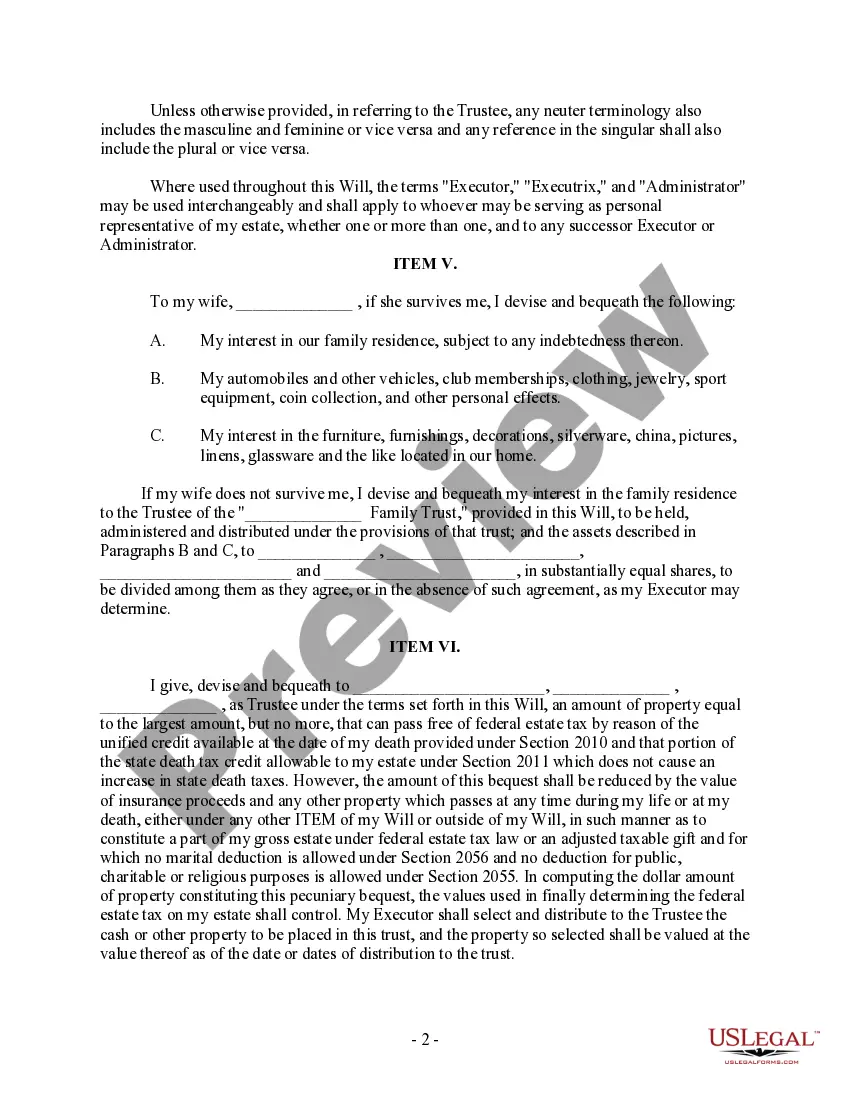
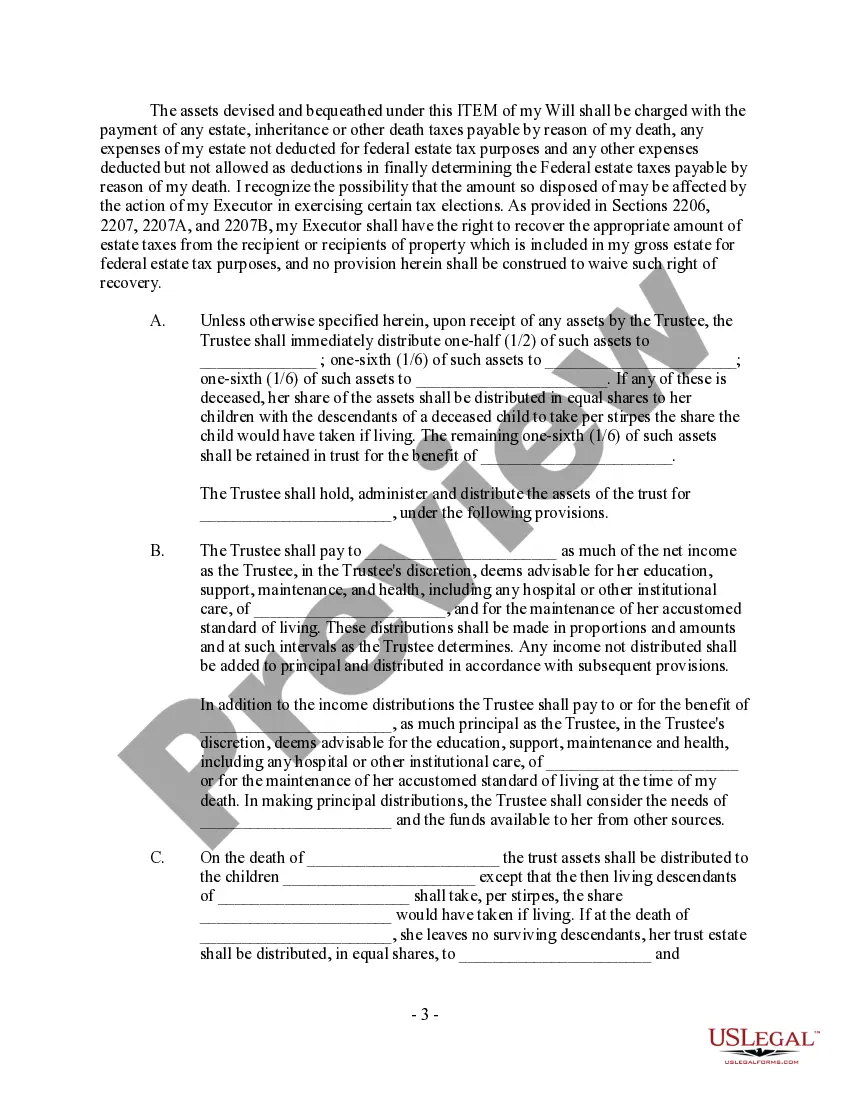
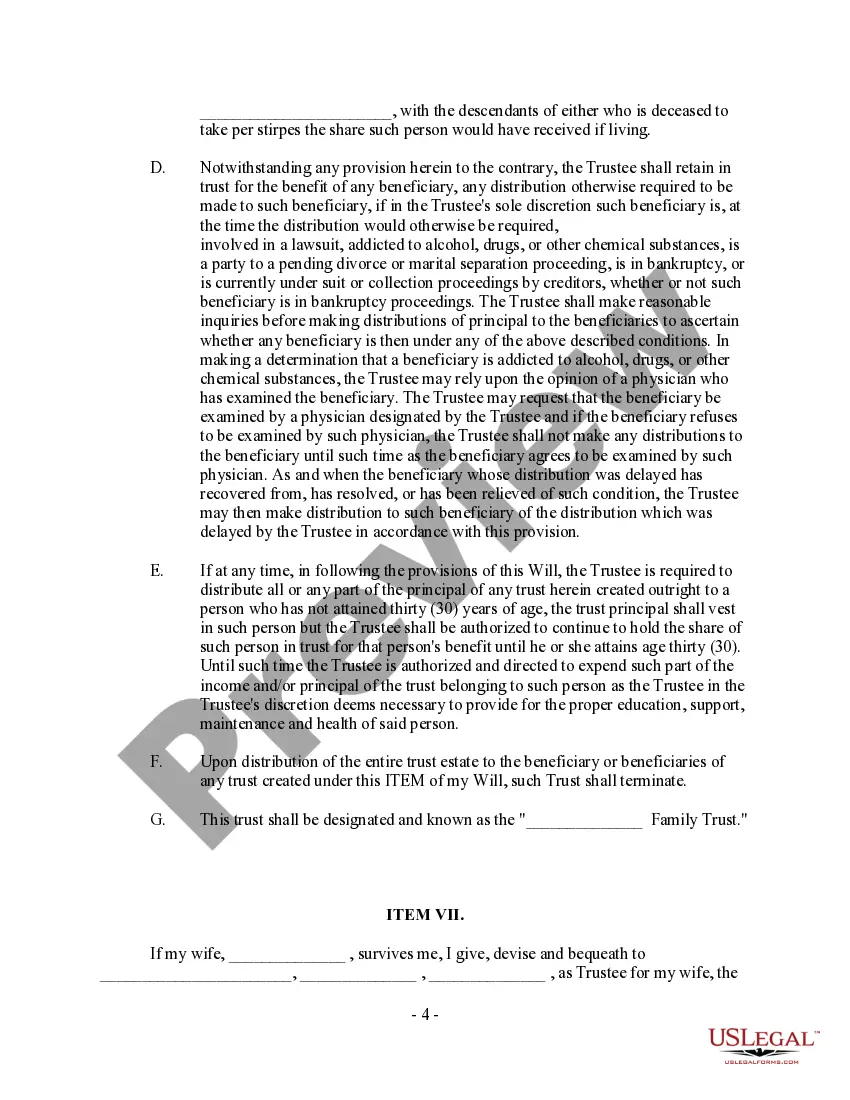
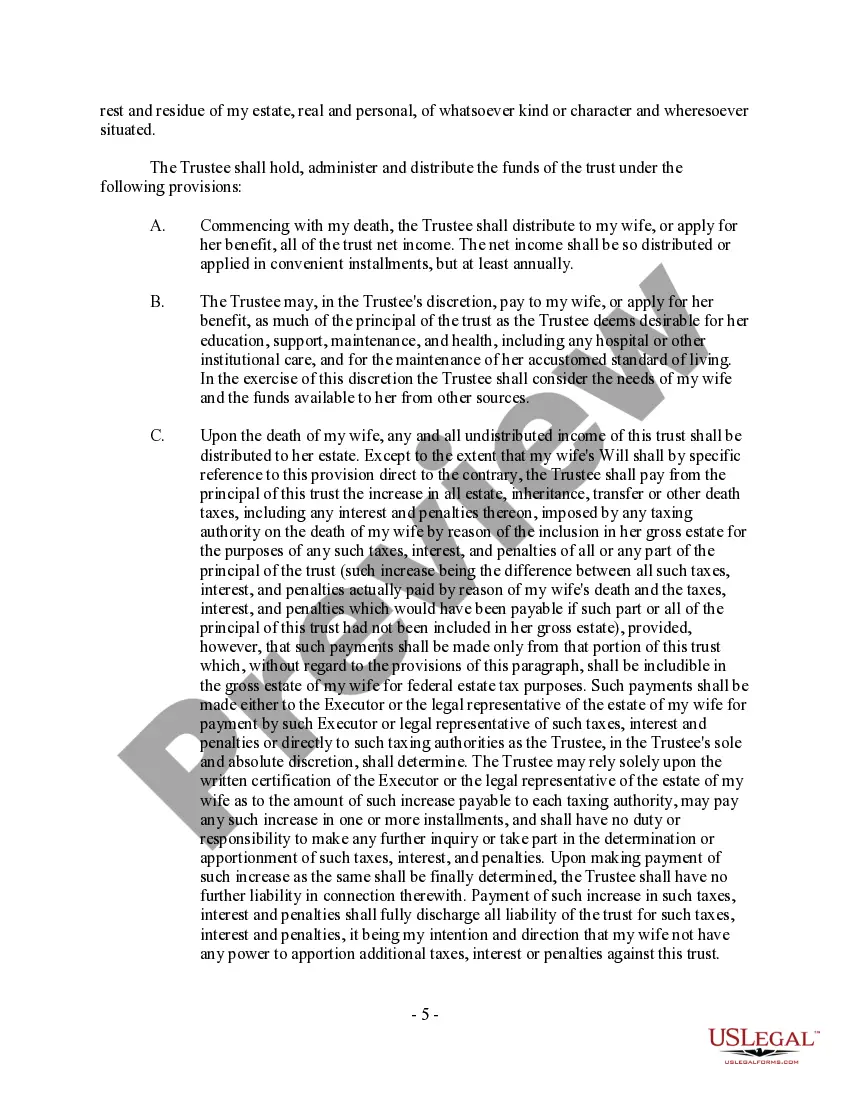
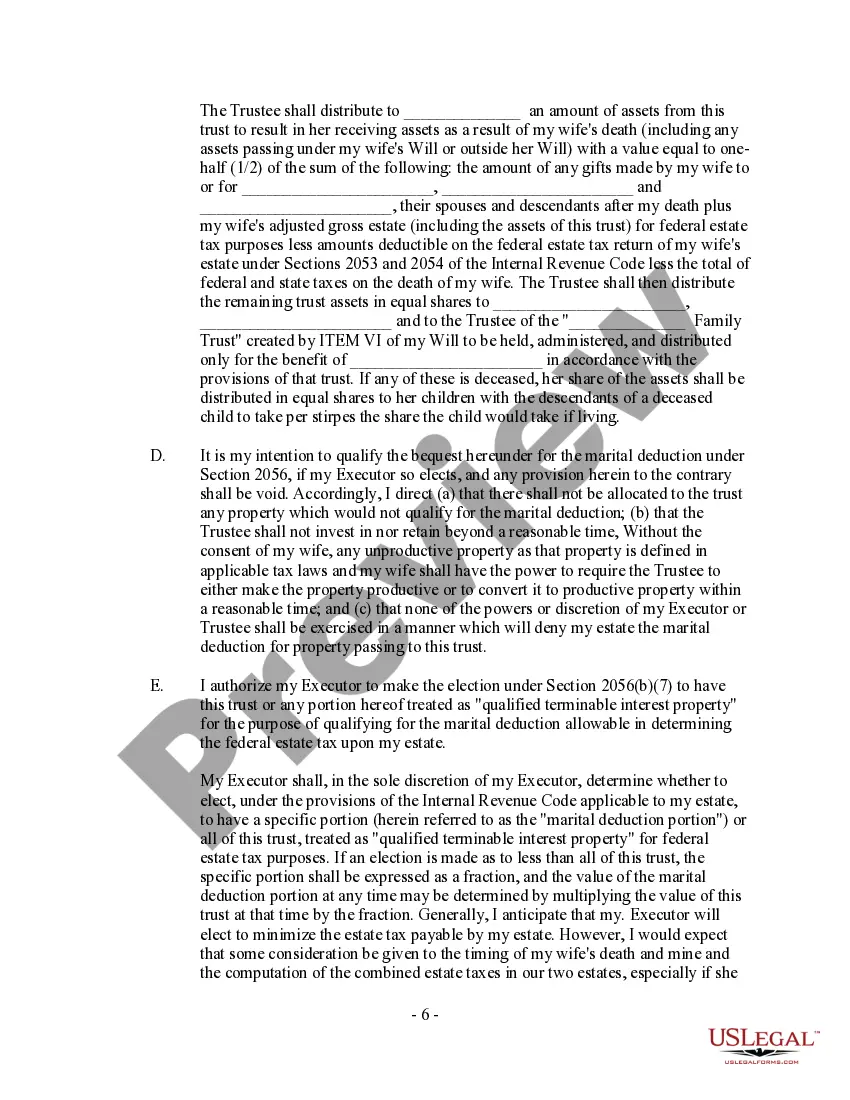
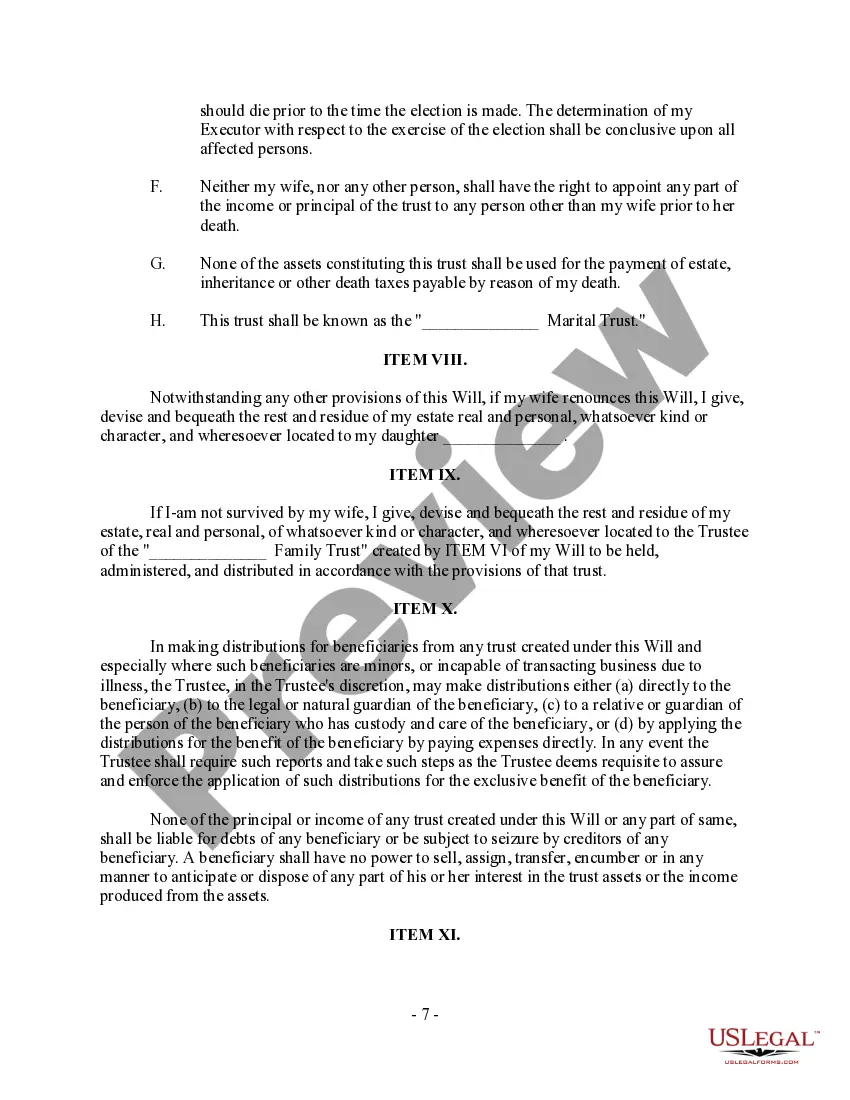
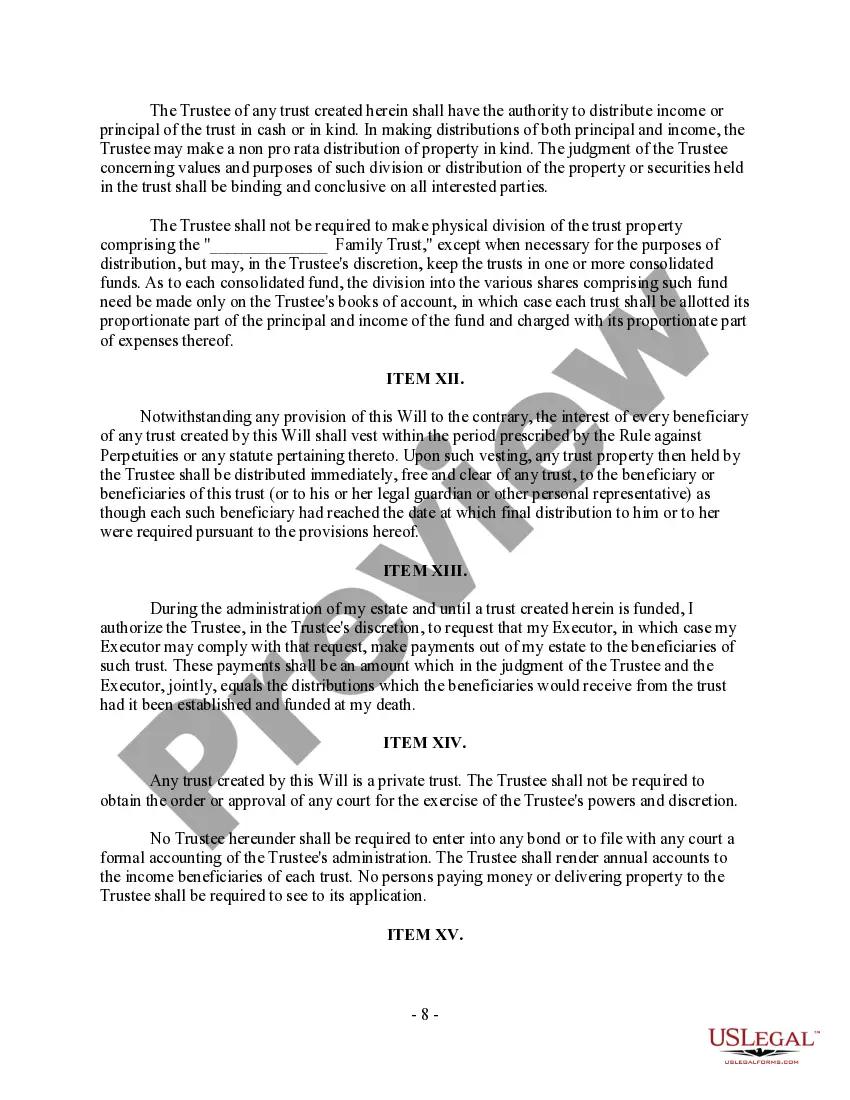
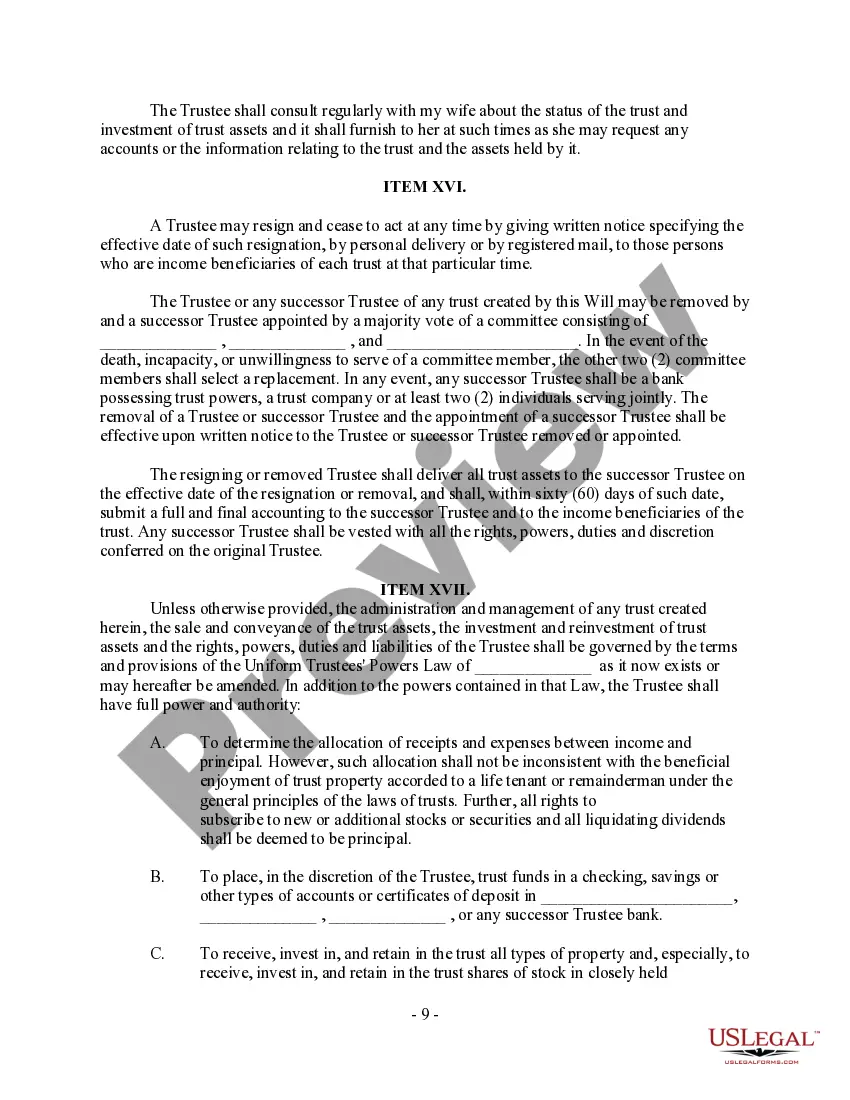



Get your form ready online
Our built-in tools help you complete, sign, share, and store your documents in one place.
Make edits, fill in missing information, and update formatting in US Legal Forms—just like you would in MS Word.
Download a copy, print it, send it by email, or mail it via USPS—whatever works best for your next step.
Sign and collect signatures with our SignNow integration. Send to multiple recipients, set reminders, and more. Go Premium to unlock E-Sign.
If this form requires notarization, complete it online through a secure video call—no need to meet a notary in person or wait for an appointment.
We protect your documents and personal data by following strict security and privacy standards.

Make edits, fill in missing information, and update formatting in US Legal Forms—just like you would in MS Word.

Download a copy, print it, send it by email, or mail it via USPS—whatever works best for your next step.

Sign and collect signatures with our SignNow integration. Send to multiple recipients, set reminders, and more. Go Premium to unlock E-Sign.

If this form requires notarization, complete it online through a secure video call—no need to meet a notary in person or wait for an appointment.

We protect your documents and personal data by following strict security and privacy standards.
Looking for another form?



How to fill out Complex Will - Credit Shelter Marital Trust For Spouse?
- If you are a returning user, log in to your account and download the necessary form template directly to your device by selecting the Download button. Ensure your subscription remains active.
- For first-time users, start by examining the Preview mode and the form description to verify that you choose the correct legal document that meets your jurisdiction's requirements.
- If the initial template isn't suitable, utilize the Search tab at the top to find a more appropriate one.
- Once you've selected the right document, click on the Buy Now button and decide on your preferred subscription plan. You will need to register an account for full access.
- Proceed to make your purchase by entering your credit card information or opting for payment via PayPal.
- Finally, download your form and save it for future use. You can access it anytime from the My documents section of your profile.
By utilizing US Legal Forms, users benefit from an extensive library of over 85,000 readily available legal forms, ensuring a seamless experience in document creation.
Take control of your estate planning today—get started with US Legal Forms to ensure your documents are comprehensive and legally sound.
Form popularity
FAQ
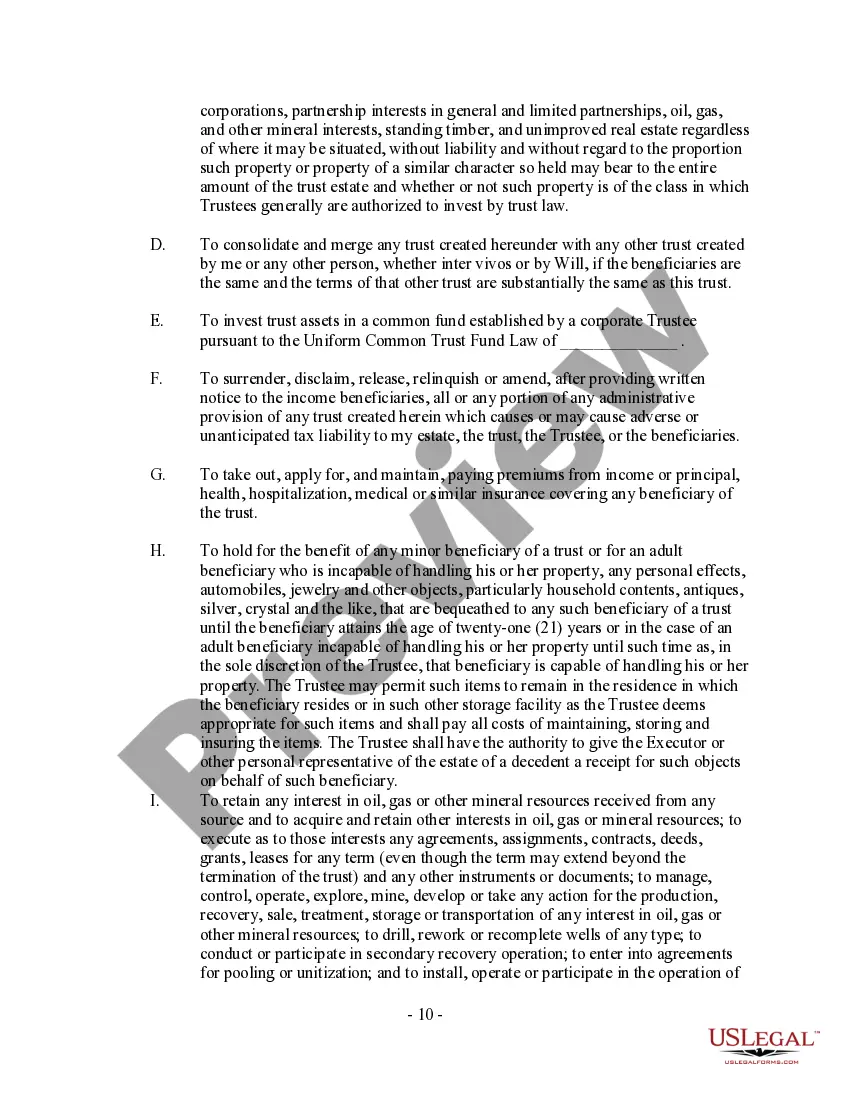
The maximum amount for a credit shelter trust often aligns with the estate tax exemption limit set by the IRS. As of recent regulations, this exemption has been in the millions, allowing individuals to shield a significant portion of their estate from taxes. It's essential to consult with a financial advisor to determine the current limits and evaluate the credit shelter trust pros and cons for your unique situation. By effectively utilizing this trust, you can maximize your wealth preservation and ensure better financial security for your heirs.
A credit shelter trust allows individuals to protect assets from estate taxes, ensuring that beneficiaries receive more of their inheritance. It enables married couples to maximize their estate tax exemptions, thus preserving wealth for the family. Additionally, a credit shelter trust provides flexibility in managing distributions, allowing the grantor to provide for loved ones while minimizing tax liabilities. When weighing the credit shelter trust pros and cons, it’s essential to consider how this option can enhance your financial strategy.
Typically, the trust itself is responsible for taxes on any income it generates, not the beneficiaries. However, once income is distributed, those beneficiaries may be taxed on the distributions they receive. It is crucial to grasp these dynamics when examining credit shelter trust pros and cons, as they can affect your overall financial plan.
Upon the death of the surviving spouse, the credit shelter trust typically becomes irrevocable, and its terms dictate the distribution of assets. Beneficiaries will inherit the assets based on the specifics outlined in the trust. This process is important to understand when assessing credit shelter trust pros and cons, as it impacts estate planning for both spouses.
While many trusts can offer tax advantages, irrevocable trusts often provide the best options for minimizing tax liability. These trusts remove assets from your estate, helping to avoid estate taxes upon your death. Weighing the credit shelter trust pros and cons against other types of irrevocable trusts can guide you in making informed decisions.
The main purpose of a credit shelter trust is to reduce or eliminate estate tax liability for beneficiaries. By isolating assets in a trust, you can take advantage of estate tax exemptions during your lifetime, preserving wealth for future generations. Evaluating the credit shelter trust pros and cons helps in understanding how it can fit into your overall estate planning strategy.
One of the disadvantages of a credit shelter trust is its complexity, which can require extensive legal and tax planning. Additionally, the assets within the trust may not receive a step-up in basis, potentially leading to higher taxes upon sale. These factors are vital to consider when outlining the credit shelter trust pros and cons, as each situation varies significantly.
After the death of the person who established the credit shelter trust, the trust usually remains in effect. The assets are managed according to the trust document's instructions and are not included in the deceased's estate for tax purposes. This separate treatment can offer significant estate tax savings, a key aspect worth considering when weighing credit shelter trust pros and cons.
Income generated from a credit shelter trust is typically taxed at the trust's tax rate. This means that the income does not flow through to beneficiaries immediately, allowing for potential tax advantages. Strategically, this can help reduce a beneficiary's taxable income on their personal tax return. Understanding the credit shelter trust pros and cons can help you effectively manage your tax obligations.
Certain trust types, such as charitable trusts, can be tax-exempt under specific conditions. These trusts allow individuals to donate assets while potentially enjoying tax deductions. Additionally, understanding credit shelter trust pros and cons is crucial, as this type of trust can have favorable tax implications for beneficiaries. Leveraging resources like USLegalForms can help you learn more about the various tax implications connected to different trust types.