Credit Shelter Trust For The Future
Description

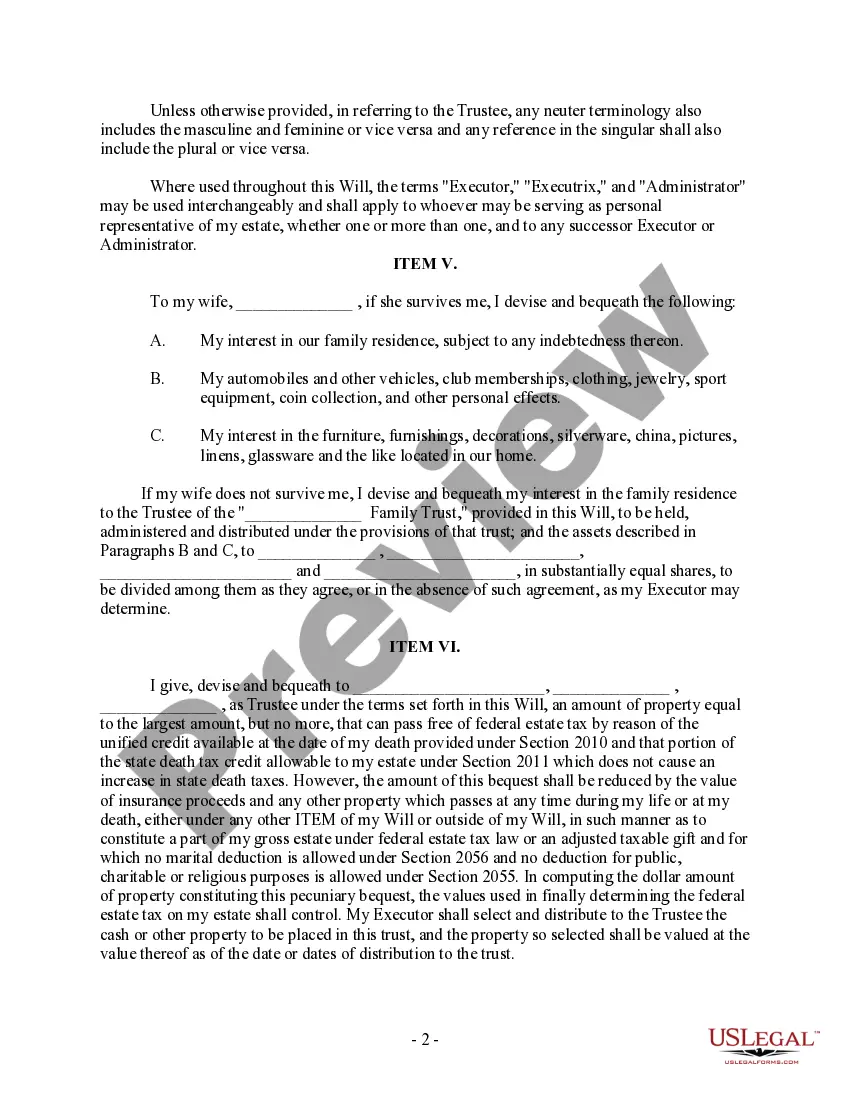
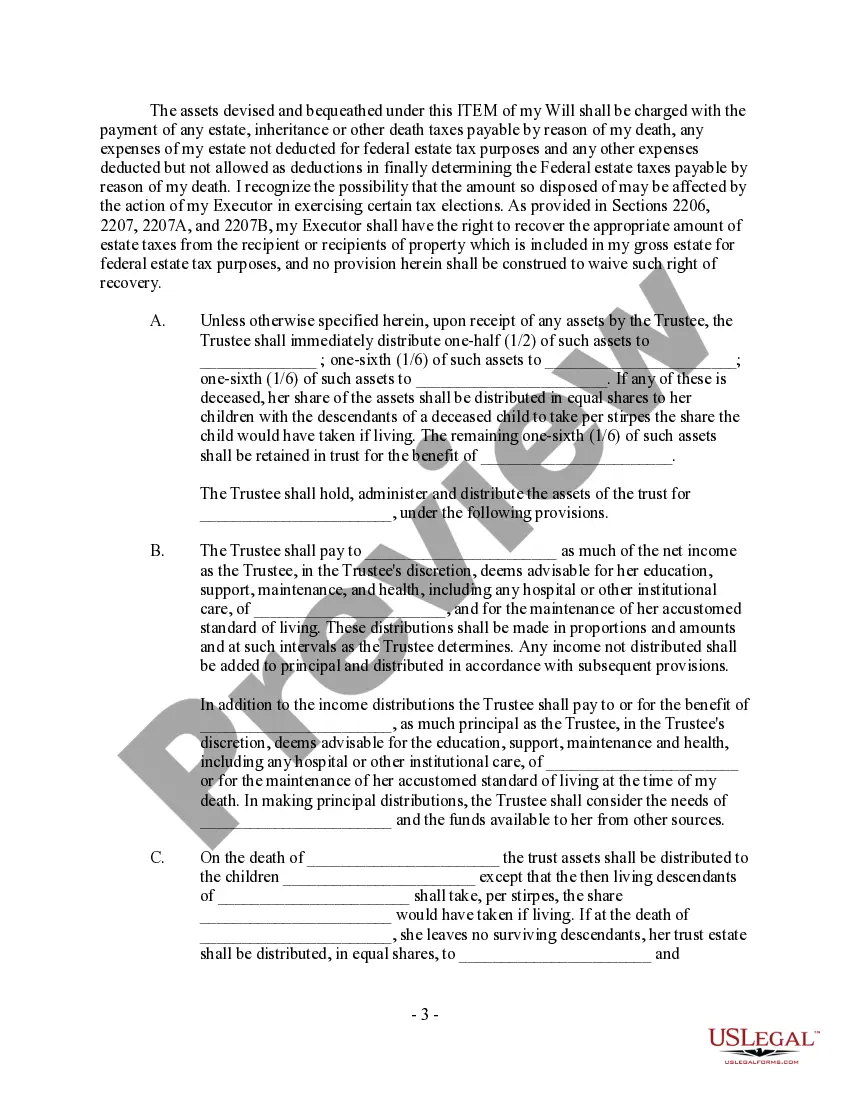
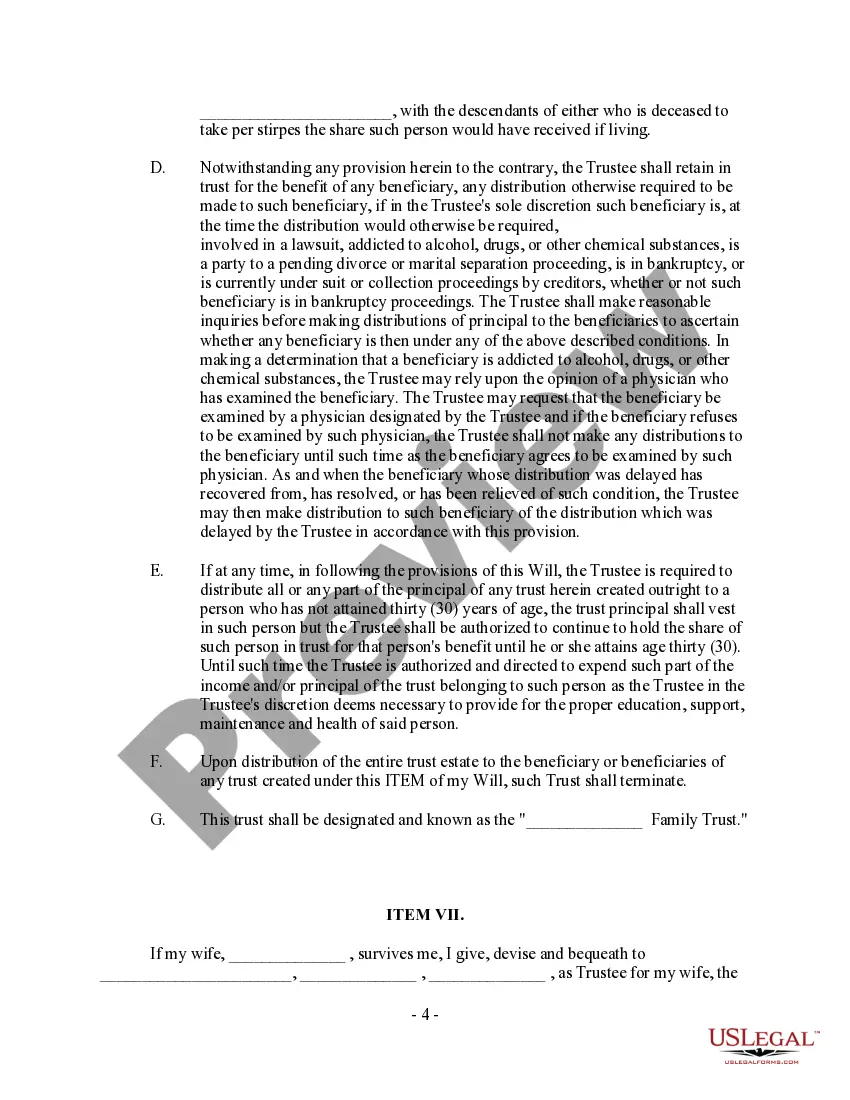
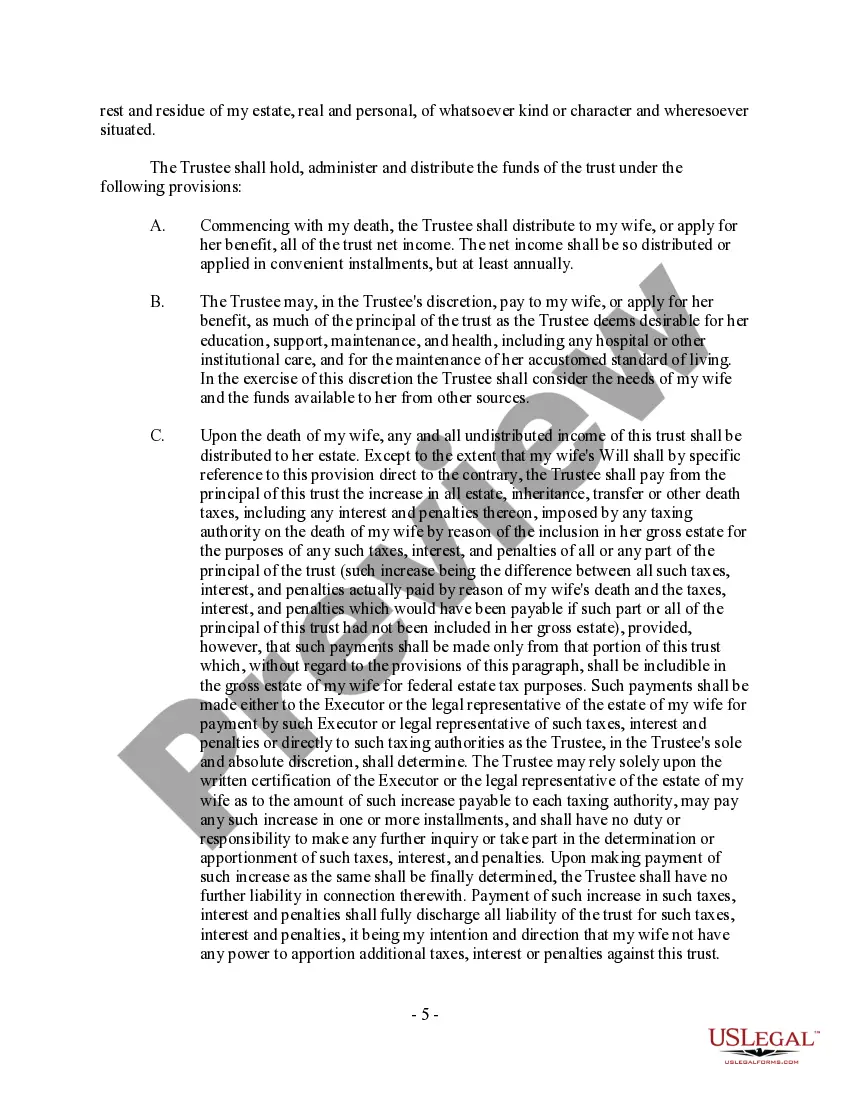
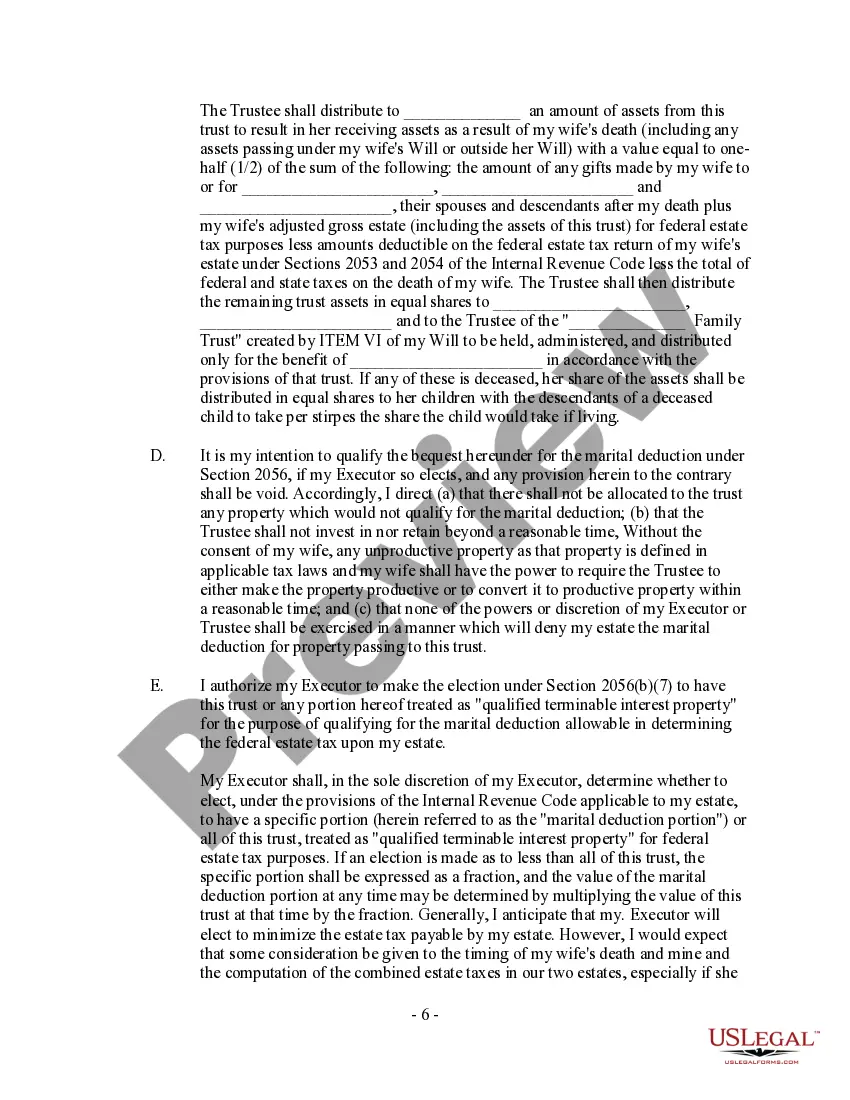
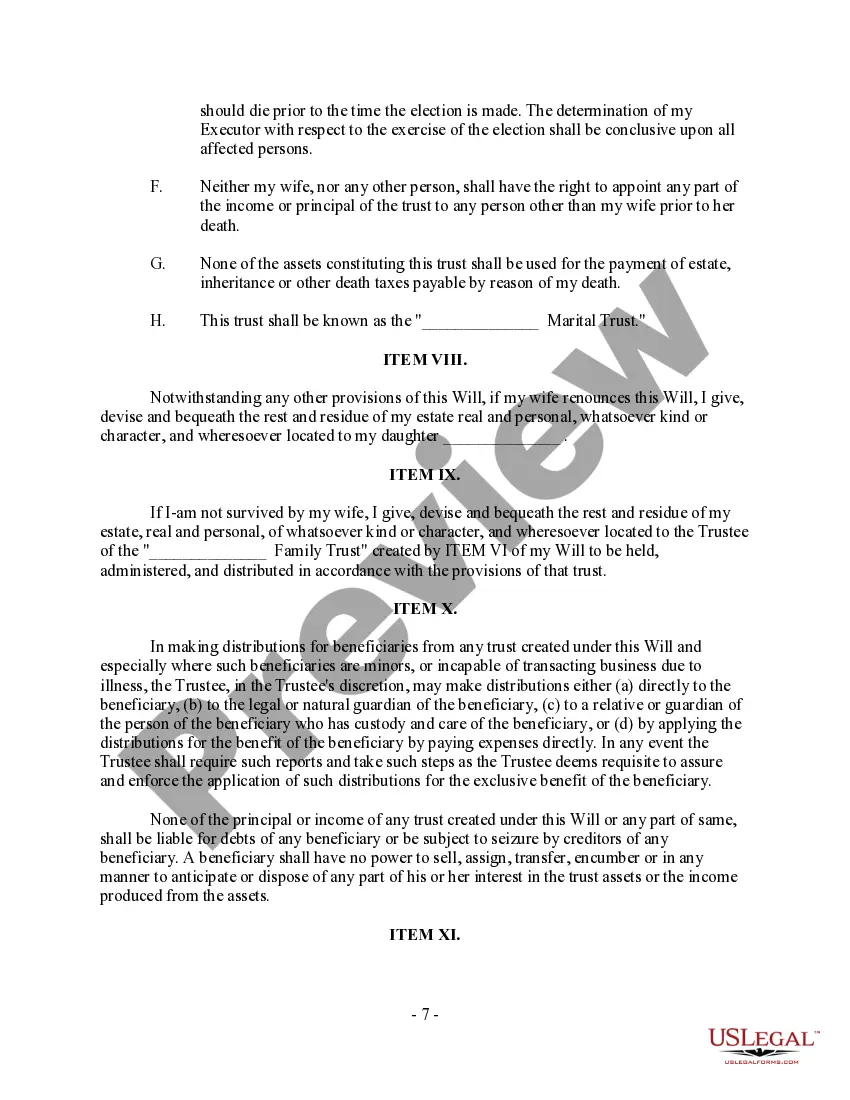
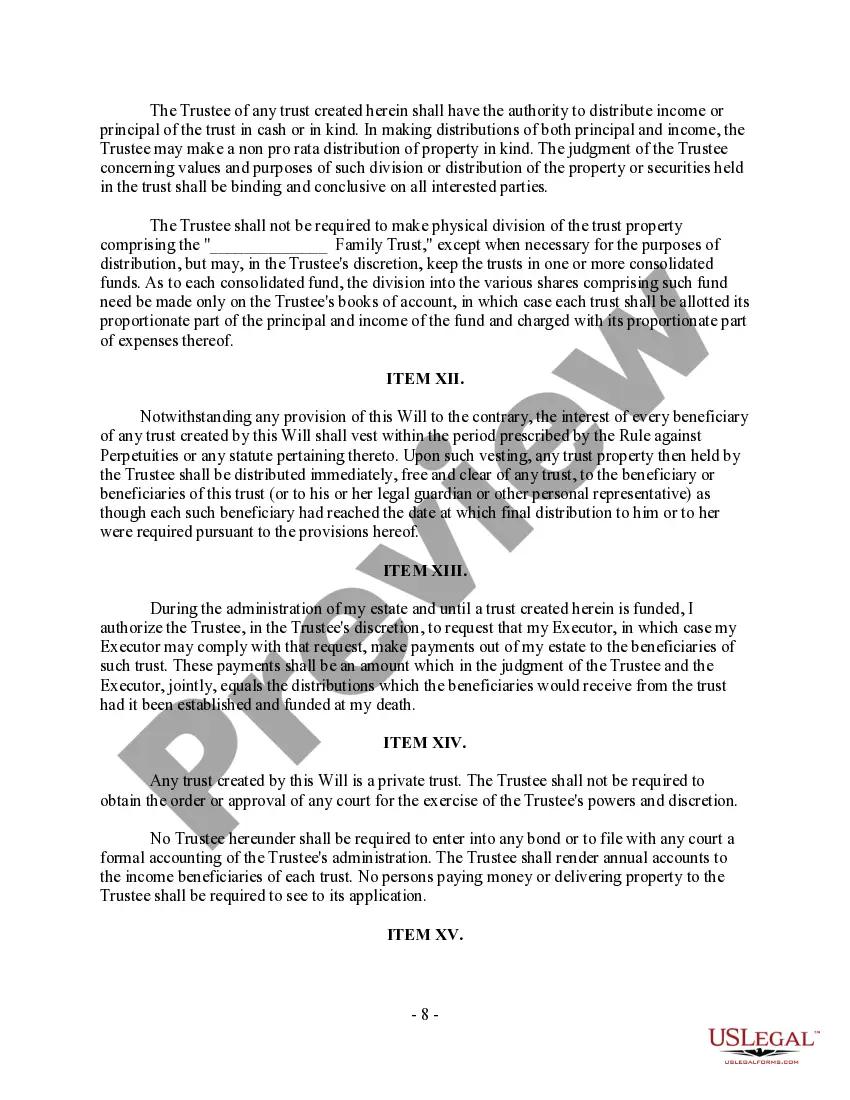
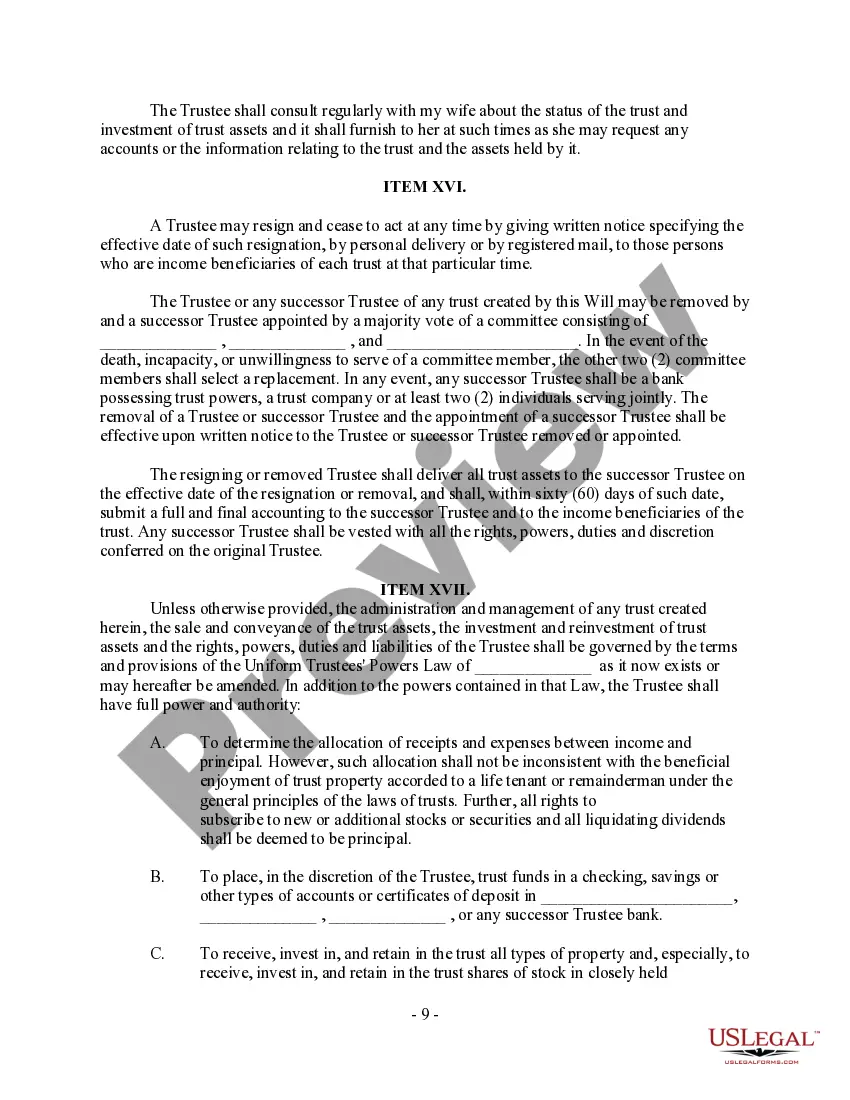


Get your form ready online
Our built-in tools help you complete, sign, share, and store your documents in one place.
Make edits, fill in missing information, and update formatting in US Legal Forms—just like you would in MS Word.
Download a copy, print it, send it by email, or mail it via USPS—whatever works best for your next step.
Sign and collect signatures with our SignNow integration. Send to multiple recipients, set reminders, and more. Go Premium to unlock E-Sign.
If this form requires notarization, complete it online through a secure video call—no need to meet a notary in person or wait for an appointment.
We protect your documents and personal data by following strict security and privacy standards.

Make edits, fill in missing information, and update formatting in US Legal Forms—just like you would in MS Word.

Download a copy, print it, send it by email, or mail it via USPS—whatever works best for your next step.

Sign and collect signatures with our SignNow integration. Send to multiple recipients, set reminders, and more. Go Premium to unlock E-Sign.

If this form requires notarization, complete it online through a secure video call—no need to meet a notary in person or wait for an appointment.

We protect your documents and personal data by following strict security and privacy standards.
Looking for another form?








How to fill out Complex Will - Credit Shelter Marital Trust For Spouse?
- If you're an existing user, log in to your account and download the required template by hitting the Download button. Confirm your subscription is active before proceeding.
- For first-time users, start by browsing the Preview mode and description of the trust forms. Ensure the one selected meets your specific needs and local laws.
- If you require a different template, utilize the Search tab to find the ideal form. Once you've identified the right option, proceed.
- Purchase the document by clicking the Buy Now button and selecting a subscription plan that suits you. You will need to create an account to access the resources.
- Complete your purchase by entering your credit card information or using your PayPal account to finalize the subscription.
- Download your credit shelter trust form. Save it to your device, and you can access it anytime via the My documents section of your account.
Once you’ve acquired your document, you can efficiently fill it out with assistance from US Legal Forms' online resources. Their library is unmatched, featuring over 85,000 customizable legal forms.
With US Legal Forms, you're empowered to create precise and legally sound documents. Don't hesitate—get started on your credit shelter trust for the future today!
Form popularity
FAQ
A credit shelter trust for the future often provides a more efficient alternative to an AB trust. This trust structure can limit tax liabilities while ensuring seamless asset transfer. Moreover, it simplifies the management process, allowing your beneficiaries to focus on what truly matters—honoring your legacy.
AB trusts can lead to several issues, including the potential for increased administrative burdens and the necessity for dual trust management. They may complicate tax reporting, creating hurdles for your loved ones. In comparison, using a credit shelter trust for the future tends to simplify the estate planning process.
Assets in a credit shelter trust typically do not receive a step-up in basis upon the death of the primary grantor. This means that the original value of the assets remains intact for tax purposes. However, careful planning with a credit shelter trust for the future can still offer significant advantages in estate planning strategies.
Upon death, a credit shelter trust becomes irrevocable. The assets are designed to bypass estate tax inclusion, benefiting the beneficiaries. This allows for the smooth transfer of wealth while reducing tax liabilities, aligning perfectly with the goals of a credit shelter trust for the future.
AB trusts can create unnecessary complexity in your estate planning. They often result in higher administrative costs and may require ongoing tax filings, leading to added stress for your heirs. Unlike an AB trust, a credit shelter trust for the future provides a more straightforward approach to safeguarding your wealth.
The maximum amount that can be allocated to a credit shelter trust depends on the estate tax exemption limits set by the IRS. As of recent years, this amount has been quite substantial, allowing for wealth preservation for heirs. Establishing a credit shelter trust for the future helps ensure that your assets are passed down efficiently without being diminished by estate taxes.
Unit trusts can involve complex structures that may not suit every family's needs. Additionally, they usually require experienced management, which can lead to management fees that reduce overall benefits. This might make a credit shelter trust for the future a simpler and potentially more advantageous choice for estate planning.
When the surviving spouse passes away, the credit shelter trust typically becomes irrevocable. At this point, the trust's assets will be distributed according to the terms outlined in the trust document. This process ensures that the assets are preserved for the beneficiaries, thereby reinforcing the trust’s original purpose. Utilizing a credit shelter trust for the future can help maintain family wealth across generations, while also addressing estate taxes.
Generally, creditors can go after assets in a trust, depending on the trust's structure and the local laws. However, a well-structured credit shelter trust can offer a significant level of protection against creditors, especially if it is irrevocable. This means that assets placed in a credit shelter trust for the future may be safeguarded from claims by creditors after death. Consulting a legal professional can clarify how these protections apply to your situation.
Credit shelter trusts, often referred to as bypass trusts, come in various forms. The most common types include irrevocable trusts, revocable trusts, and even life insurance trusts. Each type of credit shelter trust serves the purpose of protecting your assets and minimizing estate taxes for your heirs. When considering a credit shelter trust for the future, it's important to evaluate your specific needs and consult with a legal expert.