Credit Shelter Trust For Nature
Description

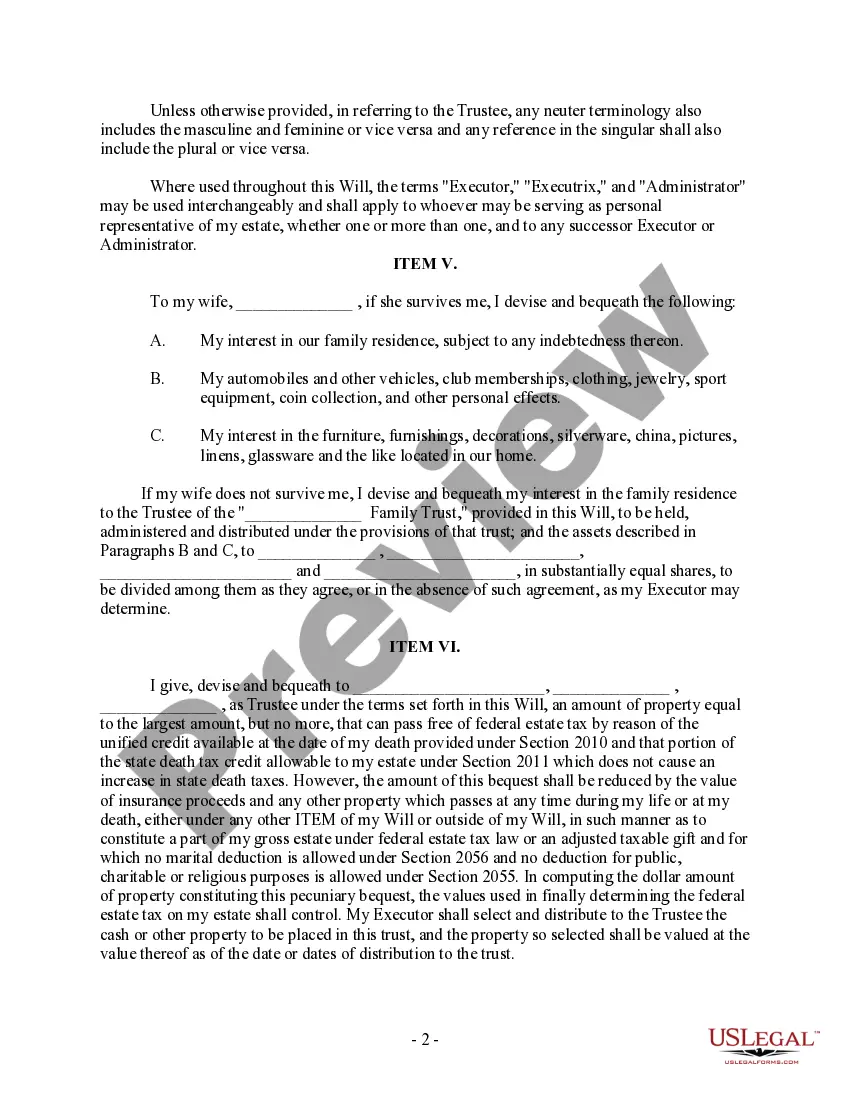
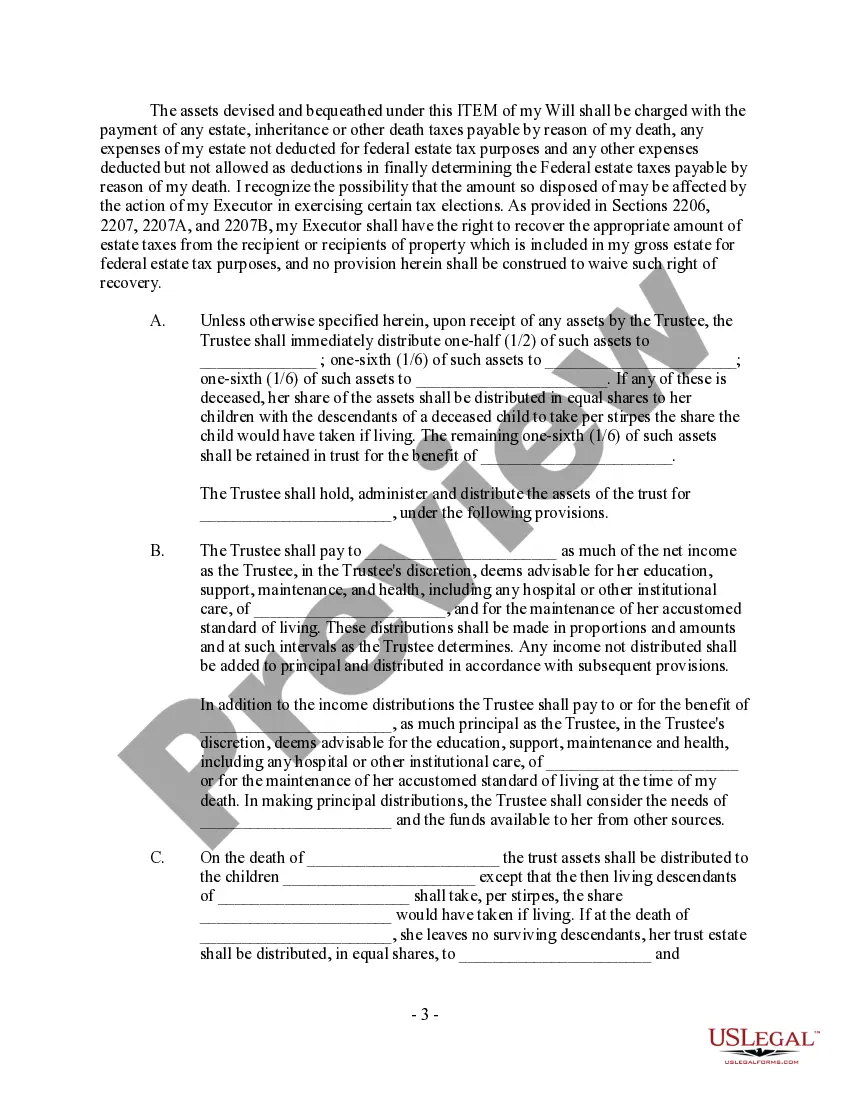
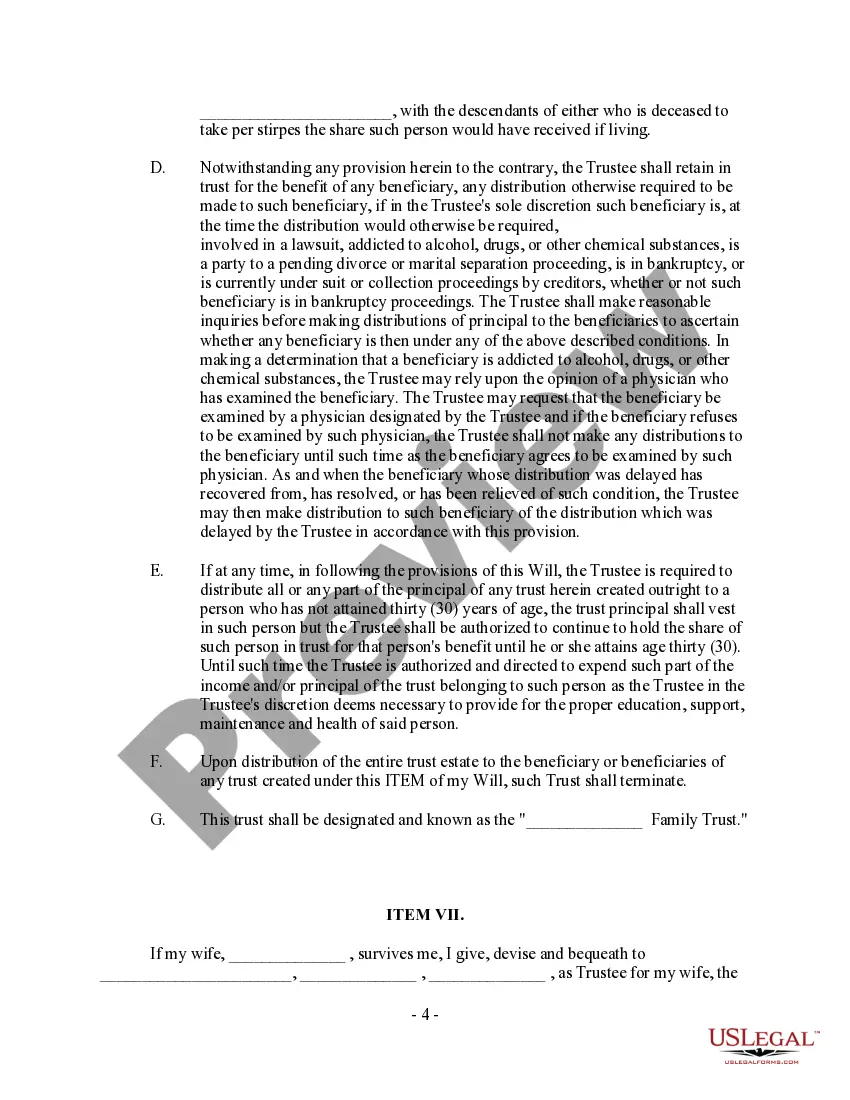
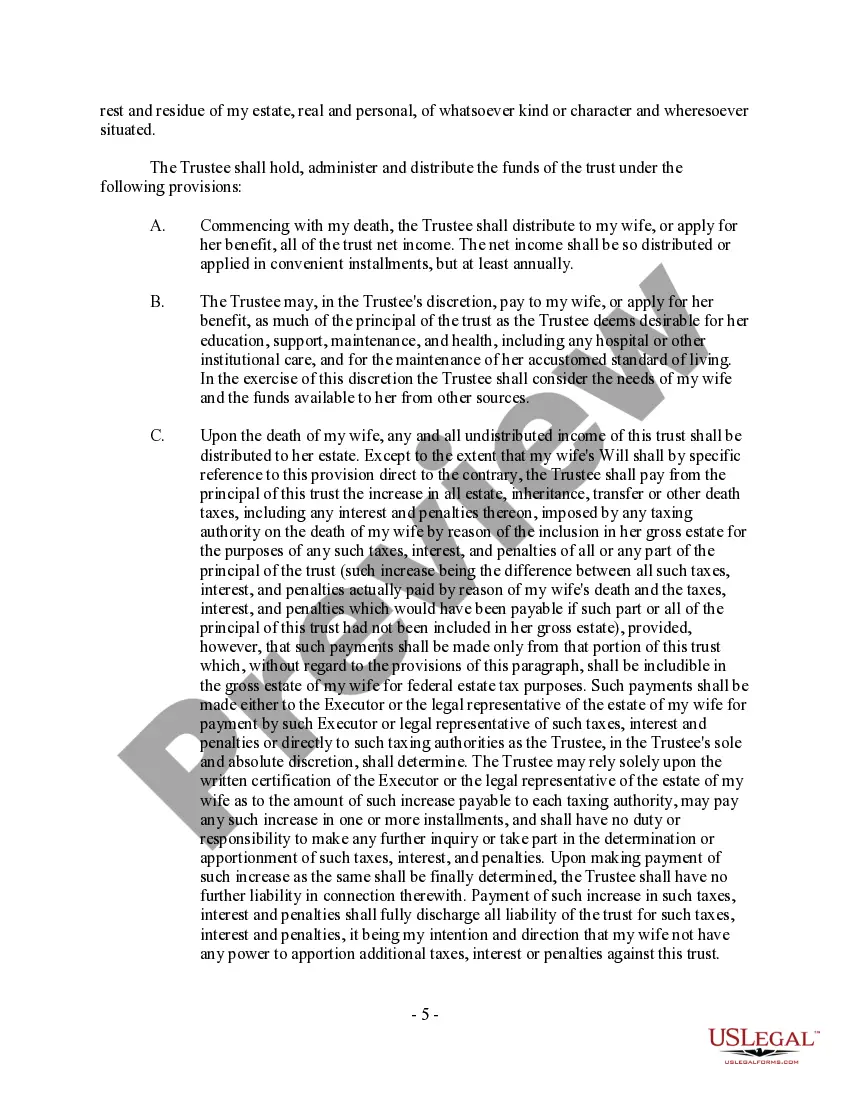
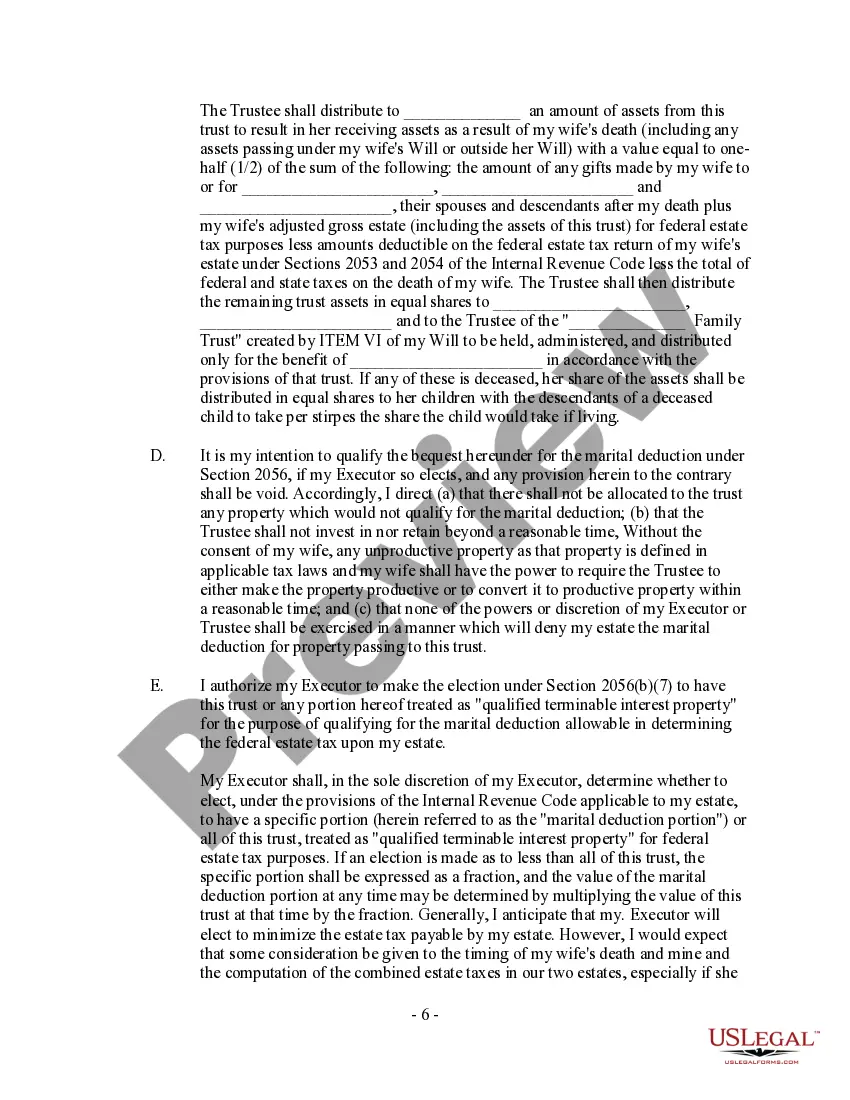
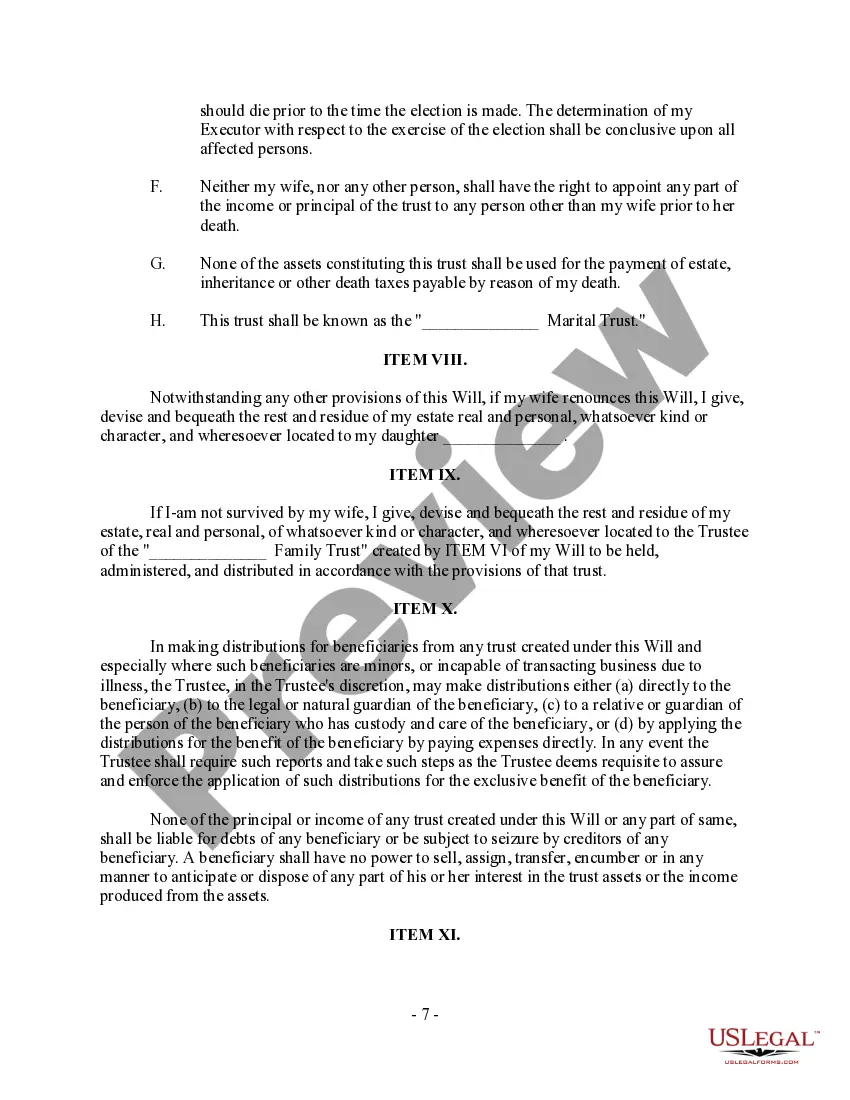
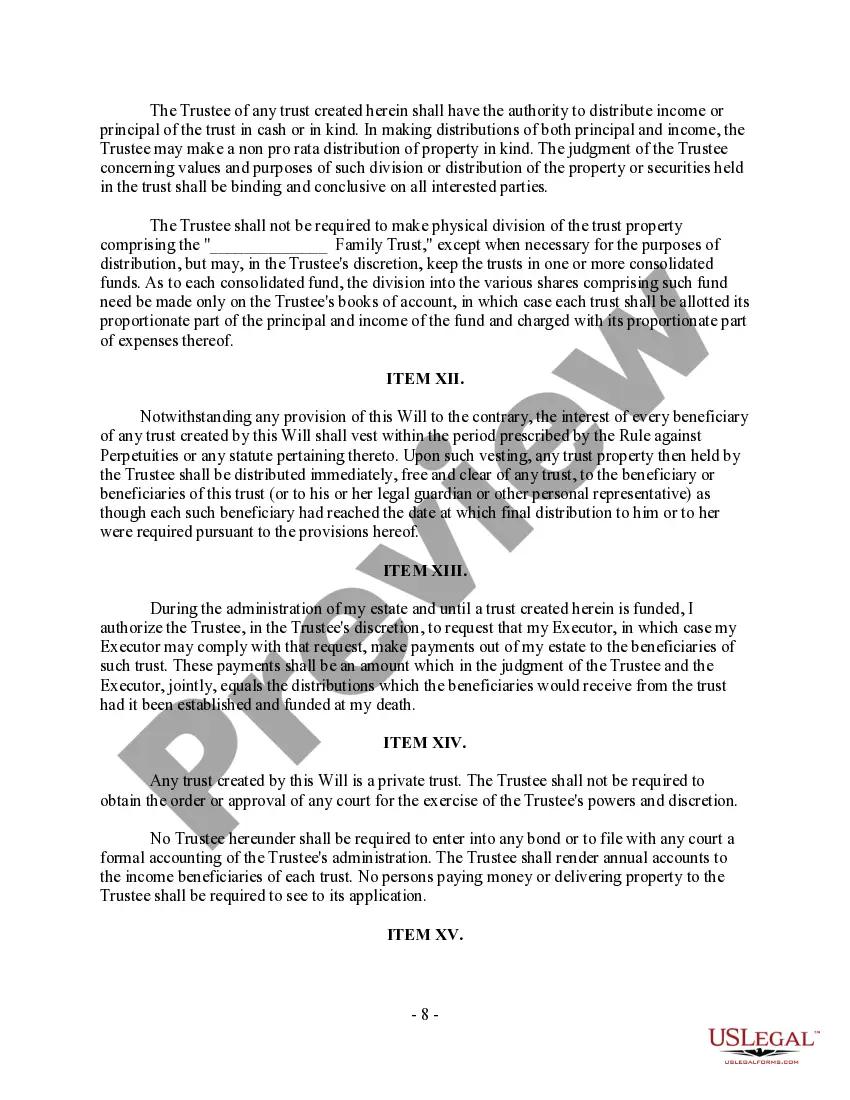
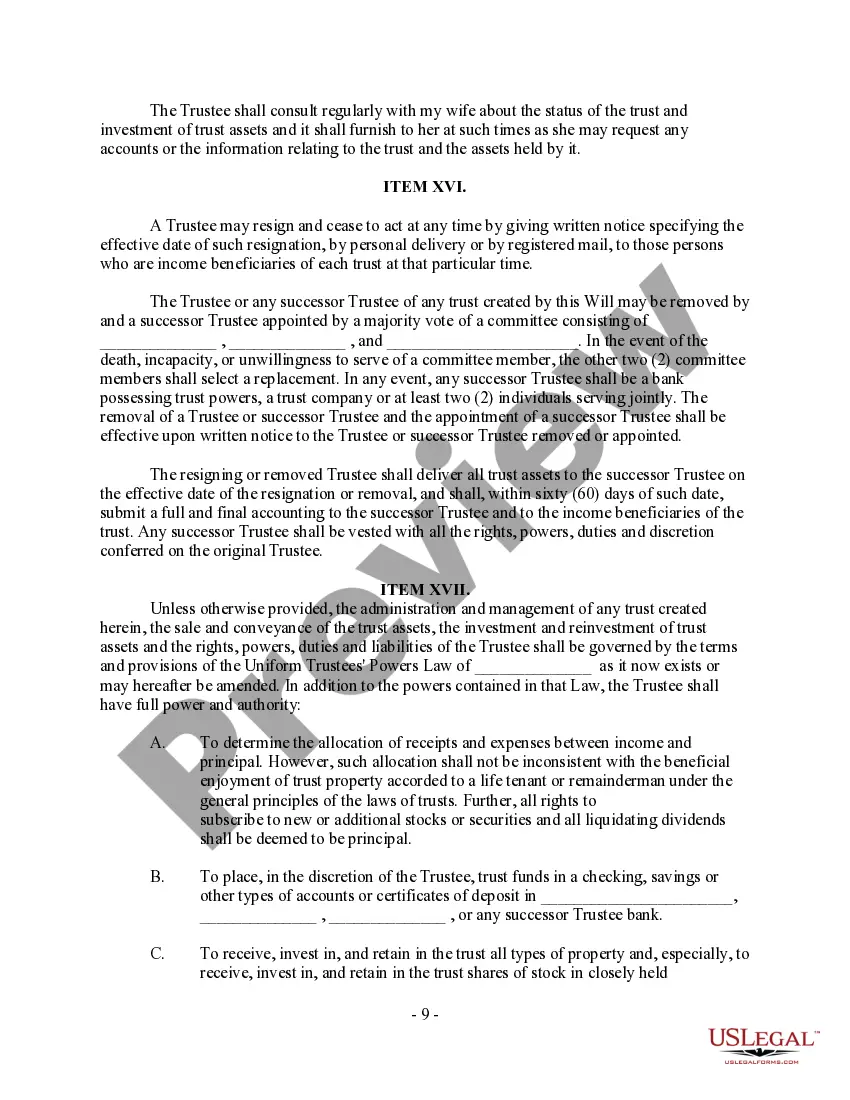



Get your form ready online
Our built-in tools help you complete, sign, share, and store your documents in one place.
Make edits, fill in missing information, and update formatting in US Legal Forms—just like you would in MS Word.
Download a copy, print it, send it by email, or mail it via USPS—whatever works best for your next step.
Sign and collect signatures with our SignNow integration. Send to multiple recipients, set reminders, and more. Go Premium to unlock E-Sign.
If this form requires notarization, complete it online through a secure video call—no need to meet a notary in person or wait for an appointment.
We protect your documents and personal data by following strict security and privacy standards.

Make edits, fill in missing information, and update formatting in US Legal Forms—just like you would in MS Word.

Download a copy, print it, send it by email, or mail it via USPS—whatever works best for your next step.

Sign and collect signatures with our SignNow integration. Send to multiple recipients, set reminders, and more. Go Premium to unlock E-Sign.

If this form requires notarization, complete it online through a secure video call—no need to meet a notary in person or wait for an appointment.

We protect your documents and personal data by following strict security and privacy standards.
Looking for another form?
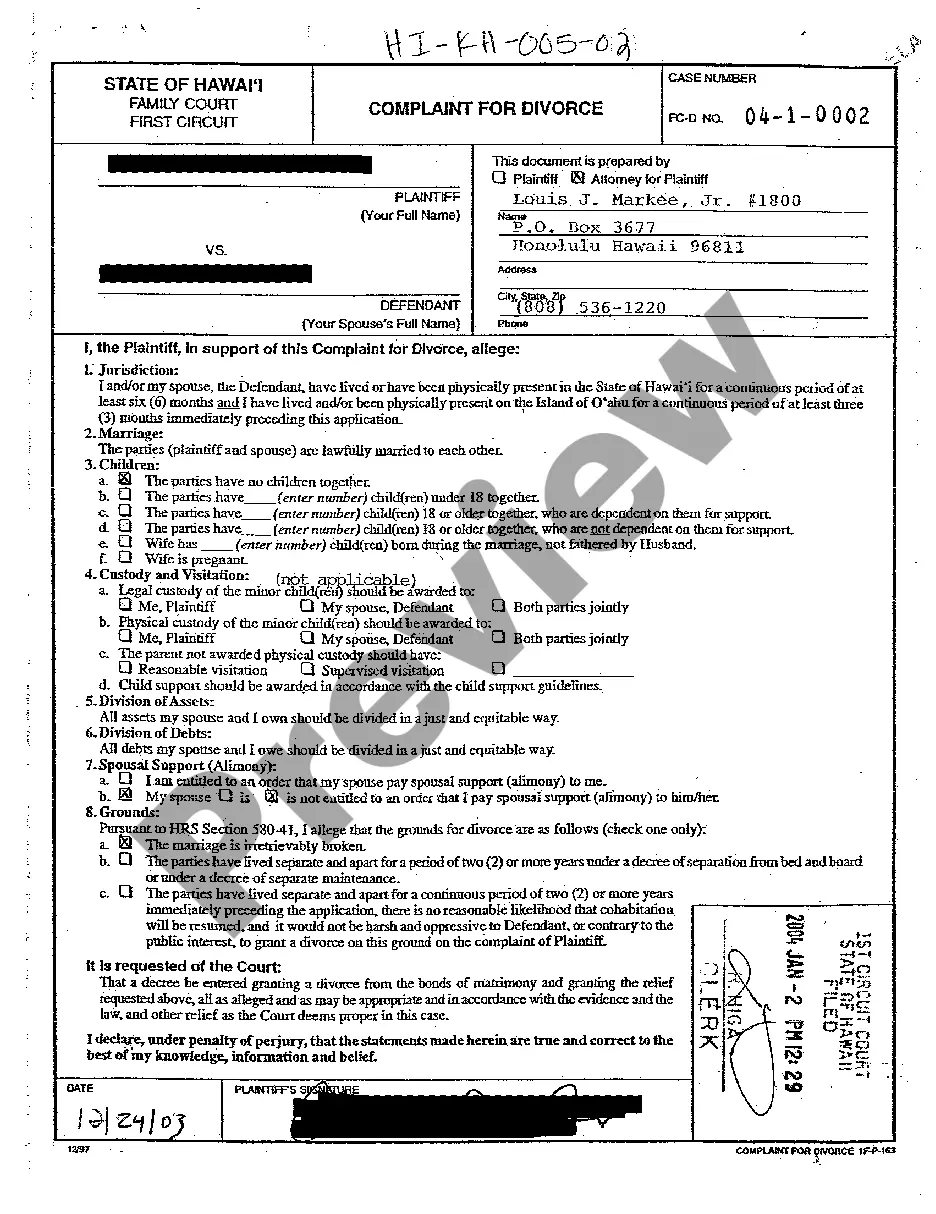








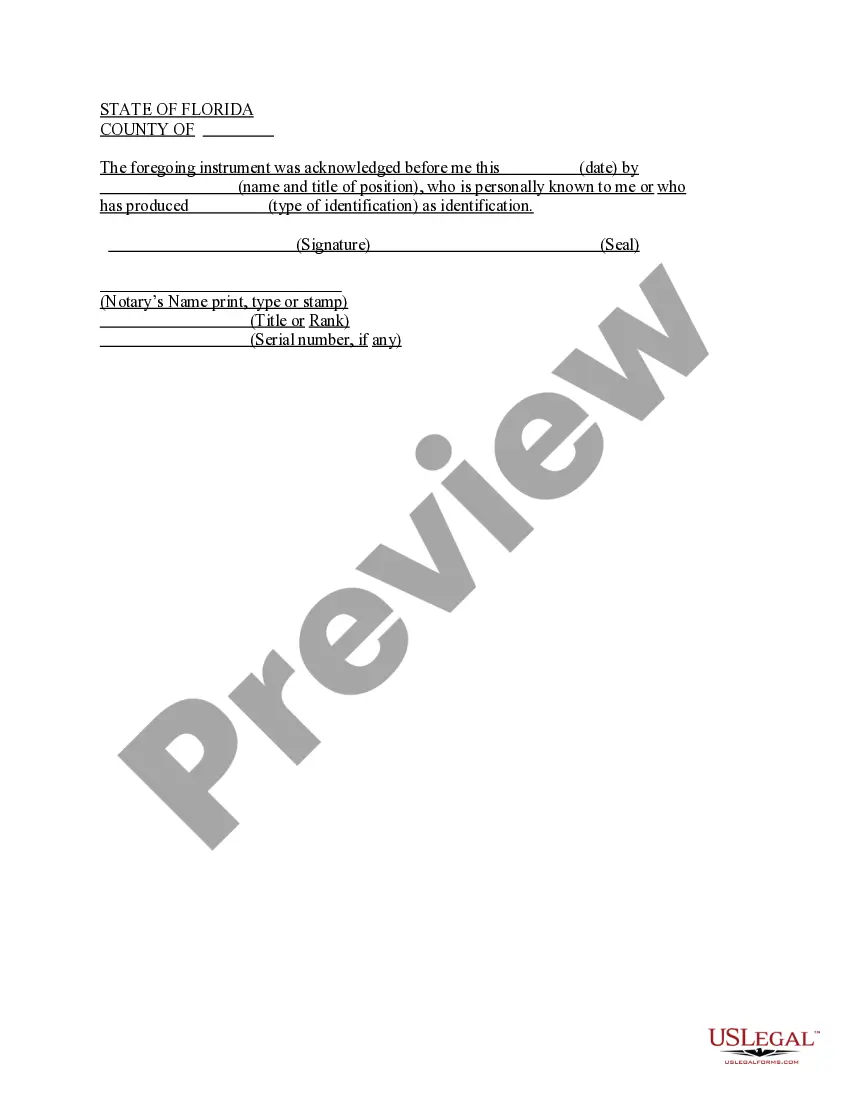
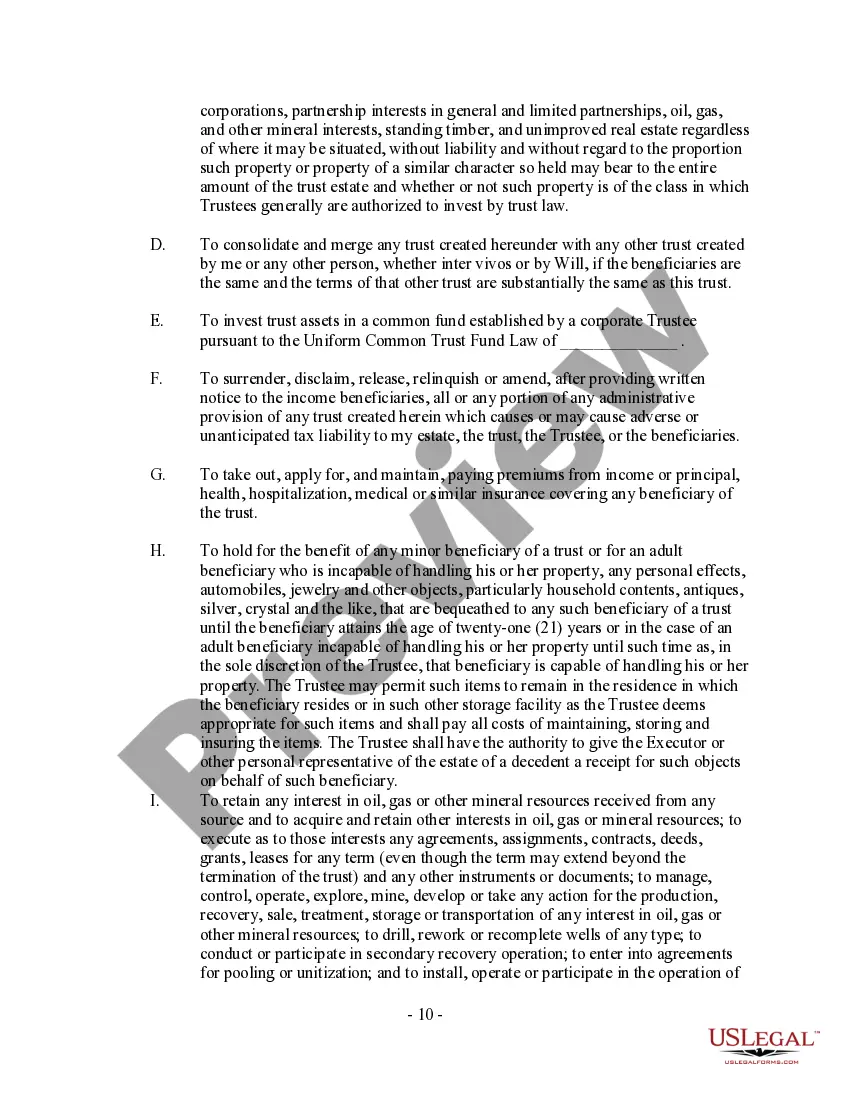
How to fill out Complex Will - Credit Shelter Marital Trust For Spouse?
- Log in to your US Legal Forms account if you are an existing user. Check your subscription status to ensure it's active.
- In case you are new, start by reviewing the available form previews and descriptions to find the credit shelter trust for nature template that meets your specific requirements.
- If the chosen template does not fit your needs, utilize the Search feature at the top to locate a more suitable option.
- Once you have identified the correct document, proceed to purchase the form by clicking the Buy Now button and selecting your desired subscription plan.
- Complete your transaction by entering your payment details, either through credit card or PayPal.
- After the purchase, download the form directly to your device, and you'll have access to it later in the My Forms section of your profile.
With just these straightforward steps, you can access over 85,000 legal forms, ensuring you have everything needed for your estate planning endeavors. US Legal Forms offers a user-friendly library and expert support to guarantee you create accurate, compliant documents.
Get started today and streamline your estate planning by utilizing the resources at US Legal Forms!
Form popularity
FAQ
A credit shelter trust is often referred to as a bypass trust or an AB trust. It allows your assets to bypass estate tax thresholds while providing benefits to your surviving spouse and other beneficiaries. Understanding the multiple names and aspects of a credit shelter trust for nature can help you make informed decisions in estate planning. Consider using resources from US Legal Forms to explore your options and simplify this process.
A credit shelter trust is typically managed by a trustee, who can be a family member, a friend, or a professional fiduciary. The trustee assumes the responsibility of managing the trust assets, ensuring compliance with legal requirements, and distributing income or assets to beneficiaries. Choosing the right trustee is crucial for the success of your credit shelter trust for nature, as they will oversee its operation in accordance with your wishes.
Yes, credit shelter trusts continue to play an important role in estate planning. These trusts help minimize estate taxes, allowing your assets to pass to your beneficiaries without incurring significant tax liabilities. By utilizing a credit shelter trust for nature, you ensure that your estate is managed efficiently and aligned with your financial goals. It is advisable to consult with a professional to determine if this strategy fits your needs.
The primary purpose of a credit shelter trust is to reduce estate taxes while preserving wealth for future generations. By using a credit shelter trust for nature, you can protect valuable assets from being eroded by taxes, allowing your estate to pass on intact to your beneficiaries. Moreover, this type of trust supports environmental conservation efforts, enabling you to preserve land for wildlife and natural resources. Ultimately, a credit shelter trust is a powerful tool for aligning your financial and philanthropic goals.
You can typically place any amount into a trust fund, subject to estate tax regulations and your financial goals. While there isn't a legal maximum, it's essential to consider the implications of exceeding certain gift tax thresholds. By leveraging a credit shelter trust for nature, you can maximize contributions that preserve important natural assets while mitigating potential tax consequences. This strategic approach ensures that your legacy benefits both your heirs and the environment.
The maximum amount for a trust fund largely depends on the specific objectives of the trust and the applicable tax laws. There is no strict cap on how much you can place into a trust fund; however, estate tax considerations often influence funding amounts. A well-structured credit shelter trust for nature allows for large contributions while minimizing tax burdens, ensuring that your intentions for protecting land and resources can be fulfilled. Always consult with an estate planning expert to determine the best strategy for your situation.
The limit of a credit shelter trust for nature typically refers to the exemption amount from federal estate taxes. For 2023, this limit is around $12.92 million per individual. This means that through a credit shelter trust, you can shield assets up to this amount from taxes, allowing beneficiaries to receive the full value of the trust. Utilizing a credit shelter trust for nature can significantly enhance the estate planning strategy of conservation-minded individuals.
A credit shelter trust example for nature might involve a couple placing their family home and savings into a trust upon the death of one spouse. This arrangement would secure these assets from estate taxes, allowing the surviving spouse to live comfortably. Ultimately, it empowers the couple to plan effectively for their heirs while preserving their wealth.
The best trust for protecting your house often depends on your specific financial and family situation. A revocable living trust or a credit shelter trust for nature can serve well to protect your home and facilitate the transfer upon death. These options help avoid probate and provide flexibility in managing your estate while allowing for potential tax benefits.
Typically, the beneficiaries of a credit shelter trust for nature are responsible for any taxes that arise from income generated by the trust’s assets. The trust itself can often be structured in a way to minimize tax liability, allowing for greater wealth preservation. Collaborating with legal and tax professionals can help clarify the obligations and optimize the tax strategy.