Credit Shelter Trust Benefits
Description

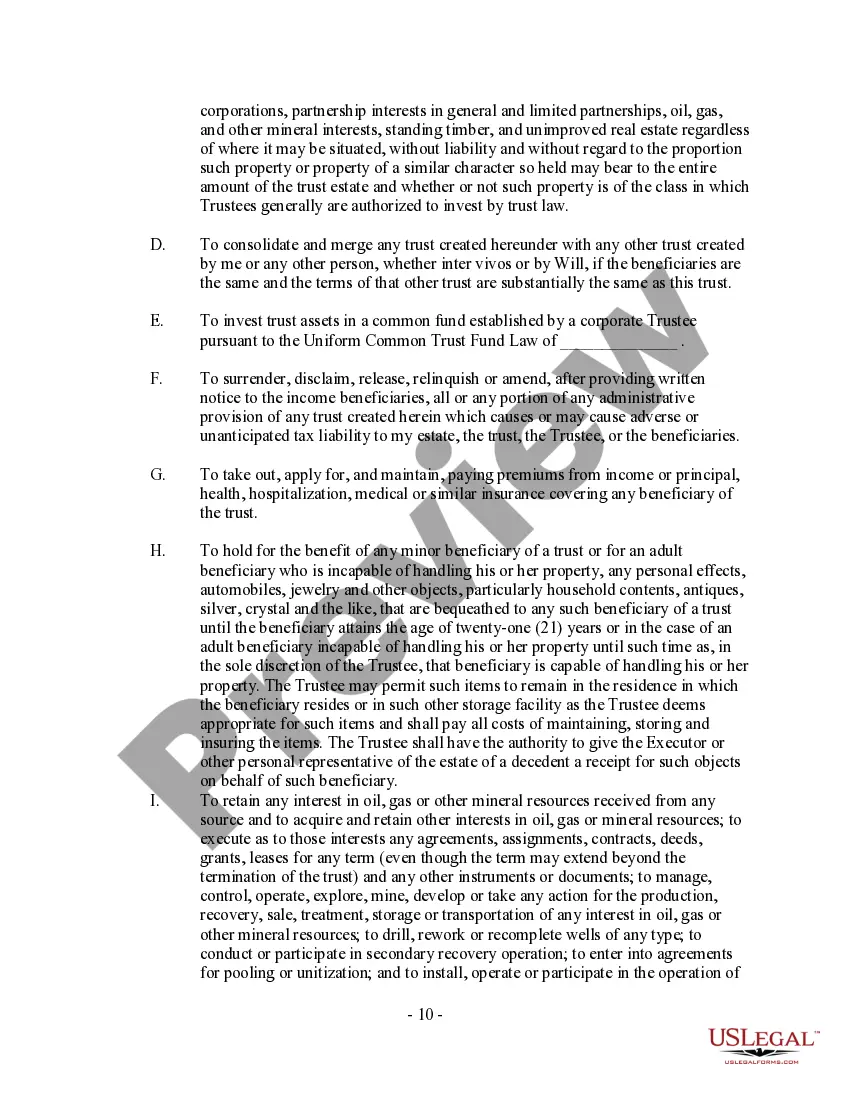



Get your form ready online
Our built-in tools help you complete, sign, share, and store your documents in one place.
Make edits, fill in missing information, and update formatting in US Legal Forms—just like you would in MS Word.
Download a copy, print it, send it by email, or mail it via USPS—whatever works best for your next step.
Sign and collect signatures with our SignNow integration. Send to multiple recipients, set reminders, and more. Go Premium to unlock E-Sign.
If this form requires notarization, complete it online through a secure video call—no need to meet a notary in person or wait for an appointment.
We protect your documents and personal data by following strict security and privacy standards.

Make edits, fill in missing information, and update formatting in US Legal Forms—just like you would in MS Word.

Download a copy, print it, send it by email, or mail it via USPS—whatever works best for your next step.

Sign and collect signatures with our SignNow integration. Send to multiple recipients, set reminders, and more. Go Premium to unlock E-Sign.

If this form requires notarization, complete it online through a secure video call—no need to meet a notary in person or wait for an appointment.

We protect your documents and personal data by following strict security and privacy standards.
Looking for another form?


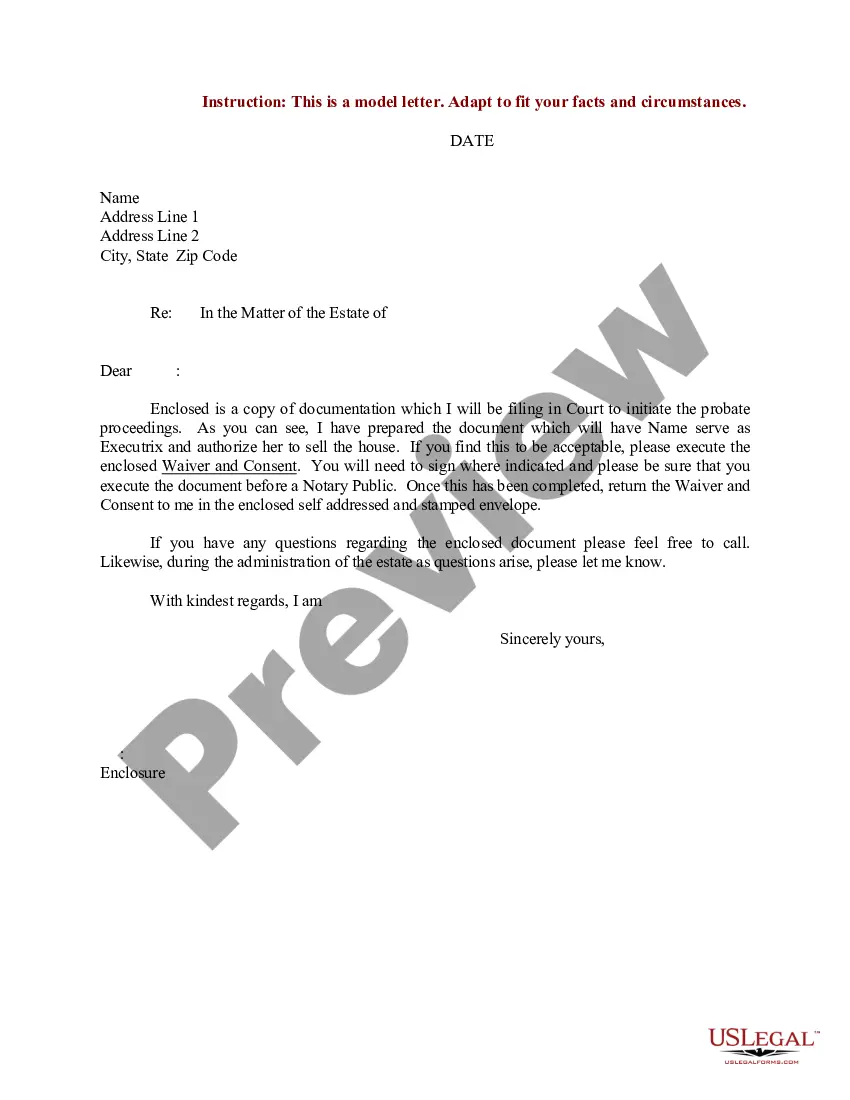
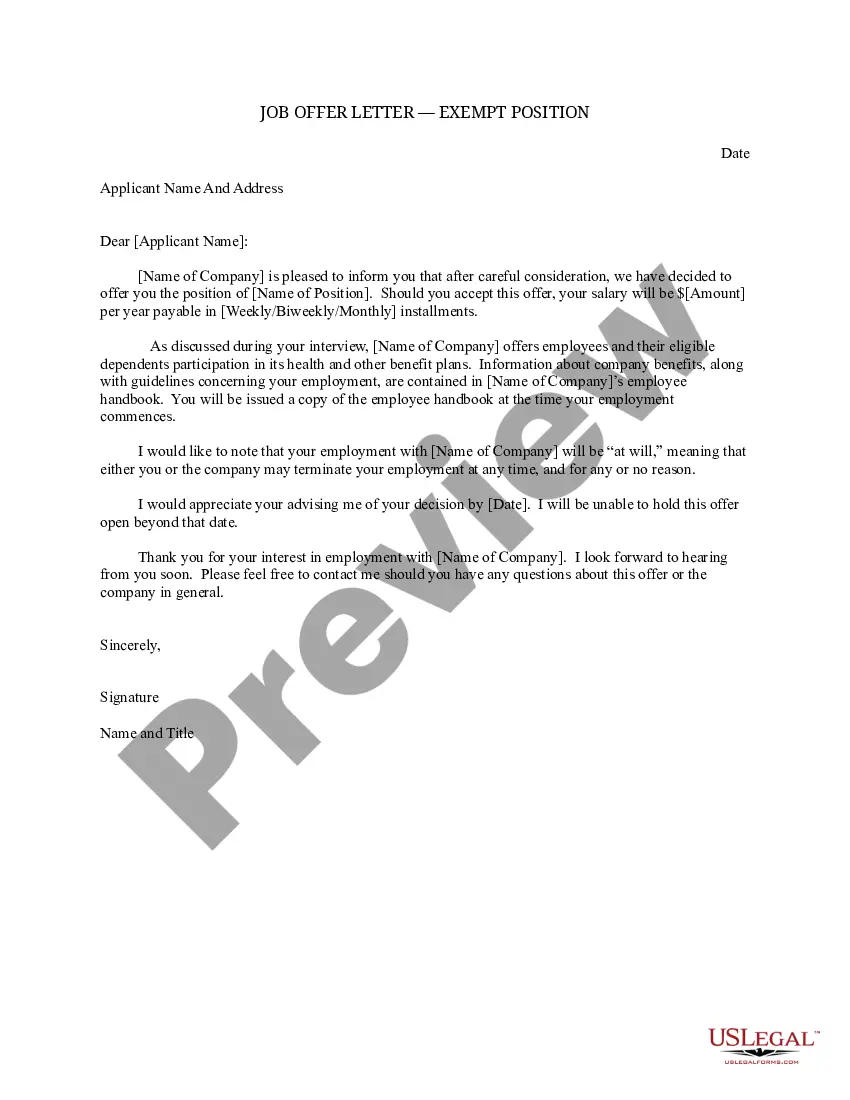
How to fill out Complex Will - Credit Shelter Marital Trust For Spouse?
- If you are an existing US Legal Forms user, log in to your account and locate the necessary form template. Confirm your subscription is active and click the Download button.
- For first-time users, start by exploring the Preview mode and form descriptions. Ensure the selected form aligns with your requirements and complies with local jurisdiction guidelines.
- If you identify any discrepancies, utilize the Search tab above to find an alternative template that fits your needs.
- Purchase the required document by clicking the Buy Now button and selecting your preferred subscription plan. You must create an account to access the document library.
- Complete your transaction by entering your payment details, either through credit card or PayPal.
- Download the form to your device for completion, and remember, you can access it anytime through the My Forms section of your profile.
By following these steps, leveraging US Legal Forms, you gain not just access to a robust library of over 85,000 forms but also the support of premium experts for precise document completion.
Start your estate planning today to reap the benefits of a credit shelter trust. Visit US Legal Forms for your legal documentation needs.
Form popularity
FAQ
Yes, a credit shelter trust must file a tax return if it generates income. Typically, the trust is classified as a separate tax entity. However, the good news is that income generated by a credit shelter trust can often be distributed to beneficiaries, allowing for potential tax advantages. Understanding this aspect underscores the credit shelter trust benefits in estate planning.
Yes, a trustee holds the responsibility of managing trust assets, including addressing any tax obligations that arise. This means the trustee must ensure that income generated by the trust is reported and taxed accordingly, which highlights the importance of effective management. Understanding this aspect can enhance your appreciation of credit shelter trust benefits, as it helps maintain the trust's compliance. If you need assistance navigating these duties, platforms like uslegalforms can provide invaluable resources.
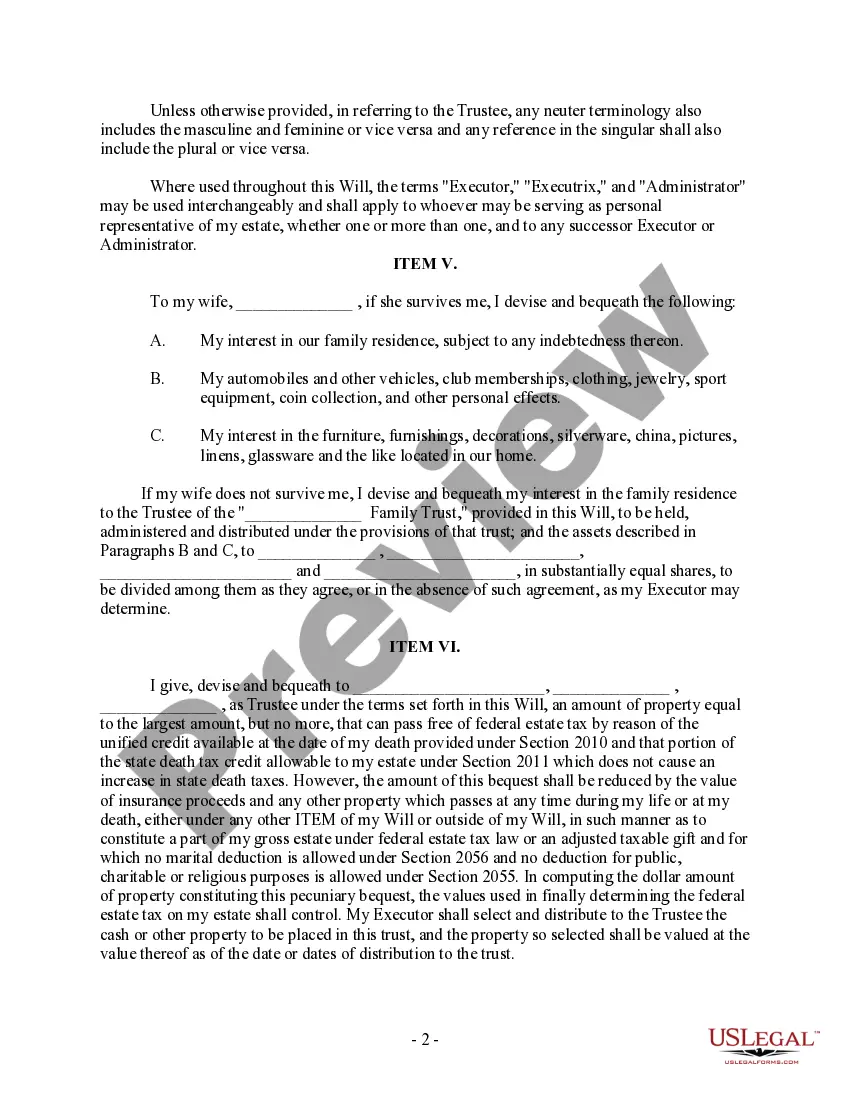
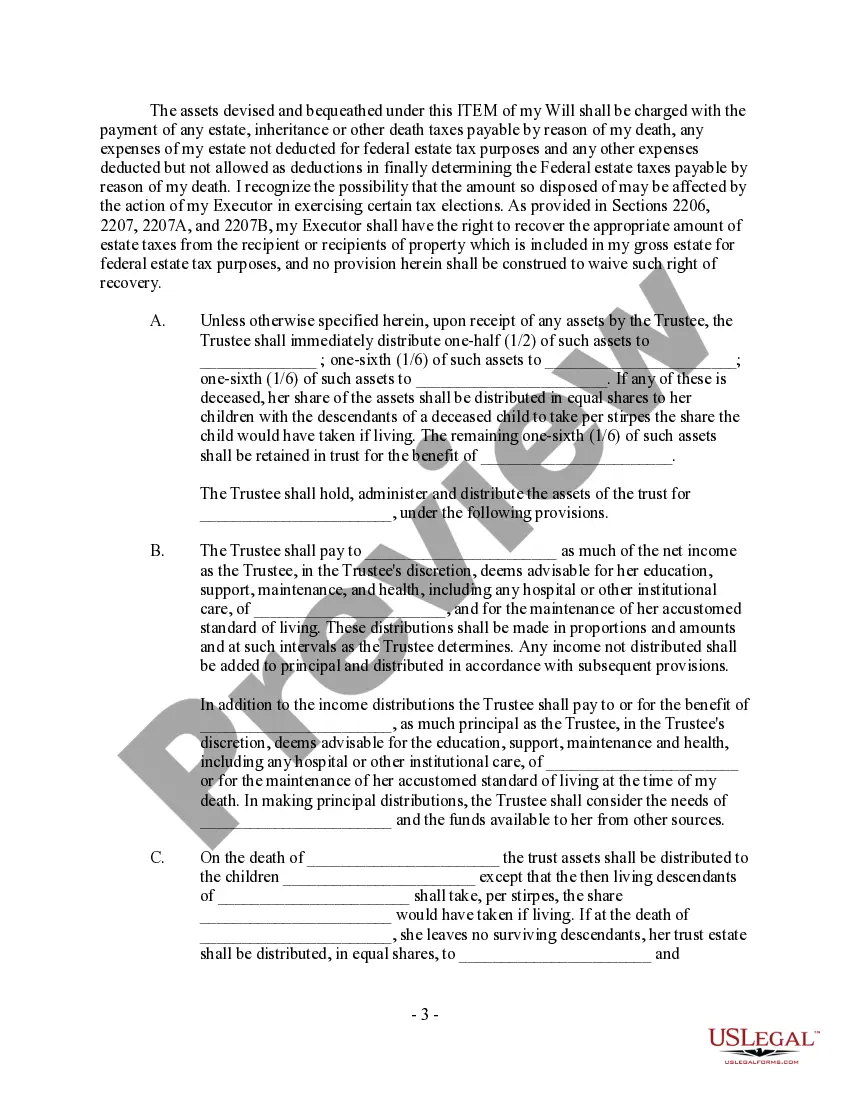
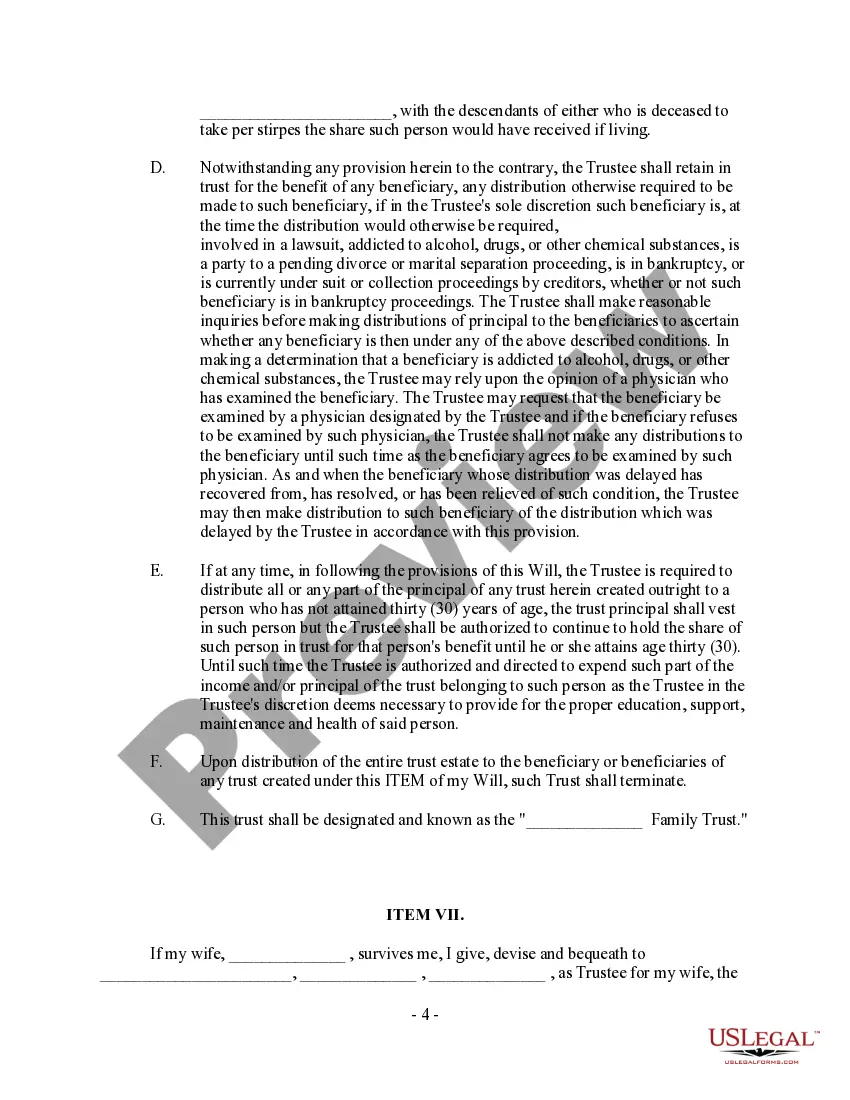
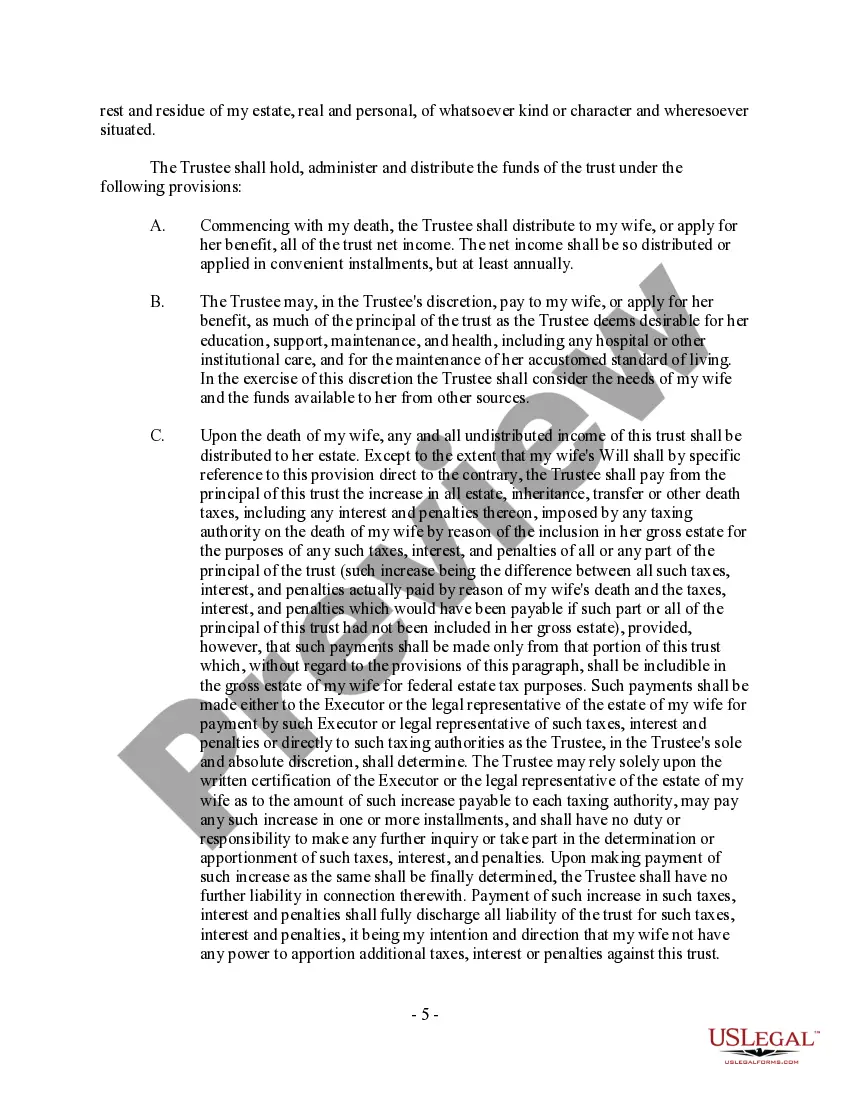
A credit shelter trust offers several advantages, notably the ability to shield assets from estate taxes while providing financial support for heirs. By utilizing this trust, individuals can optimize their estate plan and protect their loved ones' inheritance. Additionally, credit shelter trust benefits include maintaining control over how and when assets are distributed. This approach ensures that your estate is managed according to your wishes.
When the surviving spouse dies, the assets held in a credit shelter trust do not become part of their estate. Instead, these assets remain in the trust, allowing them to avoid estate taxes upon the surviving spouse's death. This provides significant credit shelter trust benefits, preserving wealth across generations. Beneficiaries can then inherit these assets without facing considerable tax liabilities.
There are several types of trusts that can be tax-exempt, including certain charitable trusts, special needs trusts, and some irrevocable life insurance trusts. These trusts often serve specific purposes, allowing holders to preserve assets while minimizing tax implications. Understanding tax-exempt trusts can highlight the credit shelter trust benefits for estate planning. Using these trusts effectively helps ensure that assets are protected while reducing potential tax burdens.
To avoid taxes effectively, a credit shelter trust stands out among other types of trusts. It allows you to shield assets from estate taxes and takes full advantage of tax exemptions. By utilizing this trust, individuals can navigate complex tax landscapes while preserving wealth for their heirs, demonstrating the valuable credit shelter trust benefits available.
After the death of the grantor, the credit shelter trust remains in effect, safeguarding the trust's assets for future beneficiaries. The surviving spouse can receive income from the trust, but the trust assets themselves are not included in their estate. This helps ensure that the benefits of the credit shelter trust can be fully realized by the beneficiaries.
A credit shelter trust, also known as a bypass trust, operates by holding assets that exceed the estate tax exemption limit. When the first spouse dies, their assets go into this trust, benefiting the surviving spouse while keeping those assets outside the taxable estate. This arrangement maximizes the estate tax exemption and provides lasting financial security, highlighting significant credit shelter trust benefits.
Assets in a credit shelter trust do not receive a step up in basis upon the death of the grantor. Instead, the assets retain their original basis. This can impact tax liabilities when the assets are sold, but the credit shelter trust benefits often outweigh this concern by providing estate tax savings.
Yes, you can set up a trust fund by yourself; however, it is advisable to seek professional guidance. Creating a trust involves various legal requirements and intricate details that can be overwhelming without expertise. Tools available on platforms like US Legal Forms simplify the process, allowing you to understand and implement the necessary steps effectively. This way, you can ensure you fully benefit from the credit shelter trust benefits.