Credit Shelter For Life
Description

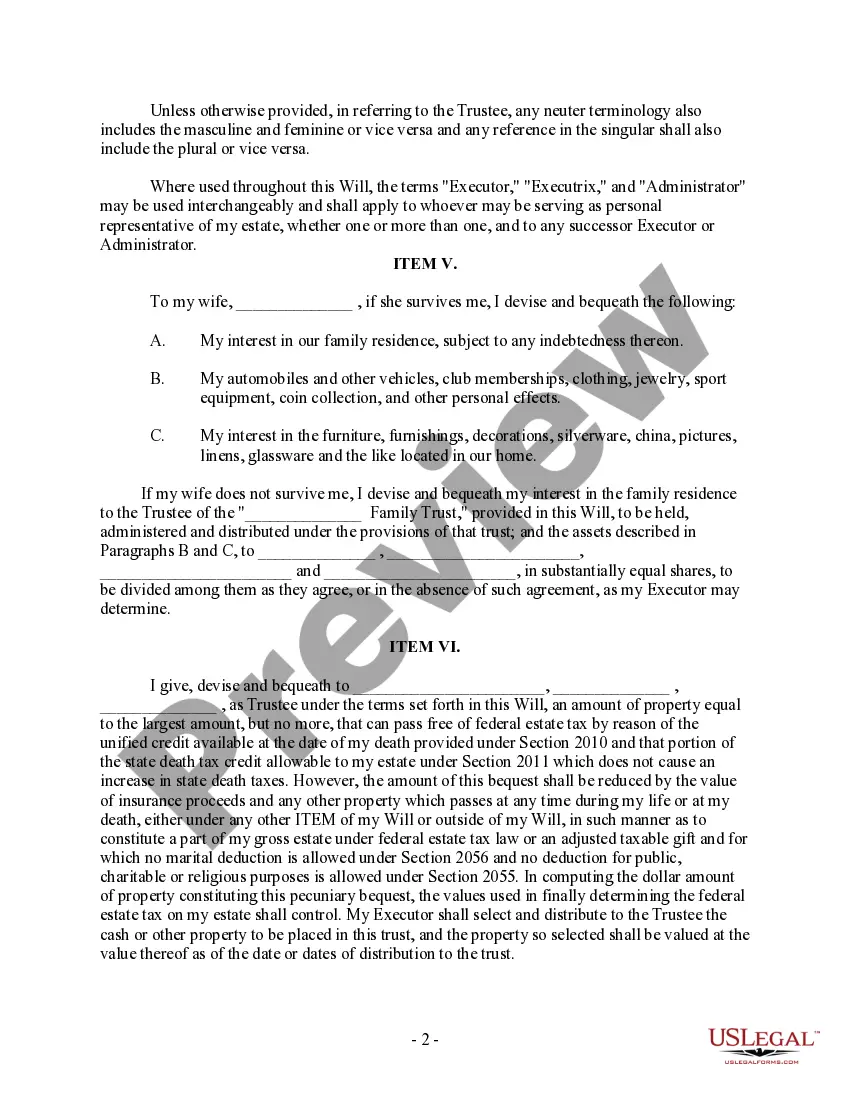
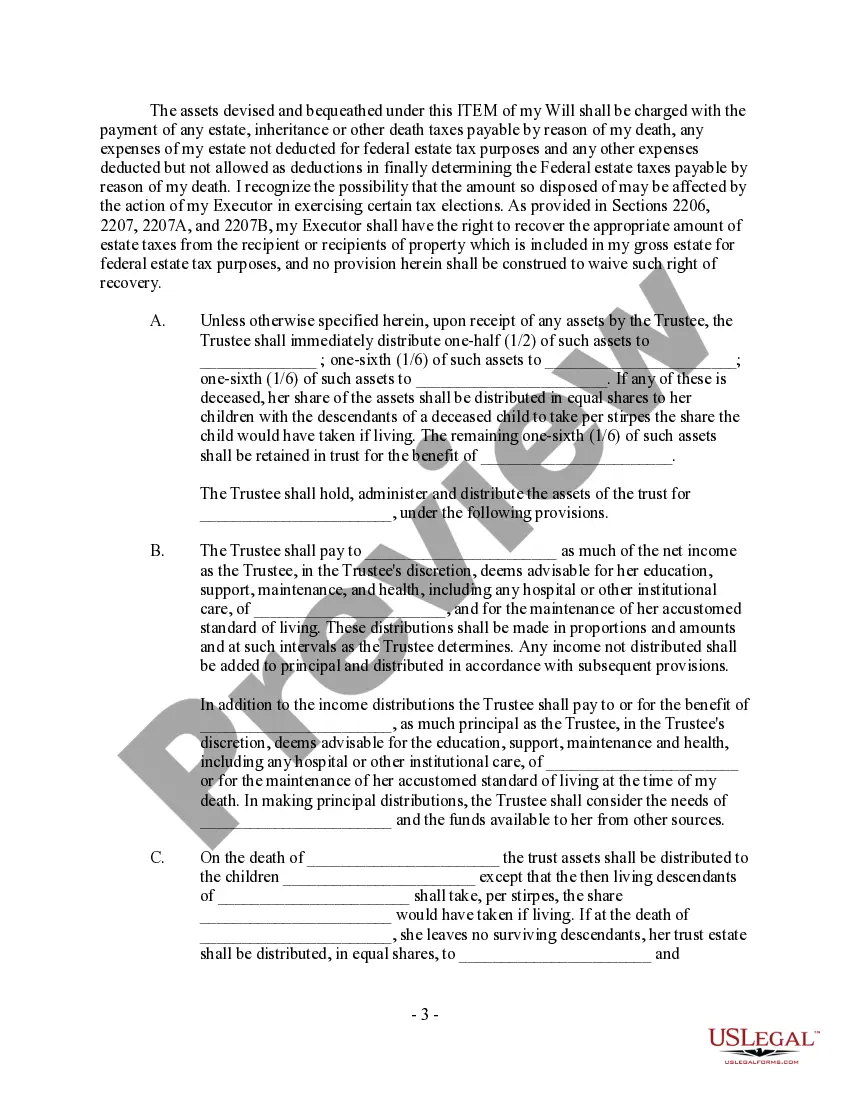
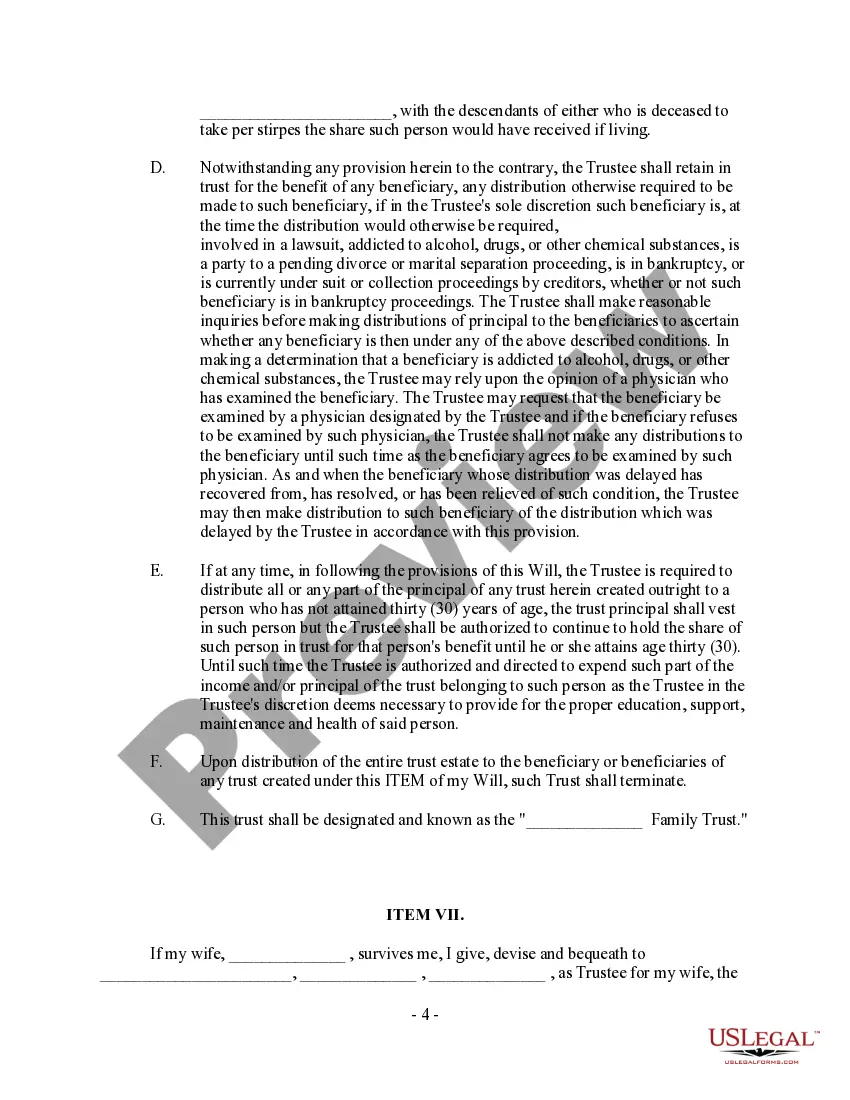
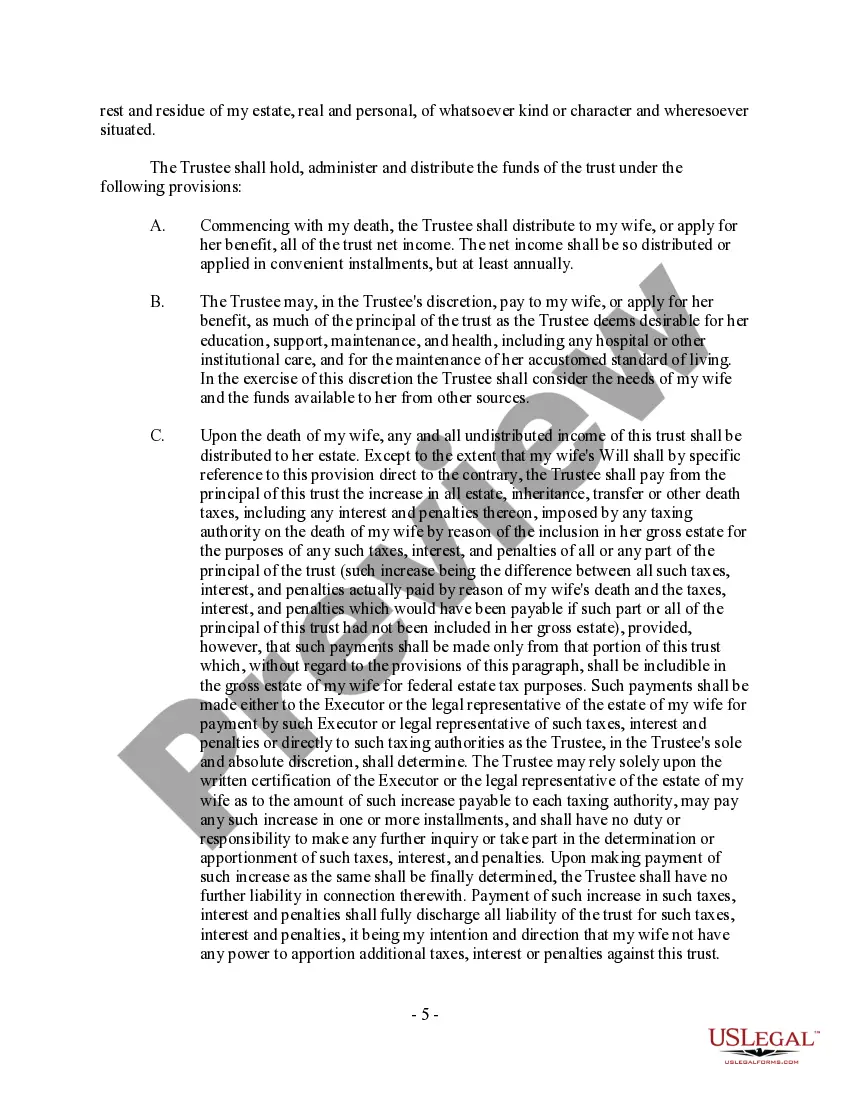
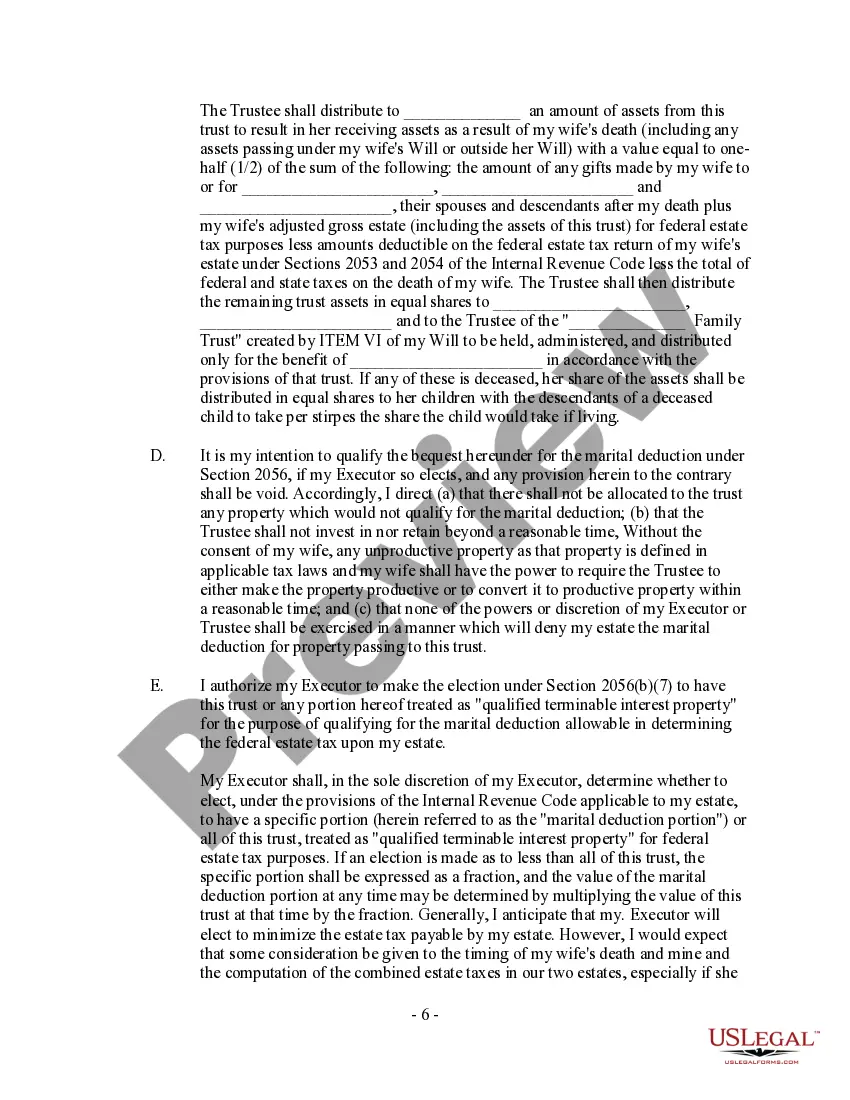
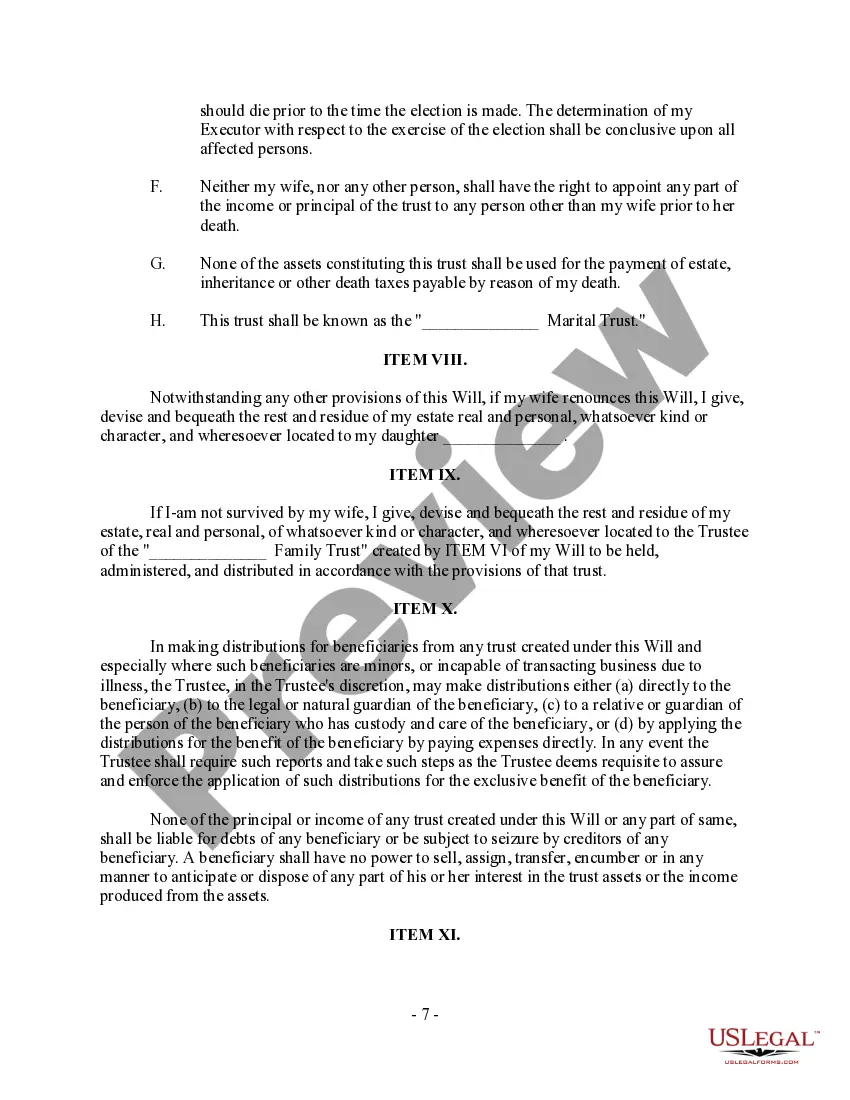
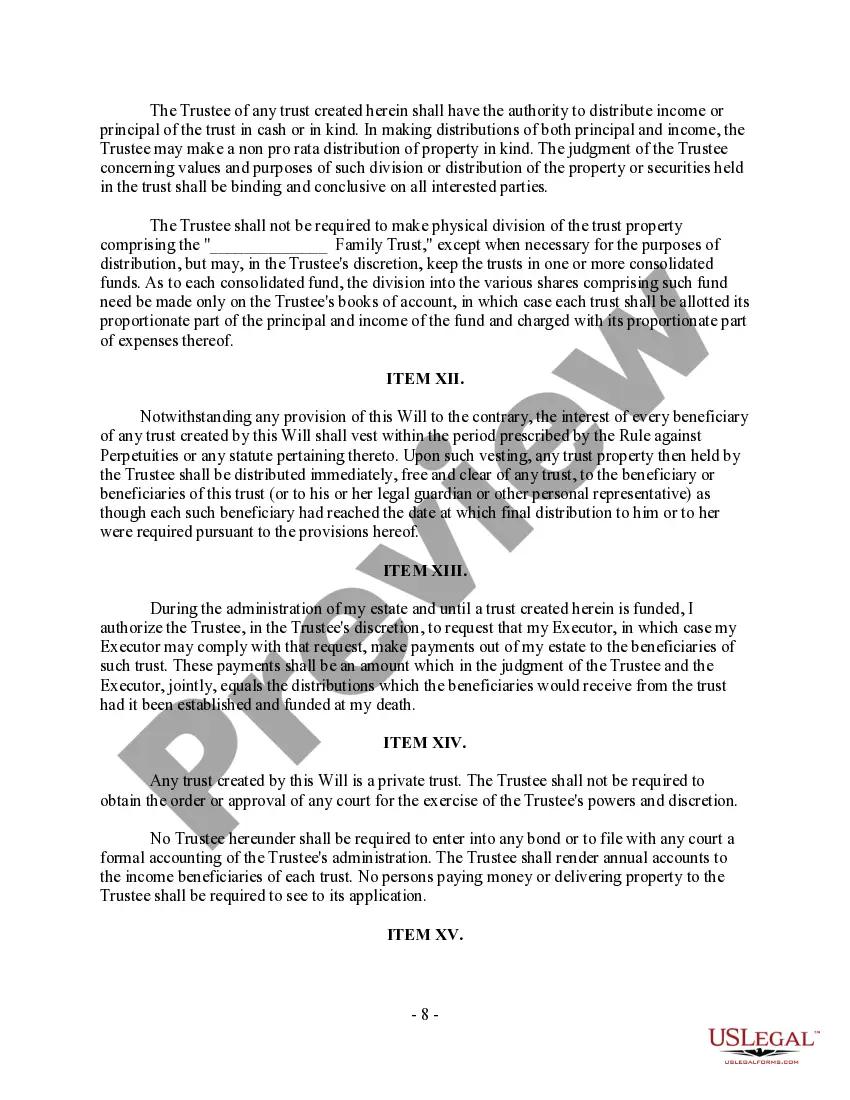
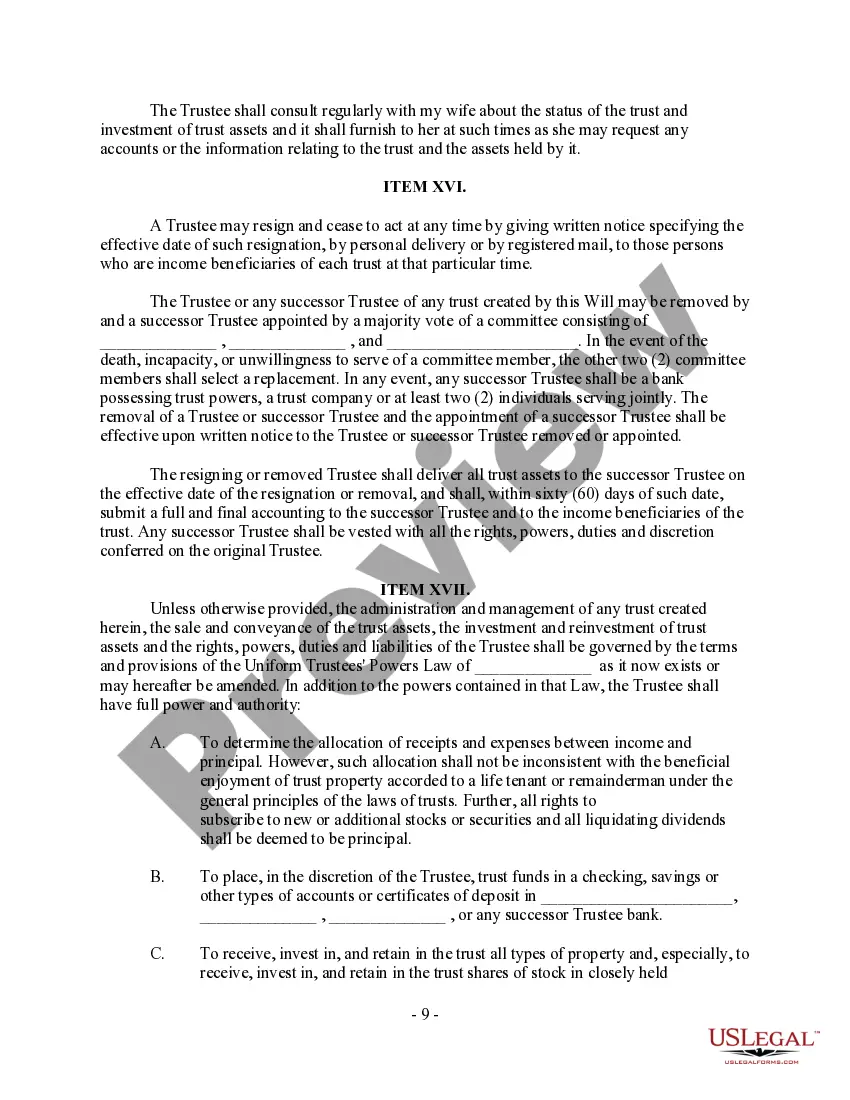



Get your form ready online
Our built-in tools help you complete, sign, share, and store your documents in one place.
Make edits, fill in missing information, and update formatting in US Legal Forms—just like you would in MS Word.
Download a copy, print it, send it by email, or mail it via USPS—whatever works best for your next step.
Sign and collect signatures with our SignNow integration. Send to multiple recipients, set reminders, and more. Go Premium to unlock E-Sign.
If this form requires notarization, complete it online through a secure video call—no need to meet a notary in person or wait for an appointment.
We protect your documents and personal data by following strict security and privacy standards.

Make edits, fill in missing information, and update formatting in US Legal Forms—just like you would in MS Word.

Download a copy, print it, send it by email, or mail it via USPS—whatever works best for your next step.

Sign and collect signatures with our SignNow integration. Send to multiple recipients, set reminders, and more. Go Premium to unlock E-Sign.

If this form requires notarization, complete it online through a secure video call—no need to meet a notary in person or wait for an appointment.

We protect your documents and personal data by following strict security and privacy standards.
Looking for another form?




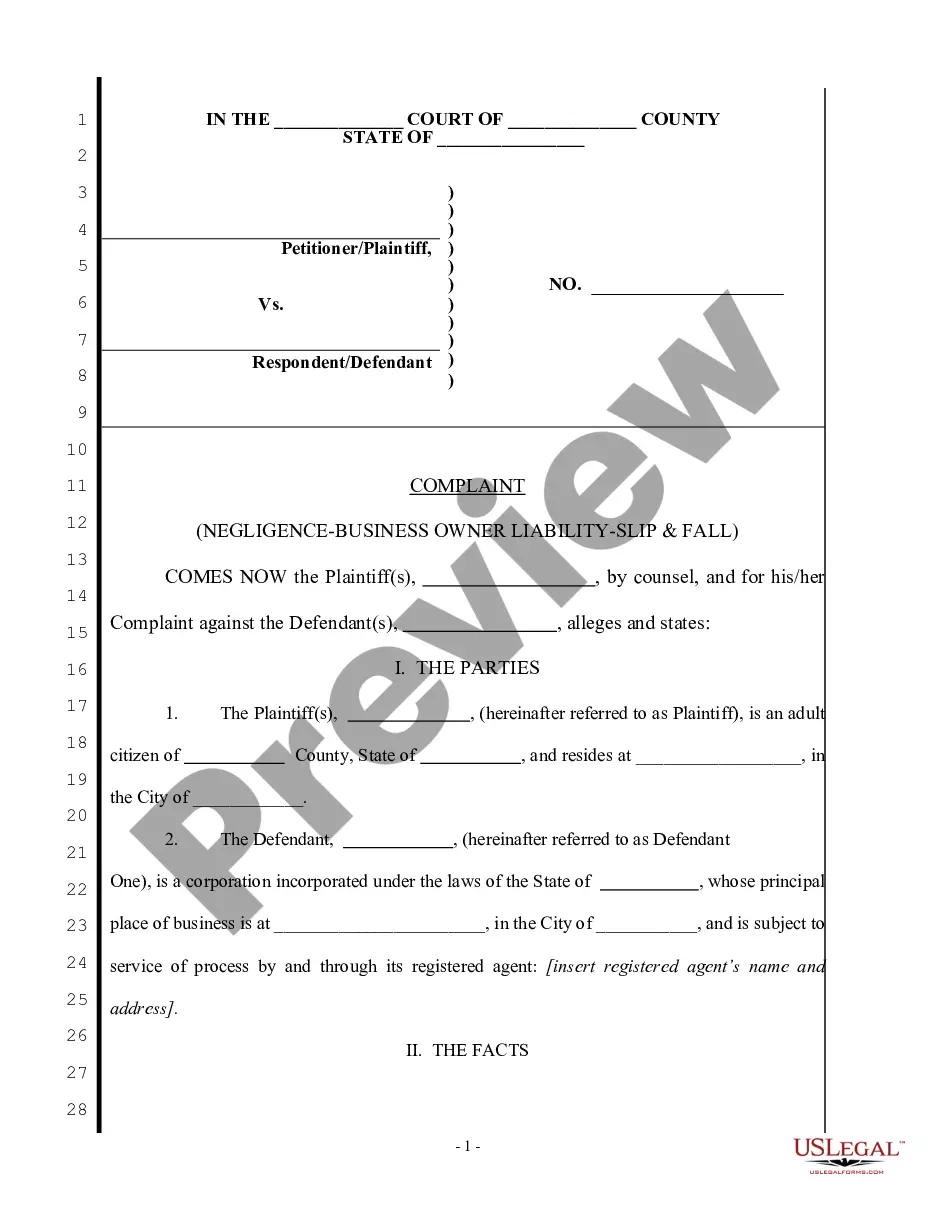



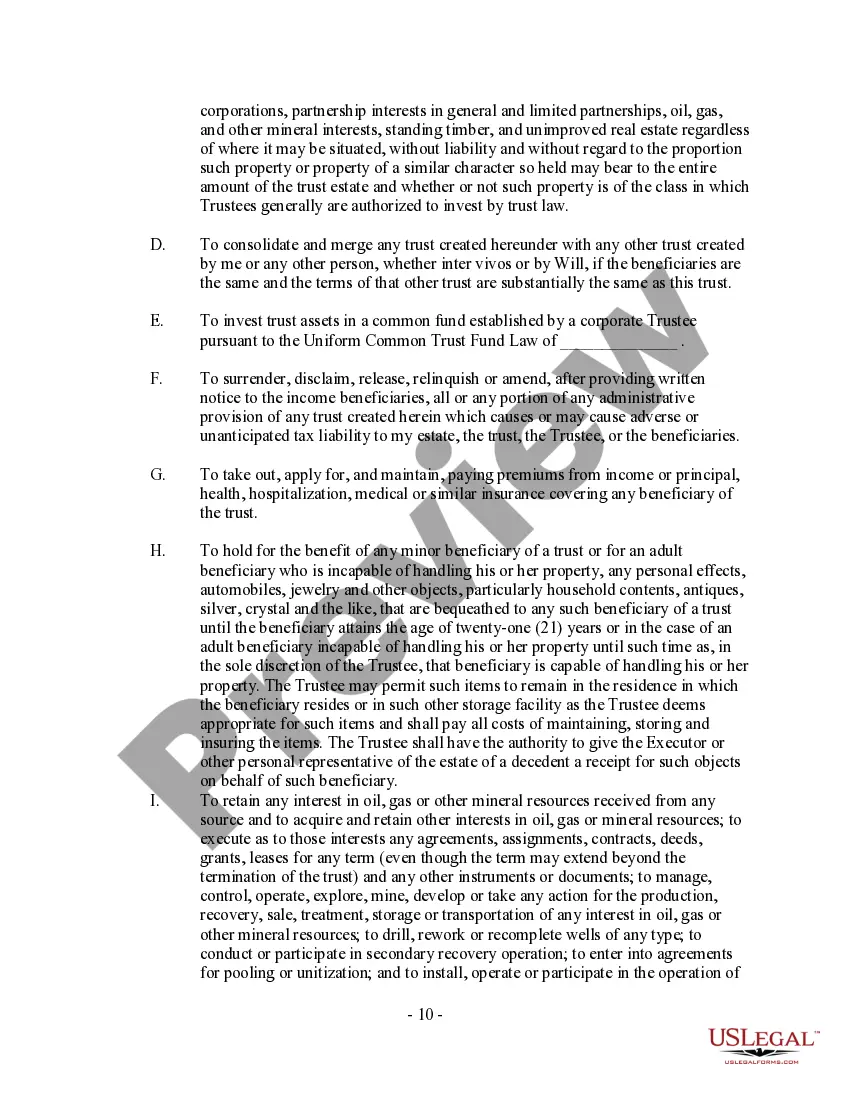
How to fill out Complex Will - Credit Shelter Marital Trust For Spouse?
- If you're an existing user, log in to your account and locate your desired form template. Ensure your subscription is active—if it's expired, renew it according to your plan.
- For first-time users, start by checking the form preview and description. Confirm that it fits your specific needs and complies with your local jurisdiction.
- If you need a different template, utilize the Search tab at the top to find the right one. Once you identify a suitable document, move forward.
- Purchase your selected document by clicking the Buy Now button and selecting your preferred subscription plan. You will need to create an account to access the forms.
- Complete your payment by entering your credit card details or utilizing your PayPal account to finalize the subscription.
- Download your form to your device. You can access it anytime in the My Forms section of your profile.
US Legal Forms is dedicated to empowering individuals and legal professionals with a rich library of over 85,000 editable legal documents. With an extensive collection of forms and access to premium expert assistance, your legal transactions are simplified and safeguarded.
Take the first step toward easy legal documentation today—visit US Legal Forms and explore your options!
Form popularity
FAQ
A credit shelter trust, often referred to in estate planning, aims to minimize estate taxes by taking advantage of the estate tax exemption. For instance, when a married couple creates a trust to hold assets up to the exemption amount, the surviving spouse can benefit from income generated by the trust while the principal remains sheltered from estate taxes. This strategy allows for the efficient transfer of wealth across generations, ensuring financial security for your loved ones. Utilizing a platform like USLegalForms can help you establish a credit shelter for life, tailored to your specific needs.
The maximum amount for a trust fund is often not capped, but understanding tax implications is essential. Many individuals use vehicles like a credit shelter for life to establish significant trust funds while ensuring they minimize tax burdens. Engaging with platforms like US Legal Forms can simplify creating trust documents tailored to your specific needs. Legal advice is vital here to ensure your trust fulfills your estate planning objectives.
The maximum amount you can place in a trust fund typically depends on various factors, including the type of trust and tax regulations. While there is often no strict limit, using a credit shelter for life can help maximize your estate's protection and tax advantages. It is important to consult with legal professionals to determine how much to contribute based on your unique estate planning goals. They can provide the guidance you need to create an effective strategy.
The limit of a credit shelter trust often aligns with the federal estate tax exemption limit, which is generous. This means that couples can effectively shield significant assets from estate taxes, creating a lasting legacy for their heirs. By utilizing a credit shelter for life, individuals can ensure their wealth passes on with minimal tax implications. Consulting with a legal expert can help you navigate these limits based on the current tax laws and your financial situation.
The maximum amount for a credit shelter trust generally aligns with the estate tax exemption limits set by the IRS. As of recent guidelines, this amount is subject to periodic adjustments, so staying informed is beneficial. Utilizing a credit shelter for life within the allowable limits can effectively protect your wealth from estate taxes. To better understand the current limits, consulting with a legal expert could provide valuable insights.
While credit shelter trusts offer many tax benefits, they also have disadvantages. For instance, complexity in management and potential ongoing costs can be concerning for some families. Additionally, trust assets may not receive a step-up in basis, which can lead to capital gains tax liabilities. Nonetheless, understanding these drawbacks enables you to make informed decisions about using a credit shelter for life.
A credit shelter trust is often considered the best option for minimizing taxes on an estate. This type of trust effectively utilizes available estate tax exemptions, providing substantial tax relief for heirs. As you explore various options, keep in mind the importance of proper structure and legal compliance, which is where platforms like uslegalforms can support your planning efforts. The credit shelter for life can be a practical part of your overall tax strategy.
After the death of the trust creator, a credit shelter trust remains intact and continues to operate according to the trust’s terms. The assets within the trust provide financial benefits to the named beneficiaries without being included in the deceased's taxable estate. This feature is a significant advantage of a credit shelter for life, ensuring your wealth is preserved. Evaluating the timeline and management process after death can facilitate smooth transitions.
In a credit shelter trust, the trust usually pays the income taxes generated from the assets. Typically, the individual who created the trust can be responsible for tax payments. However, when beneficiaries receive distributions, they may also have tax obligations depending on the circumstances. A clear understanding of taxation within the credit shelter for life enhances trust effectiveness and wealth management.
Assets in a credit shelter trust do not receive a step up in basis when the trust's creator dies. Instead, the assets transfer to beneficiaries without incurring immediate taxes. However, beneficiaries can benefit from the value of the assets without estate tax implications. Understanding this aspect of the credit shelter for life is crucial for effective estate planning.