Veterinary Clinics Small Animal Practice
Description
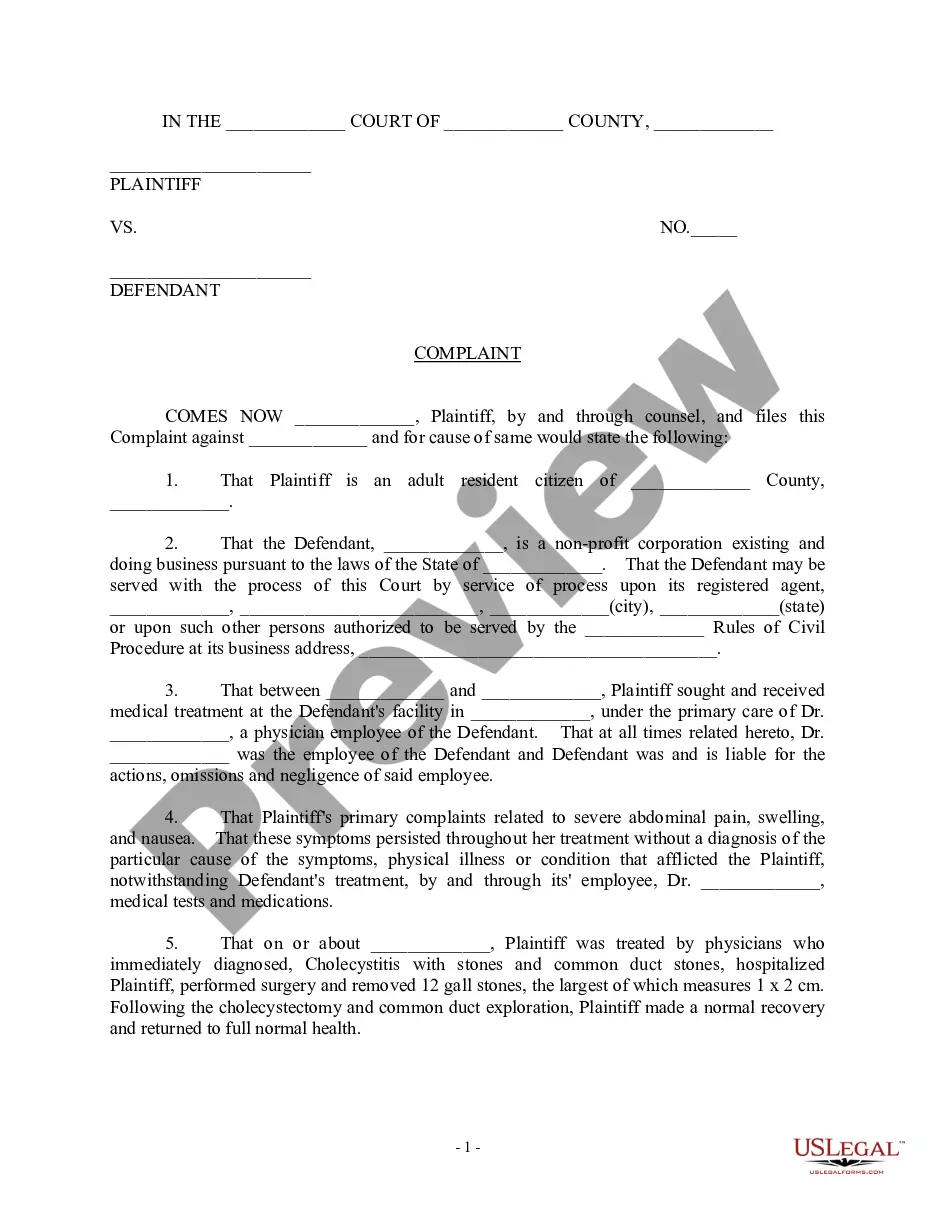
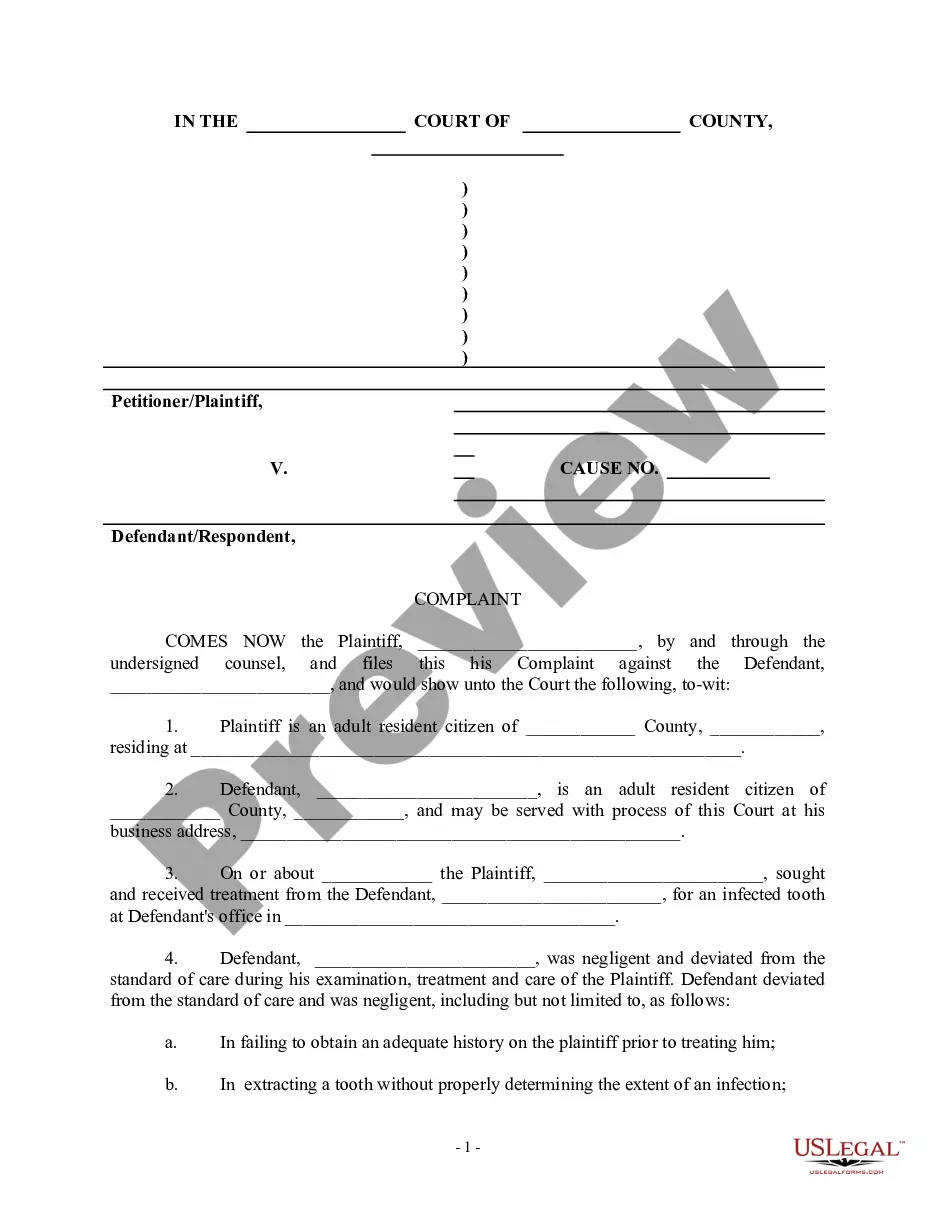
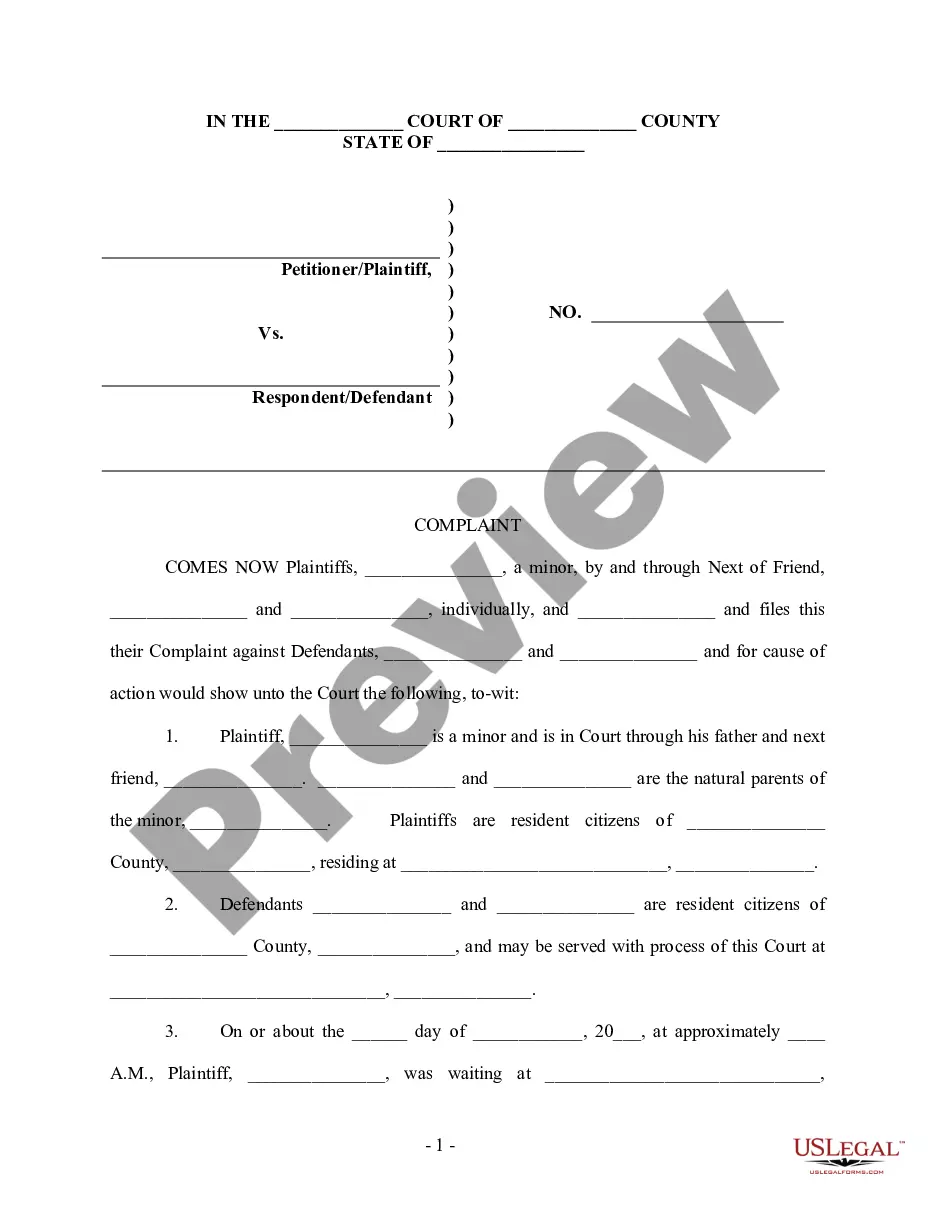
Get your form ready online
Our built-in tools help you complete, sign, share, and store your documents in one place.
Make edits, fill in missing information, and update formatting in US Legal Forms—just like you would in MS Word.
Download a copy, print it, send it by email, or mail it via USPS—whatever works best for your next step.
Sign and collect signatures with our SignNow integration. Send to multiple recipients, set reminders, and more. Go Premium to unlock E-Sign.
If this form requires notarization, complete it online through a secure video call—no need to meet a notary in person or wait for an appointment.
We protect your documents and personal data by following strict security and privacy standards.

Make edits, fill in missing information, and update formatting in US Legal Forms—just like you would in MS Word.

Download a copy, print it, send it by email, or mail it via USPS—whatever works best for your next step.

Sign and collect signatures with our SignNow integration. Send to multiple recipients, set reminders, and more. Go Premium to unlock E-Sign.

If this form requires notarization, complete it online through a secure video call—no need to meet a notary in person or wait for an appointment.

We protect your documents and personal data by following strict security and privacy standards.
Looking for another form?

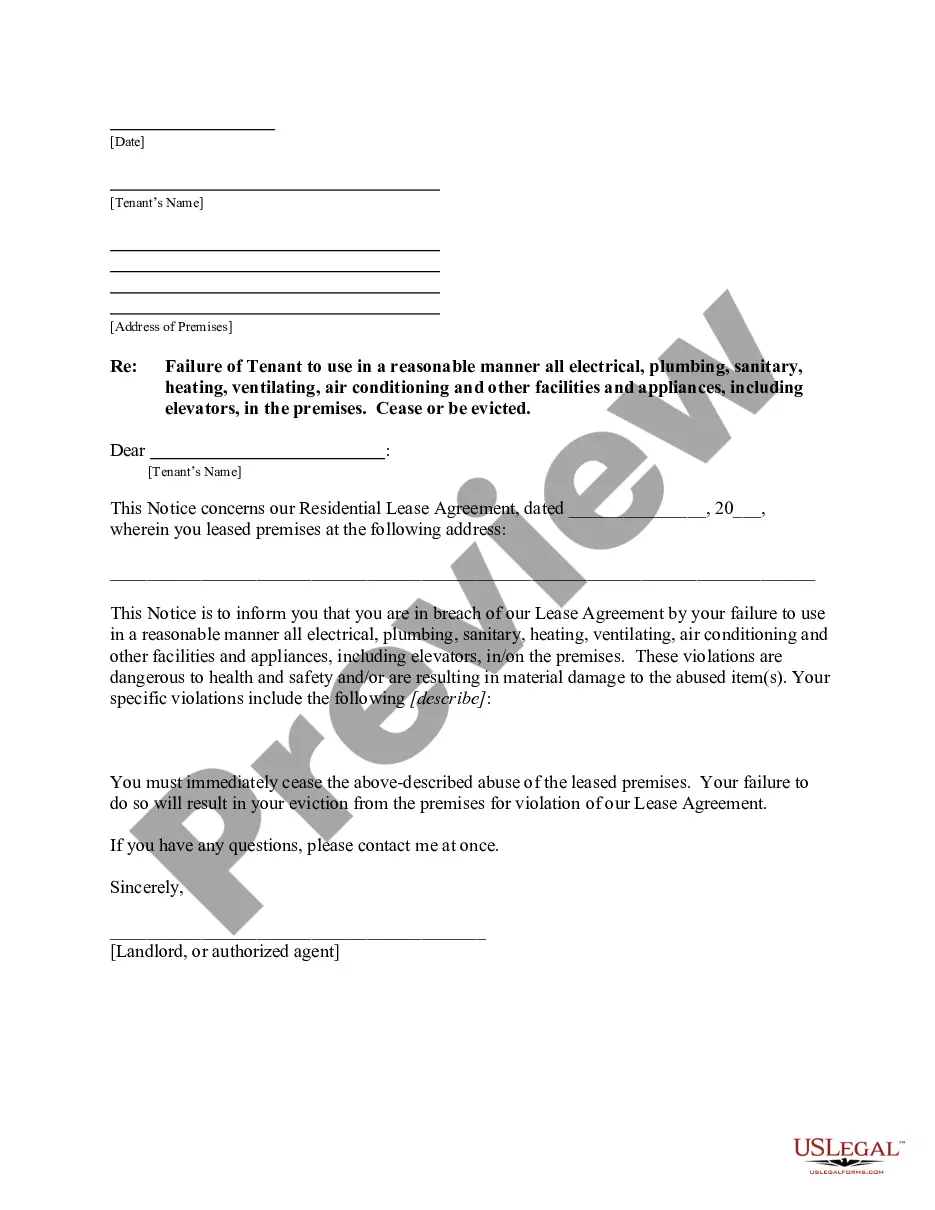
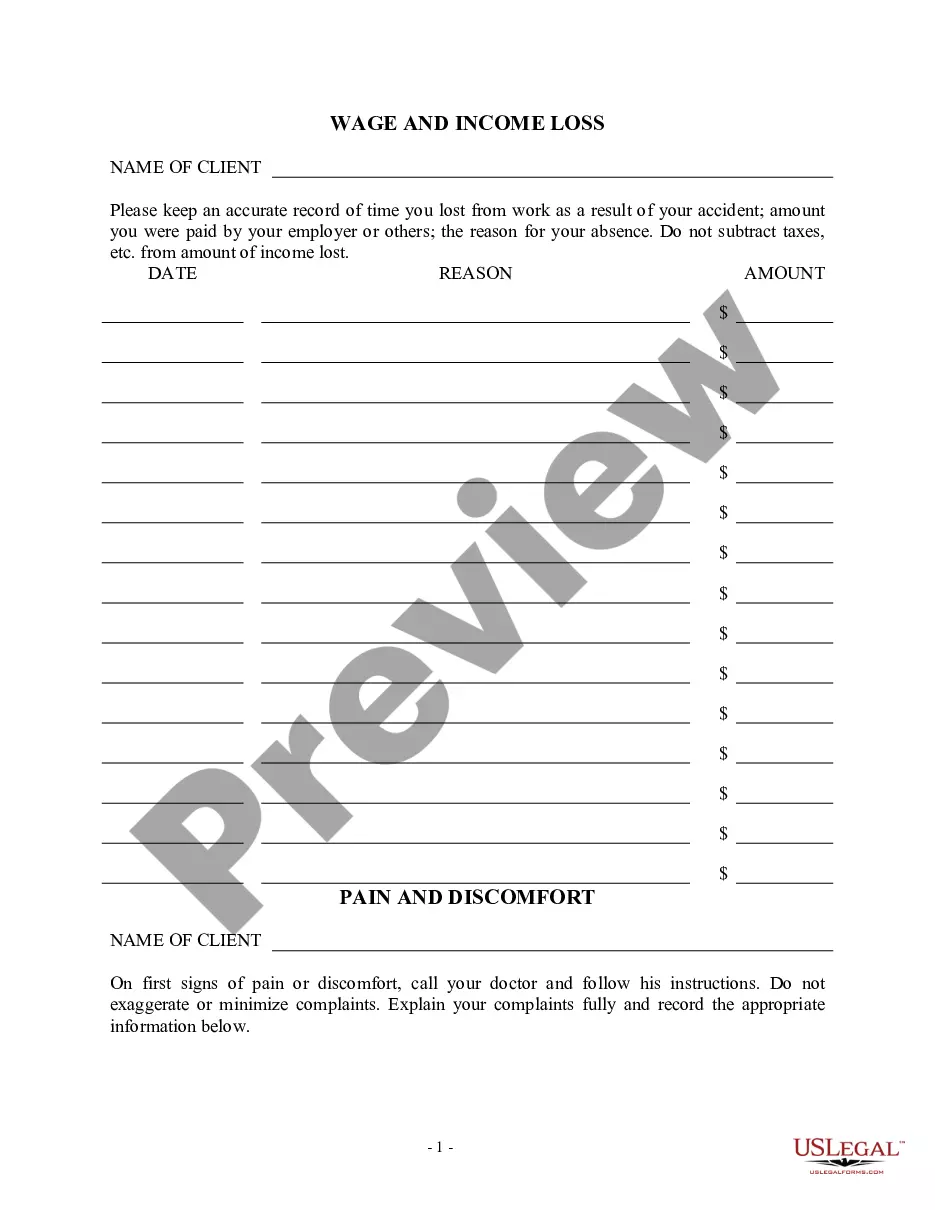

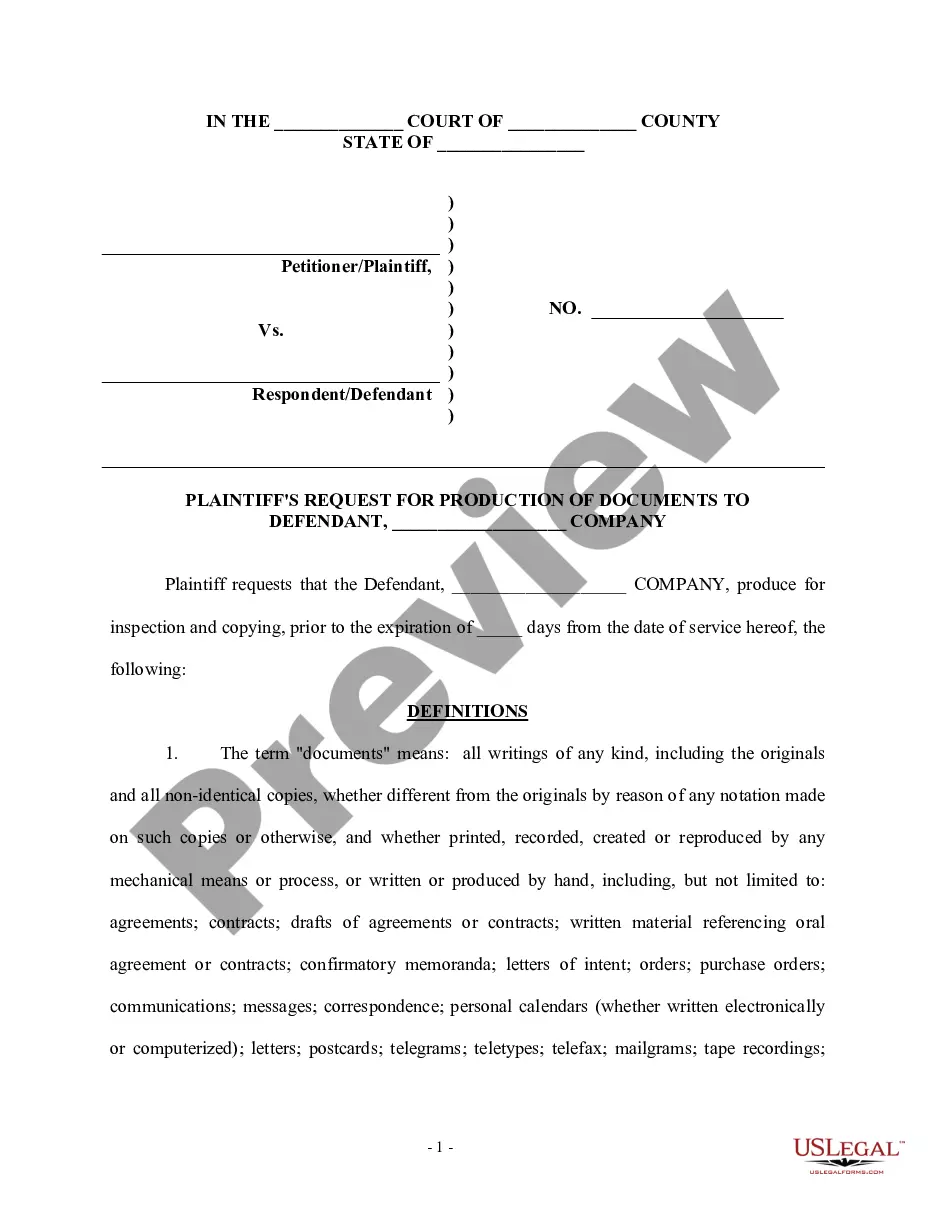
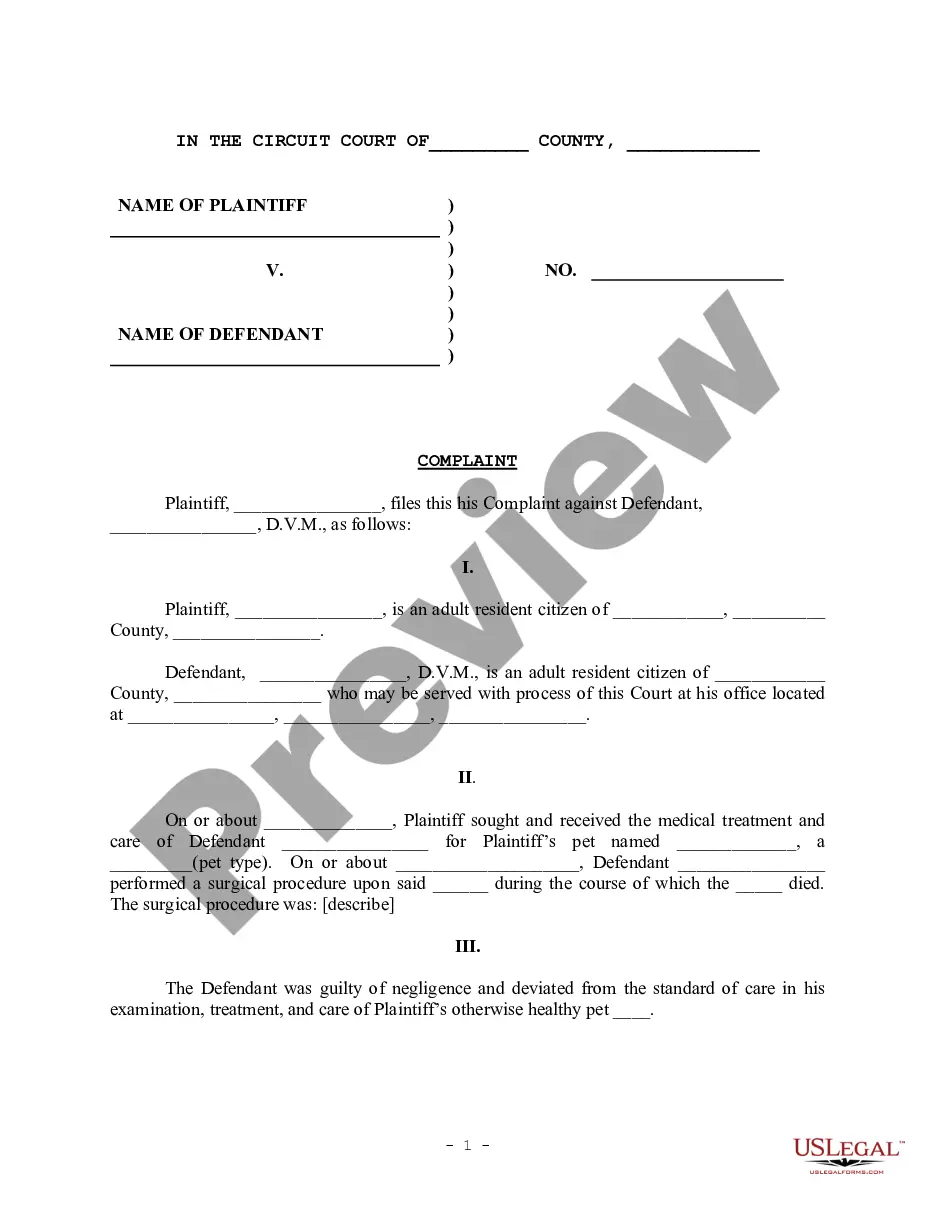
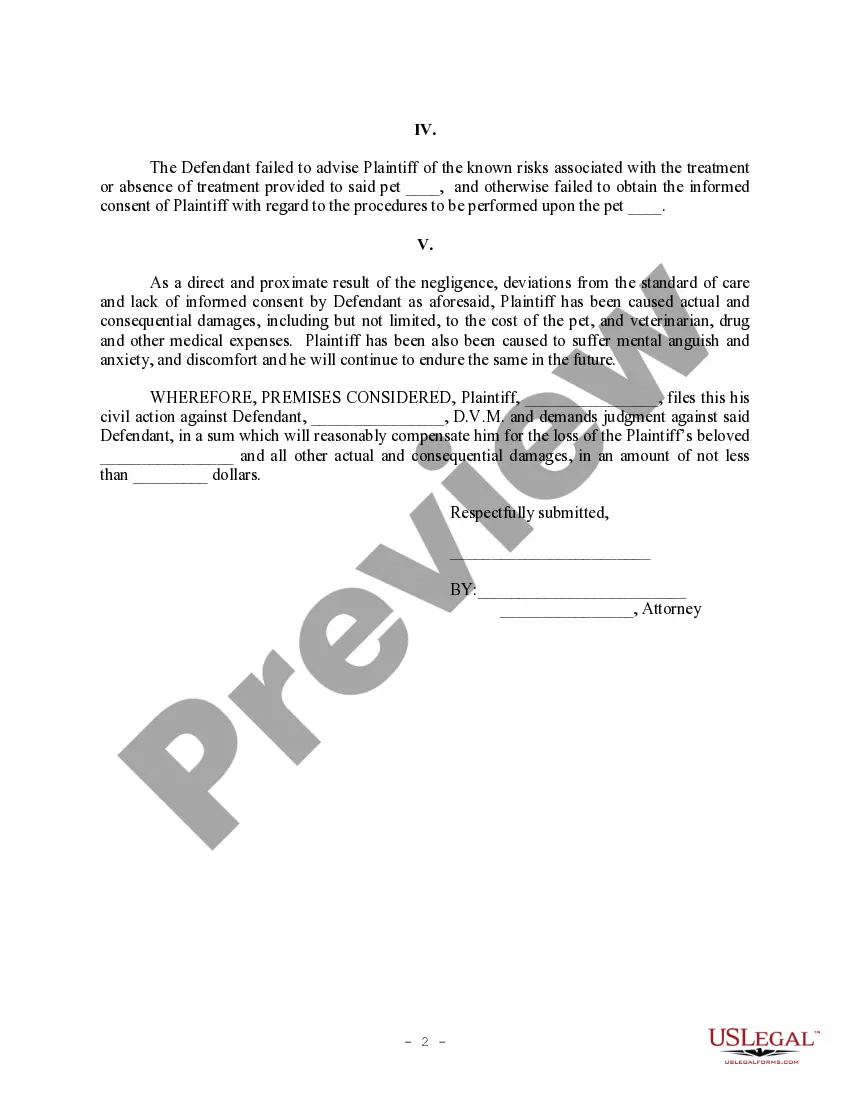
How to fill out Complaint Regarding Veterinarian Malpractice For Surgical Procedure?
- Begin by visiting the US Legal Forms website and log in to your account if you're a returning user.
- If you're new, browse the extensive collection of over 85,000 legal forms. Preview the forms to ensure they meet your requirements.
- Utilize the search functionality to locate any specific documents you need for your veterinary clinic practice.
- Once you’ve selected the appropriate template, click the 'Buy Now' button to choose your subscription plan and register for an account.
- Input your payment details using a credit card or PayPal, and complete your purchase.
- After purchasing, download the form to your device and access it anytime from the 'My Forms' section within your account.
In summary, US Legal Forms is an invaluable resource for veterinary clinics looking to streamline their legal processes. With its extensive library and user-friendly platform, obtaining the necessary documentation has never been easier.
Start your journey toward legal compliance today and explore the wealth of resources available at US Legal Forms!
Form popularity
FAQ
Suing a veterinarian can be challenging due to the need for solid evidence and an understanding of legal standards. In cases of veterinary clinics small animal practice, you must prove that your veterinarian's actions fell below the acceptable standard of care. Engaging an attorney who specializes in this area can simplify the process and help you navigate the complexities of your case.
Veterinary malpractice involves a failure to provide the standard of care expected in veterinary clinics small animal practice. This could include misdiagnosis, incorrect treatment, or failing to inform pet owners of risks associated with procedures. If the pet suffers harm as a direct result of such negligence, it may meet the criteria for malpractice.
profit veterinary clinic operates with the mission of providing affordable services rather than generating profit. These clinics focus on serving the community, particularly lowincome pet owners, by offering essential care and treatments. Nonprofit veterinary clinics small animal practice are vital in ensuring that all pets receive necessary health services, regardless of their owner's financial status.
Yes, you can sue a vet practice if you have evidence of negligence or malpractice causally affecting your pet's health. To build a strong case, gather documents, texts, and other proof supporting your claims. You may benefit from consulting an attorney specializing in veterinary malpractice to navigate the complexities of suing veterinary clinics small animal practice.
Opening a veterinary practice involves several key steps. First, you need the appropriate veterinary license and certifications. Next, securing financing for equipment and facility costs is essential, as well as developing a business plan tailored for veterinary clinics small animal practice. Don't forget to focus on location, marketing strategies, and building a reliable team.
Whether it's worth suing for malpractice in veterinary clinics small animal practice often depends on the circumstances. If you believe the care provided to your pet was negligent and resulted in harm, you should evaluate the potential outcomes. Legal action can be lengthy and costly, so consider consulting a legal expert familiar with veterinary malpractice suits to assess your case.
A good EBITDA (Earnings Before Interest, Taxes, Depreciation, and Amortization) for a veterinary practice typically ranges from 10% to 15% of total revenue. Monitoring your EBITDA helps you assess the overall financial health of your veterinary clinics small animal practice. Regular financial reviews can help you maintain or improve this metric.
The earnings from owning a veterinary practice can vary widely based on factors like location and client base. On average, practice owners can make anywhere from $80,000 to over $150,000 annually. With effective management and a focus on veterinary clinics small animal practice, you can increase your income potential significantly over time.
A good profit margin for veterinary practices generally falls between 15% and 20%. This range reflects a healthy balance between revenue and expenses in the veterinary clinics small animal practice segment. By focusing on client satisfaction and offering diverse services, you can achieve or even exceed this margin.
To become a small animal veterinarian, you need to complete a Doctor of Veterinary Medicine (DVM) degree from an accredited institution. Following your education, you must pass the relevant state and national licensing exams. Additionally, practical experience in veterinary clinics small animal practice is crucial to build your skills and gain credibility with pet owners.