Good Faith With The Law
Description
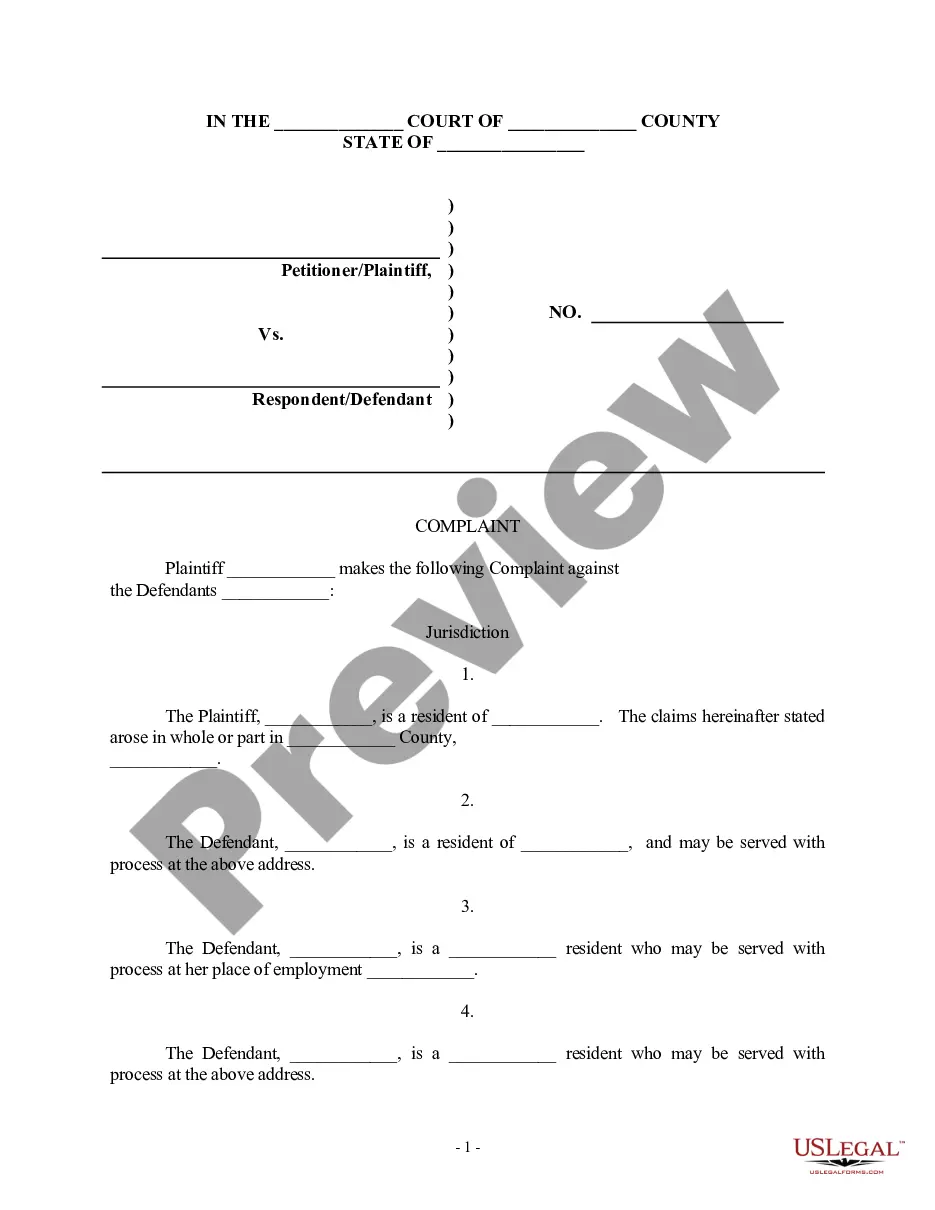
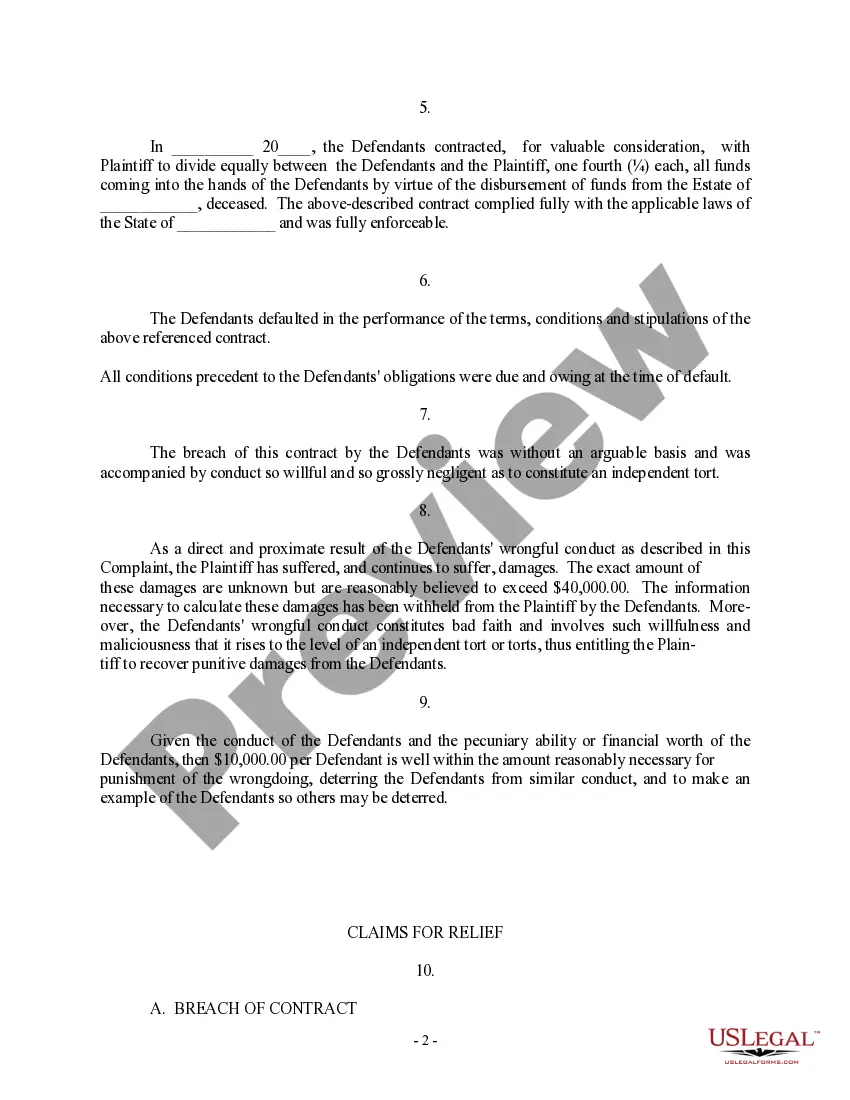
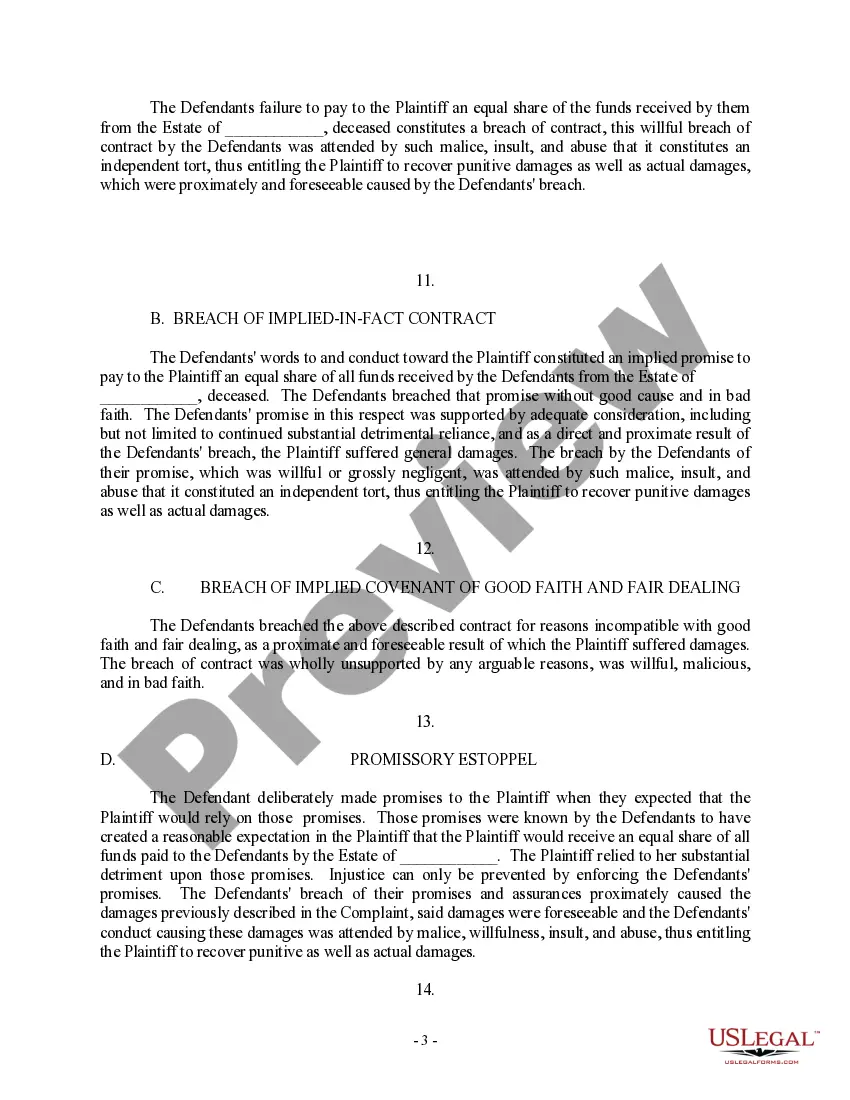
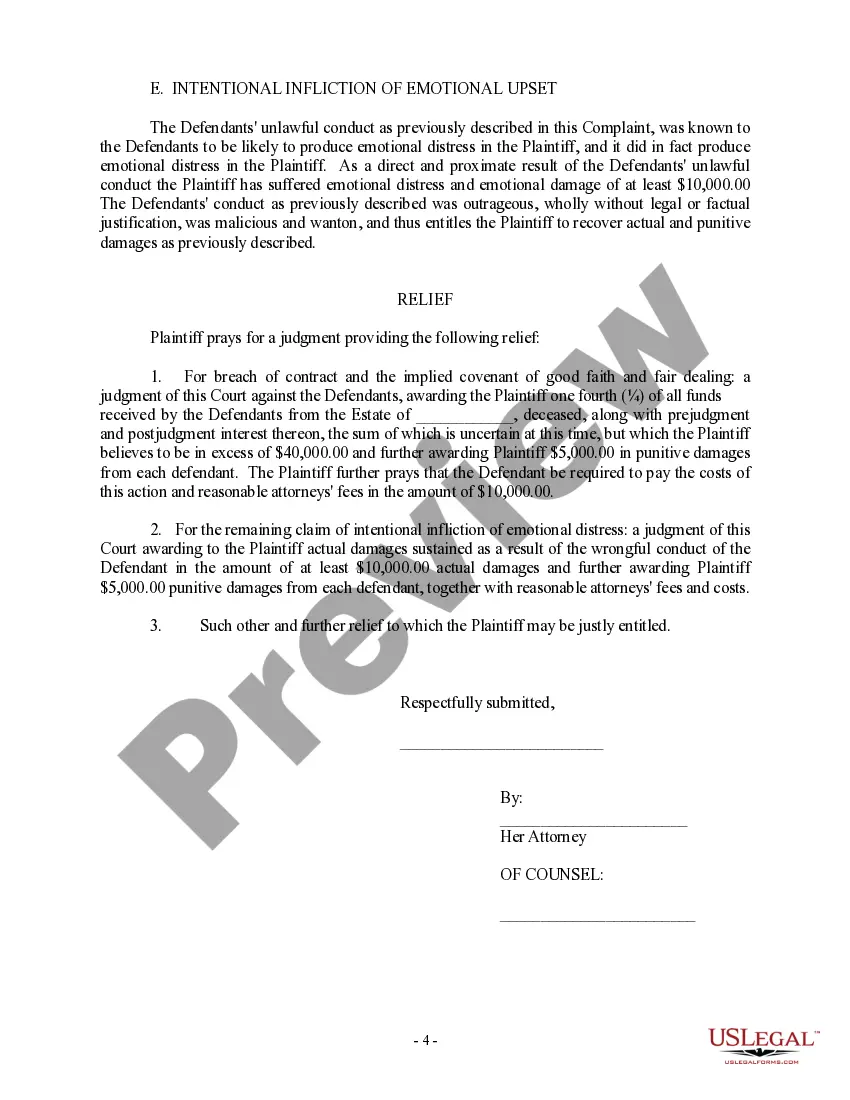
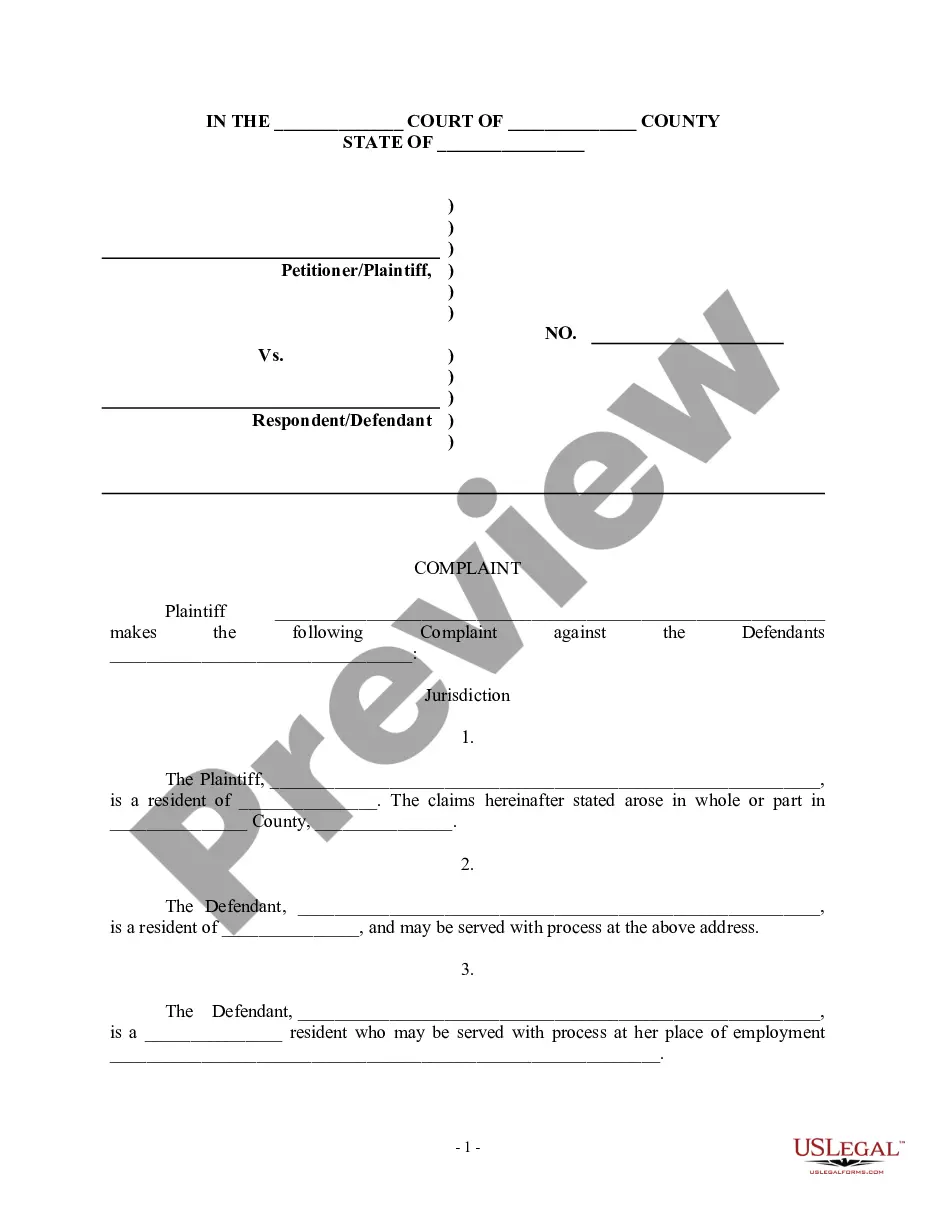
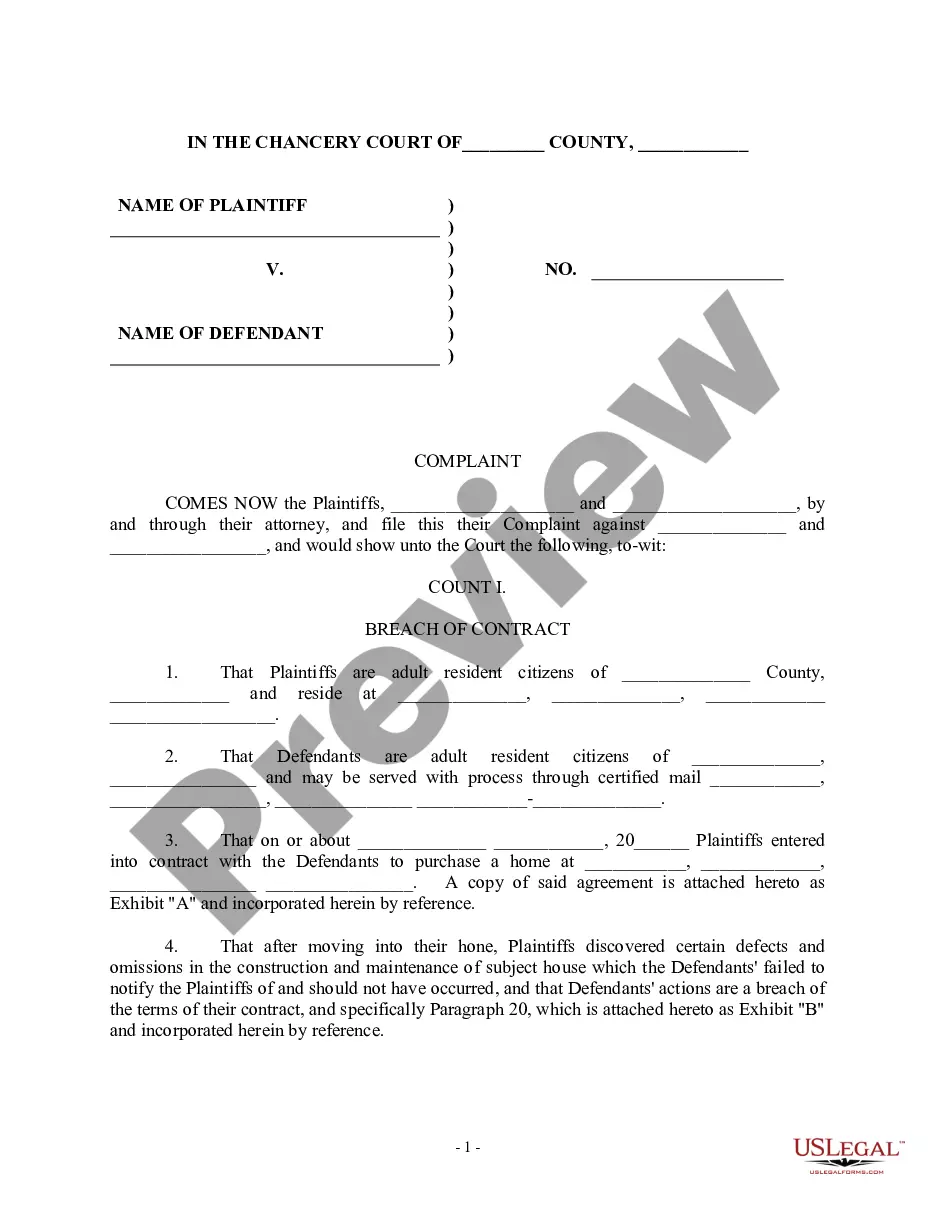


How to fill out Complaint Regarding Breach Of Contract To Divide Estate Proceeds, Implied Contract, Good Faith And Fair Dealing, Promissory Estoppel, Emotional Distress?
The Good Faith With The Law presented on this page is a versatile legal template composed by expert attorneys in accordance with national and local regulations.
For over 25 years, US Legal Forms has offered individuals, entities, and legal practitioners more than 85,000 authenticated, state-specific documents for any business and personal context. It’s the fastest, easiest, and most dependable method to acquire the paperwork you require, as the service ensures the utmost level of data safety and anti-malware defense.
Subscribe to US Legal Forms to have authenticated legal templates for all of life’s situations readily available.
- Explore the document you need and assess it.
- Browse through the example you searched and preview it or examine the form details to confirm it meets your requirements. If it does not, utilize the search feature to find the correct one. Click Buy Now when you have identified the template you seek.
- Enroll and Log In.
- Choose the pricing option that fits you and create an account. Use PayPal or a credit card for a quick transaction. If you already possess an account, Log In and review your subscription to move ahead.
- Receive the editable template.
- Opt for the format you desire for your Good Faith With The Law (PDF, Word, RTF) and save the document on your device.
- Fill out and sign the document.
- Print the template to complete it by hand. Alternatively, use an online multifunctional PDF editor to quickly and accurately fill out and sign your form with a valid signature.
- Download your paperwork once more.
- Reaccess the same document whenever necessary. Open the My documents tab in your profile to redownload any previously downloaded documents.
Form popularity
FAQ
You have the right to receive a ?Good Faith Estimate? explaining how much your medical care will cost. Under the law, health care providers need to give patients who don't have insurance or who are not using insurance an estimate of the bill for medical items and services.
If you end up changing the expected charges, items, services or costs that you put on an estimate within that 12 month period, you must send the patient an updated good faith estimate at least one business day before you're scheduled to provide the patient with the service or item.
The provider can create a Good Faith assessment for the individual by clicking on the blue "new" button. The form can only be completed if you open another window with the client's information next to your "assessment" because it doesn't population by itself.
The good faith estimate must include a number of disclaimers. For example, it must state that the estimate is based on information known at the time it was created. Therefore, it won't include any costs for unanticipated items or services that are not reasonably expected and that could occur due to unforeseen events.