Emotional Distress Sample For Defamation
Description
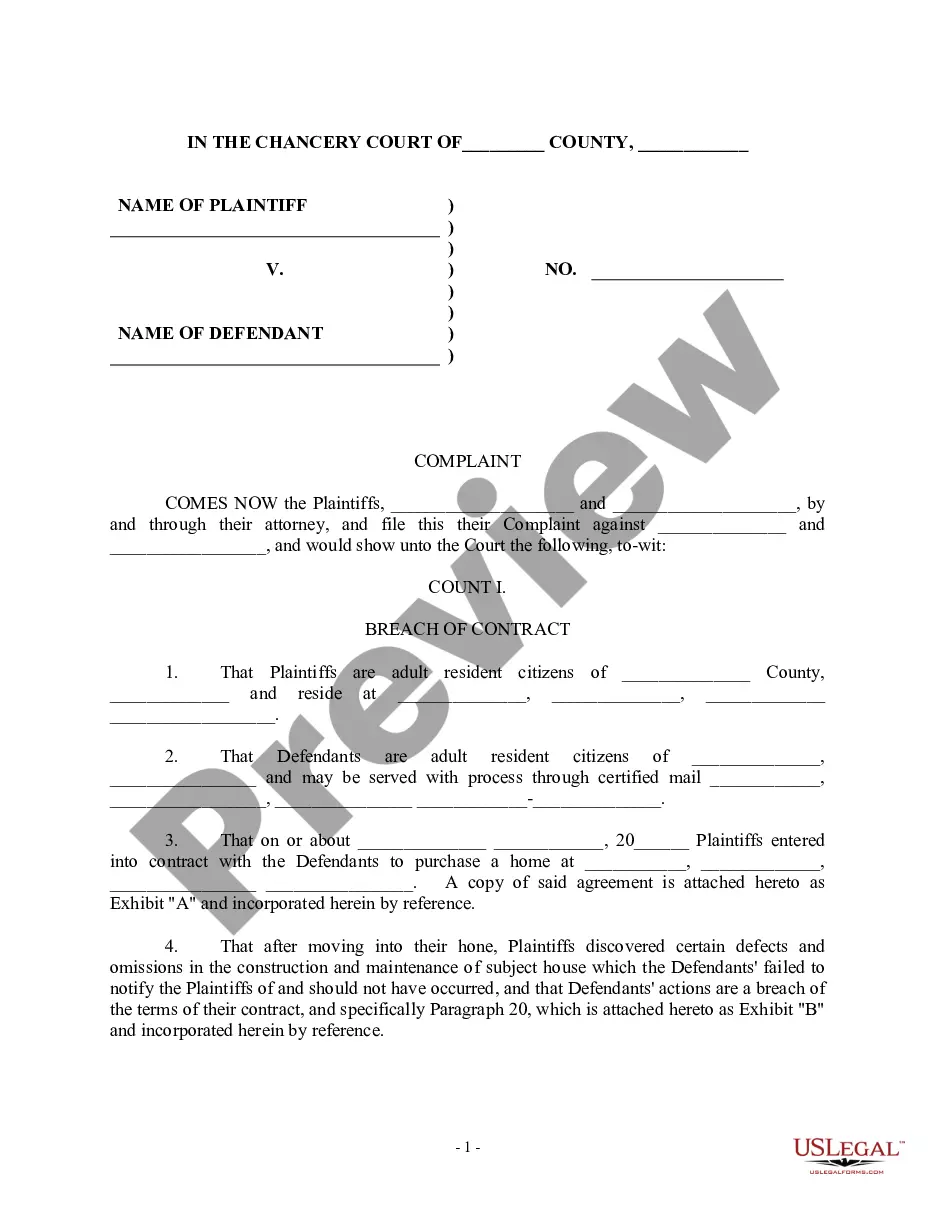
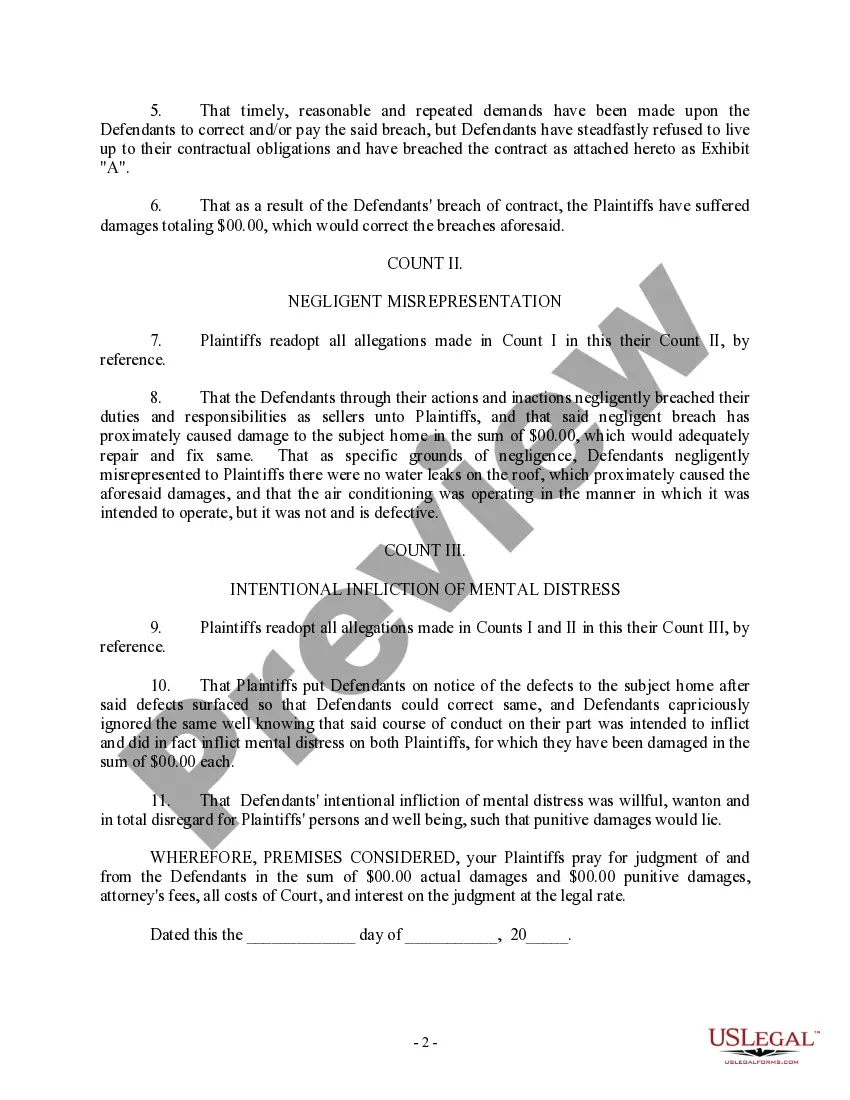
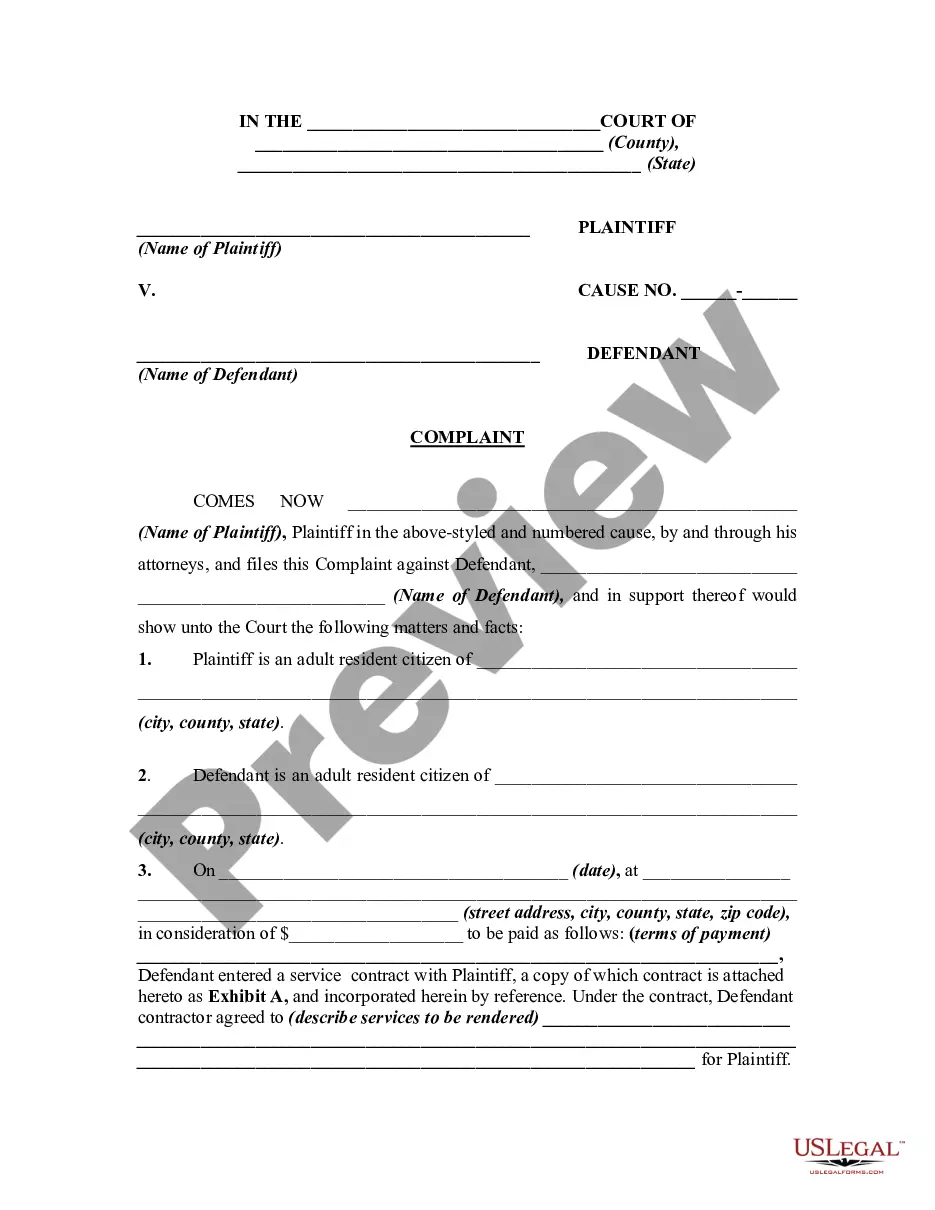
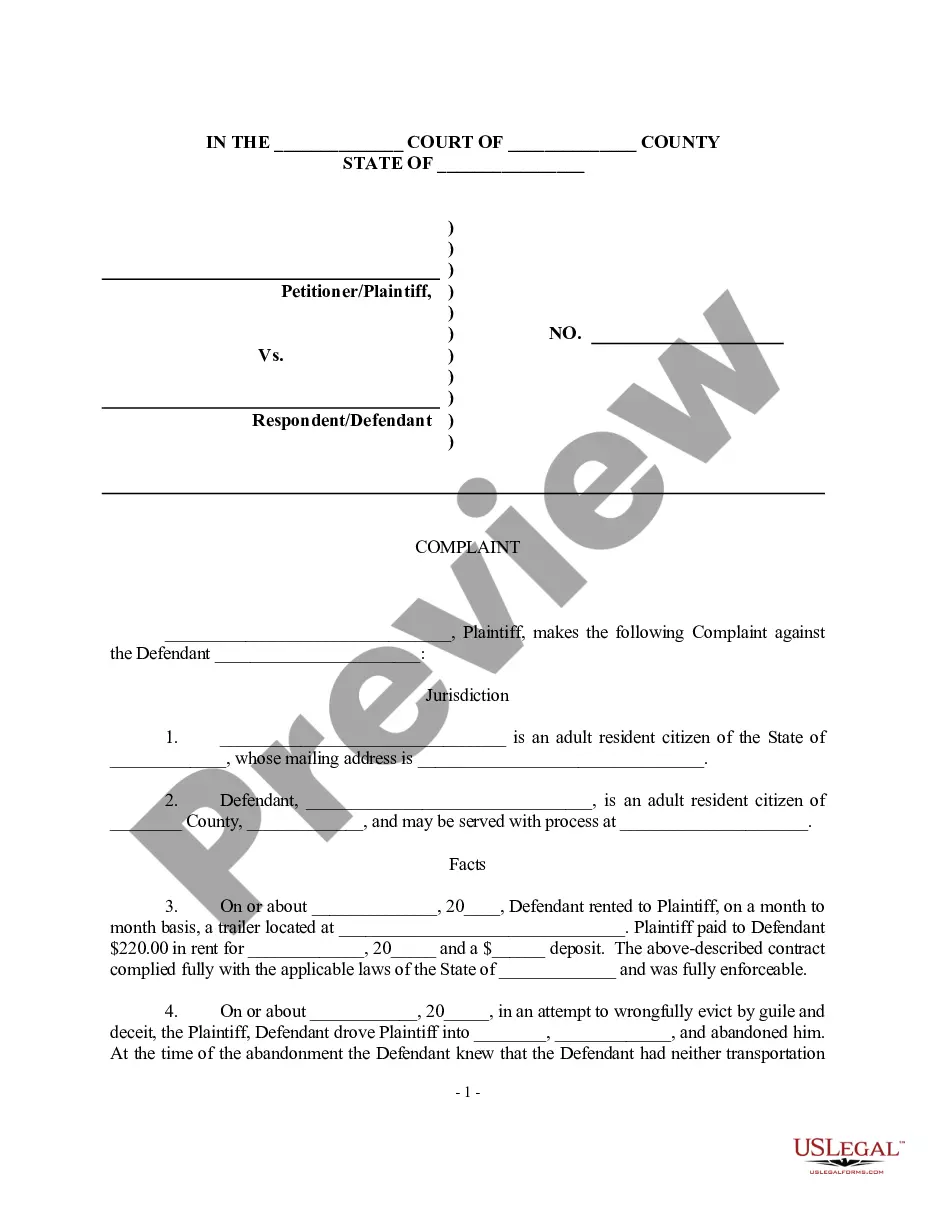
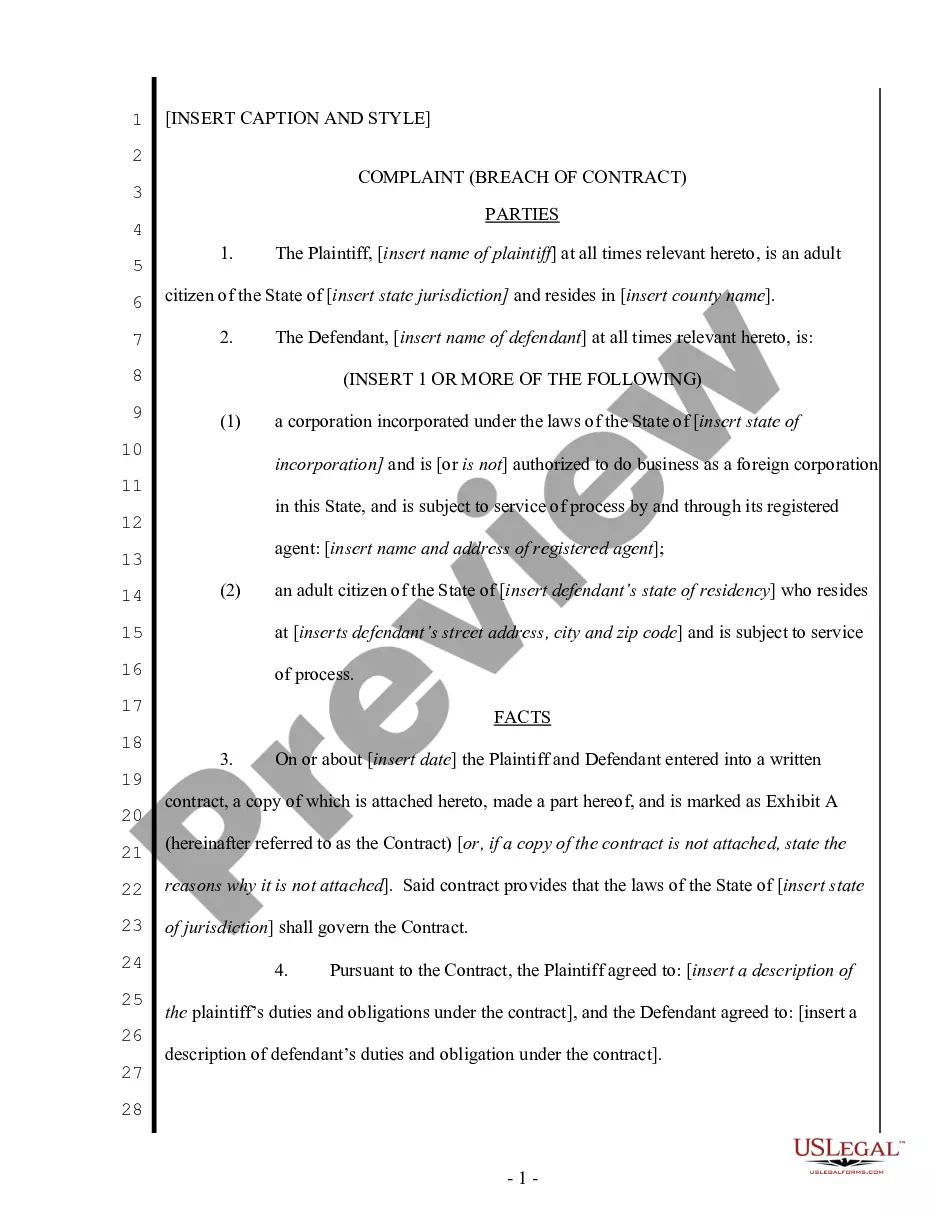
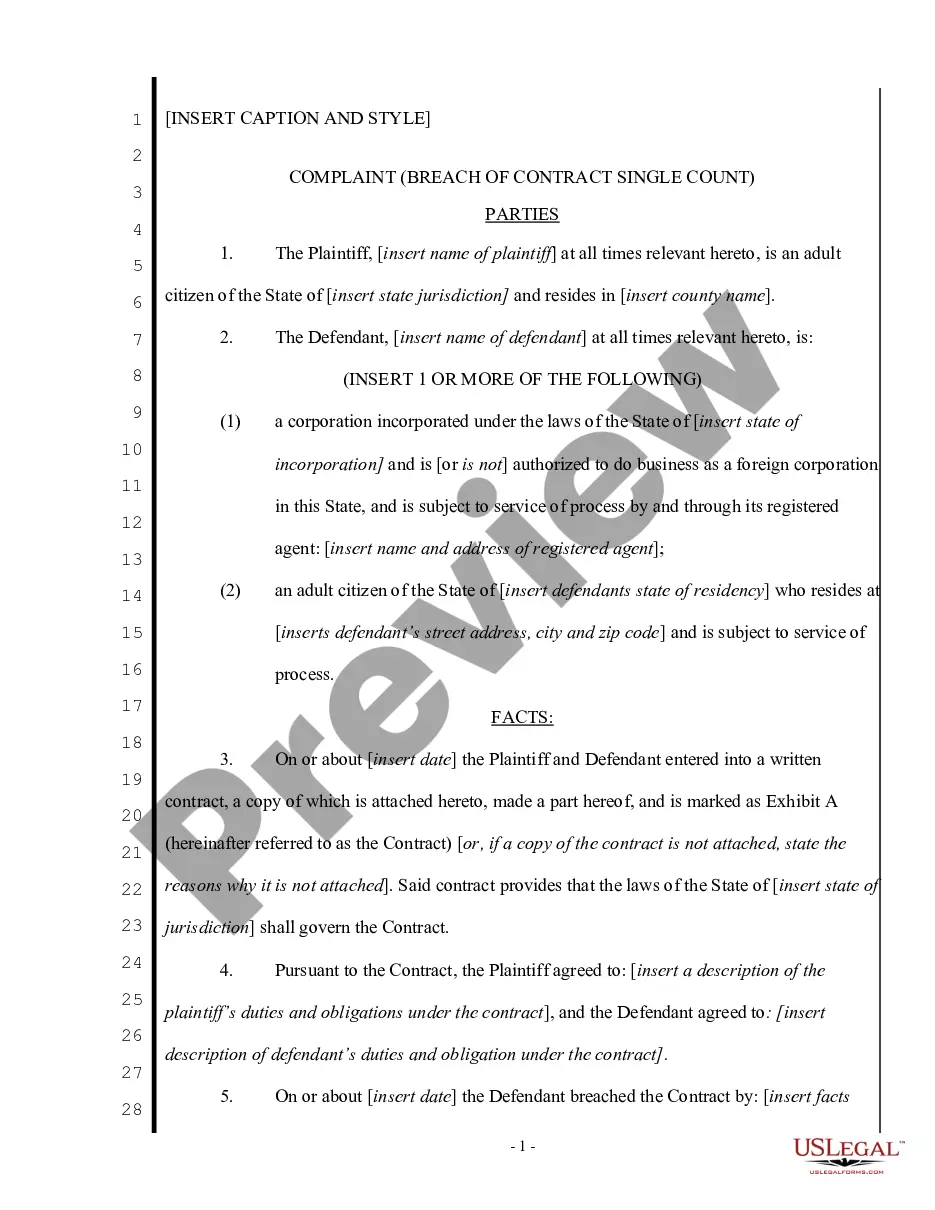
Get your form ready online
Our built-in tools help you complete, sign, share, and store your documents in one place.
Make edits, fill in missing information, and update formatting in US Legal Forms—just like you would in MS Word.
Download a copy, print it, send it by email, or mail it via USPS—whatever works best for your next step.
Sign and collect signatures with our SignNow integration. Send to multiple recipients, set reminders, and more. Go Premium to unlock E-Sign.
If this form requires notarization, complete it online through a secure video call—no need to meet a notary in person or wait for an appointment.
We protect your documents and personal data by following strict security and privacy standards.

Make edits, fill in missing information, and update formatting in US Legal Forms—just like you would in MS Word.

Download a copy, print it, send it by email, or mail it via USPS—whatever works best for your next step.

Sign and collect signatures with our SignNow integration. Send to multiple recipients, set reminders, and more. Go Premium to unlock E-Sign.

If this form requires notarization, complete it online through a secure video call—no need to meet a notary in person or wait for an appointment.

We protect your documents and personal data by following strict security and privacy standards.
Looking for another form?
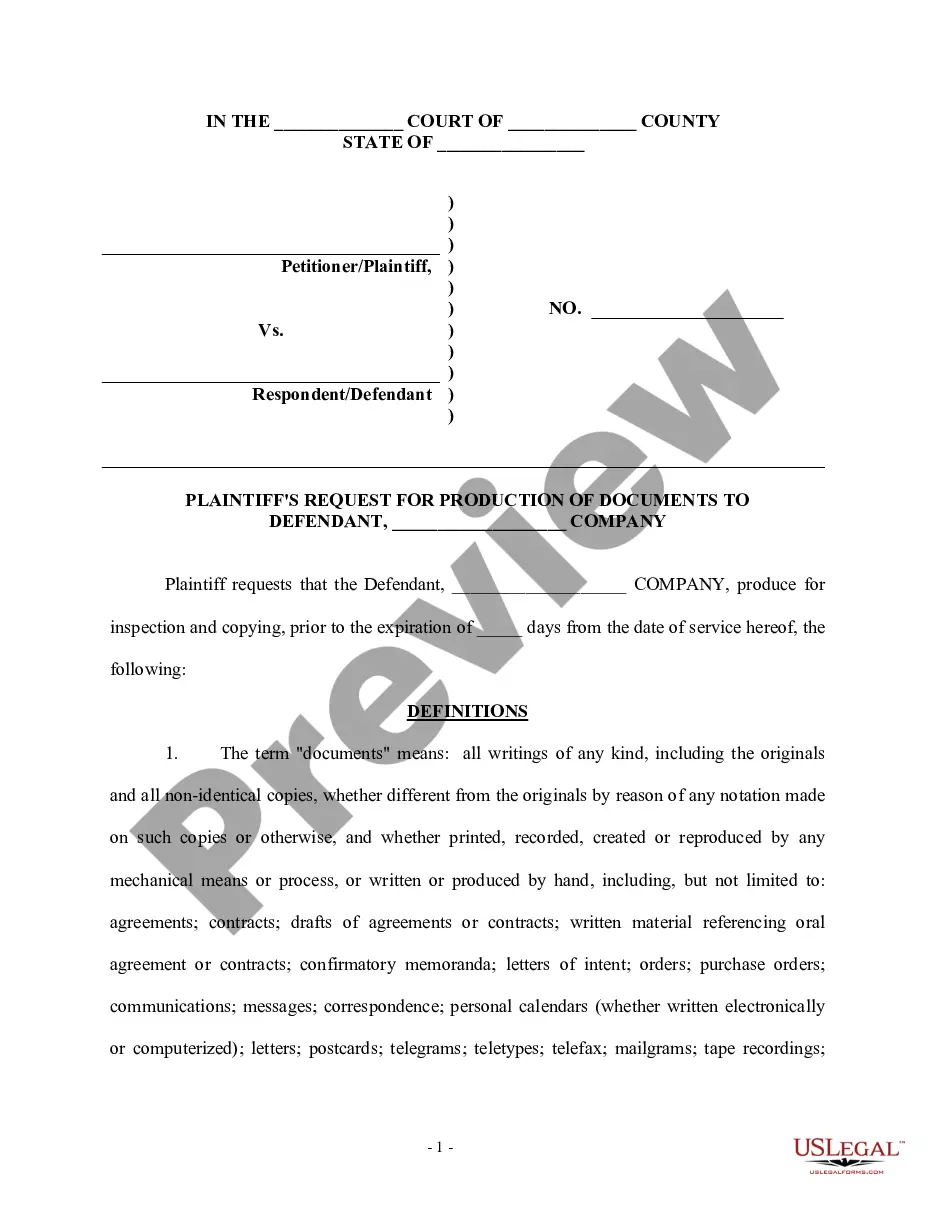
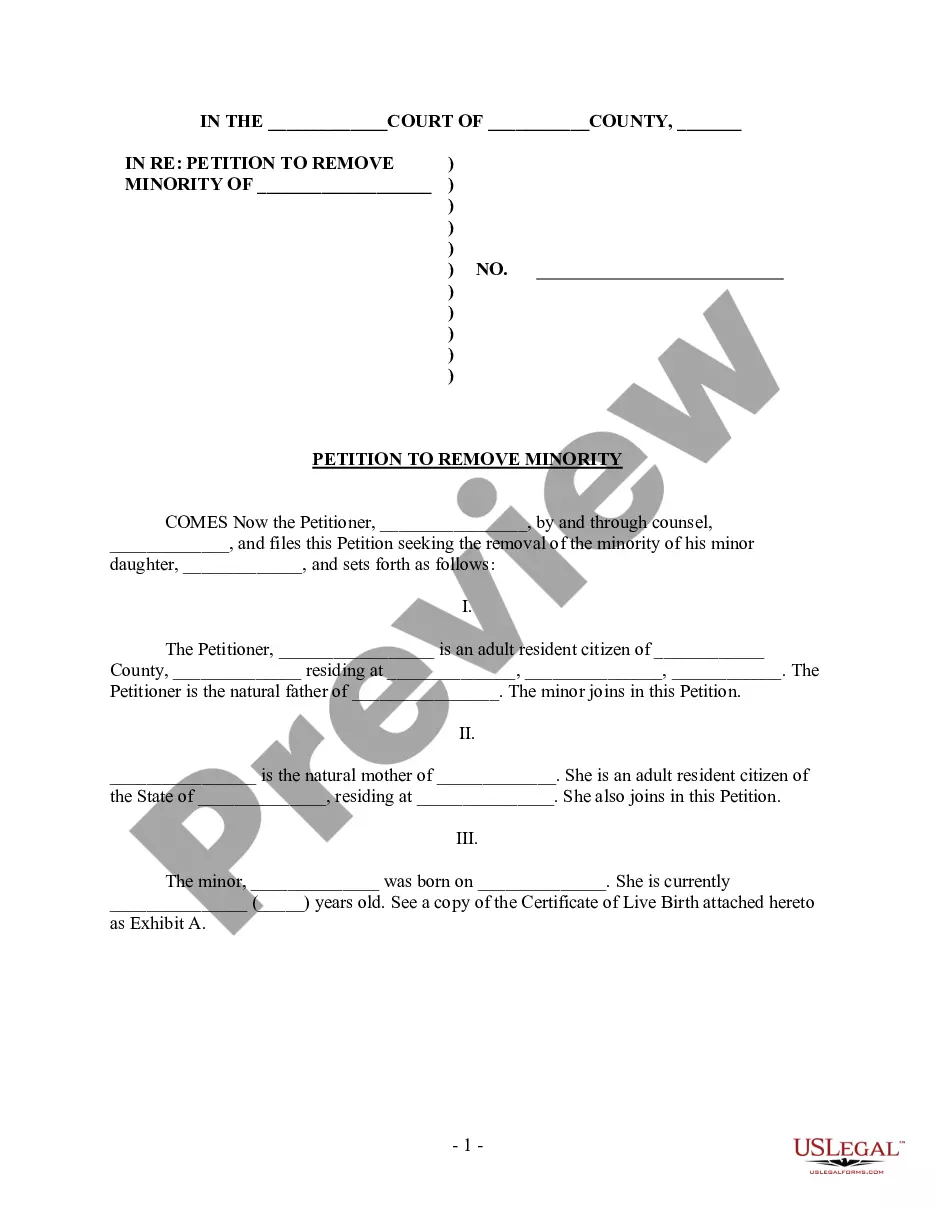
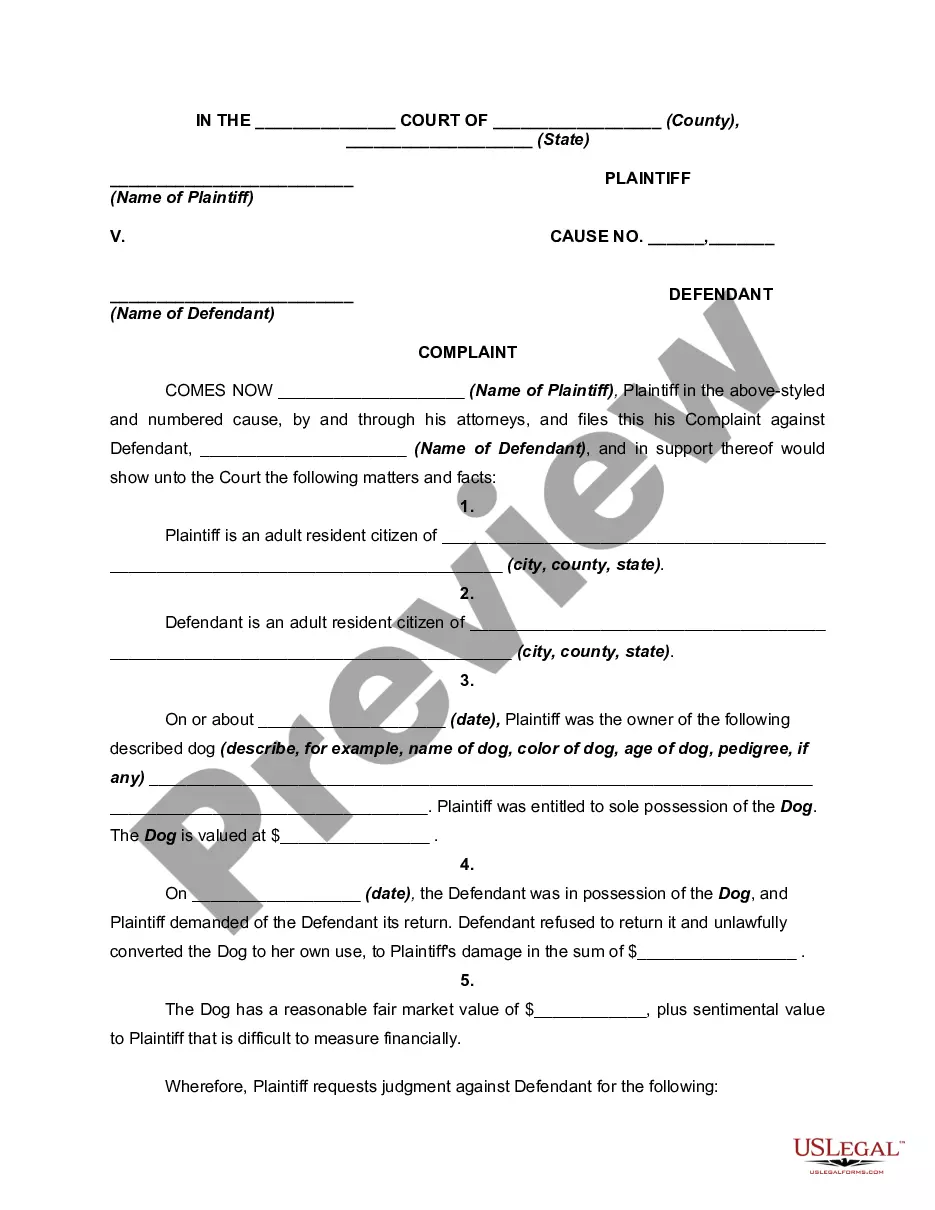
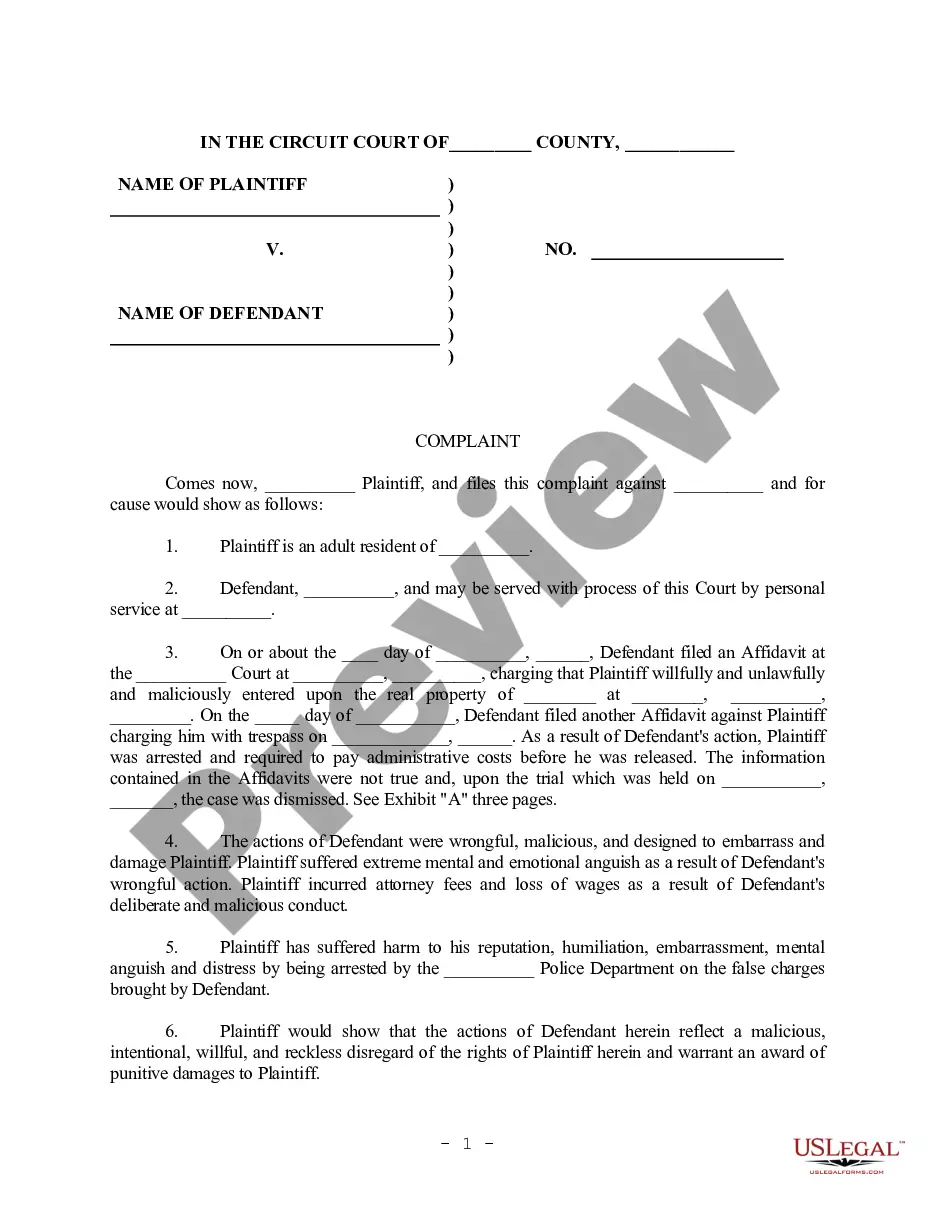
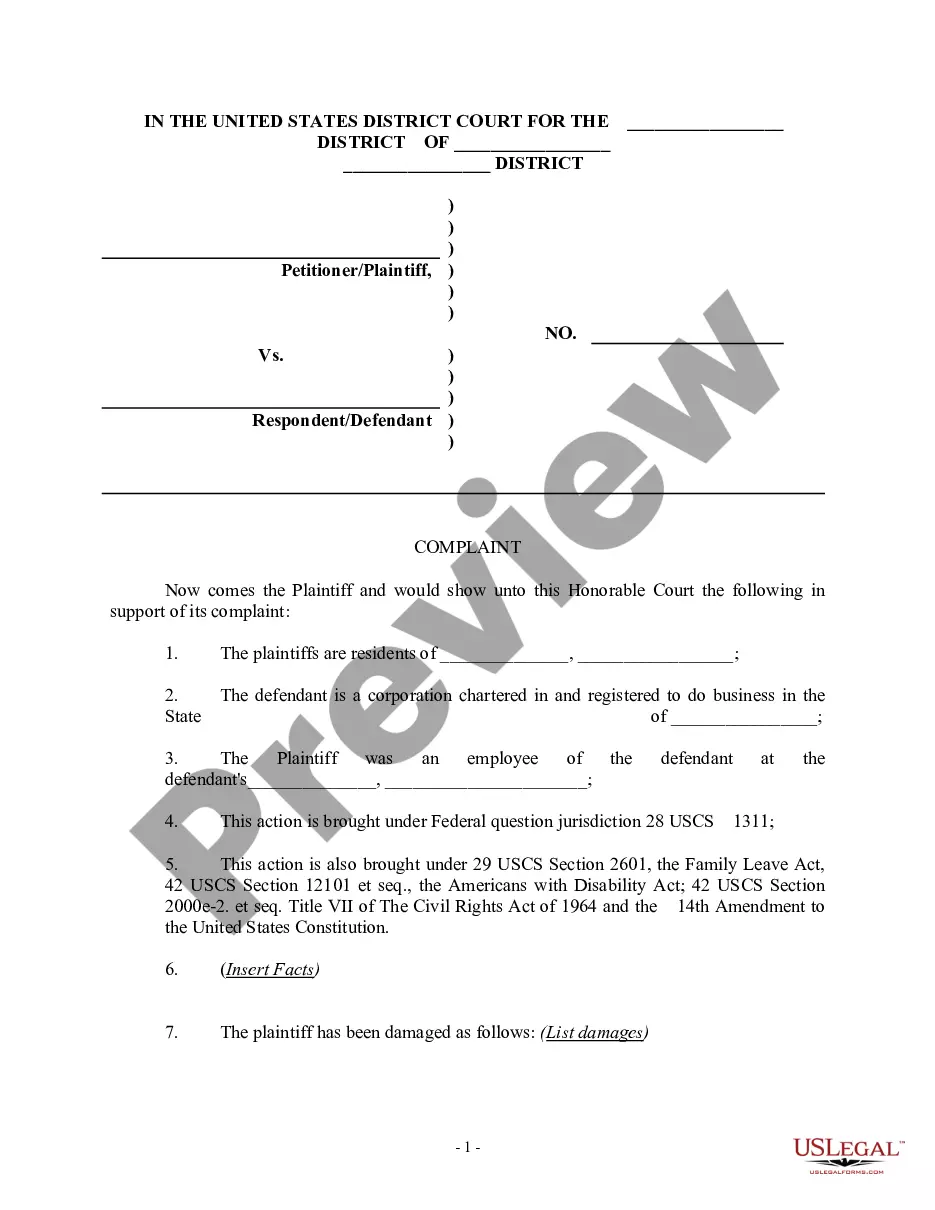
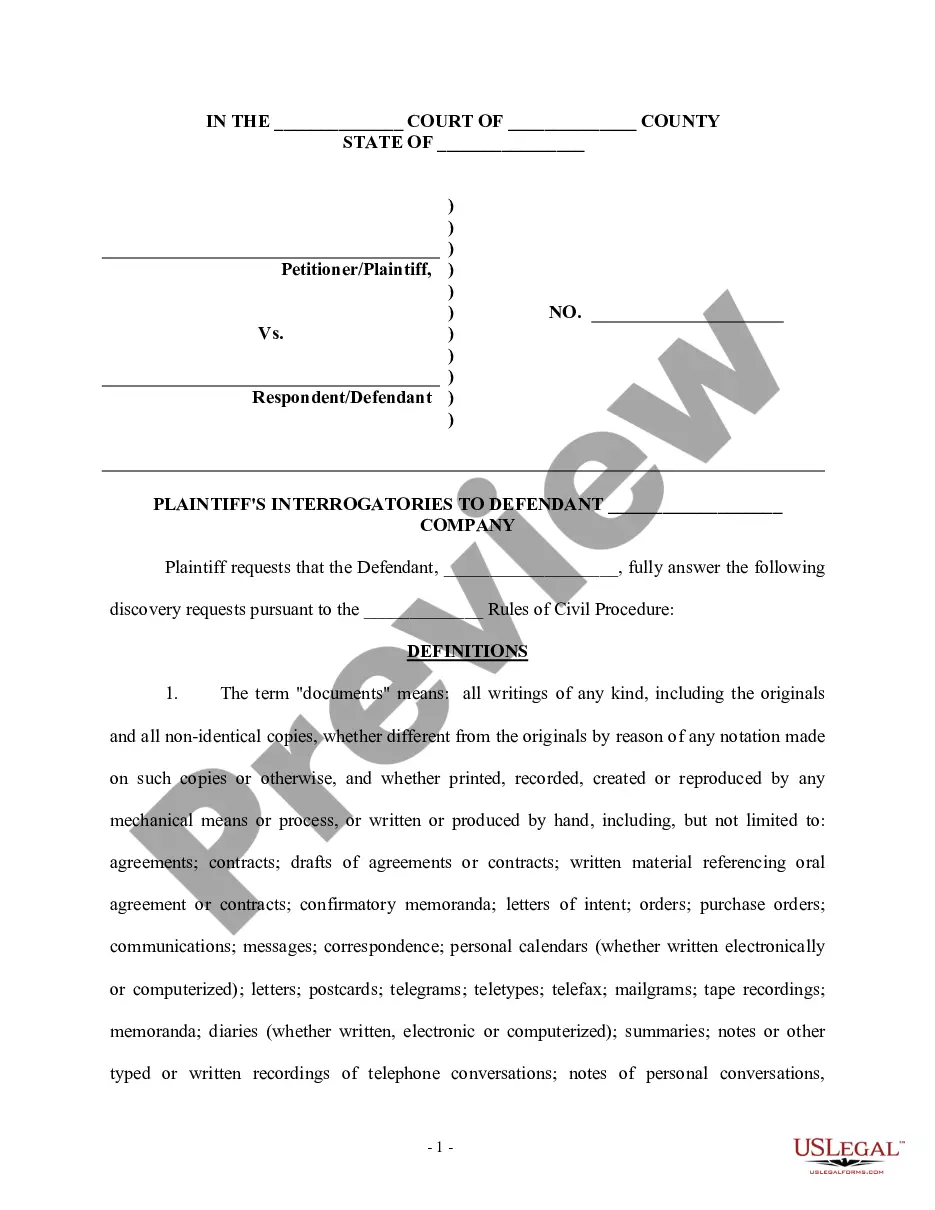
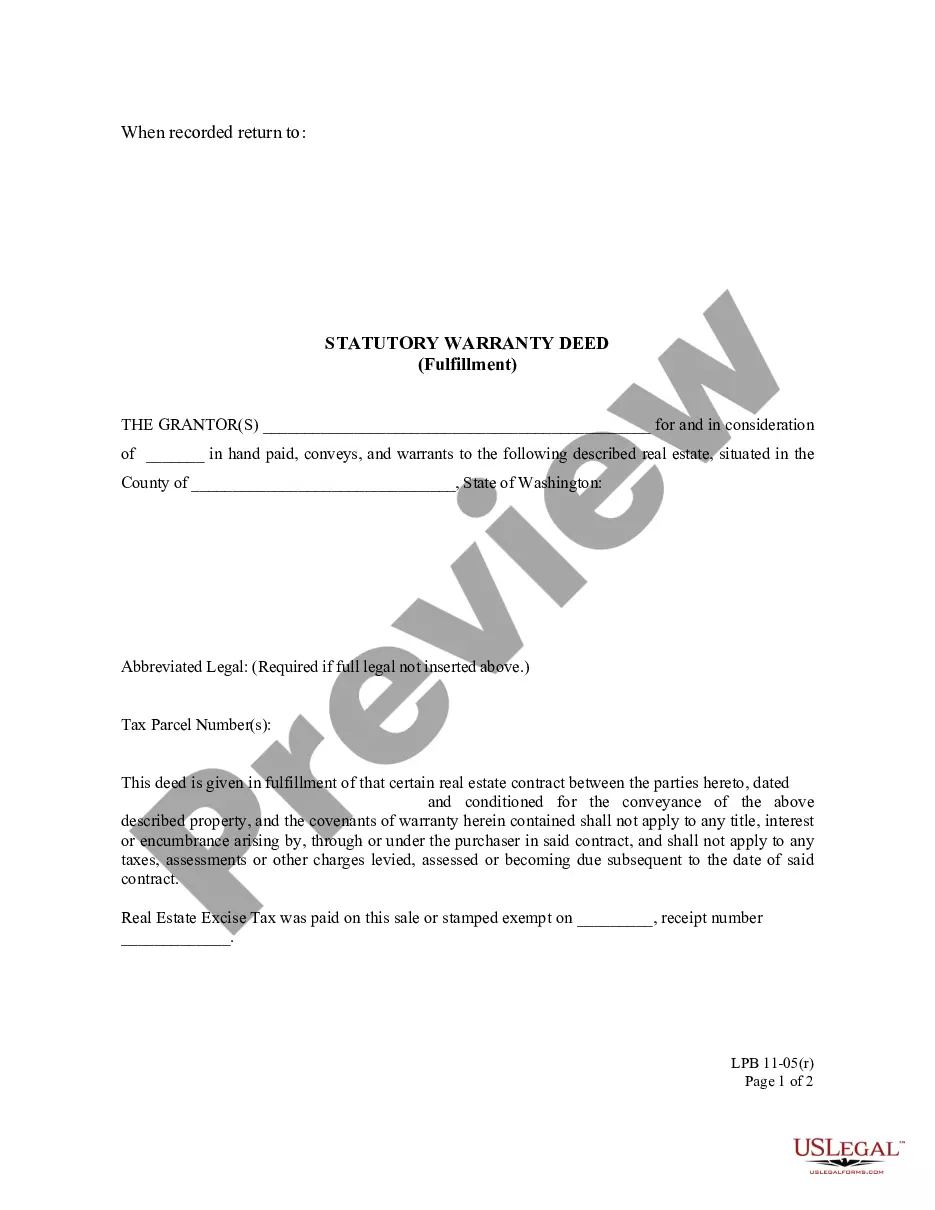
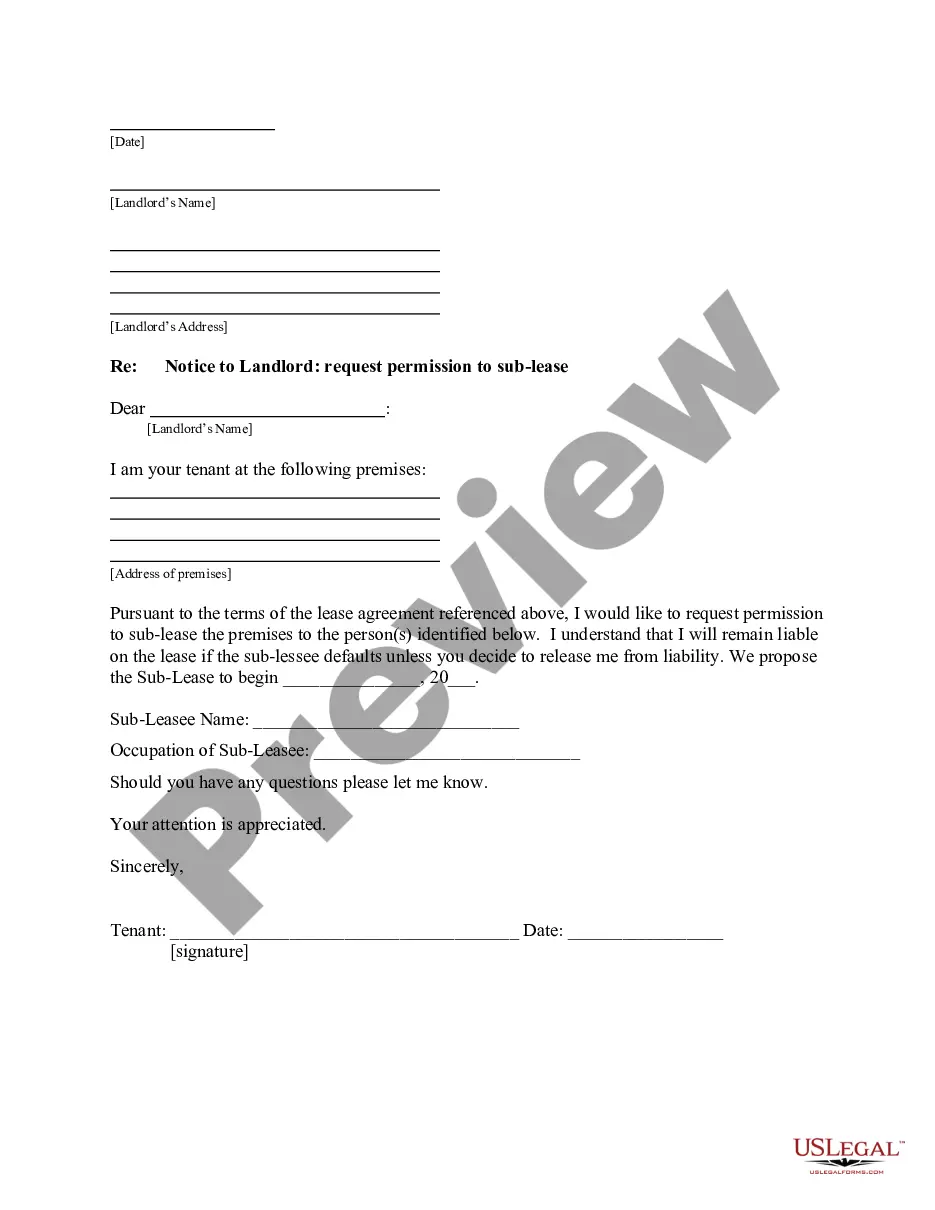
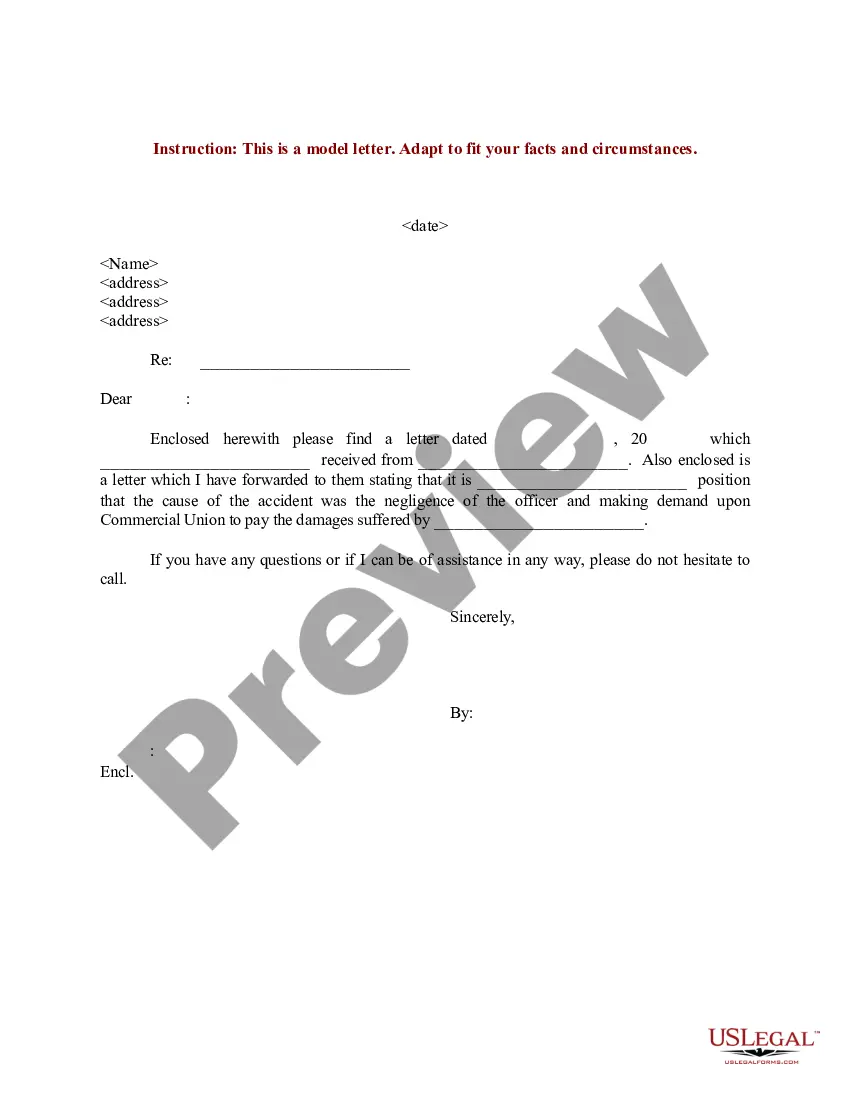
How to fill out Complaint For Breach Of Contract, Emotional Distress, Misrepresentation Of House Condition?
Regardless of whether for commercial reasons or personal matters, everyone must handle legal situations at some point in their life.
Filling out legal paperwork requires meticulous care, starting from choosing the correct form template. For example, if you select an incorrect version of an Emotional Distress Sample For Defamation, it will be denied once you submit it.
Once it is saved, you can fill out the form using editing software or print it and complete it manually. With a comprehensive US Legal Forms catalog at your disposal, you do not have to waste time searching for the right template across the internet. Utilize the library’s straightforward navigation to find the appropriate template for any occasion.
- Thus, it is crucial to have a reliable source of legal documents like US Legal Forms.
- If you need to obtain an Emotional Distress Sample For Defamation template, follow these straightforward steps.
- Find the template you require by using the search bar or browsing the catalog.
- Review the form’s details to ensure it aligns with your circumstances, state, and locality.
- Click on the form’s preview to examine it.
- If it is the incorrect document, return to the search feature to locate the Emotional Distress Sample For Defamation template you need.
- Obtain the template if it suits your requirements.
- If you possess a US Legal Forms account, simply click Log in to access previously stored templates in My documents.
- If you do not have an account yet, you can acquire the form by clicking Buy now.
- Select the appropriate pricing option.
- Complete the account registration form.
- Choose your payment method: you can use a credit card or PayPal account.
- Select the file format you prefer and download the Emotional Distress Sample For Defamation.
Form popularity
FAQ
What Do You Need to Prove in a Defamation of Character Claim? A false statement of fact was made. ... A third party heard or read the defamatory statement. ... The defendant who defamed you was either negligent or acted with actual malice in determining whether the statement was true. ... The statement was not privileged.
In California, you must prove five elements to establish a defamation claim: An intentional publication of a statement of fact; That is false; That is unprivileged; That has a natural tendency to injure or causes ?special damage;? and, The defendant's fault in publishing the statement amounted to at least negligence.
To prove prima facie defamation, a plaintiff must show four things: 1) a false statement purporting to be fact; 2) publication or communication of that statement to a third person; 3) fault amounting to at least negligence; and 4) damages, or some harm caused to the reputation of the person or entity who is the subject ...
An example is ?Tom Smith stole money from his employer.? If this is untrue and if making the statement damages Tom's reputation or ability to work, it is defamation. The person whose reputation has been damaged by the false statement can bring a defamation lawsuit.
Defamation suits often seek damages in the form of compensation for humiliation and embarrassment. In some cases, such emotional distress damages can be recovered even if the words at issue are not defamatory.