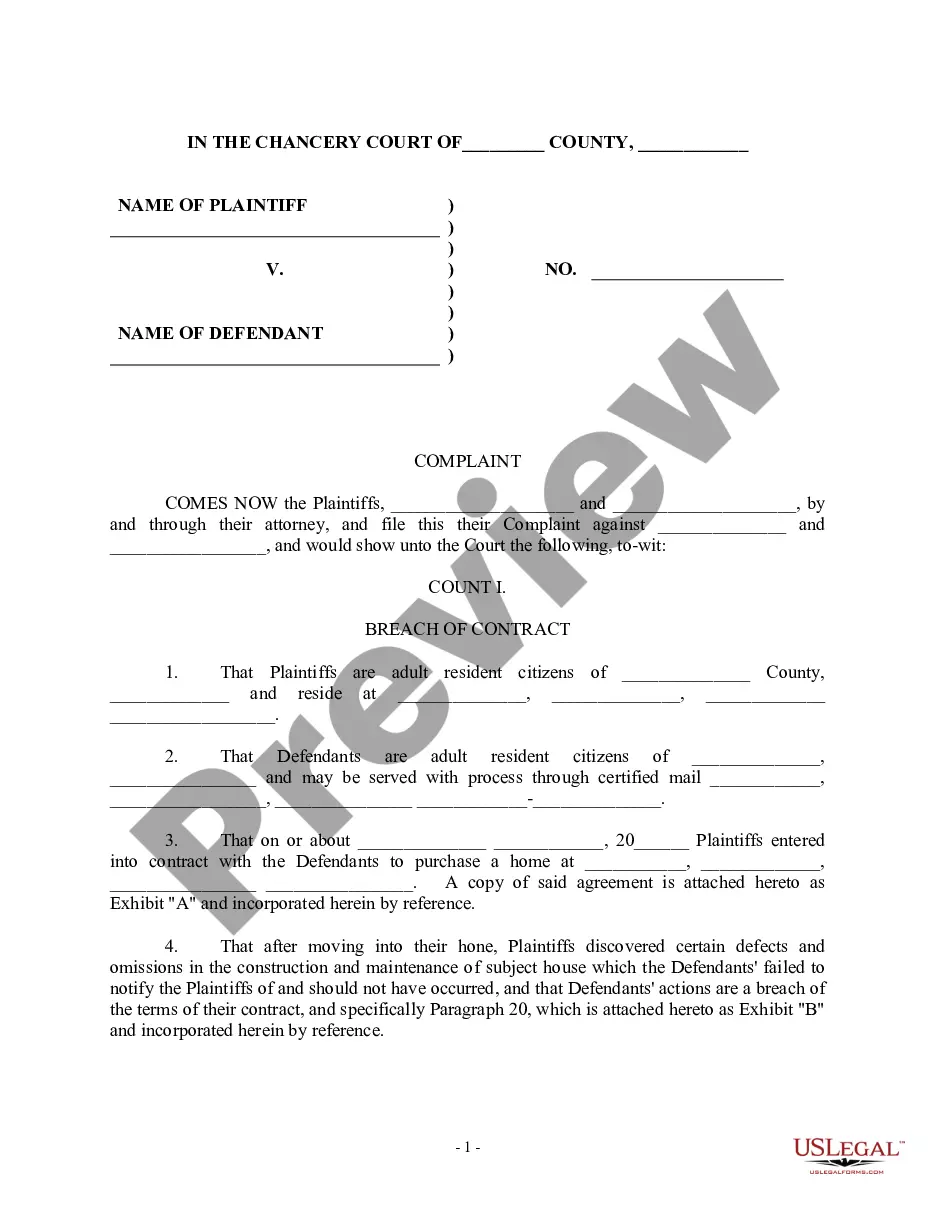
Emotional Distress Form For Negligence
Description
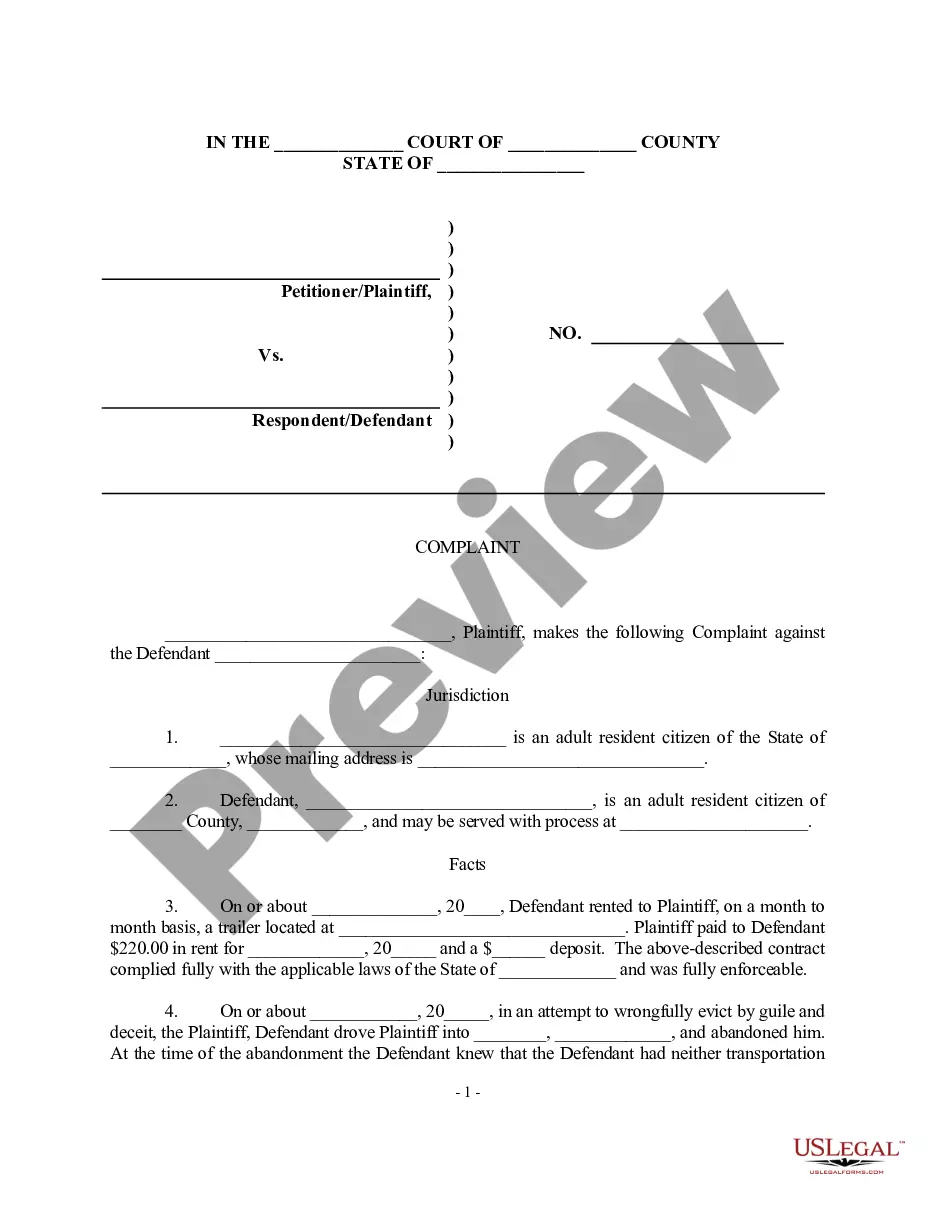
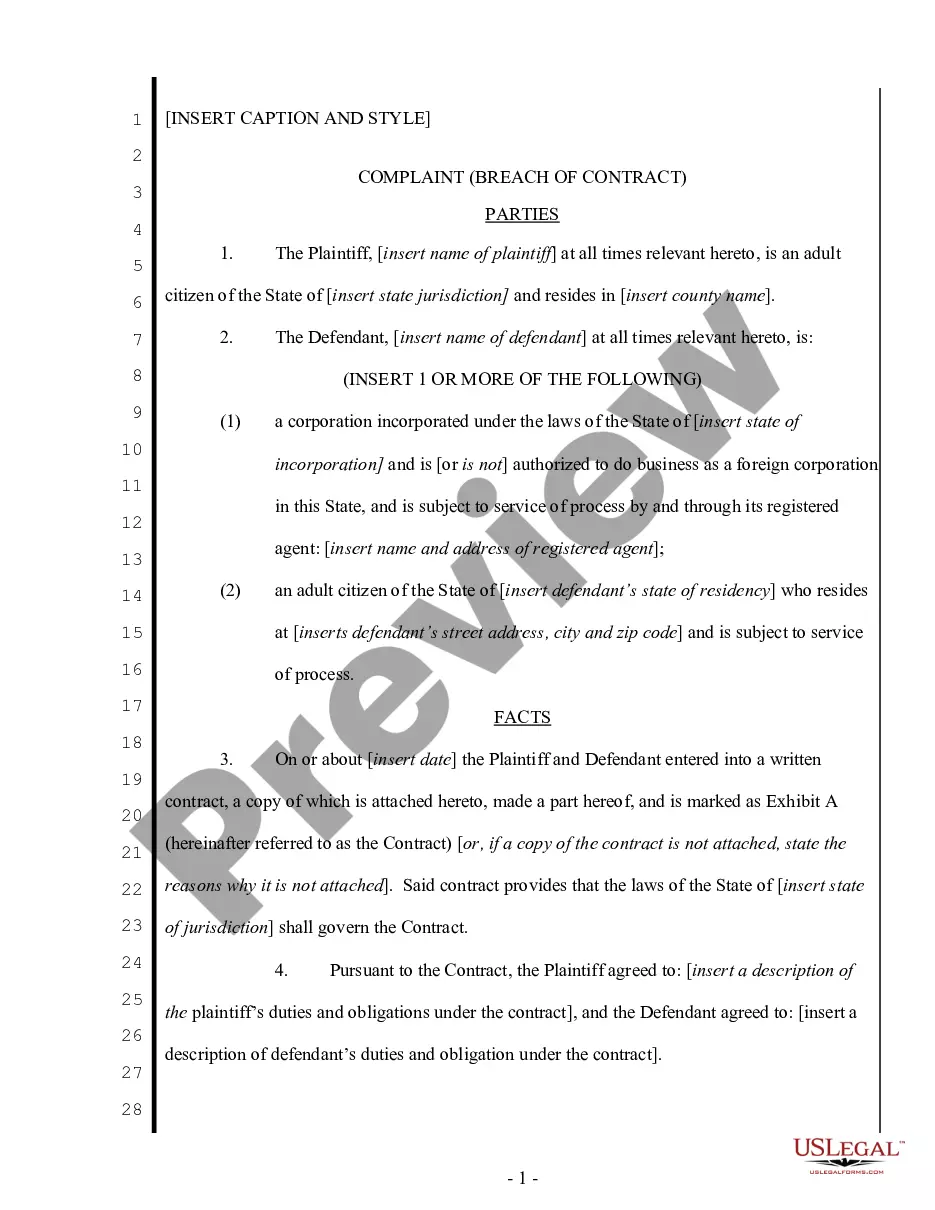
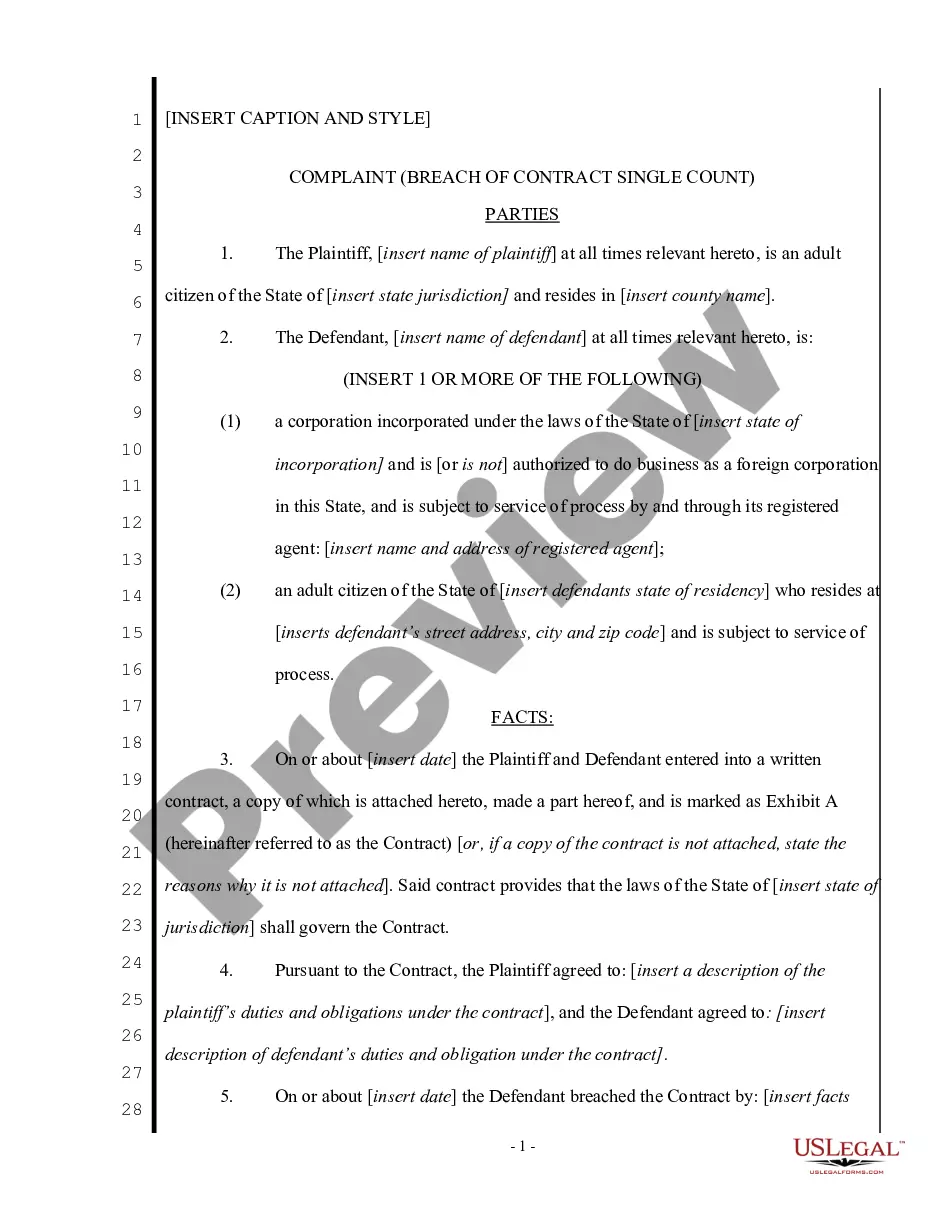
Get your form ready online
Our built-in tools help you complete, sign, share, and store your documents in one place.
Make edits, fill in missing information, and update formatting in US Legal Forms—just like you would in MS Word.
Download a copy, print it, send it by email, or mail it via USPS—whatever works best for your next step.
Sign and collect signatures with our SignNow integration. Send to multiple recipients, set reminders, and more. Go Premium to unlock E-Sign.
If this form requires notarization, complete it online through a secure video call—no need to meet a notary in person or wait for an appointment.
We protect your documents and personal data by following strict security and privacy standards.

Make edits, fill in missing information, and update formatting in US Legal Forms—just like you would in MS Word.

Download a copy, print it, send it by email, or mail it via USPS—whatever works best for your next step.

Sign and collect signatures with our SignNow integration. Send to multiple recipients, set reminders, and more. Go Premium to unlock E-Sign.

If this form requires notarization, complete it online through a secure video call—no need to meet a notary in person or wait for an appointment.

We protect your documents and personal data by following strict security and privacy standards.
Looking for another form?
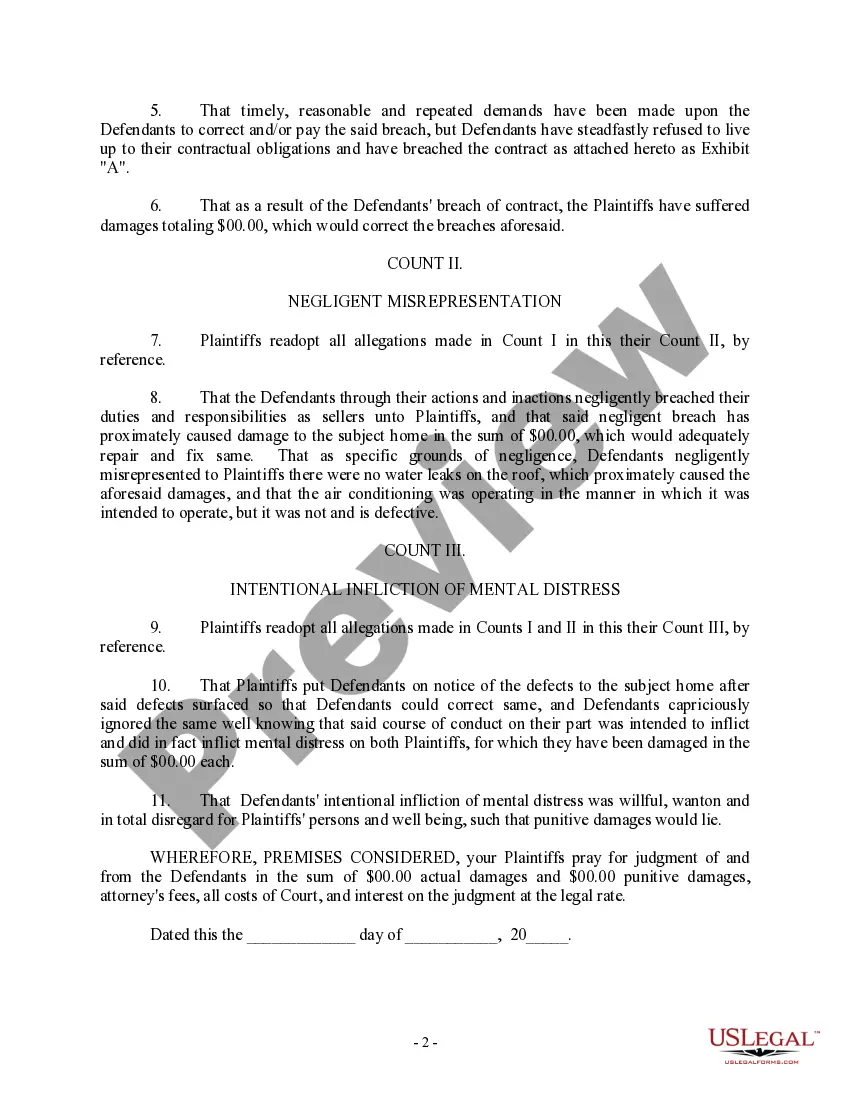
How to fill out Complaint For Breach Of Contract, Emotional Distress, Misrepresentation Of House Condition?
Creating legal documents from the beginning can occasionally be intimidating.
Some situations may require extensive research and significant financial resources.
If you’re searching for a simpler and more cost-effective method to prepare the Emotional Distress Form For Negligence or any other documents without unnecessary complications, US Legal Forms is always available to assist you.
Our online repository of over 85,000 current legal forms covers nearly every aspect of your financial, legal, and personal affairs. With just a few clicks, you can swiftly obtain state- and county-specific templates carefully crafted for you by our legal professionals.
Ensure the selected form adheres to the statutes and regulations of your state and county. Select the appropriate subscription plan to acquire the Emotional Distress Form For Negligence. Download the document, then complete, verify, and print it. US Legal Forms boasts an impeccable reputation and over 25 years of experience. Join us today and make form completion easy and efficient!
- Utilize our platform whenever you require a dependable and trustworthy service through which you can rapidly find and download the Emotional Distress Form For Negligence.
- If you’re familiar with our services and have previously registered an account with us, simply Log In, choose the form, and download it right away or re-download it at any time in the My documents section.
- Not signed up yet? No problem. It only takes a few minutes to create an account and navigate the library.
- Before directly downloading the Emotional Distress Form For Negligence, consider these suggestions.
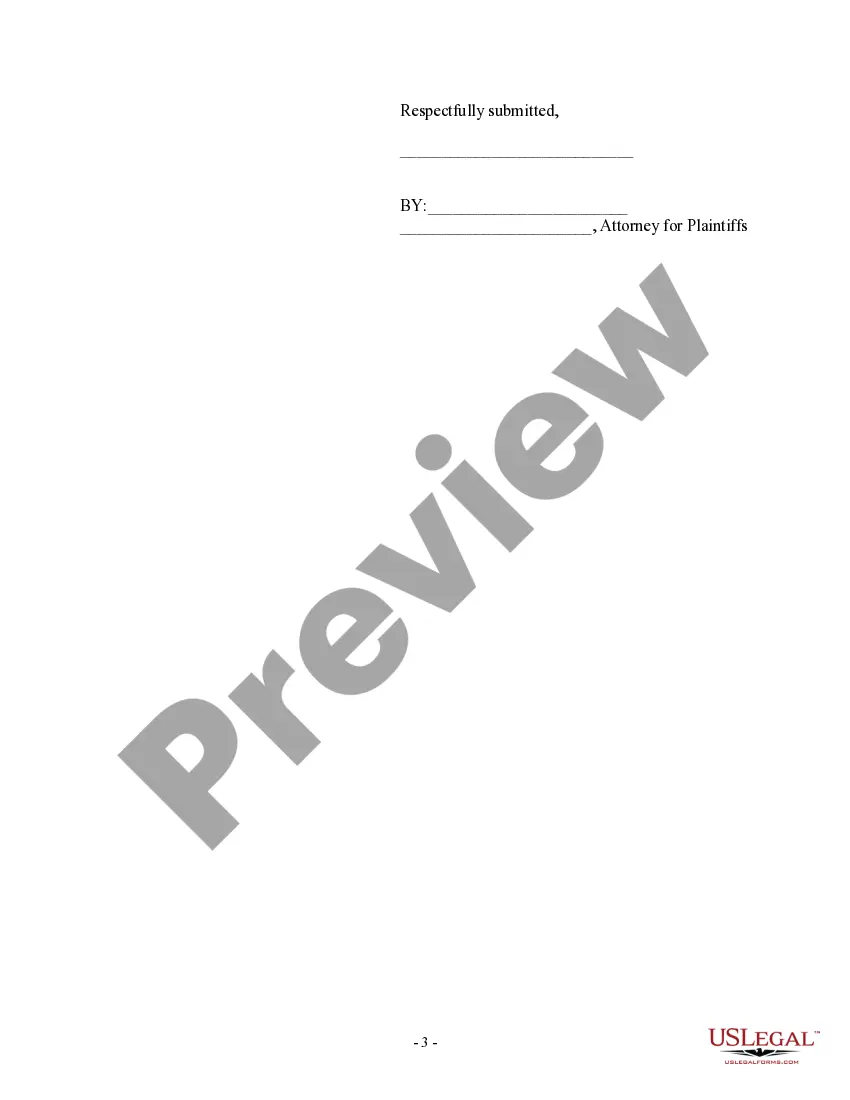
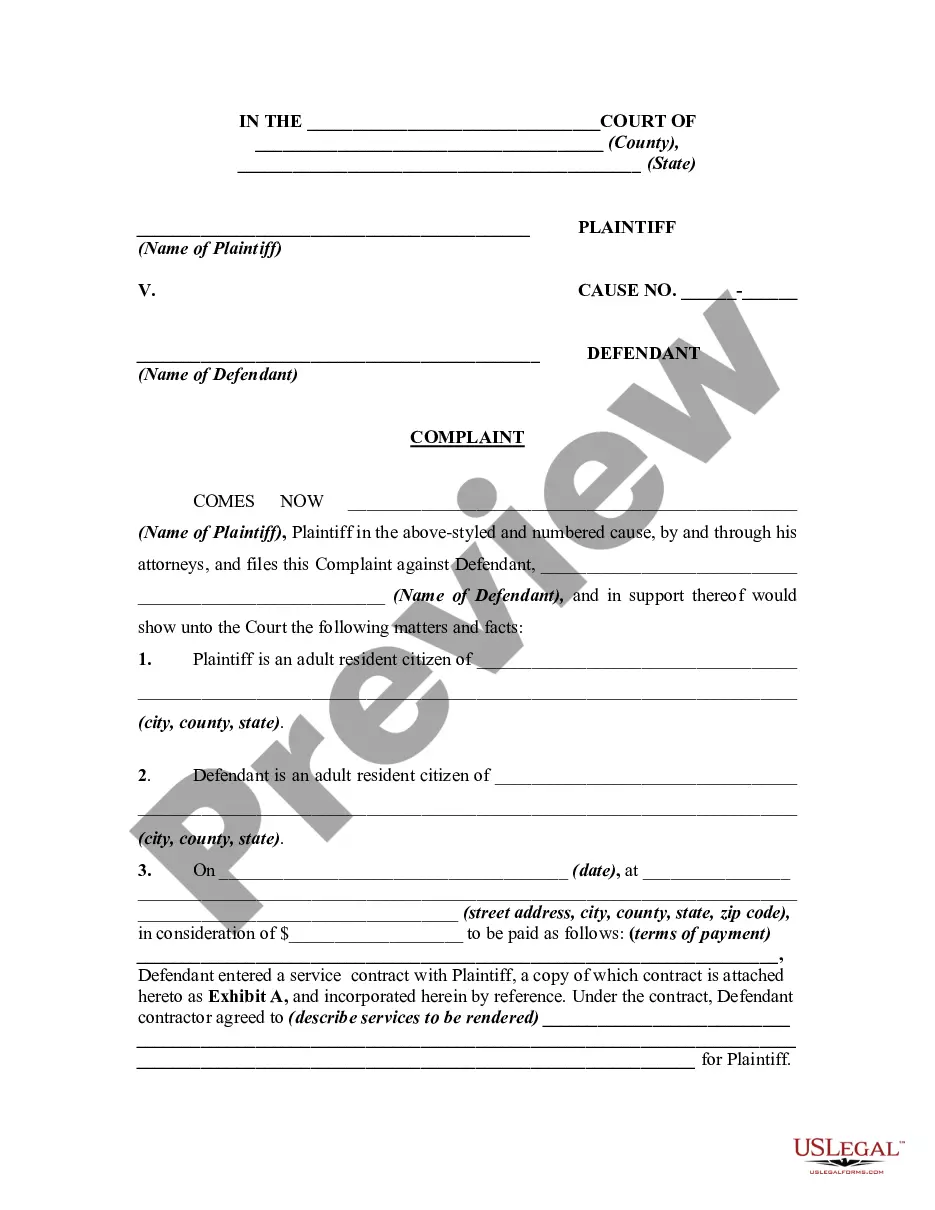
- Review the document preview and descriptions to ensure you are accessing the correct form.
Form popularity
FAQ
Emotional distress can qualify as severe anxiety, depression, or trauma resulting from another’s negligent actions. It's essential to illustrate how these feelings disrupted your daily life or functioning. Utilizing an emotional distress form for negligence allows you to articulate your experiences clearly, making it easier for legal professionals to understand your situation.
In a negligence claim, you must prove duty, breach, causation, and damages. First, establish that the other party had a duty to act reasonably. Then, show they breached that duty, which caused your emotional distress and other damages. Having an emotional distress form for negligence can guide you in gathering necessary evidence for each of these elements.
To prove emotional distress, you typically need evidence that shows the emotional impact of the negligent act. This can include medical records, personal journals detailing your feelings, and testimonies from mental health professionals. Filing an emotional distress form for negligence can organize your evidence and strengthen your case when seeking compensation.
Yes, you can obtain emotional distress damages for negligence when someone’s careless actions cause you significant emotional pain. To claim these damages, you usually need to demonstrate that the negligence directly led to your emotional distress. An emotional distress form for negligence can help you document your experience, making it easier to present your case effectively.
To support your emotional distress claim, you will need various forms of evidence. This can include documentation from mental health professionals, such as therapy records or diagnoses, which establish the impact of the negligence on your emotional health. Additionally, personal records like journals or testimony from friends and family can help illustrate changes in your behavior and feelings. Using an emotional distress form for negligence from US Legal Forms simplifies the process, ensuring you gather all necessary information in a streamlined manner.
An emotional distress claim can arise in various scenarios, such as following a car accident caused by another's negligence. For instance, if you experienced severe anxiety and depression after witnessing a traumatic event due to someone else's careless actions, you might file a claim. Demonstrating the direct link between the incident and your emotional suffering is vital. The emotional distress form for negligence can help you structure your claim effectively.
When pursuing a claim for emotional distress, specific types of evidence will be crucial. You should gather medical documentation indicating a diagnosis, treatment history, and the effects of the distress on your quality of life. Personal accounts and testimonies will also enhance your credibility. Using an emotional distress form for negligence may streamline your collection process and improve your chances of success.
To prove you have emotional distress, you need to provide substantial evidence of your psychological suffering. This evidence may consist of a mental health evaluation, documented treatment history, or effects on your daily life and relationships. The emotional distress form for negligence can serve as a helpful tool to compile this information. Always aim for clarity and consistency when presenting your case.
Proving negligent infliction of emotional distress involves demonstrating that the defendant's actions were careless and directly caused your emotional suffering. You must show that the conduct was unreasonable and that it led to your distress. Documenting incidents and collecting evidence, such as expert testimony, can strengthen your case. Consider using an emotional distress form for negligence to ensure you capture all necessary details.
To support your emotional distress claim, you may present various forms of evidence. This can include medical records documenting psychological conditions such as anxiety or depression, therapy notes, and personal journals detailing your experiences. Witness statements from friends or family can also help establish the impact of the situation on your emotional well-being. Utilizing an emotional distress form for negligence can help organize your evidence effectively.