Petition For Removal Of Annotation
Description
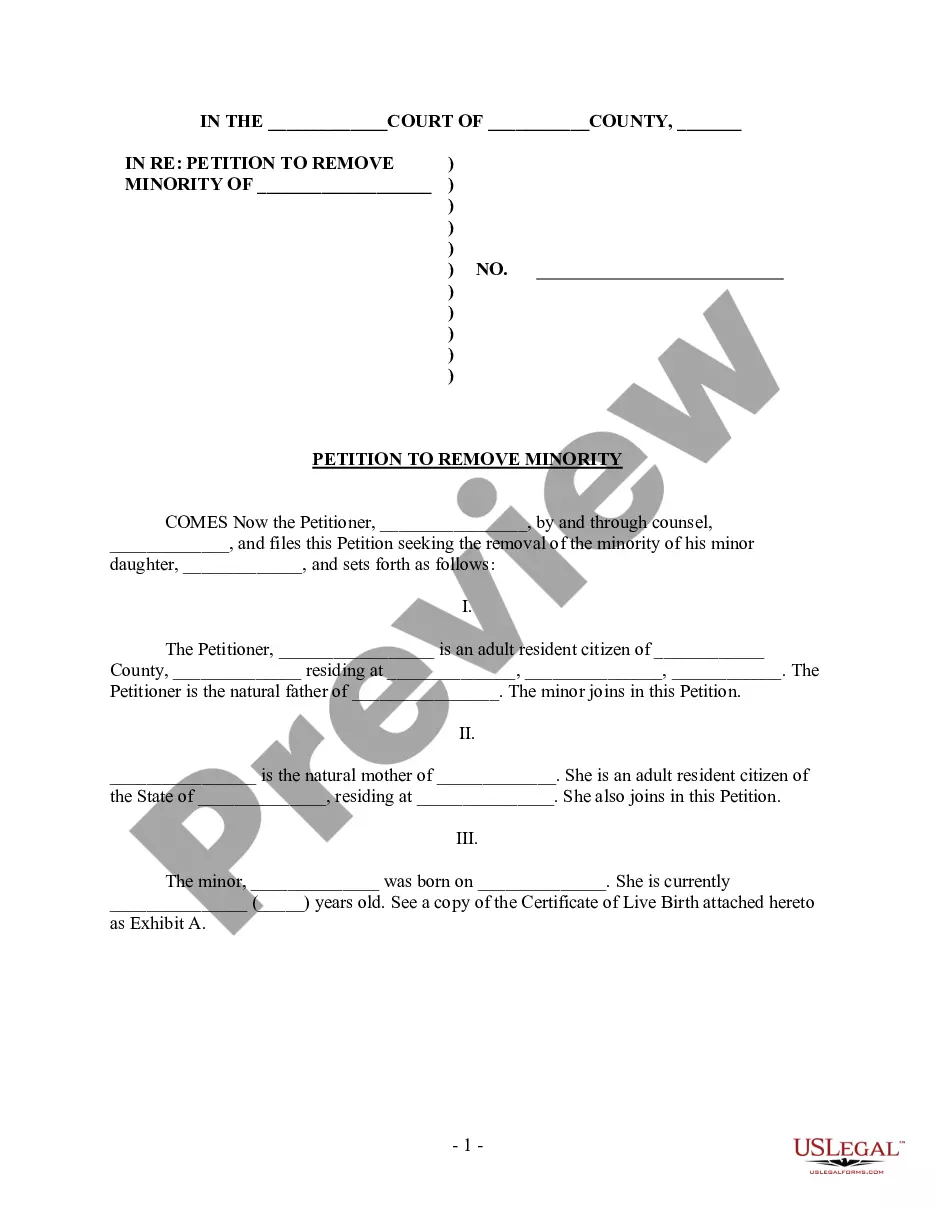
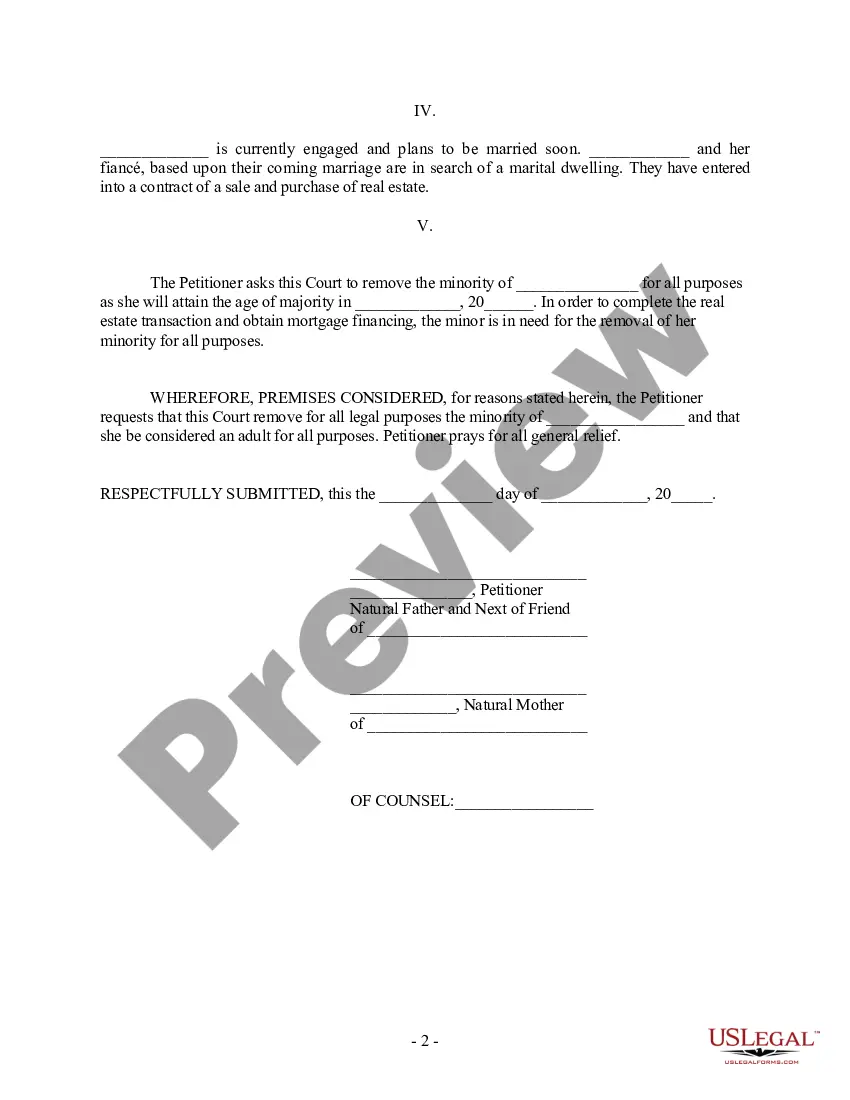
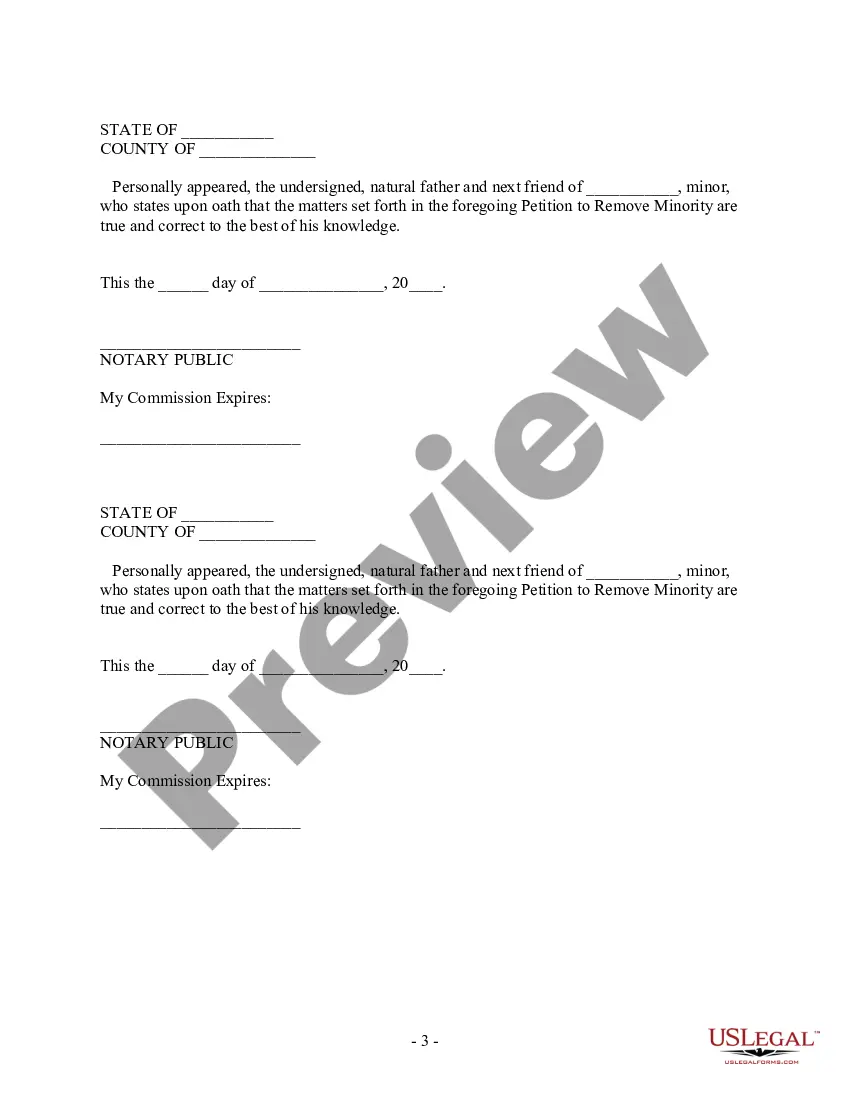
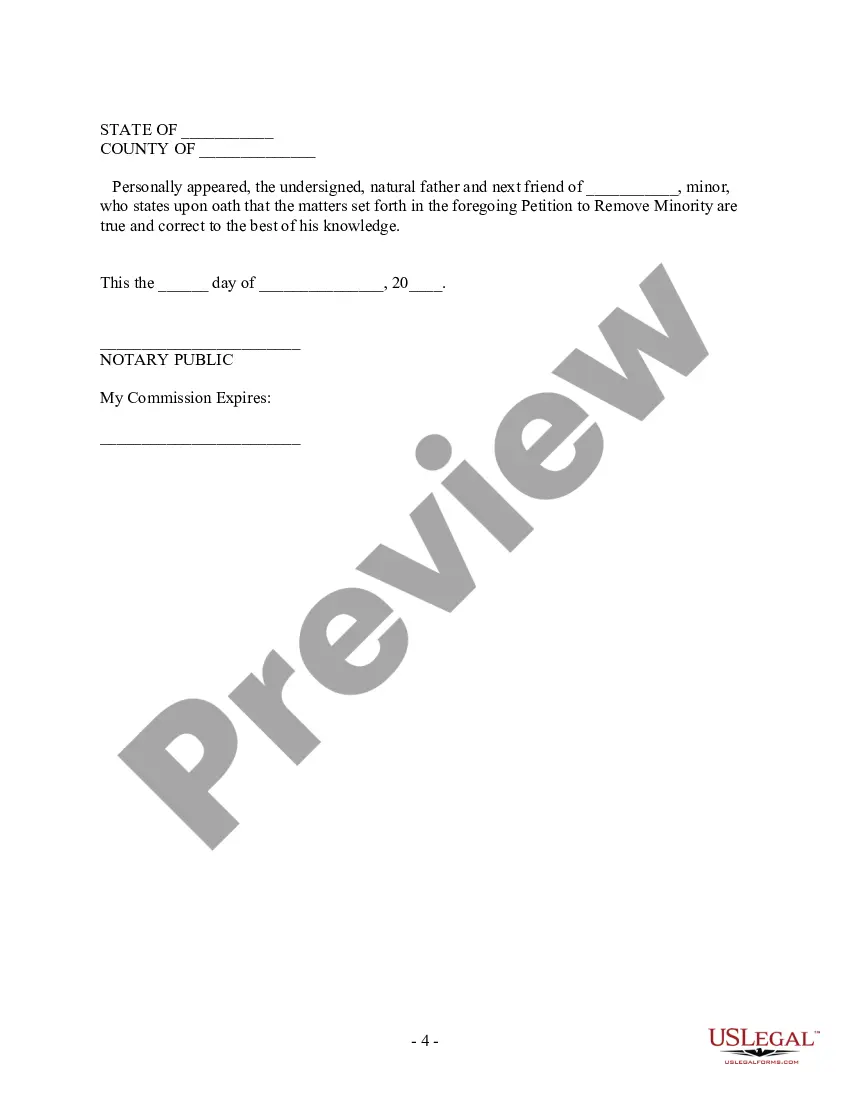
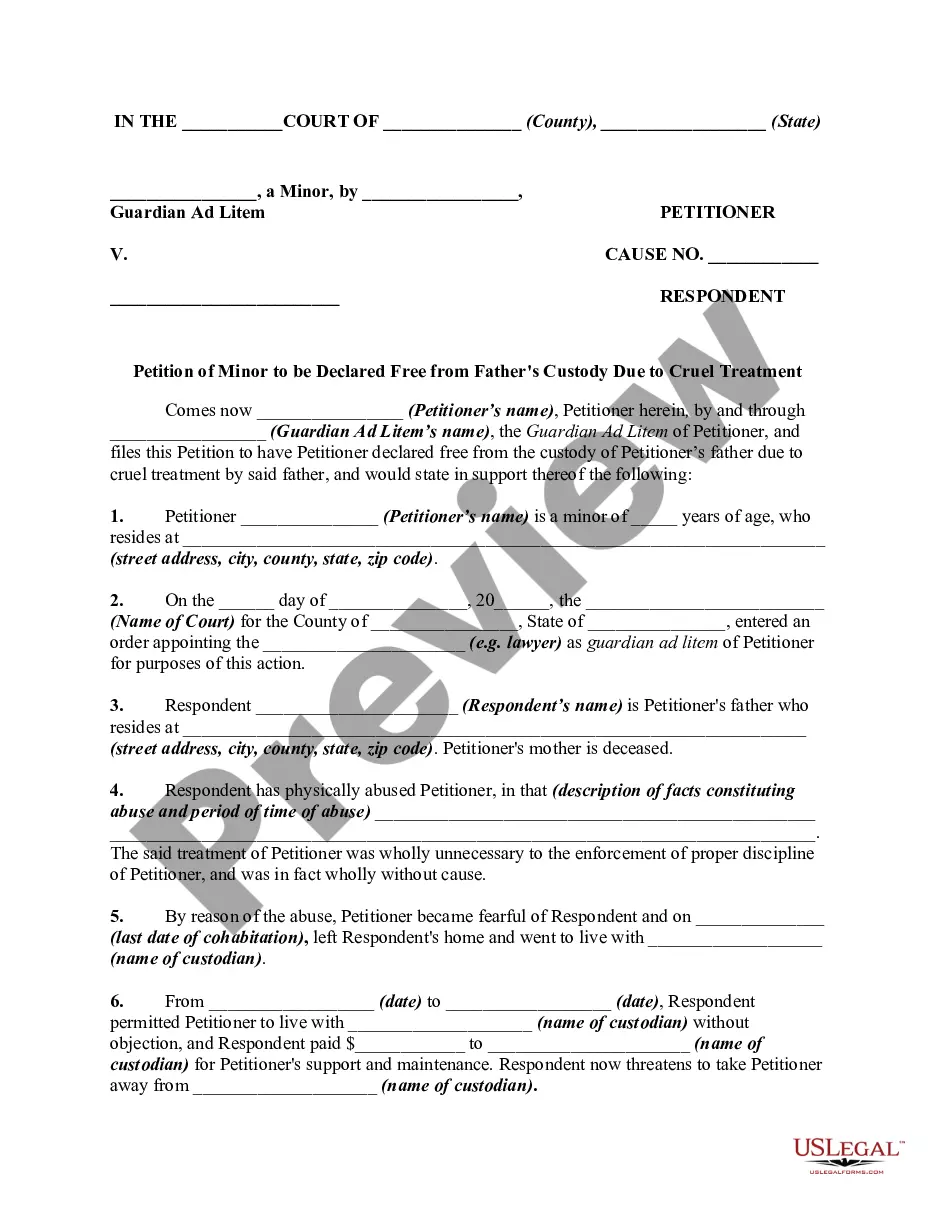
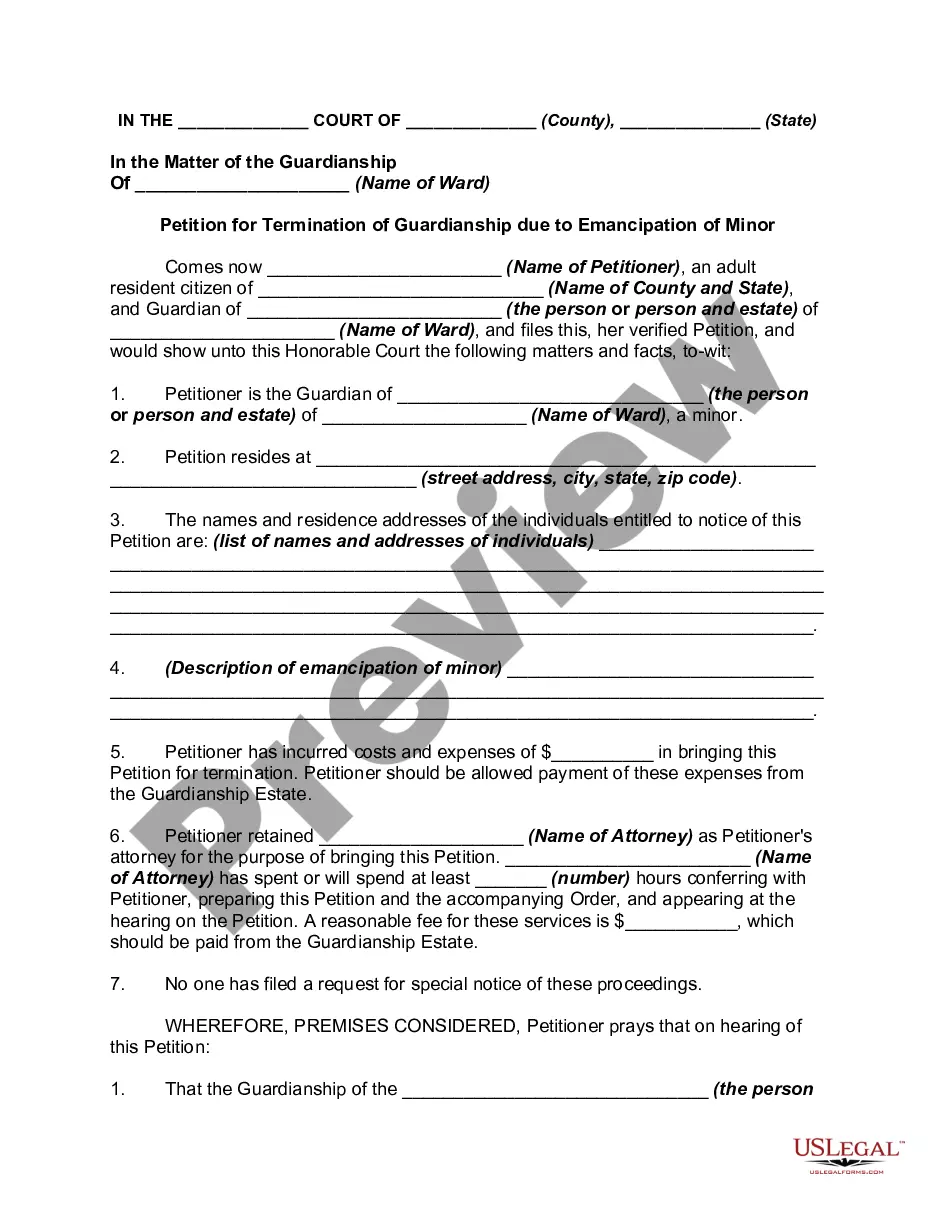
Get your form ready online
Our built-in tools help you complete, sign, share, and store your documents in one place.
Make edits, fill in missing information, and update formatting in US Legal Forms—just like you would in MS Word.
Download a copy, print it, send it by email, or mail it via USPS—whatever works best for your next step.
Sign and collect signatures with our SignNow integration. Send to multiple recipients, set reminders, and more. Go Premium to unlock E-Sign.
If this form requires notarization, complete it online through a secure video call—no need to meet a notary in person or wait for an appointment.
We protect your documents and personal data by following strict security and privacy standards.

Make edits, fill in missing information, and update formatting in US Legal Forms—just like you would in MS Word.

Download a copy, print it, send it by email, or mail it via USPS—whatever works best for your next step.

Sign and collect signatures with our SignNow integration. Send to multiple recipients, set reminders, and more. Go Premium to unlock E-Sign.

If this form requires notarization, complete it online through a secure video call—no need to meet a notary in person or wait for an appointment.

We protect your documents and personal data by following strict security and privacy standards.
Looking for another form?
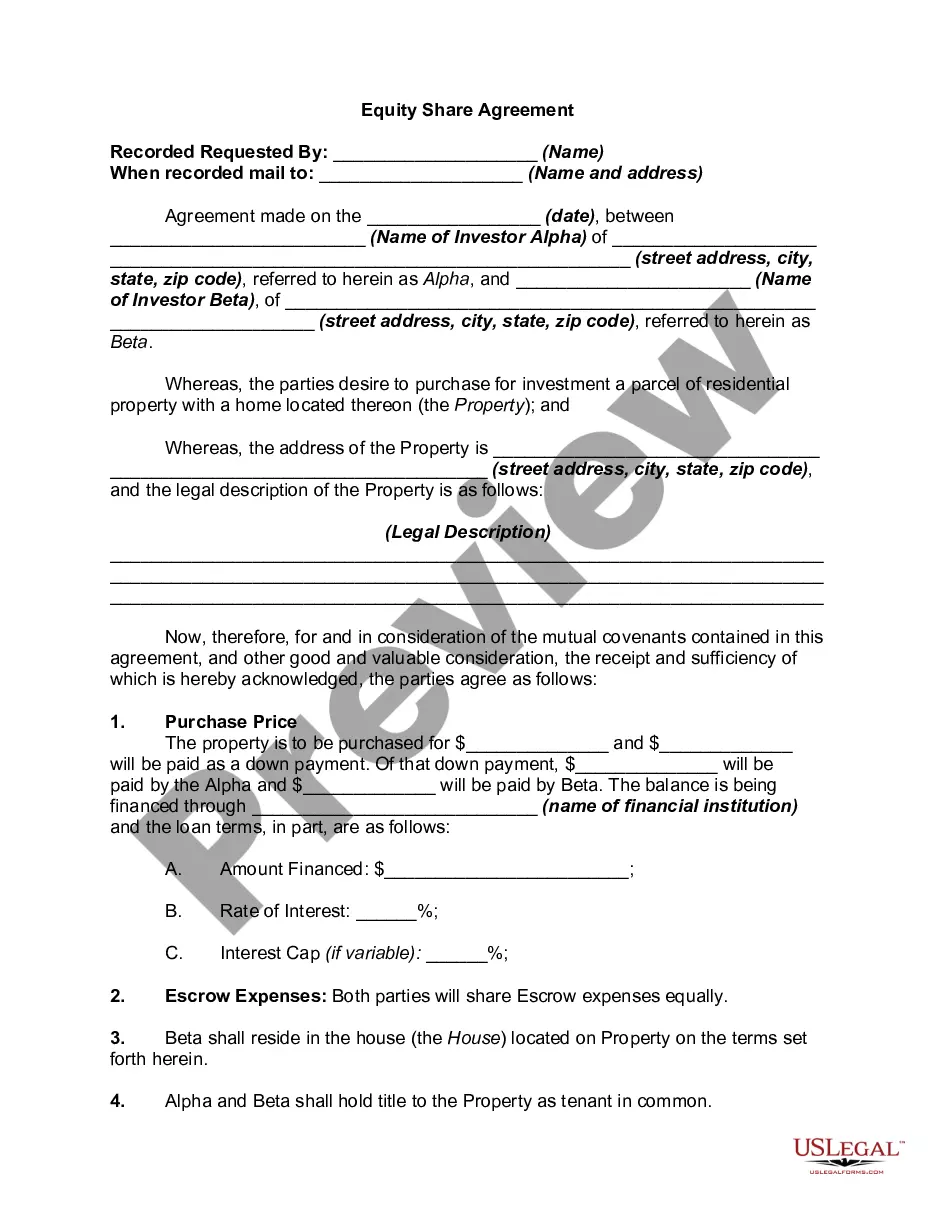
How to fill out Petition For Removal Of Minority - Emancipation?
Utilizing legal templates that conform to federal and regional regulations is essential, and the internet provides numerous alternatives to choose from.
However, what is the purpose of squandering time looking for the appropriate Petition For Removal Of Annotation sample online when the US Legal Forms digital library already has such templates gathered in one location.
US Legal Forms is the largest online legal repository with over 85,000 customizable templates prepared by attorneys for any business or personal situation.
Explore the template using the Preview function or via the text description to confirm it suits your needs.
- They are easy to navigate with all documents organized by state and intended usage.
- Our specialists stay updated with legal modifications, ensuring your paperwork is always current and compliant when obtaining a Petition For Removal Of Annotation from our site.
- Acquiring a Petition For Removal Of Annotation is fast and straightforward for both existing and new clients.
- If you currently possess an account with a valid subscription, Log In and save the document template you need in the appropriate format.
- If you are new to our website, follow the instructions below.
Form popularity
FAQ
An adverse claim is generally valid for a period of 30 days from the date it was recorded. After this period, the claim may no longer hold legal weight unless extended or renewed by the claimant. If you intend to challenge or remove an adverse claim, consider filing a Petition for removal of annotation as your next step. The uslegalforms platform can provide the necessary tools and templates to support you in this process.
To cancel an adverse claim on a title in the Philippines, you will need to submit a Petition for removal of annotation to the relevant local court. This petition must include all necessary details and supporting evidence that demonstrate the validity of your ownership. Following the proper legal procedures is vital to a successful outcome. You may find assistance through the uslegalforms platform, which provides actionable templates and forms for this process.
To remove an adverse claim from a title in the Philippines, you must file a Petition for removal of annotation in the proper court. It’s crucial to provide evidence that disproves the adverse claim, such as documentary proof of your ownership and rightful possession. Engaging with legal resources or consulting professionals can help strengthen your case. The uslegalforms platform offers resources that can help guide you through filing this petition effectively.
In the Philippines, the period for claiming adverse possession is typically 10 years, provided that the possessor has been in continuous and uninterrupted possession of the property. However, this period may differ based on circumstances, such as whether the possession was public or private. If you seek to assert a claim of adverse possession, consider filing a Petition for removal of annotation on the title, which can help clarify your standing. The uslegalforms platform can assist in navigating these requirements.
To cancel an annotation in a land title in the Philippines, you will need to file a Petition for removal of annotation with the appropriate court. Gather any relevant documents that support your claim, such as proof of ownership or evidence that the annotation is invalid. It’s essential to follow the legal processes to ensure that your petition is processed correctly. You can also utilize the uslegalforms platform for guidance and templates that simplify this process.
Annotating a land title requires you to file the appropriate forms with the Registry of Deeds, along with the necessary documentation such as contracts, agreements, or court orders. If there are existing annotations that you wish to remove, you might need to file a Petition for removal of annotation first. This strategy ensures that your title reflects accurate information moving forward. Legal advice can help you complete this process efficiently.
To annotate a land title in the Philippines, you must submit a written request to the Registry of Deeds along with supporting documents. This may include a certified copy of the original title and any contracts related to the annotation. If you encounter issues, a Petition for removal of annotation can be used to contest any discrepancies. Properly annotated titles ensure clarity in property ownership and rights.
Correcting a typographical error in a land title typically involves filing a Petition for removal of annotation in the Registry of Deeds. You must provide clear evidence that showcases the discrepancy and request the necessary correction. Accurate titles are crucial for legal transactions, so addressing these errors promptly is important. Consider seeking assistance from legal experts to navigate the process smoothly.
Property annotation refers to the notes or marks made on a land title to indicate various legal claims, restrictions, or encumbrances. These annotations can affect the marketability of the property. If you find that an annotation is incorrect or no longer applicable, you can file a Petition for removal of annotation to rectify this. Clearing such entries helps ensure your title reflects the current status of your property.
Removing encumbrances on a title involves filing a Petition for removal of annotation with the appropriate court. This petition allows you to eliminate any claims or debts affecting your property. Ensure you present all necessary evidence to support your case, which may include payment receipts or agreements. Legal guidance can significantly help navigate this process.