Secured Creditor Vs Unsecured Creditor
Description
Get your form ready online
Our built-in tools help you complete, sign, share, and store your documents in one place.
Make edits, fill in missing information, and update formatting in US Legal Forms—just like you would in MS Word.
Download a copy, print it, send it by email, or mail it via USPS—whatever works best for your next step.
Sign and collect signatures with our SignNow integration. Send to multiple recipients, set reminders, and more. Go Premium to unlock E-Sign.
If this form requires notarization, complete it online through a secure video call—no need to meet a notary in person or wait for an appointment.
We protect your documents and personal data by following strict security and privacy standards.

Make edits, fill in missing information, and update formatting in US Legal Forms—just like you would in MS Word.

Download a copy, print it, send it by email, or mail it via USPS—whatever works best for your next step.

Sign and collect signatures with our SignNow integration. Send to multiple recipients, set reminders, and more. Go Premium to unlock E-Sign.

If this form requires notarization, complete it online through a secure video call—no need to meet a notary in person or wait for an appointment.

We protect your documents and personal data by following strict security and privacy standards.
Looking for another form?








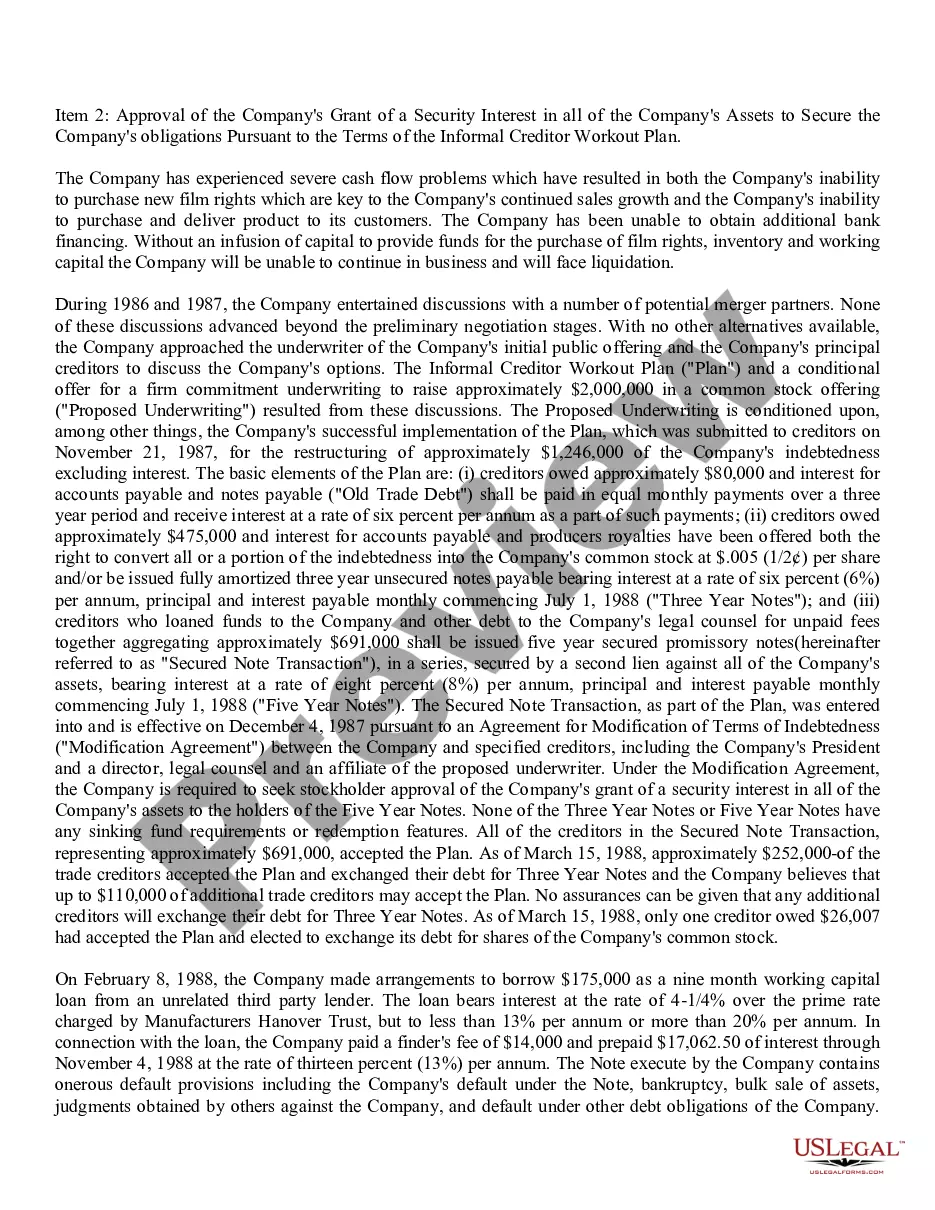
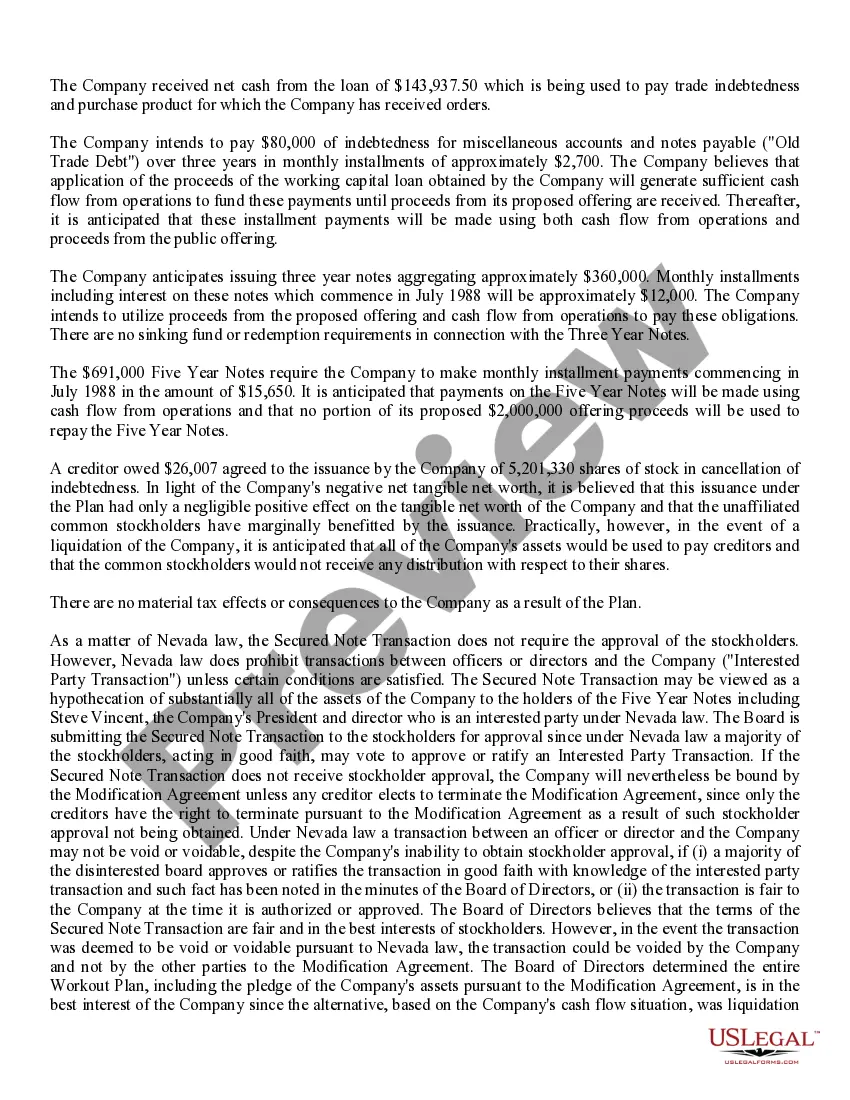
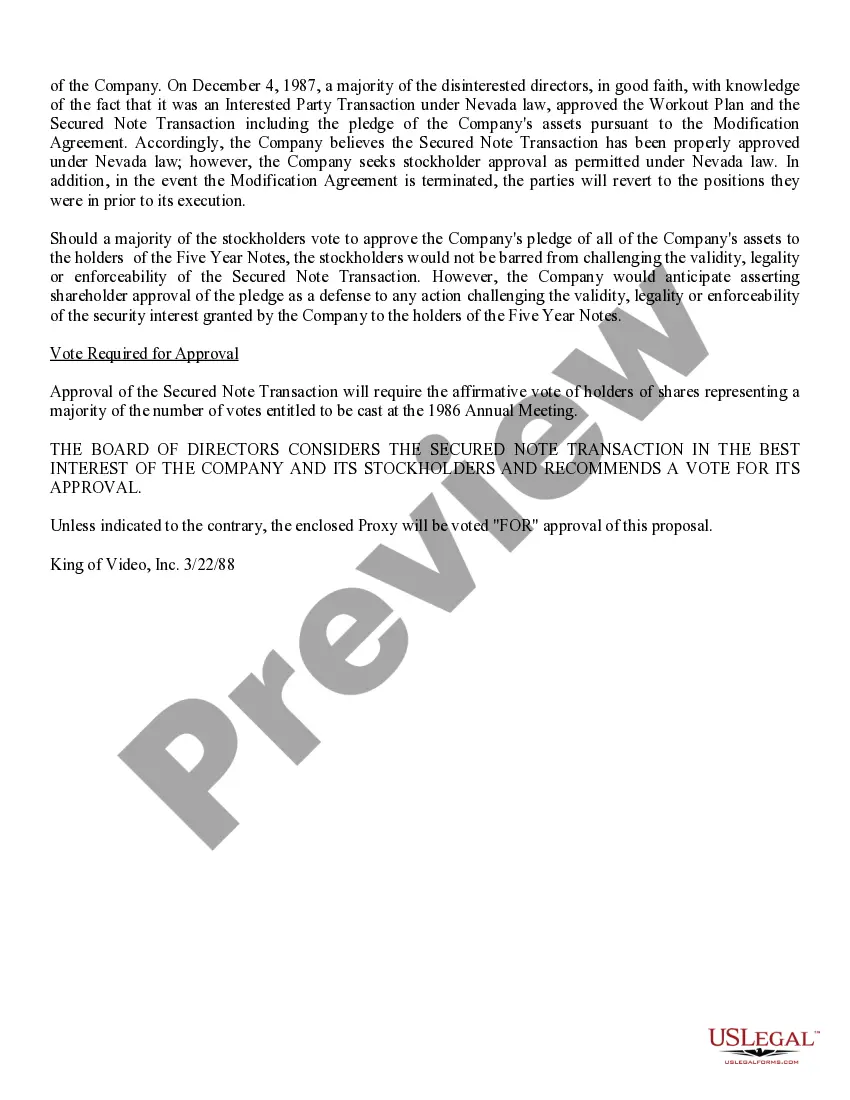
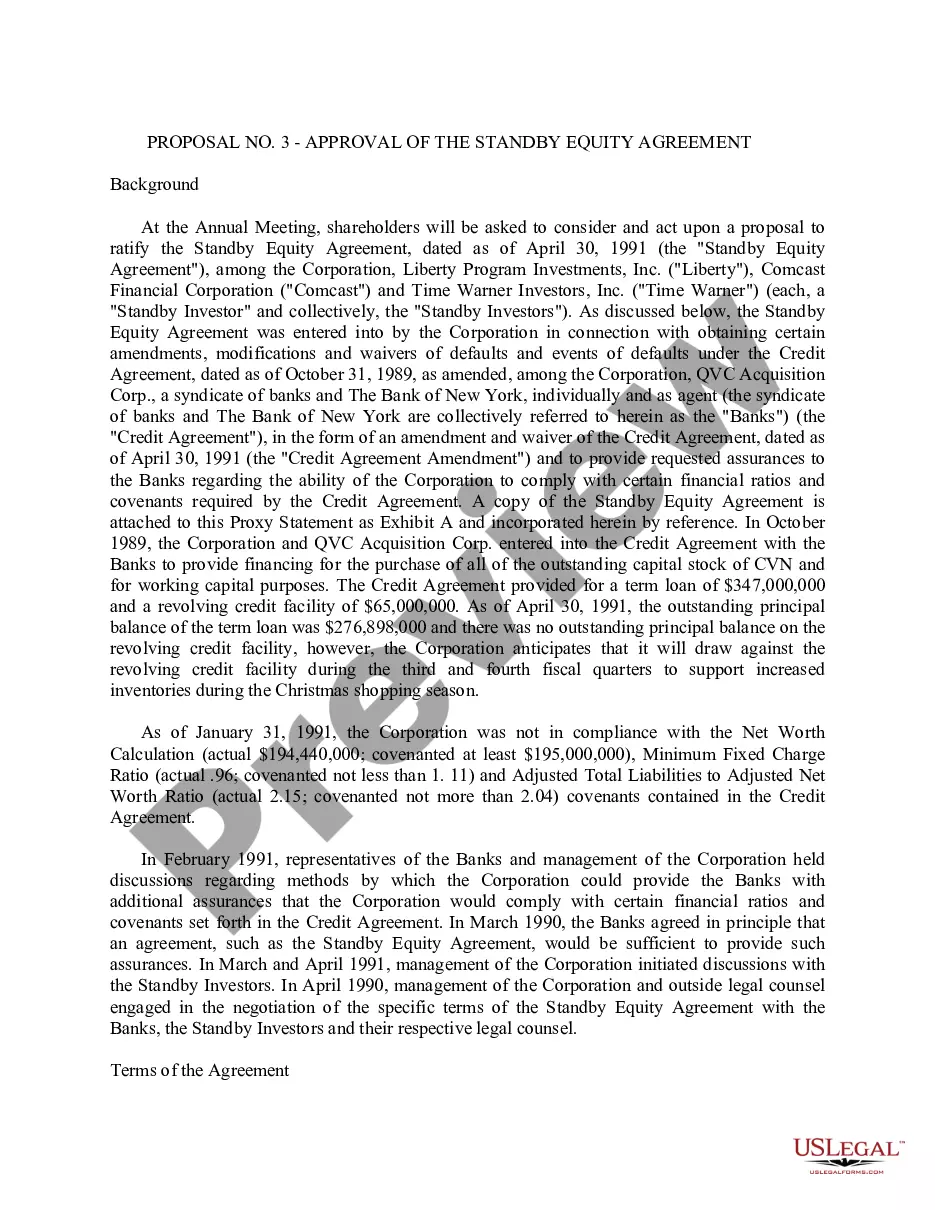
How to fill out Approval Of Grant Of Security Interest In All Of Assets To Secure Obligations Pursuant To Terms Of Informal Creditor Workout Plan?
Legal documents management may be exasperating, even for the most skilled professionals.
When you are concerned with a Secured Creditor Vs Unsecured Creditor and lack the time to invest in finding the correct and updated version, the procedures can be taxing.
Access legal and organizational forms specific to your state or county.
US Legal Forms fulfills any requirements you may have, from personal to business documents, all in a single location.
If this is your first time using US Legal Forms, create an account for unlimited access to all the platform’s benefits. Below are the steps to follow after locating the form you need: Validate it is the correct form by previewing it and reviewing its details. Ensure that the template is sanctioned in your state or county. Click Buy Now when you’re prepared. Select a subscription option. Choose the file format you prefer, and Download, complete, eSign, print, and dispatch your document. Take advantage of the US Legal Forms online catalog, backed by 25 years of expertise and trustworthiness. Transform your routine document management into a straightforward and user-friendly experience today.
- Utilize advanced tools to complete and manage your Secured Creditor Vs Unsecured Creditor.
- Access a valuable resource library of articles, guides, and materials pertinent to your situation and needs.
- Conserve time and effort in locating the documents you require, and take advantage of US Legal Forms’ sophisticated search and Preview feature to find Secured Creditor Vs Unsecured Creditor and download it.
- If you have a monthly subscription, Log In to your US Legal Forms account, search for the document, and download it.
- Check your My documents section to review the documents you previously stored and manage your folders as desired.
- An extensive online form catalog could be a transformative solution for anyone aiming to navigate these scenarios effectively.
- US Legal Forms is a premier provider in digital legal documents, offering over 85,000 state-specific legal forms at your convenience.
- With US Legal Forms, you can.
Form popularity
FAQ
Some of the most common types of unsecured creditors include credit card companies, utilities, landlords, hospitals and doctor's offices, and lenders that issue personal or student loans (though education loans carry a special exception that prevents them from being discharged).
Also known as general creditor and general unsecured creditor. A creditor holding an unsecured claim, or having no liens against a debtor's property.
The Bottom Line Secured loans require some sort of collateral, such as a car, a home, or another valuable asset, that the lender can seize if the borrower defaults on the loan. Unsecured loans require no collateral but do require that the borrower be sufficiently creditworthy in the lender's eyes.
Secured creditors are first in the payment hierarchy, followed by unsecured creditors. A secured creditor has a charge over a particular asset or a set of changing assets. Unsecured creditors don't hold a charge and receive money should there be some available once the above creditors have been paid.
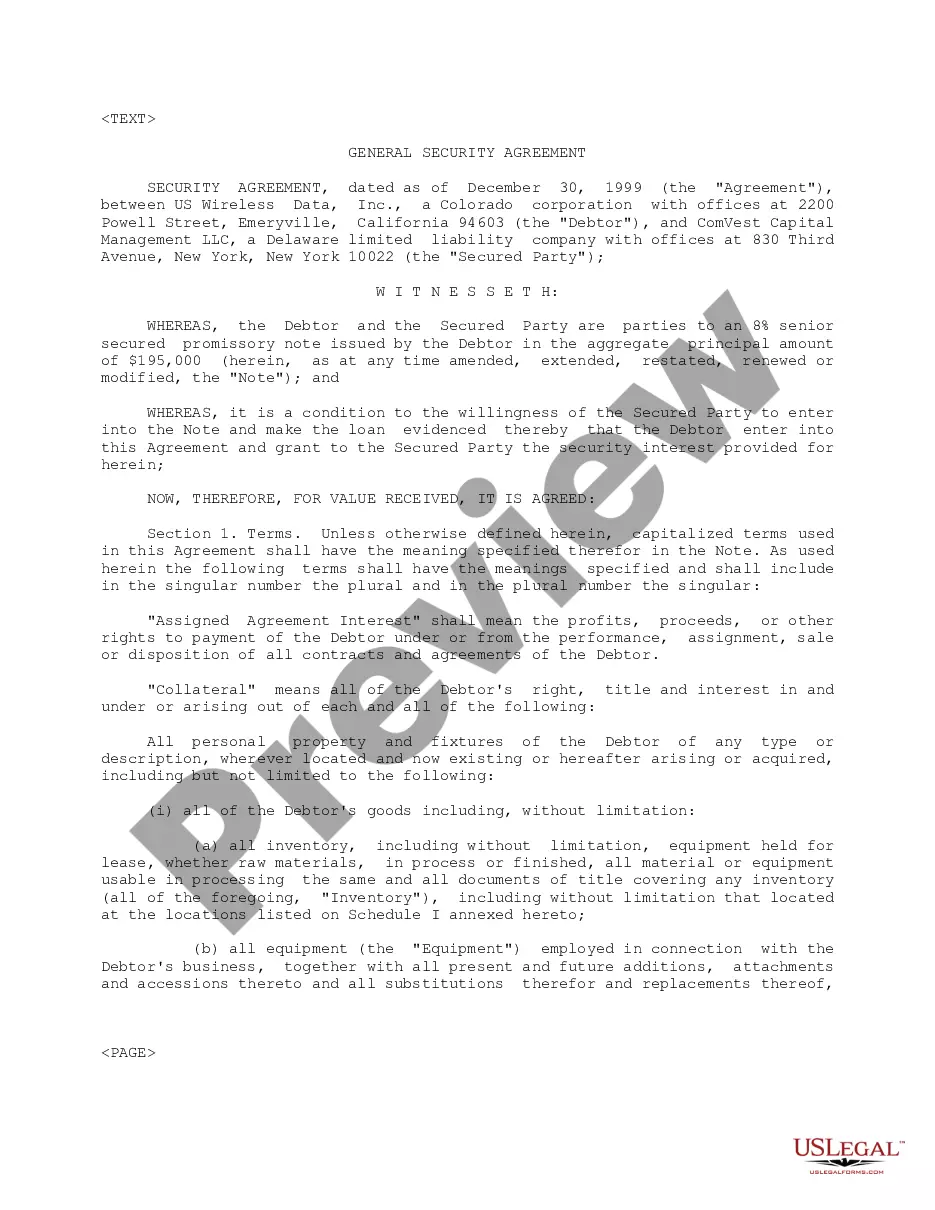
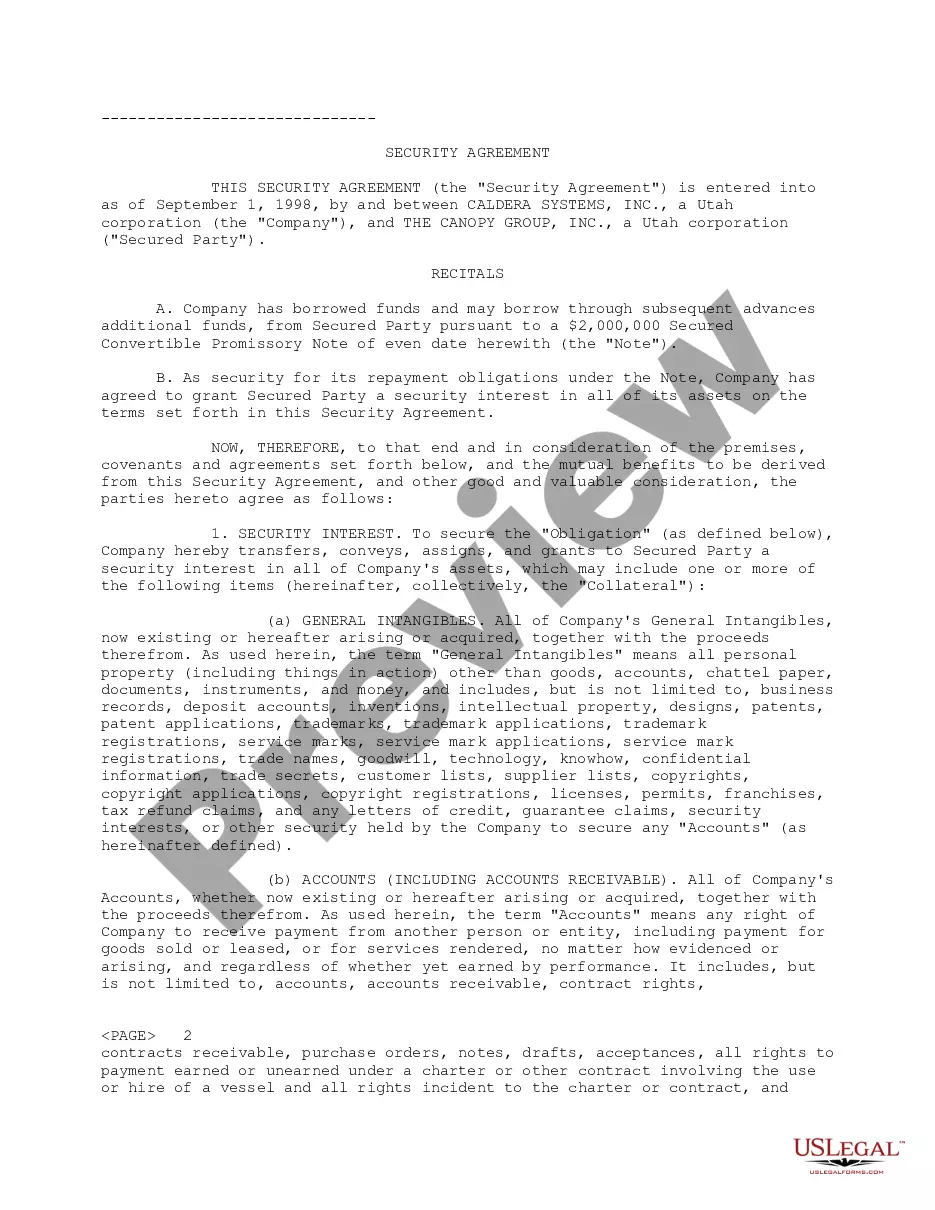
A secured creditor is ? at the very basic level ? a creditor that has lent assets that are backed by collateral.