Class Stock Online With Discount
Description
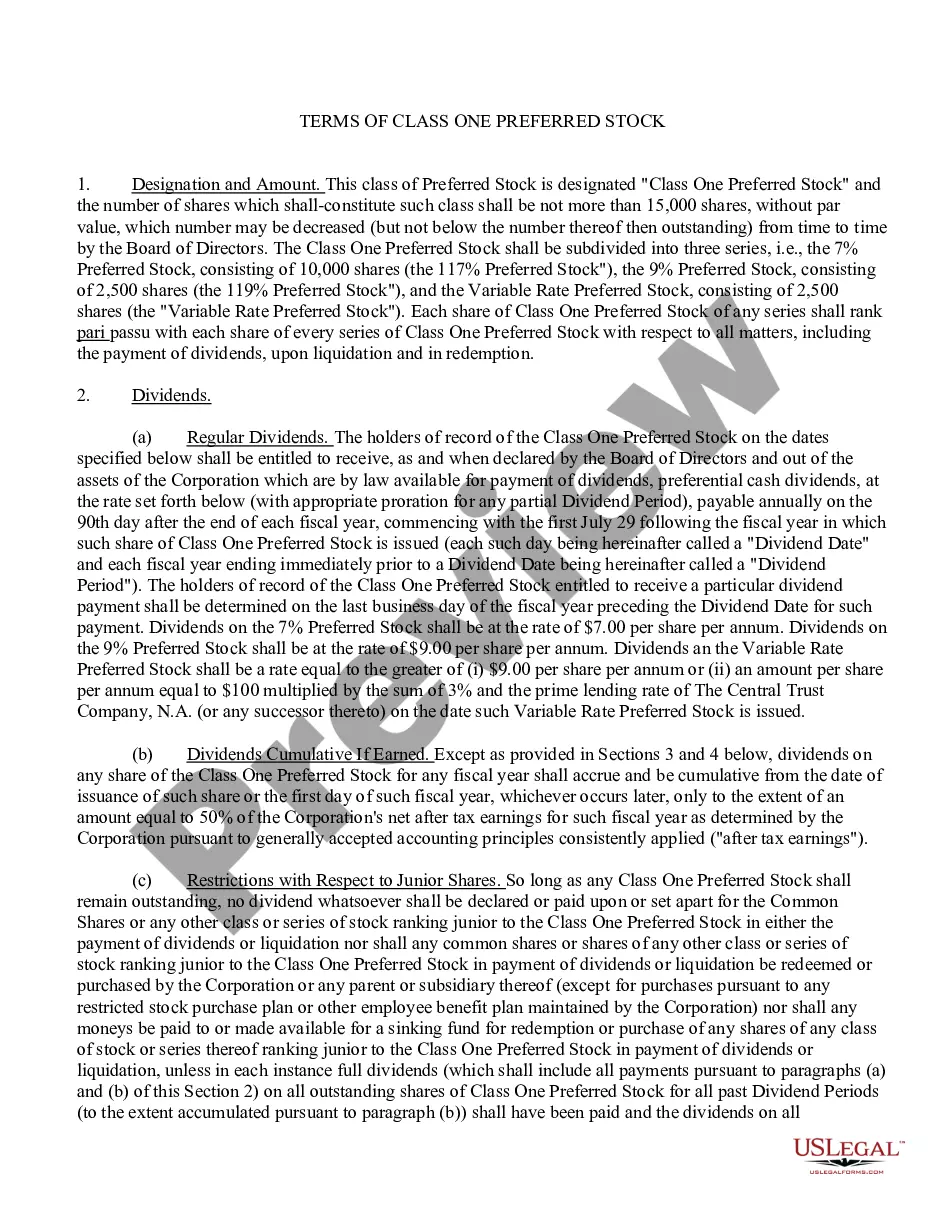
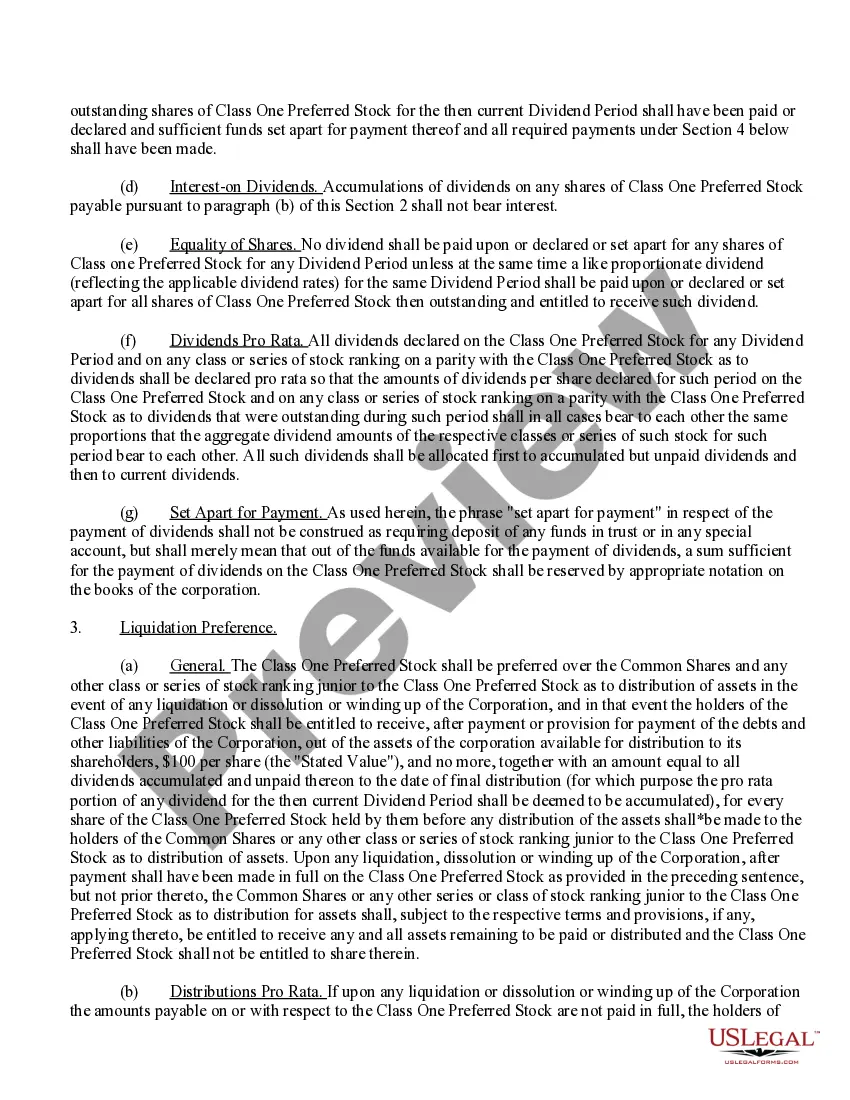
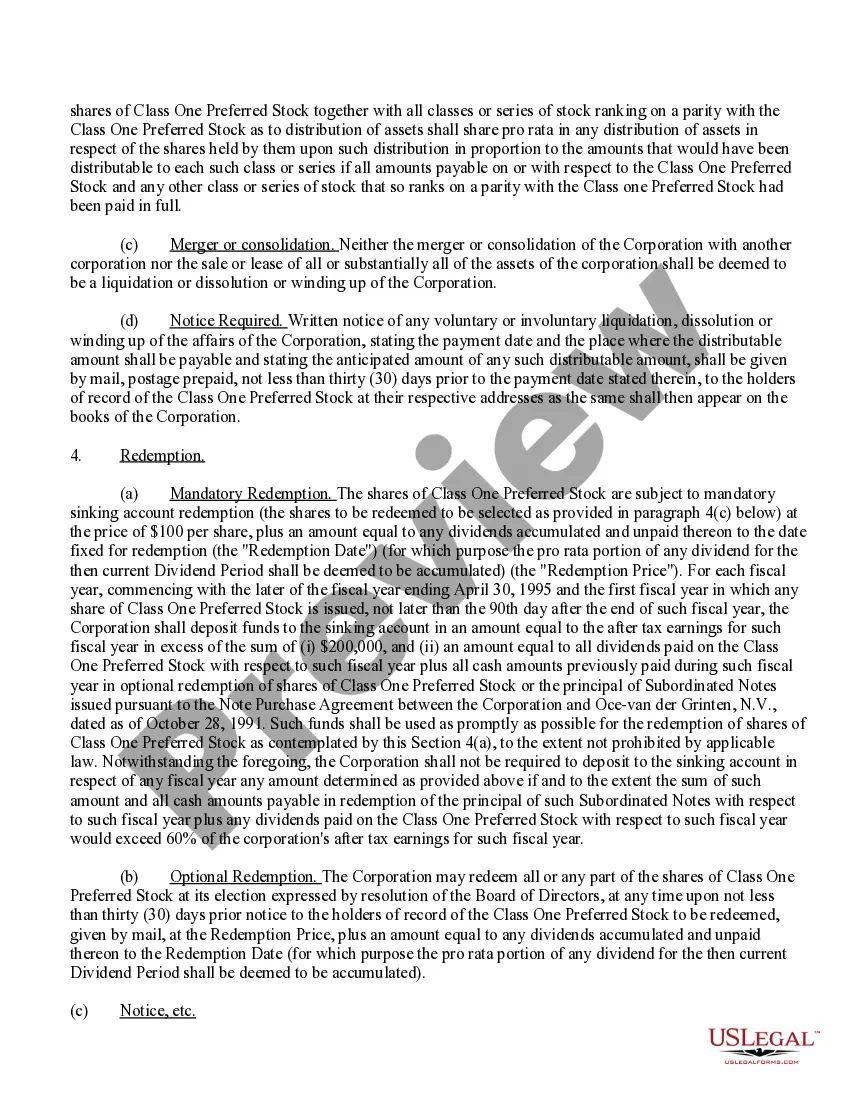
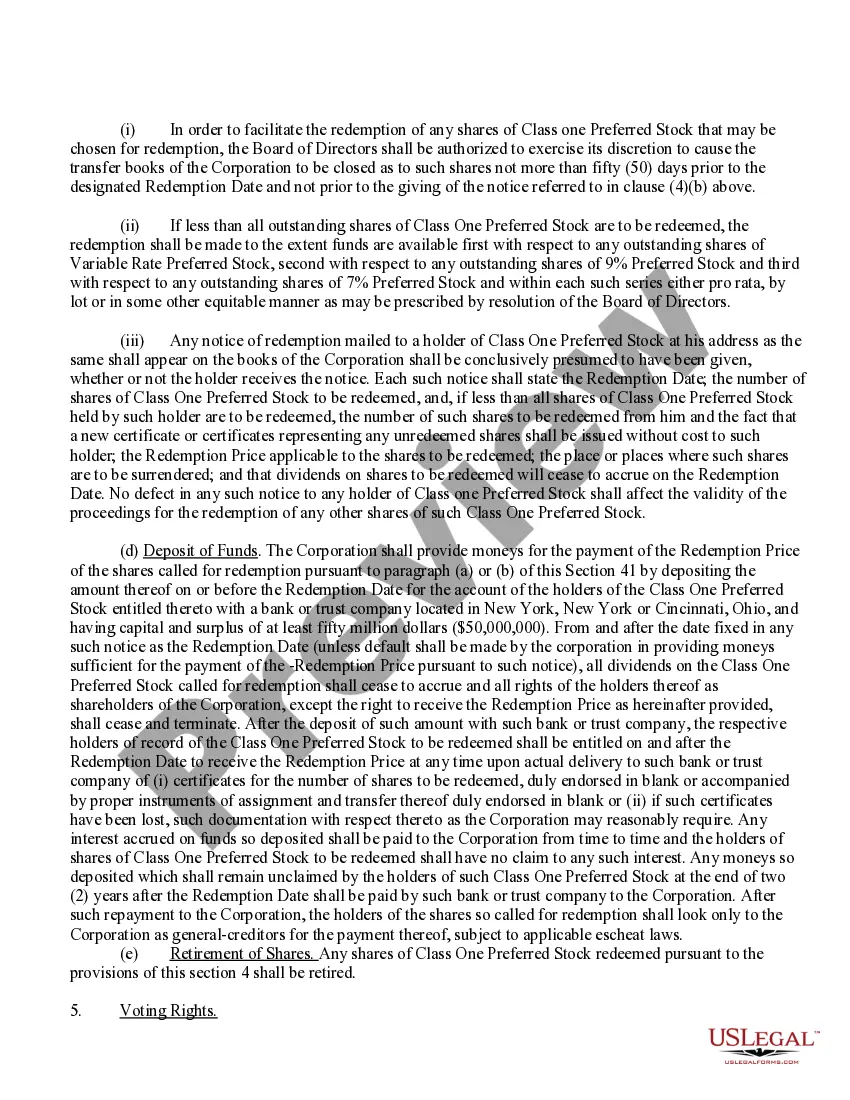
How to fill out Terms Of Class One Preferred Stock?
Acquiring legal templates that adhere to federal and local regulations is essential, and the internet provides numerous choices to select from.
However, what’s the benefit of spending time searching for the appropriate Class Stock Online With Discount sample online when the US Legal Forms digital library already has such templates gathered in one location.
US Legal Forms is the largest online legal repository with over 85,000 fillable templates created by attorneys for any business and personal situation. They are simple to navigate with all documents organized by state and intended use. Our experts keep up with legislative changes, ensuring that you can always trust your form is current and compliant when obtaining a Class Stock Online With Discount from our site.
Press Buy Now once you’ve found the correct form and choose a subscription plan. Create an account or Log In and proceed with payment via PayPal or a credit card. Choose the optimal format for your Class Stock Online With Discount and download it. All documents you find through US Legal Forms are reusable. To re-download and complete previously acquired forms, access the My documents tab in your account. Take advantage of the most comprehensive and user-friendly legal document service!
- Acquiring a Class Stock Online With Discount is swift and straightforward for both existing and new users.
- If you already possess an account with an active subscription, Log In and save the document sample you need in your chosen format.
- If you are new to our site, follow the steps below.
- Review the template using the Preview option or via the text description to ensure it fulfills your needs.
- Search for a different sample using the search feature at the top of the page if necessary.
Form popularity
FAQ
Answer and Explanation: Firms offer trade discounts to drive up the sales volume of a company, although there may not be high profits. Firms also offer trade discounts to get rid of old items in their stores, thus preventing them from expiring.
Company Purchase Plans If you're looking for a cheap and easy way to buy stock, consider direct stock purchase plans (DSPPs). These plans let you buy stock directly from the company without the need for a broker. The best part is that they often come with low fees and your purchases may even come at a discount.
In finance and investing, a discount refers to a situation when a security is trading for lower than its fundamental or intrinsic value.
1 Selling a stock below market value, on the other hand, is far more common and is typically done as a means of enticing buyers or creating buzz. There are separate instances and contexts where a stock might be described as "at a discount" compared to its target price or a previous close.
Shares are said to trade at a "discount" when the share price is lower than the NAV. The discount is commonly denoted with a minus ("?") sign. Shares are said to trade at a "premium" when the share price is higher than the NAV.