Par Value For Stock
Description
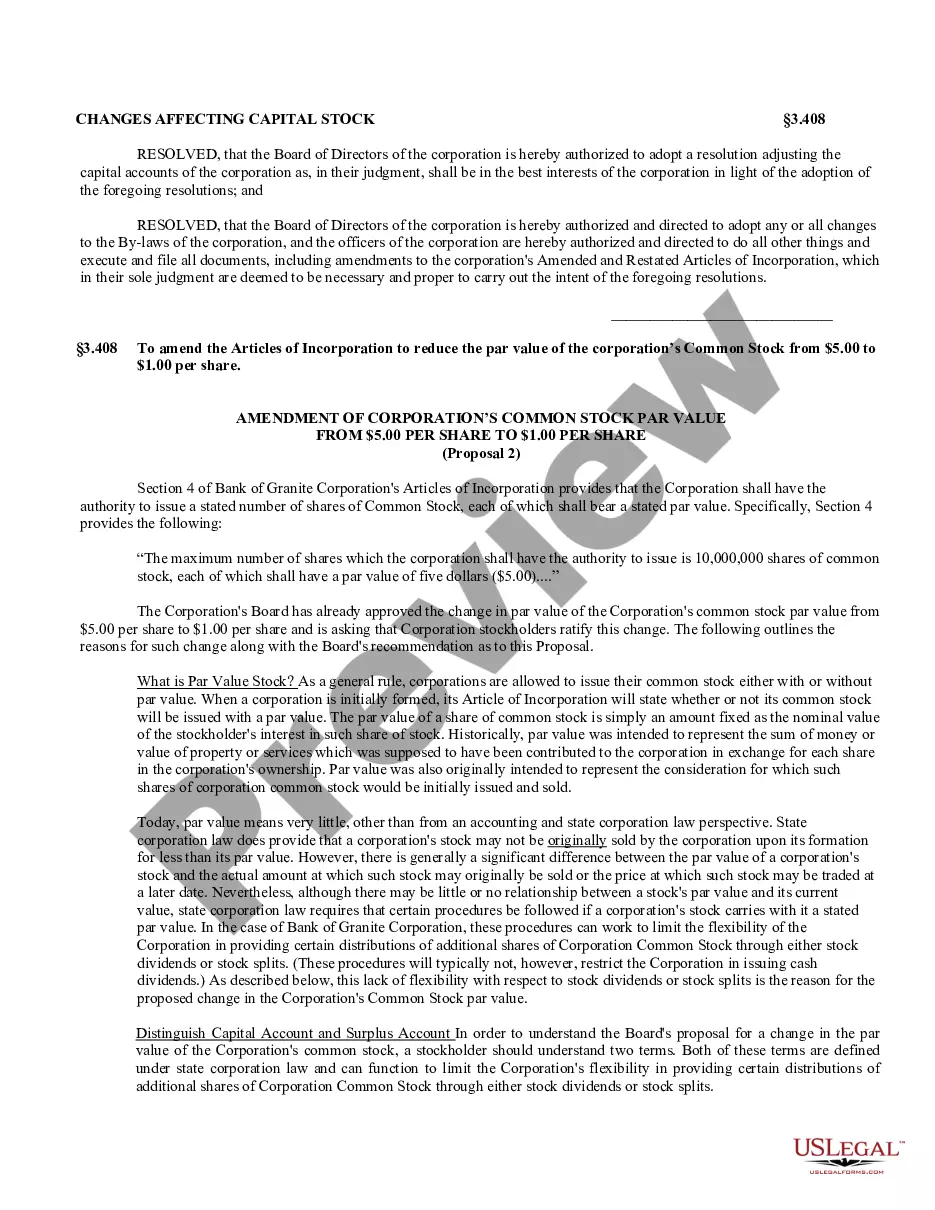
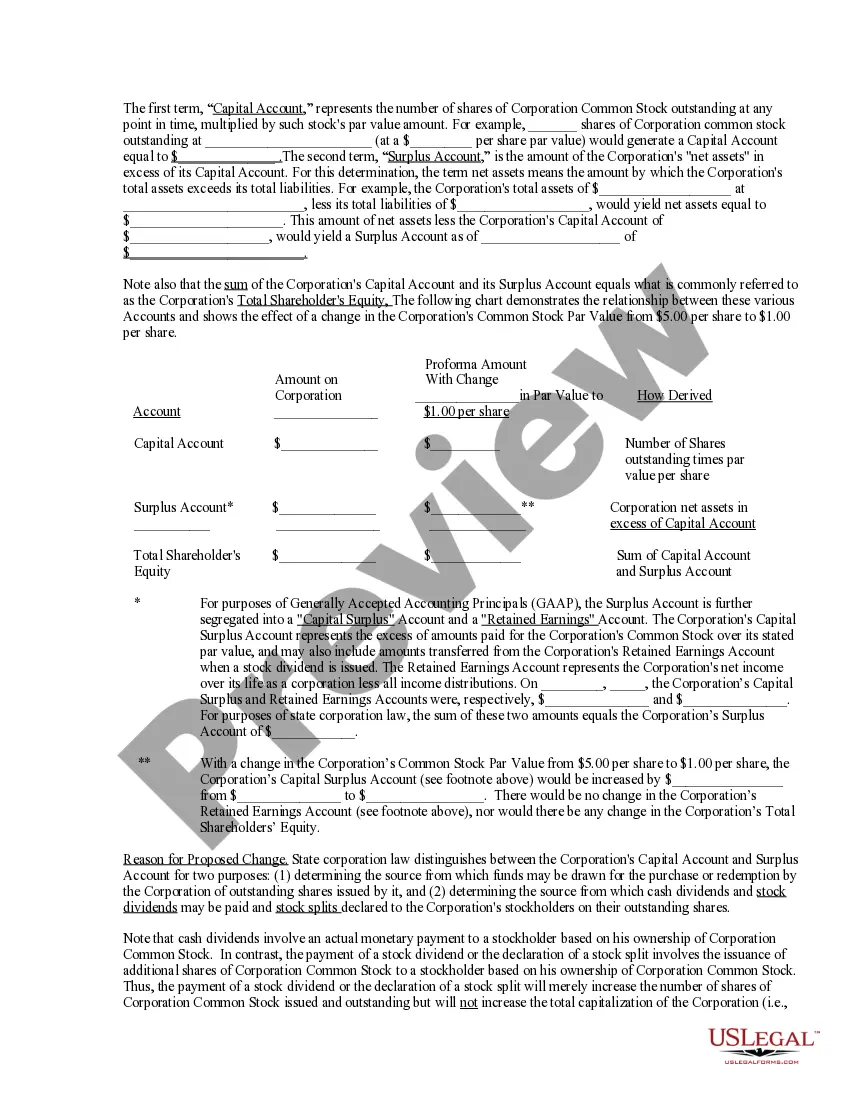
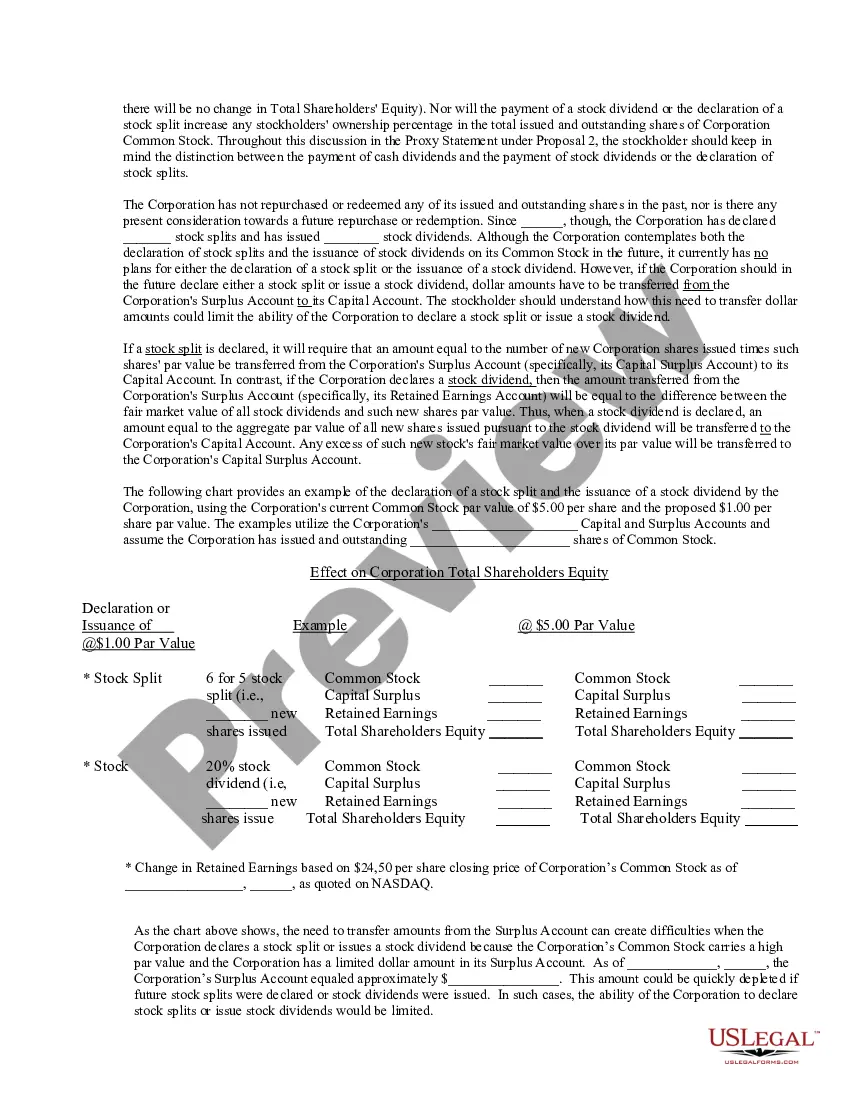
Get your form ready online
Our built-in tools help you complete, sign, share, and store your documents in one place.
Make edits, fill in missing information, and update formatting in US Legal Forms—just like you would in MS Word.
Download a copy, print it, send it by email, or mail it via USPS—whatever works best for your next step.
Sign and collect signatures with our SignNow integration. Send to multiple recipients, set reminders, and more. Go Premium to unlock E-Sign.
If this form requires notarization, complete it online through a secure video call—no need to meet a notary in person or wait for an appointment.
We protect your documents and personal data by following strict security and privacy standards.

Make edits, fill in missing information, and update formatting in US Legal Forms—just like you would in MS Word.

Download a copy, print it, send it by email, or mail it via USPS—whatever works best for your next step.

Sign and collect signatures with our SignNow integration. Send to multiple recipients, set reminders, and more. Go Premium to unlock E-Sign.

If this form requires notarization, complete it online through a secure video call—no need to meet a notary in person or wait for an appointment.

We protect your documents and personal data by following strict security and privacy standards.
Looking for another form?




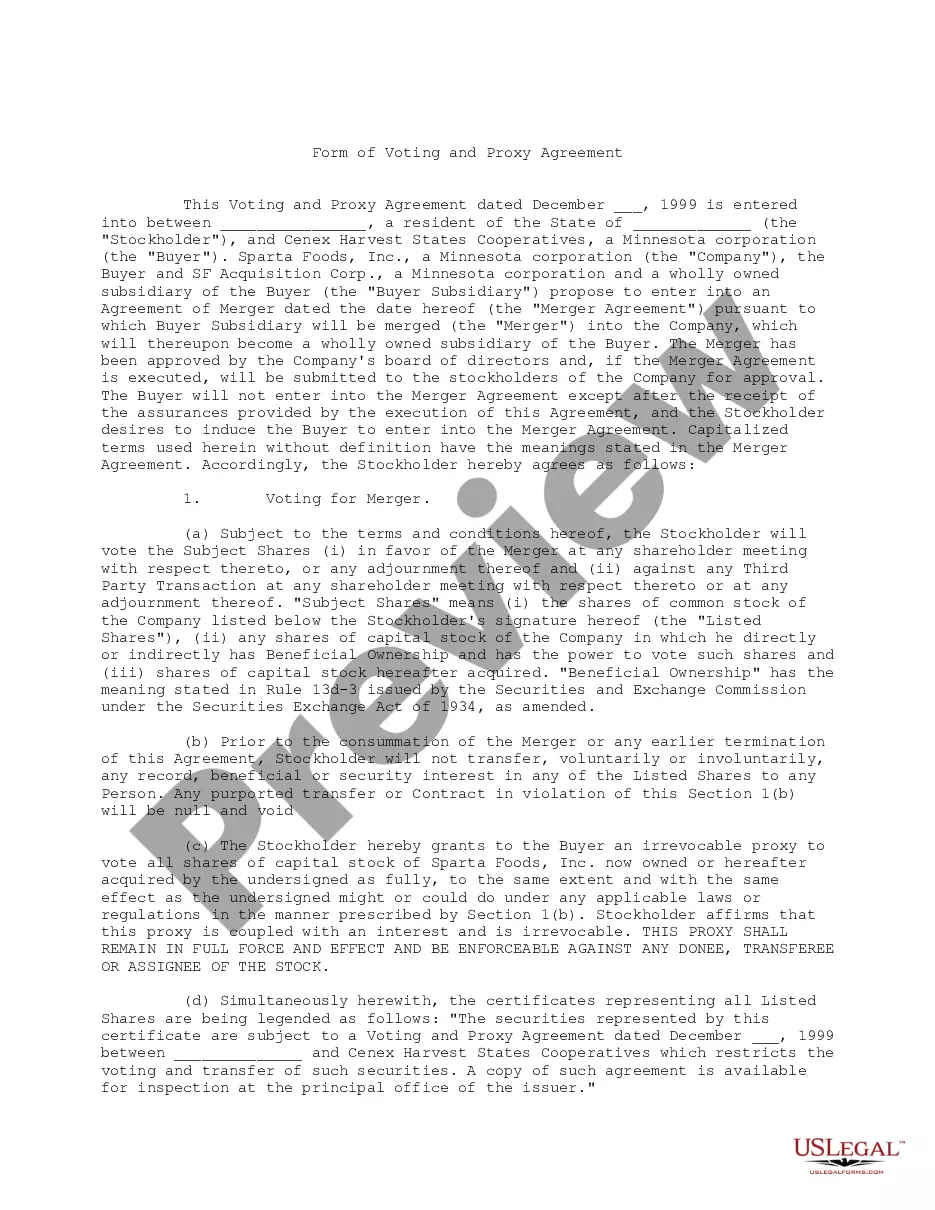



How to fill out Amendment Of Common Stock Par Value?
Acquiring legal document examples that adhere to federal and local statutes is vital, and the web provides numerous choices to choose from.
However, what’s the benefit of wasting time hunting for the suitable Par Value For Stock example online if the US Legal Forms digital library already gathers such templates in one location.
US Legal Forms is the premier online legal directory with over 85,000 editable templates created by legal professionals for any business and personal scenario.
Review the template using the Preview option or through the text description to ensure it aligns with your needs.
- They are straightforward to navigate, with all documents categorized by state and intended use.
- Our experts stay informed about legislative updates, so you can always trust that your paperwork is current and compliant when obtaining a Par Value For Stock from our platform.
- Acquiring a Par Value For Stock is simple and swift for both existing and new users.
- If you possess an account with a valid subscription, Log In and download the document sample you require in the correct format.
- If you are new to our site, adhere to the instructions below.
Form popularity
FAQ
Par score, said in simple terms, refers to the standard measurement for determining the value of stock relative to its par value. When calculating par score, you may compare actual market performance to the established par value. This assessment helps investors gauge the stock’s performance against its legal and book value.
A par value of 100 typically indicates a bond or preferred stock's official minimum value. This ensures that investors will receive at least this amount upon maturity or redemption. It is a key factor in understanding the investment’s fixed-income characteristics, including interest or dividend payments.
A par value of $10 per share indicates that the company has assigned this minimum value to each share in its stock issuance. This value is crucial for accounting and regulatory purposes, as it establishes the legal capital requirement. Investors should note that the stock may trade at market prices significantly different from this par value.
A par value of 100 is commonly associated with corporate bonds and certain preferred stocks. This signifies that the bond or stock's minimum value is $100, which investors can expect to receive at maturity or upon redemption. Knowing the par value for stock or bonds helps in understanding investment returns.
A par value of $100 means that each share of stock is assigned a minimum value of $100. This value is often used for accounting purposes and can be important when issuing new shares. Understanding this concept helps investors grasp the financial position of a company regarding share capital.
A frequent example of par value for stock can be found in companies that issue shares with a par value of $0.01. This low nominal value allows companies to sell their shares at prices much higher based on market conditions, providing flexibility for capital raising. It's essential to note that the par value does not impact investors' returns or the company’s overall valuation directly.
As of now, Amazon's par value for stock is set at $0.01 per share. This nominal par value is significantly lower than its actual market value, which can reach hundreds of dollars per share. Understanding the par value for stock, like Amazon's, is important for investors as it helps clarify the legal and financial framework of a company's capital structure.
Calculating the par value for stock is straightforward. You can determine it by dividing the total amount of capital that a company raises by the number of shares issued. For example, if a company raises $1,000,000 by issuing 1,000,000 shares, the par value would be $1 per share. This concept helps maintain a baseline value for shares when a company issues them.
Calculating par involves assessing the total value of all issued shares divided by the number of shares available. This calculation provides a straightforward indicator of each share's worth. Understanding how par value for stock works can guide you in investment strategies and financial planning.
To calculate par stock, determine the nominal value set for each share at the time of issuance. This value often represents the minimum requirement for shareholders in terms of capital contribution. Being knowledgeable about the par value for stock aids in informed investment decisions.