Rights Offering For Stock
Description
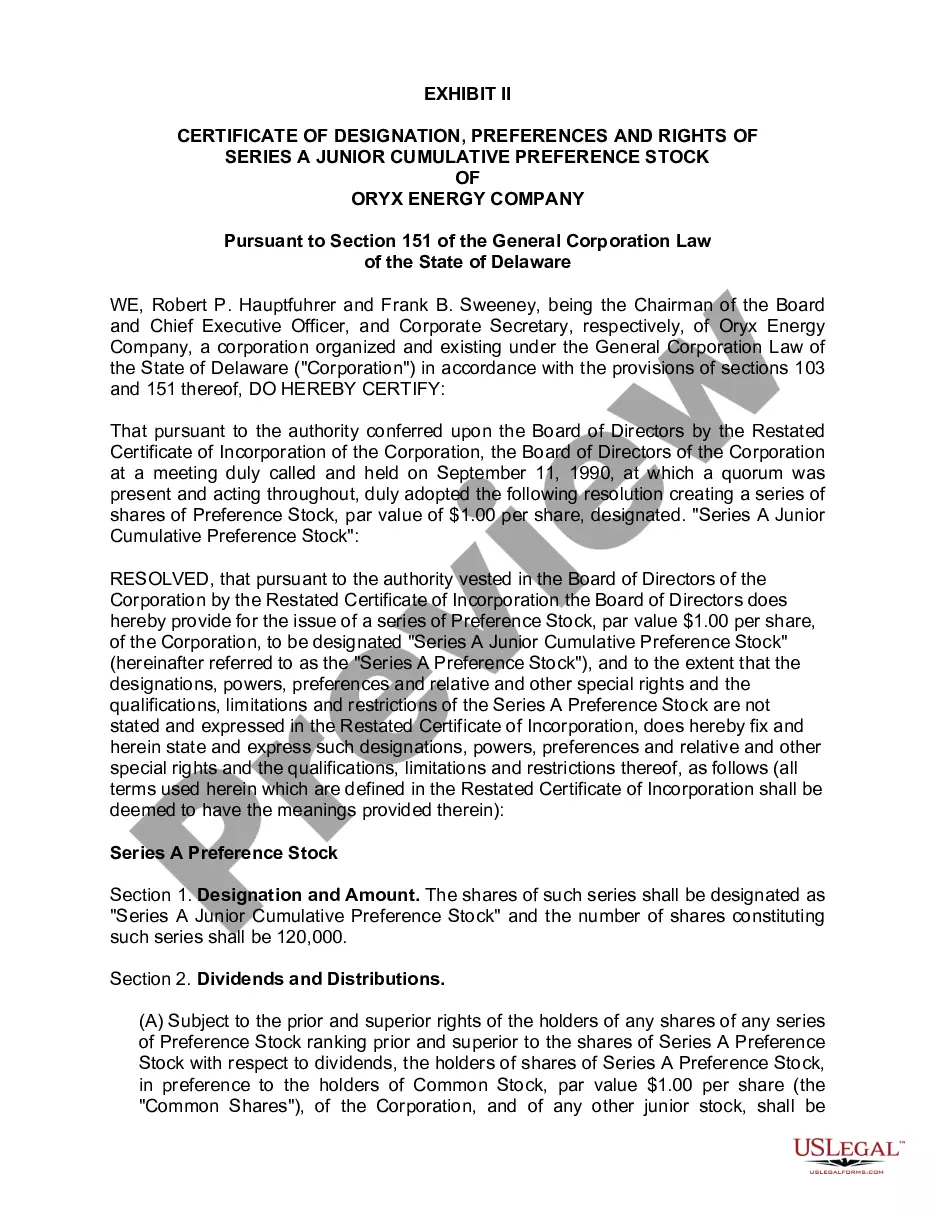
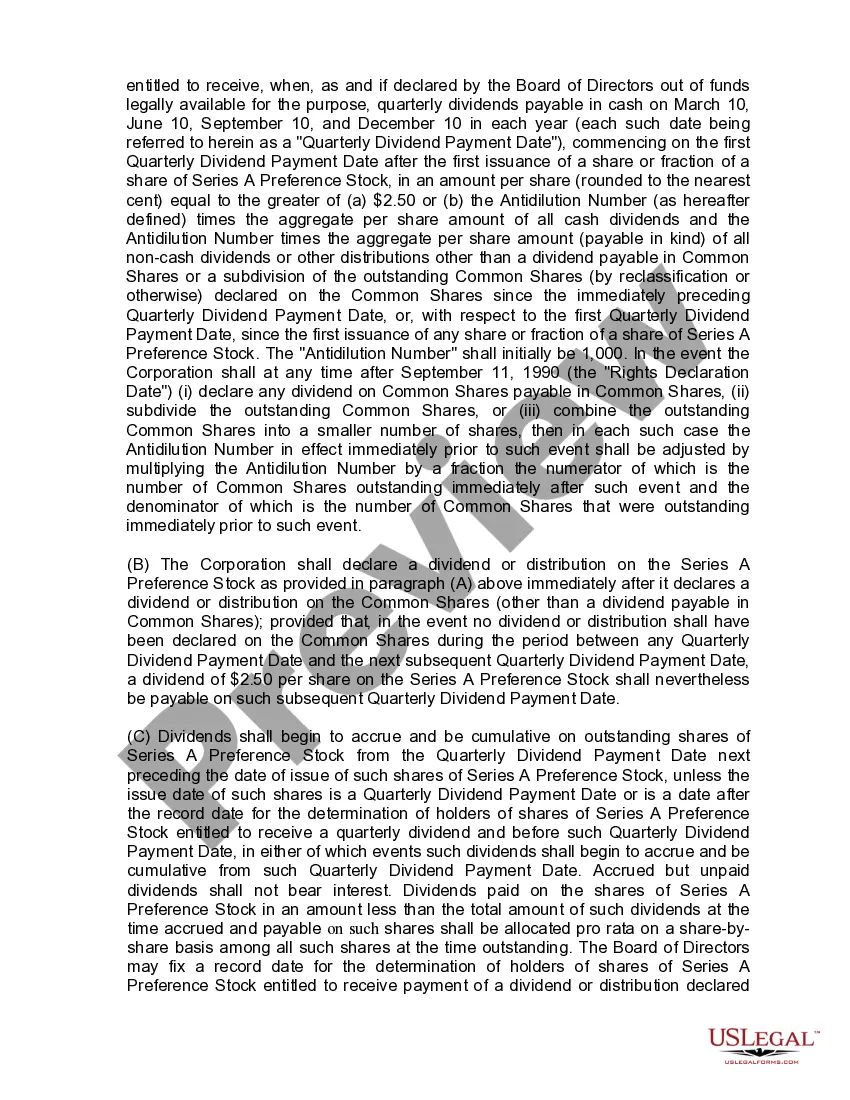
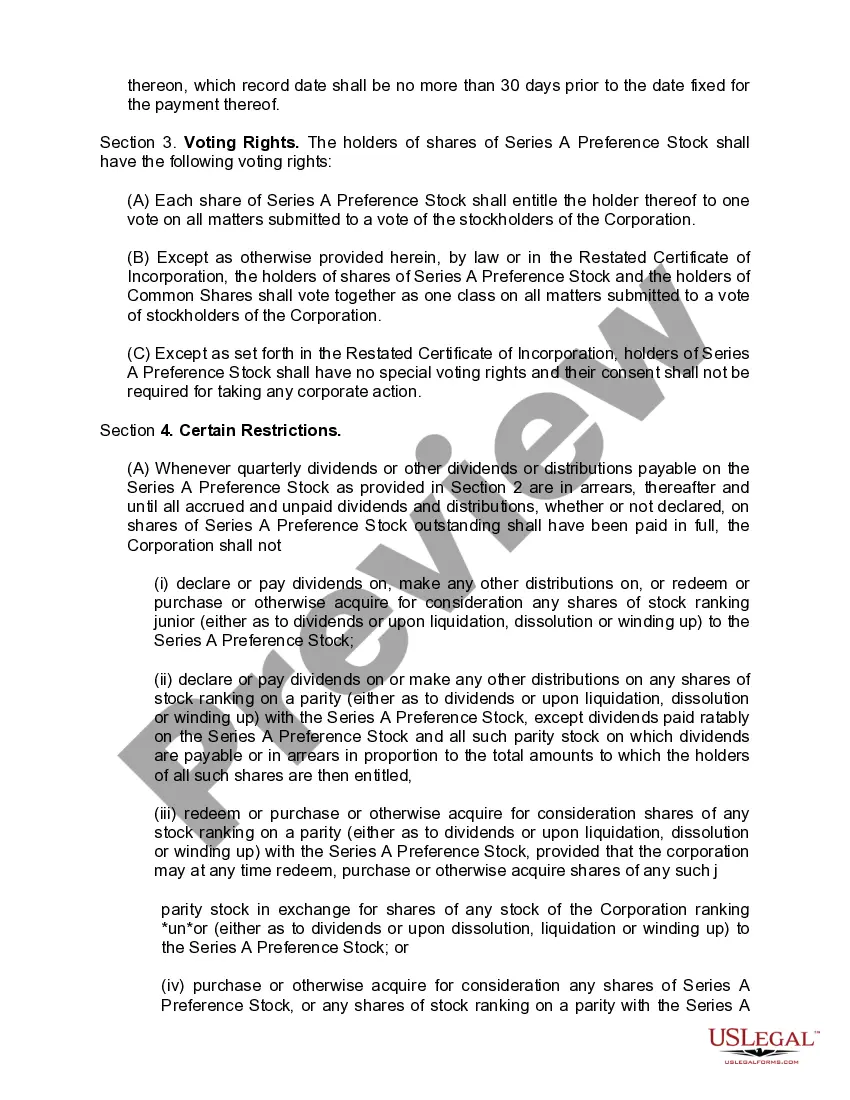
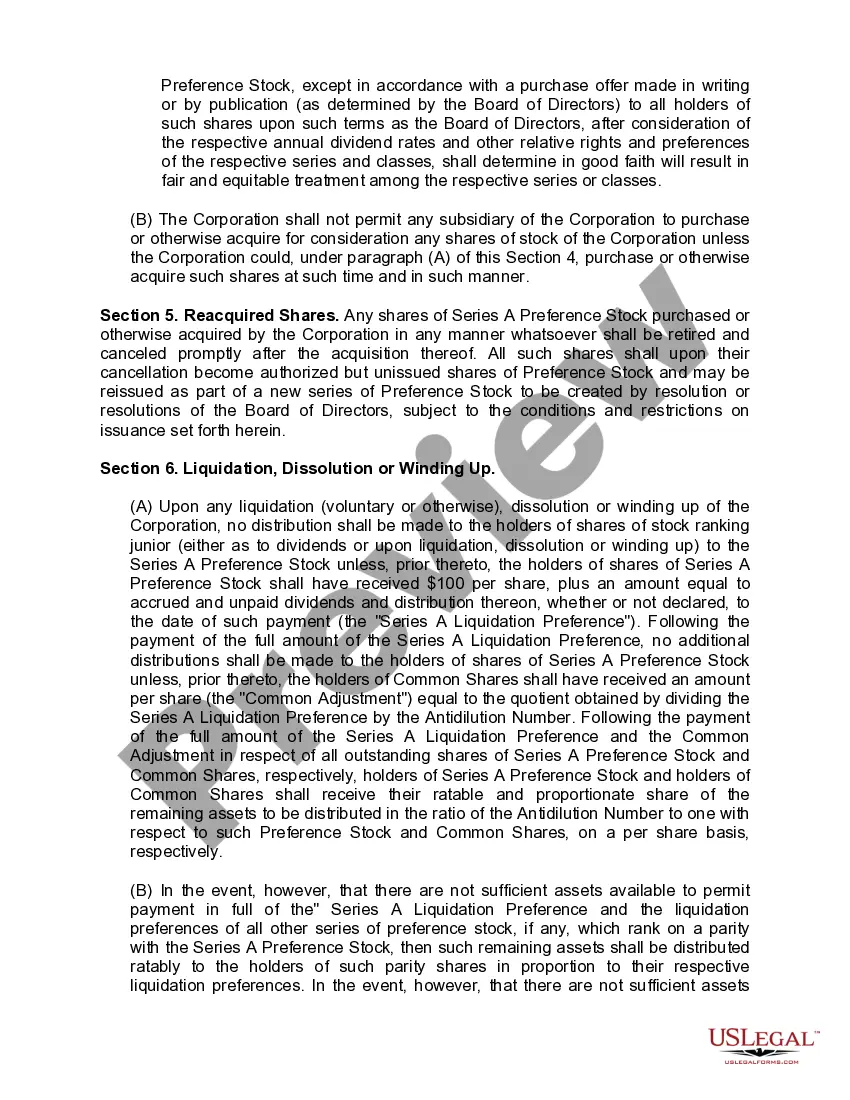

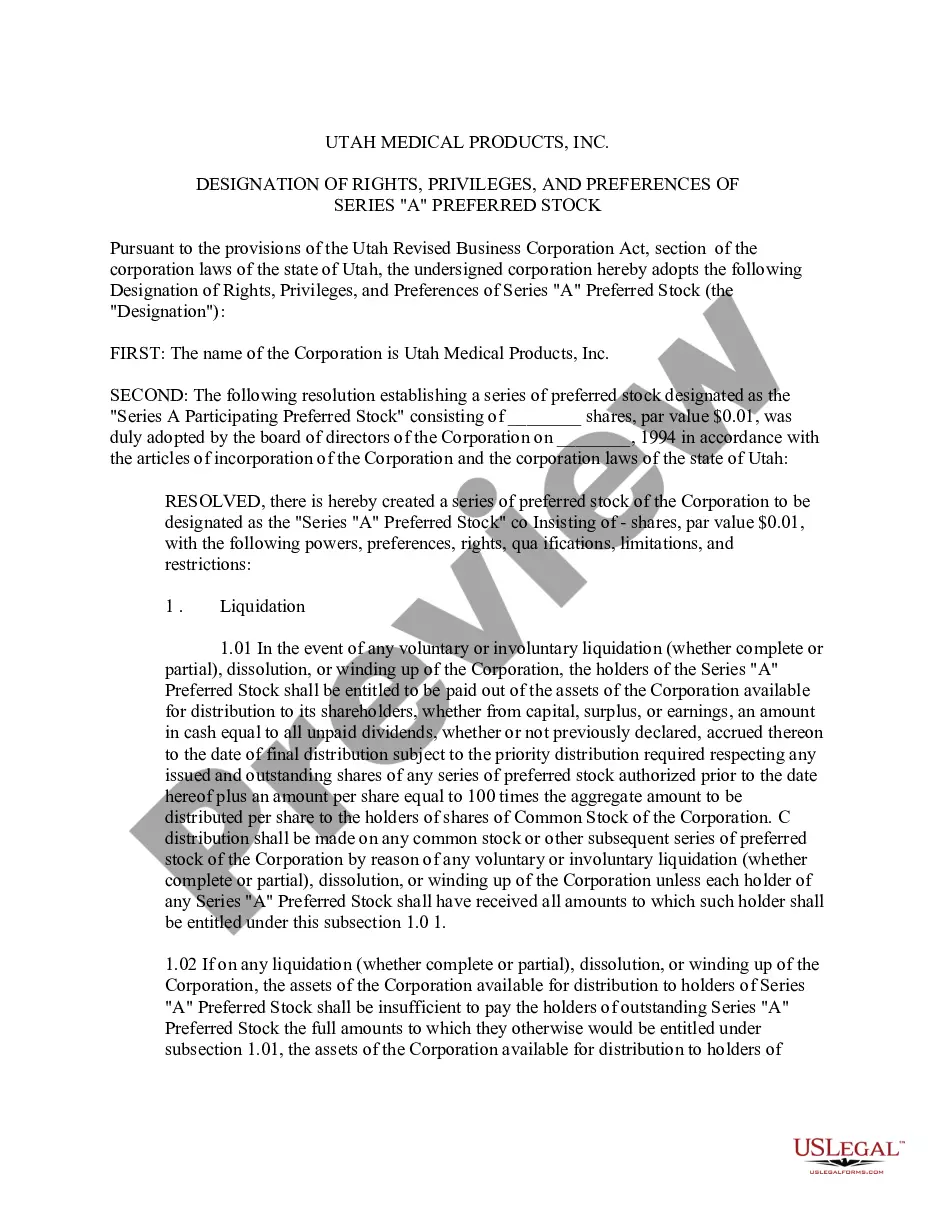
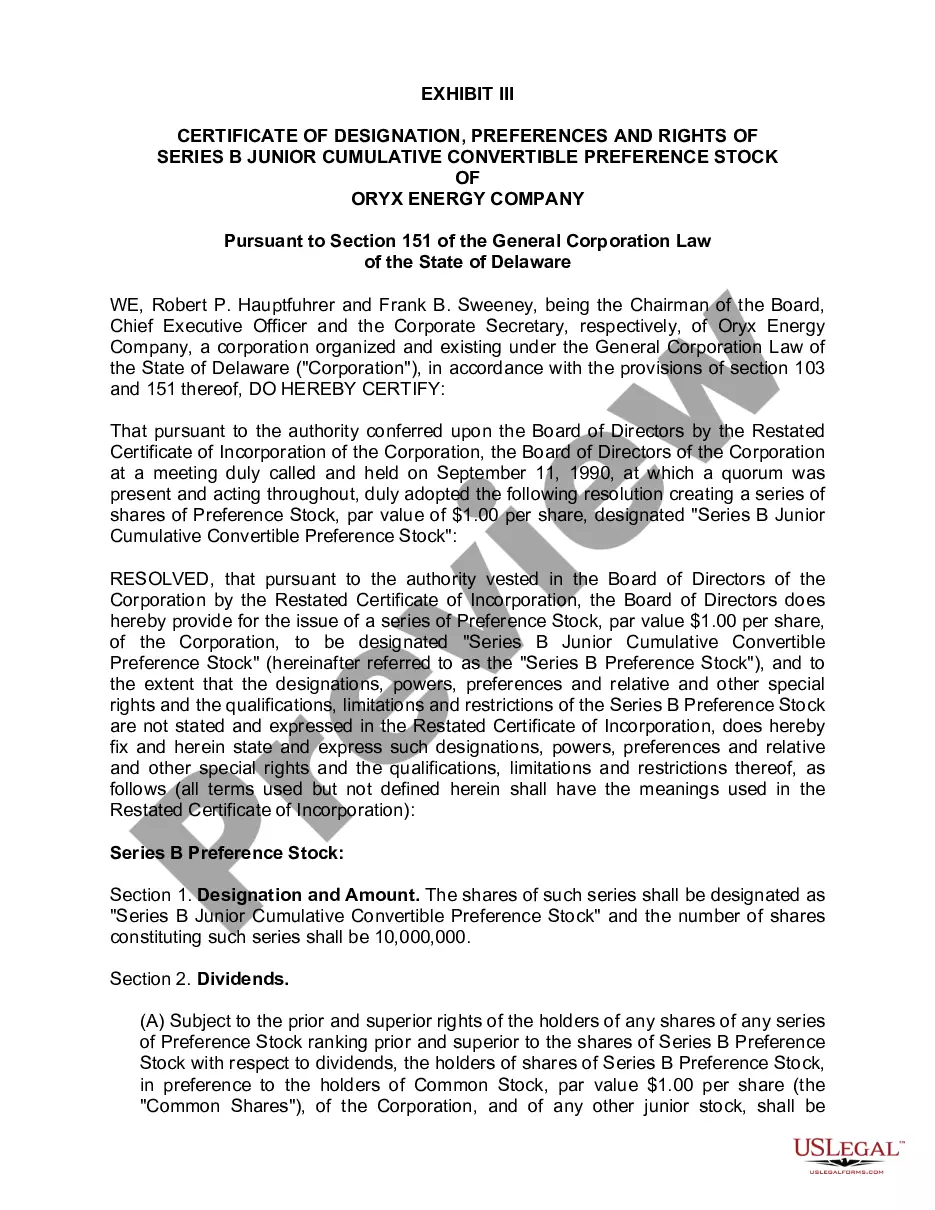
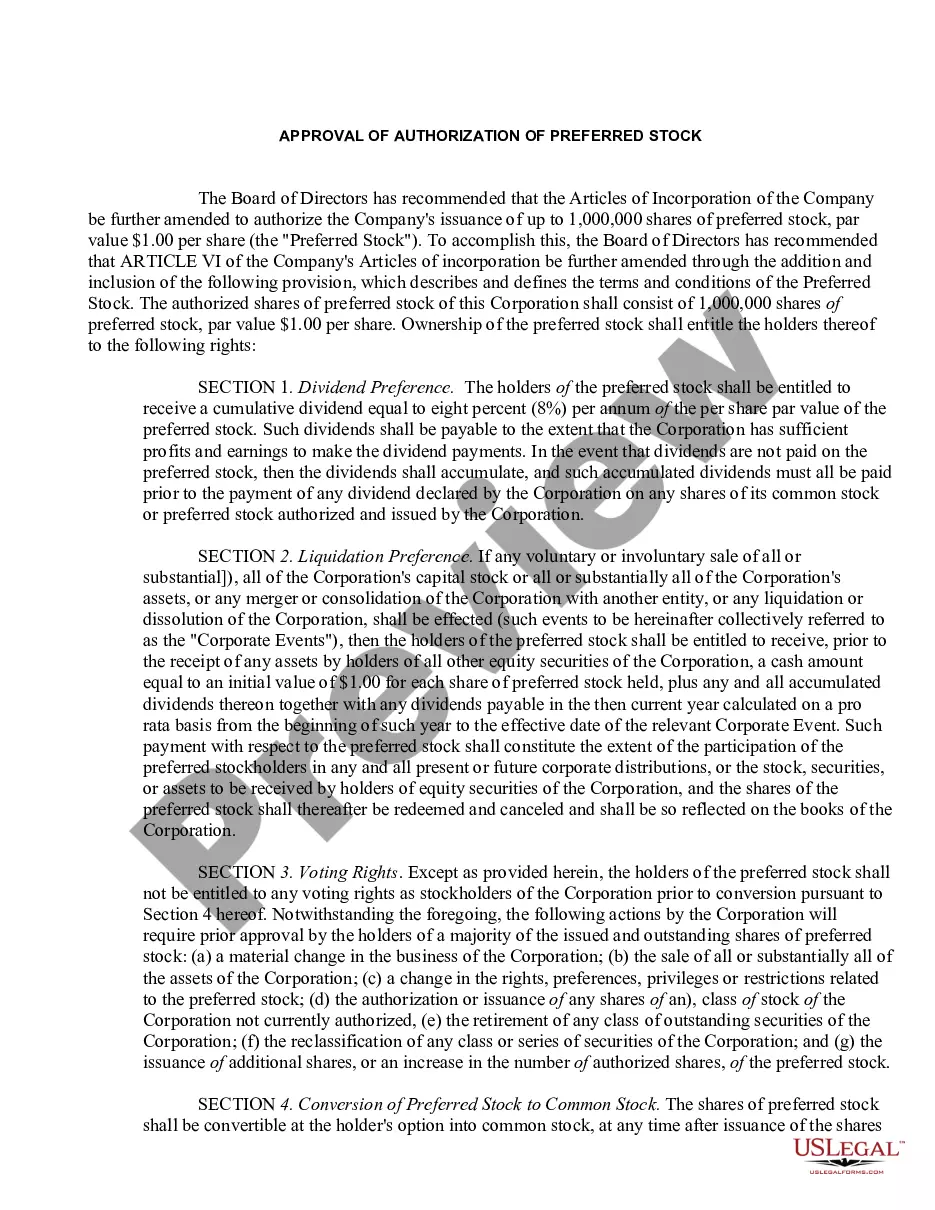
Get your form ready online
Our built-in tools help you complete, sign, share, and store your documents in one place.
Make edits, fill in missing information, and update formatting in US Legal Forms—just like you would in MS Word.
Download a copy, print it, send it by email, or mail it via USPS—whatever works best for your next step.
Sign and collect signatures with our SignNow integration. Send to multiple recipients, set reminders, and more. Go Premium to unlock E-Sign.
If this form requires notarization, complete it online through a secure video call—no need to meet a notary in person or wait for an appointment.
We protect your documents and personal data by following strict security and privacy standards.

Make edits, fill in missing information, and update formatting in US Legal Forms—just like you would in MS Word.

Download a copy, print it, send it by email, or mail it via USPS—whatever works best for your next step.

Sign and collect signatures with our SignNow integration. Send to multiple recipients, set reminders, and more. Go Premium to unlock E-Sign.

If this form requires notarization, complete it online through a secure video call—no need to meet a notary in person or wait for an appointment.

We protect your documents and personal data by following strict security and privacy standards.
Looking for another form?
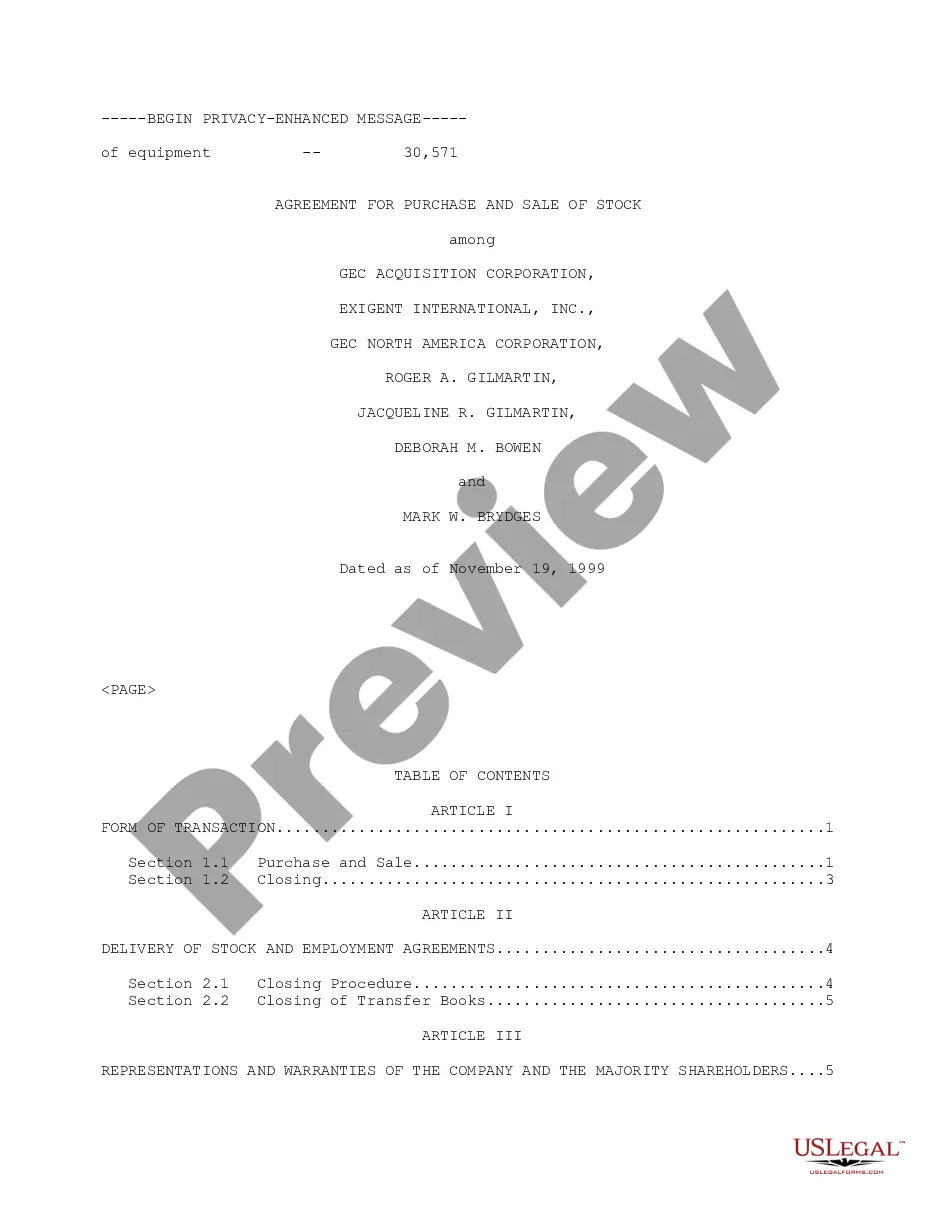







How to fill out Certificate Of Designation, Preferences And Rights Of Series A Junior Cumulative Preference Stock Of Oryx Energy Company?
The Rights Offering For Stock you see on this page is a reusable formal template drafted by professional lawyers in line with federal and local laws. For more than 25 years, US Legal Forms has provided individuals, companies, and attorneys with more than 85,000 verified, state-specific forms for any business and personal situation. It’s the quickest, easiest and most reliable way to obtain the documents you need, as the service guarantees the highest level of data security and anti-malware protection.
Obtaining this Rights Offering For Stock will take you just a few simple steps:
- Search for the document you need and check it. Look through the sample you searched and preview it or check the form description to confirm it suits your requirements. If it does not, make use of the search option to get the right one. Click Buy Now when you have found the template you need.
- Sign up and log in. Opt for the pricing plan that suits you and create an account. Use PayPal or a credit card to make a prompt payment. If you already have an account, log in and check your subscription to proceed.
- Obtain the fillable template. Select the format you want for your Rights Offering For Stock (PDF, Word, RTF) and save the sample on your device.
- Fill out and sign the document. Print out the template to complete it manually. Alternatively, use an online multi-functional PDF editor to quickly and precisely fill out and sign your form with a eSignature.
- Download your papers again. Utilize the same document again anytime needed. Open the My Forms tab in your profile to redownload any earlier downloaded forms.
Sign up for US Legal Forms to have verified legal templates for all of life’s circumstances at your disposal.
Form popularity
FAQ
In a rights offering, each shareholder receives the right to purchase a pro-rata allocation of additional shares at a specific price and within a specific period (usually 16 to 30 days). Shareholders are not obligated to exercise this right.
Let's say an investor owns 100 shares of Arcelor Mittal and the shares are trading at $10 each. The company announces a rights issue in the ratio of 2 for 5, i.e., each investor holding 5 shares will be eligible to buy 2 new shares. The company announces a discounted price of, for example, $6 per share.
This is calculated by adding the total value of all of the Company's shares - the market capitalisation - before the rights issue to the total value of the shares being issued and dividing this sum by the total number of the Company's shares that will be in existence after the rights issue has completed.
For example, suppose Corporation XYZ has 100 shares held equally by 10 shareholders. Each shareholder is given the right to purchase five more shares. Before the rights offering, each shareholder owned 10% of the company. If each shareholder buys the five new shares, they'll still each own 10%.
The market may interpret a rights issue as a warning sign that a company is struggling. This might even cause investors to sell their shares, which would bring the price down. With an increased supply of shares available following a rights issue, this could be bad news for a company's market value.