Bonus Year Per Force
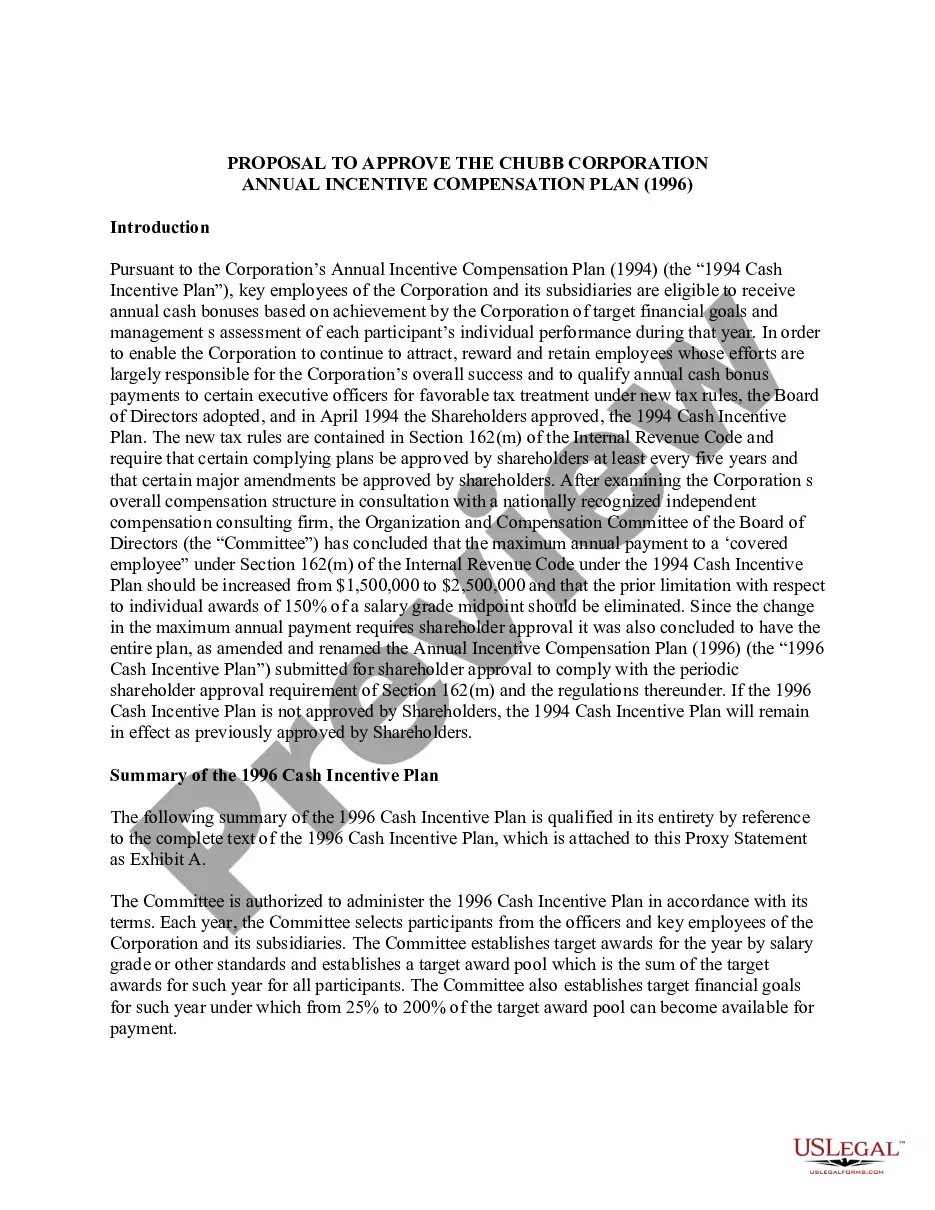
Description

Get your form ready online
Our built-in tools help you complete, sign, share, and store your documents in one place.
Make edits, fill in missing information, and update formatting in US Legal Forms—just like you would in MS Word.
Download a copy, print it, send it by email, or mail it via USPS—whatever works best for your next step.
Sign and collect signatures with our SignNow integration. Send to multiple recipients, set reminders, and more. Go Premium to unlock E-Sign.
If this form requires notarization, complete it online through a secure video call—no need to meet a notary in person or wait for an appointment.
We protect your documents and personal data by following strict security and privacy standards.

Make edits, fill in missing information, and update formatting in US Legal Forms—just like you would in MS Word.

Download a copy, print it, send it by email, or mail it via USPS—whatever works best for your next step.

Sign and collect signatures with our SignNow integration. Send to multiple recipients, set reminders, and more. Go Premium to unlock E-Sign.

If this form requires notarization, complete it online through a secure video call—no need to meet a notary in person or wait for an appointment.

We protect your documents and personal data by following strict security and privacy standards.
Looking for another form?




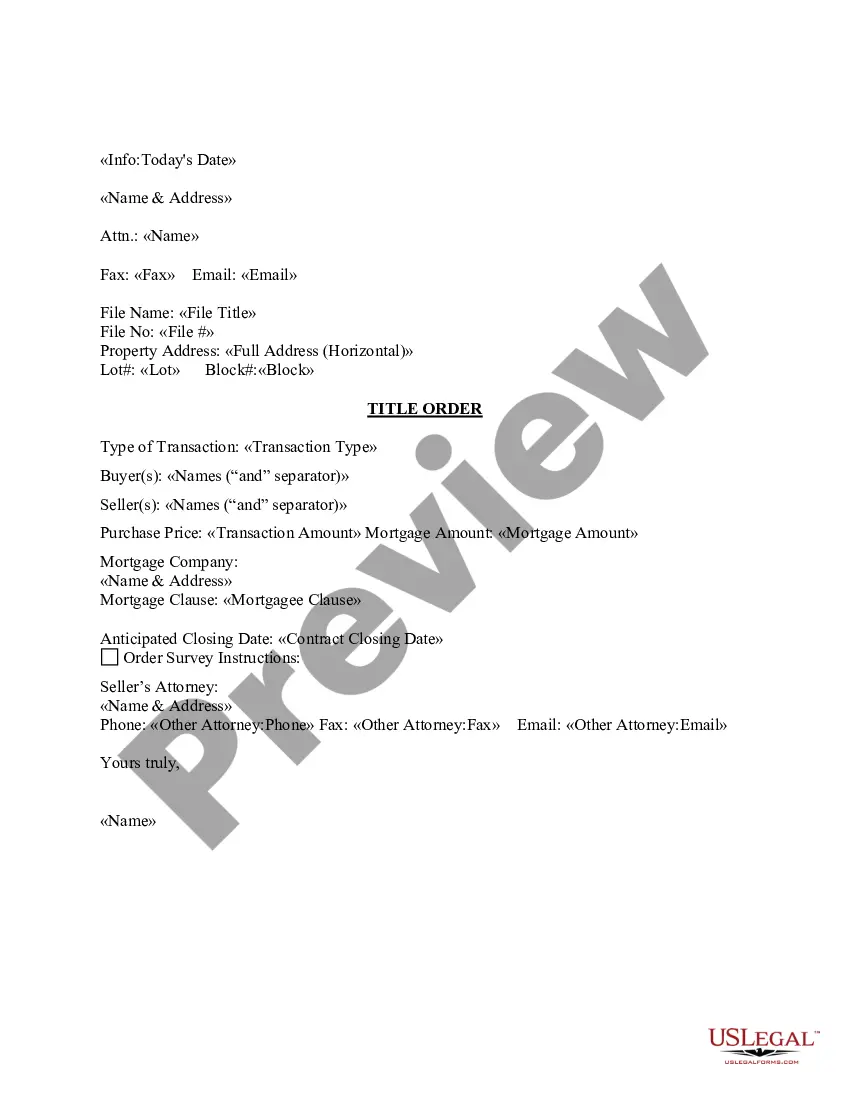



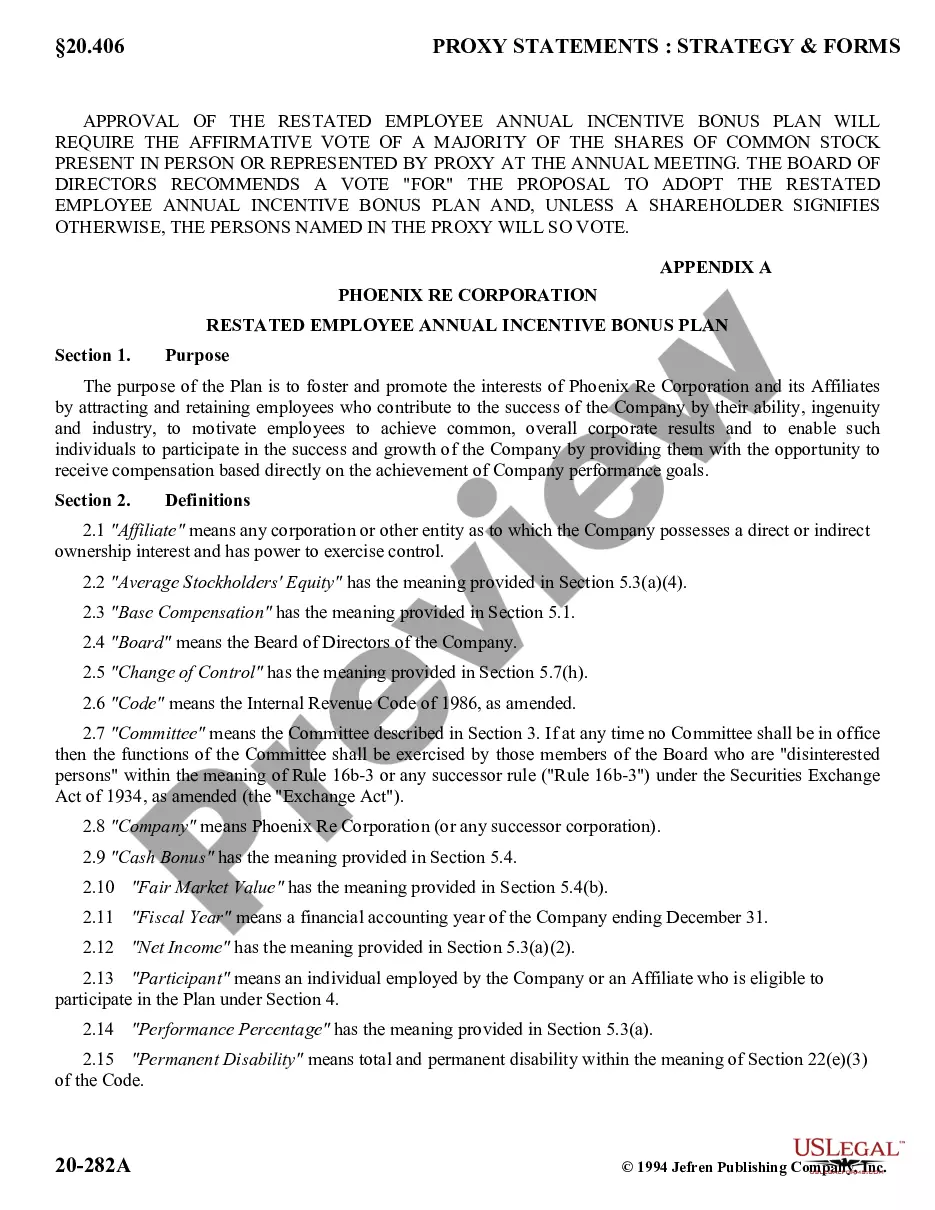
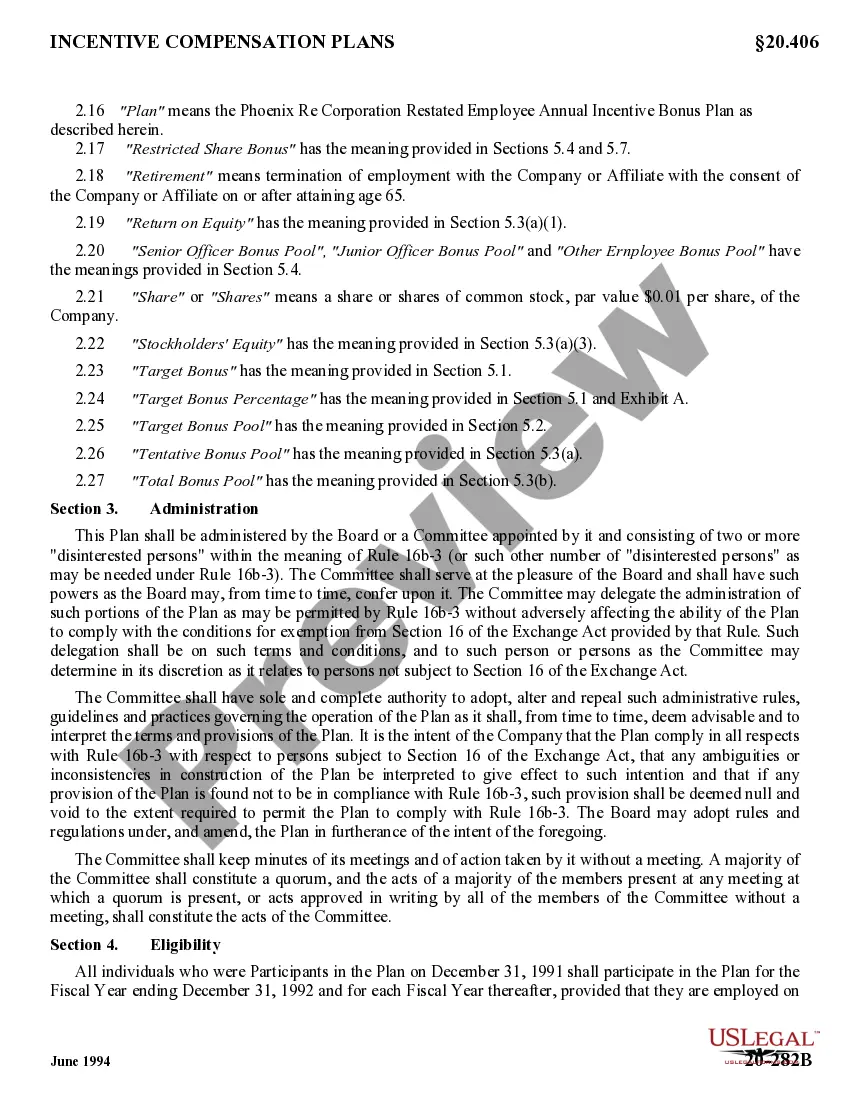
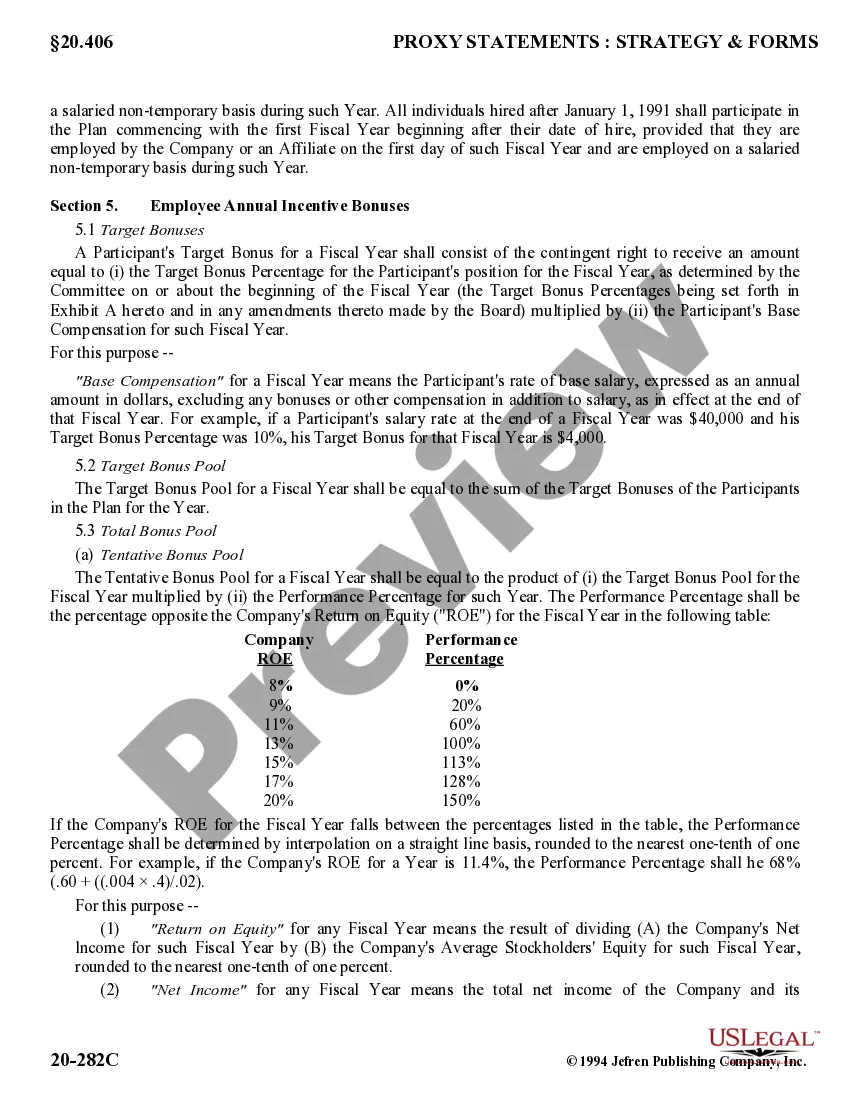
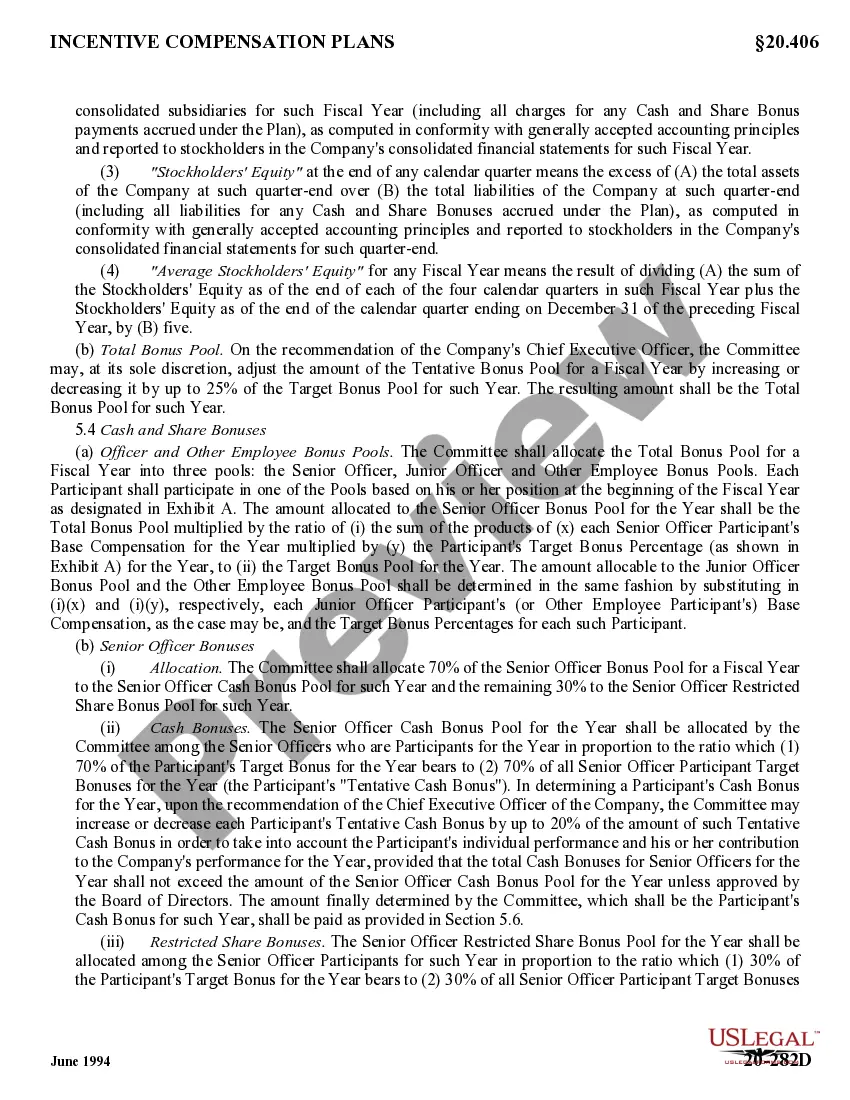
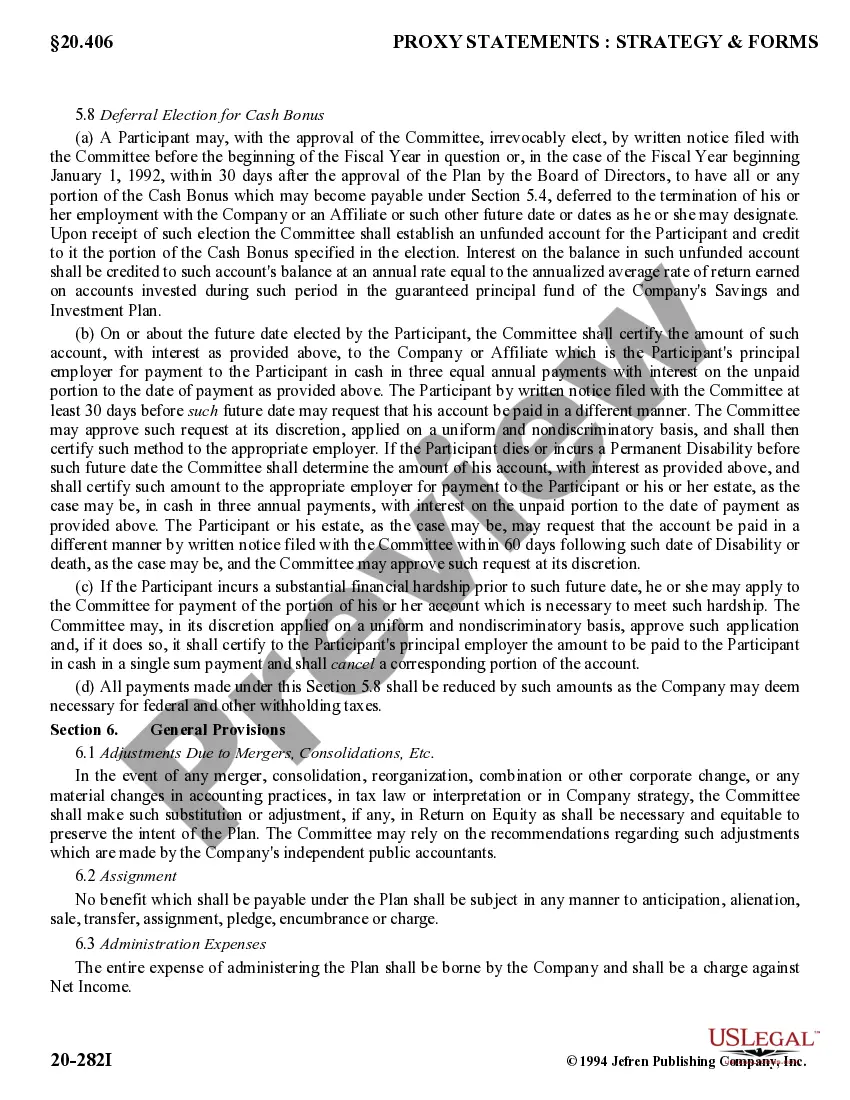
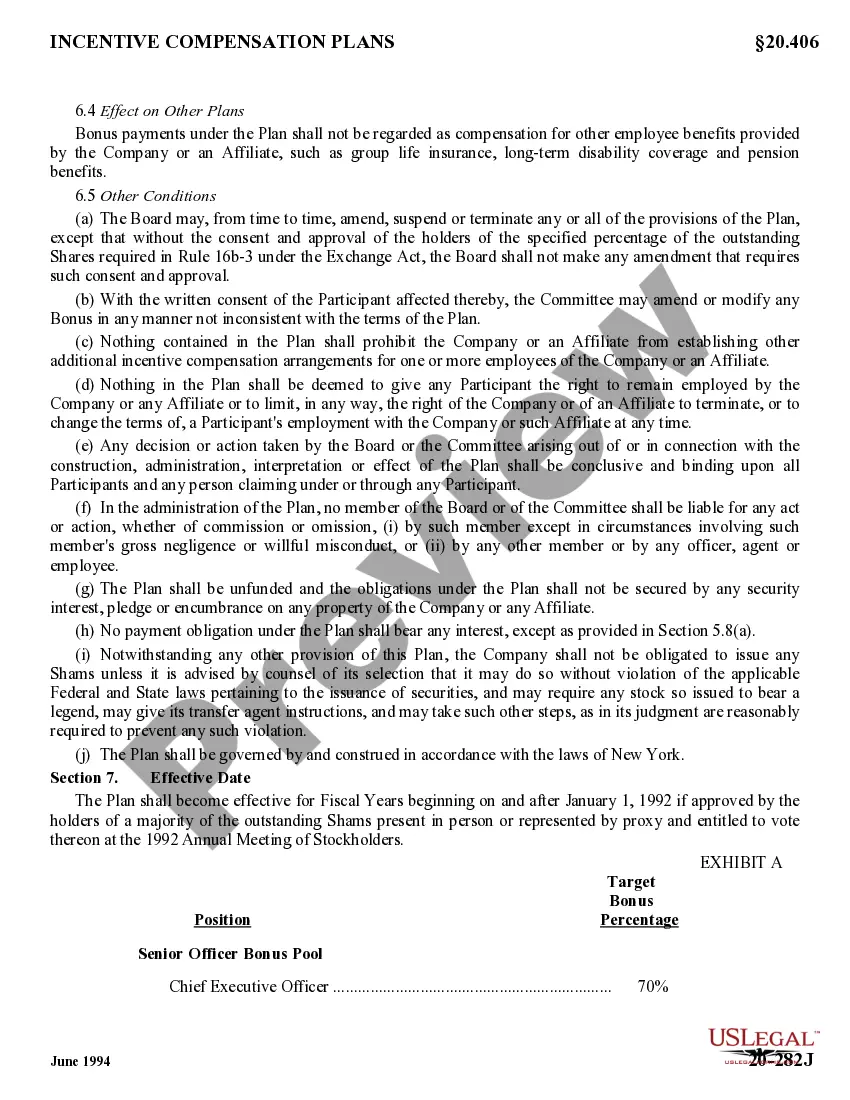
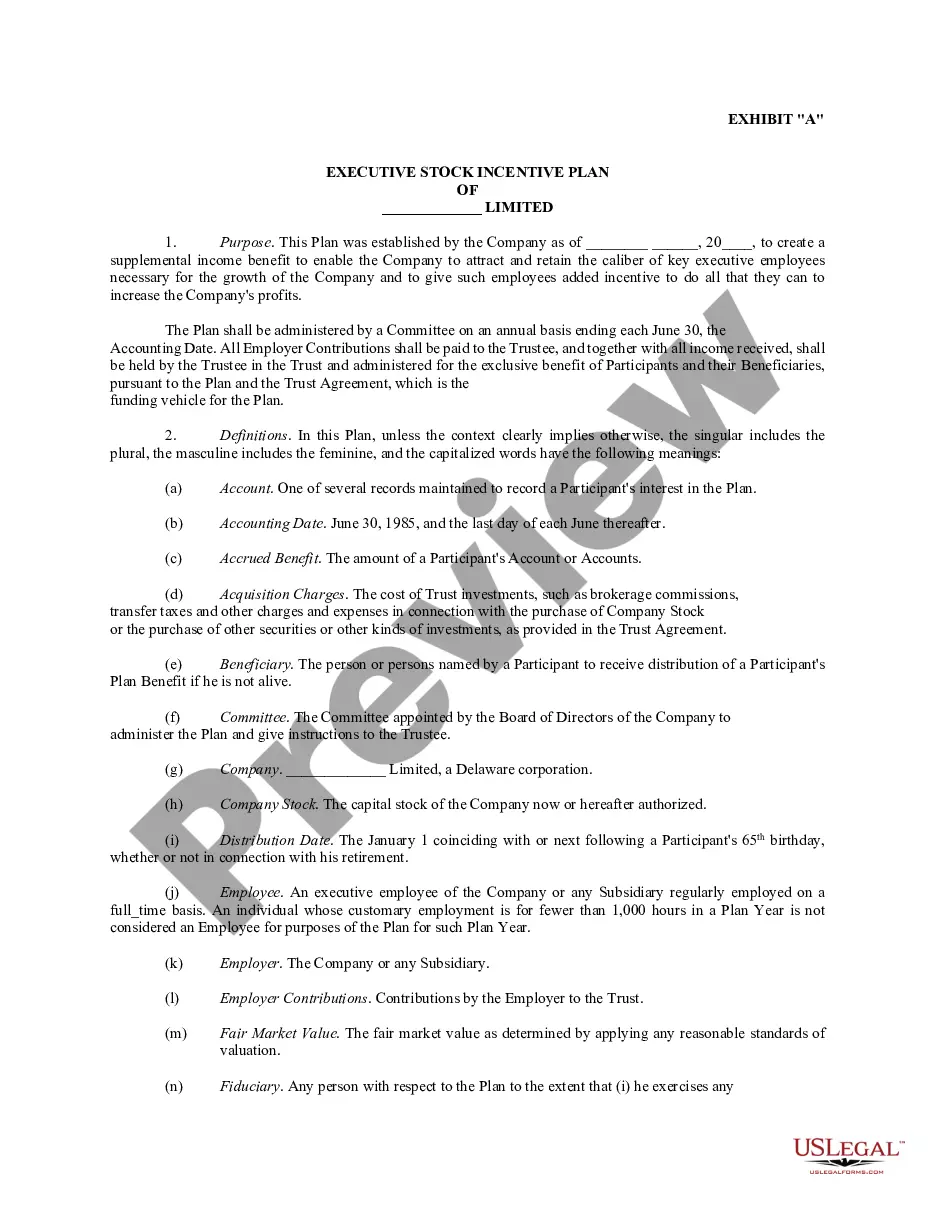
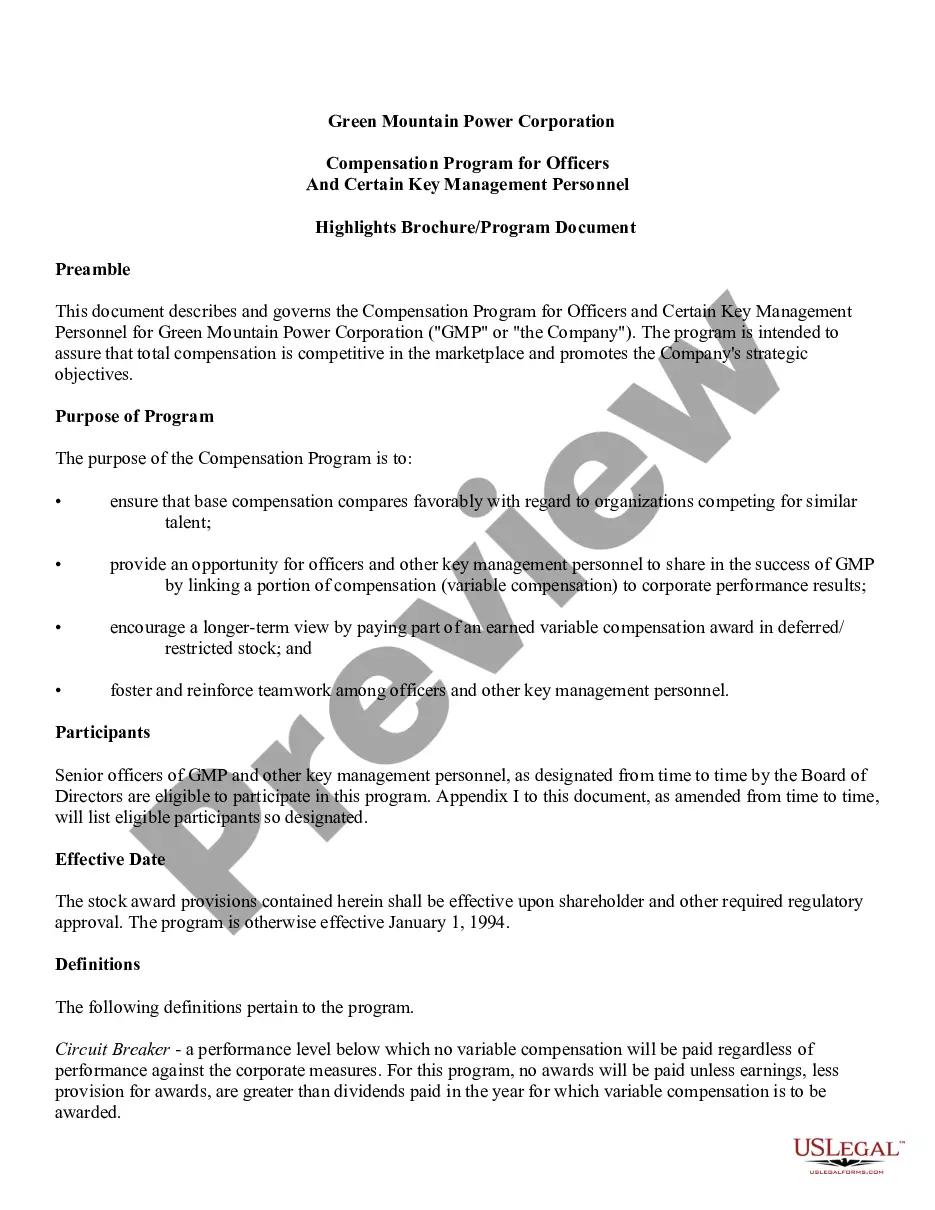
How to fill out Restated Employee Annual Incentive Bonus Plan With Attachments?
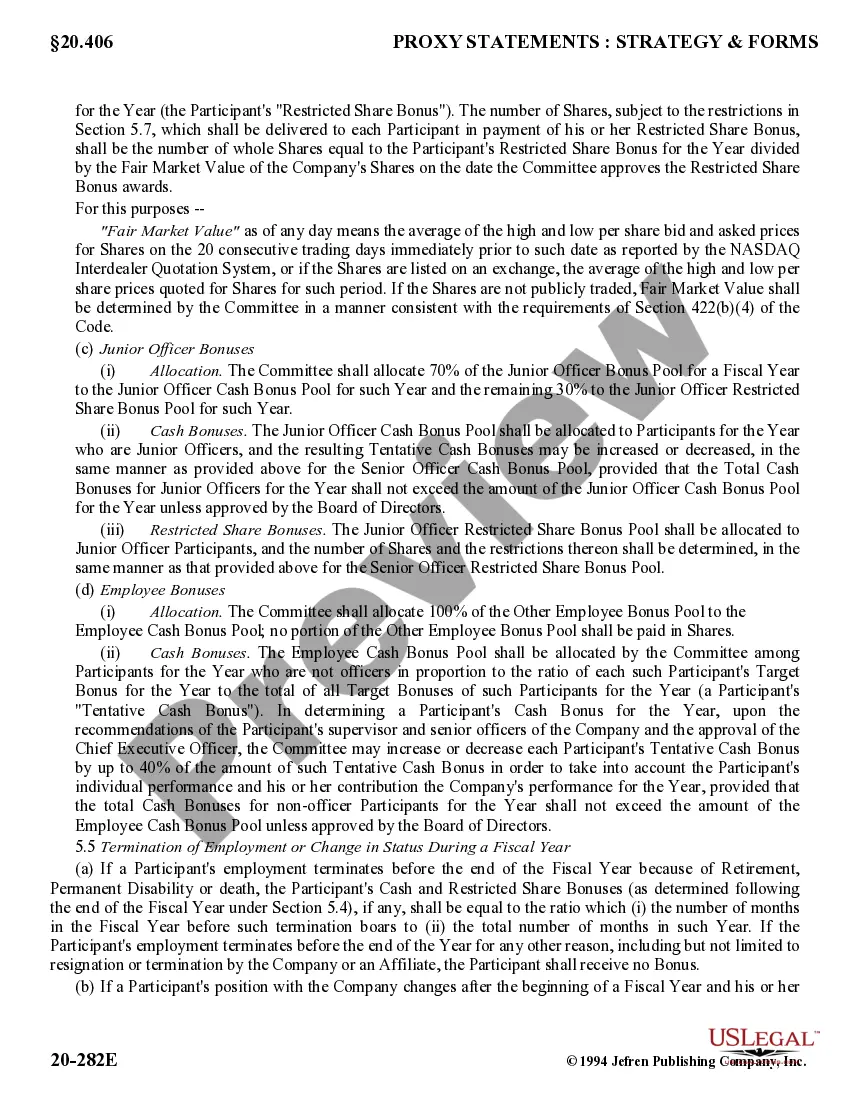
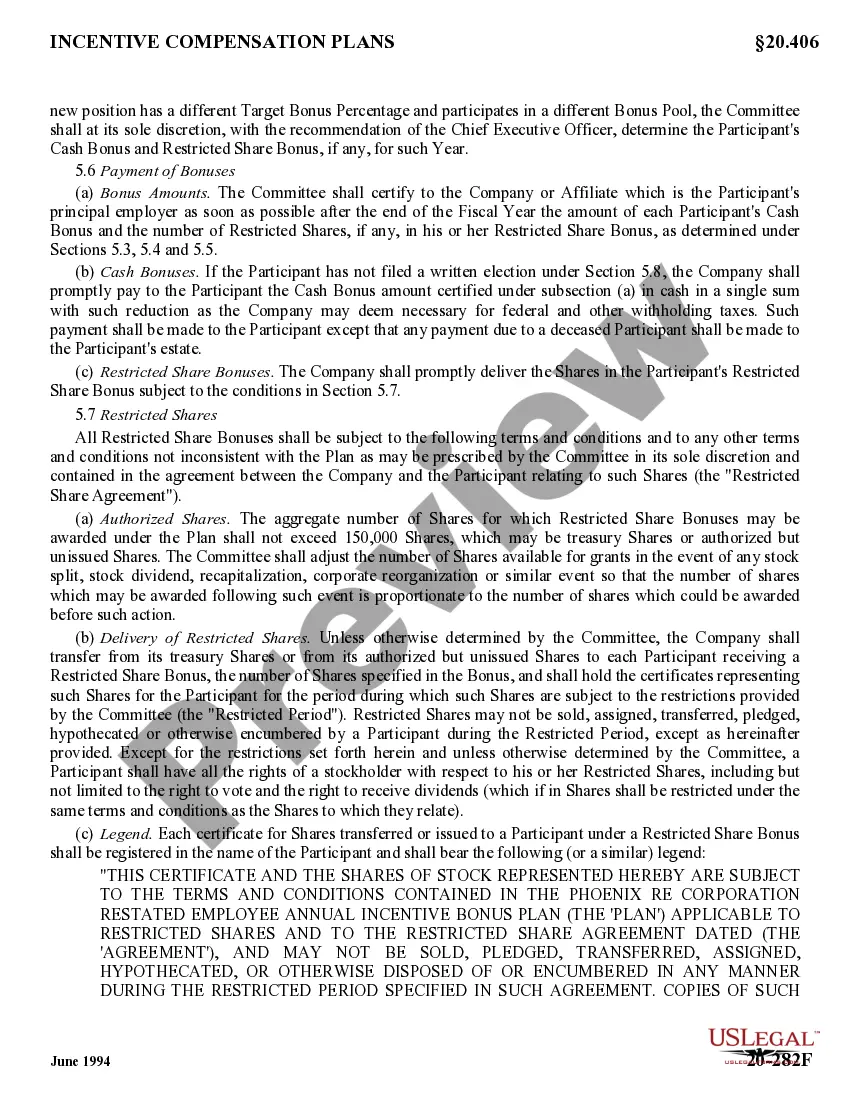
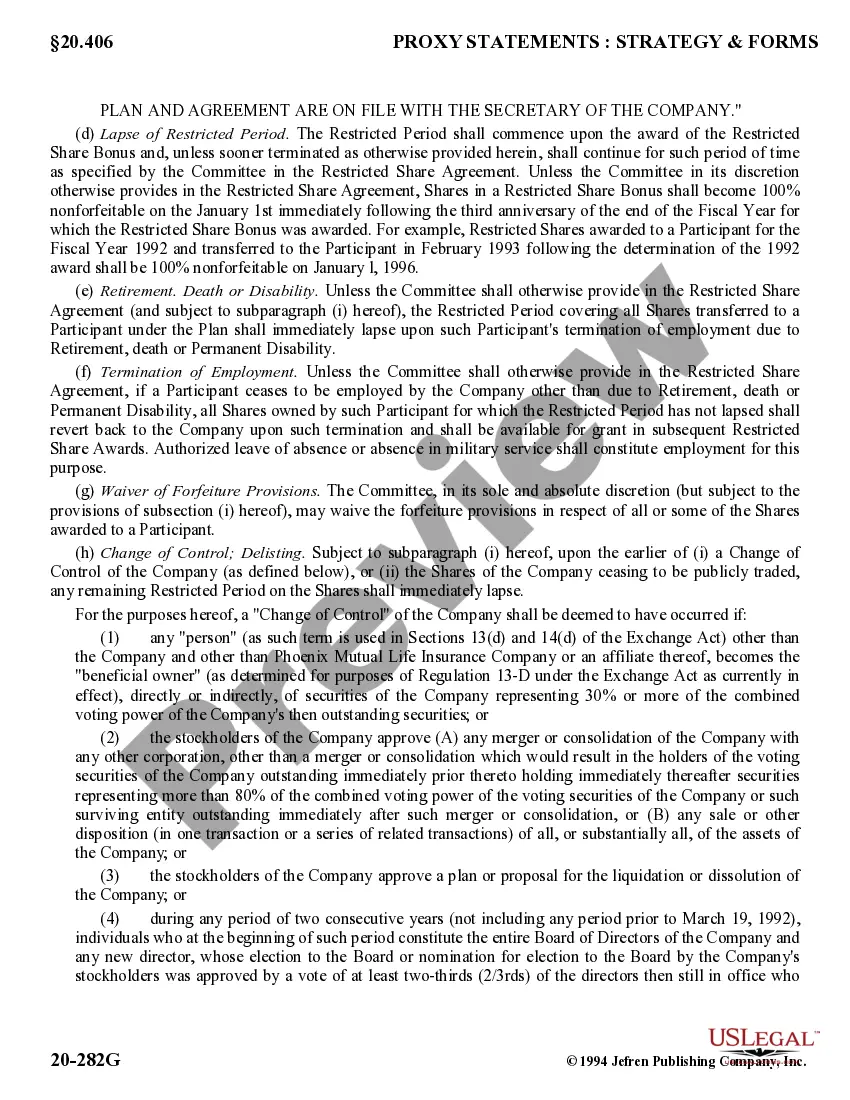
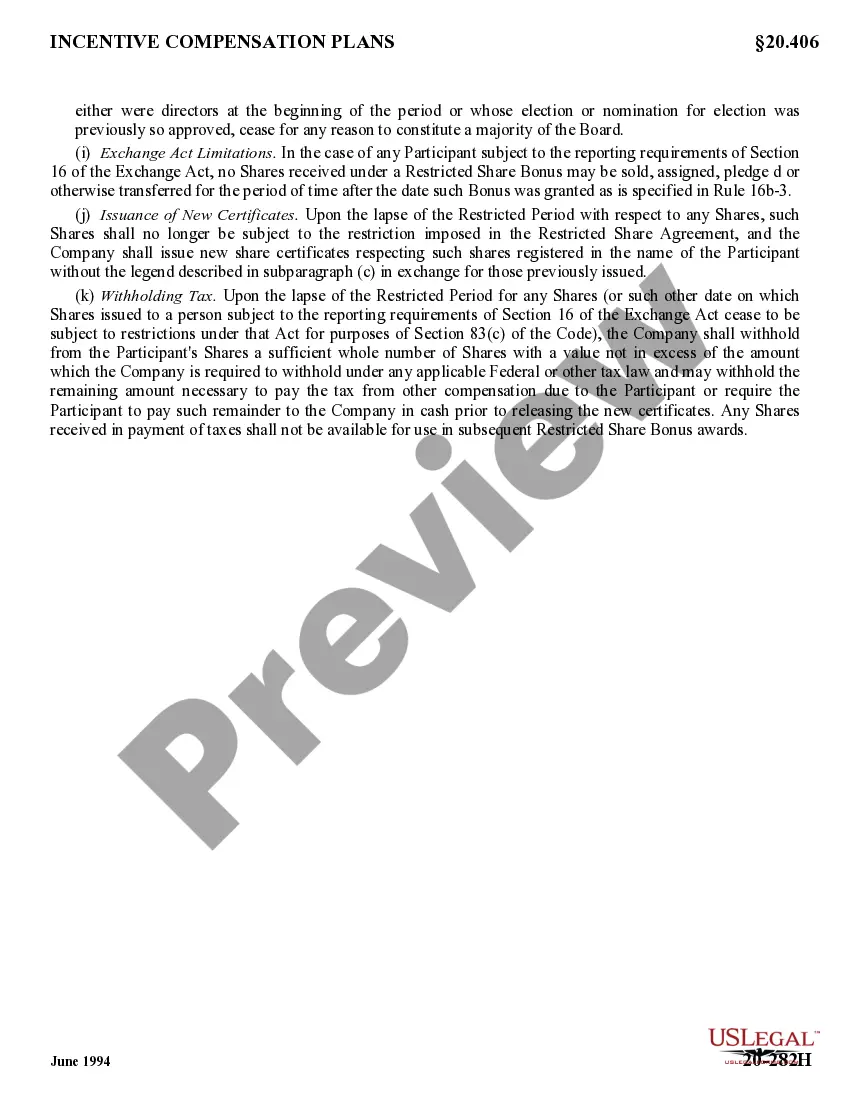
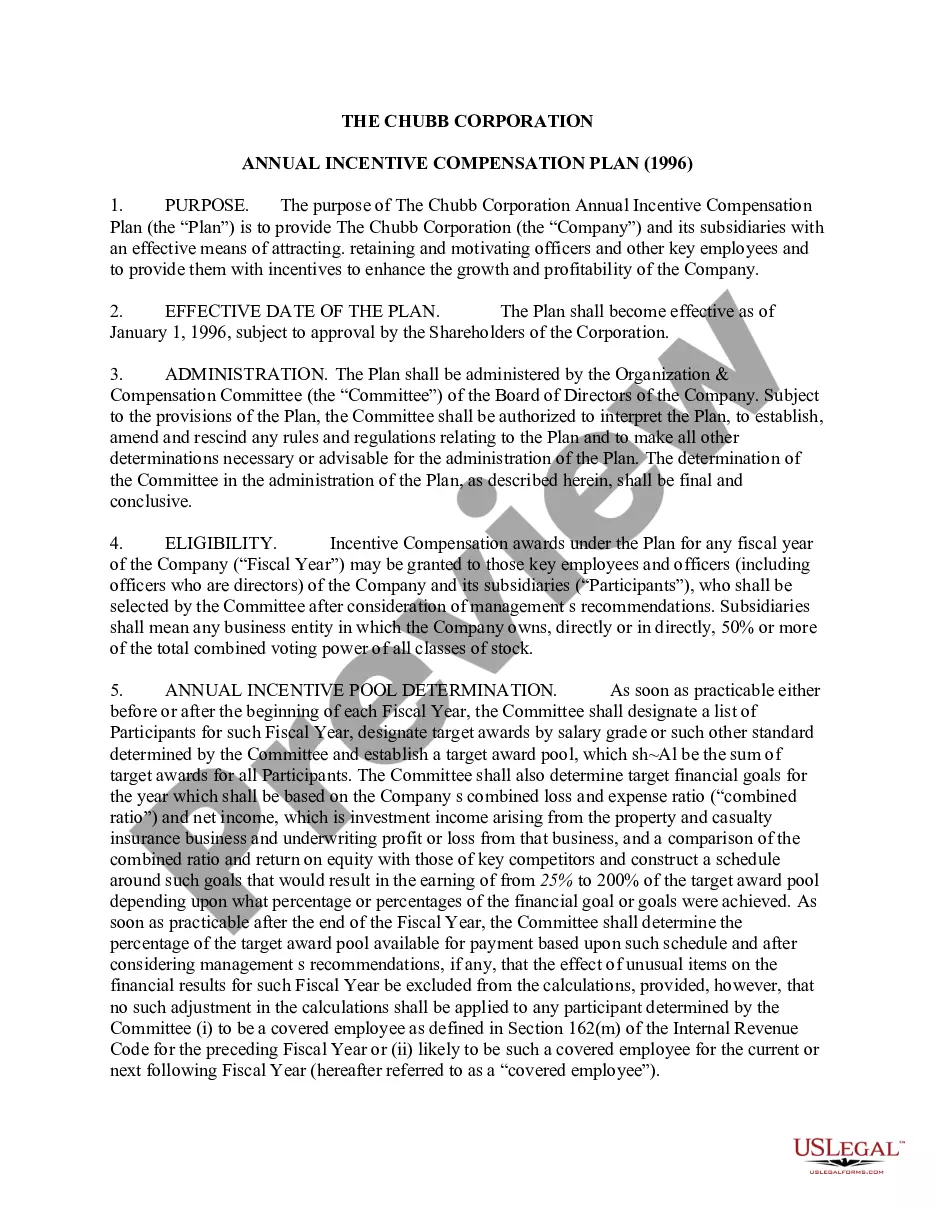
The Bonus Year Per Force you observe on this page is a reusable legal template crafted by expert attorneys in alignment with federal and state statutes and regulations.
For over 25 years, US Legal Forms has supplied individuals, organizations, and legal professionals with more than 85,000 authenticated, state-specific forms for any business and personal event. It’s the quickest, most straightforward, and most dependable way to secure the documents you require, as the service ensures bank-grade data security and anti-malware safeguards.
Register for US Legal Forms to access verified legal templates for all of life’s situations at your fingertips.
- Search for the document you require and examine it.
- Sign up and Log In.
- Obtain the editable template.
- Complete and sign the documents.
- Download your documents once more.
Form popularity
FAQ
To avoid a high tax rate on your bonus, consider adjusting your withholding allowances or making estimated tax payments throughout the year. It’s also wise to monitor your total income to prevent pushing yourself into a higher tax bracket. Understanding your financial landscape, especially in relation to a bonus year per force, can empower you to make informed decisions. Seeking assistance from uslegalforms can help you navigate these strategies effectively.
Military bonuses are taxed as supplemental income, which means they may be subjected to different withholding rules than regular wages. Typically, the IRS provides guidelines that allow employers to withhold taxes at a flat rate, often around 22%. When you receive a bonus year per force, it’s crucial to keep track of these taxes, as they can impact your overall financial situation. Utilizing platforms like uslegalforms can simplify the process of understanding these tax implications.
The tax rate on bonuses can vary, but generally, they are withheld at a flat rate of 22%. However, if your total income exceeds a certain threshold, you may end up in a higher tax bracket, possibly leading to a total effective rate closer to 40%. Understanding your tax bracket and how a bonus year per force affects your income can help you anticipate your tax liability. For tailored advice, consider reaching out to financial professionals or using uslegalforms for guidance.
Bonuses are typically governed by the terms outlined in your employment contract or military service agreement. Rules may specify how bonuses are calculated and when they are distributed. It's essential to familiarize yourself with any stipulations regarding a bonus year per force, as this can influence your total compensation. Consulting with resources like uslegalforms can provide clarity on these rules.
Military bonuses are generally considered supplemental income and are subject to federal income taxes. The specific tax rate can vary based on your overall income and tax bracket. When you receive a bonus, it may be withheld at a flat rate, often around 22%, but this can differ based on your situation. Understanding the implications of a bonus year per force can help you plan for your tax obligations.
The $600,000 bonus is part of a specialized incentive program aimed at attracting highly skilled professionals into critical roles within the Air Force. This bonus reflects the military's commitment to securing talent in areas where there is a significant need. It's important to confirm the eligibility criteria and terms associated with this bonus, as they can vary. For detailed information, consider using the US Legal Forms platform to access the necessary documentation and ensure you meet all requirements.
To qualify for the $50K bonus, you generally need to commit to a specific term of service, often between four to six years. This requirement ensures that you demonstrate dedication and reliability to the Air Force. The exact duration can depend on your role and the current needs of the service. Always check the latest guidelines, as policies may change frequently.
The yearly bonus can vary significantly based on various factors, such as your role, performance, and the specific terms of your contract. Typically, a bonus year per force is determined by the standards set by your employer or the military branch. It's essential to review your agreement to understand what is expected. Additionally, consulting with your HR department can provide clarity on bonus amounts.