Phantom Stock Plan Example
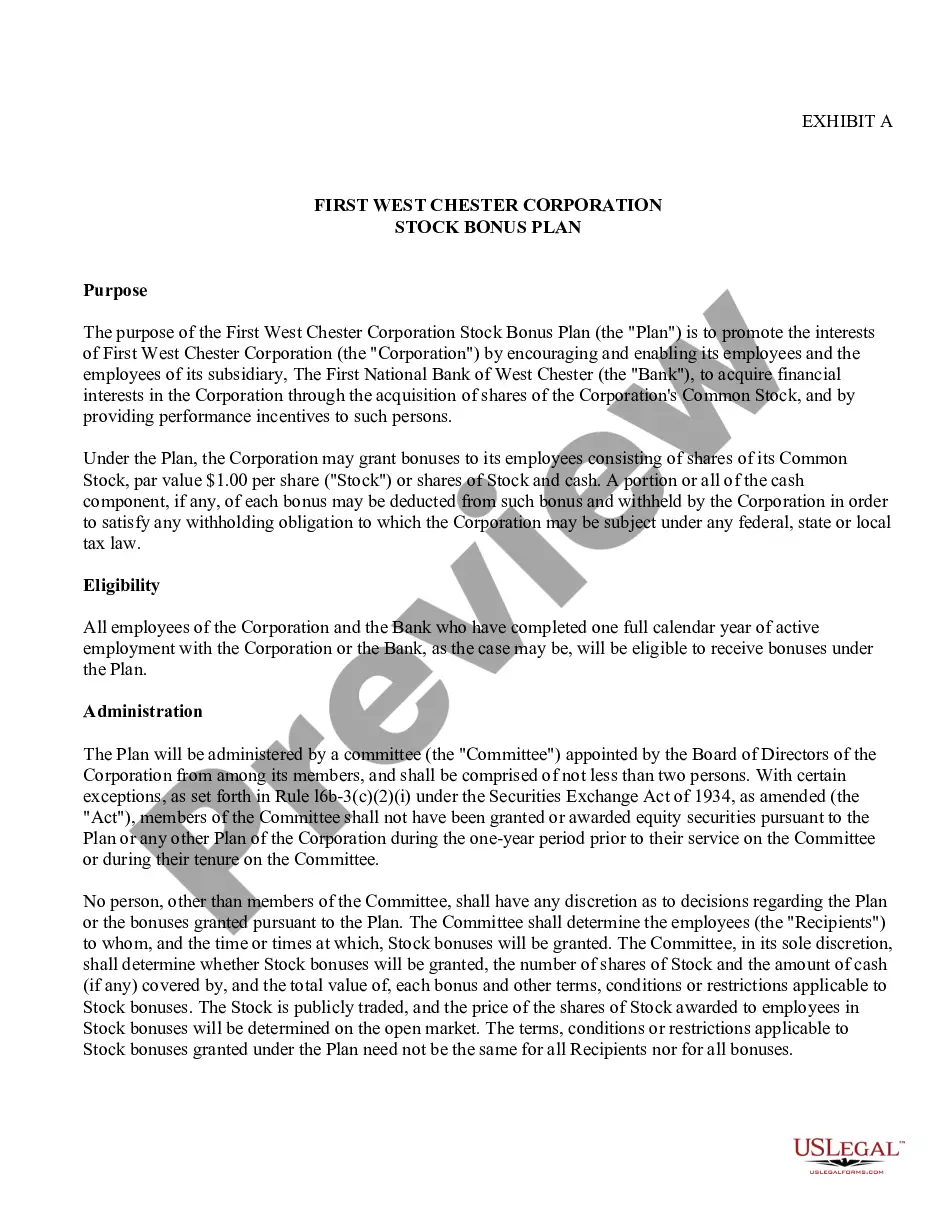
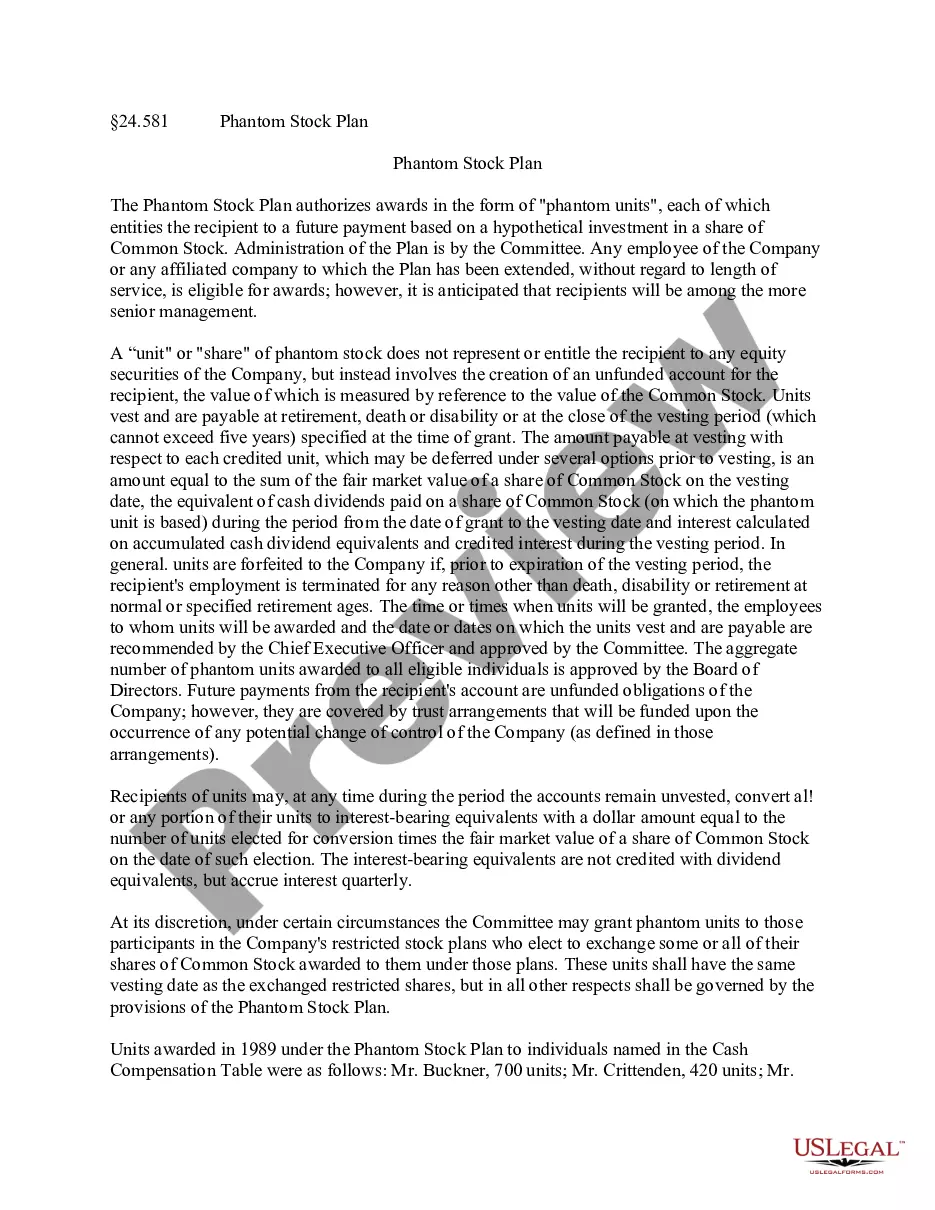
Description
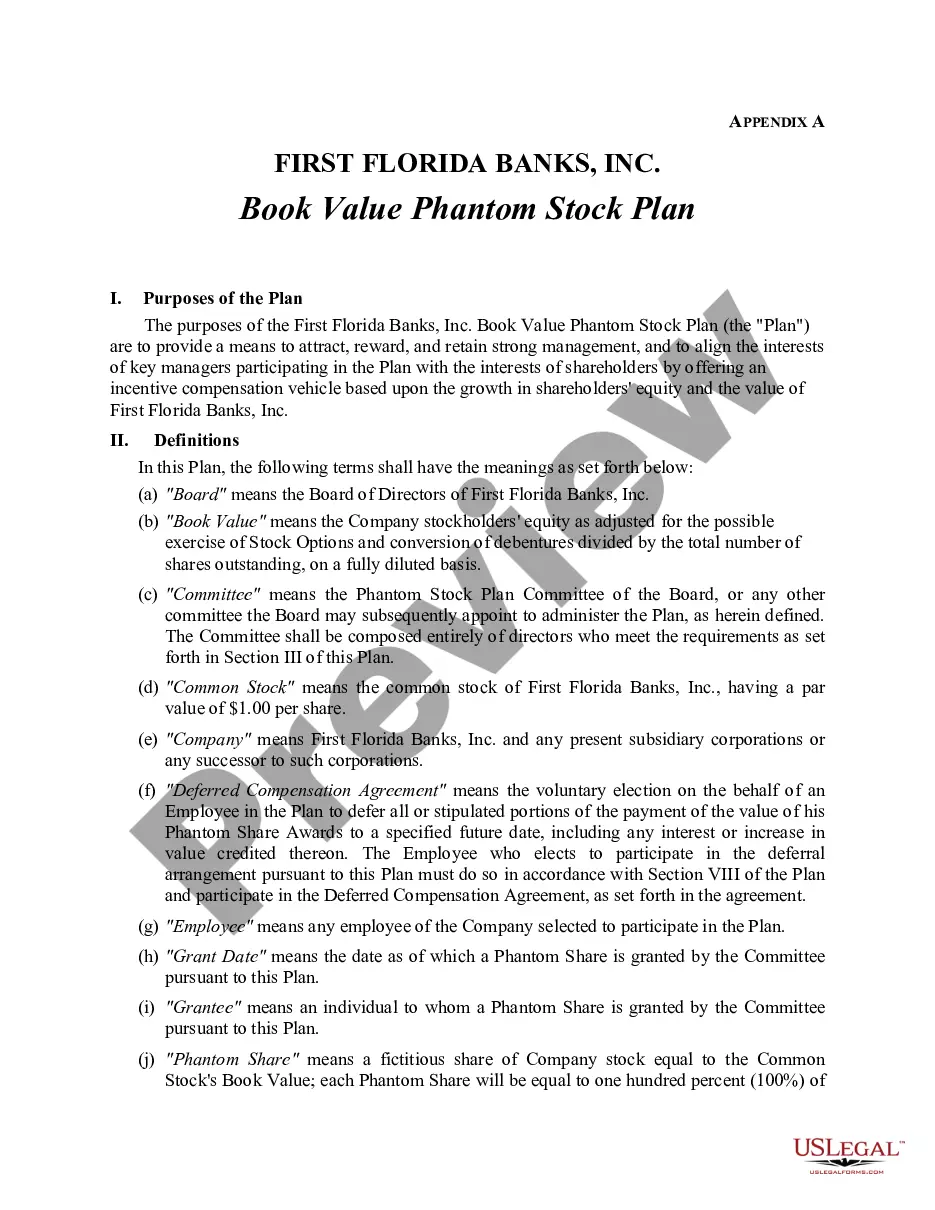
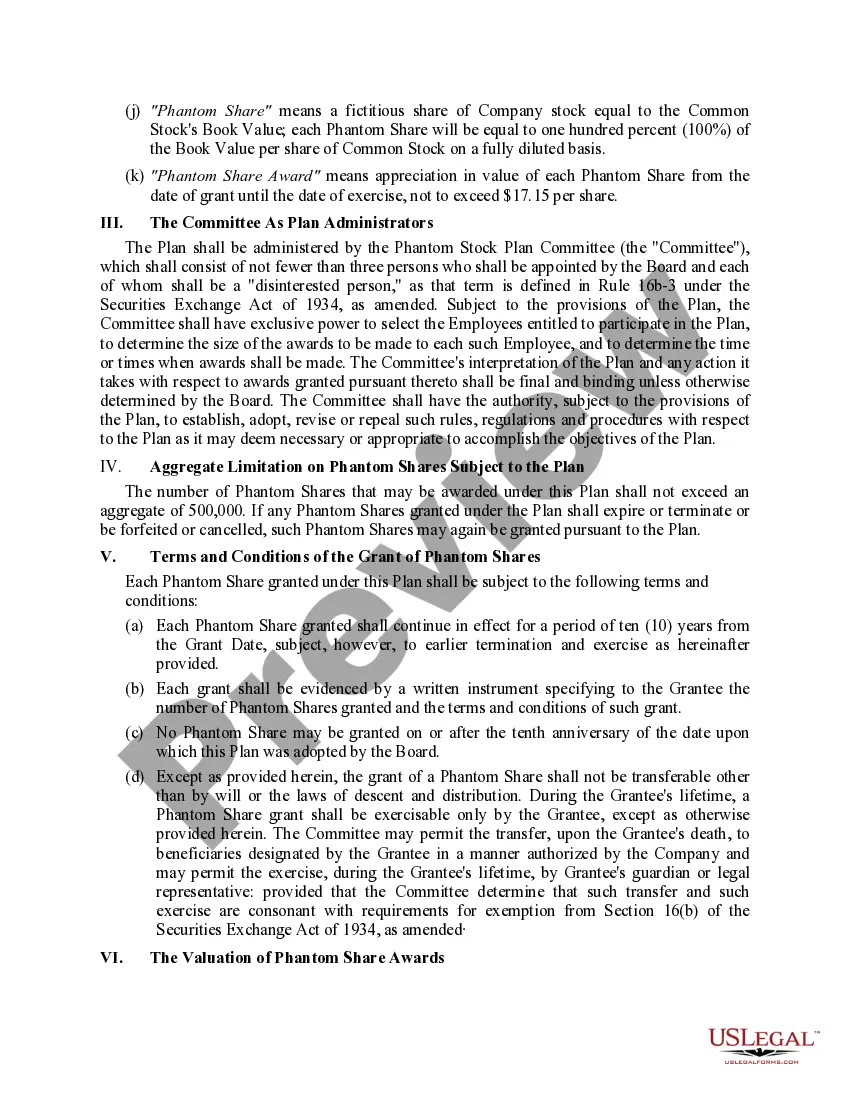
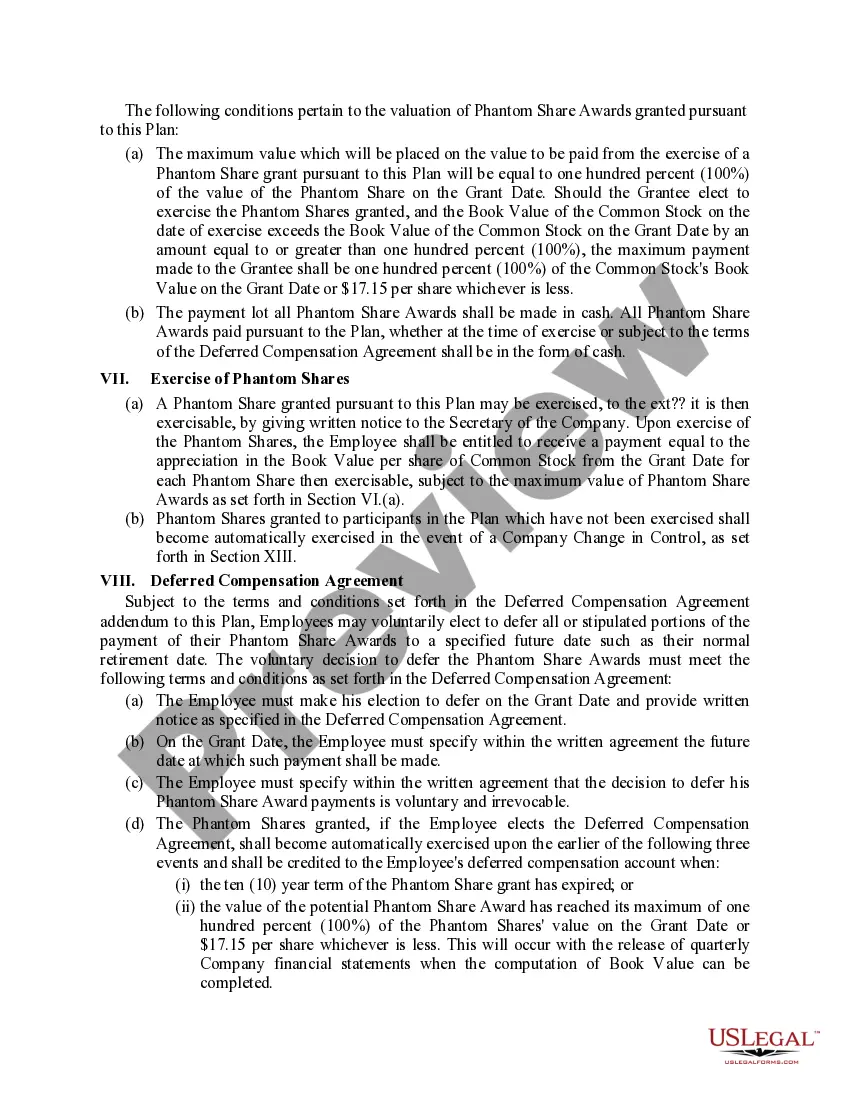
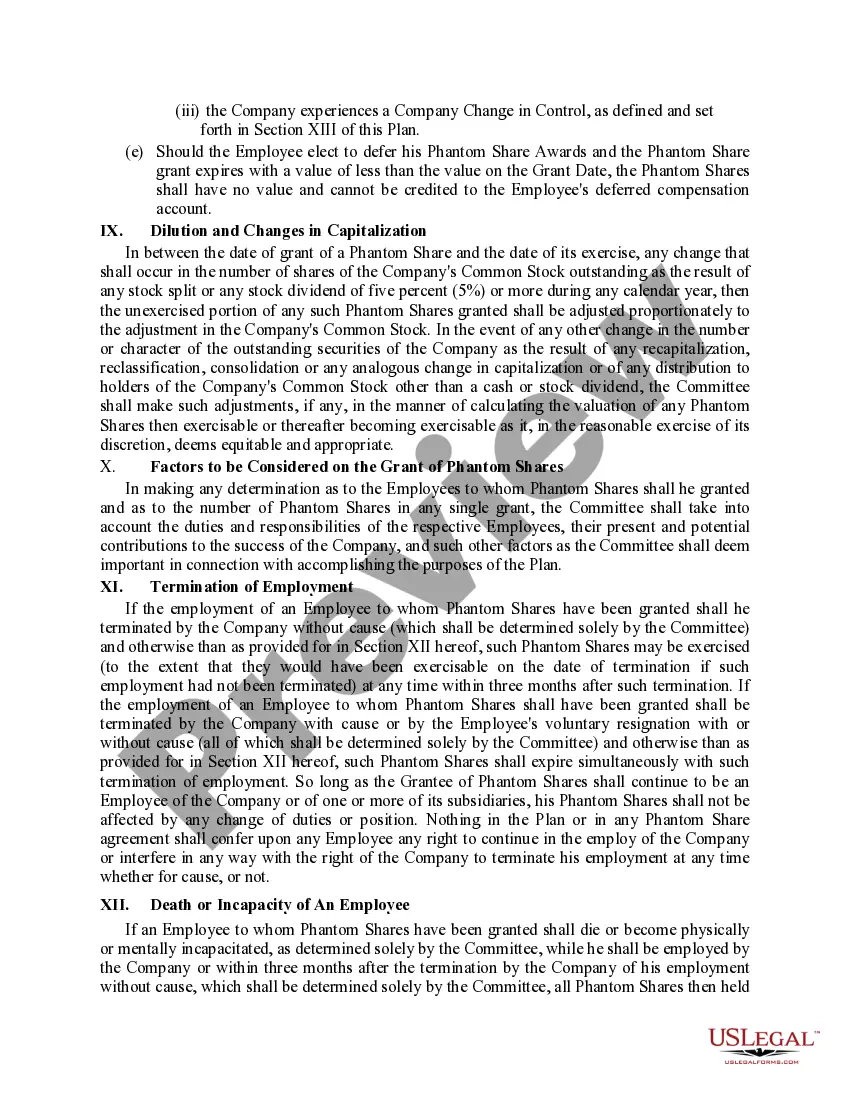
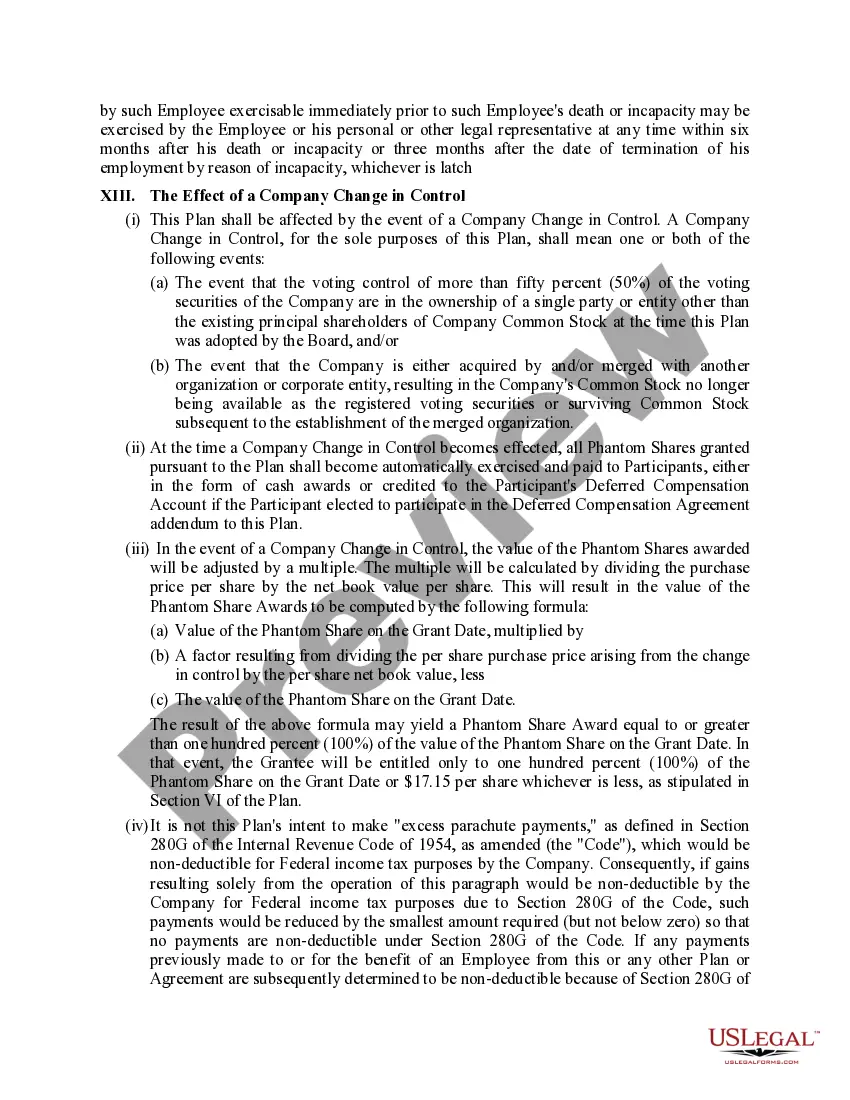
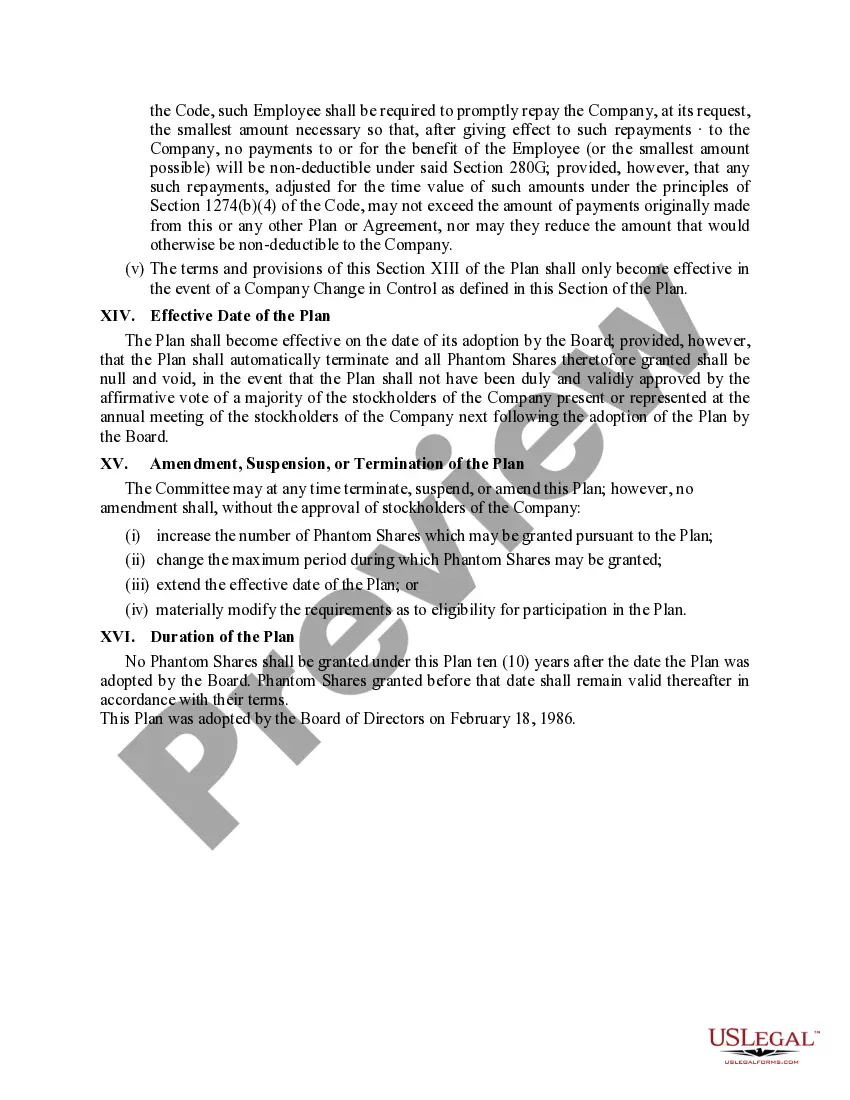
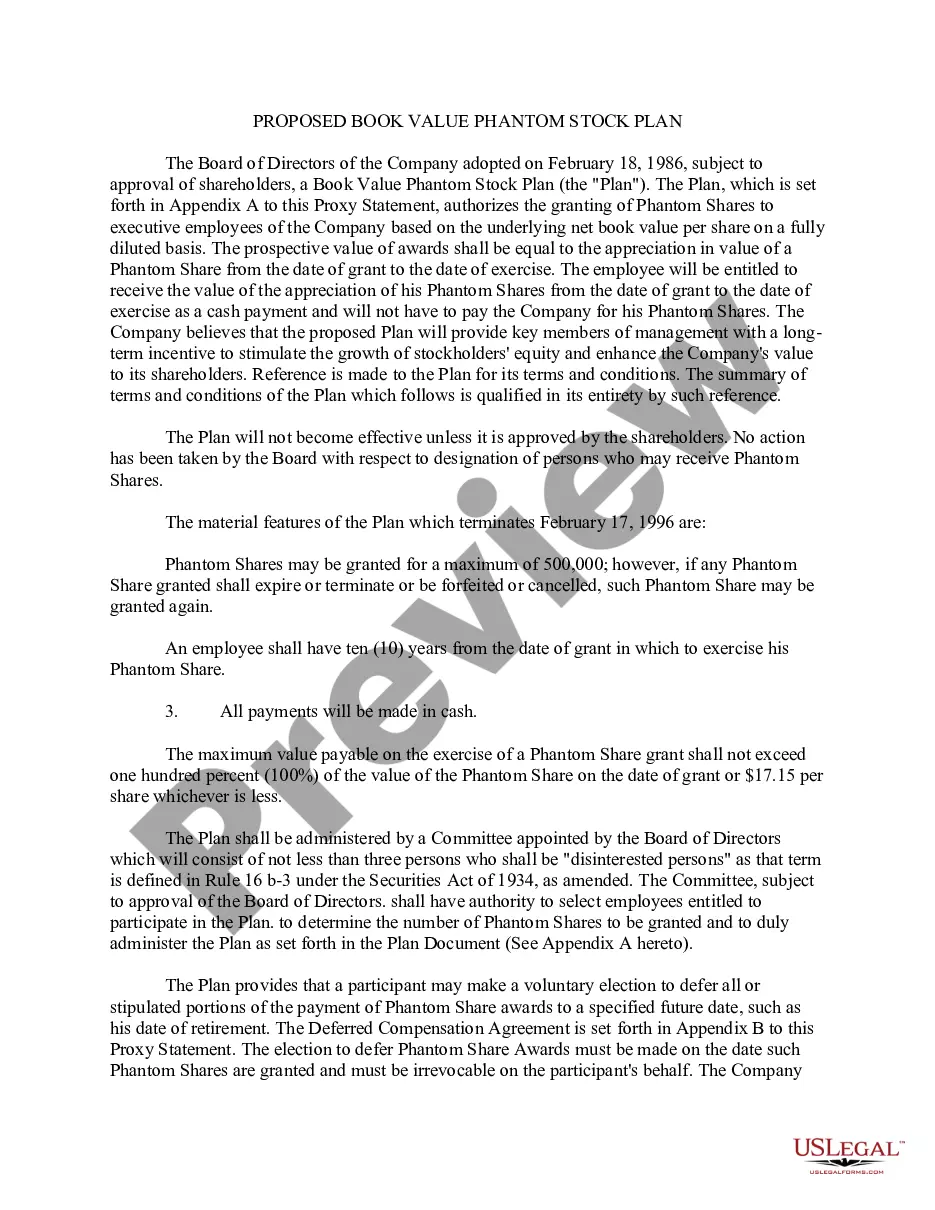
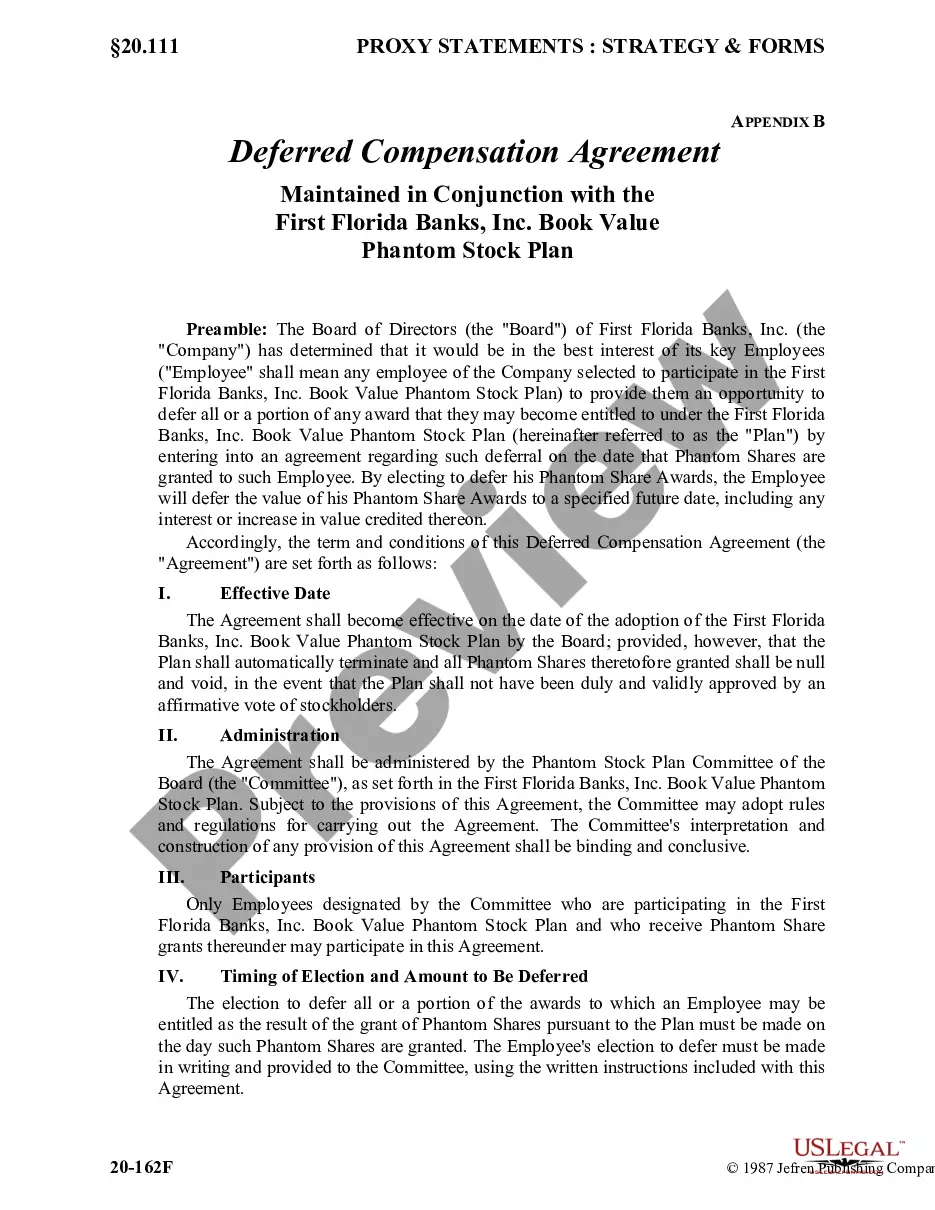
How to fill out Book Value Phantom Stock Plan Of First Florida Banks, Inc.?
- If you are a returning user, log in to your account. Ensure your subscription is current, and click the Download button to get your form template.
- For first-time users, start by exploring the Preview mode and form descriptions. Confirm you select a template that matches your needs and adheres to local jurisdiction requirements.
- If the initial template doesn’t meet your criteria, utilize the Search tab to find a more suitable option.
- Once you find the right document, click the Buy Now button and choose your preferred subscription plan, registering for an account to access the full range of resources.
- Complete your purchase by entering your credit card information or using your PayPal account for secure payment.
- Finally, download the form and save it on your device. You can also access it anytime from the My Forms section of your profile.
Utilizing US Legal Forms eliminates the hassle of traditional legal document preparation, providing users with a robust collection of over 85,000 fillable forms.
Elevate your business with a phantom stock plan today! Experience the convenience of US Legal Forms and empower your legal processes.
Form popularity
FAQ
Calculating a phantom share usually requires understanding the company's valuation and the specific terms of the phantom stock plan example. Start by determining the company's value, then establish the phantom share’s value based on a predetermined formula. This often includes factors like the company's preferred stock, market fluctuations, or performance metrics. If you need assistance with calculations, US Legal Forms offers tools and examples to help you accurately determine phantom shares.
Setting up a phantom stock plan involves several steps to ensure it meets your company’s needs. First, define the plan’s objectives, such as incentivizing employees and aligning their interests with shareholders. Next, create clear terms and conditions, including eligibility criteria and payout methods. For a comprehensive guide, consider using the US Legal Forms platform, which provides templates and resources to help you design an effective phantom stock plan example.
One notable disadvantage of phantom shares is that they may result in a higher tax burden for employees at payout, compared to traditional stock options. Additionally, the absence of actual share ownership means employees do not have voting rights or dividends. Despite these drawbacks, many companies find their advantages with a phantom stock plan example outweigh the cons, especially in terms of simplicity and employee motivation.
Phantom share plans are compensation arrangements that grant employees benefits based on the company's stock value without actually transferring ownership. They motivate employees to contribute to growth, knowing they can receive significant monetary rewards. A well-structured phantom stock plan example can foster loyalty and improve retention by aligning employee and company interests.
Phantom shares are also known as 'shadow stock' because they mimic the value of real shares without the direct ownership. This term highlights the nature of these shares, which provide employees with a financial stake in the company's performance. Understanding this can help you grasp how a phantom stock plan example aligns employee goals with organizational growth.
A common example of a phantom share is when a company grants an employee 100 phantom shares that increase in value as the company grows. When the vested period ends, the employee receives a payout equivalent to the shares' market value. This kind of arrangement, as a phantom stock plan example, aligns the employee's interests with the company's success without giving them actual shares.
Setting up a phantom stock plan requires careful planning and legal documentation. Begin by identifying the target group of employees and deciding the number of phantom shares to grant. It’s advisable to consult legal experts or use resources from US Legal Forms for the appropriate templates to draft the plan effectively.
To create a phantom stock plan, begin by defining the plan’s objectives and selecting performance metrics that align with company goals. Next, establish clear terms for the plan, including vesting schedules and payout conditions. Utilizing a platform like US Legal Forms can simplify drafting necessary documents and ensure compliance with legal requirements.
Integrating a phantom stock plan can be a good idea if you aim to incentivize employees without diluting ownership. This plan allows companies to reward employees based on equity-like performance, enhancing loyalty. However, it is important to weigh the benefits against potential limitations such as tax implications and payout structures.
The purpose of a phantom stock plan is to align the interests of employees with the company's financial performance. This type of plan motivates employees by rewarding them for contributing to the company's success. Additionally, it helps in retaining talent, as employees will be more invested in the company's long-term growth based on their phantom share value.