Stock Appreciation Right With The World
Description

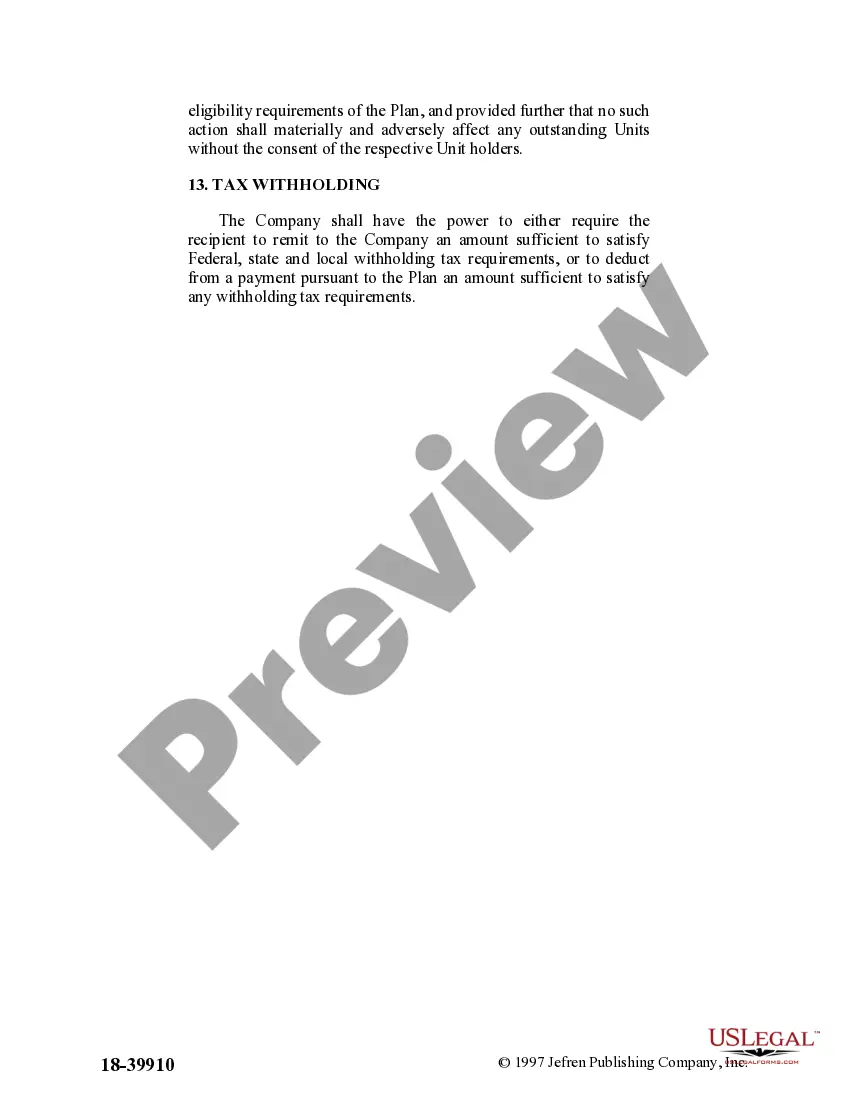

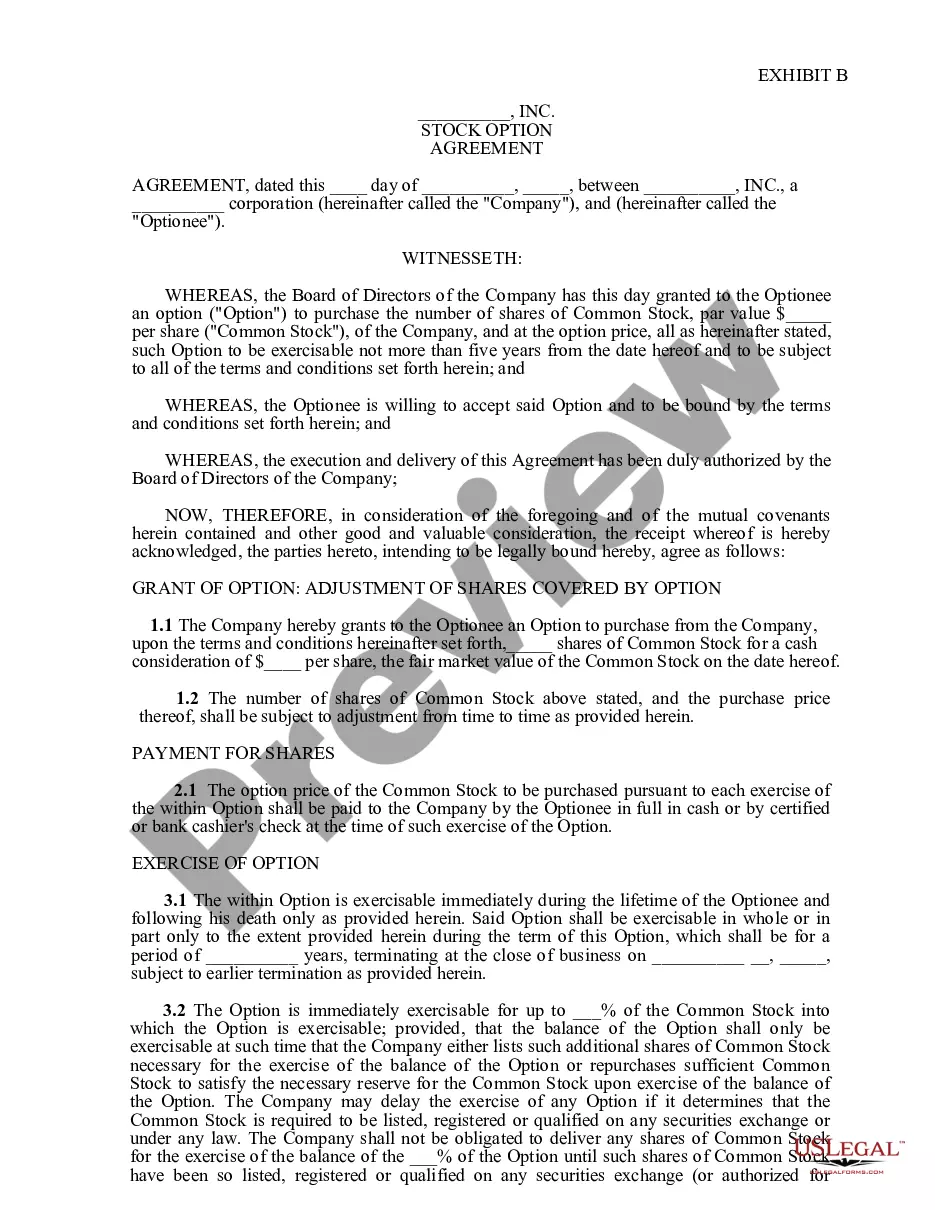

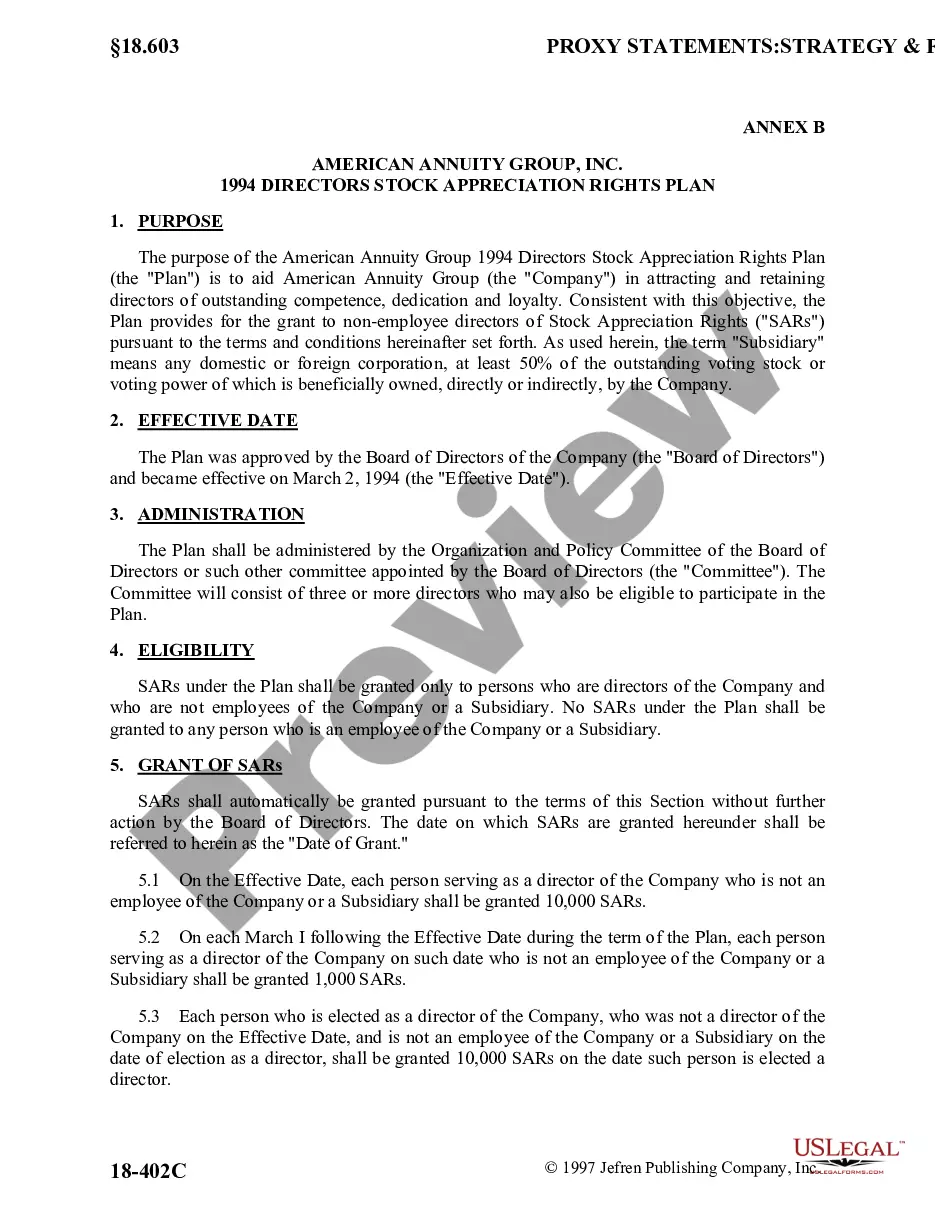
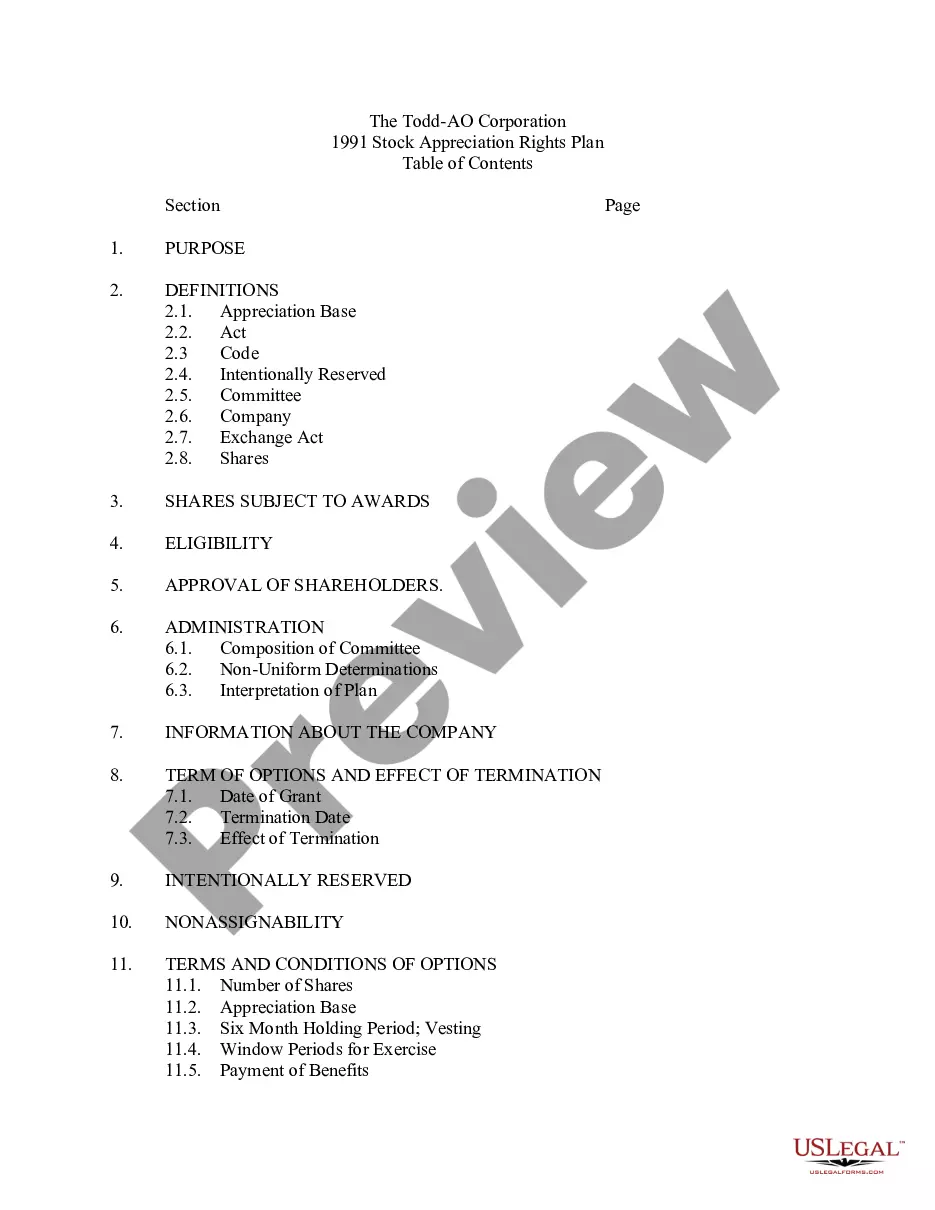
Get your form ready online
Our built-in tools help you complete, sign, share, and store your documents in one place.
Make edits, fill in missing information, and update formatting in US Legal Forms—just like you would in MS Word.
Download a copy, print it, send it by email, or mail it via USPS—whatever works best for your next step.
Sign and collect signatures with our SignNow integration. Send to multiple recipients, set reminders, and more. Go Premium to unlock E-Sign.
If this form requires notarization, complete it online through a secure video call—no need to meet a notary in person or wait for an appointment.
We protect your documents and personal data by following strict security and privacy standards.

Make edits, fill in missing information, and update formatting in US Legal Forms—just like you would in MS Word.

Download a copy, print it, send it by email, or mail it via USPS—whatever works best for your next step.

Sign and collect signatures with our SignNow integration. Send to multiple recipients, set reminders, and more. Go Premium to unlock E-Sign.

If this form requires notarization, complete it online through a secure video call—no need to meet a notary in person or wait for an appointment.

We protect your documents and personal data by following strict security and privacy standards.
Looking for another form?










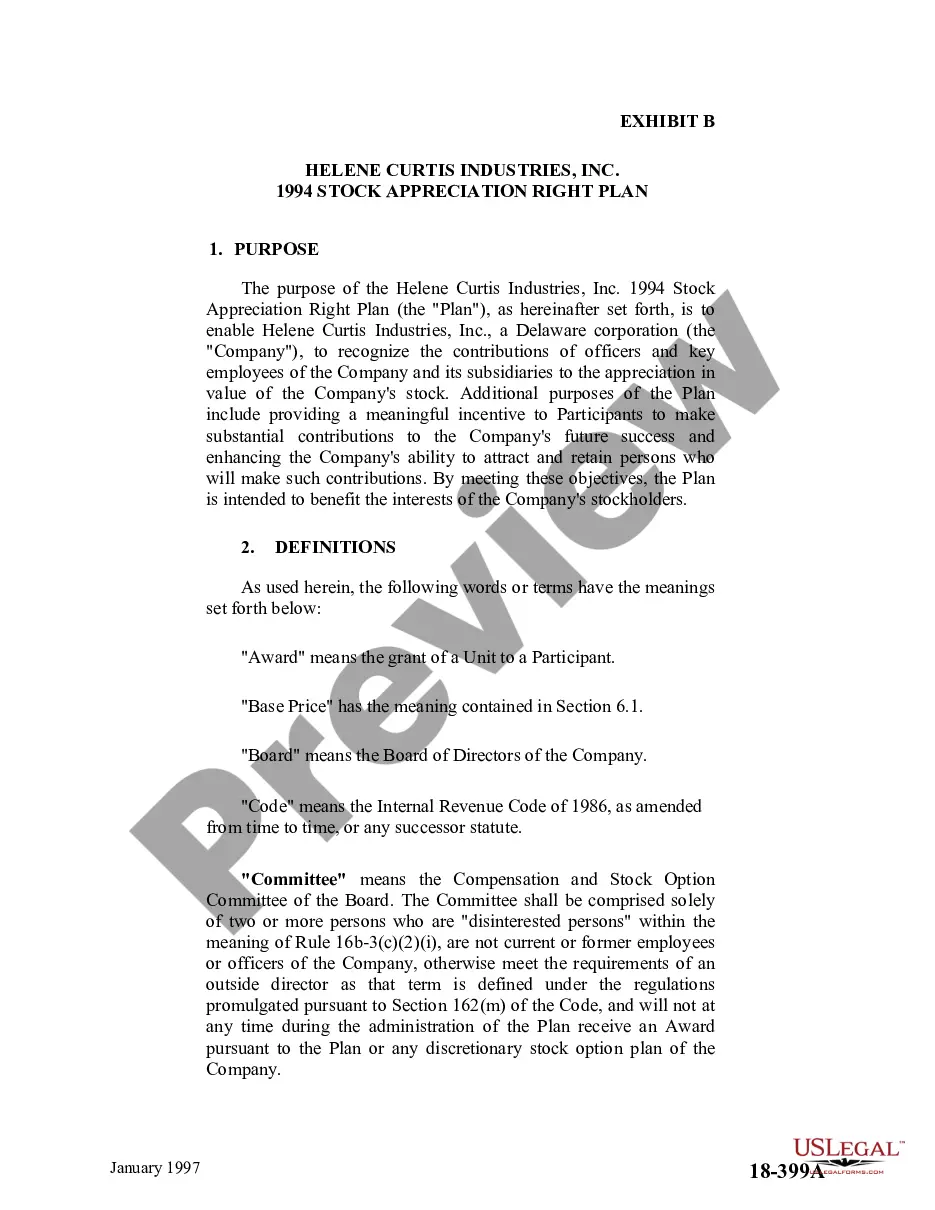
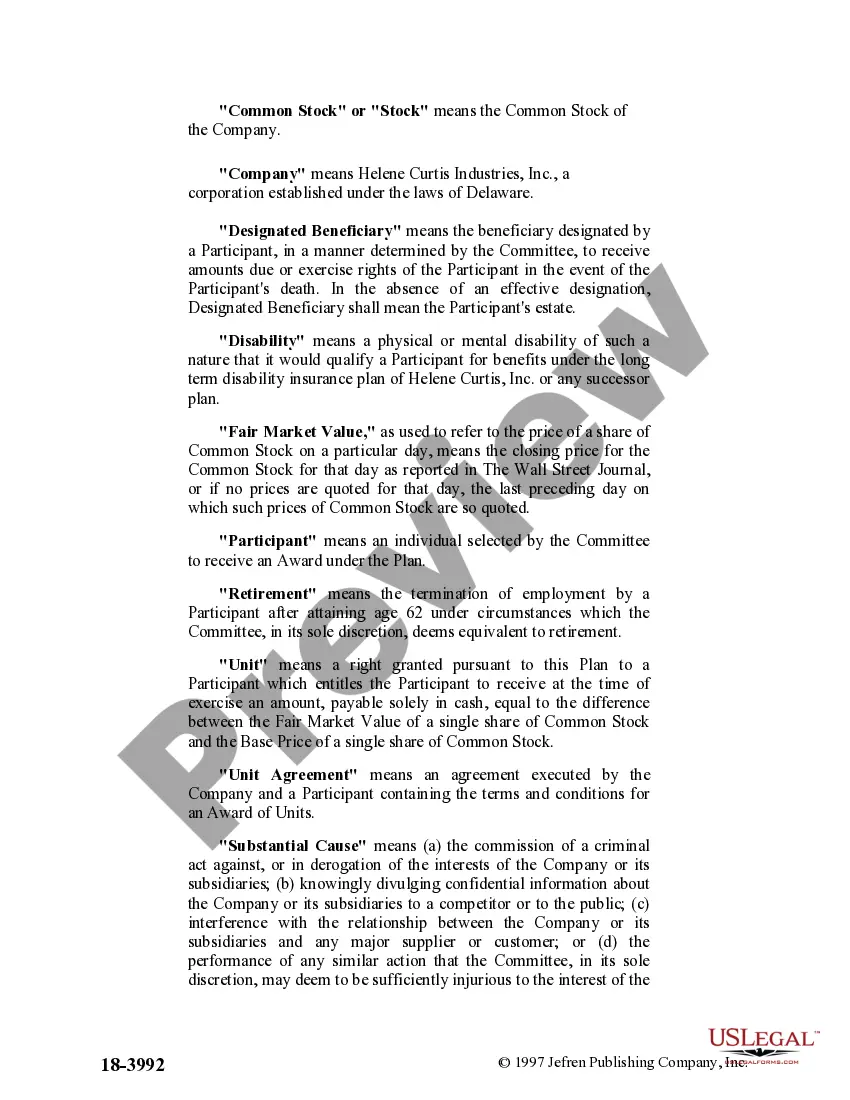
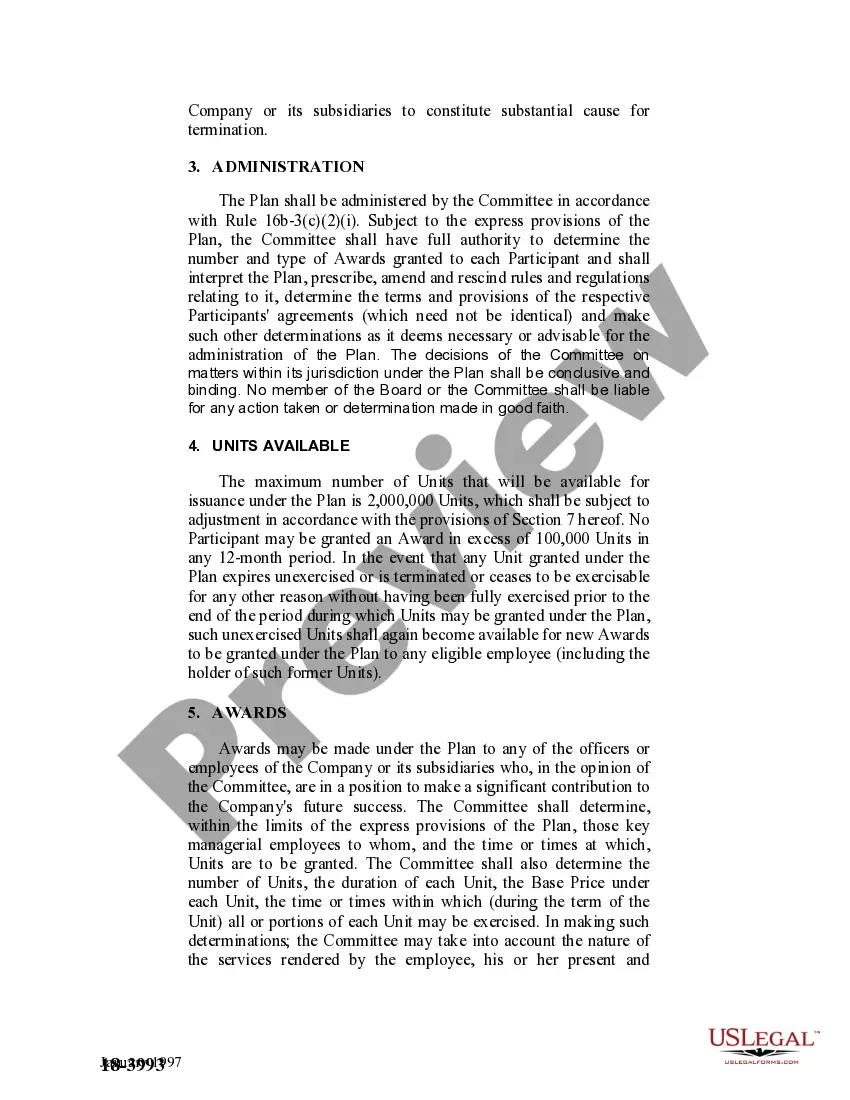
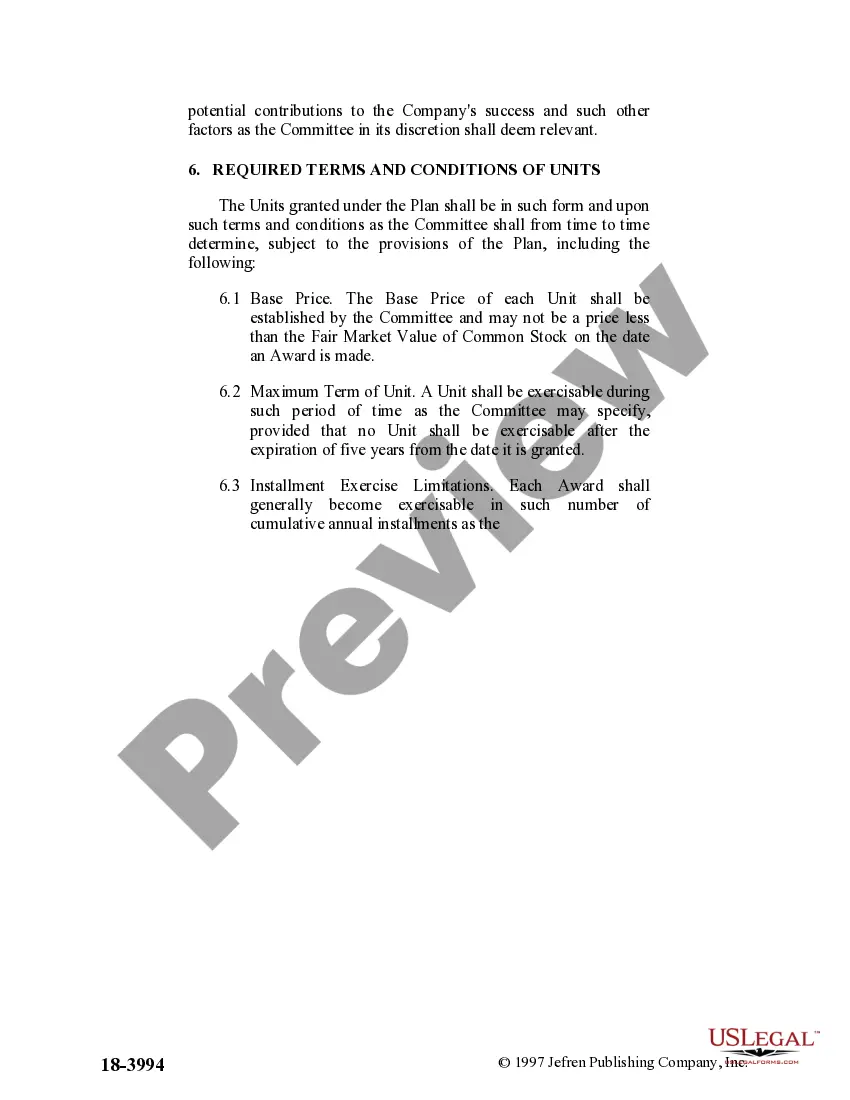
How to fill out Stock Appreciation Right Plan Of Helene Curtis Industries, Inc.?
- Start by logging into your existing US Legal Forms account. Ensure your subscription is active to access the full library.
- If you are new, browse the extensive online library containing over 85,000 legal documents. Use the Preview mode to verify you've selected the right form for your needs.
- If you do not find a suitable template, utilize the Search tab to explore other options until you locate the perfect match.
- Once your form is confirmed, click the Buy Now button. Choose a subscription plan that aligns with your requirements and register for an account.
- Complete the purchase by entering your payment information. US Legal Forms accepts credit card and PayPal transactions for your convenience.
- Finally, download the selected document to your device. You can access it anytime through the My Forms menu in your profile.
With US Legal Forms, obtaining the appropriate legal documents is straightforward thanks to their user-friendly interface and vast selection. Whether you are an individual or an attorney, their resources empower you to create legally sound documents.
Ready to streamline your legal process? Join US Legal Forms today and make document creation effortless!
Form popularity
FAQ
Taxation of stock appreciation rights can depend on various factors, including the plan's structure and federal tax laws. Generally, when you exercise a stock appreciation right, the income you receive is treated as ordinary income and is subject to income tax and payroll taxes. Additionally, the employer may withhold a portion of the shares to cover these taxes. To navigate the complexities, consider exploring resources such as US Legal Forms for expert guidance on handling tax implications related to stock appreciation rights with the world.
Yes, stock appreciation rights do have an expiration date which varies based on the company's policies or the terms set at the time of the grant. It's crucial to be aware of these timelines, as failing to act before the expiration could mean losing your rights altogether. Keeping track of these details ensures you don't miss out on potential gains. For comprehensive information and deadlines, US Legal can assist in managing your stock appreciation rights effectively.
Stock appreciation rights can be granted to employees, directors, and sometimes consultants who contribute to a company's success. This flexibility makes them an appealing incentive for various roles within an organization. Typically, companies utilize them to align employee interests with those of the shareholders. If you're exploring your options, US Legal offers resources to better understand eligibility and structure for these rights.
The 83 B stock appreciation rights allow you to report the value of the stock appreciation rights as income when granted, rather than when you exercise them. This election can lead to tax savings if you anticipate stock values increasing over time. It's a strategic move that benefits individuals looking to optimize their tax situation. Consulting with US Legal can provide you with the necessary insights on how these rights can work to your advantage.
To obtain stock appreciation rights, you usually need to be offered them as part of an employment agreement or compensation package. Companies often grant these rights to key employees as incentives. It’s essential to discuss these opportunities with your employer during negotiations. If you seek guidance on this topic, US Legal Forms can provide you with the necessary legal documents to streamline your request.
IRS stock appreciation rights are a type of employee benefit that allows workers to receive compensation based on the increase in the company's stock value. It is important to understand that the IRS treats these rights as a form of deferred compensation, which has specific tax implications. Therefore, it’s wise to consult with a tax professional to navigate the complexities of SARs and ensure compliance with IRS regulations regarding stock appreciation rights with the world.