Stock Warrant In Tagalog
Description
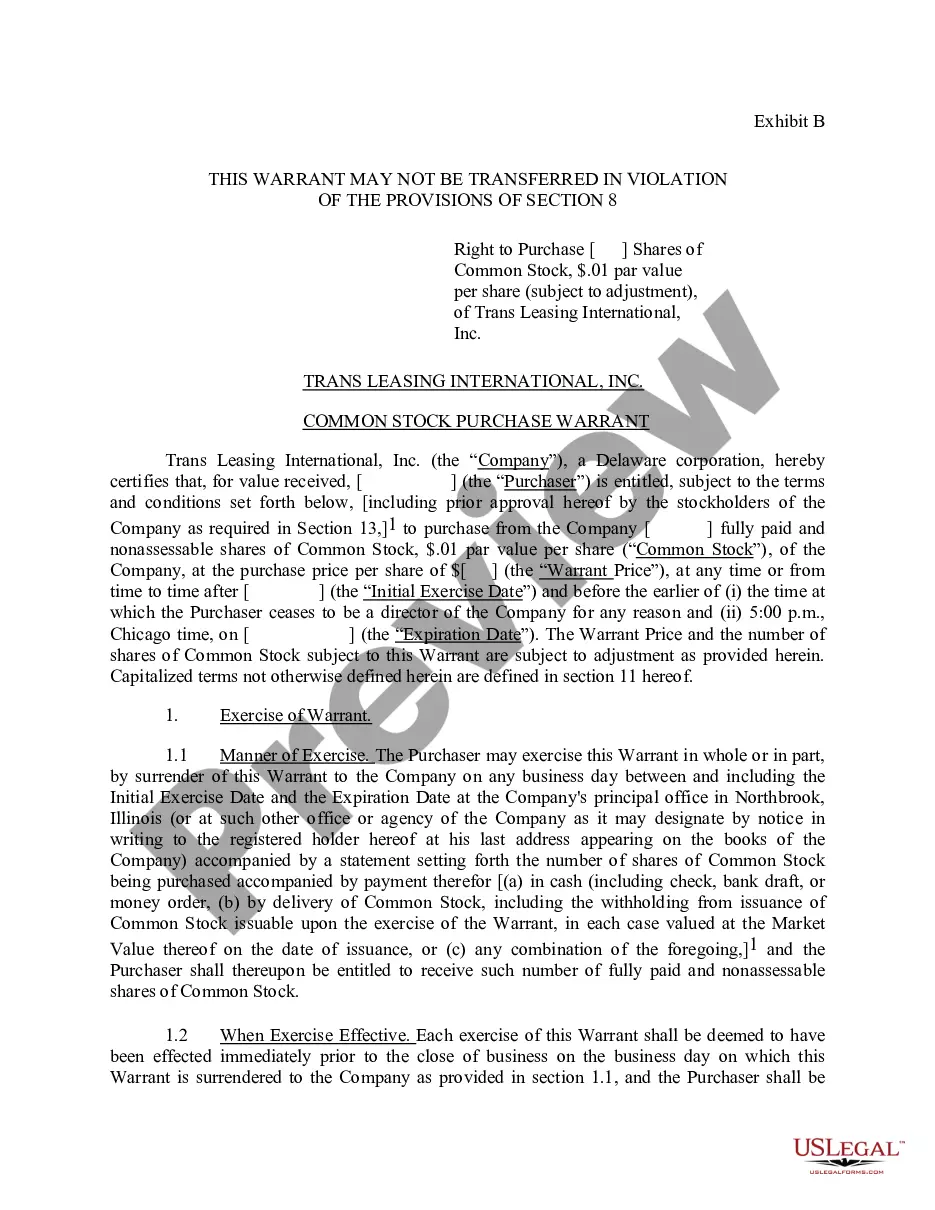
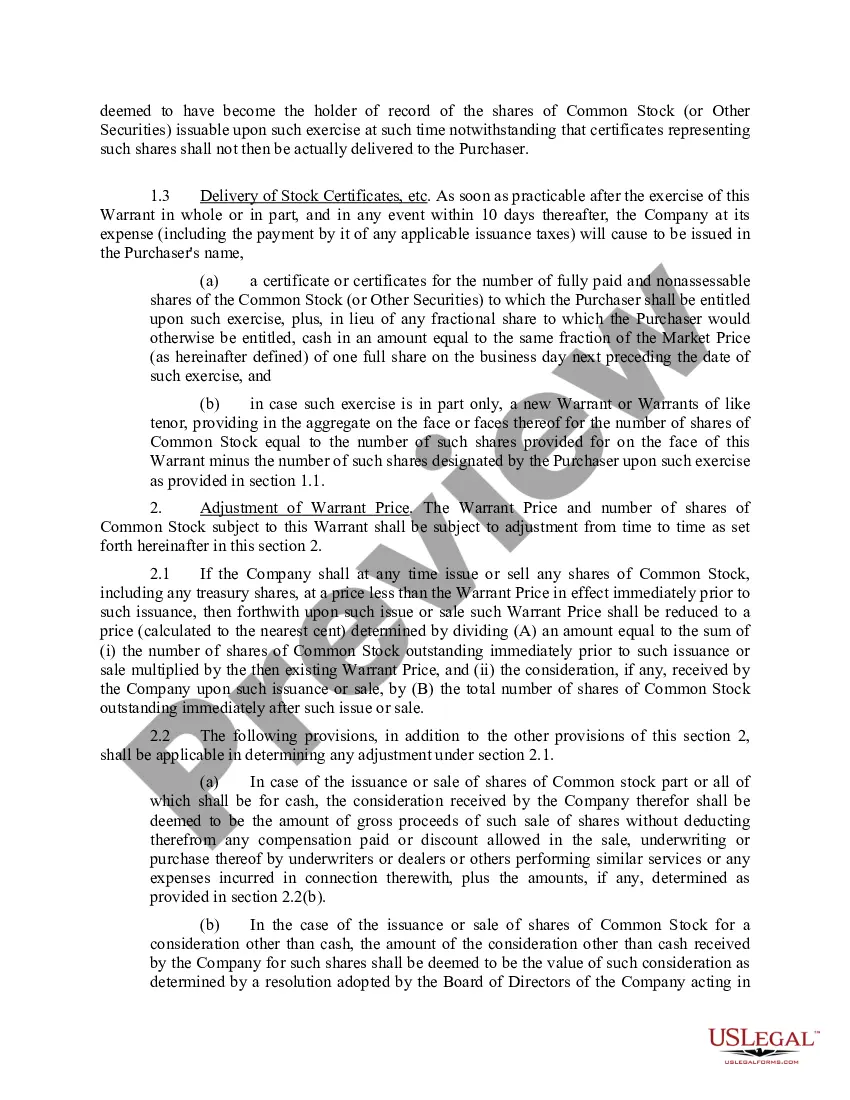
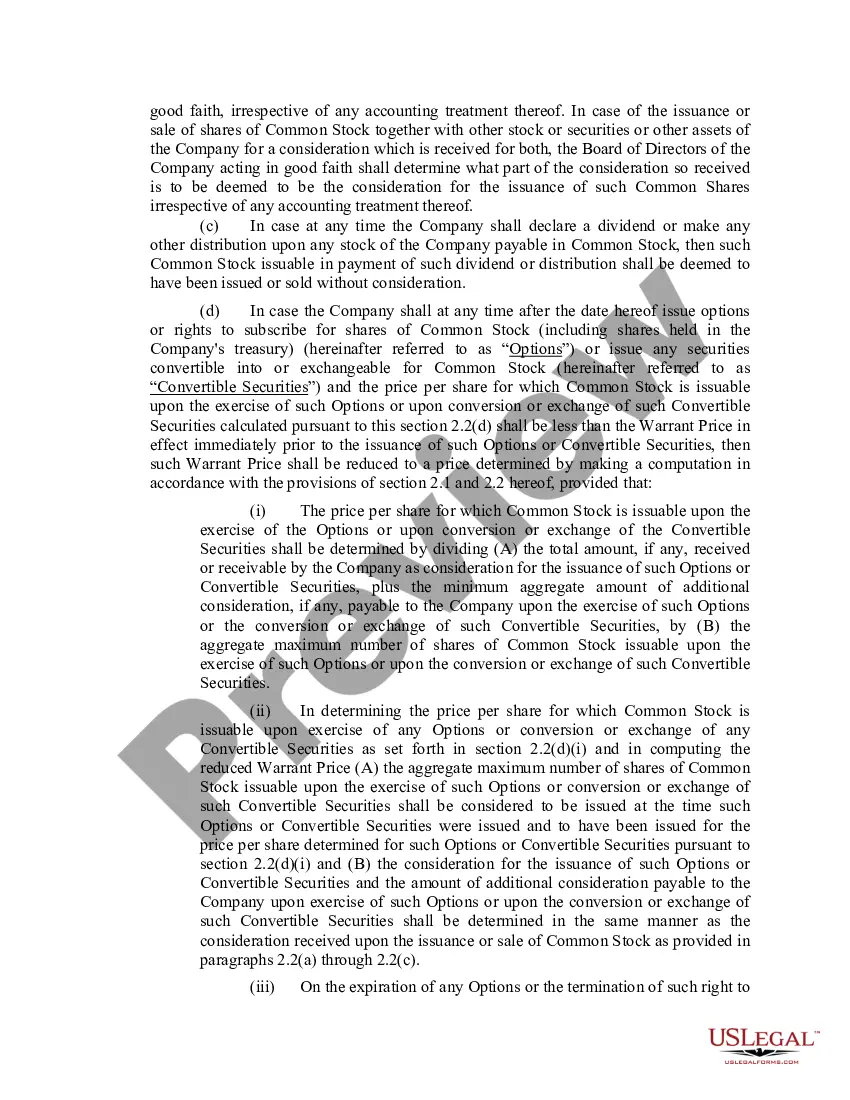
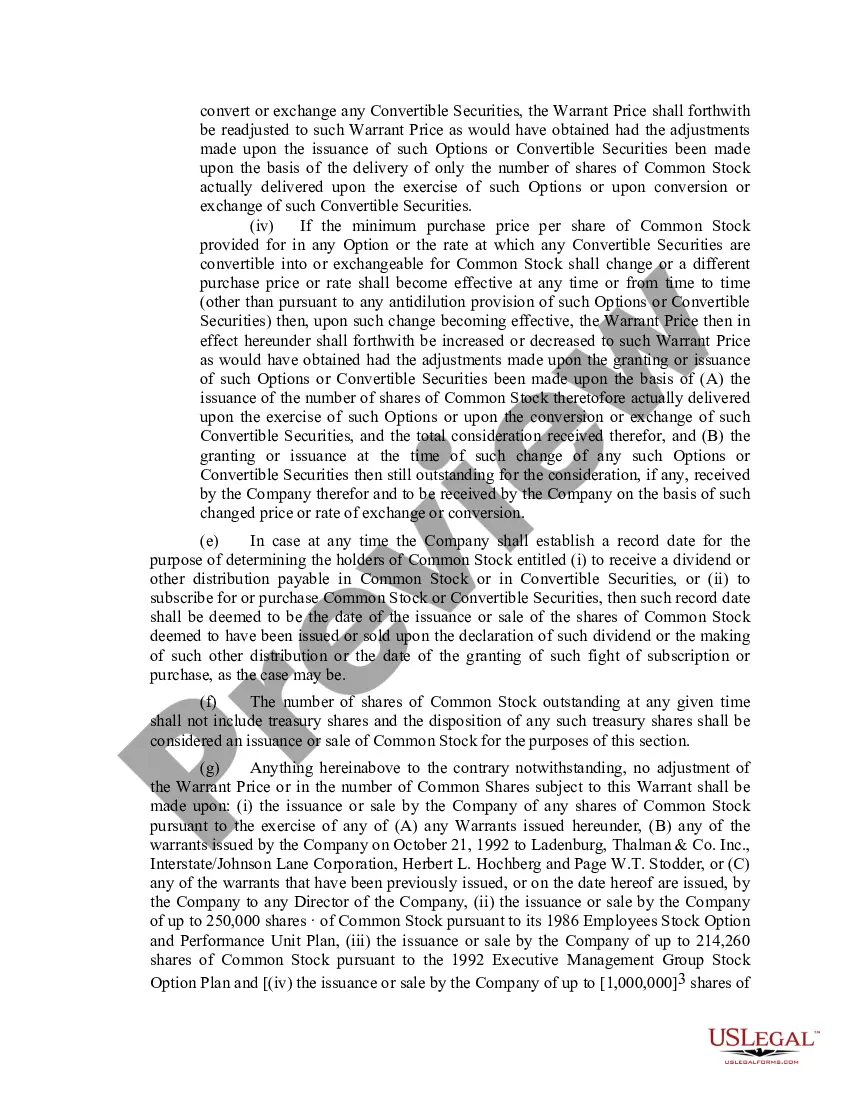

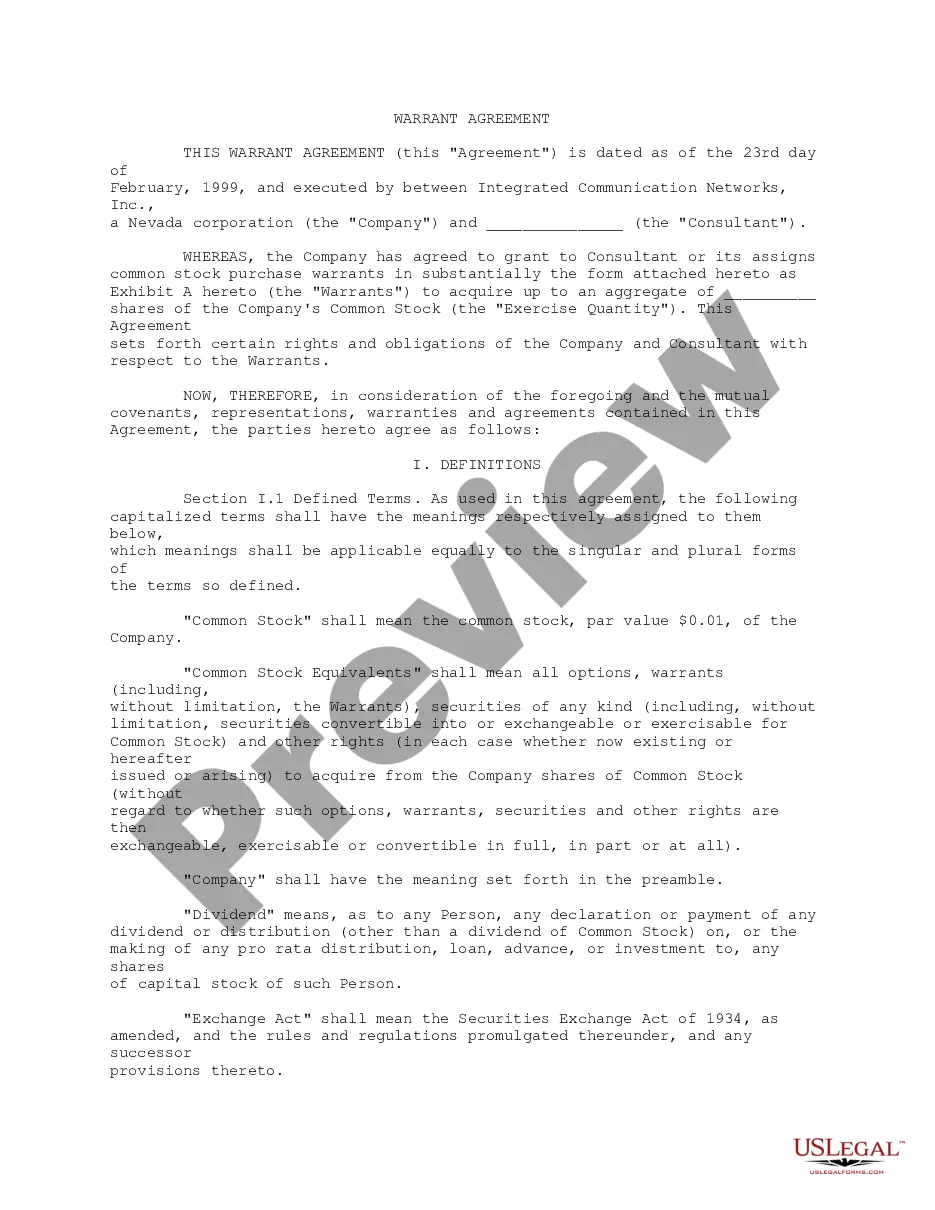
Get your form ready online
Our built-in tools help you complete, sign, share, and store your documents in one place.
Make edits, fill in missing information, and update formatting in US Legal Forms—just like you would in MS Word.
Download a copy, print it, send it by email, or mail it via USPS—whatever works best for your next step.
Sign and collect signatures with our SignNow integration. Send to multiple recipients, set reminders, and more. Go Premium to unlock E-Sign.
If this form requires notarization, complete it online through a secure video call—no need to meet a notary in person or wait for an appointment.
We protect your documents and personal data by following strict security and privacy standards.

Make edits, fill in missing information, and update formatting in US Legal Forms—just like you would in MS Word.

Download a copy, print it, send it by email, or mail it via USPS—whatever works best for your next step.

Sign and collect signatures with our SignNow integration. Send to multiple recipients, set reminders, and more. Go Premium to unlock E-Sign.

If this form requires notarization, complete it online through a secure video call—no need to meet a notary in person or wait for an appointment.

We protect your documents and personal data by following strict security and privacy standards.
Looking for another form?
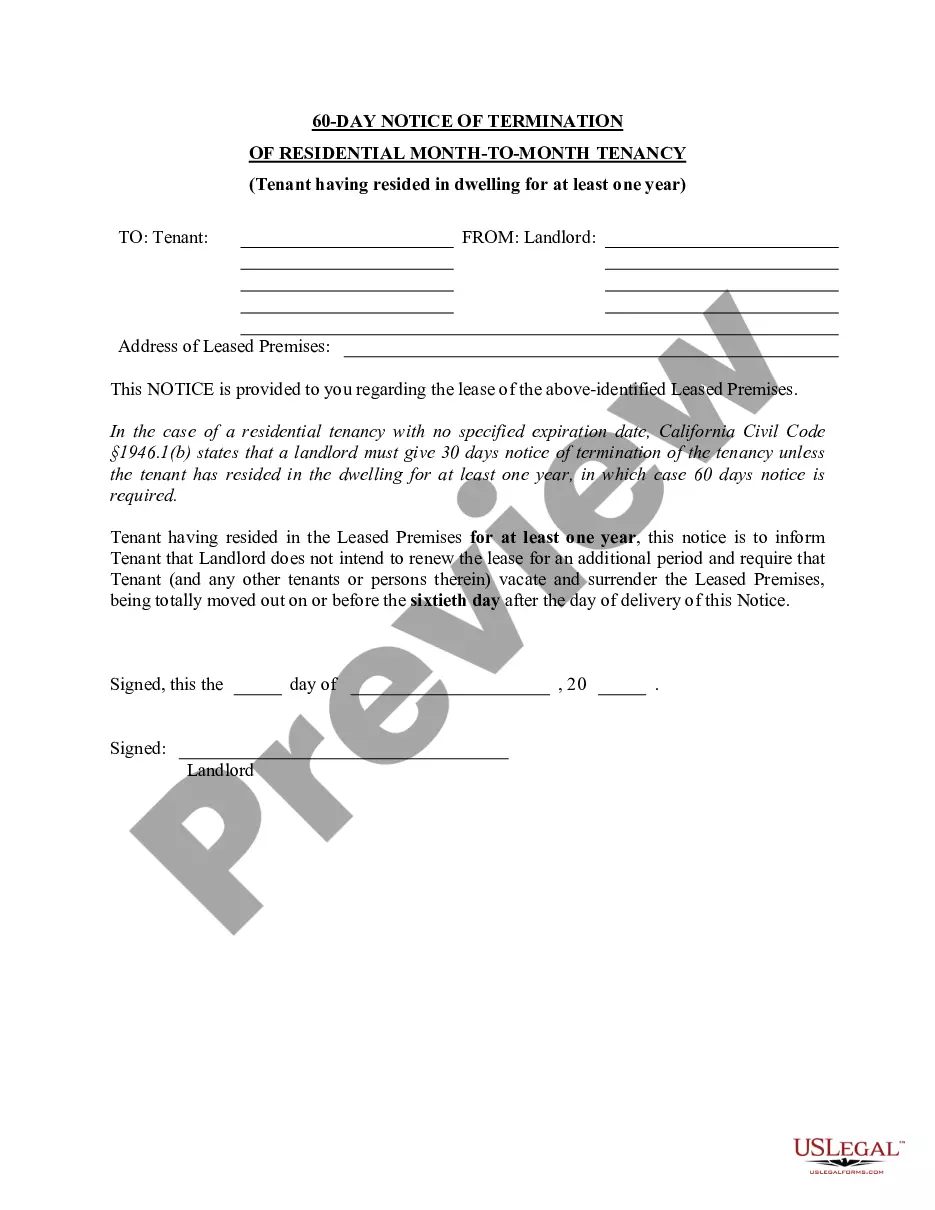




Form popularity
FAQ
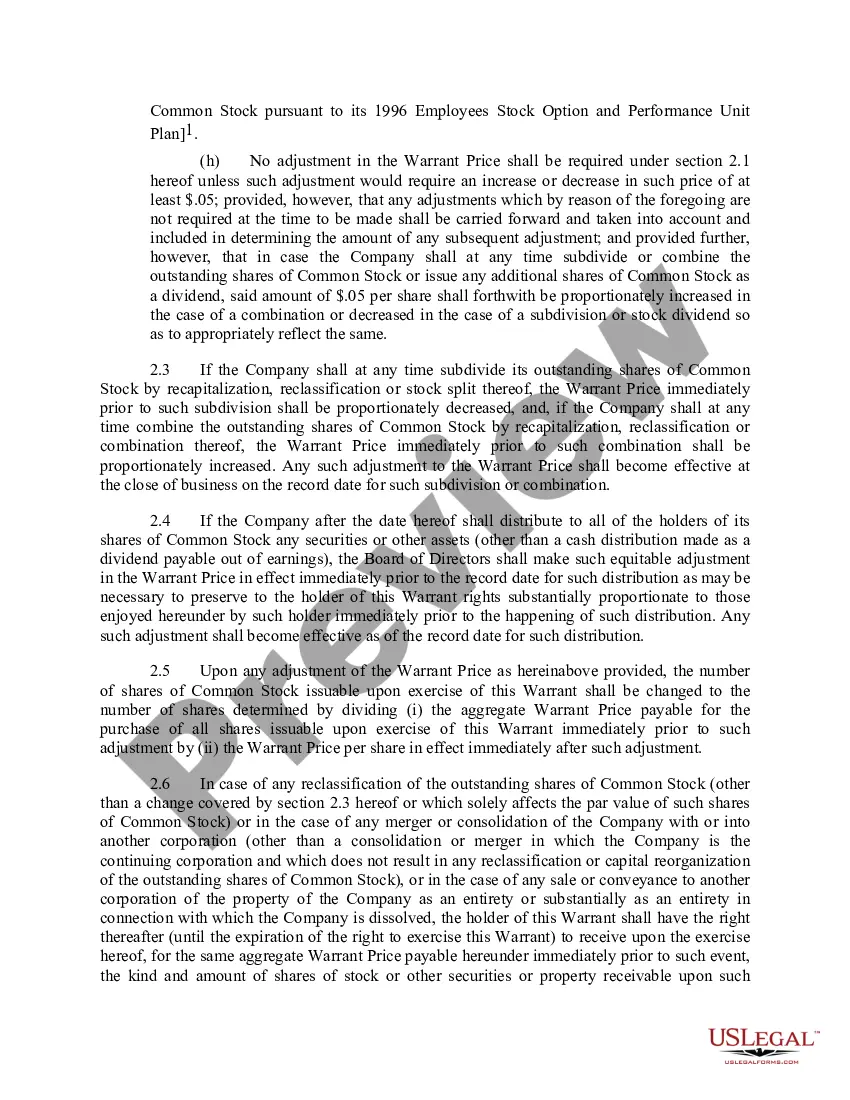
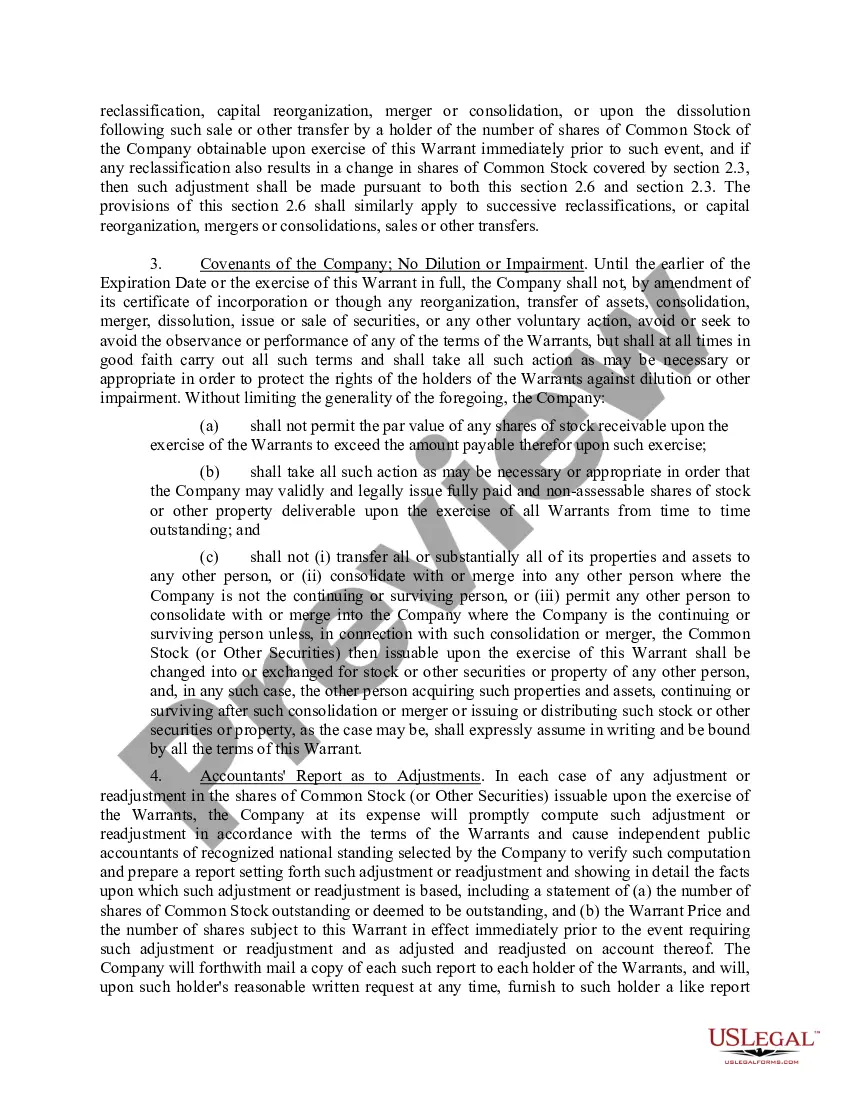
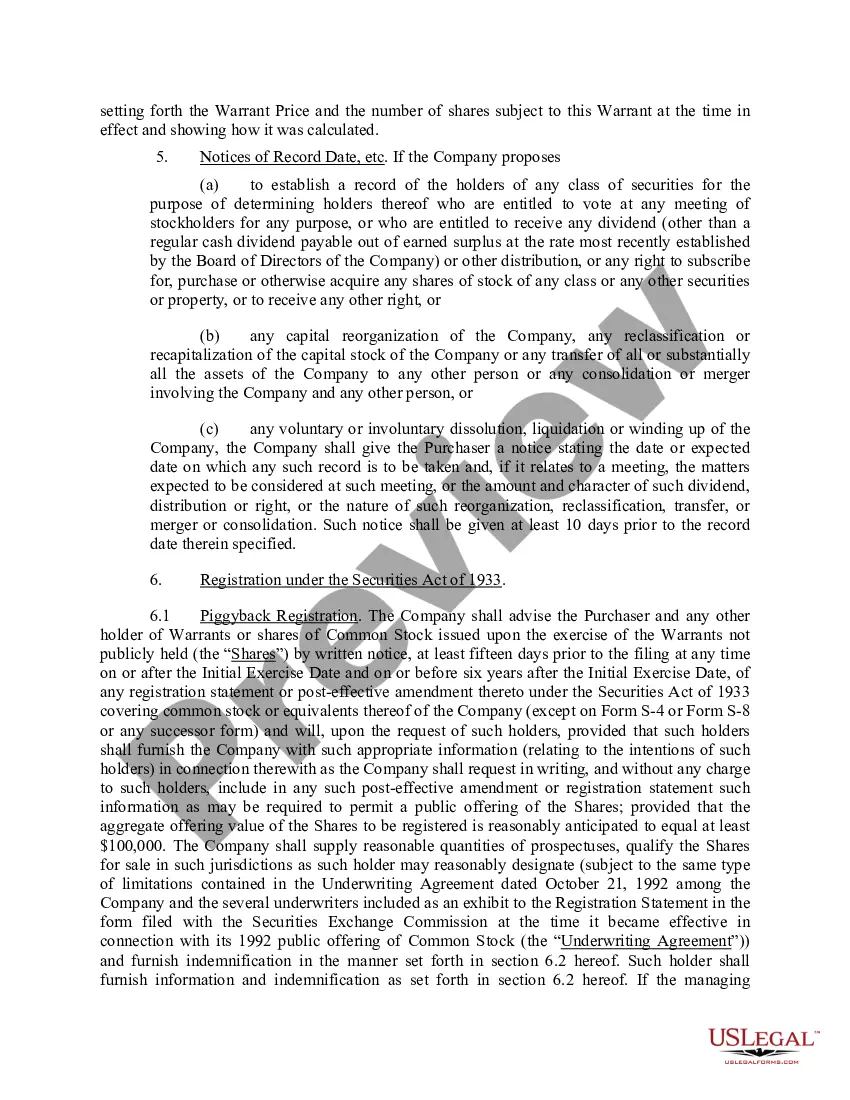
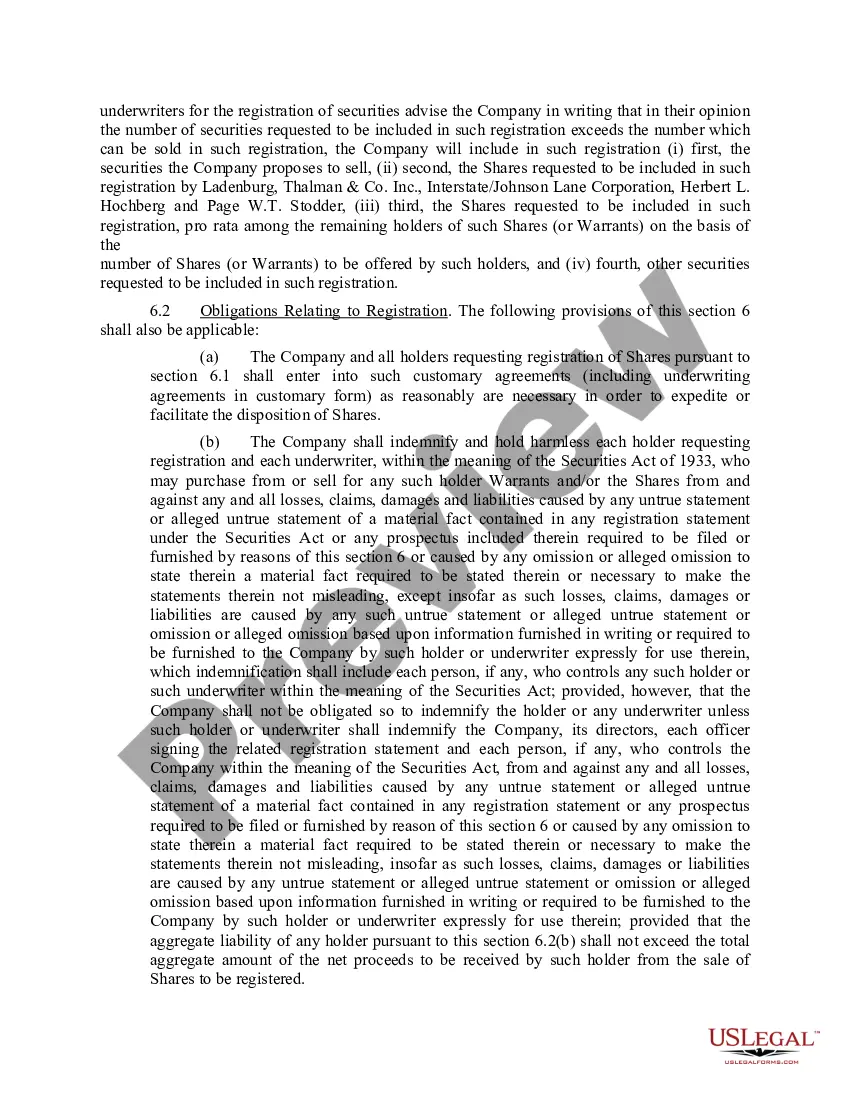
In Tagalog, the word 'warranty' is translated as 'garantiya.' While it may sound similar, its meaning differs from financial instruments like stock warrants. A warranty typically refers to a guarantee on a product's quality or service, but understanding the distinction between these terms can be vital in financial discussions, especially when discussing 'stock warrant in tagalog.'
5% warrant coverage means that for every $100 invested, an investor receives $5 worth of warrants. This ratio indicates how much in warrant value the investor will receive alongside their investment. It’s essential to grasp these concepts when dealing with securities, particularly when discussing stock warrant in Tagalog.
The duration for holding stock warrants usually varies from one company to another, often spanning several years. Typically, companies specify an expiration date for their stock warrants, which means you need to exercise your rights before this date. Holding them requires attention and strategy, especially to optimize your investment's potential. For clarity, resources like US Legal Forms can guide you on the specifics of stock warrants in Tagalog.
Share warrants can be issued by companies that want to provide their shareholders with a flexible investment option. Generally, it is the corporate board that decides to issue share warrants. By offering share warrants, companies can attract investors and strengthen their financial structure. Understanding the process can be made easier with resources like US Legal Forms.
Companies, particularly those that are publicly traded, typically have the authority to issue stock warrants. This action is often utilized as a method of raising capital. Entities such as corporations, investment banks, and sometimes governments may also issue warrants as a part of complex financial packages. If you're exploring stock warrants in Tagalog, understanding the issuer's profile can help you decode their impact on the market.
