Stock Options Plan
Description
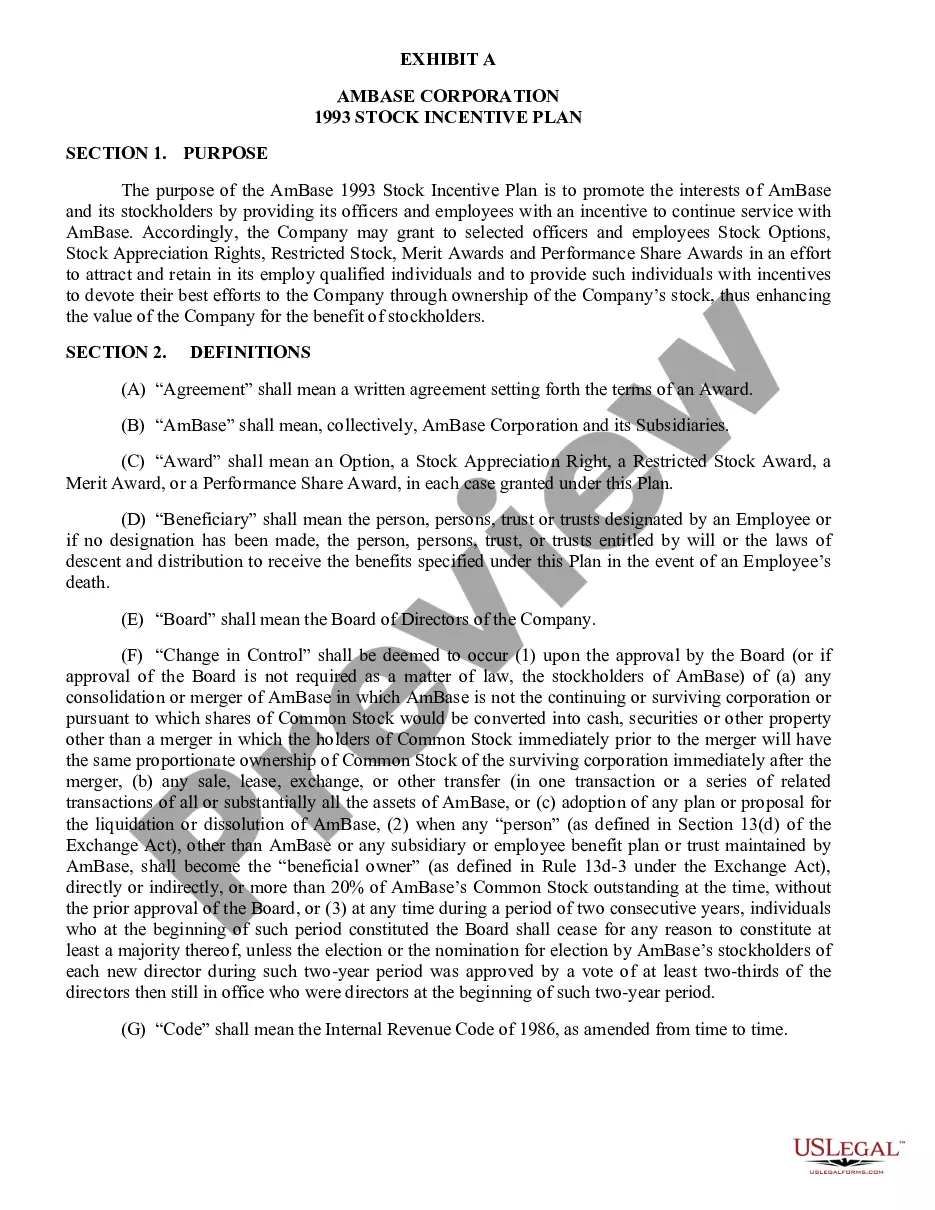
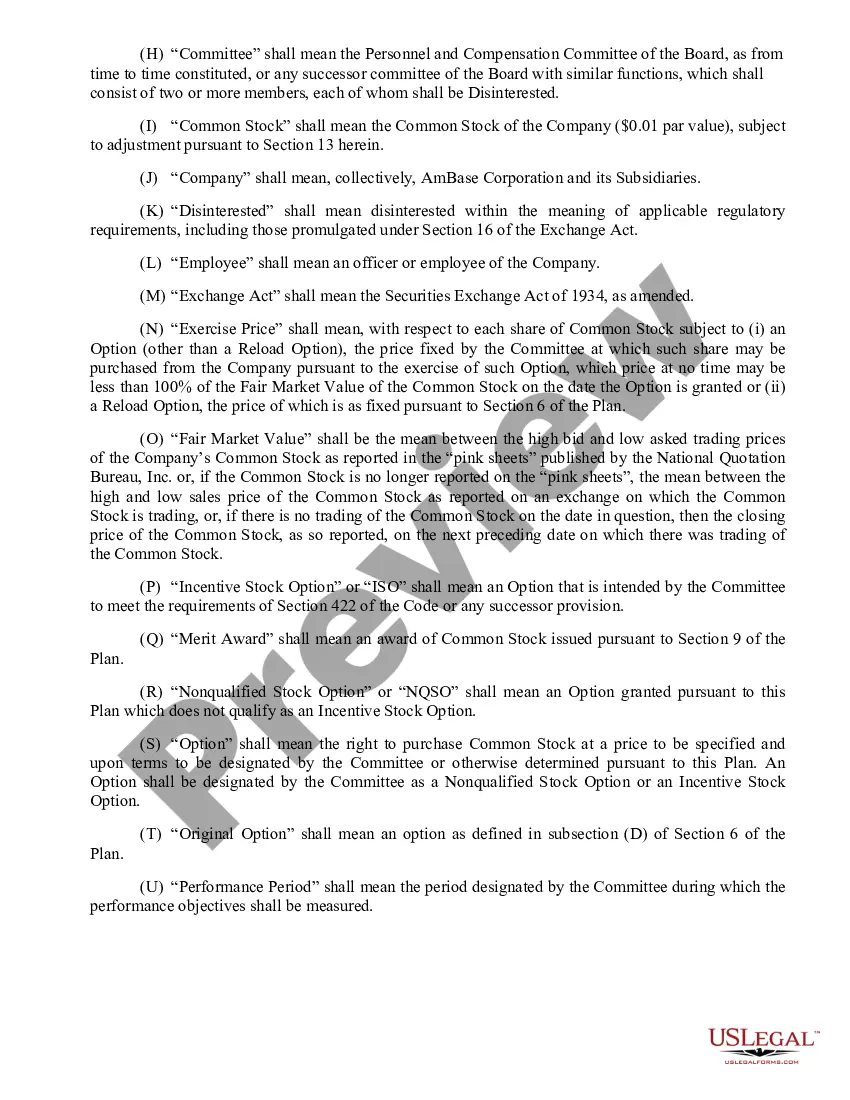

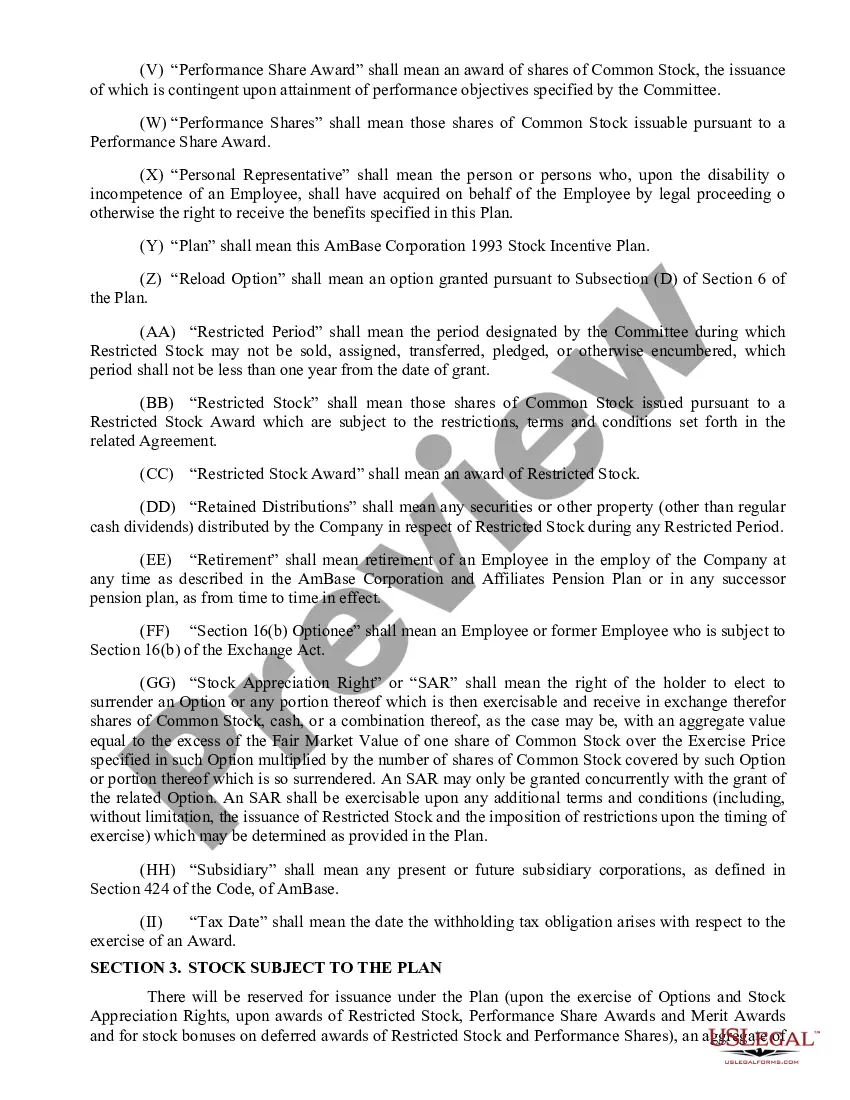
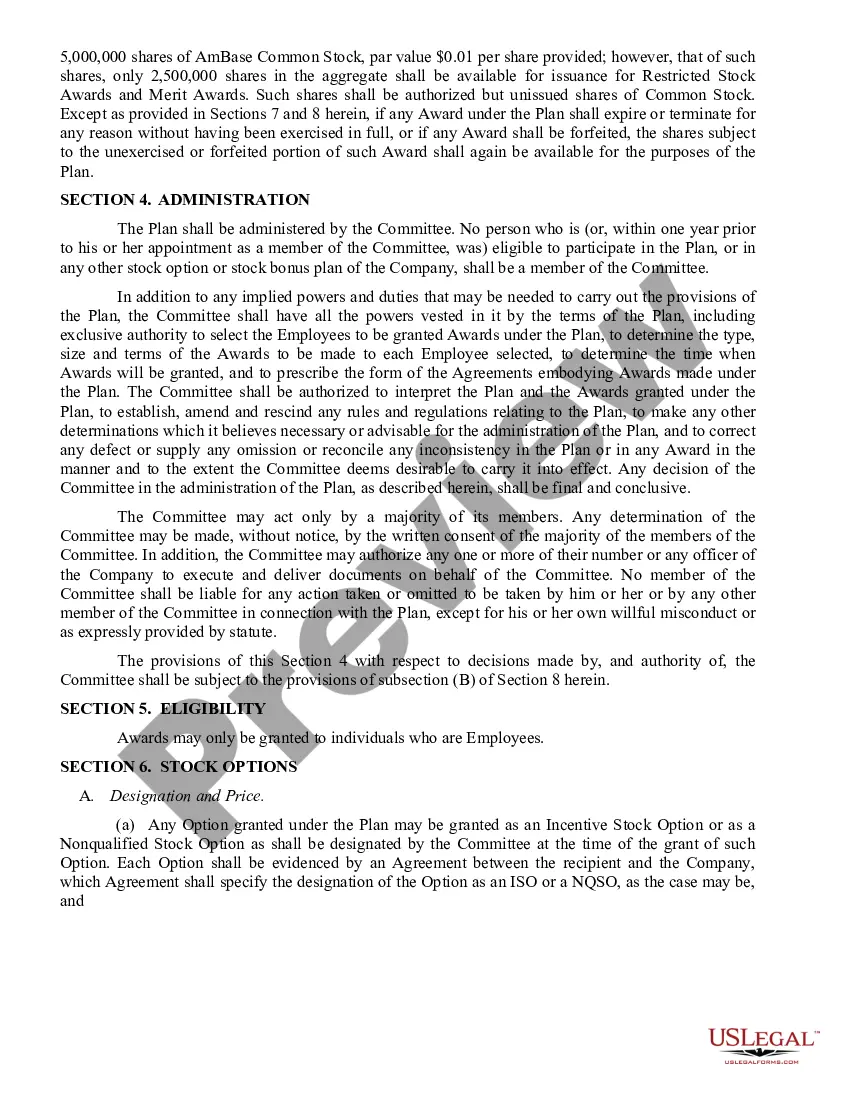


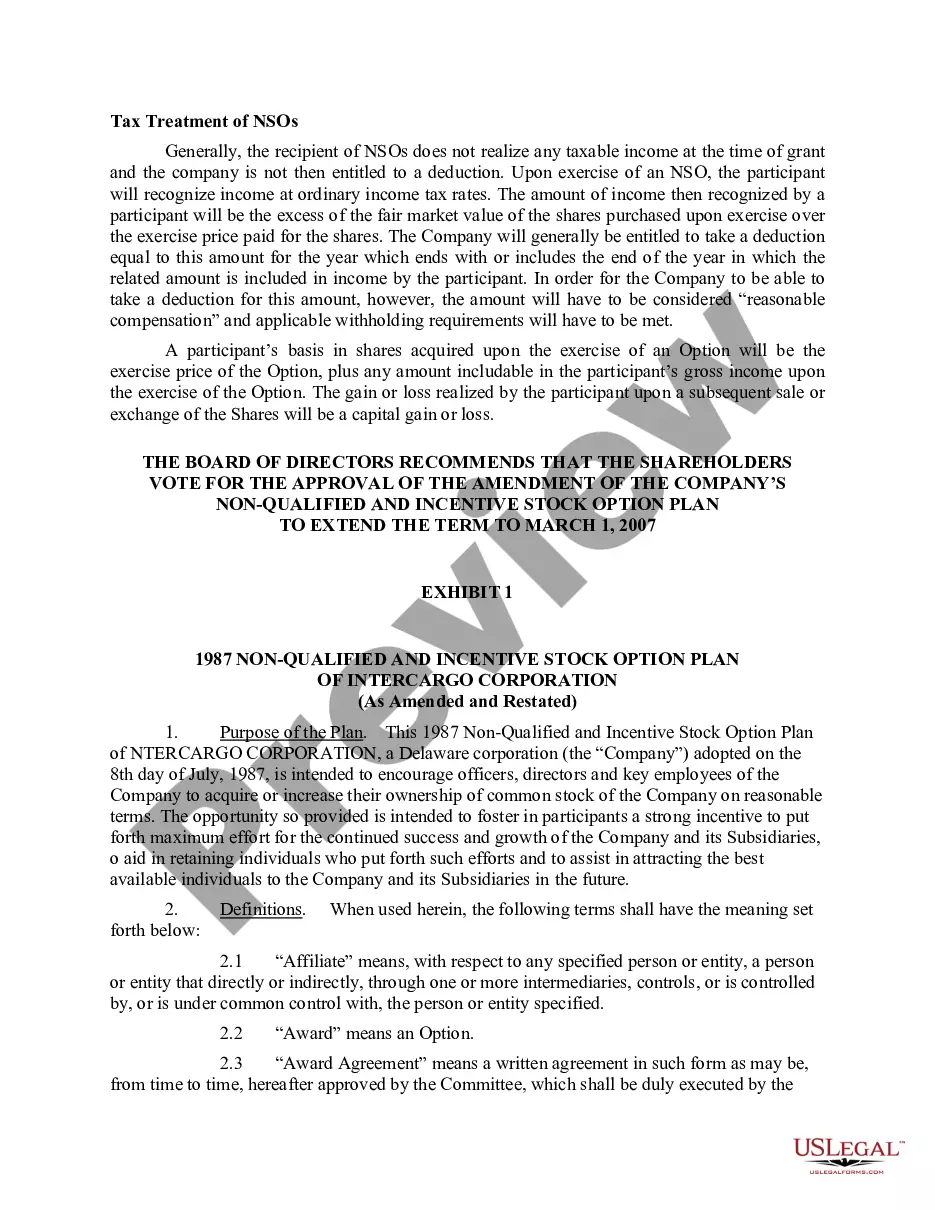
Get your form ready online
Our built-in tools help you complete, sign, share, and store your documents in one place.
Make edits, fill in missing information, and update formatting in US Legal Forms—just like you would in MS Word.
Download a copy, print it, send it by email, or mail it via USPS—whatever works best for your next step.
Sign and collect signatures with our SignNow integration. Send to multiple recipients, set reminders, and more. Go Premium to unlock E-Sign.
If this form requires notarization, complete it online through a secure video call—no need to meet a notary in person or wait for an appointment.
We protect your documents and personal data by following strict security and privacy standards.

Make edits, fill in missing information, and update formatting in US Legal Forms—just like you would in MS Word.

Download a copy, print it, send it by email, or mail it via USPS—whatever works best for your next step.

Sign and collect signatures with our SignNow integration. Send to multiple recipients, set reminders, and more. Go Premium to unlock E-Sign.

If this form requires notarization, complete it online through a secure video call—no need to meet a notary in person or wait for an appointment.

We protect your documents and personal data by following strict security and privacy standards.
Looking for another form?

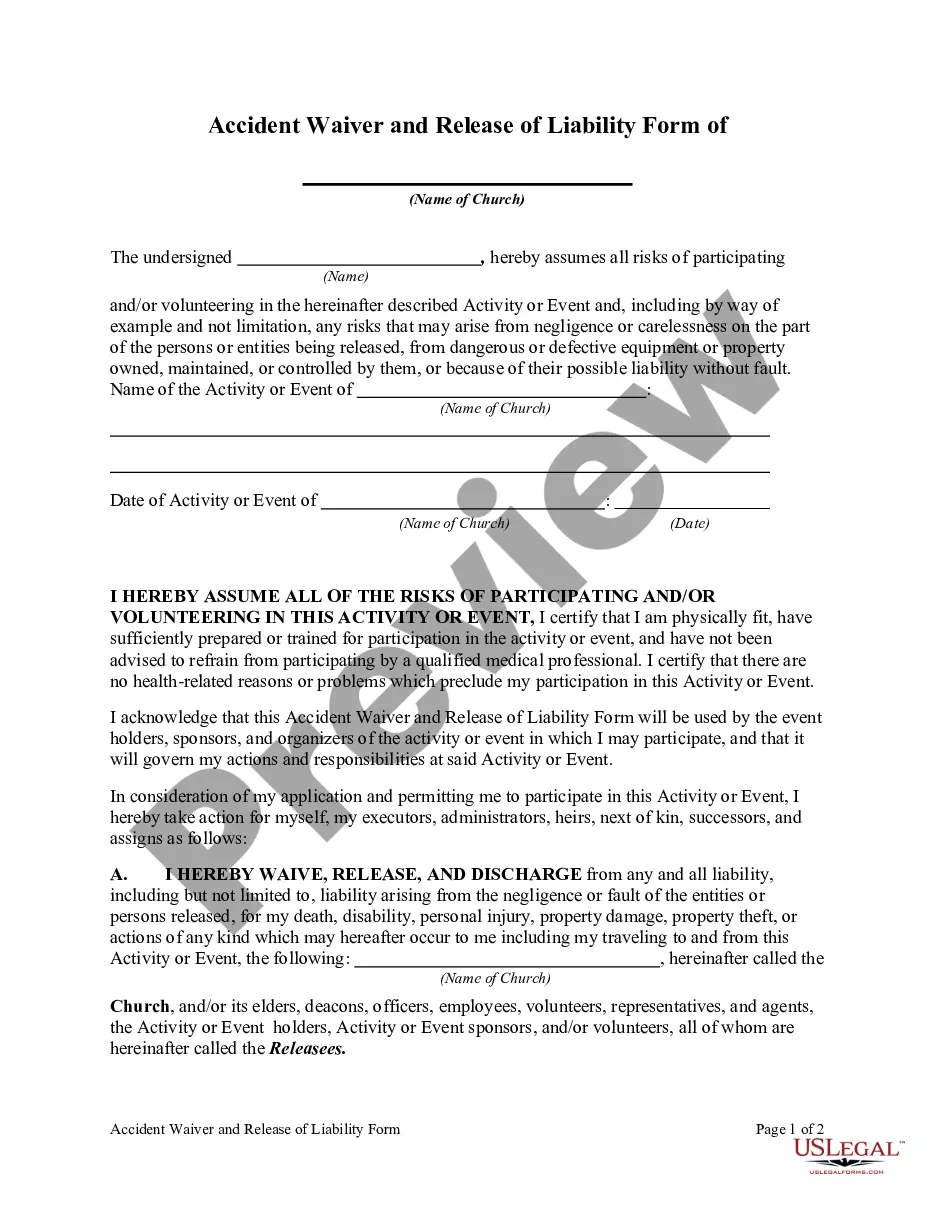
How to fill out Stock Incentive Plan Of Ambase Corp.?
- Log into your existing US Legal Forms account to access your dashboard. Verify that your subscription is active; renew it if necessary.
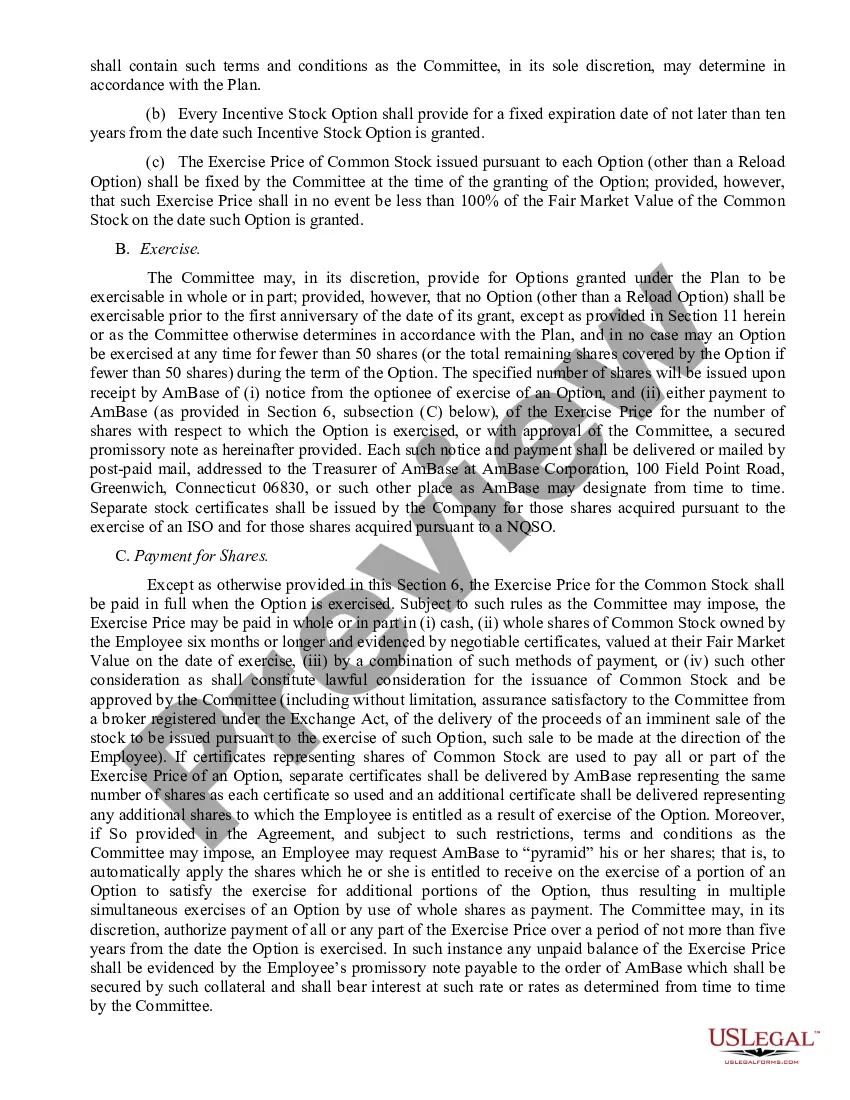
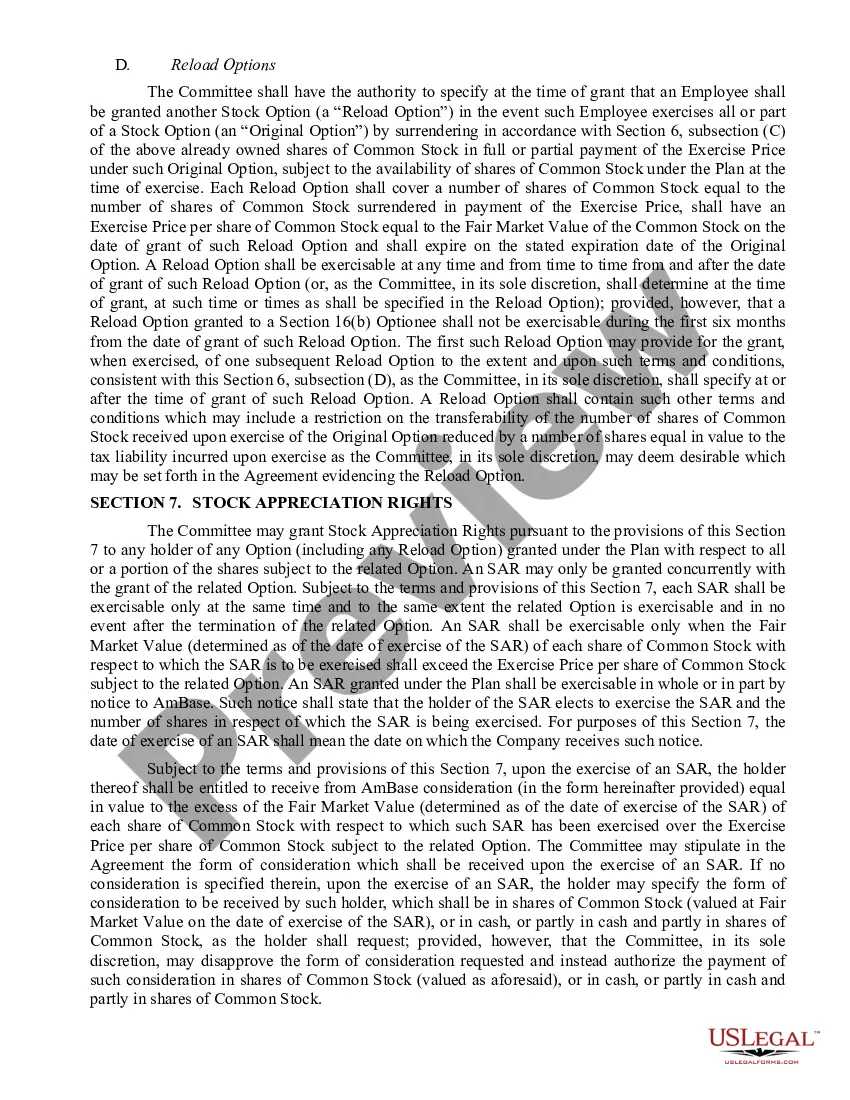
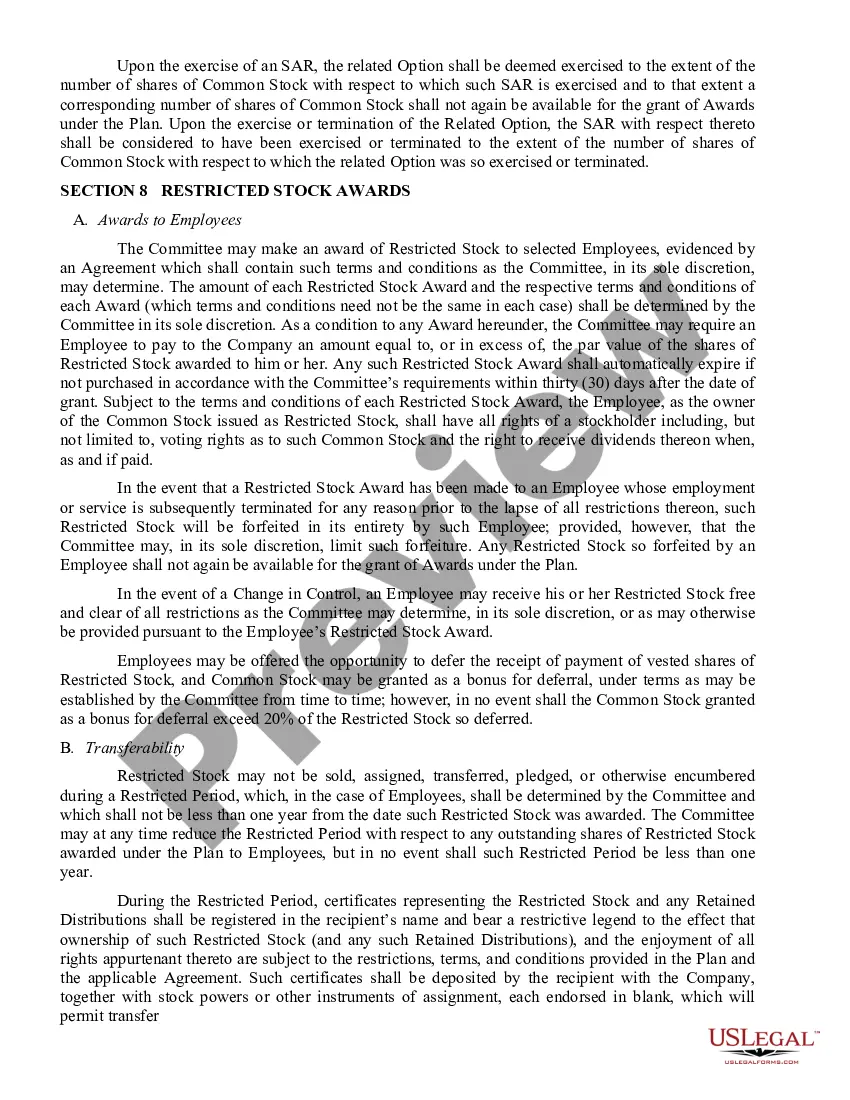
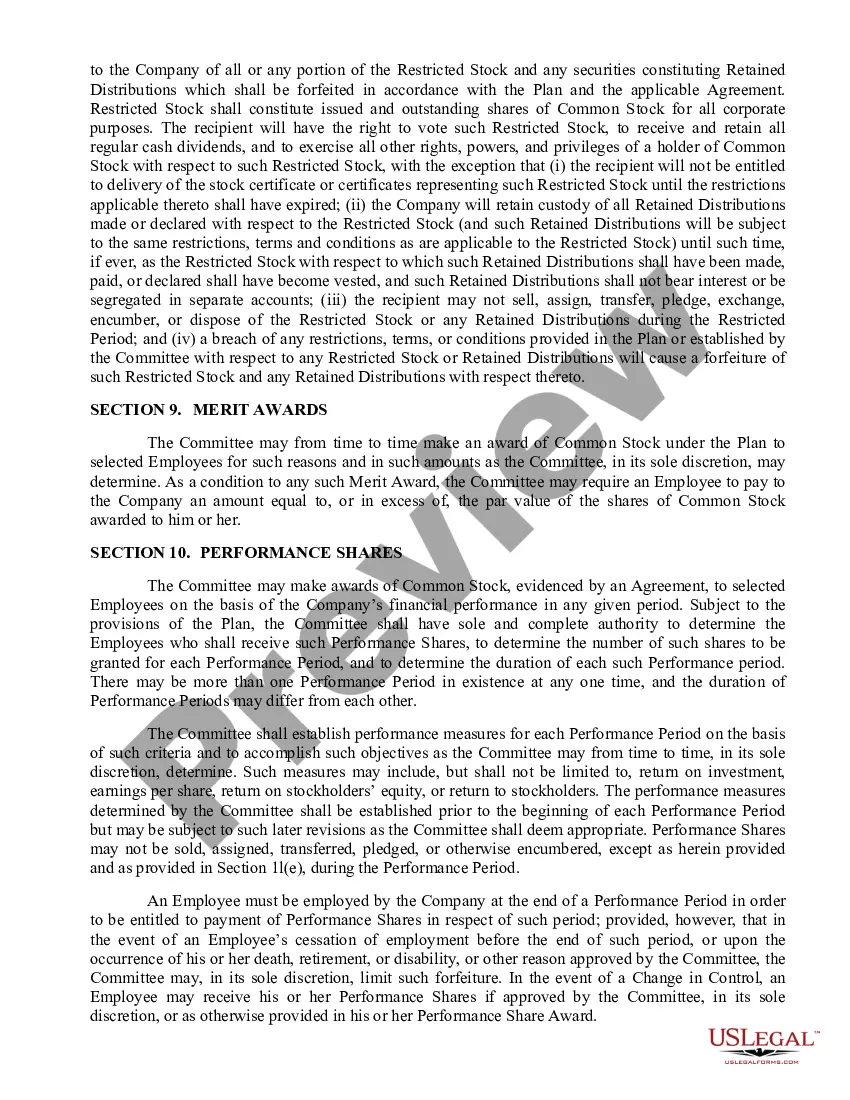
- If you're new, browse the extensive library. Use the Preview mode to check the details of the stock options plan form to ensure it meets your local jurisdiction's requirements.
- If modifications are needed, utilize the Search feature to find alternative templates that fit your specifications. Select the one that suits your needs.
- Purchase the document by clicking the Buy Now button. Choose your preferred subscription plan, and create an account to enjoy full access to the form library.
- Complete your purchase by entering your payment details, either via credit card or PayPal, and finalize the transaction.
- Download the stock options plan template directly to your device, allowing you to fill it out at your convenience. Access it anytime through the My Forms section in your profile.
In conclusion, US Legal Forms offers a streamlined approach to accessing essential legal documentation such as stock options plans. Their extensive library, coupled with premium expert support, ensures that you can navigate the legal landscape effectively.
Don’t hesitate—visit US Legal Forms today and start your uncomplicated journey to securing your stock options plan!
Form popularity
FAQ
Yes, companies are required to issue a 1099 form for stock options when an employee exercises their options or sells stocks acquired through their stock options plan. This form documents the income for tax purposes and is sent both to the employee and the IRS. It is important to review your 1099 forms for accuracy, as they are crucial for your tax filings.
You are required to file a 1099 form for stocks if you have sold stocks or received dividends that exceed a certain threshold. The 1099 form will provide the IRS with information about your earnings, ensuring transparency. Depending on your situation, consulting with a tax professional can help clarify your particular obligations regarding your stock options plan.
You report income from stock options directly on your tax return using the appropriate forms, such as Form 1040. If you have received a 1099 form due to exercising your stock options, you will use the information on that form to report your earnings accurately. Keeping detailed records of your stock options plan activity makes this process smoother.
Yes, you may receive a 1099 form for stock options if you exercise your options or sell any stocks you acquire through an employee stock options plan. The form will detail any income earned from these transactions. It's crucial to keep track of these documents, as you'll need them when filing taxes to report your income accurately.
Typical stock options include both incentive stock options (ISOs) and non-qualified stock options (NSOs). ISOs offer potential tax advantages, while NSOs are more flexible in terms of eligibility and vesting. Understanding these options within a stock options plan helps employees make informed decisions for their financial future.
Many view stock options as a valuable component of an overall compensation package. They align employees' interests with the company's performance, potentially motivating higher productivity and commitment. However, understanding the risks involved is crucial, so consider whether a stock options plan fits your financial goals.
If you quit your job, the treatment of your employee stock ownership plan (ESOP) can vary based on the plan's specifics. Generally, you may have the option to exercise your stock options before leaving, but unvested options could be forfeited. It's wise to review your stock options plan details and seek expert advice for your specific situation.
To get stock options, you typically need to be part of a company that offers them as part of an employee compensation package. Employers grant stock options as an incentive to align your interests with the company's success. To secure options, engage with your HR department during negotiations or performance reviews. Additionally, using platforms like US Legal Forms can help you understand the agreement and rights associated with receiving stock options.
Creating a stock options plan involves several key steps. First, define the goals of the plan, determining sectors like employee retention and motivation. Next, establish eligibility criteria and the details of the stock options, such as vesting schedules and exercise prices. Finally, you can utilize resources like US Legal Forms to access templates and guides, ensuring your stock options plan complies with legal requirements.
An example of an Employee Stock Ownership Plan (ESOP) might be a retirement plan where a company contributes its stock into a trust for employees. For instance, employees may receive shares based on their salary and years of service, which they can later sell upon leaving the company. This approach gives employees a vested interest in the company’s success and encourages a sense of community and shared achievement.