Executive Compensation Plans For Small Business
Description

Get your form ready online
Our built-in tools help you complete, sign, share, and store your documents in one place.
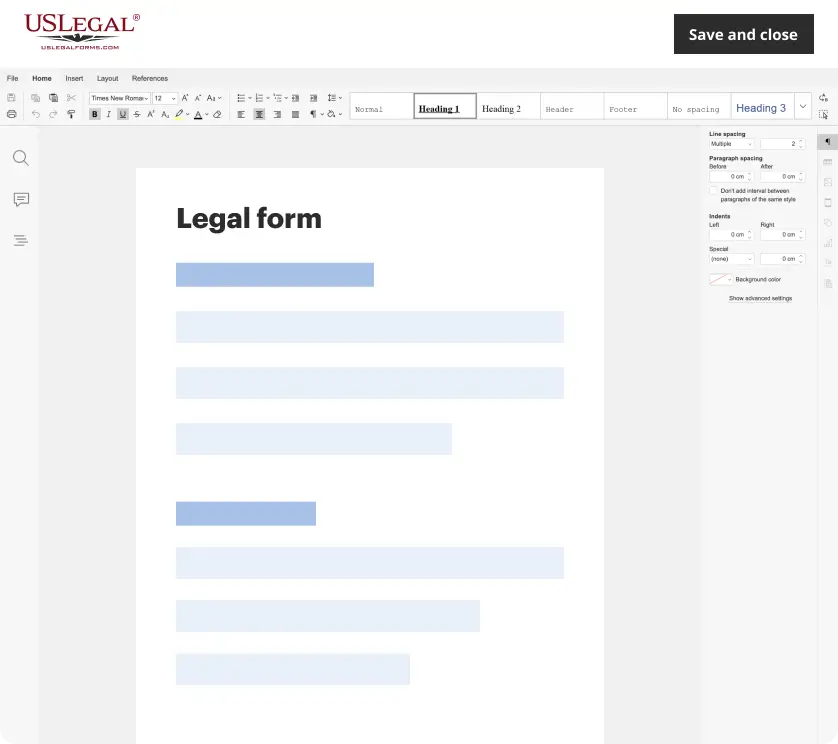
Make edits, fill in missing information, and update formatting in US Legal Forms—just like you would in MS Word.
Download a copy, print it, send it by email, or mail it via USPS—whatever works best for your next step.
Sign and collect signatures with our SignNow integration. Send to multiple recipients, set reminders, and more. Go Premium to unlock E-Sign.
If this form requires notarization, complete it online through a secure video call—no need to meet a notary in person or wait for an appointment.
We protect your documents and personal data by following strict security and privacy standards.
Make edits, fill in missing information, and update formatting in US Legal Forms—just like you would in MS Word.
Download a copy, print it, send it by email, or mail it via USPS—whatever works best for your next step.
Sign and collect signatures with our SignNow integration. Send to multiple recipients, set reminders, and more. Go Premium to unlock E-Sign.

If this form requires notarization, complete it online through a secure video call—no need to meet a notary in person or wait for an appointment.
We protect your documents and personal data by following strict security and privacy standards.
Looking for another form?




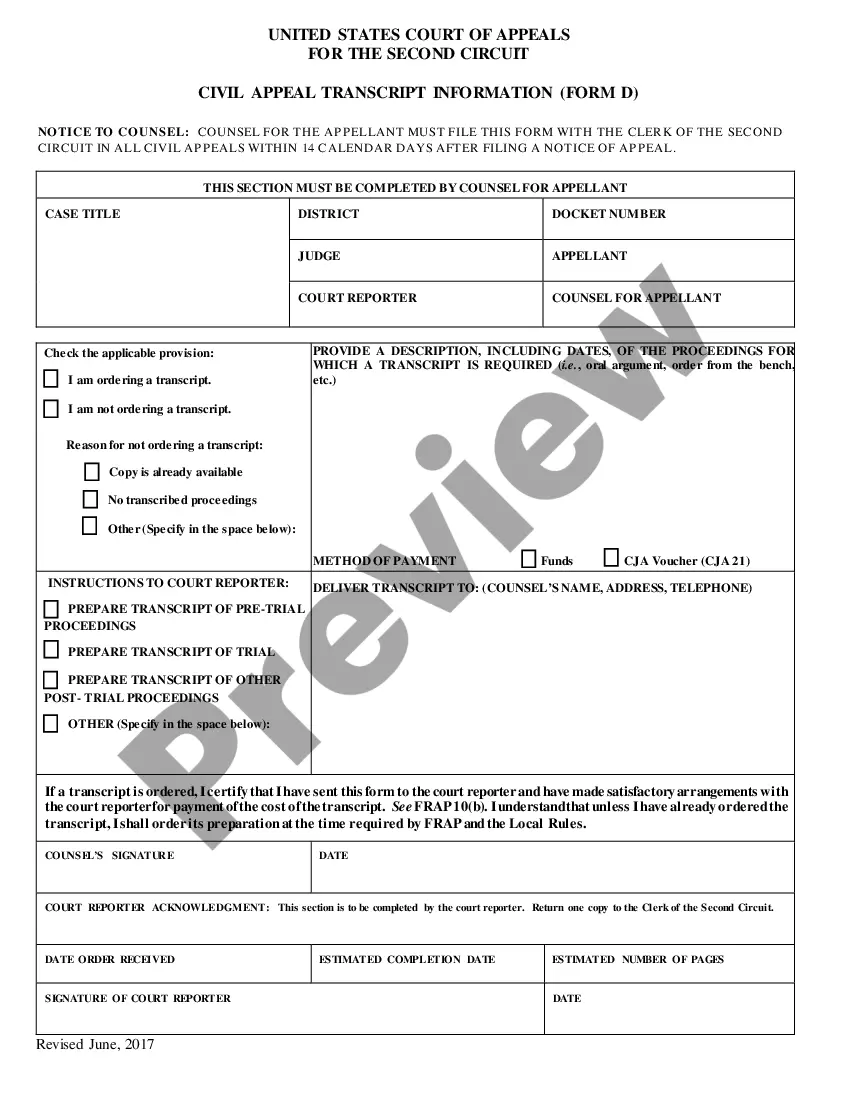
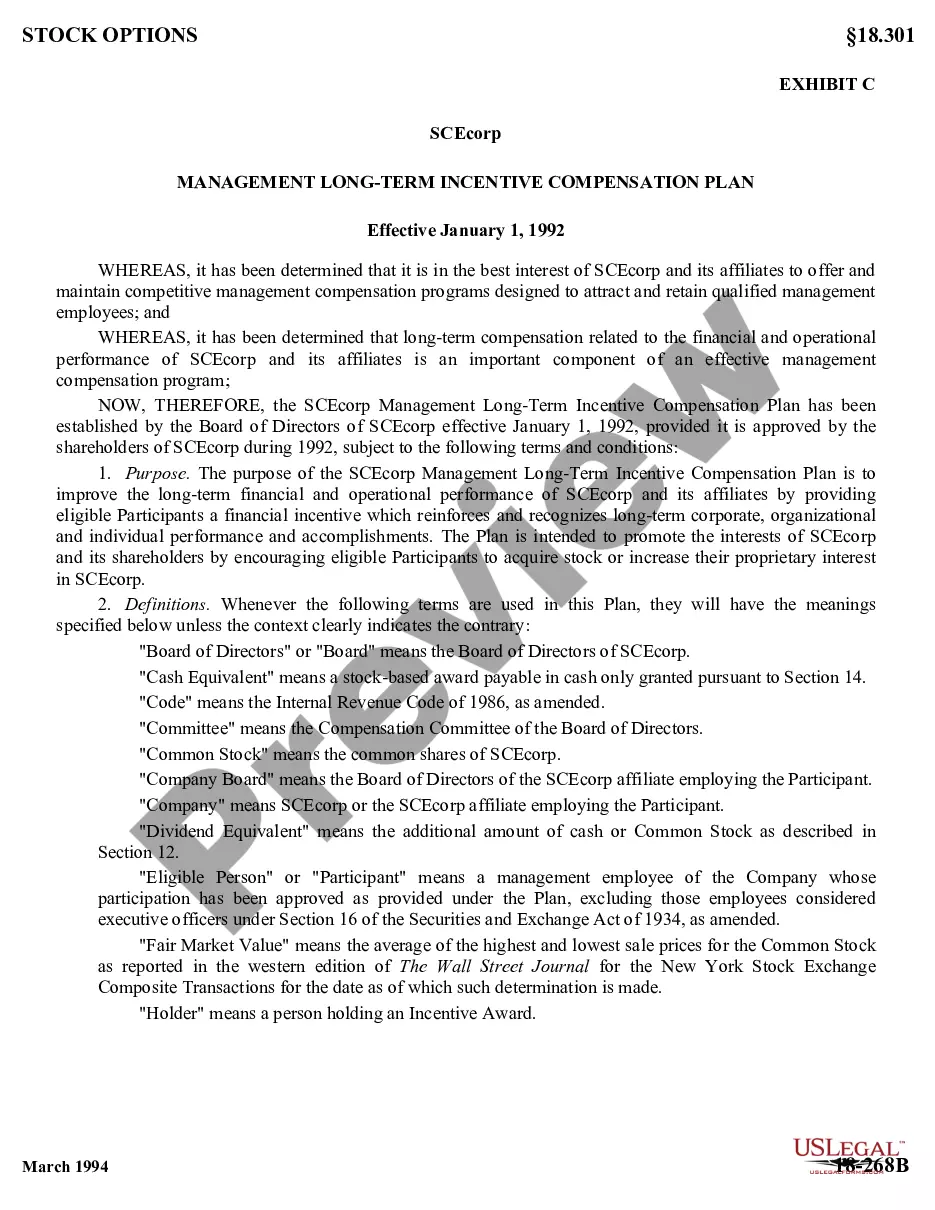
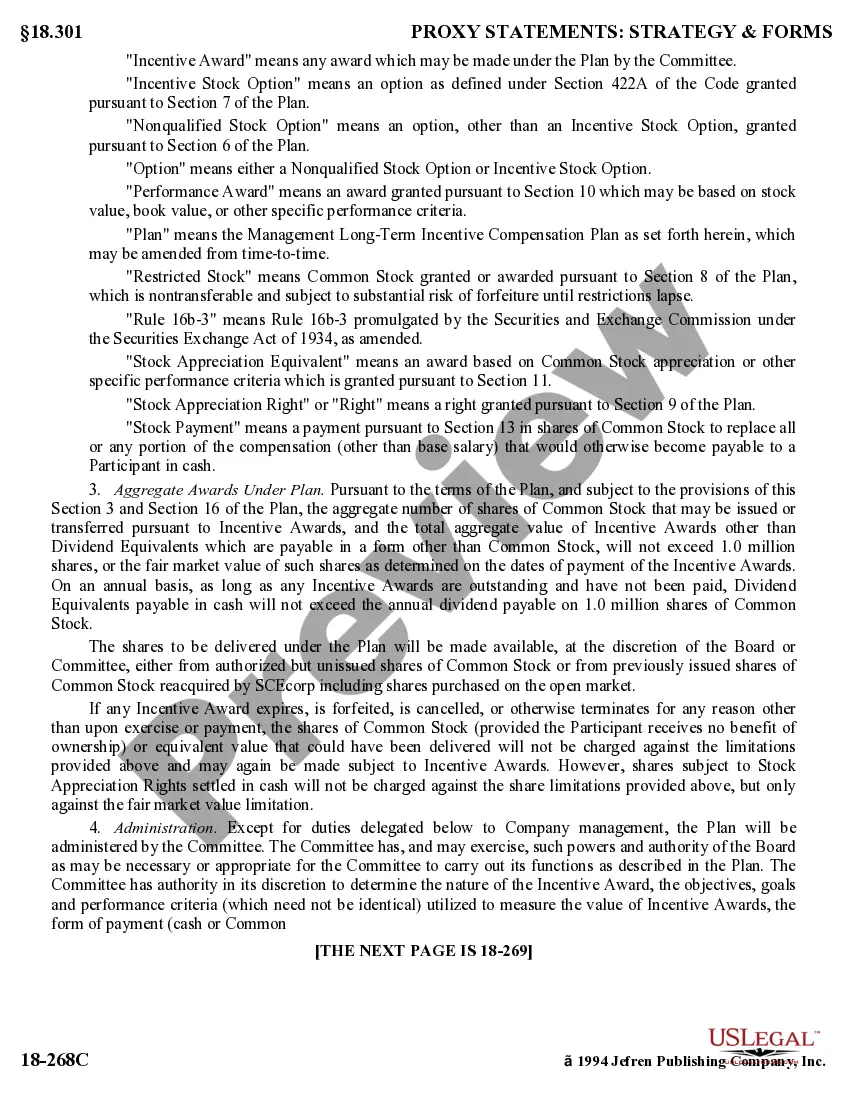
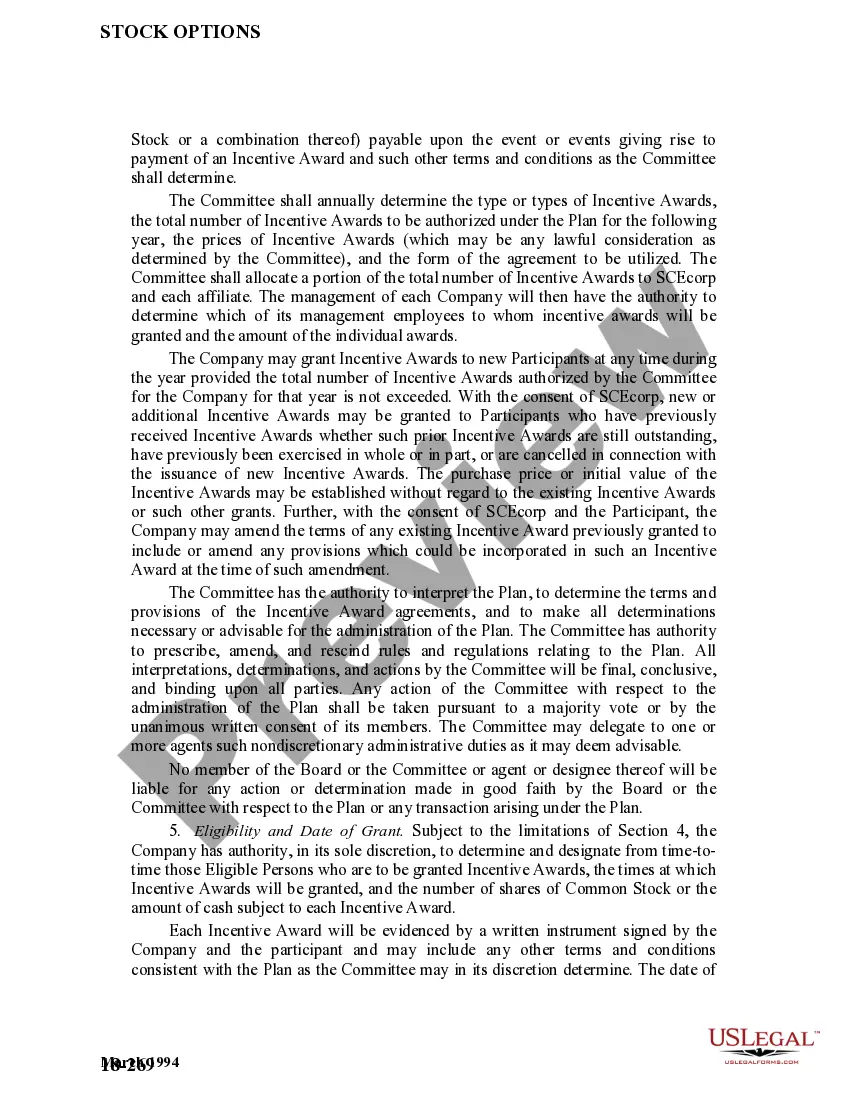
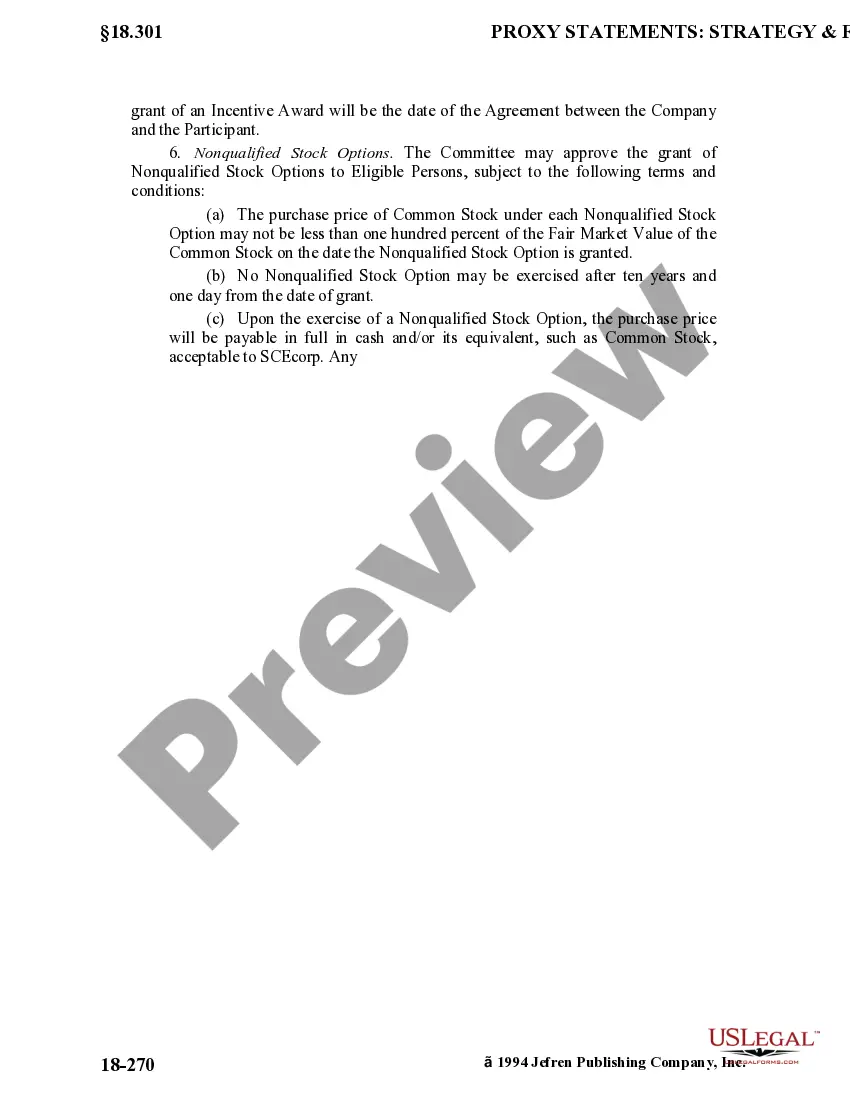
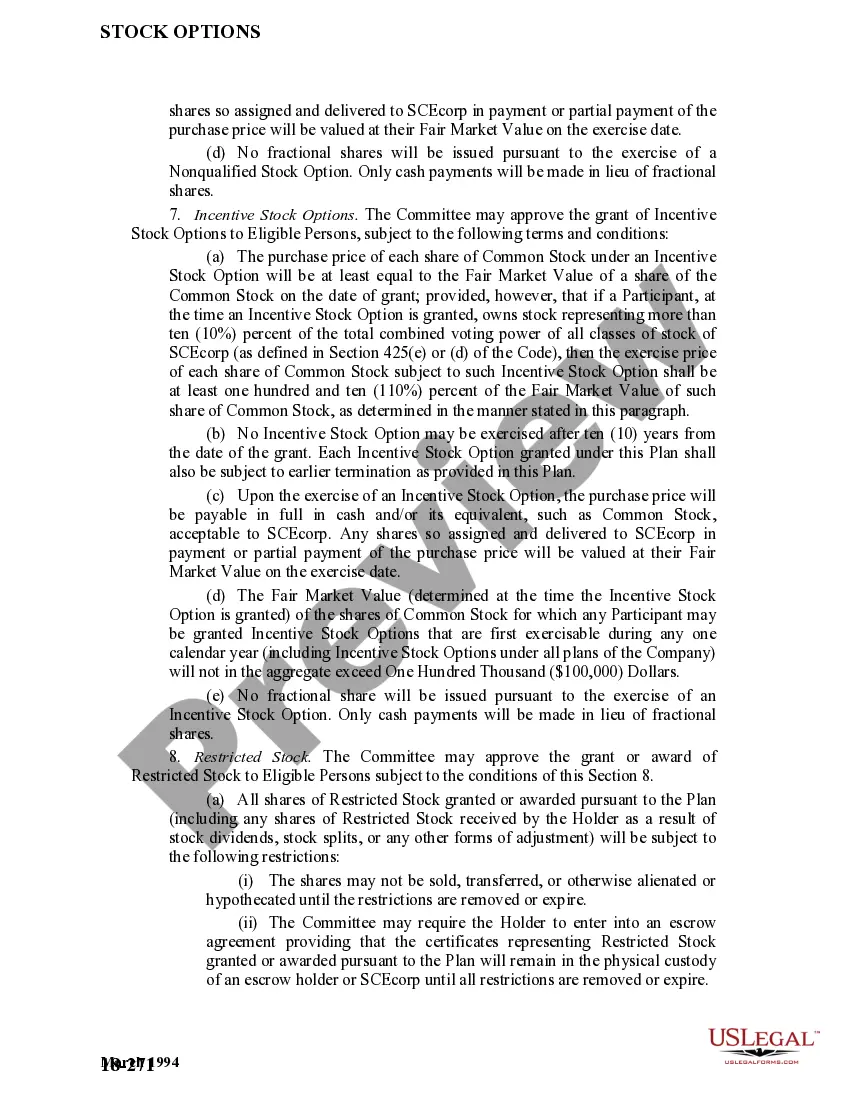
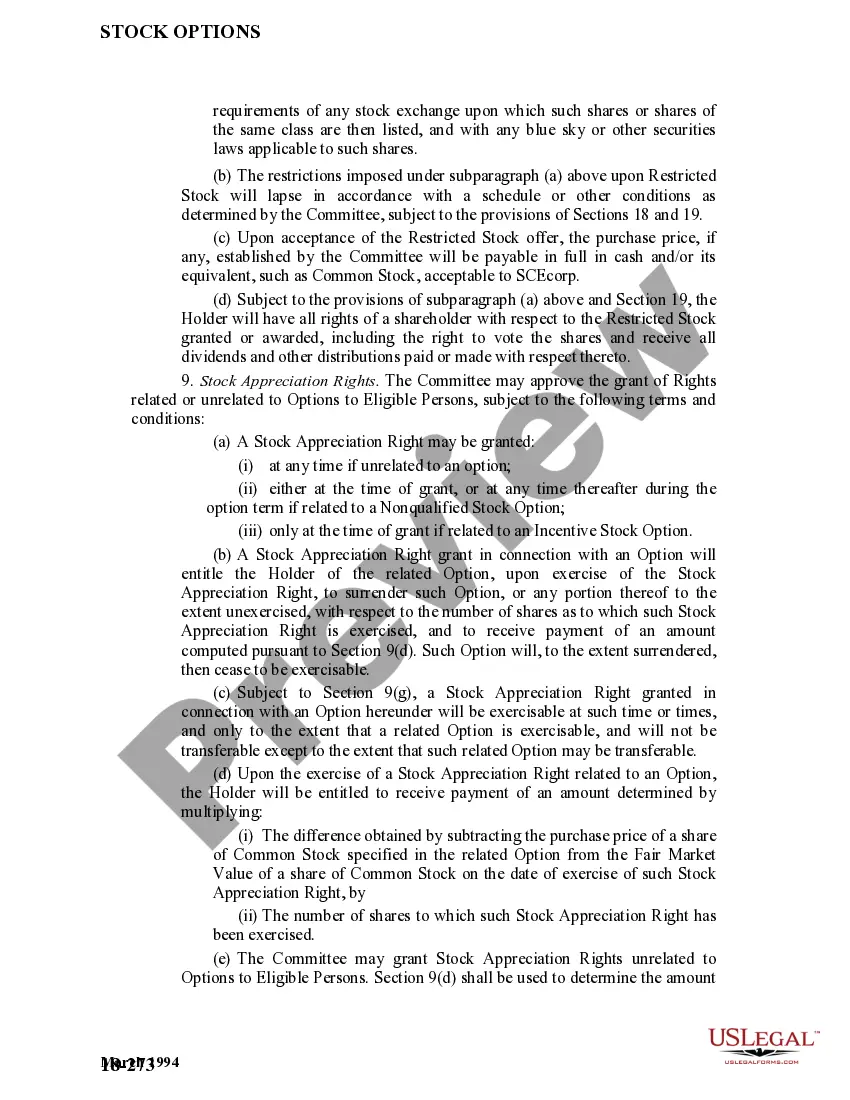
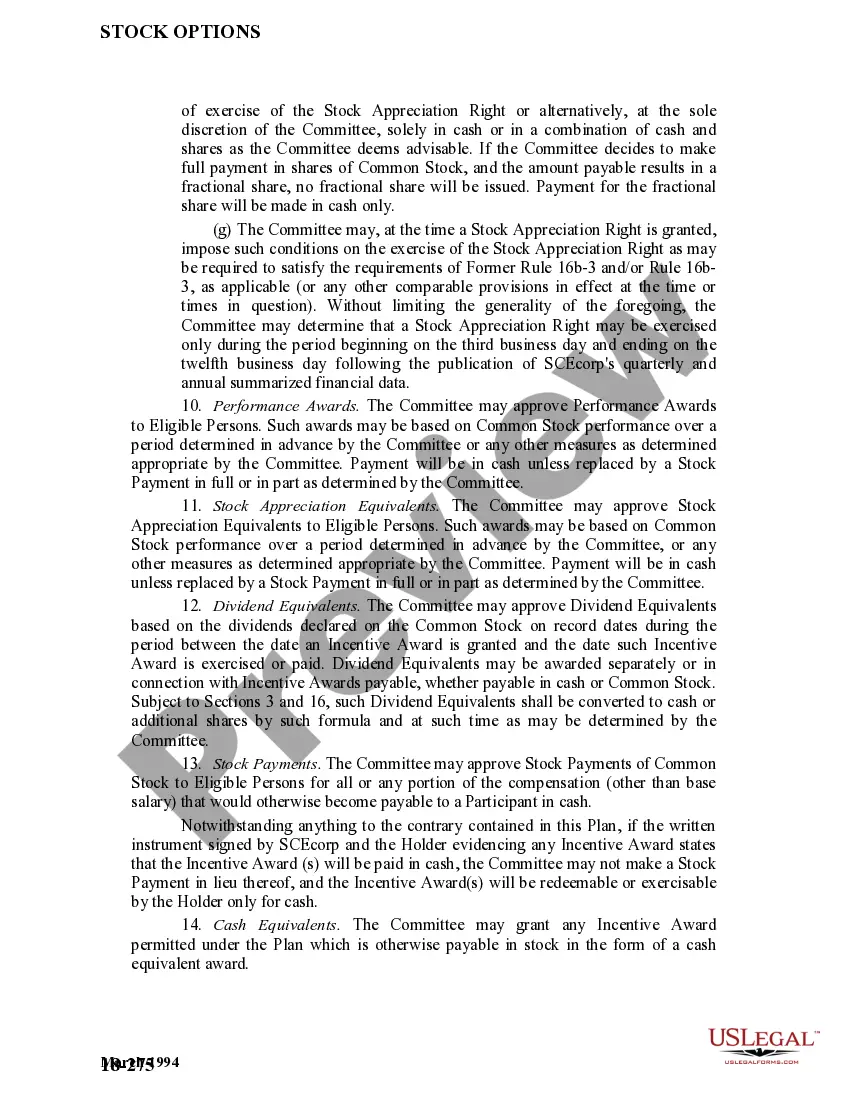
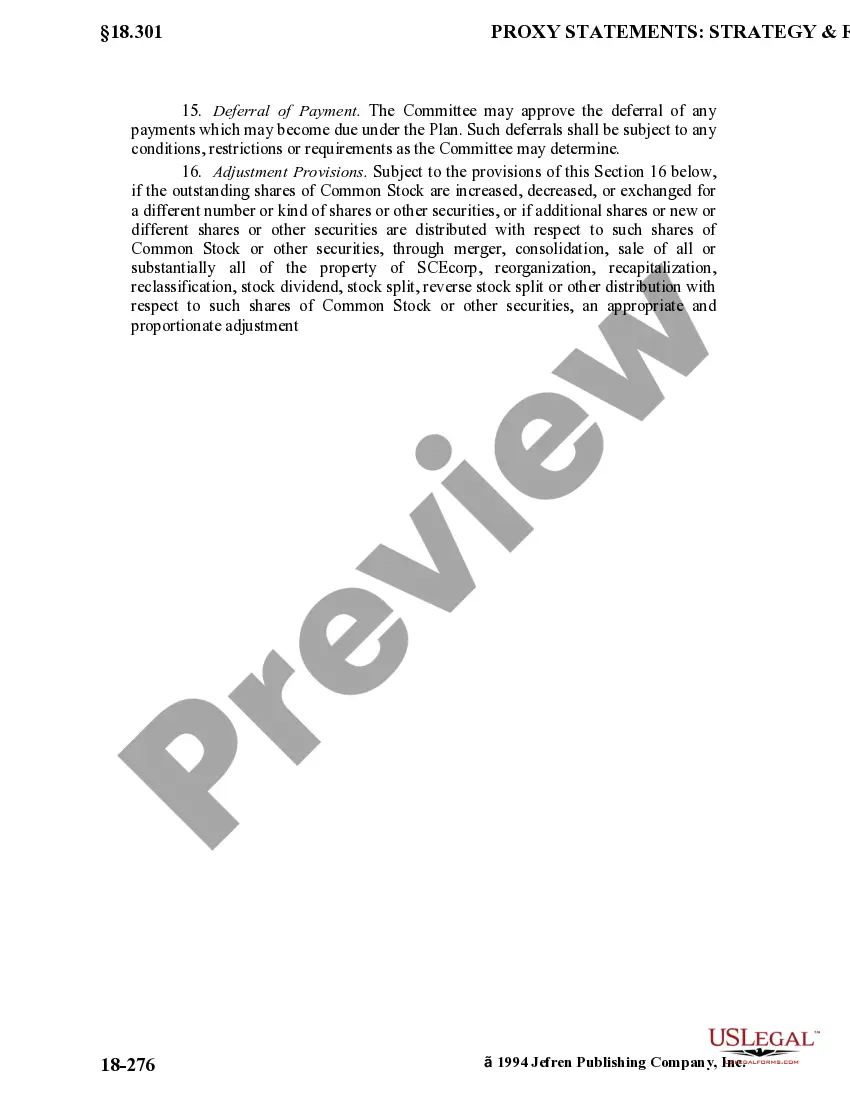
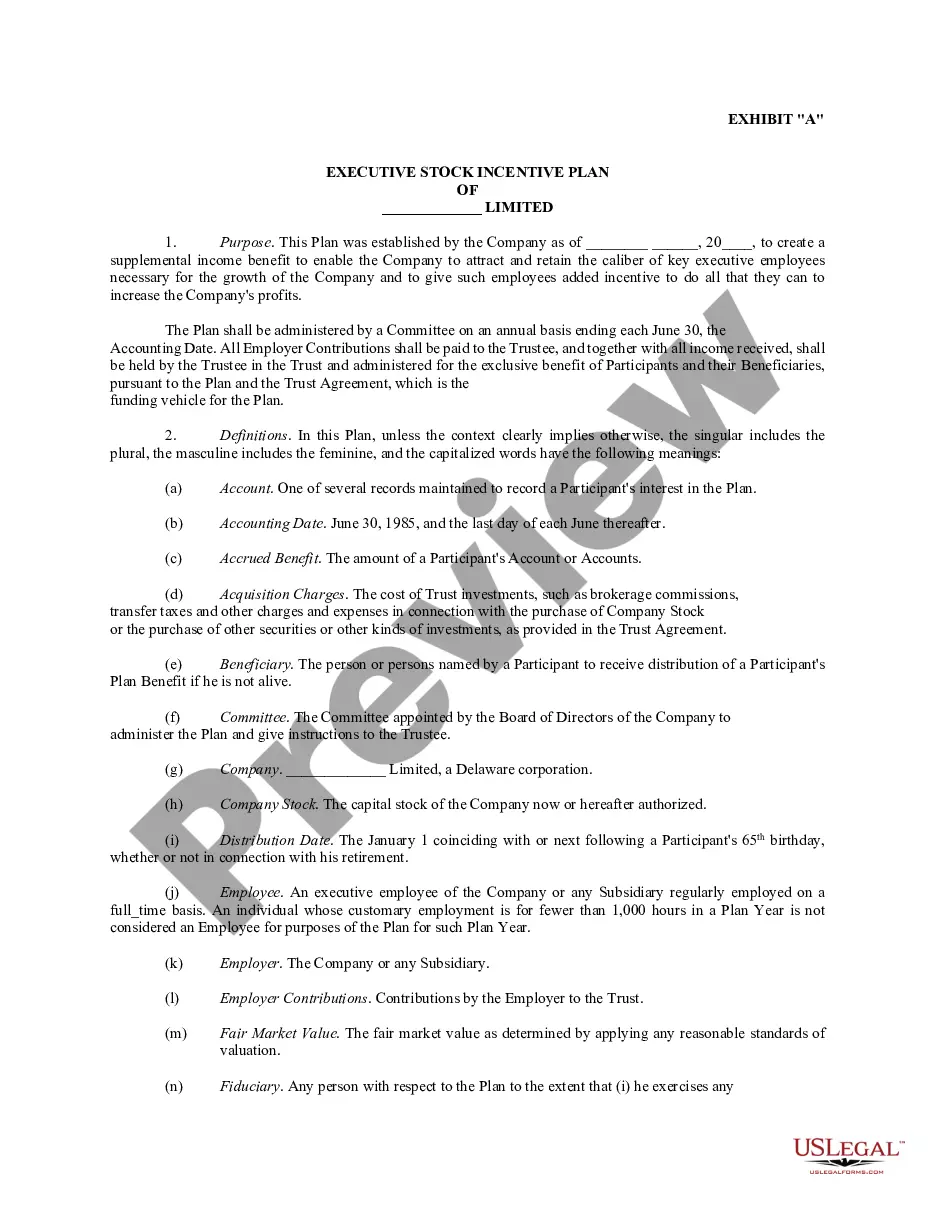
How to fill out Management Long Term Incentive Compensation Plan Of Of SCEcorp?
- Log in to your US Legal Forms account if you're a returning user. Ensure your subscription is active for uninterrupted access to forms.
- For new users, begin by reviewing the preview mode and descriptions of the forms to ensure you select the correct document that aligns with your specific needs.
- Utilize the Search feature to locate any additional templates you might need, ensuring they meet local legal requirements.
- Proceed by clicking the Buy Now button and select a suitable subscription plan. Note that you will need to create an account for access.
- Complete your purchase by entering your payment details, which can be through credit card or PayPal.
- Finally, download the executive compensation plan template to your device and find it in your My Forms section for future reference.
US Legal Forms provides a robust collection of over 85,000 easily editable legal templates. Whether you're an attorney or an individual, this service allows for the swift preparation of legally sound documents.
Don’t delay; start organizing your executive compensation plans today by visiting US Legal Forms for easy access!
Form popularity
FAQ
A compensation plan for a small business outlines how you will reward your employees for their work. This plan typically includes salaries, bonuses, and benefits designed to attract and retain talent. Effective executive compensation plans for small business not only motivate employees but also align their interests with the goals of the business. By offering a clear and structured compensation plan, you can create a more focused and productive work environment.
The five basic elements of executive compensation packages include base salary, performance bonuses, stock options, retirement contributions, and additional benefits such as insurance. Each of these elements contributes to a balanced and appealing compensation structure for executives. By implementing these components strategically, you can enhance your executive compensation plans for small business and attract the talent necessary for growth.
Typically, the main components of an executive compensation package are base salary, short-term and long-term incentives, stock options, health benefits, and retirement plans. These elements help create a comprehensive approach to remuneration, aligning the interests of executives with company performance. By utilizing these components thoughtfully, you can craft effective executive compensation plans for small business that drive success.
To structure an effective executive compensation package, start by assessing the company's financial position and future goals. Include competitive salaries, performance-related bonuses, and equity options to motivate executives. Additionally, consider retirement benefits and health perks to round out your executive compensation plans for small business, ensuring they meet both employee needs and business objectives.
The five key components of executive compensation packages include base salary, bonuses, stock options, retirement plans, and other perks such as health insurance. Each of these elements plays an essential role in attracting and retaining top talent. By combining these components thoughtfully, you create competitive executive compensation plans for small business, ensuring your leaders feel valued.
Structuring a compensation package involves careful consideration of various elements that align with your business goals. Start by determining the salary base and then add bonuses, equity options, and benefits that reflect your company’s values. Tailoring these components to fit the needs of your executives while remaining compliant will enhance the effectiveness of your executive compensation plans for small business.
The primary document that shows executive compensation is the annual proxy statement, which details how much executives earn and the terms of their compensation packages. This document includes information on salary, bonuses, stock options, and retirement benefits. When considering executive compensation plans for small businesses, referring to these statements can provide valuable context for structuring competitive packages.
In most cases, executive compensation is tax deductible for the business, as long as it is considered reasonable and not excessive. However, certain limitations apply, particularly for publicly traded companies under IRS regulations. When formulating executive compensation plans for small businesses, consulting a tax professional can provide clarity on this important aspect.
Structuring an executive compensation package involves balancing base salary, bonuses, stock options, and benefits. For small businesses, it is essential to align these components with company performance and industry standards. Executive compensation plans for small businesses should motivate executives while being financially sustainable for the organization.
Management compensation is typically disclosed in the company’s annual proxy statement, which is filed with the Securities and Exchange Commission (SEC). This document outlines executive compensation plans for small businesses, including salaries, bonuses, and stock options. By reviewing these statements, stakeholders can gain insights into how executives are rewarded, which helps in assessing the company’s governance.