Stock Options Example
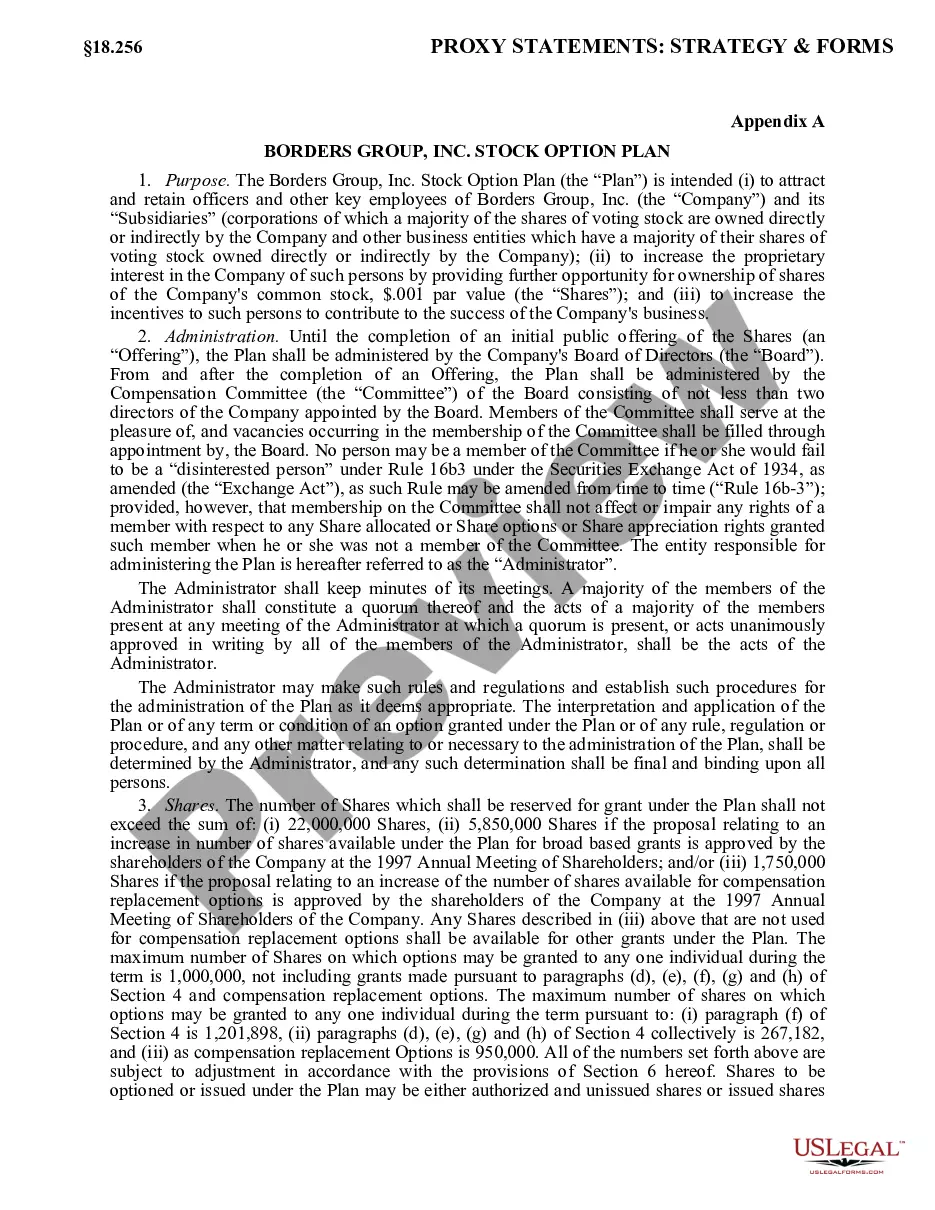
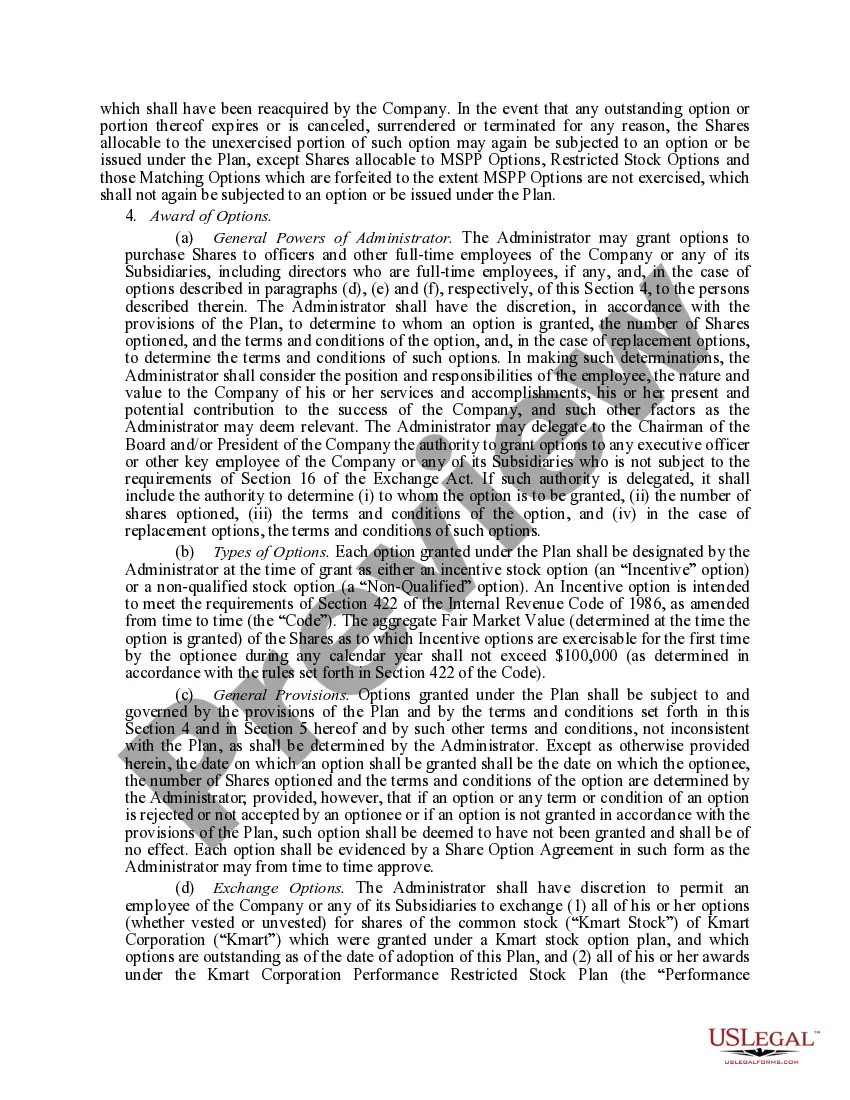
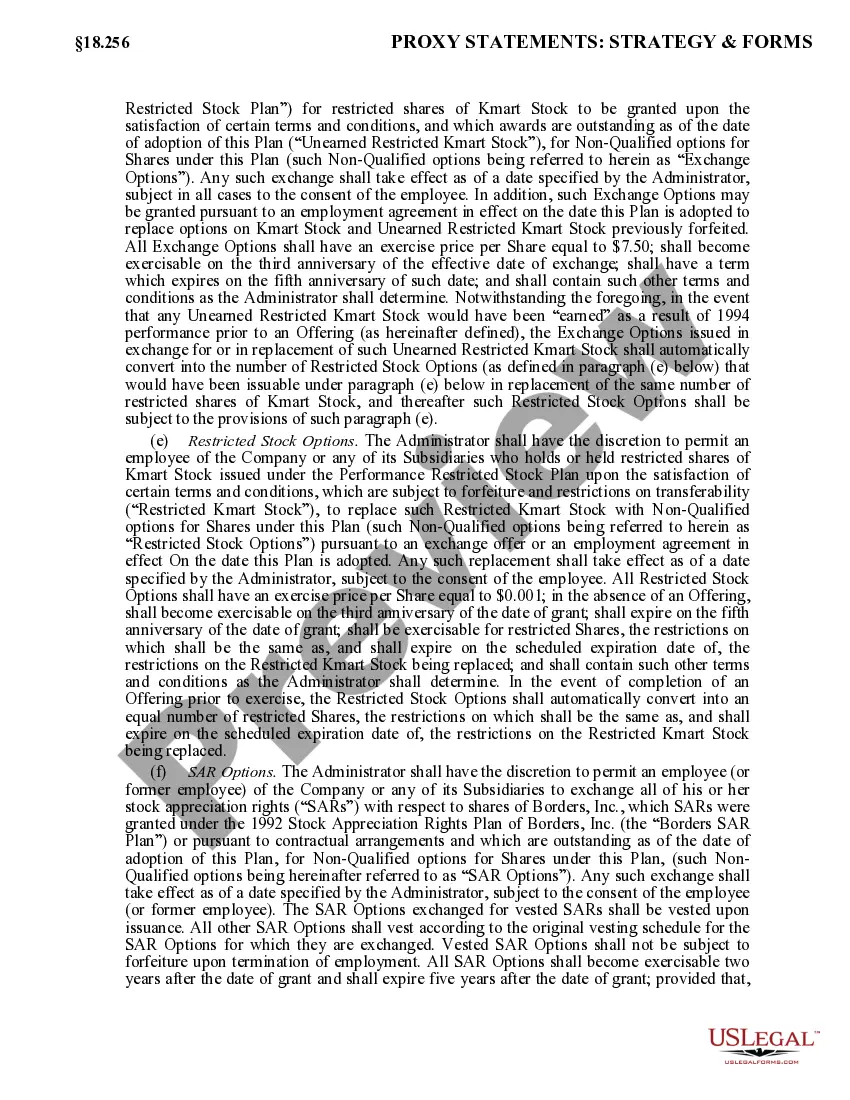
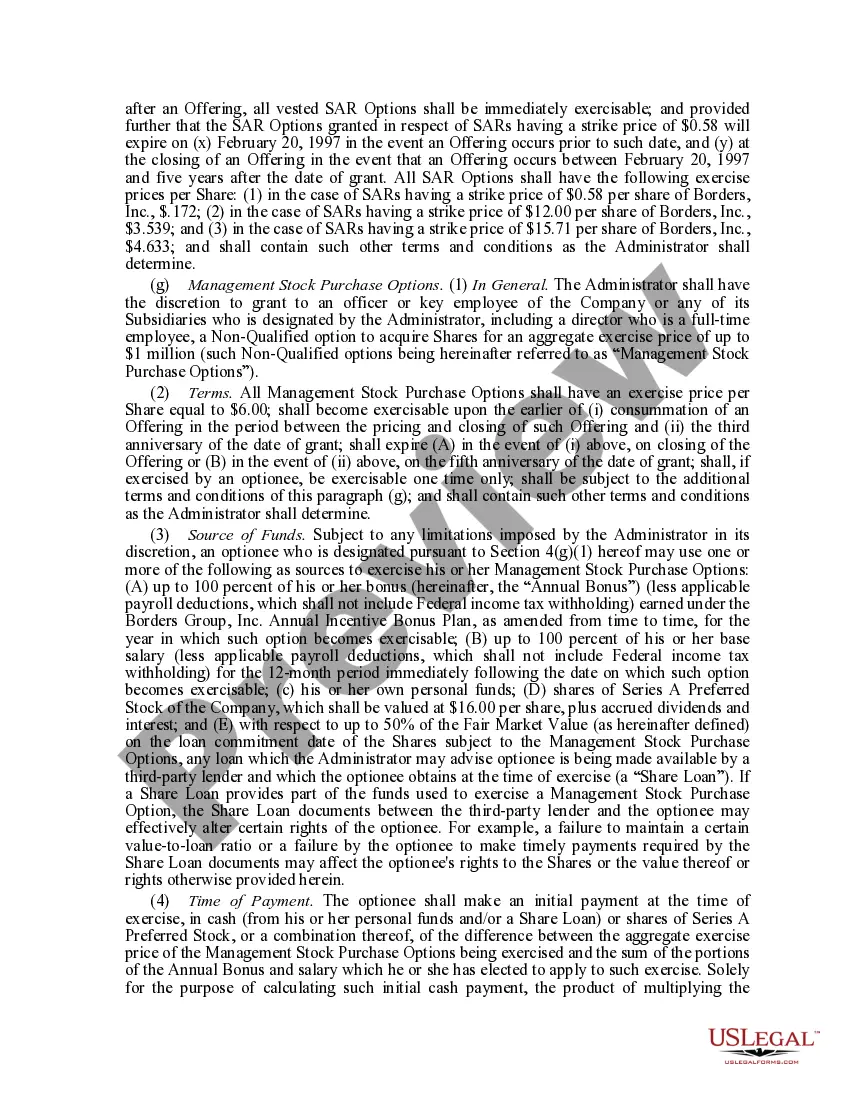
Description

Get your form ready online
Our built-in tools help you complete, sign, share, and store your documents in one place.
Make edits, fill in missing information, and update formatting in US Legal Forms—just like you would in MS Word.
Download a copy, print it, send it by email, or mail it via USPS—whatever works best for your next step.
Sign and collect signatures with our SignNow integration. Send to multiple recipients, set reminders, and more. Go Premium to unlock E-Sign.
If this form requires notarization, complete it online through a secure video call—no need to meet a notary in person or wait for an appointment.
We protect your documents and personal data by following strict security and privacy standards.

Make edits, fill in missing information, and update formatting in US Legal Forms—just like you would in MS Word.

Download a copy, print it, send it by email, or mail it via USPS—whatever works best for your next step.

Sign and collect signatures with our SignNow integration. Send to multiple recipients, set reminders, and more. Go Premium to unlock E-Sign.

If this form requires notarization, complete it online through a secure video call—no need to meet a notary in person or wait for an appointment.

We protect your documents and personal data by following strict security and privacy standards.
Looking for another form?




How to fill out Stock Option Plan Stock Option Plan Which Provides For Grant Of Incentive Stock Options, Nonqualified Stock Options, And Exchange Options?
- If you have previously used US Legal Forms, simply log in to your account and locate your desired form template. Make sure your subscription is still active; if it's expired, renew it based on your payment plan.
- For new users, start by browsing the extensive library. Use the Preview mode to review form descriptions and ensure they meet your requirements and local jurisdiction compliance.
- If the selected template doesn’t meet your needs, utilize the Search tab to find a more suitable option.
- Once you find the correct document, proceed to purchase by clicking on the Buy Now button. Select your subscription plan and create an account to access our library.
- Complete your purchase by entering your credit card info or using your PayPal account.
- Finally, download your chosen form and save it on your device. Access it anytime from the My Forms section of your profile.
With its robust library boasting over 85,000 fillable forms, US Legal Forms not only makes the document retrieval process efficient but also ensures that your forms are legally sound.
Don’t hesitate to explore the platform; start experiencing the benefits of streamlined legal form access today!
Form popularity
FAQ
Many traders fail due to lack of preparation and understanding of the market. Often, they engage in trading without a clear strategy or knowledge about stock options example. Furthermore, emotional decision-making can lead to poor choices. Using tools like US Legal Forms can help you develop a structured trading plan, protecting your investments and improving your chances of success.
The 100,000 incentive stock option limit refers to the maximum value of stock options that can qualify for favorable tax treatment in a calendar year, based on the fair market value of the company’s stock. This limit ensures that individuals do not exceed a certain threshold, maintaining tax efficiency. Familiarizing yourself with the 100,000 incentive stock option limit can help you craft a more effective stock options strategy.
The 7% rule in stocks is an investment strategy suggesting that if your portfolio experiences a decline of 7% from its peak, it may be time to reassess your investments. This rule offers a disciplined approach to managing losses, aiming to prevent overall portfolio devaluation. By understanding the 7% rule, investors can effectively navigate market fluctuations and protect their stock options.
The rule of 100000 in stock options usually pertains to the limitations placed on the amount of stock options allocated to an employee to maintain tax-efficient outcomes. This rule aims to create a balance between offering attractive compensation while adhering to regulatory frameworks. Having clarity on the rule of 100000 might help you in making informed decisions regarding your stock options strategy.
Examples of stock options include employee stock options (ESOs), which companies offer to employees as an incentive to remain with the organization. Investors may also encounter traded options, such as call and put options on publicly traded stocks. Exploring various stock options examples can give you a clearer picture of how they function and their potential benefits in your investment strategy.
The $100,000 rule of code 422 D refers to a guideline for limiting the amount of incentive stock options that can be granted to an employee in any calendar year. This rule helps to ensure that the tax benefits associated with stock options remain intact while also providing fair compensation. Understanding this rule is crucial for anyone considering stock options, as it can impact overall earnings and tax liabilities.
When reporting stock options on your tax return, you must include any income generated from exercising non-qualified stock options as ordinary wages. If you sold shares obtained from exercising stock options, you must report capital gains or losses on Form 8949. Knowing the tax treatment of your stock options example can clarify how to report this income correctly and avoid mistakes during tax season.
To report income from stock options, first determine if they are incentive stock options or non-qualified stock options. For non-qualified options, the income is reported as wages on your W-2 form when you exercise them. In contrast, incentive stock options might have different tax implications depending on how long you hold the shares. Make sure to reference a stock options example relevant to your situation for accurate reporting.
You may be able to write off stock option losses if you sell the shares at a loss. However, the specifics depend on how the options were received and the overall tax implications. It's advisable to consult tax professionals or use resources like uslegalforms to navigate the complexities of deductions on stock options. A stock options example can further illustrate how this works in practice.
Yes, stock options can count as income when you exercise them or sell the shares. Specifically, the resulting profits are considered compensation and are subject to tax. Understanding this aspect is vital, as it affects your overall taxable income. A stock options example may help clarify how income can vary depending on the timing of exercise and sale.