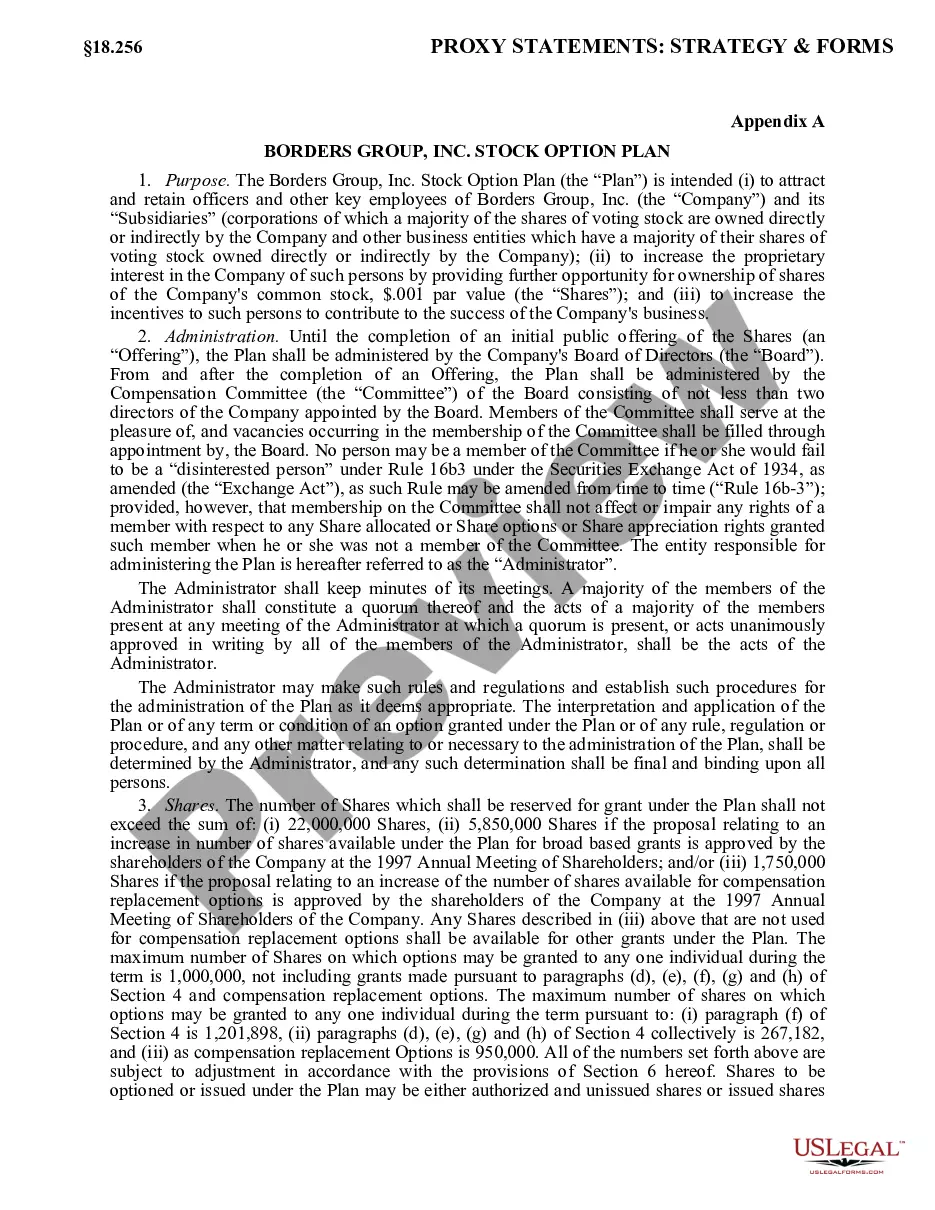
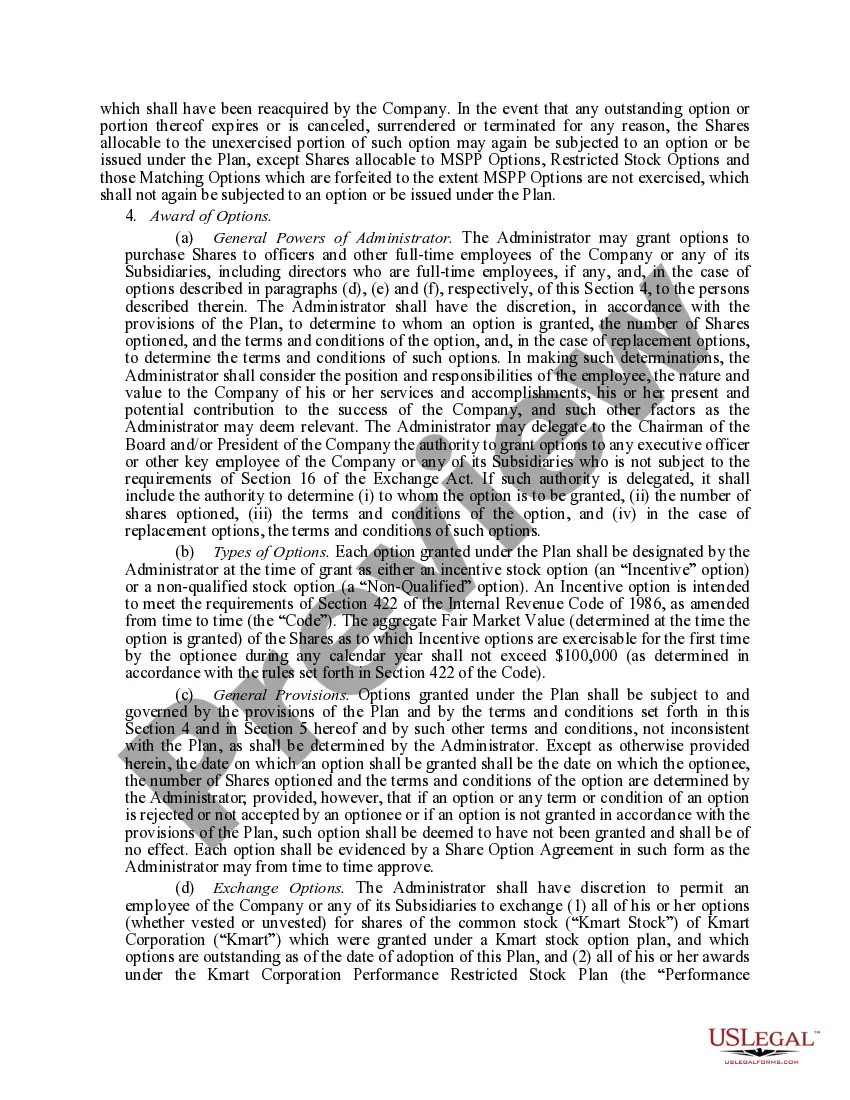
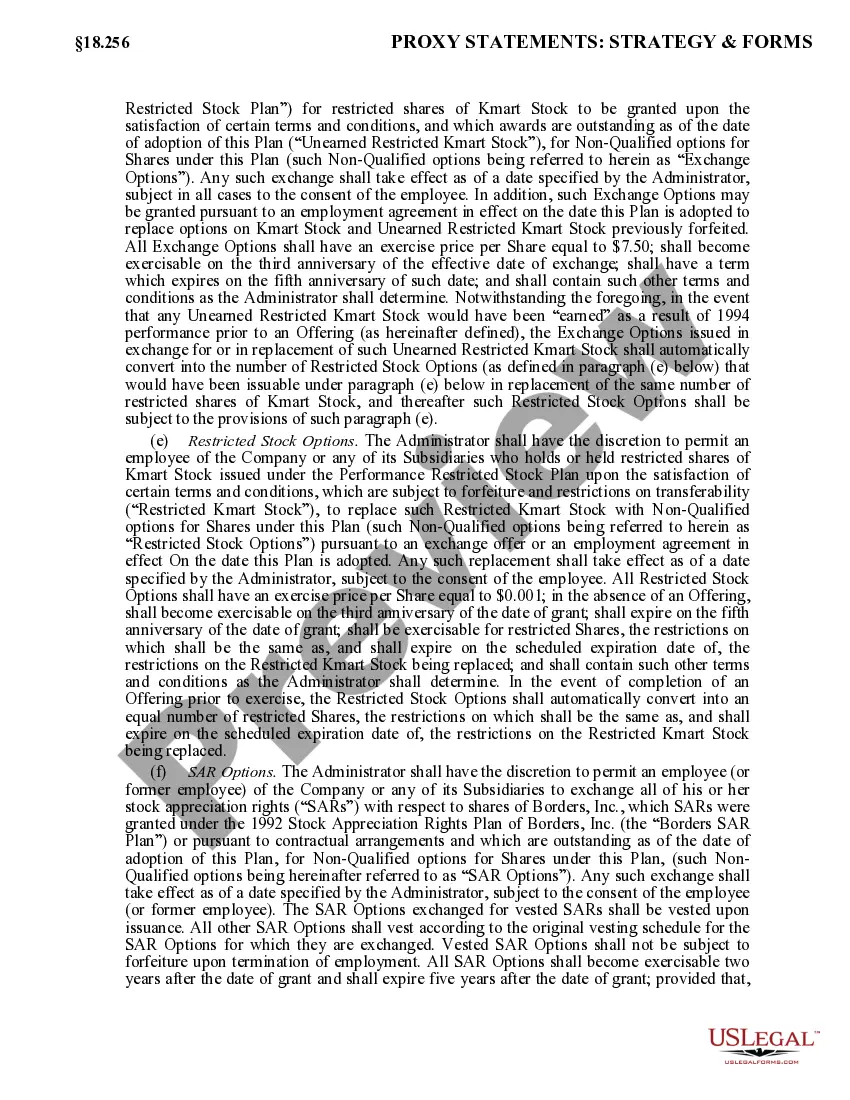
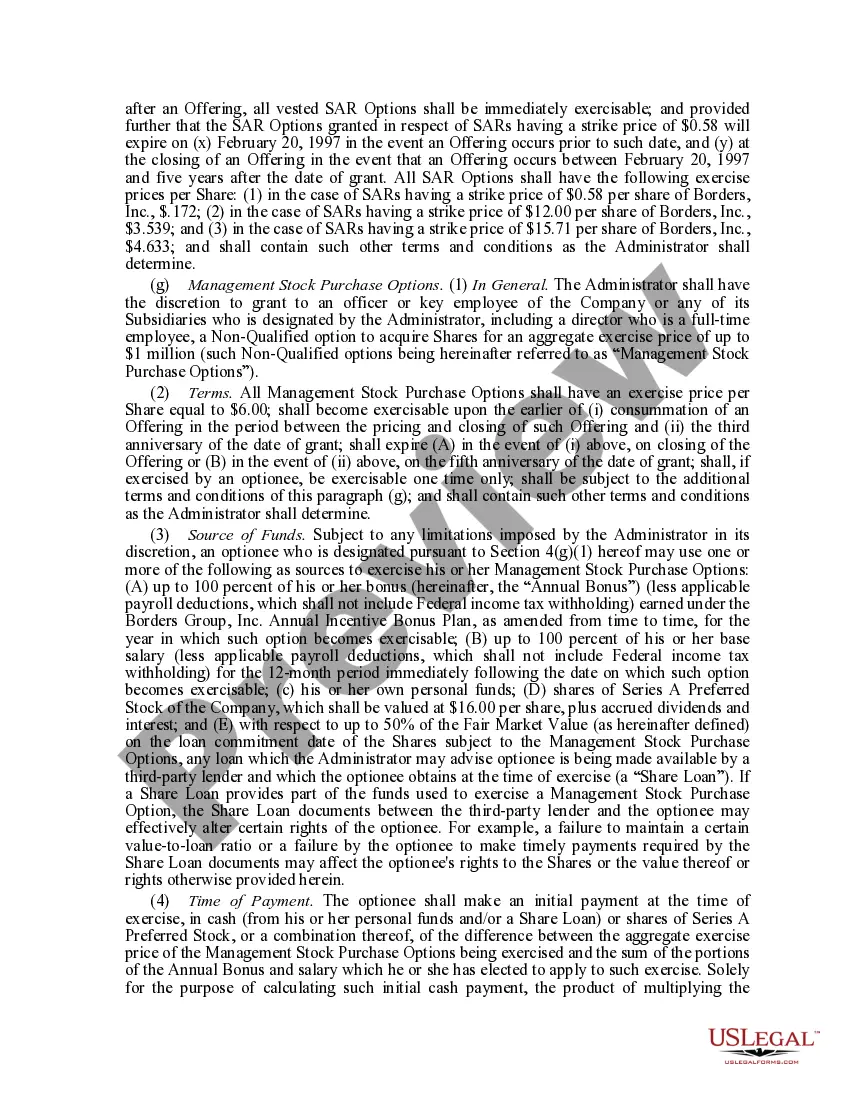
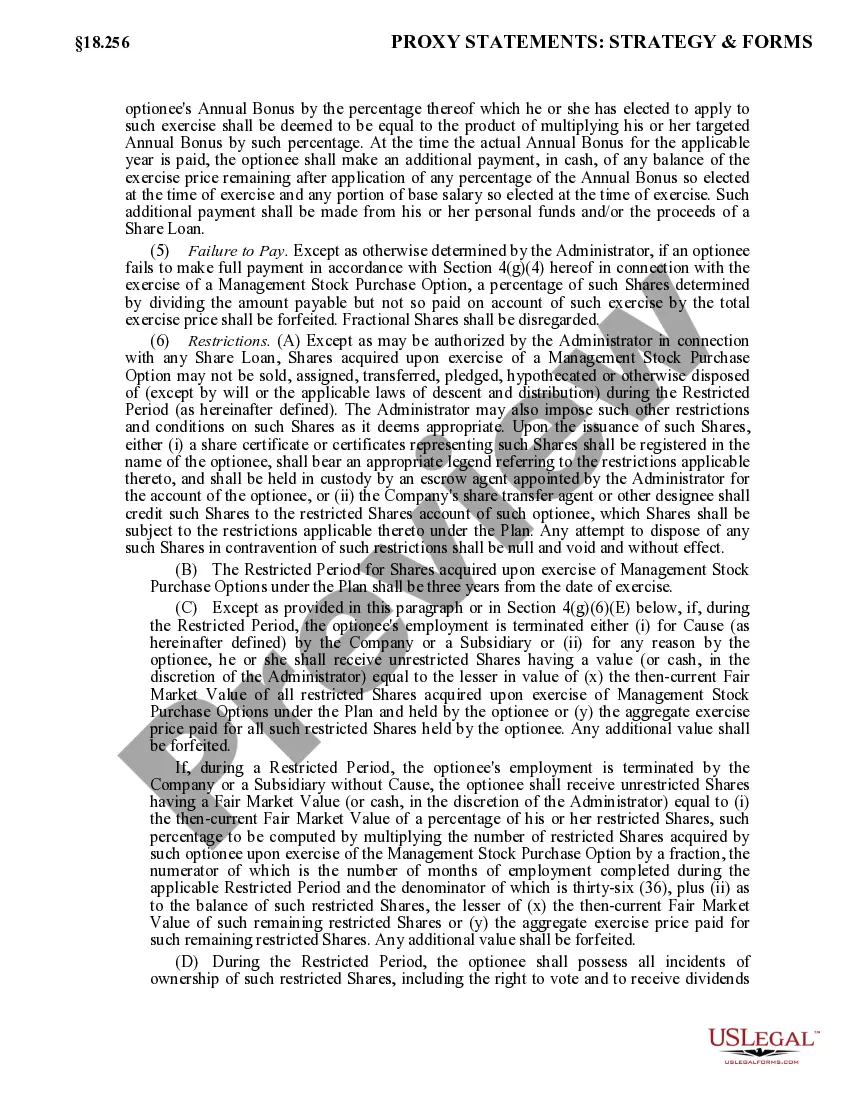
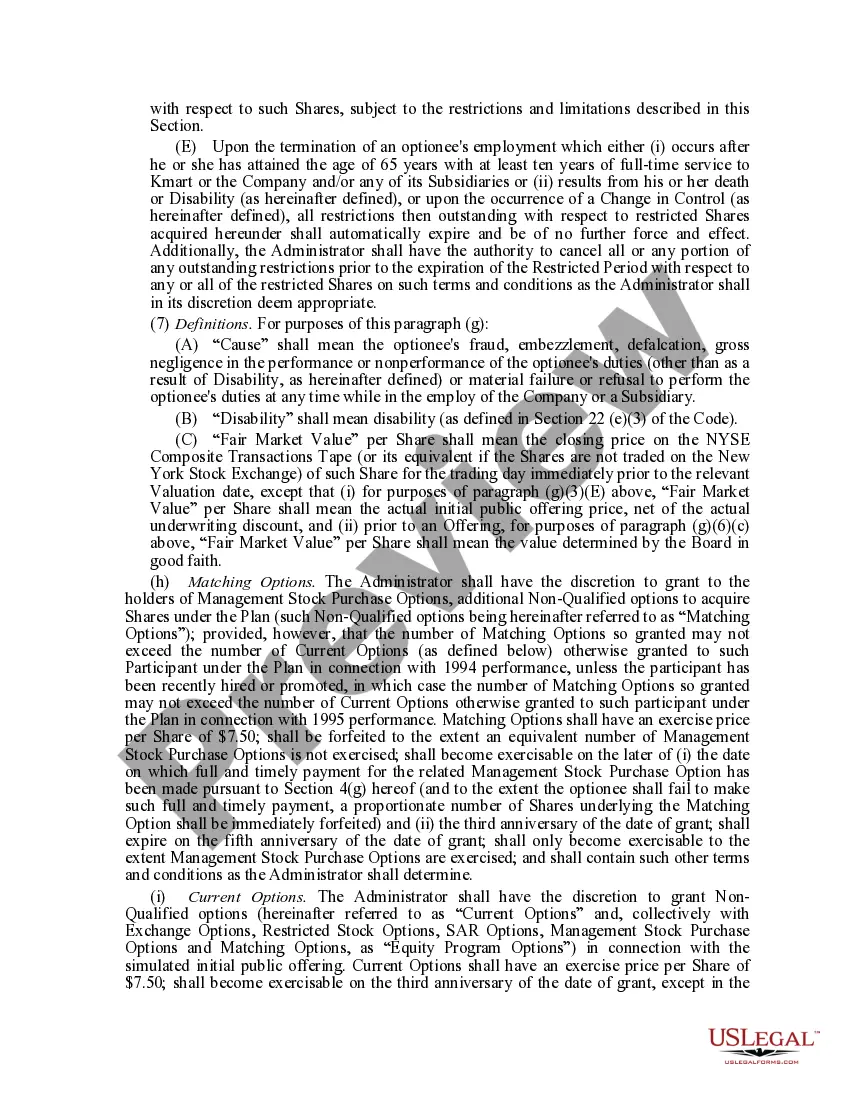
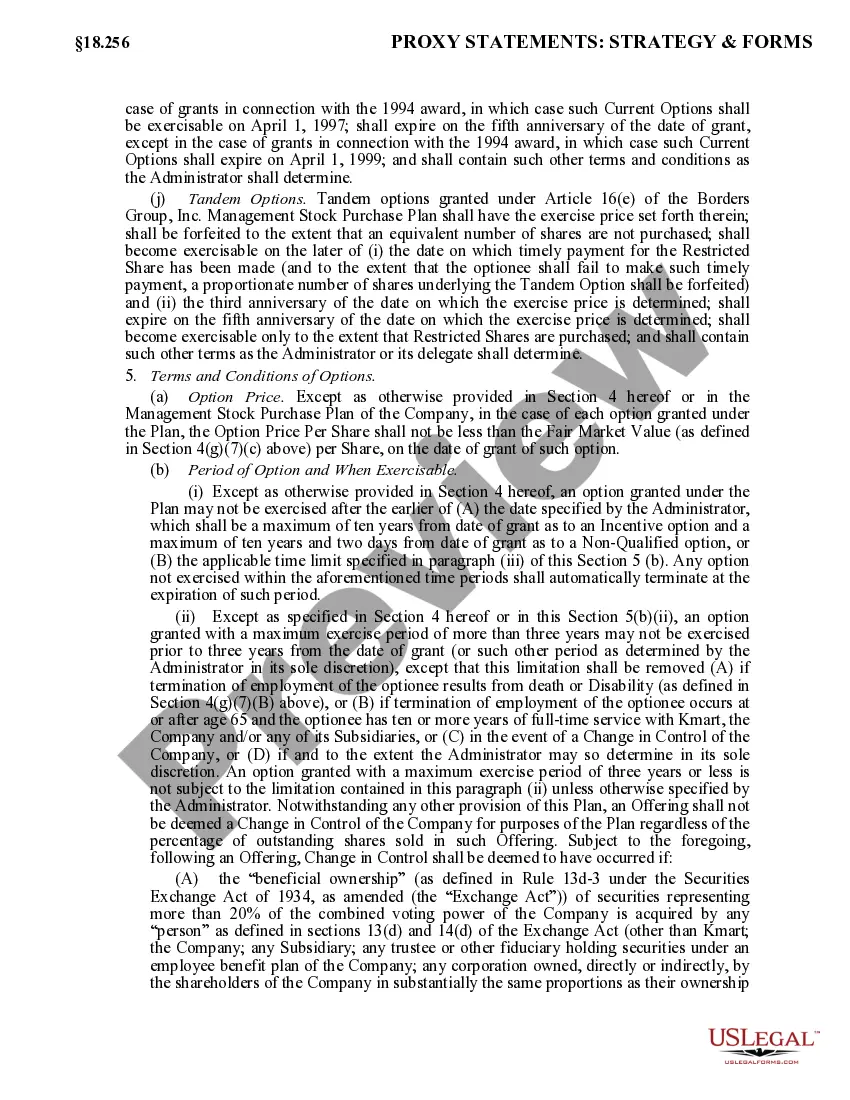
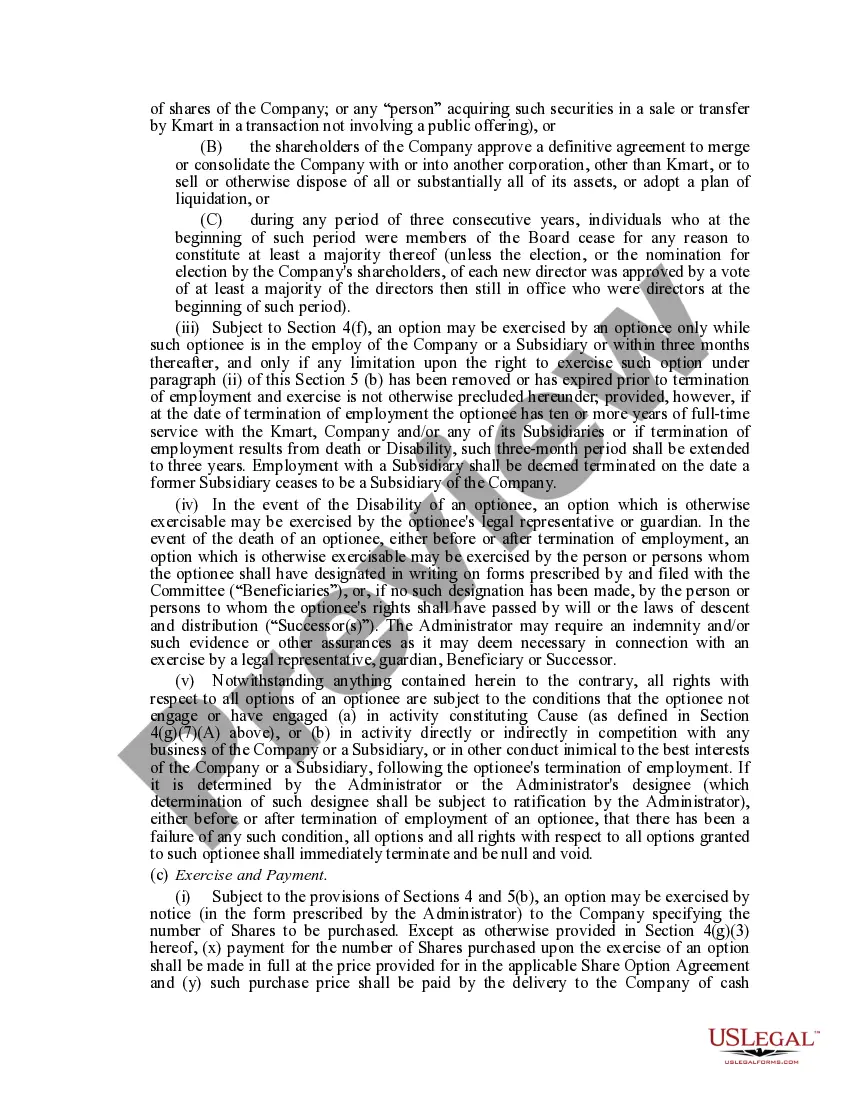
Option Plan With The Following
Description

Get your form ready online
Our built-in tools help you complete, sign, share, and store your documents in one place.
Make edits, fill in missing information, and update formatting in US Legal Forms—just like you would in MS Word.
Download a copy, print it, send it by email, or mail it via USPS—whatever works best for your next step.
Sign and collect signatures with our SignNow integration. Send to multiple recipients, set reminders, and more. Go Premium to unlock E-Sign.
If this form requires notarization, complete it online through a secure video call—no need to meet a notary in person or wait for an appointment.
We protect your documents and personal data by following strict security and privacy standards.

Make edits, fill in missing information, and update formatting in US Legal Forms—just like you would in MS Word.

Download a copy, print it, send it by email, or mail it via USPS—whatever works best for your next step.

Sign and collect signatures with our SignNow integration. Send to multiple recipients, set reminders, and more. Go Premium to unlock E-Sign.

If this form requires notarization, complete it online through a secure video call—no need to meet a notary in person or wait for an appointment.

We protect your documents and personal data by following strict security and privacy standards.
Looking for another form?


How to fill out Stock Option Plan Stock Option Plan Which Provides For Grant Of Incentive Stock Options, Nonqualified Stock Options, And Exchange Options?
- If you are a returning user, start by logging into your account and checking your subscription status. Make sure it’s up-to-date before proceeding.
- In case this is your first time, begin by browsing the Preview mode and reading through the form descriptions to select the document that fits your legal needs.
- If your initial choice doesn’t match your requirements, utilize the Search tab to find the correct template needed for your jurisdiction.
- Once you find an appropriate form, click the Buy Now button, then select your desired subscription plan and register for an account to gain access.
- Proceed with your purchase by entering your credit card information or using your PayPal account for the transaction.
- Finally, download the completed template to your device, enabling you to fill it out as necessary, or access it later in the My Forms section.
By following these straightforward steps, you can confidently access the resources needed to complete your legal documents with ease.
Get started with US Legal Forms today and empower yourself with the tools to tackle your legal needs efficiently!
Form popularity
FAQ
An Employee Stock Ownership Plan (ESOP) is a type of option plan that allows employees to own shares in their company. For instance, a company may contribute its stock to an ESOP trust, which then allocates shares to employees' accounts. This option plan not only motivates employees but also aligns their interests with the company's success. As a result, employees feel more invested in their work.
If you decide to leave the company, the treatment of your employee share options depends on the specific terms of the option plan. Typically, you may lose the opportunity to exercise unvested options, while vested options might remain available for a limited time. Therefore, it is important to review your plan’s details and your company’s policies. Platforms like US Legal Forms can provide clarity on your rights and terms regarding your option plan if you are considering making a change.
While an employee stock ownership plan (ESOP) has many advantages, it also comes with some drawbacks. If the company underperforms, the stock value may decline, leading to potential financial losses for employees holding shares. Furthermore, the complexity of managing an ESOP can create administrative burdens for both the company and its employees. It is important to weigh these risks against the benefits to determine if an option plan aligns with your financial goals.
Yes, employee share plans can be very beneficial for both employees and companies. They offer employees an opportunity to share in the company’s growth and success, potentially increasing their overall compensation. Additionally, these plans foster loyalty and motivation among employees, as they can see a direct link between their efforts and financial rewards. Investing in an option plan can lead to long-term job satisfaction and stronger company culture.
Box 14 'Other' on your W-2 form can include various types of income not specified in the other boxes. For instance, it could show contributions to retirement accounts or other benefits related to your employment, including information about your option plan. Always review this section to ensure you understand all income reported for your tax filing.
You report stock options on your tax return, specifically in the income and capital gains sections. It's crucial to detail the income from your option plan accurately to ensure compliance with IRS guidelines. Good record-keeping throughout the year simplifies this reporting process.
Setting up a stock option plan requires defining the eligibility criteria, option types, and vesting schedule. You may also want to consult legal expertise to ensure compliance with corporate regulations. Platforms like uslegalforms can provide templates and resources to facilitate the creation of a comprehensive option plan tailored to your business needs.
To report stock options on your W-2, the income must be reflected in boxes 1, 3, and 5 as ordinary wages. Additionally, any applicable additional reports may be provided to explain the income related to the option plan. Make sure your employer includes this information to avoid issues during your tax filing.
Box 12 Code V on your W-2 form indicates income from Restricted Stock Units (RSUs). When you receive RSUs, they are taxed as ordinary income when they vest. Thus, Code V helps you report this income accurately when you prepare your taxes. Understanding this can help you navigate your overall option plan effectively.
An employee stock option plan, or ESOP, provides employees with the right to buy shares in the company at a later date. This plan typically aims to attract and retain talent by offering workers the opportunity to benefit from the company's success through stock ownership. By participating in this plan, employees can align their goals with the company's performance, creating a win-win dynamic.