Option Woman
Description
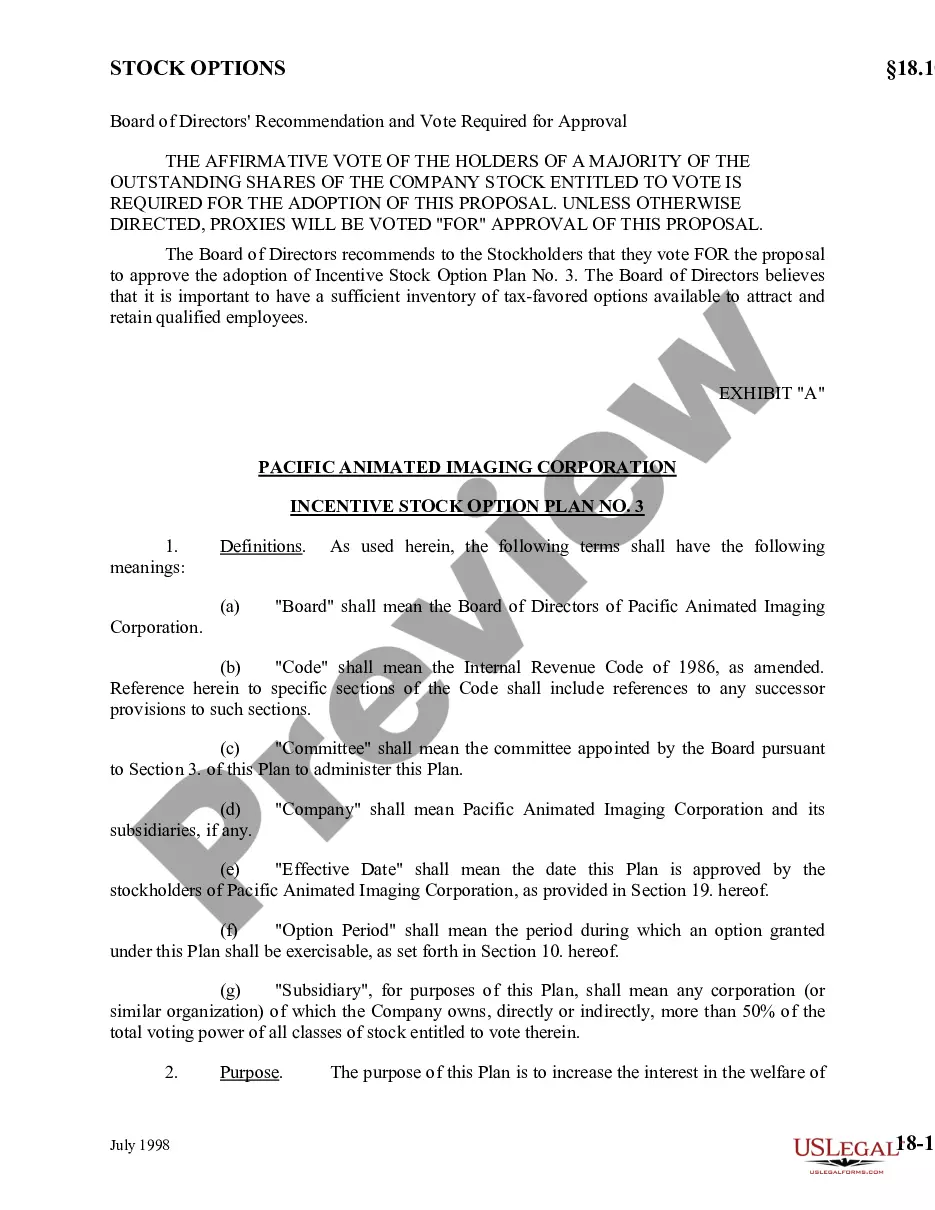
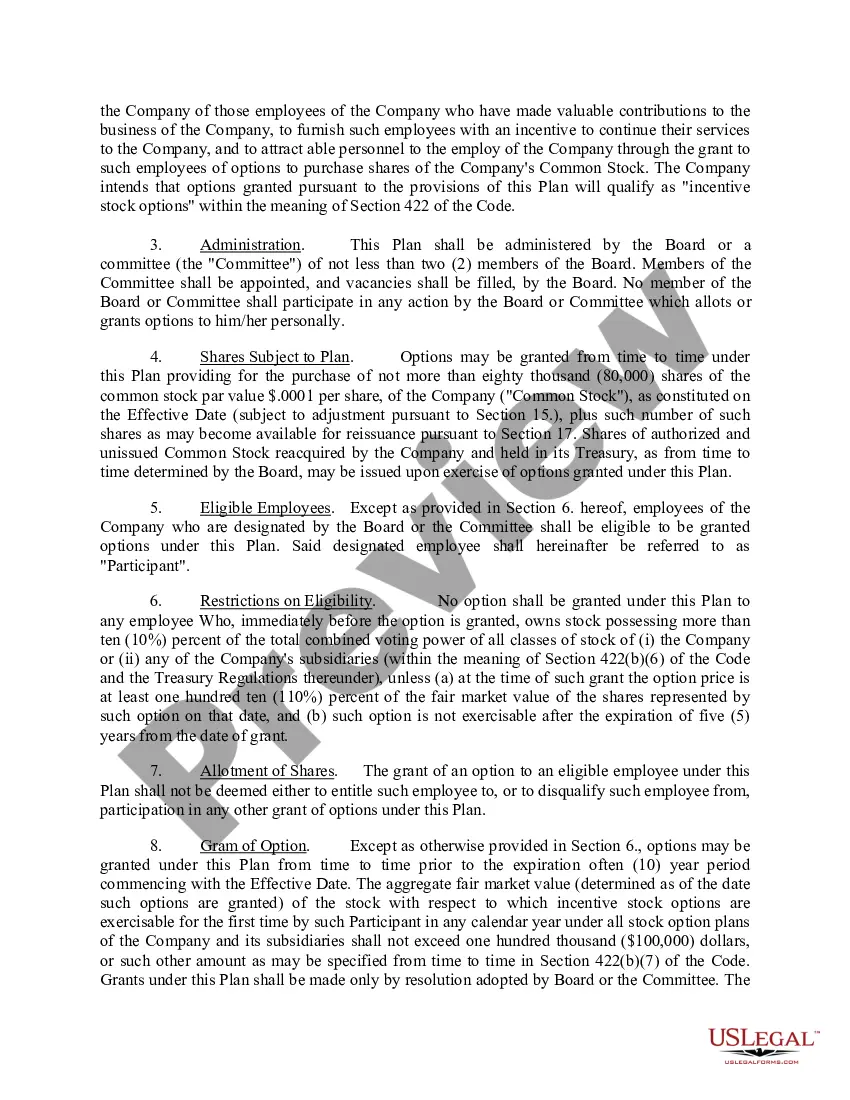
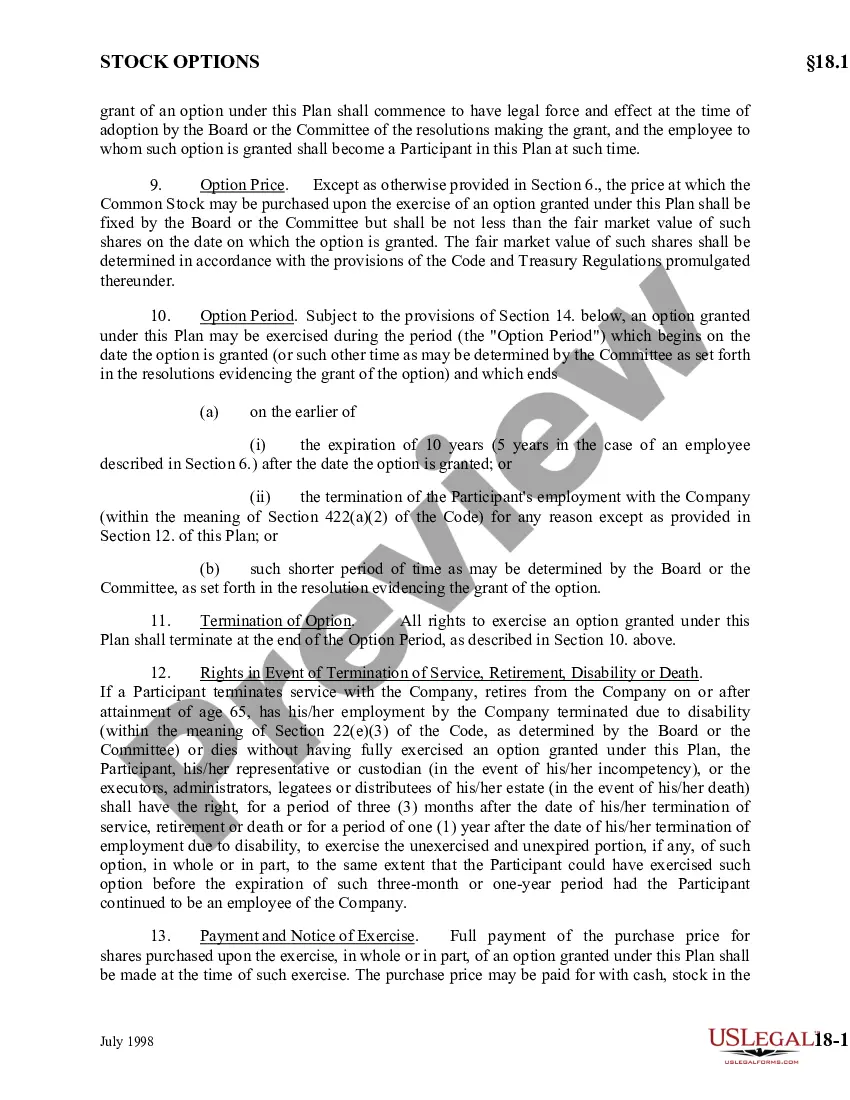
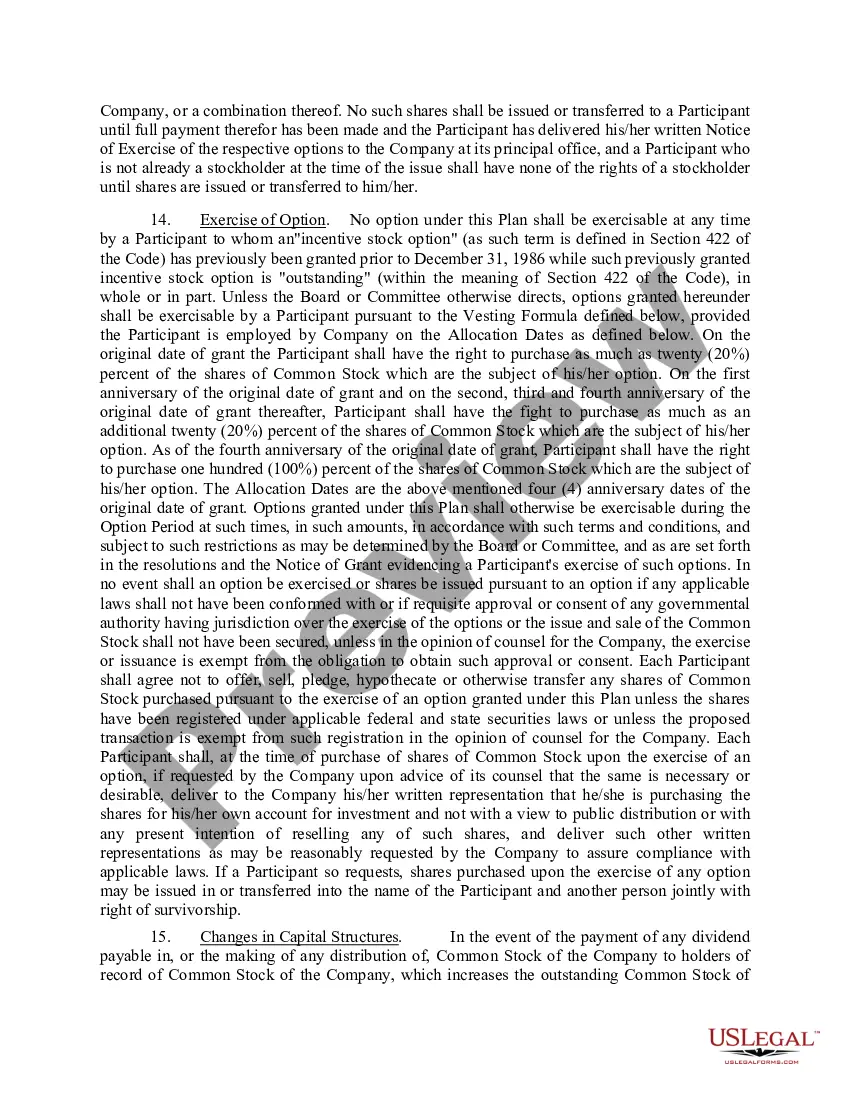
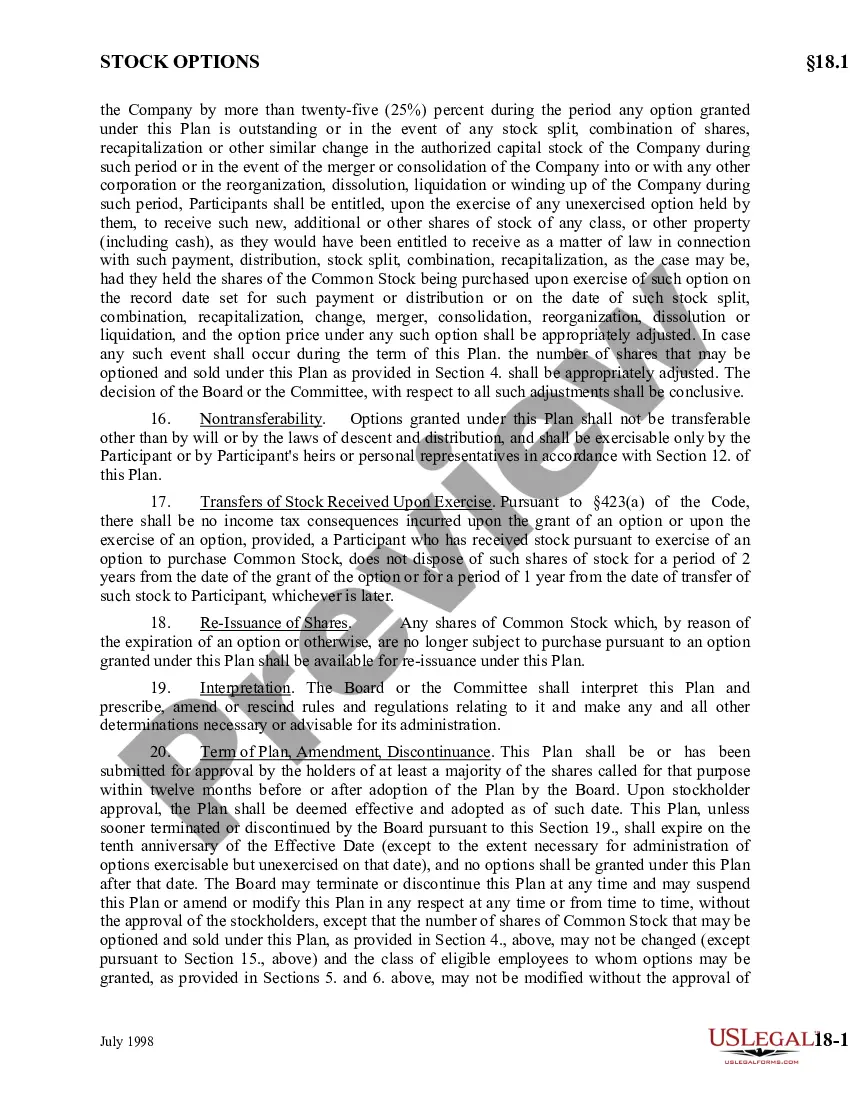
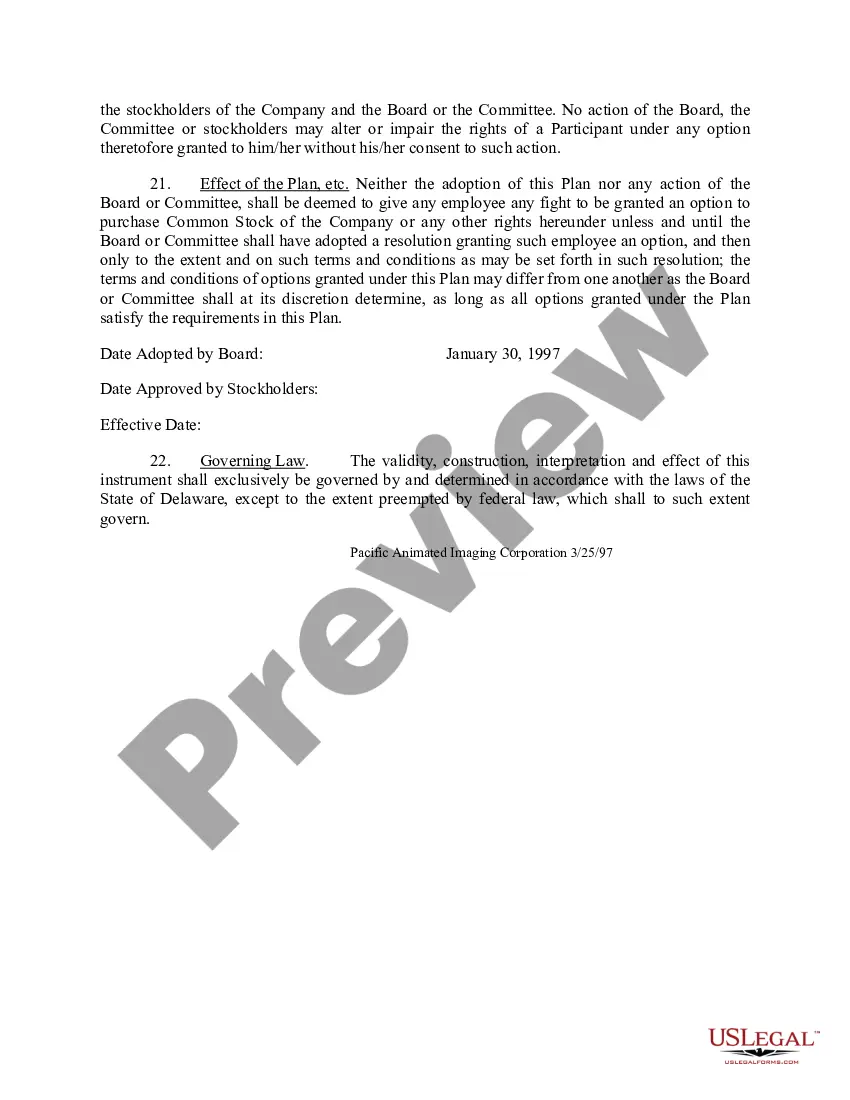
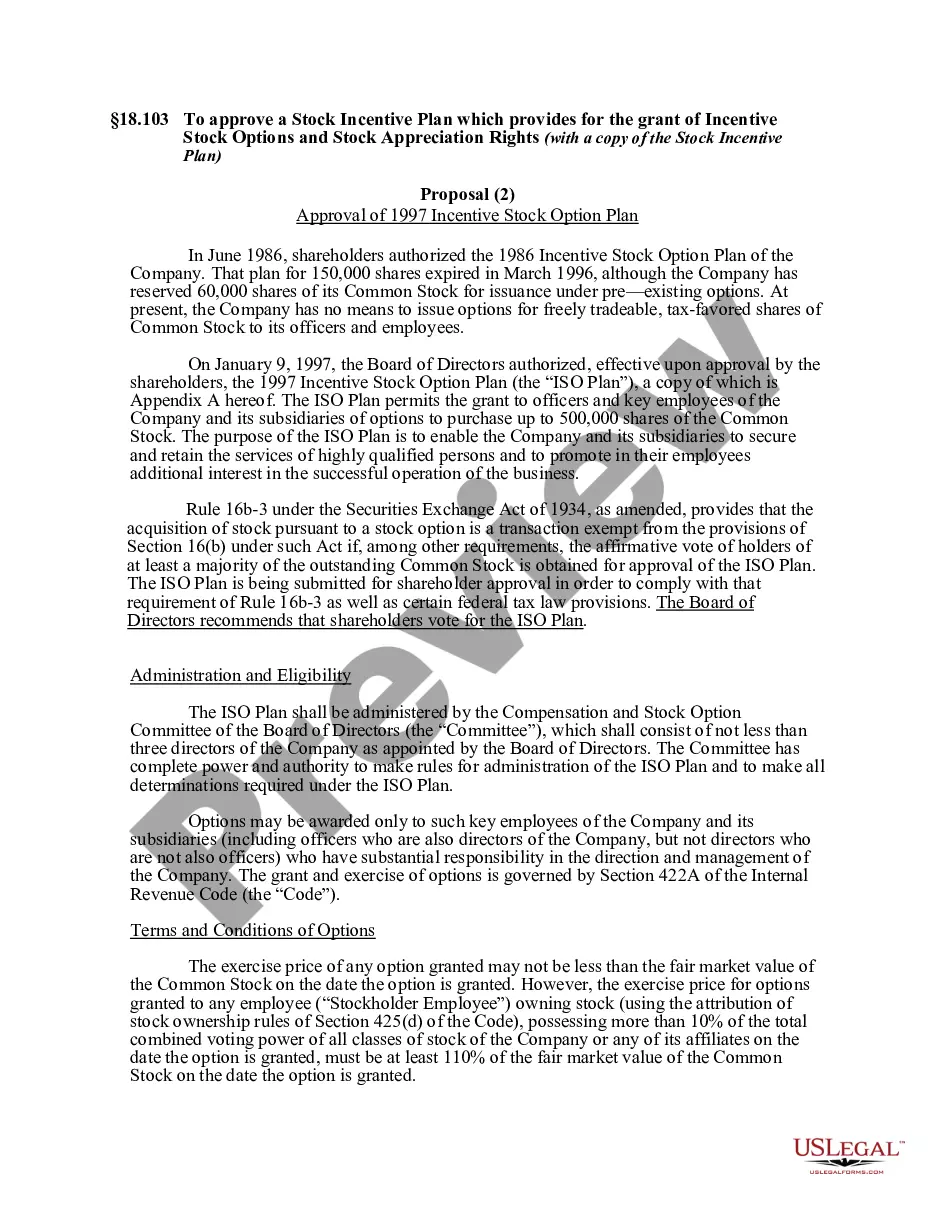
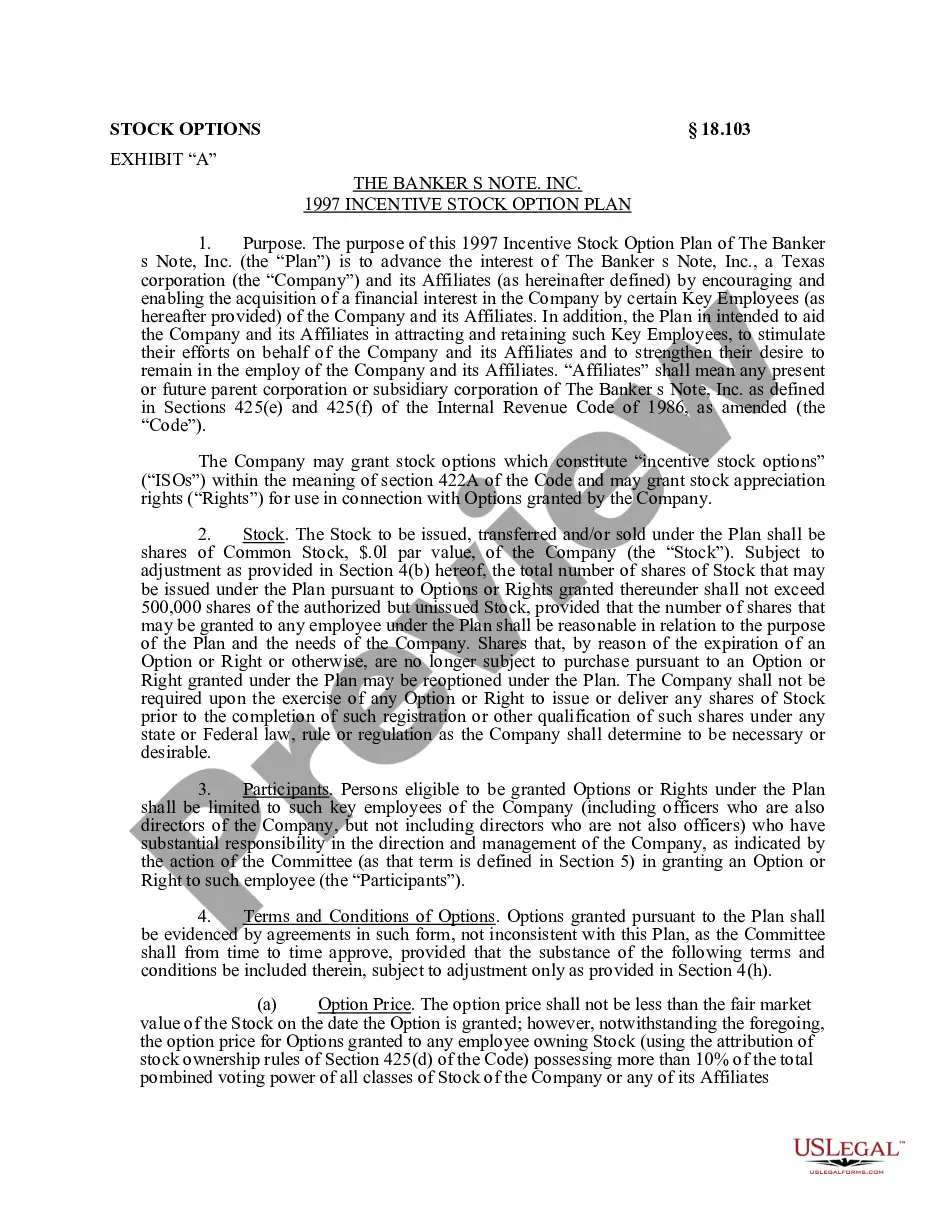



How to fill out Stock Option Plan To Approve Incentive Stock Option Plan Of Pacific Animated Imaging Corp.?
- Start by visiting the US Legal Forms website and search for the form you need using the search bar.
- If you already have an account, log in to access your previous downloads and check the validity of your subscription. Consider renewing if it's expired.
- Once you locate the correct form, check its preview and description to ensure it aligns with your jurisdiction's requirements.
- If adjustments are needed, utilize the search feature to find an alternative form that meets your needs.
- To proceed, click on the Buy Now button and select a subscription plan, creating an account if you're a first-time user.
- Input payment details via credit card or PayPal to complete your purchase.
- Finally, download the form and save it on your device for easy access. You can also find it later under the My Forms section.
Utilizing US Legal Forms provides users with access to a robust library of over 85,000 legal forms, ensuring you find exactly what you need.
With the support of premium experts available for assistance, you can feel confident that your documents will be accurate and legally sound. Start your journey with US Legal Forms today!
Form popularity
FAQ
Inclusive terms for gender encompass a range of identities beyond the binary system. Key terms include 'Option Woman,' non-binary, genderqueer, genderfluid, and others. Using inclusive terminology ensures that everyone feels recognized and valued in any context.
To inclusively ask for gender, consider integrating a diverse range of options that invite participation. Providing 'Option Woman' alongside other gender identities signals respect and acknowledgment. It shows a commitment to inclusivity and encourages openness in responses.
An inclusive way to ask for gender involves using clear, respectful language. Phrasing like, 'How would you identify your gender?' or presenting options such as 'Option Woman' creates a welcoming environment. It’s important to respect individuals' choices and terminology.
When listing gender on a survey, clarity is key. You can create a section with multiple-choice options including 'Option Woman,' followed by an option for respondents to self-describe their gender. This flexibility allows for a more comprehensive understanding of gender diversity.
When designing a form, it’s helpful to provide a range of gender options. Along with 'Option Woman,' consider including options for male, non-binary, genderqueer, and a write-in option. This approach ensures all individuals feel seen and respected.
The appropriate way to ask for gender on a form is to provide clear options that reflect various identities. Including 'Option Woman' as part of the choices shows respect for individuals’ identities. Always leave a space for individuals to write in their preferred description if they do not feel represented.
To respectfully ask someone’s gender, approach the conversation thoughtfully. You might say, 'Could you share your gender with me?' It’s important to make sure the person feels comfortable and understood, and using terms like 'Option Woman' demonstrates a commitment to inclusivity.
When filling out gender on a form, you typically select from options provided. It's essential to choose an option that reflects your identity. Many forms now include options beyond just male and female, allowing for a more accurate representation, such as 'Option Woman' or other non-binary choices.
The women's right to have and determine choices refers to the recognized need for women to control their reproductive decisions. This right is fundamental to achieving equality in society and ensures that women can pursue their personal and professional aspirations. By recognizing the option woman, societies can foster environments where women feel secure in their choices. Resources from uslegalforms can guide women in understanding and asserting these rights effectively.
Women's right to choose is a collective affirmation of their autonomy regarding reproductive matters. It acknowledges that women must have control over their bodies, which includes the right to make choices about childbearing. This collective movement encourages societal support and advocates for legal protections to ensure women's choices are respected. Essential tools are available through platforms like uslegalforms to help women exercise these rights.