Sample Incorporation Form For Non Profit
Description
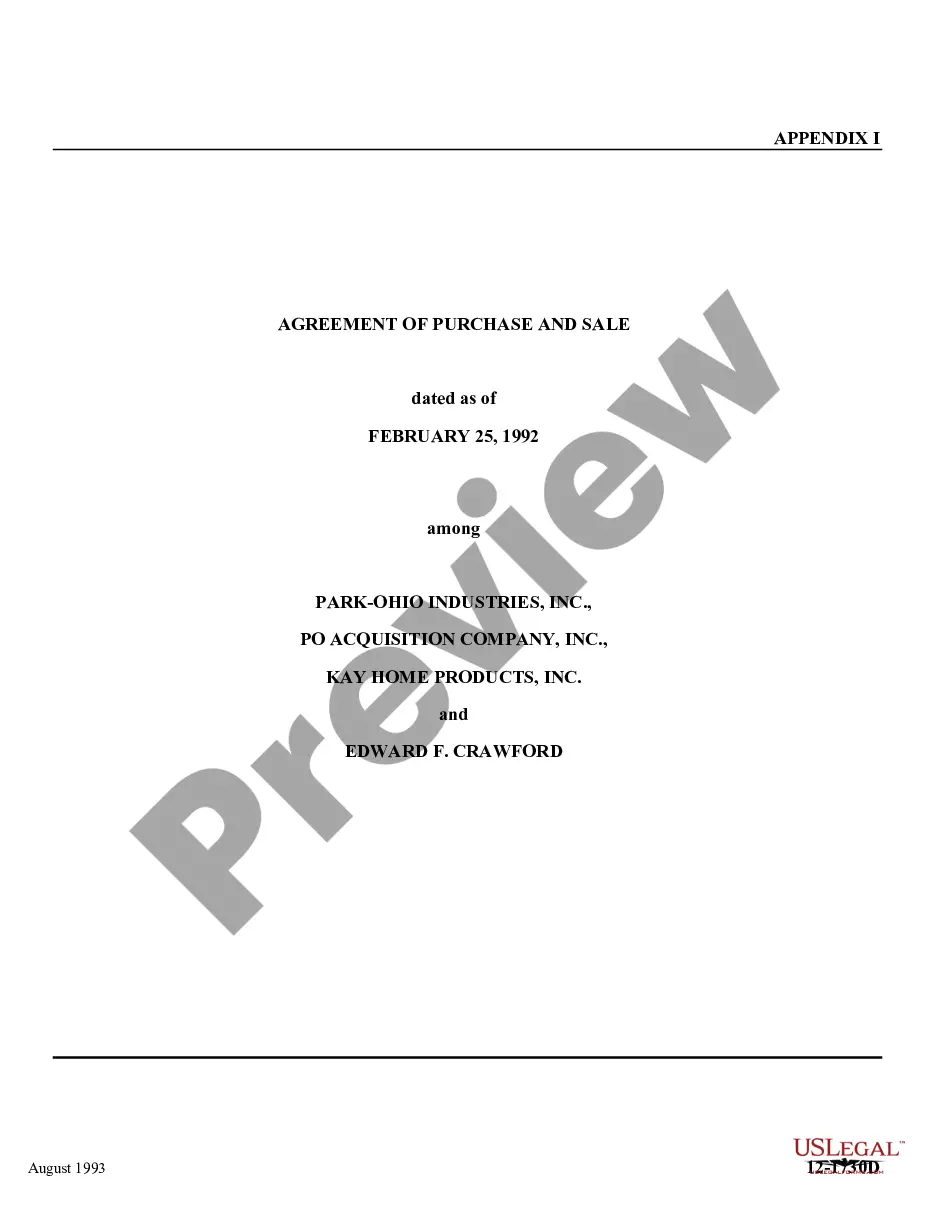
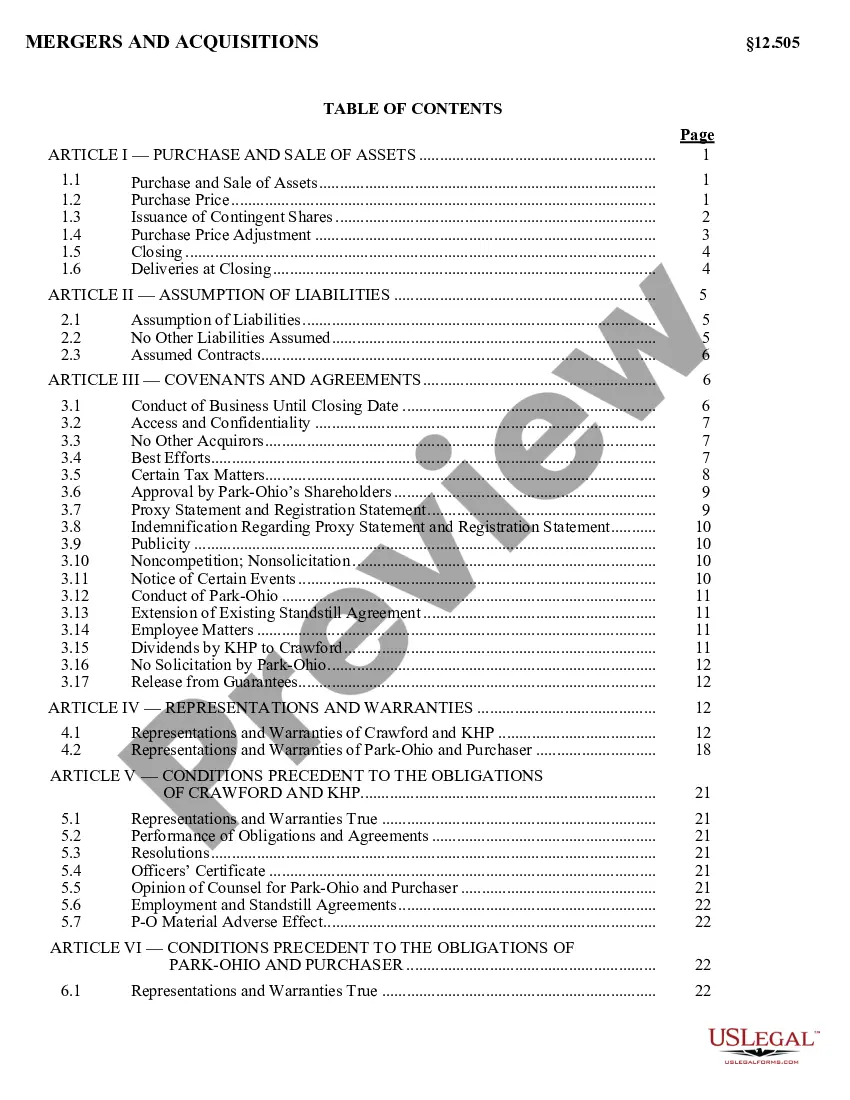
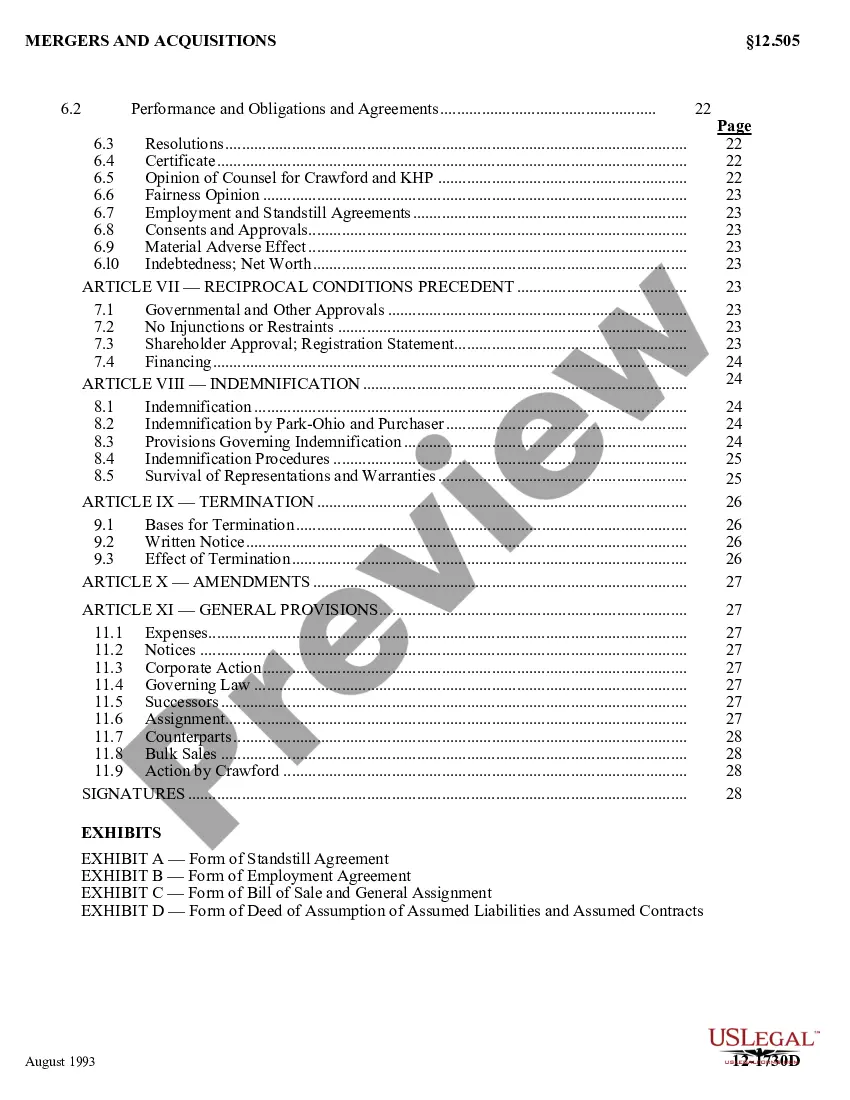
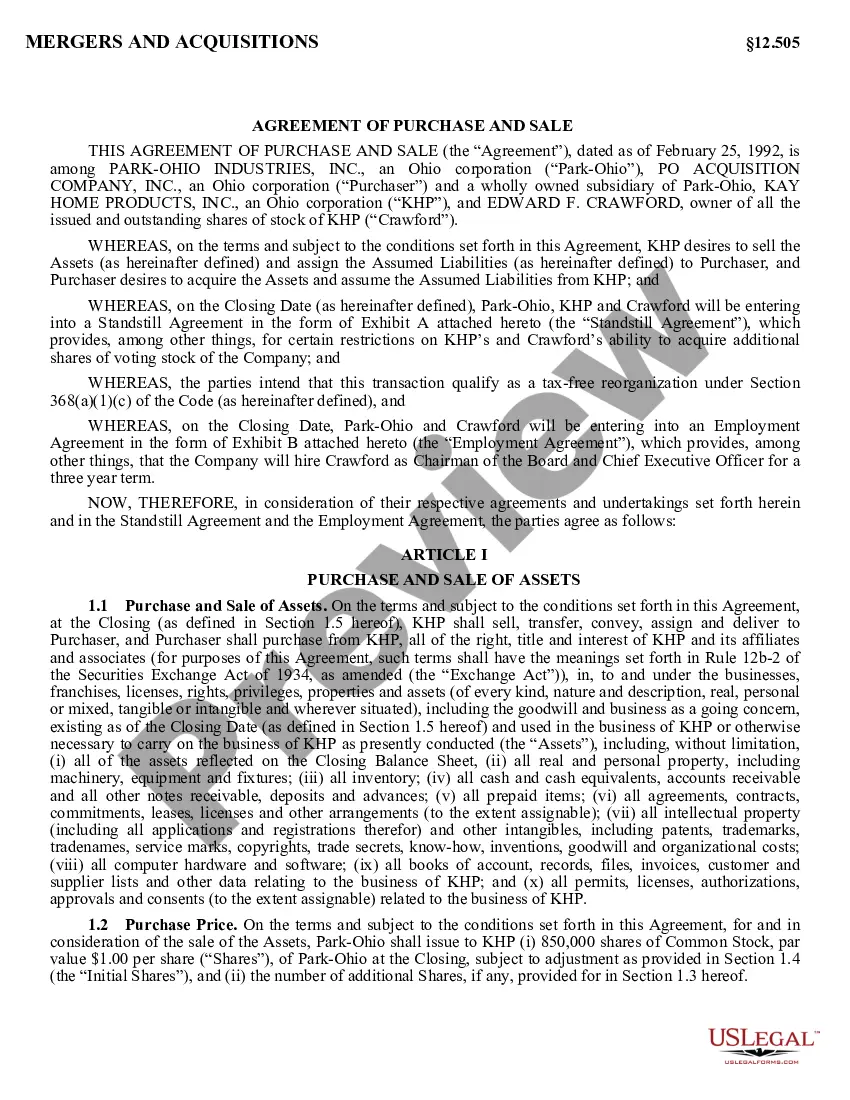
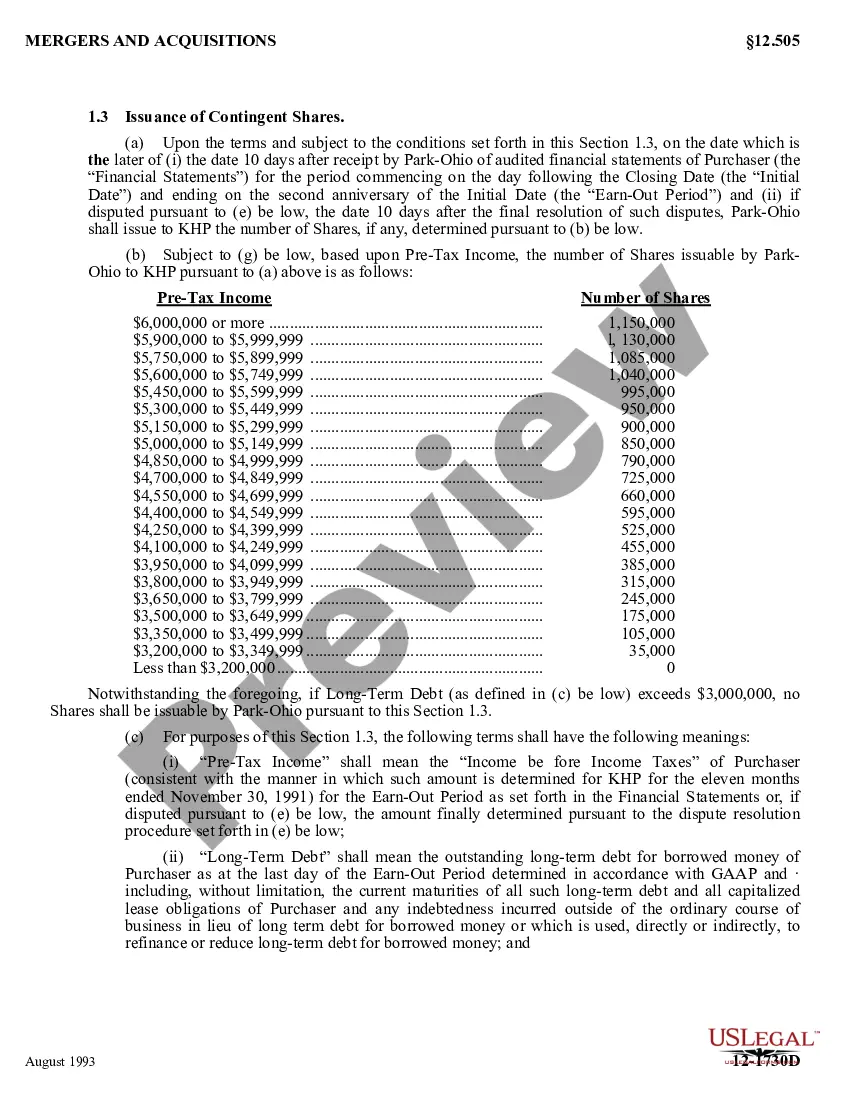

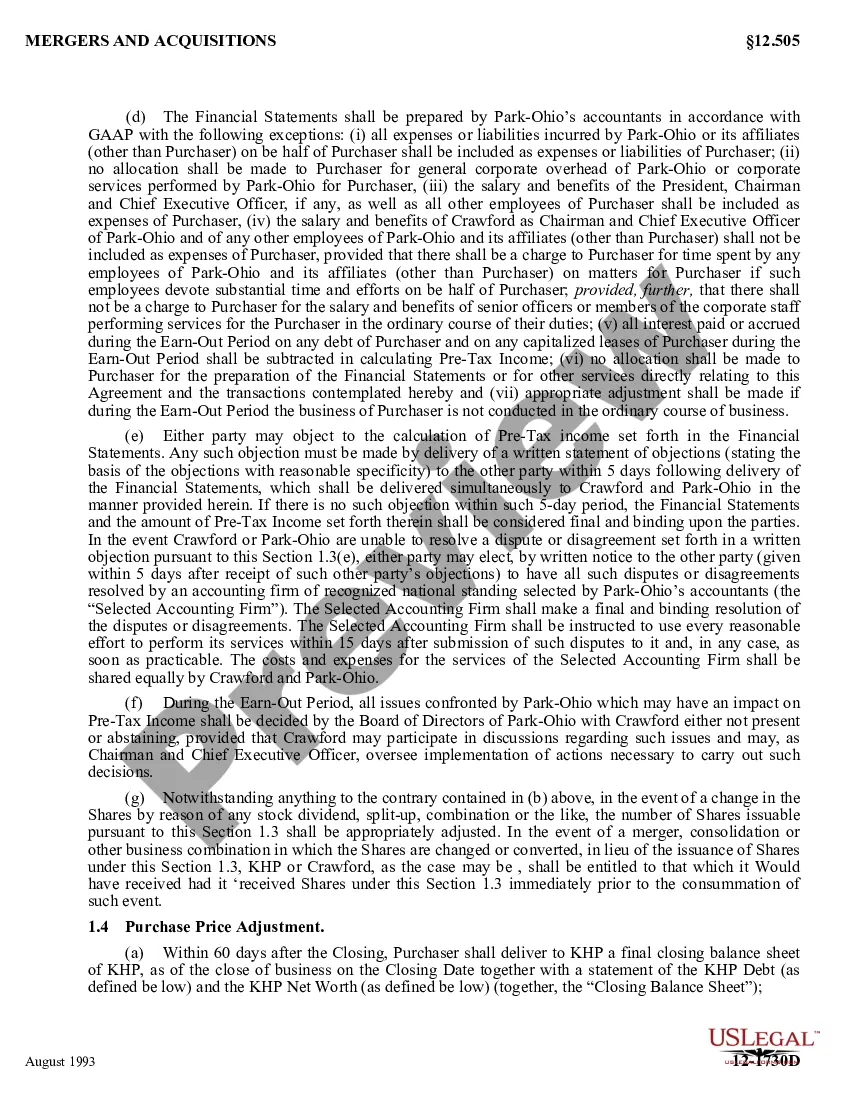
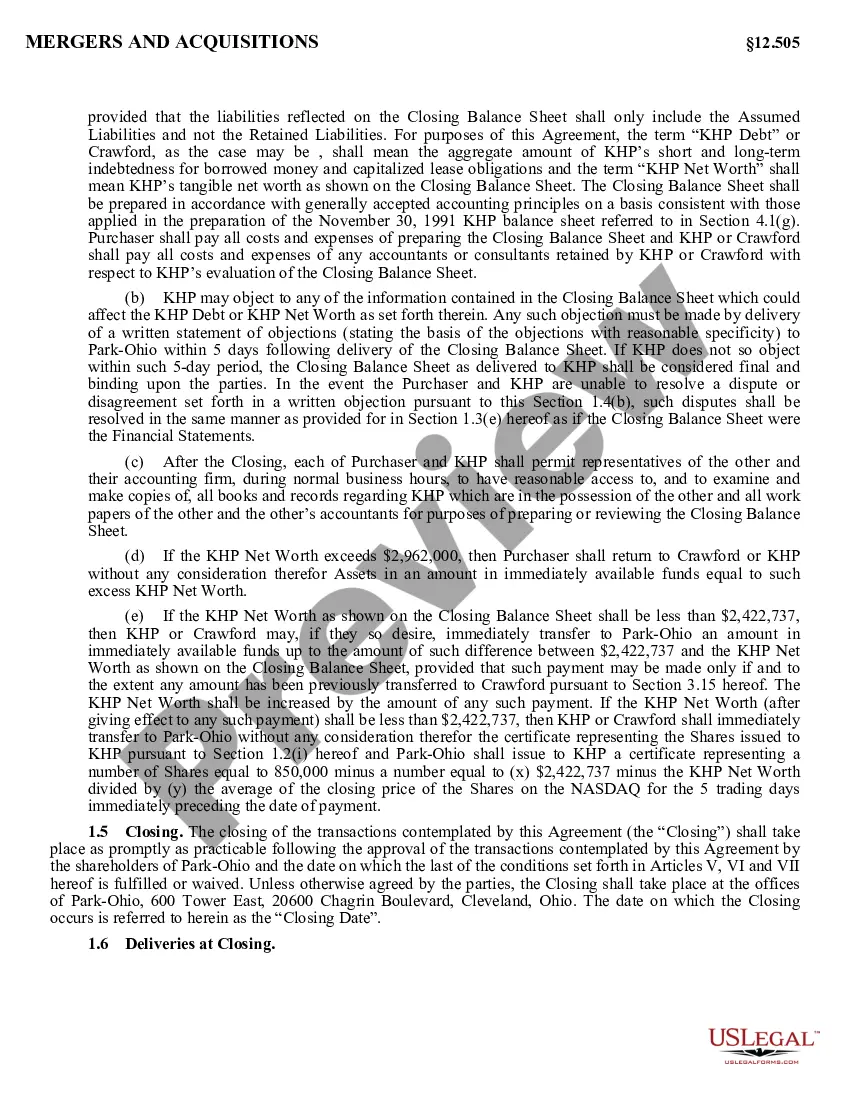
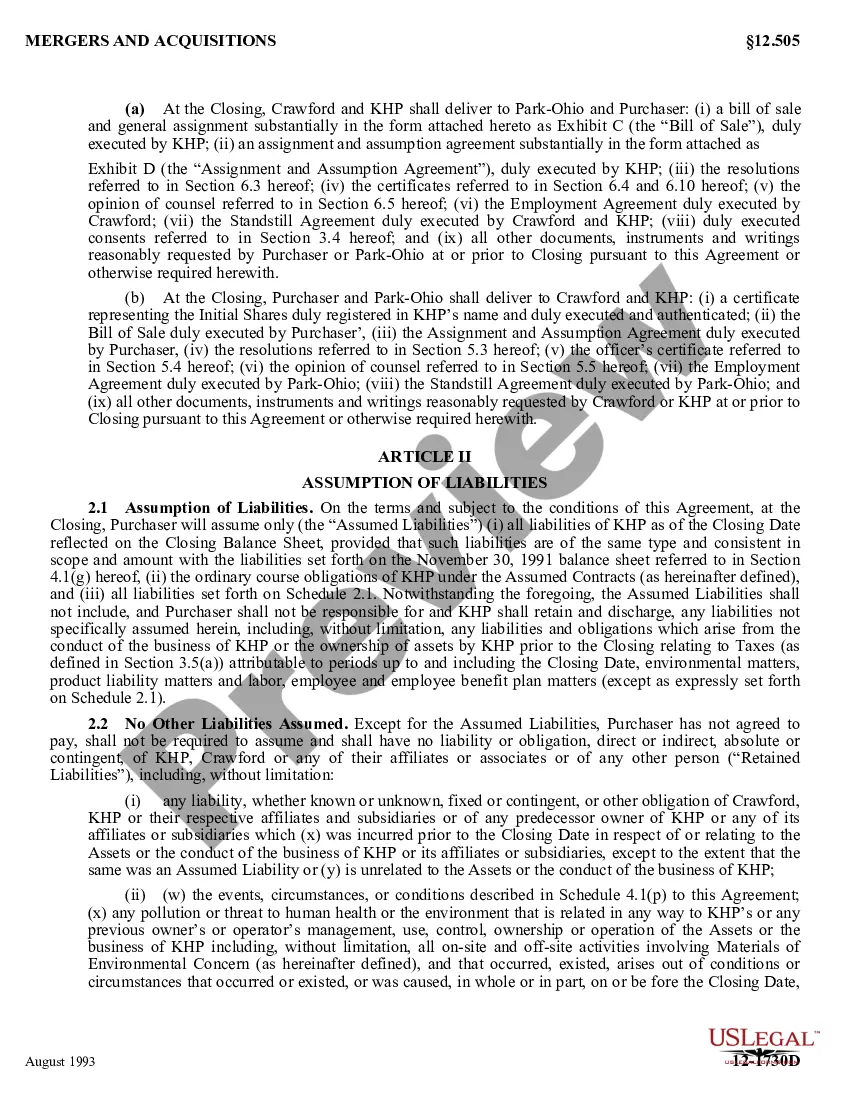


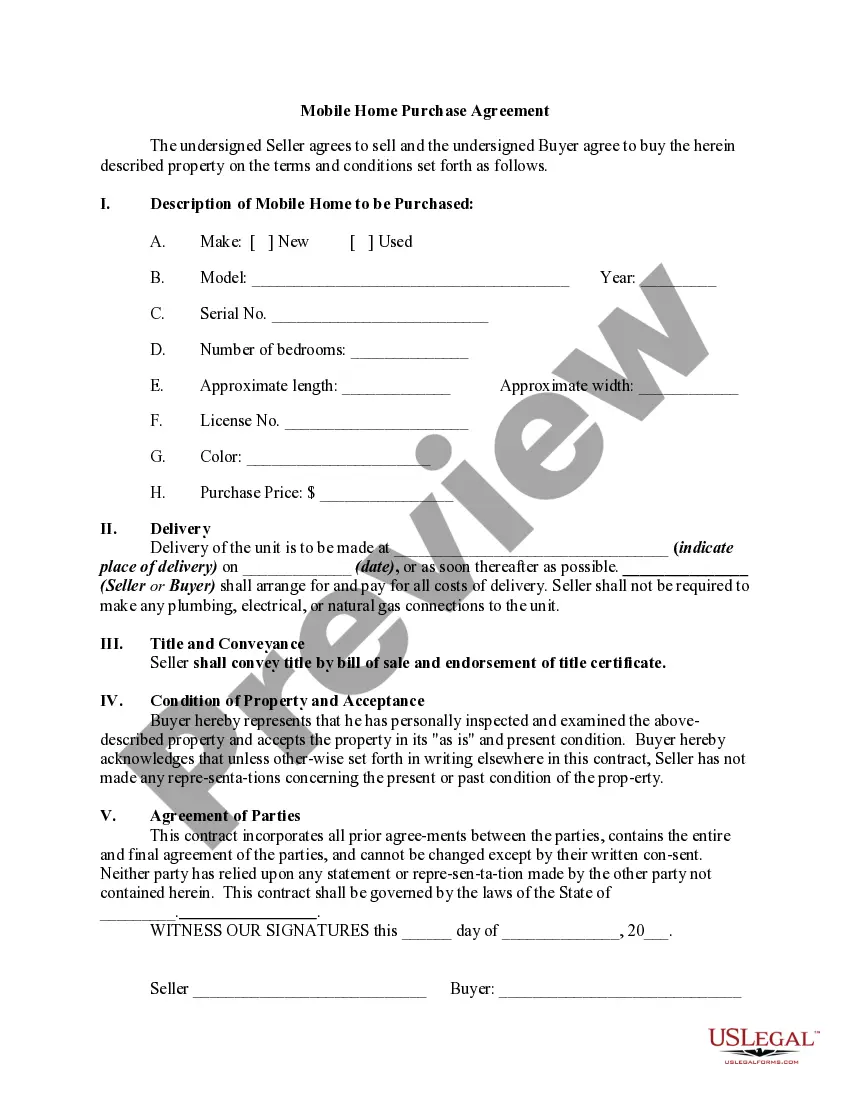
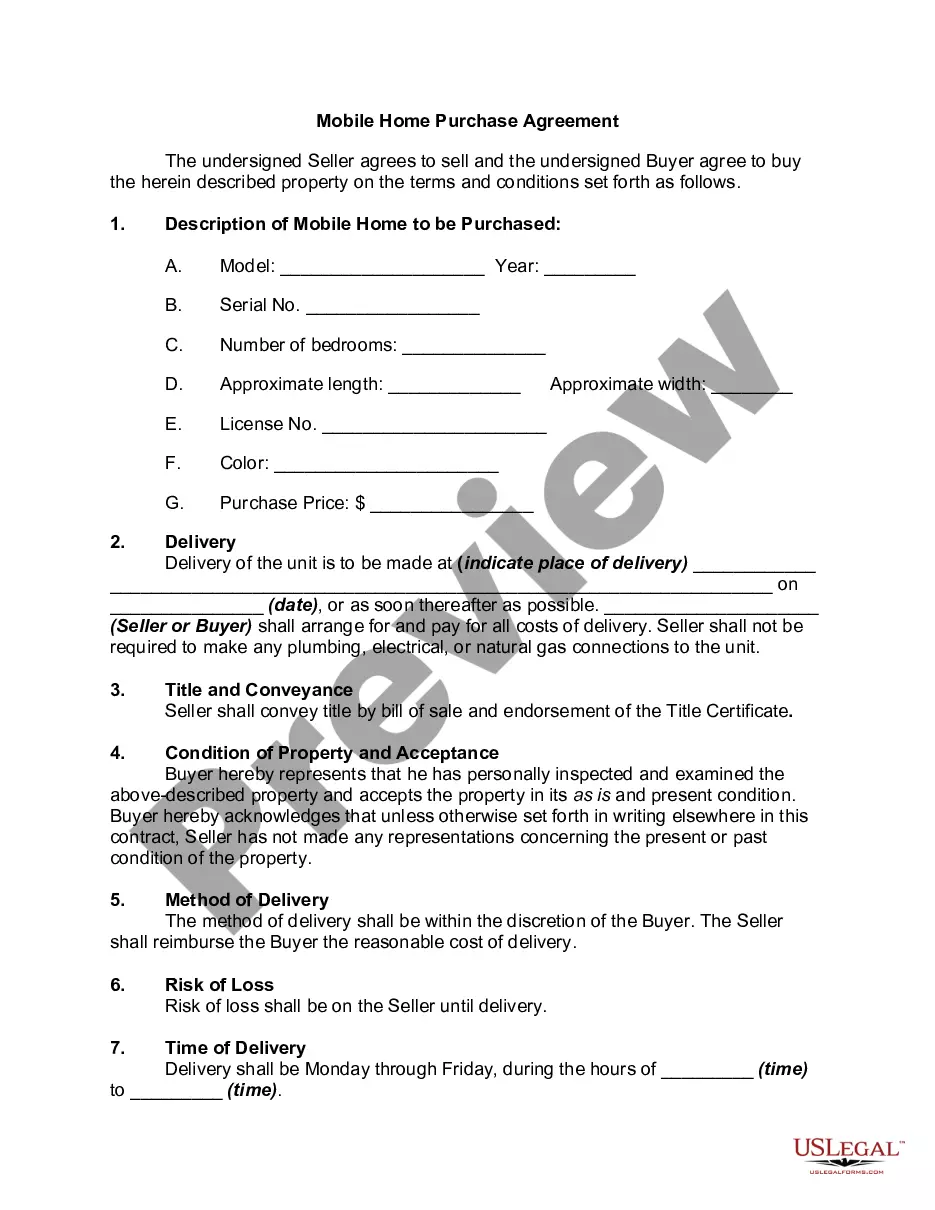
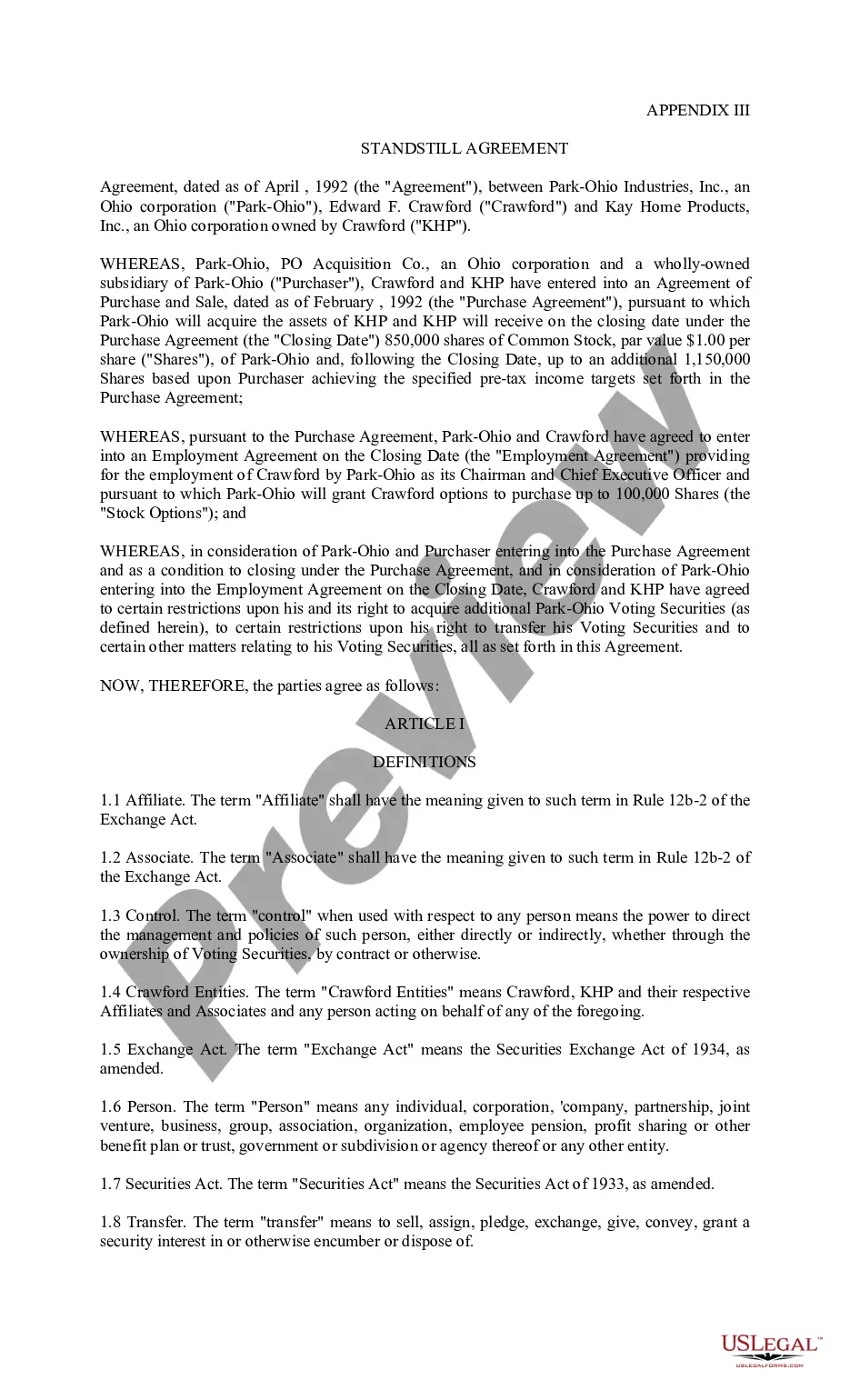
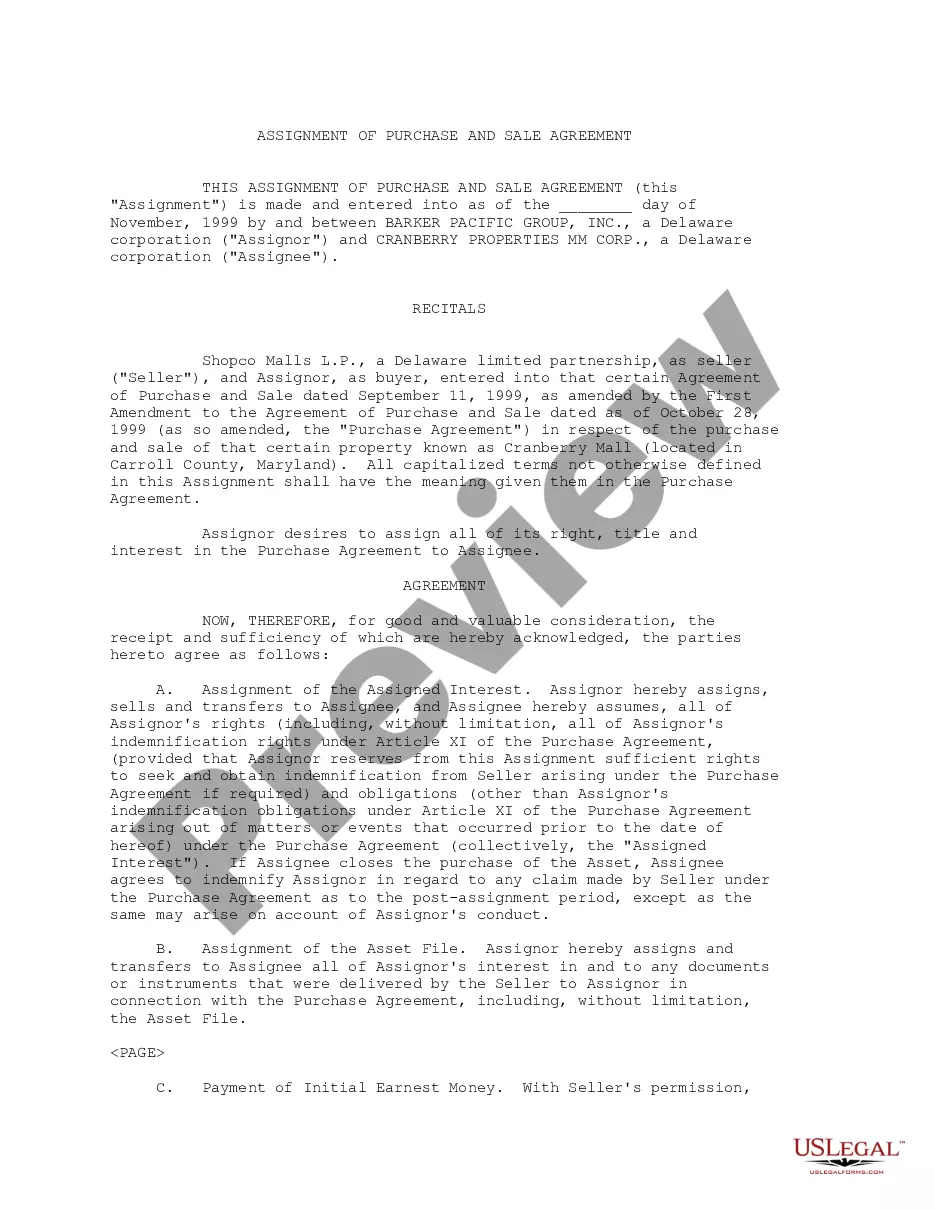



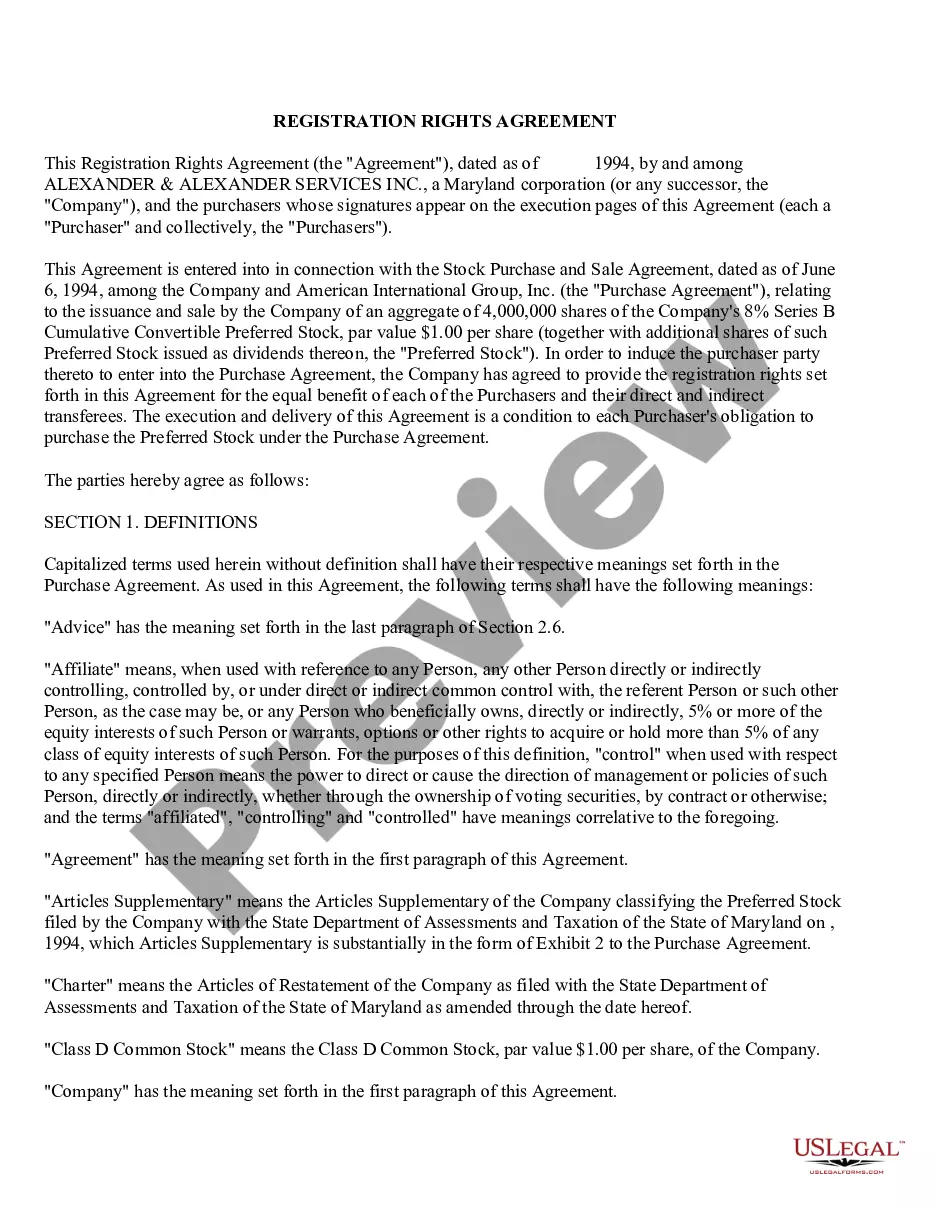
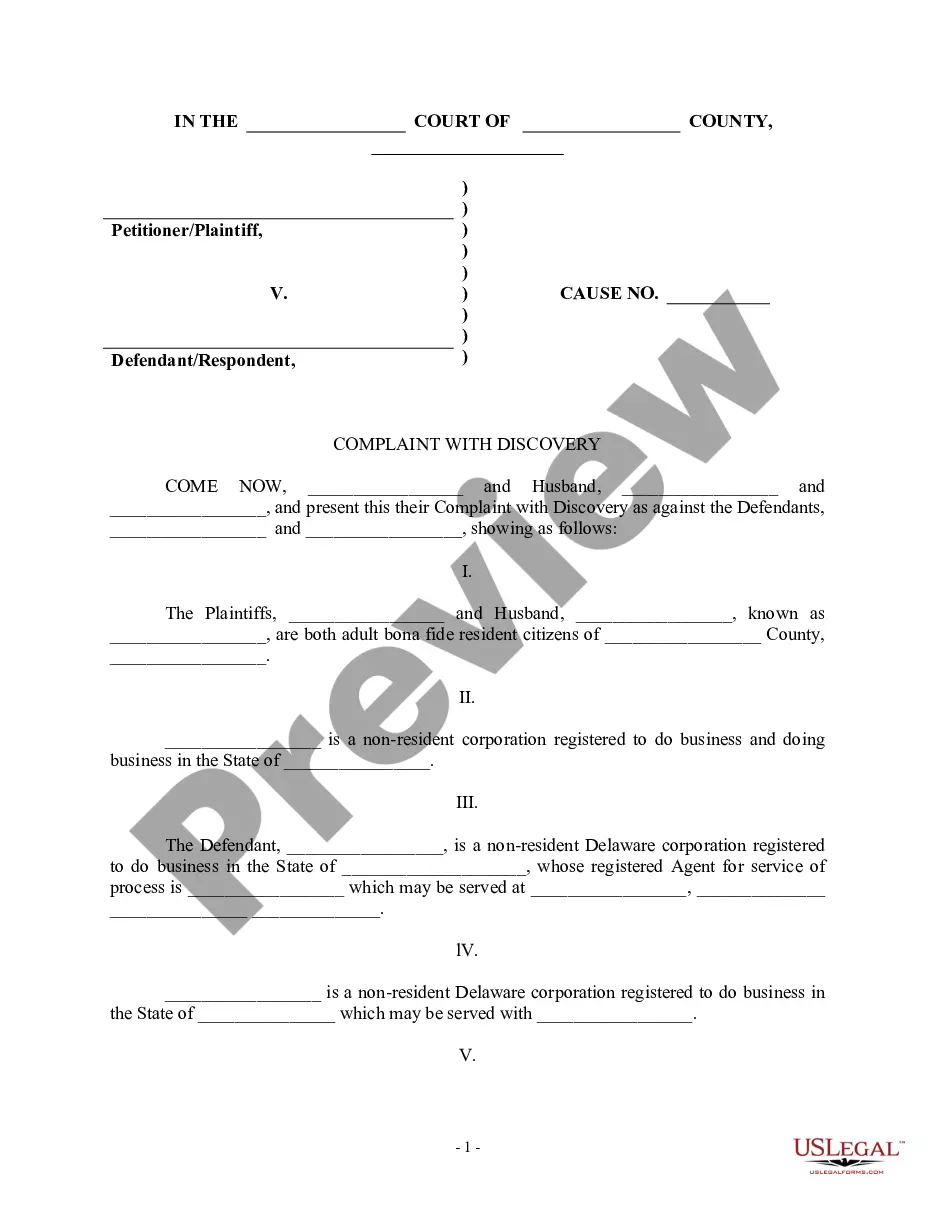
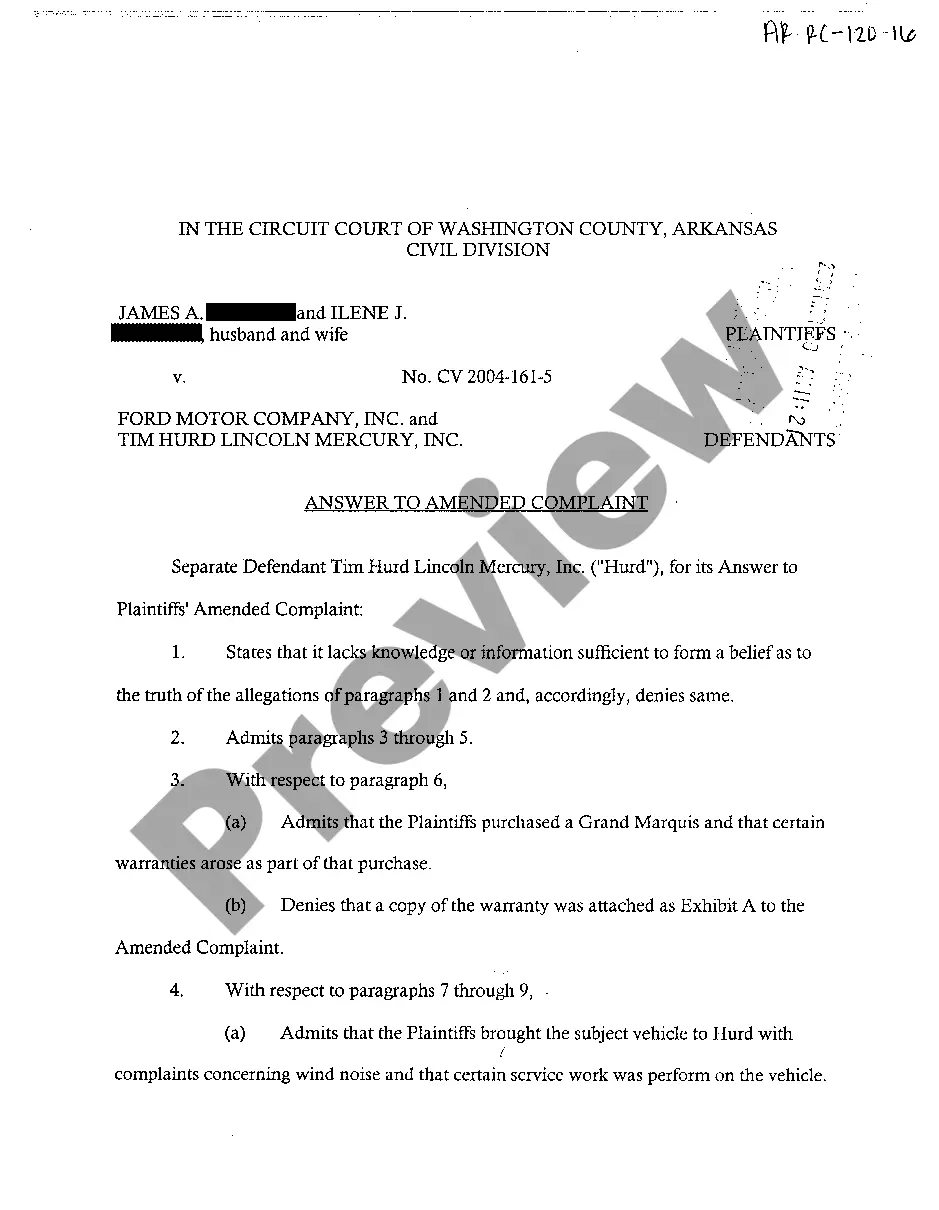
How to fill out Sample Agreement Of Purchase And Sale By Park - Ohio Industries, Inc., PO Acquisition Company, Inc., Kay Home Products, Inc., And Edward F. Crawford?
Whether for commercial reasons or personal matters, everyone must deal with legal issues at some point in their lives.
Filling out legal documents requires meticulous attention, starting with selecting the correct template.
Fill out the profile registration form, select your payment method, whether a credit card or PayPal account, choose the file format you desire, and download the Sample Incorporation Form For Non Profit. Once saved, you can fill out the form using editing software or print it to complete it manually. With an extensive US Legal Forms catalog available, you don’t need to waste time searching for the right template on the internet. Utilize the library’s straightforward navigation to find the appropriate form for any circumstance.
- For instance, if you select an incorrect version of a Sample Incorporation Form For Non Profit, it will be denied upon submission.
- Thus, it is crucial to have a reliable source of legal documents like US Legal Forms.
- If you need to acquire a Sample Incorporation Form For Non Profit template, follow these simple steps.
- Locate the form you require by utilizing the search bar or catalog browsing.
- Review the form’s details to ensure it aligns with your needs, jurisdiction, and area.
- Click on the form’s preview to inspect it.
- If it is not the correct form, return to the search feature to find the Sample Incorporation Form For Non Profit template you need.
- Download the template once it fits your requirements.
- If you already possess a US Legal Forms account, simply click Log in to access previously saved templates in My documents.
- In case you don’t have an account yet, you can obtain the form by clicking Buy now.
- Choose the suitable pricing option.
Form popularity
FAQ
Yes, a nonprofit organization receives a certificate of incorporation once it successfully files its articles of incorporation with the state. This certificate serves as legal proof that the organization is officially recognized. Having a certificate of incorporation is essential for opening bank accounts, applying for grants, and establishing credibility. You can use a sample incorporation form for non profit to help ensure your application meets all requirements.
To write articles of incorporation for a non-profit, start by outlining the organization's name, purpose, and duration. Next, include details about the registered agent and the structure of the board of directors. Utilizing a sample incorporation form for non profit can streamline the process, ensuring you include all necessary components. You can find templates and guidance on platforms like USLegalForms, making it easier to create compliant documents.
A certificate of incorporation is an official document that confirms a nonprofit’s legal establishment in a state. This certificate includes essential details such as the nonprofit's name, purpose, and the names of its directors. When creating a nonprofit, having a sample incorporation form for non profit can facilitate the preparation of this important document.
Yes, a 501(c)(3) organization must have articles of incorporation as part of its formation process. These articles are crucial in obtaining tax-exempt status and provide essential information about the nonprofit’s mission and structure. If you’re looking to create a 501(c)(3), utilizing a sample incorporation form for non profit can make this process more straightforward and compliant.
Yes, nonprofits typically have articles of incorporation, which serve as their foundational legal document. These articles outline the nonprofit's purpose, structure, and governance, helping to establish its existence in the eyes of the law. If you’re setting up a nonprofit, a sample incorporation form for non profit can guide you in drafting these articles accurately.
You can determine if a nonprofit is incorporated by checking with your state’s business registry or Secretary of State website. Most states maintain a database of registered businesses, including nonprofits. Additionally, you can request a copy of the nonprofit’s articles of incorporation, which should be publicly available. Using a sample incorporation form for non profit can simplify this process, ensuring you meet all legal requirements.
Yes, a 501c3 organization must be incorporated to gain tax-exempt status under the Internal Revenue Code. Incorporation provides legal protection and legitimacy, which are essential for fundraising and attracting donations. Utilizing a sample incorporation form for non profit can simplify the process, ensuring that all necessary information is included. By incorporating, nonprofits can focus on their mission while enjoying the benefits of legal recognition and financial advantages.
The 33% rule for nonprofits refers to the guideline that nonprofit organizations must allocate at least one-third of their total income to charitable activities. This principle ensures that a significant portion of funds directly supports the organization's mission. To comply with this rule, nonprofits often use a sample incorporation form for non profit that outlines their financial strategies. By following this guideline, nonprofits can maintain transparency and accountability, which ultimately builds trust with donors and the community.