Trust Agreement Form With A Trust
Description
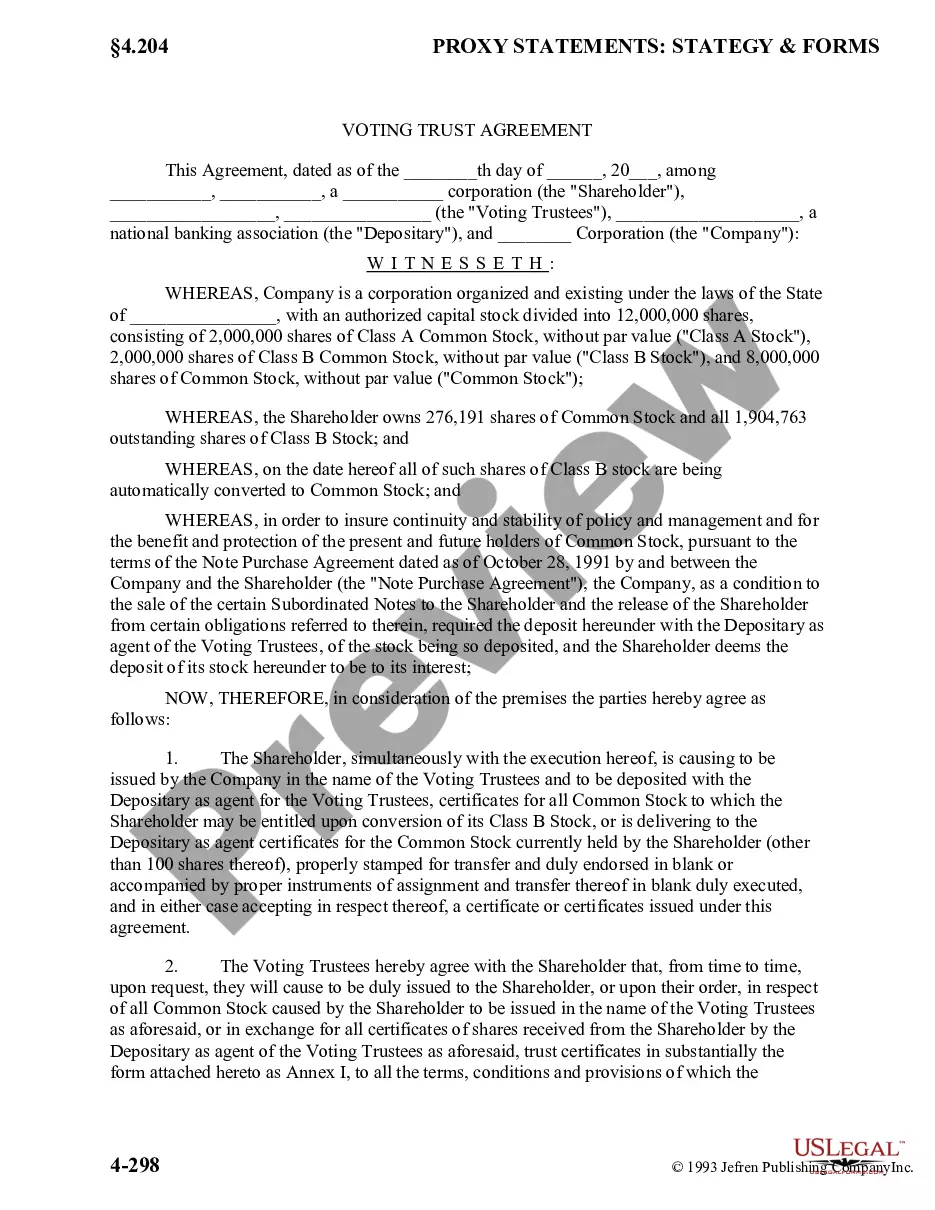
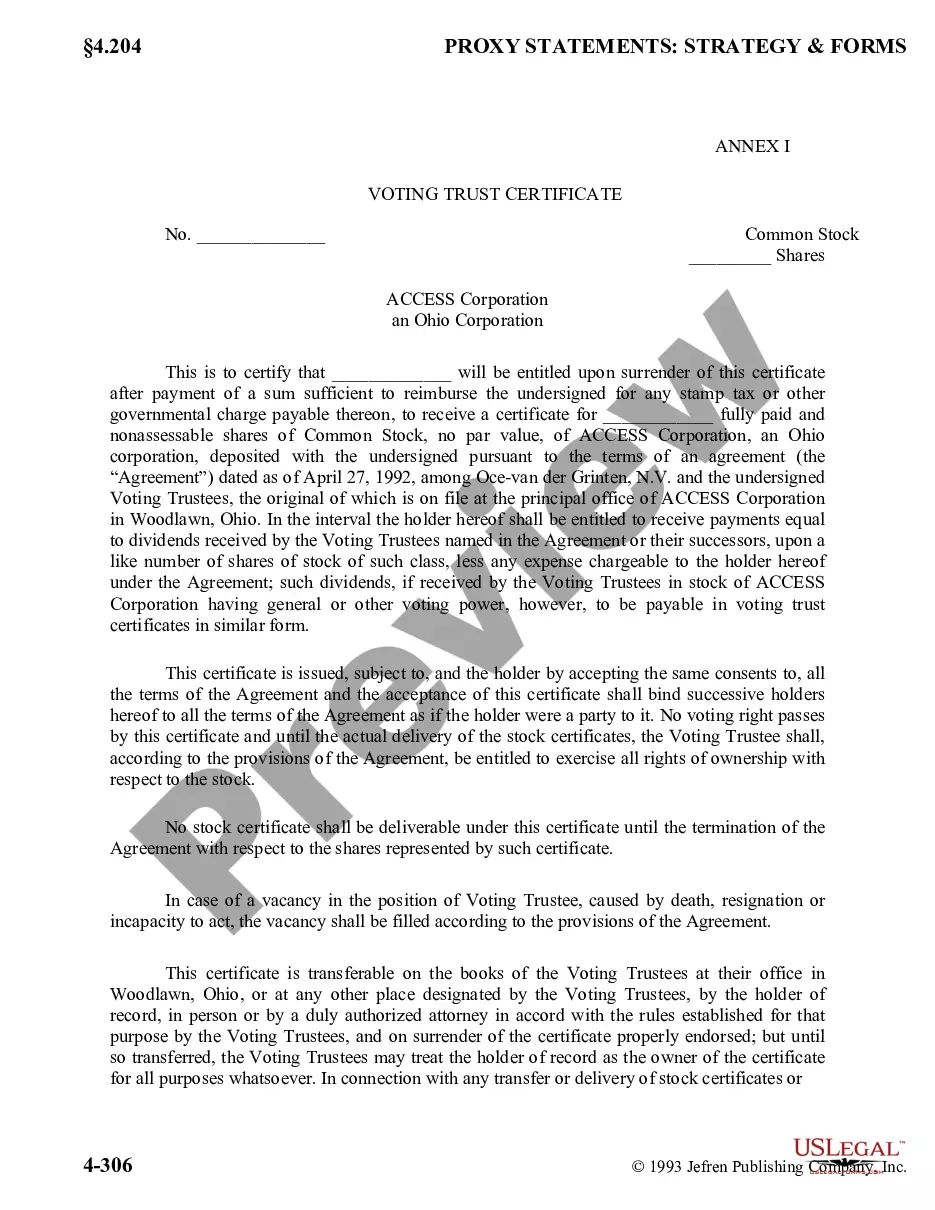
Get your form ready online
Our built-in tools help you complete, sign, share, and store your documents in one place.
Make edits, fill in missing information, and update formatting in US Legal Forms—just like you would in MS Word.
Download a copy, print it, send it by email, or mail it via USPS—whatever works best for your next step.
Sign and collect signatures with our SignNow integration. Send to multiple recipients, set reminders, and more. Go Premium to unlock E-Sign.
If this form requires notarization, complete it online through a secure video call—no need to meet a notary in person or wait for an appointment.
We protect your documents and personal data by following strict security and privacy standards.

Make edits, fill in missing information, and update formatting in US Legal Forms—just like you would in MS Word.

Download a copy, print it, send it by email, or mail it via USPS—whatever works best for your next step.

Sign and collect signatures with our SignNow integration. Send to multiple recipients, set reminders, and more. Go Premium to unlock E-Sign.

If this form requires notarization, complete it online through a secure video call—no need to meet a notary in person or wait for an appointment.

We protect your documents and personal data by following strict security and privacy standards.
Looking for another form?


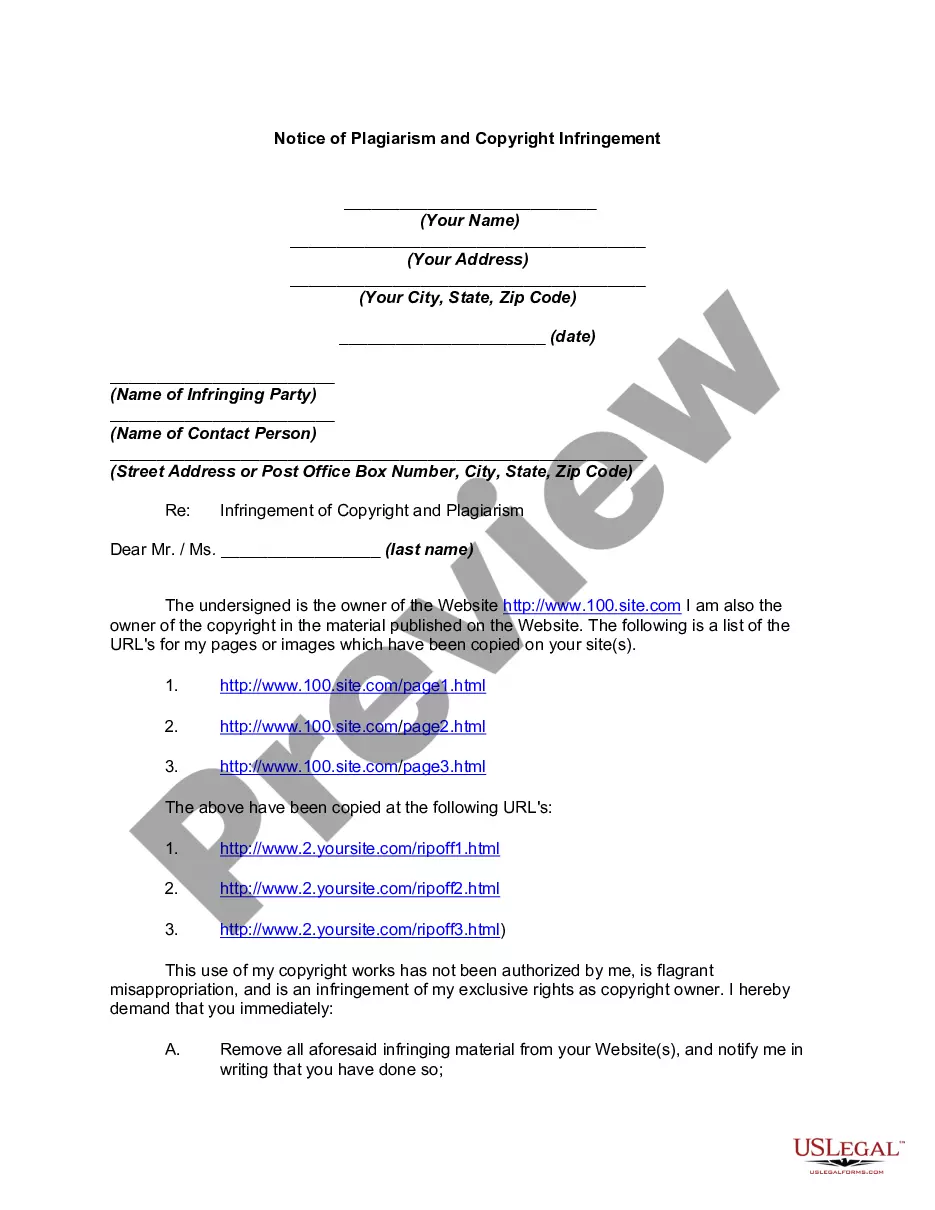


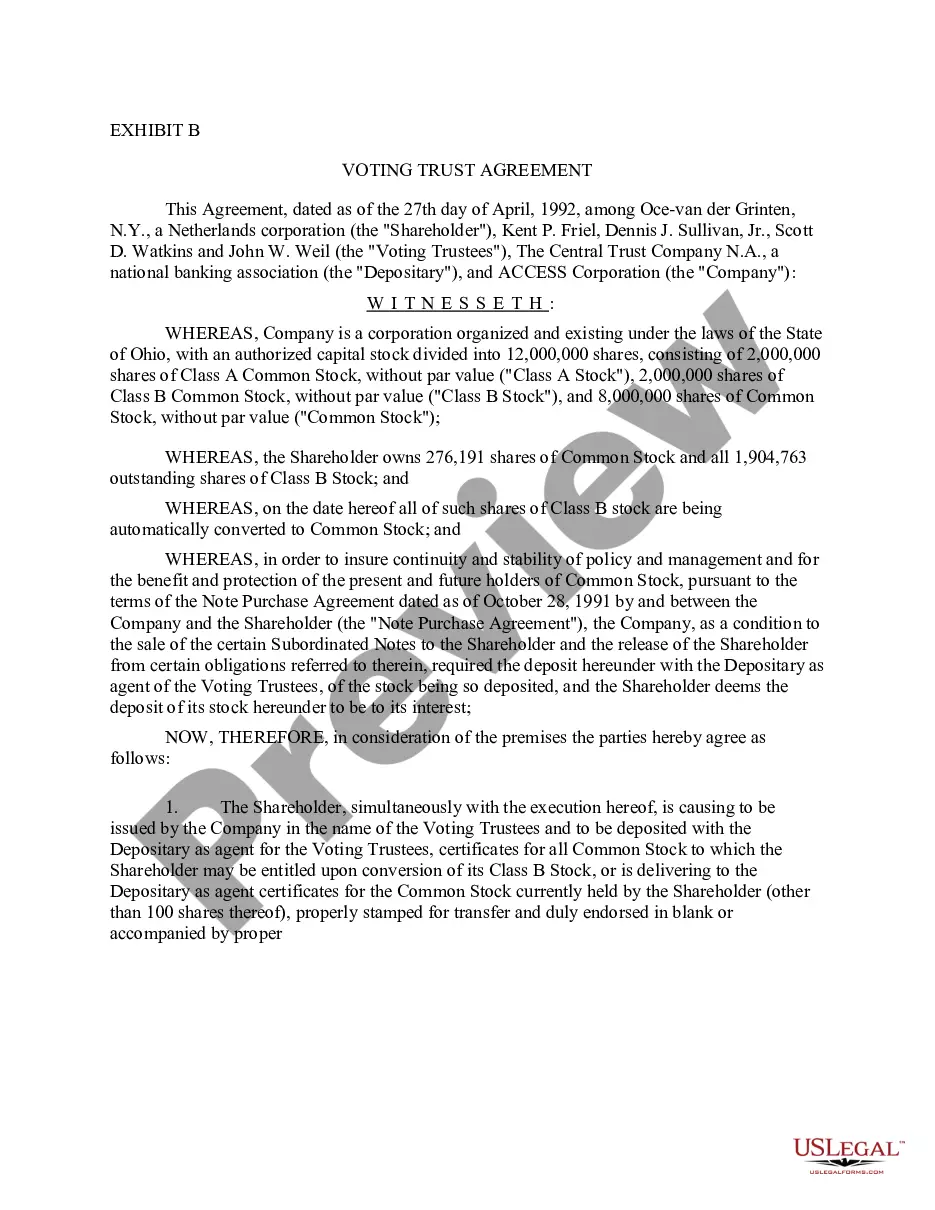
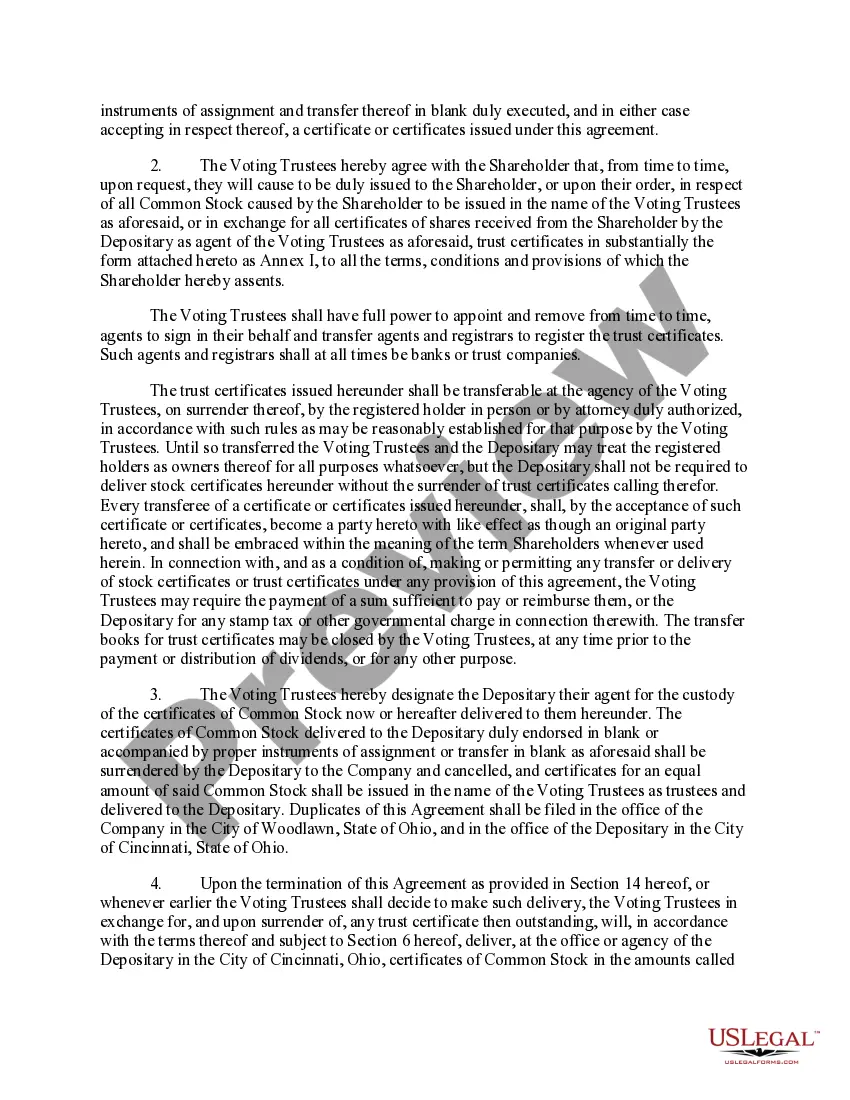
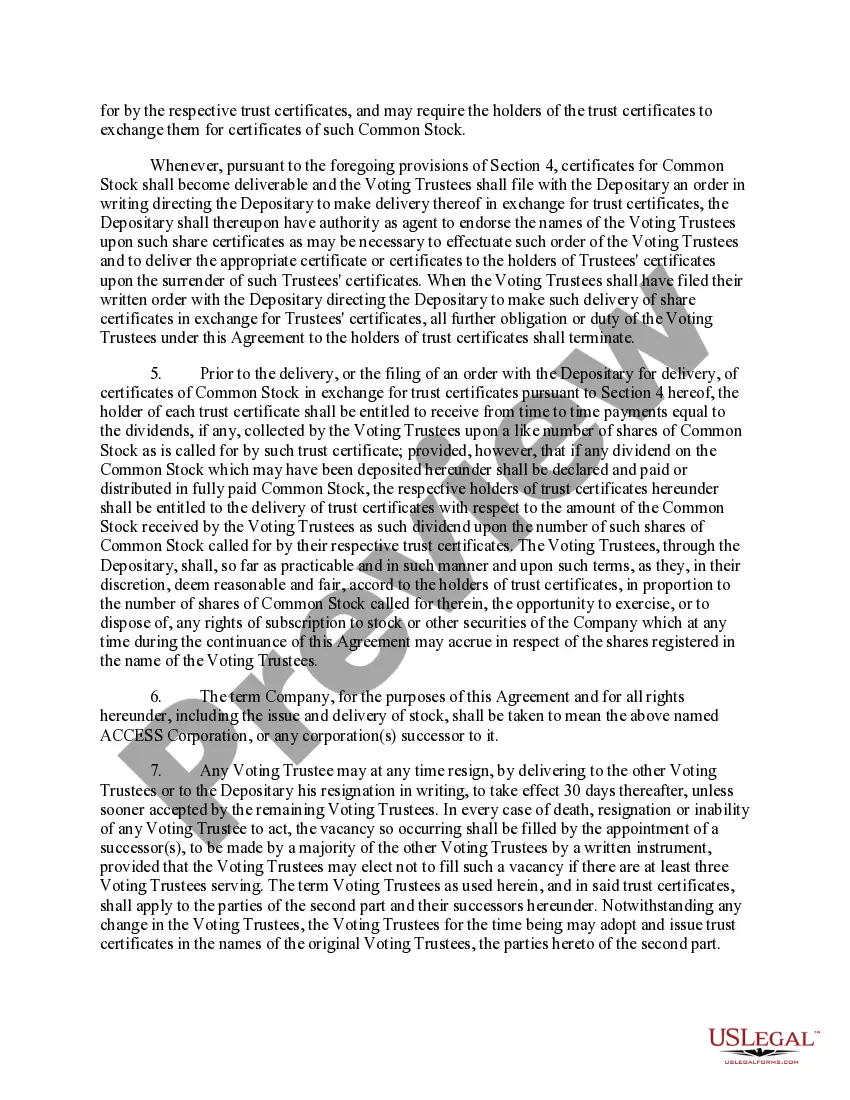
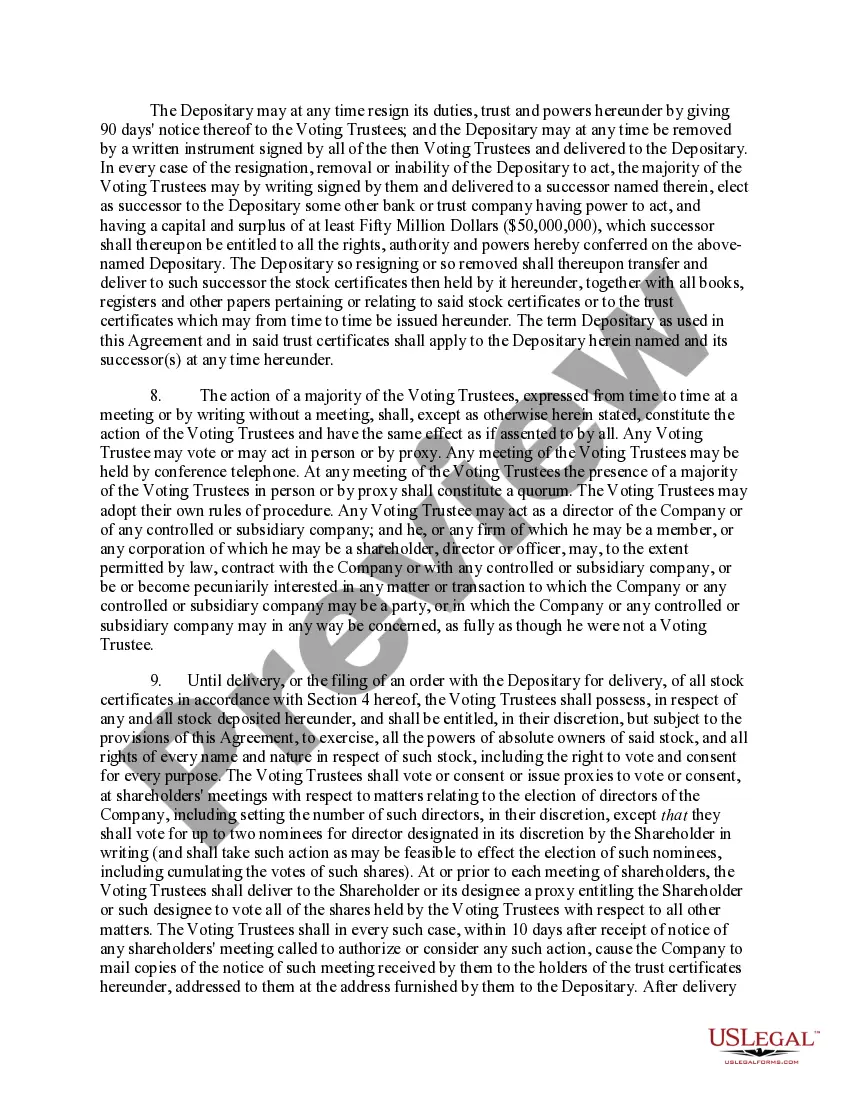
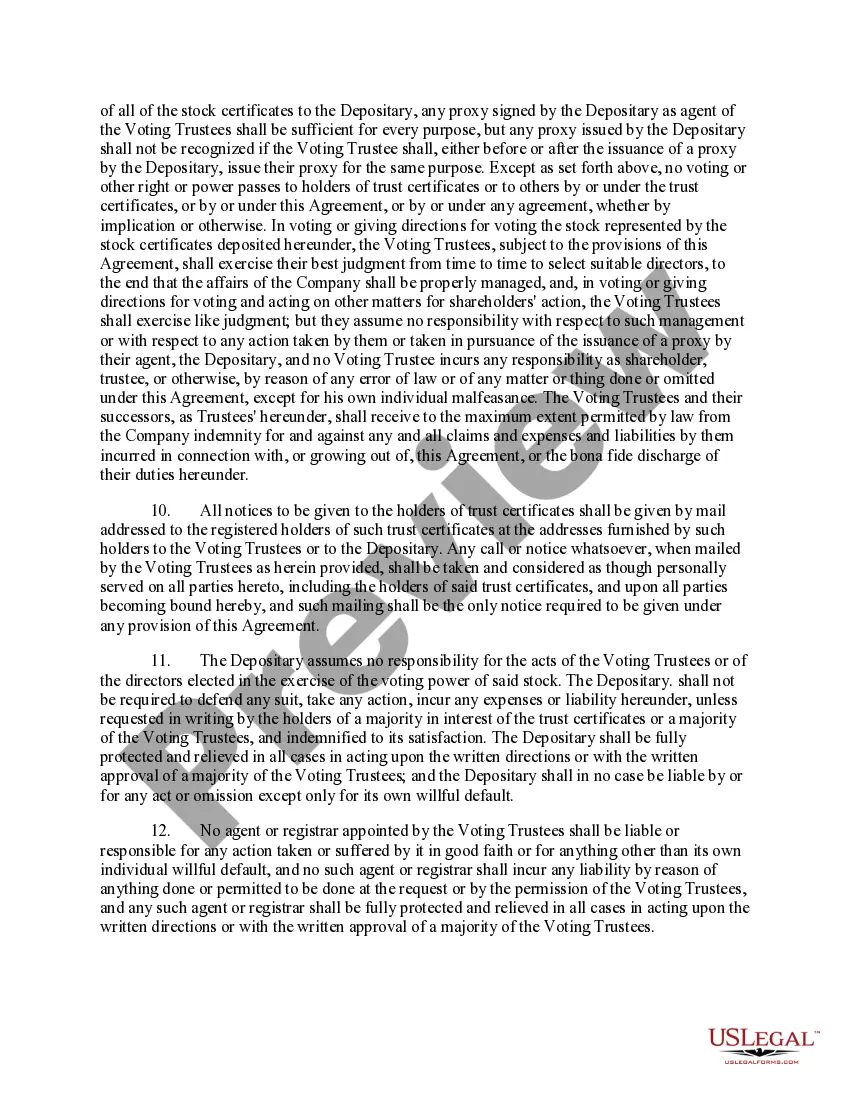
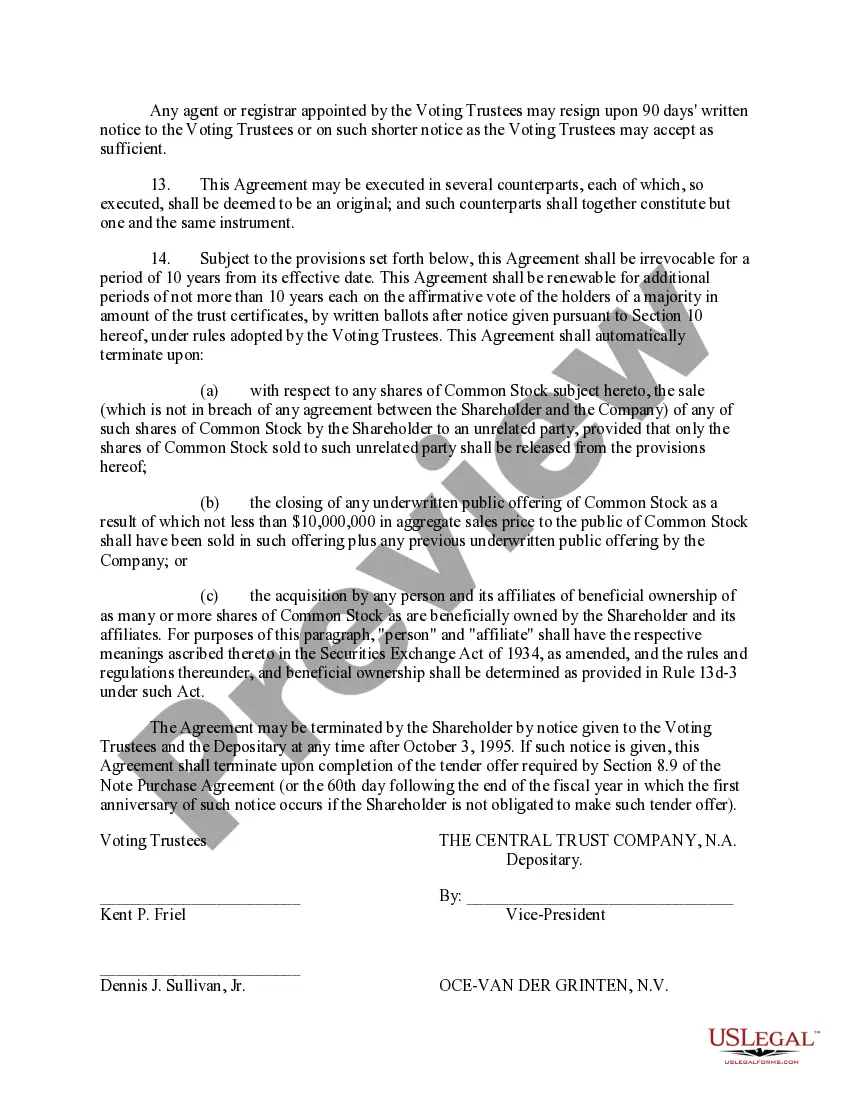
How to fill out Voting Trust Agreement Between Oce-van Der Grinten, N.Y., Voting Trustees, The Central Trust Company N.A., And ACCESS Corp.?
- If you're a returning user, log in to your account and select the trust agreement form you need. Ensure that your subscription is active; if not, renew it following your payment plan.
- For new users, begin by reviewing the Preview mode to verify you’ve picked the correct trust agreement form that adheres to your local laws.
- In case the initial form doesn’t meet your needs, use the Search tab to find other templates available.
- Once you find the right document, click the Buy Now button to select your desired subscription plan and create an account if you haven’t done so already.
- Proceed to payment by entering your credit card details or using PayPal to complete your purchase.
- Finally, download the trust agreement form to your device. You can access it anytime via the My Forms section in your profile.
By following these steps, you'll gain access to a wealth of resources that ease the process of creating legal documents. US Legal Forms not only offers a robust library but also provides expert assistance for error-free submissions.
Start your journey today and simplify your legal documentation with US Legal Forms!
Form popularity
FAQ
A trust certificate acts as proof of the existence of the trust and specifies its essential details, while a trust agreement is the comprehensive document that outlines how the trust operates. Essentially, the trust certificate provides a summary of the trust, whereas the trust agreement form with a trust contains the full terms and conditions guiding the trustee’s actions. Understanding this distinction can help you better manage your estate planning.
An agreement to hold in a trust entails the legal obligation of the trustee to manage assets according to the trust agreement's terms. This agreement establishes the trustee’s responsibilities, including how to invest, distribute, or use the trust's assets for the beneficiaries' benefit. Using a trust agreement form with a trust helps clarify these terms and reinforce the trustee's duties.
The purpose of a trust agreement is to manage assets for the benefit of designated individuals or entities. It provides clear instructions on how resources should be handled during the grantor’s lifetime and after their death. By creating a trust agreement form with a trust, you help safeguard your assets, minimize estate taxes, and ensure your wishes are fulfilled.
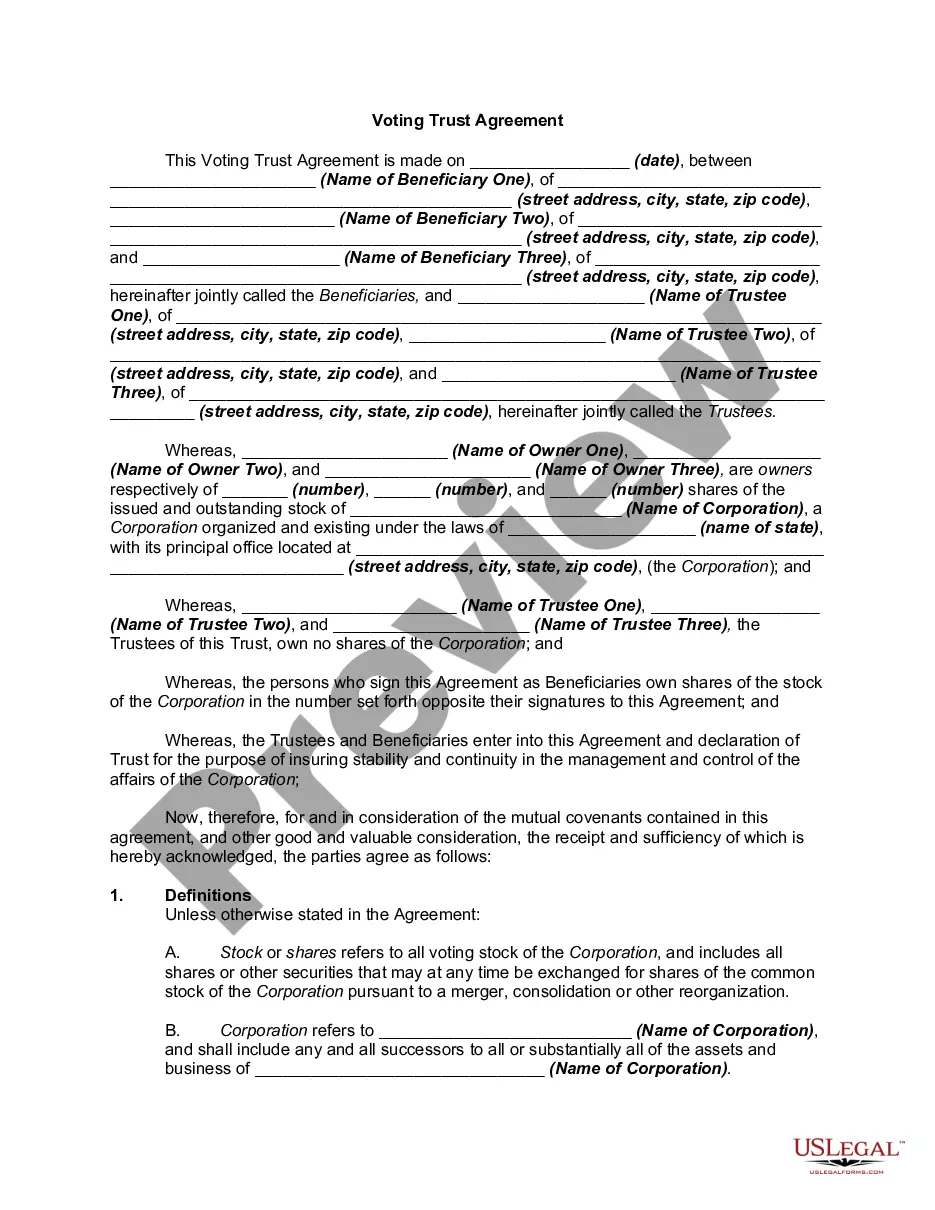
A trust agreement document is a legal document that outlines the terms and conditions under which a trust operates. This document defines the roles of the trustee, beneficiaries, and any specific instructions regarding the management of trust assets. To create a trust agreement form with a trust, you typically need the help of legal professionals to ensure it meets all legal requirements.
The three main types of trusts are revocable trusts, irrevocable trusts, and testamentary trusts. A revocable trust allows you to change or cancel it during your lifetime, while an irrevocable trust cannot be modified once it's established. Testamentary trusts take effect after your death, usually specified within your will. Understanding these types will help you choose the right Trust Agreement Form with a Trust that meets your needs.
To file a trust, you typically need a Trust Agreement Form with a Trust, which outlines the terms and conditions of the trust. This form formalizes the creation and management of the trust, detailing how assets are to be distributed. It's essential to ensure that the Trust Agreement Form is appropriately filled out to avoid validation issues. You can find customizable templates on US Legal Forms to simplify this process.
Placing bank accounts in a trust can be a sensible decision, as it simplifies the transfer of these assets upon death. However, it's important to evaluate your financial situation and future goals. If you're considering this option, ensure you are using an effective Trust agreement form with a trust to avoid potential issues regarding access and management.
A trust is a legal entity that holds assets for the benefit of beneficiaries, while a trust agreement is the document that outlines the terms and conditions of that trust. In other words, the trust is the vehicle for asset management, and the trust agreement provides the rules for how it operates. Understanding this difference is key when completing a Trust agreement form with a trust.
Assets that typically do not go into a trust include life insurance policies, retirement accounts, and certain types of jointly owned property. Placing these assets in a trust can complicate their management and distribution. Instead, consider keeping them out of the trust to simplify your estate planning. A robust Trust agreement form with a trust can guide you in making these decisions wisely.
One common mistake parents make when setting up a trust fund is failing to adequately fund the trust. Without proper funding, the trust does not serve its intended purpose and can lead to confusion. Moreover, not communicating the trust's structure and purpose to beneficiaries can create friction later on. To prevent these issues, use a reliable Trust agreement form with a trust that outlines all necessary details.