Non Exempt Vs Exempt
Description
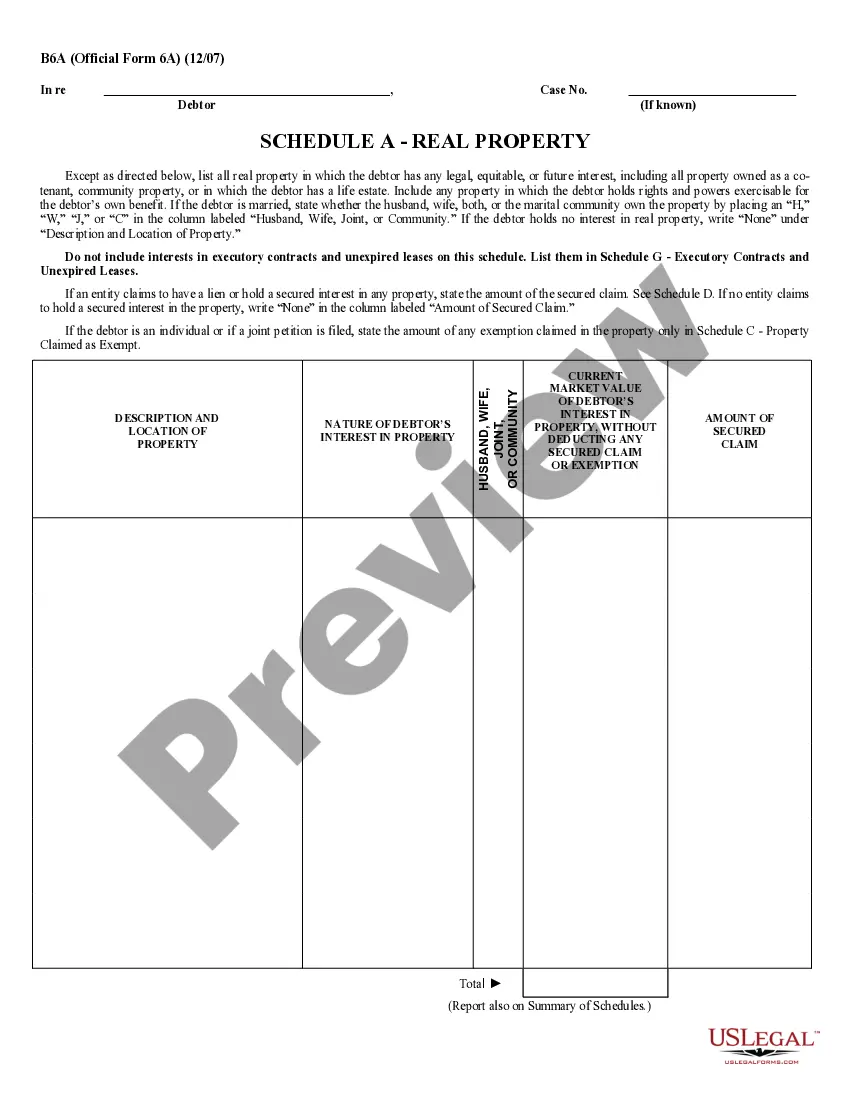
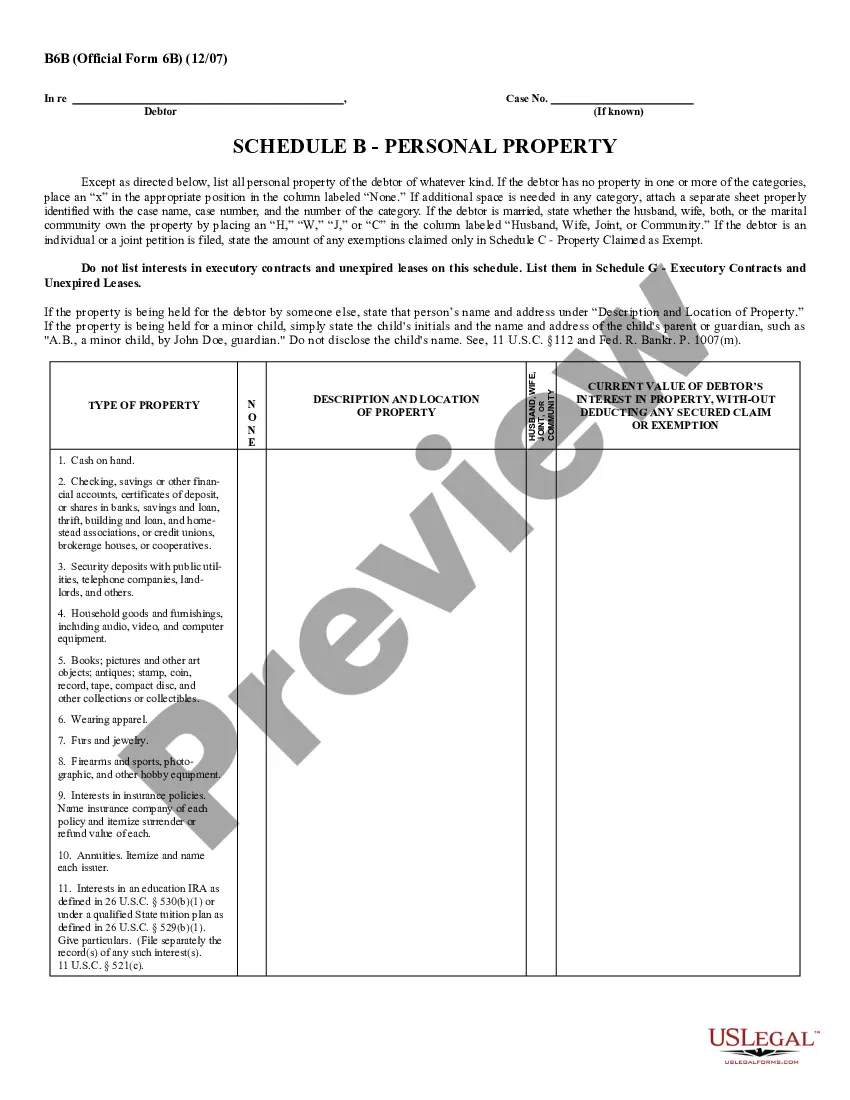
How to fill out Property Claimed As Exempt - Schedule C - Form 6C - Post 2005?
The Non Exempt Vs Exempt displayed on this page is a versatile formal template crafted by experienced attorneys following federal and state regulations. For over 25 years, US Legal Forms has supplied individuals, organizations, and lawyers with more than 85,000 validated, state-specific documents for any business and personal scenario. It’s the fastest, simplest, and most reliable way to acquire the forms you require, as the service ensures bank-level data protection and anti-malware safeguards.
Acquiring this Non Exempt Vs Exempt will take you just a few straightforward steps.
Register for US Legal Forms to have authenticated legal templates for all of life’s situations at your fingertips.
- Search for the document you require and examine it. Browse through the file you searched and preview it or review the form description to ensure it meets your needs. If it doesn’t, utilize the search feature to locate the correct one. Click Buy Now once you have found the template you require.
- Register and Log In. Choose the pricing option that fits you and create an account. Use PayPal or a credit card to make a swift payment. If you already possess an account, Log In and verify your subscription to proceed.
- Obtain the editable template. Choose the format you desire for your Non Exempt Vs Exempt (PDF, DOCX, RTF) and download the sample onto your device.
- Complete and sign the documents. Print the template to fill it out manually. Alternatively, use an online multifunctional PDF editor to swiftly and accurately complete and sign your form with a legally-binding electronic signature.
- Redownload your documents as needed. Access the same document again whenever required. Open the My documents section in your account to redownload any previously acquired forms.
Form popularity
FAQ
Your pay: Under California law, for a job to be classified as exempt, an employee must earn no less than twice the state's minimum wage. As of Jan. 1, 2023, employees in California must earn an annual salary of no less than $64,480 to meet this threshold.
As we discussed above, exempted employees have specific tasks to fulfill in a day, and thus they must be paid ing to the salary and not the hourly wages. Then some employees who are asked to fulfill certain hours a week, thus receiving hourly wages. These are the non-exempt employees.
These terms refer to employees who are covered by the law - ?non-exempt? - and those who are not covered - ?exempt.? Exempt employees are salaried and receive a monthly wage divided into pay periods. Non-exempt employees receive a salary determined by an hourly wage.
In California, exempt workers are those who are not protected by wage and hour laws. Non-exempt workers are protected by these laws, giving them rights to overtime pay, a minimum wage, and meal and rest breaks. California labor law determines whether a worker is exempt; not the employer.
Non-exempt | Business English used to describe something that has to be done, paid, etc. because it is not one of the situations where a particular rule or law does not have to be obeyed: People going bankrupt sometimes try to prevent non-exempt assets being taken from them. Compare.