Official Chapter 11 For Business
Description
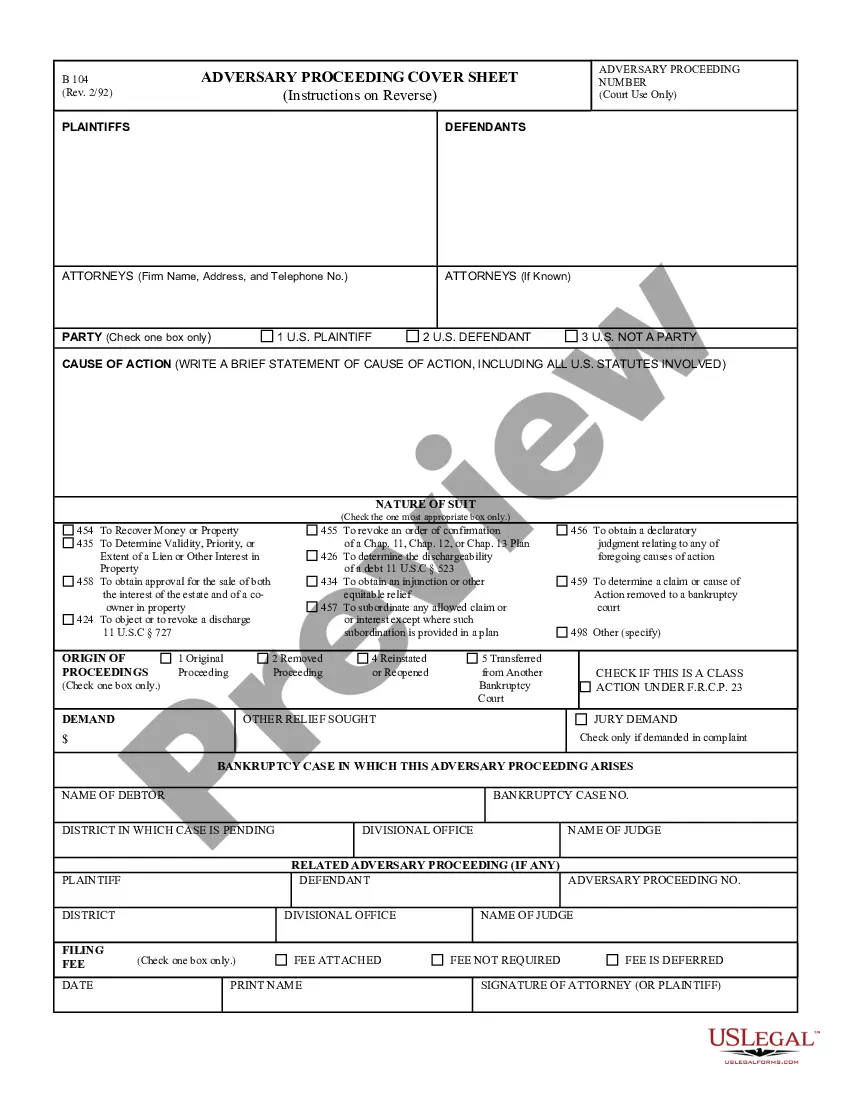
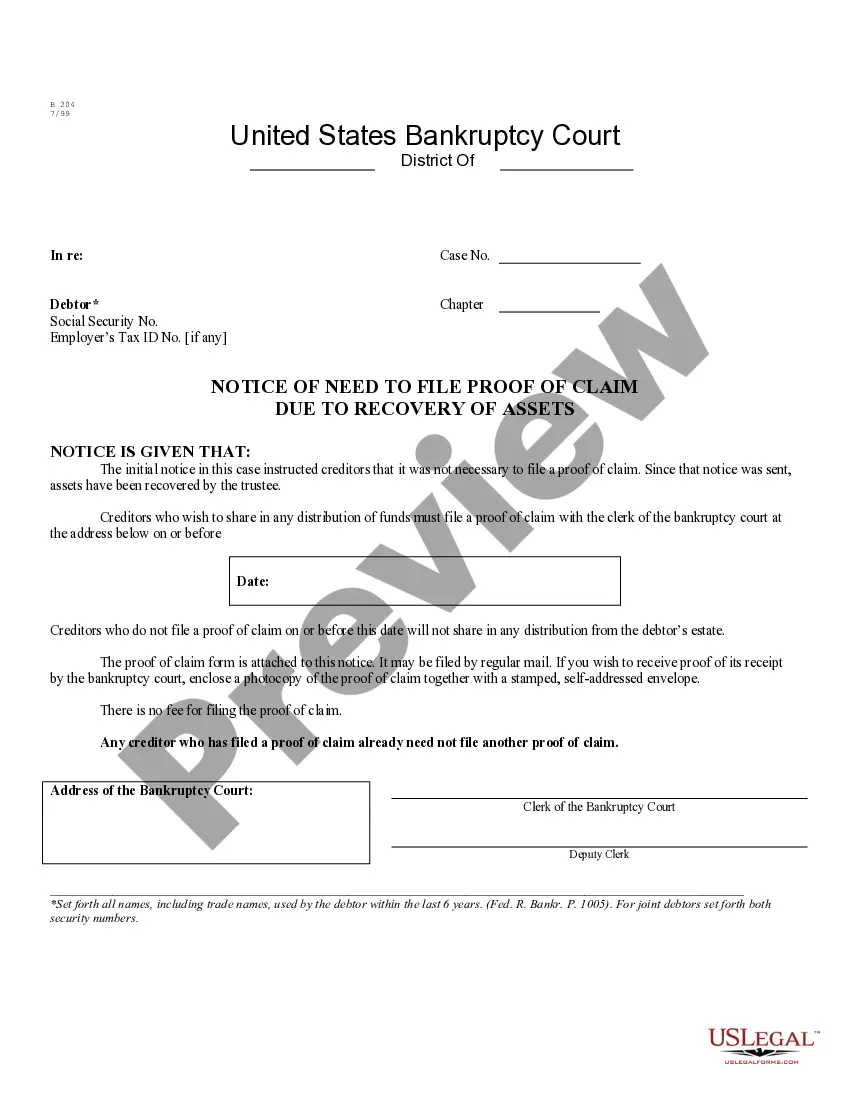
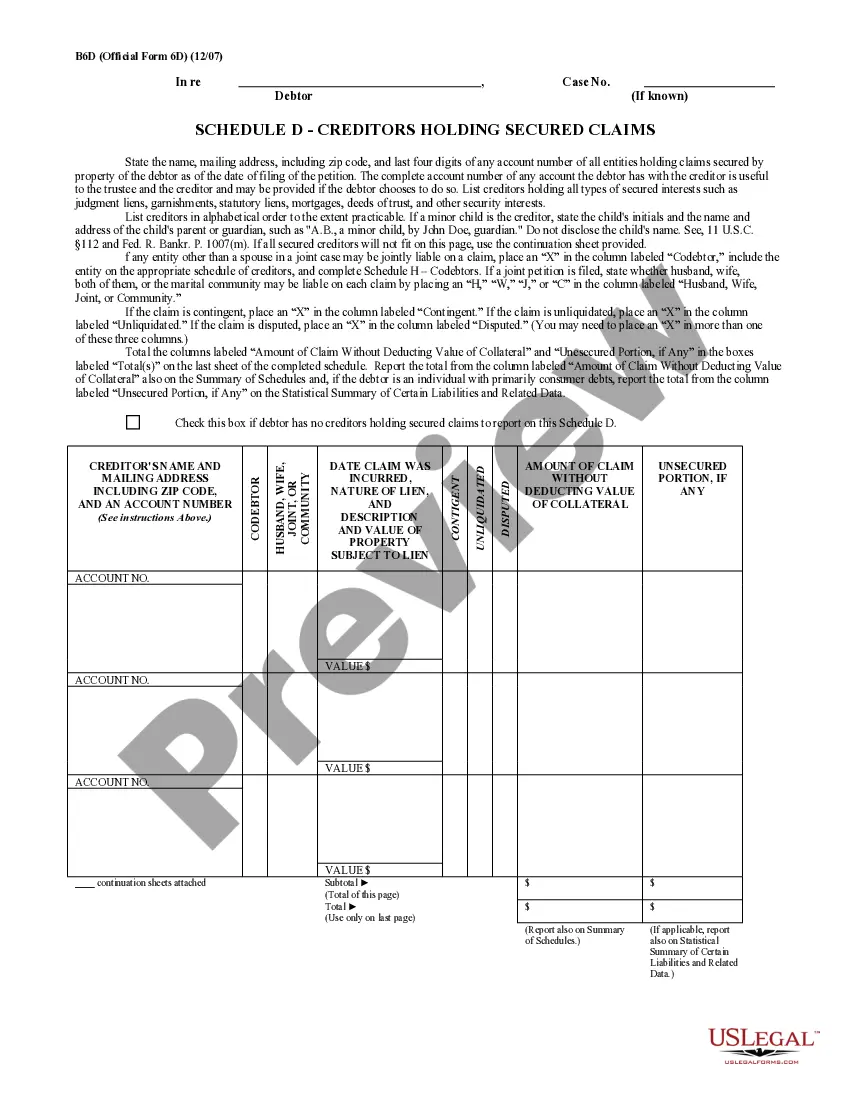
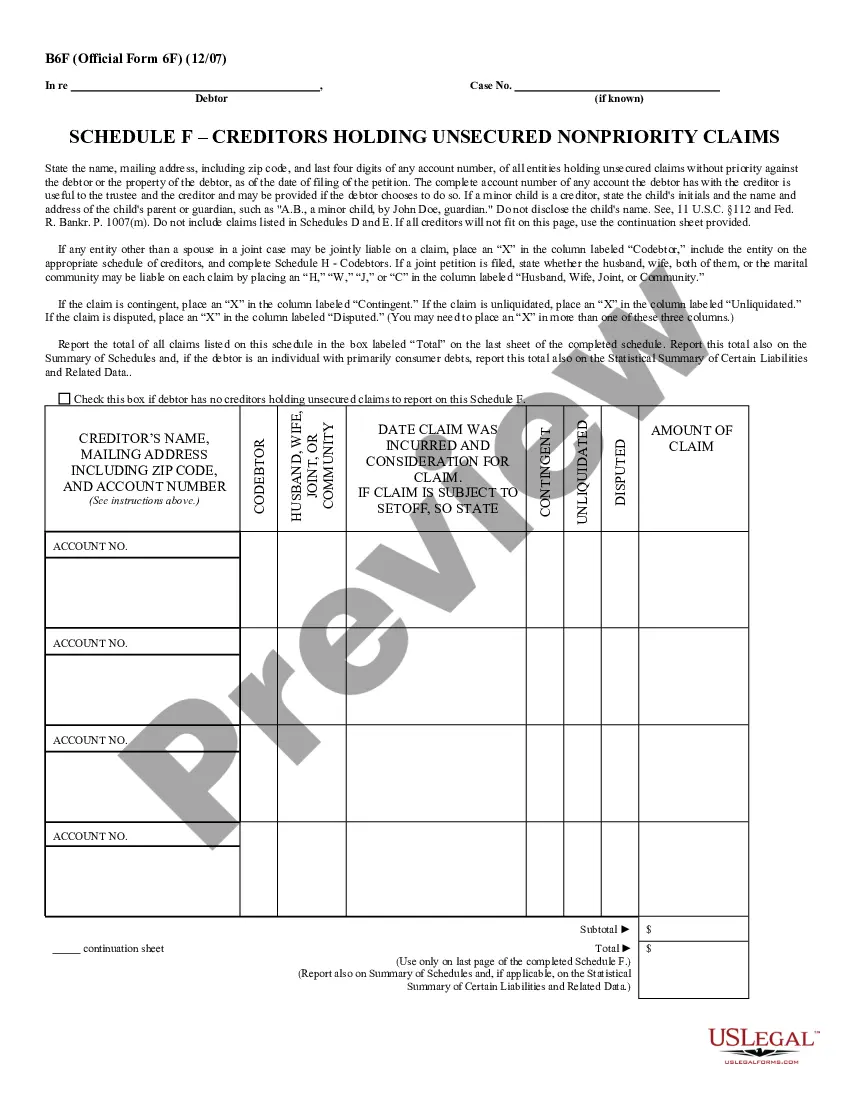
How to fill out List Of Creditors Holding 20 Largest Secured Claims - Not Needed For Chapter 7 Or 13 - Form 4 - Post 2005?
Whether for commercial reasons or personal affairs, everyone must handle legal situations at some point in their life.
Filling out legal documents requires meticulous attention, starting with selecting the correct form template.
With an extensive US Legal Forms catalog available, you don’t have to waste time searching for the right sample across the web. Use the library’s easy navigation to find the suitable template for any occasion.
- For instance, if you choose an incorrect version of the Official Chapter 11 For Business, it will be rejected upon submission.
- Thus, it is crucial to have a reliable source of legal documents like US Legal Forms.
- If you need to obtain a sample of the Official Chapter 11 For Business, follow these simple steps.
- Acquire the sample you require by utilizing the search bar or catalog navigation.
- Review the form’s details to ensure it fits your situation, state, and area.
- Click on the form’s preview to examine it.
- If it is the incorrect document, return to the search feature to locate the Official Chapter 11 For Business sample you need.
- Obtain the template when it aligns with your requirements.
- If you already possess a US Legal Forms account, click Log in to access previously saved documents in My documents.
- If you don’t have an account yet, you can acquire the form by clicking Buy now.
- Choose the suitable pricing option.
- Complete the profile registration form.
- Choose your payment method: you can use a credit card or PayPal account.
- Select the file format you prefer and download the Official Chapter 11 For Business.
- Once it is downloaded, you can complete the form using editing software or print it out and finish it by hand.
Form popularity
FAQ
The main difference between Chapter 11 and Chapter 13 is that a Chapter 13 bankruptcy requires that the debtor pay his or her debts within five years. On the other hand, Chapter 11 allows the filer to extend the five-year period unlike Chapter 13. Another difference is how much the Debtor has to pay creditors.
Background. A case filed under chapter 11 of the United States Bankruptcy Code is frequently referred to as a "reorganization" bankruptcy. Usually, the debtor remains ?in possession,? has the powers and duties of a trustee, may continue to operate its business, and may, with court approval, borrow new money.
Even with recently streamlined procedures, small business bankruptcy is a time-consuming and complex process, and it can also involve significant financial risks and costs. That being said, Chapter 11 may be the best option for your small business to survive and continue operating.
While the average length of a Chapter 11 Bankruptcy case can last 17 months, larger and more complex cases can take up to five years. And following the conclusion of the bankruptcy case, it can still take months for Debtors to begin distributing payouts to the highest priority class of Creditors.
Almost anyone can file for Chapter 11 bankruptcy. This includes individuals, companies, partnerships, joint ventures, and LLCs. The filer doesn't have to meet any debt limits under Chapter 11 rules and there are no limits to file. Chapter 13, on the other hand, is generally used by those with a stable source of income.