List Chapter 7 With Examples
Description
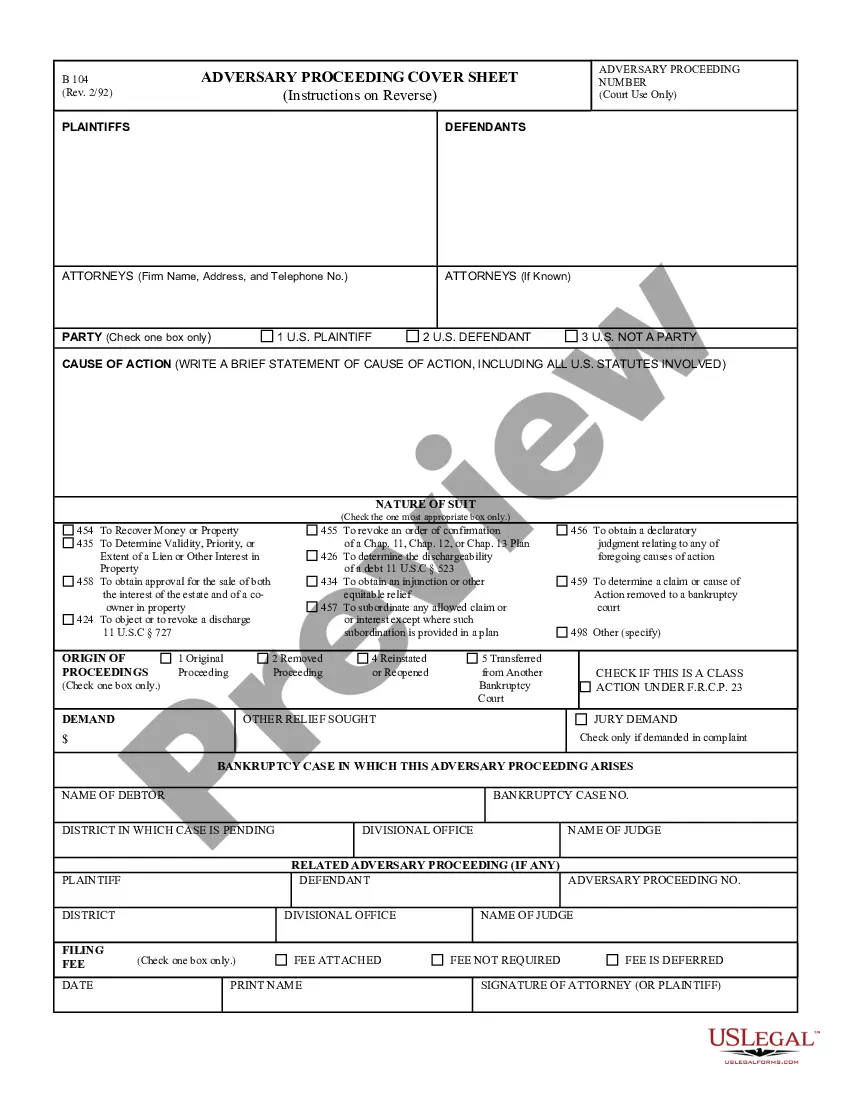
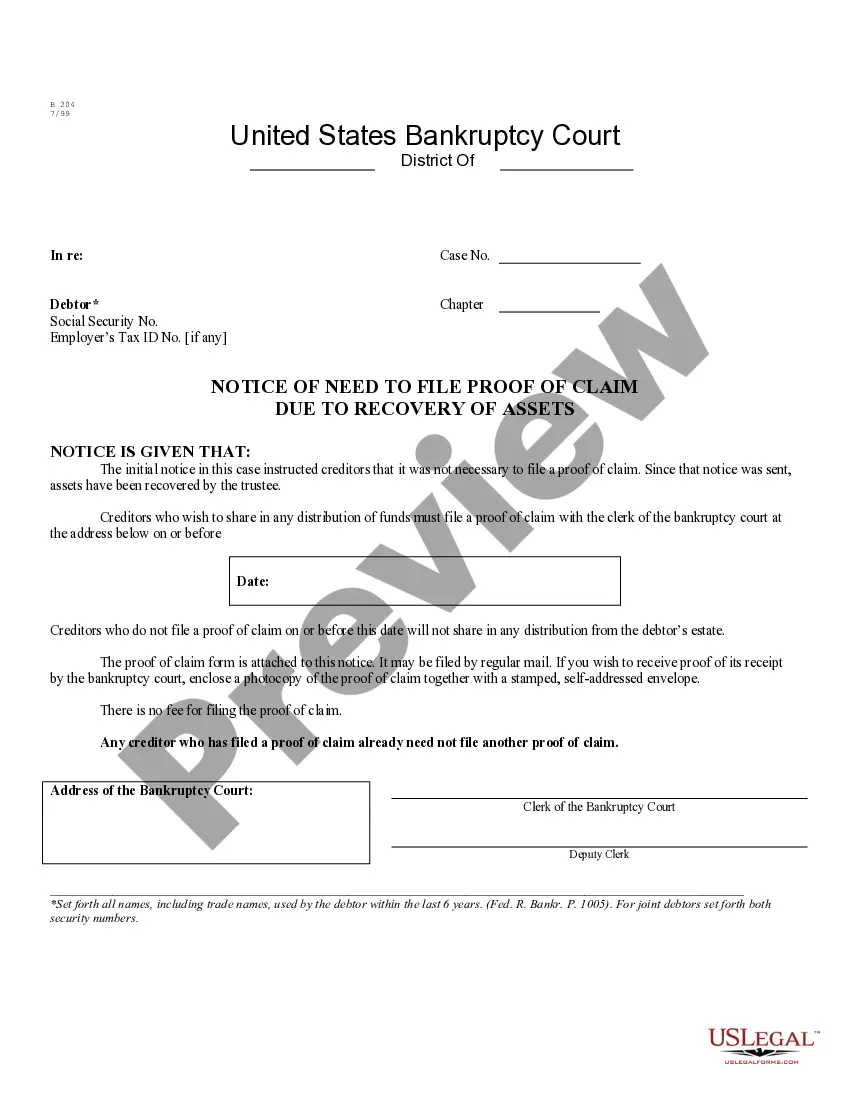
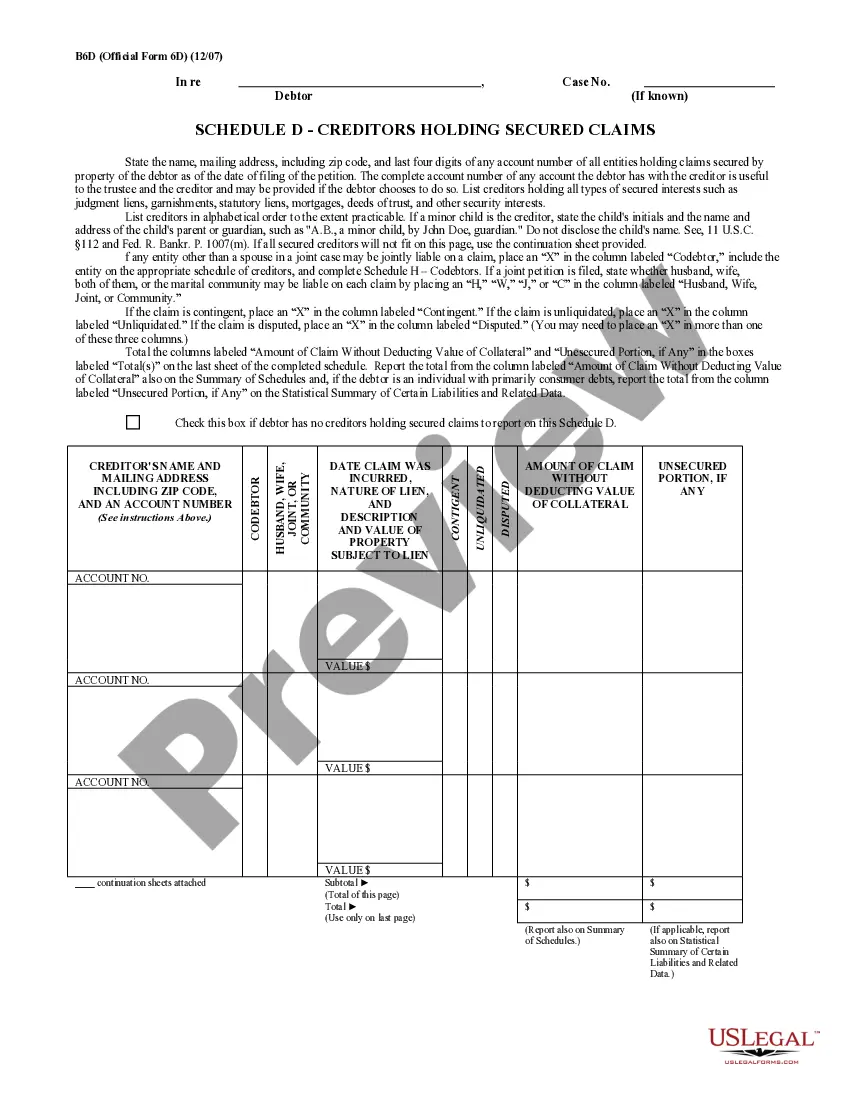
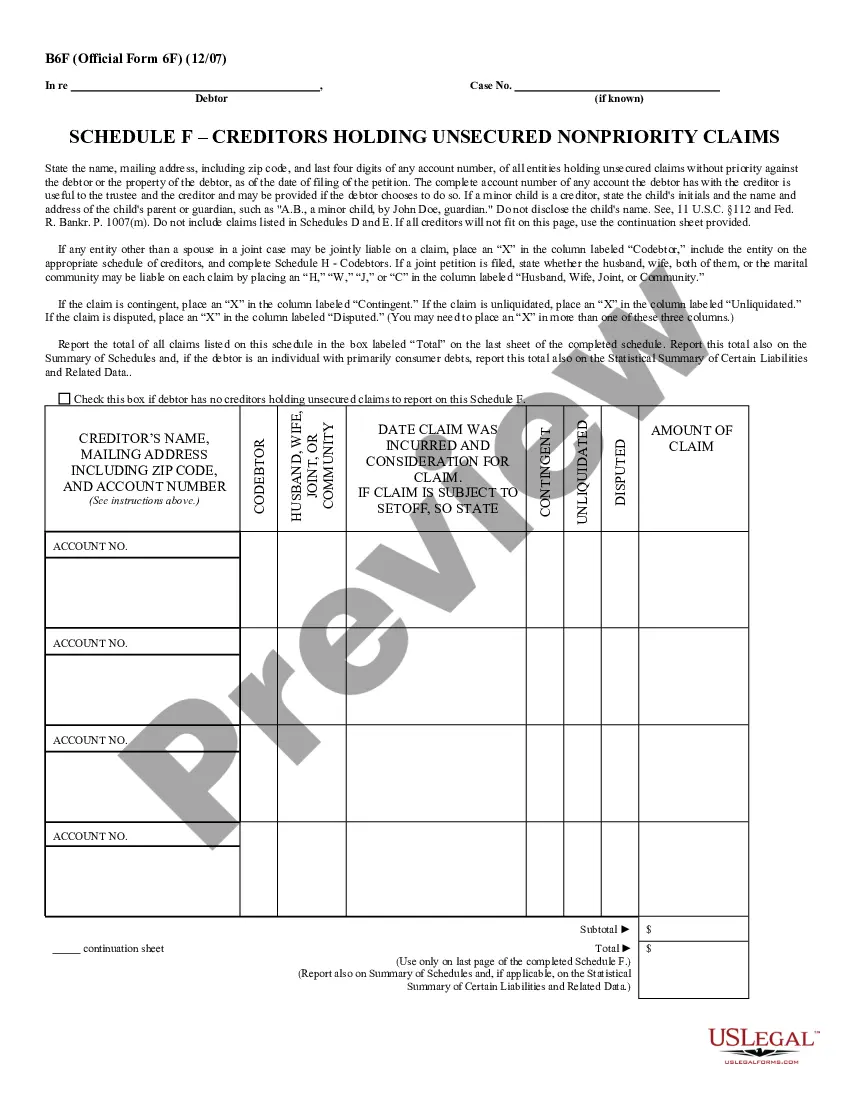
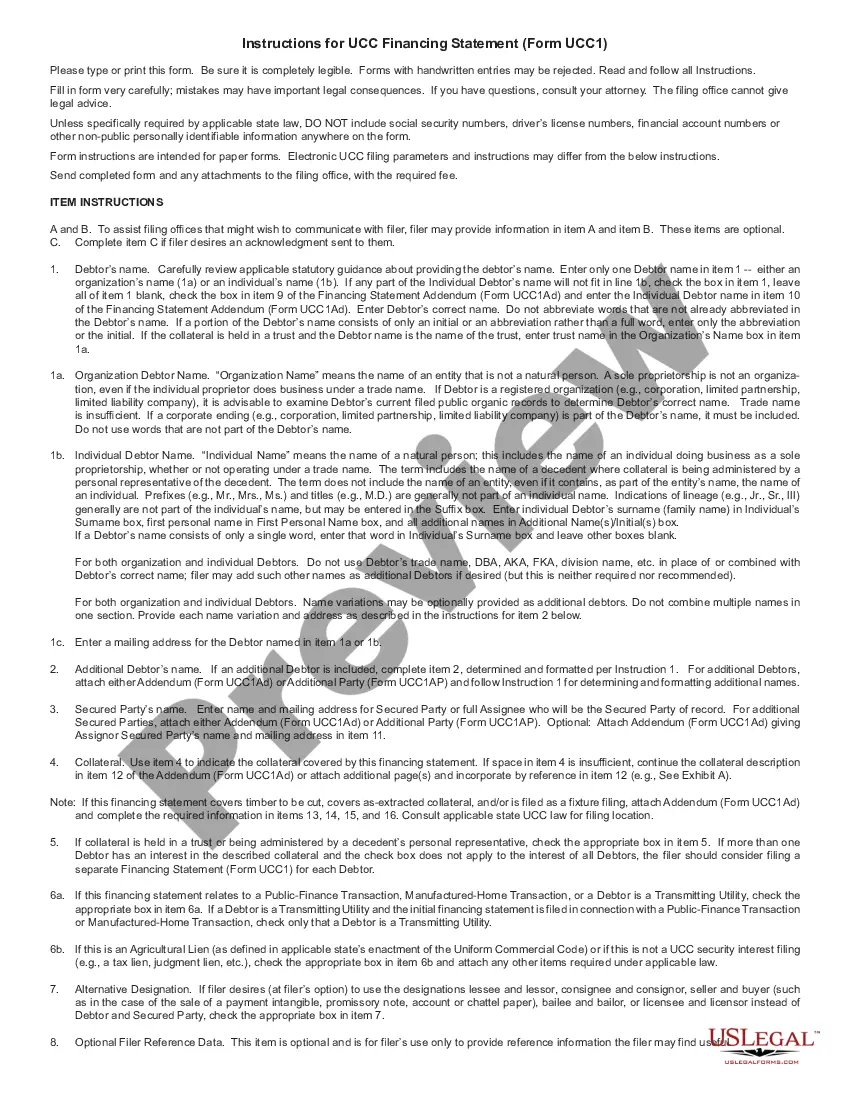






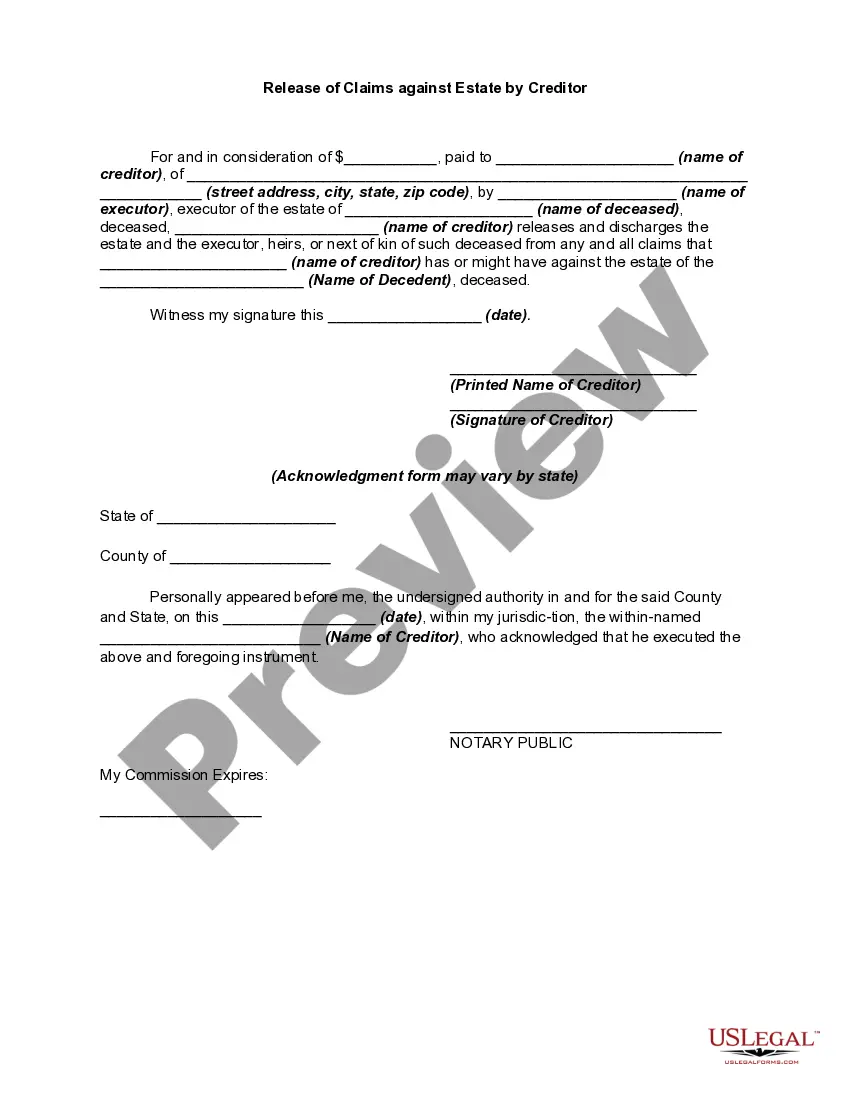

How to fill out List Of Creditors Holding 20 Largest Secured Claims - Not Needed For Chapter 7 Or 13 - Form 4 - Post 2005?
Whether for professional reasons or personal issues, everyone must confront legal situations at some point in their lives.
Completing legal documents requires meticulous attention, starting with selecting the correct form example.
Avoid altering or deleting any HTML tags. Only synonymize plain text outside of the HTML tags.
- For instance, if you choose an incorrect version of the List Chapter 7 With Examples, it will be declined once submitted.
- Thus, it is vital to find a reliable source of legal documents like US Legal Forms.
- If you need to acquire a List Chapter 7 With Examples example, follow these simple steps.
- Retrieve the sample you require using the search bar or catalog browsing.
- Review the form’s details to ensure it aligns with your case, state, and area.
- Click on the form’s preview to inspect it.
- If it is the incorrect document, return to the search tool to find the List Chapter 7 With Examples example you need.
- Obtain the file if it fits your requirements.
- If you possess a US Legal Forms account, just click Log in to access previously saved templates in My documents.
- In case you do not have an account yet, you can download the form by clicking Buy now.
- Choose the appropriate pricing option.
- Fill out the profile registration form.
- Select your payment method: you can use a credit card or PayPal account.
- Choose the file format you desire and download the List Chapter 7 With Examples.
- Once downloaded, you can complete the form using editing software or print it out and fill it in manually.
- With a comprehensive US Legal Forms catalog available, you will never need to waste time searching for the correct sample online.
- Utilize the library’s straightforward navigation to find the right form for any circumstance.
Form popularity
FAQ
You should not spend any money or dispose of any assets you own when you file your Chapter 7 bankruptcy case. Without court approval, the Chapter 7 Trustee can force the recipient to return the money or property. However, the income you receive after filing your case is yours to use.
You can prepare a List of Creditors by creating one using a computer and word?processing software. After completing the List of Creditors, you then submit the List of Creditors to the Court as a . txt file on electronic media (such as a CD, DVD, or flash / thumb drive).
Examples of nonexempt assets that can be subject to liquidation: Additional home or residential property that is not your primary residence. Investments that are not part of your retirement accounts. An expensive vehicle(s) not covered by bankruptcy exemptions.
Examples of nonexempt assets that can be subject to liquidation: Additional home or residential property that is not your primary residence. Investments that are not part of your retirement accounts. An expensive vehicle(s) not covered by bankruptcy exemptions.
A Chapter 7 bankruptcy is also called a liquidation bankruptcy because you have to sell nonexempt possessions and use the proceeds to repay your creditors. You do get to keep exempt assets and possessions, up to a limit. Once the process is complete, the remainder of your included debts is discharged.