List Chapter 7 With Answers
Description
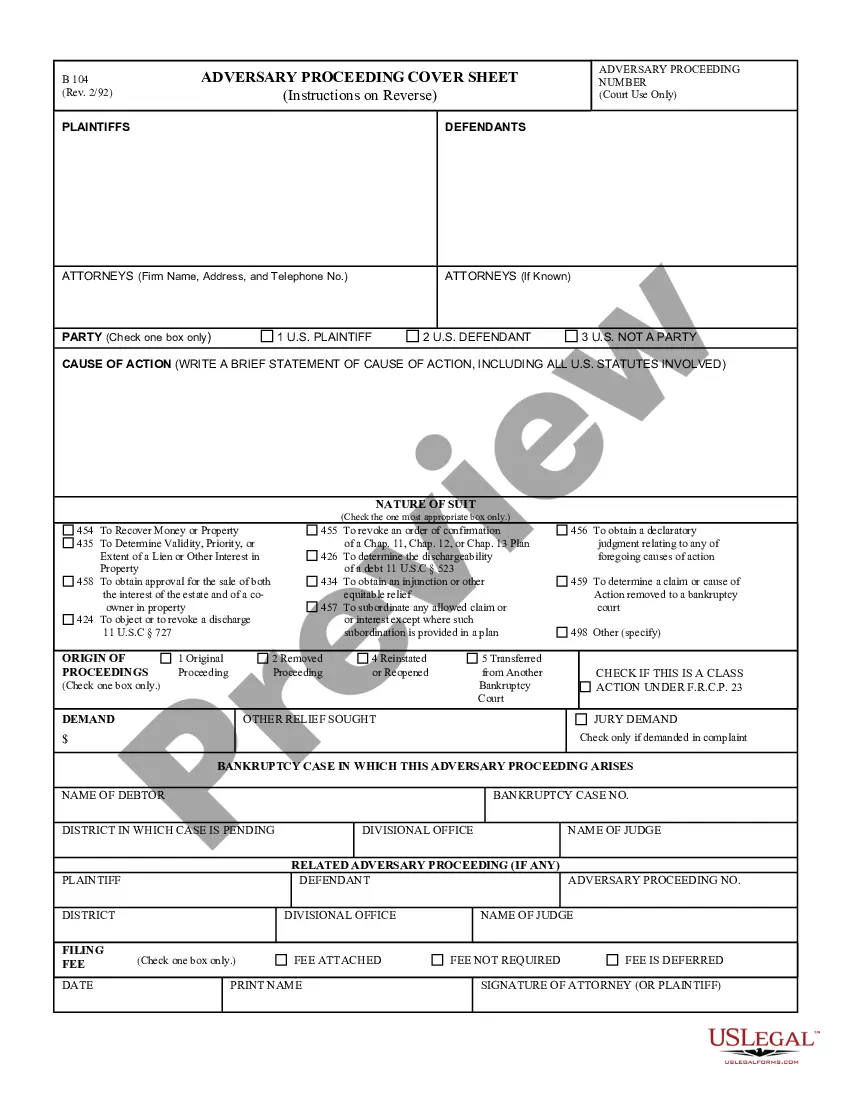
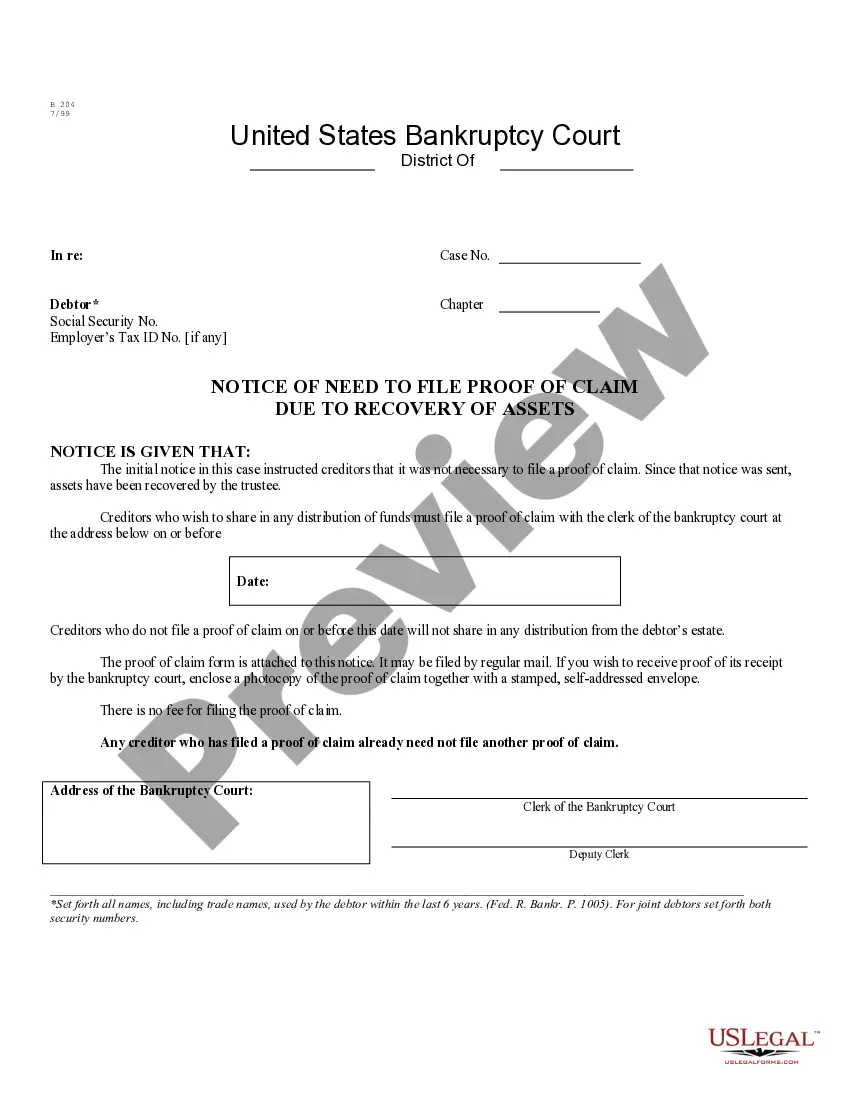
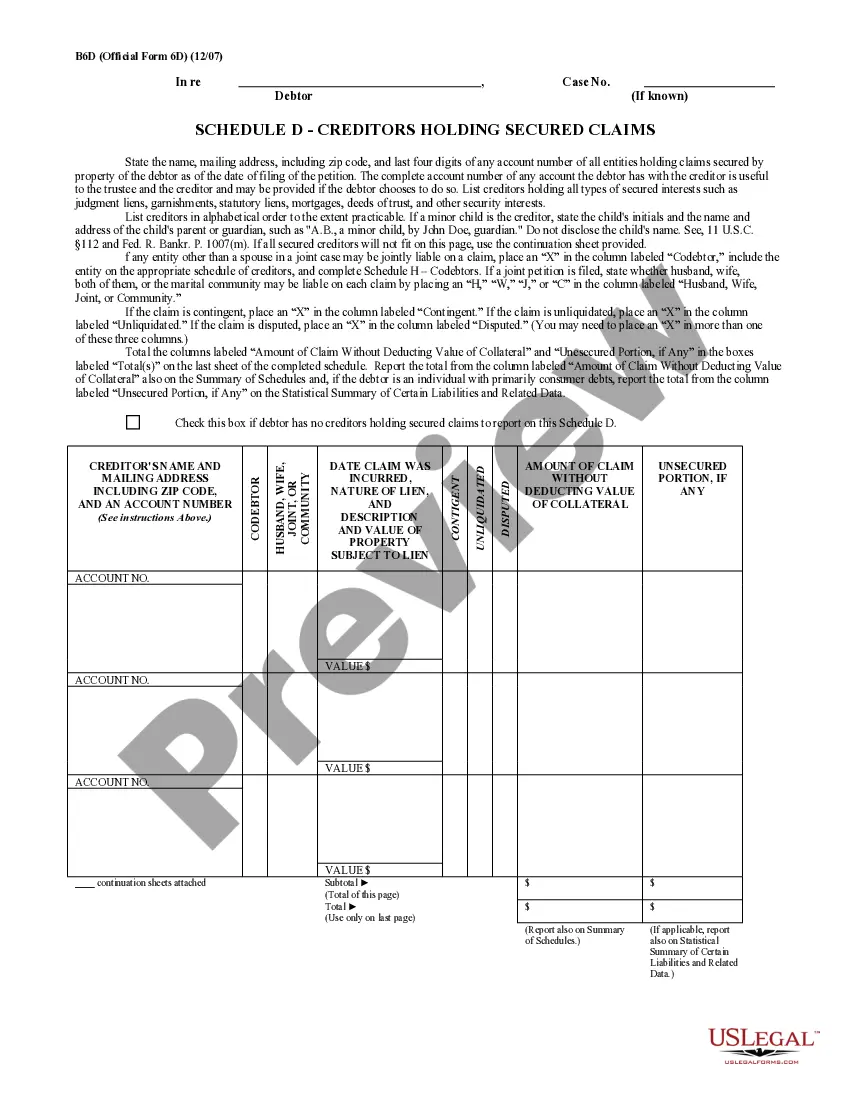
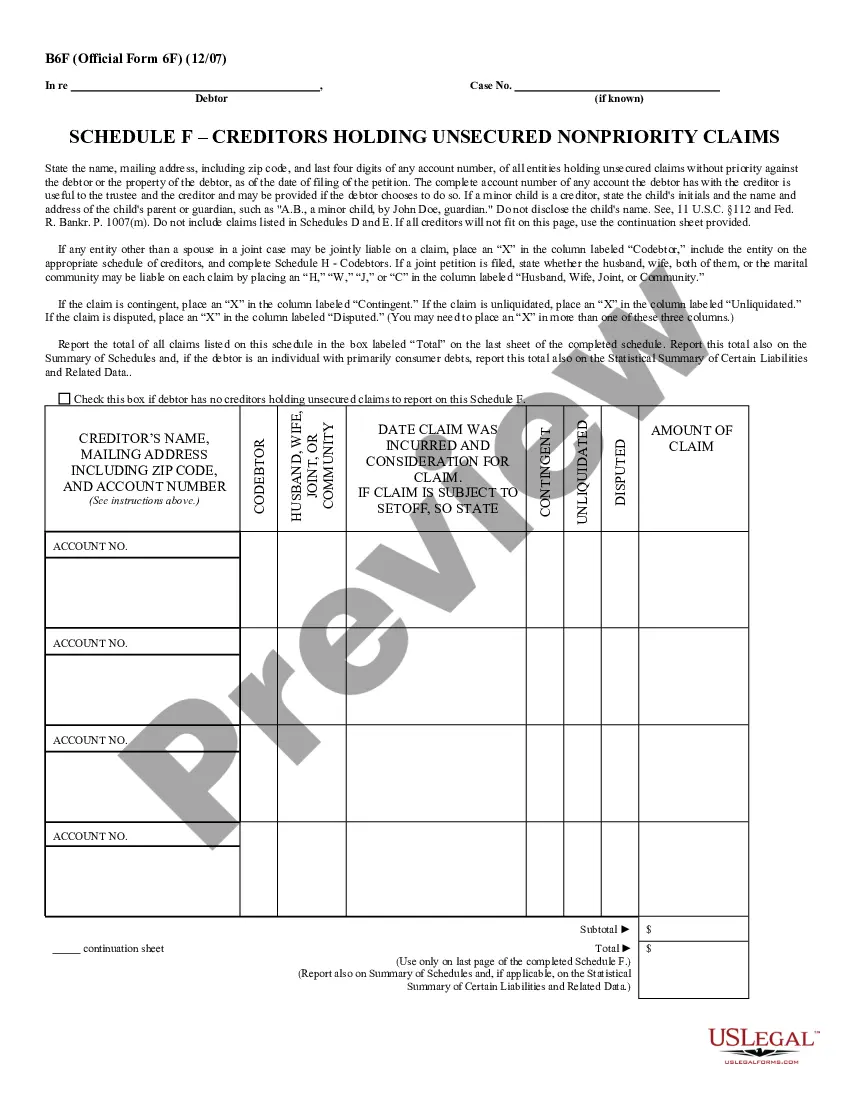




How to fill out List Of Creditors Holding 20 Largest Secured Claims - Not Needed For Chapter 7 Or 13 - Form 4 - Post 2005?
It’s clear that you can’t become a legal expert instantly, nor can you understand how to swiftly prepare List Chapter 7 With Answers without possessing a specialized foundation.
Assembling legal documents is a lengthy endeavor that necessitates specific education and expertise. So why not entrust the development of the List Chapter 7 With Answers to the professionals.
With US Legal Forms, one of the most extensive legal document collections, you can discover everything from court filings to templates for internal communication.
You can regain access to your documents from the My documents section at any time. If you’re an existing client, you can simply Log In, and locate and download the template from that same section.
Regardless of the intent of your documents—whether financial, legal, or personal—our platform has you covered. Experience US Legal Forms today!
- Identify the form you require using the search feature at the top of the page.
- View it (if this option is available) and check the accompanying description to see if List Chapter 7 With Answers is what you need.
- Initiate your search once more if you require any other template.
- Create a free account and select a subscription plan to purchase the template.
- Select Buy now. Once the payment is finalized, you can obtain the List Chapter 7 With Answers, fill it out, print it, and send or mail it to the required individuals or organizations.
Form popularity
FAQ
You may hear it called a ?liquidation? bankruptcy because your trustee can liquidate, or sell off, an nonexempt property. This might sound scary but rest assured that most Chapter 7 filers do not lose any property because their property is protected by exemptions.
Examples of nonexempt assets that can be subject to liquidation: Additional home or residential property that is not your primary residence. Investments that are not part of your retirement accounts. An expensive vehicle(s) not covered by bankruptcy exemptions.
While it may feel odd to pay fees to tell the courts you don't have enough money, you typically have to pay court fees to file for bankruptcy. The filing fee for a Chapter 7 bankruptcy is $338, while the filing fee for a Chapter 13 bankruptcy is $313.
Income is calculated by looking at the debtor's income for the six-months prior to filing. A debtor who previously had a higher income but has been laid off in the last year, for example, would be able to rely on their most recent income to satisfy the Means Test.
Not All Debts Are Discharged Certain debts will remain on your account when you file for Chapter 7 bankruptcy. You will still be responsible for alimony and child support. Tax liens, student loans, and personal injury debts caused by intoxicated drivers are still on the docket, as well.