List Chapter 7 With 10
Description
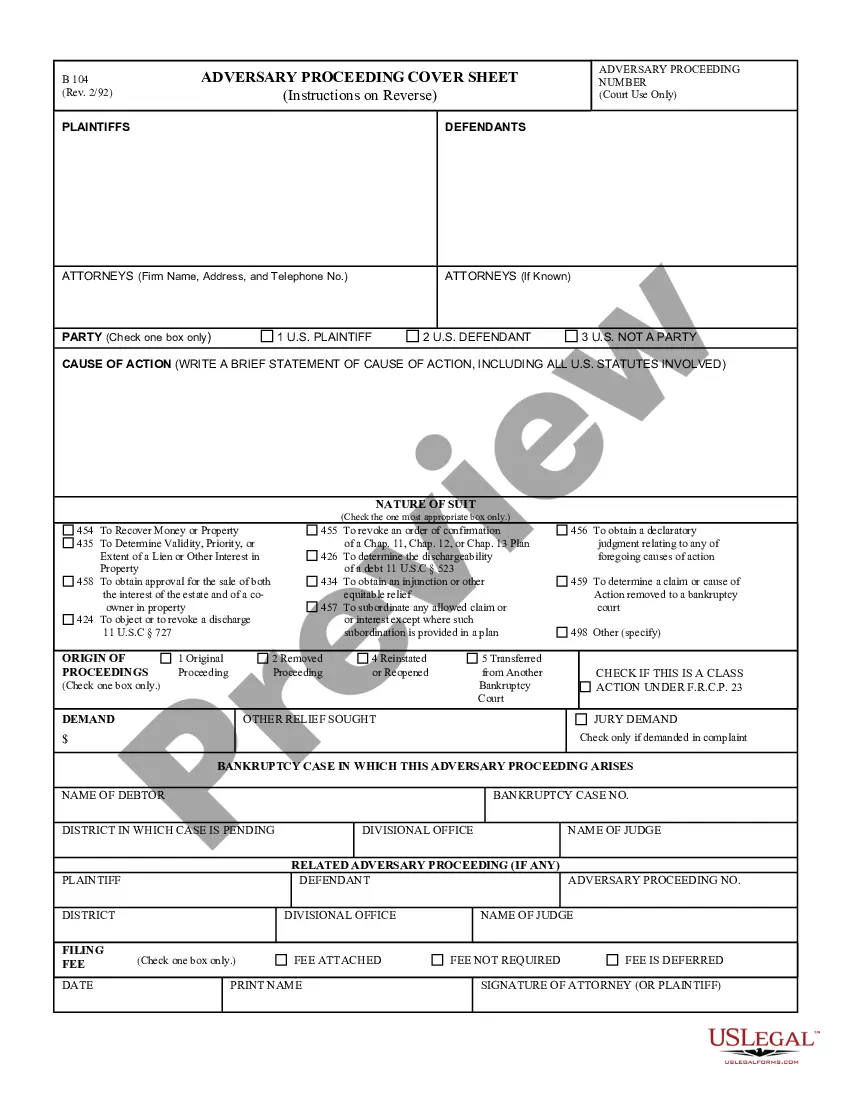
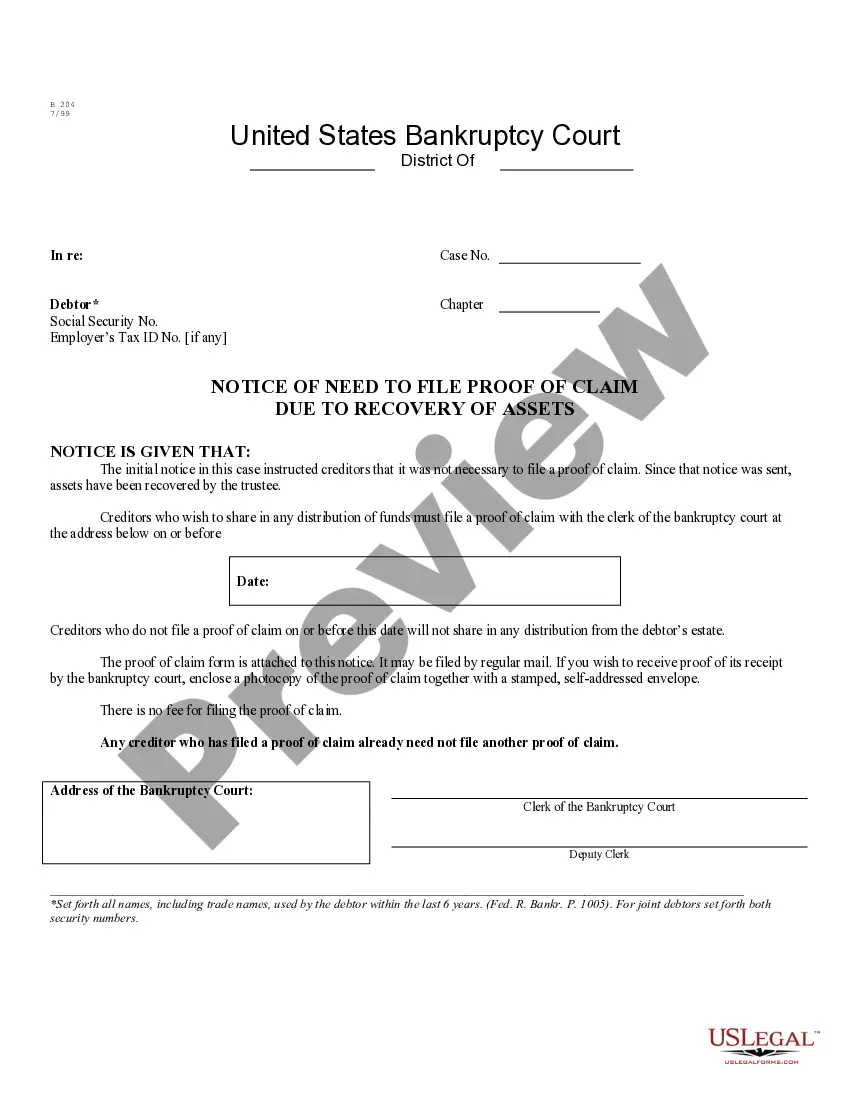
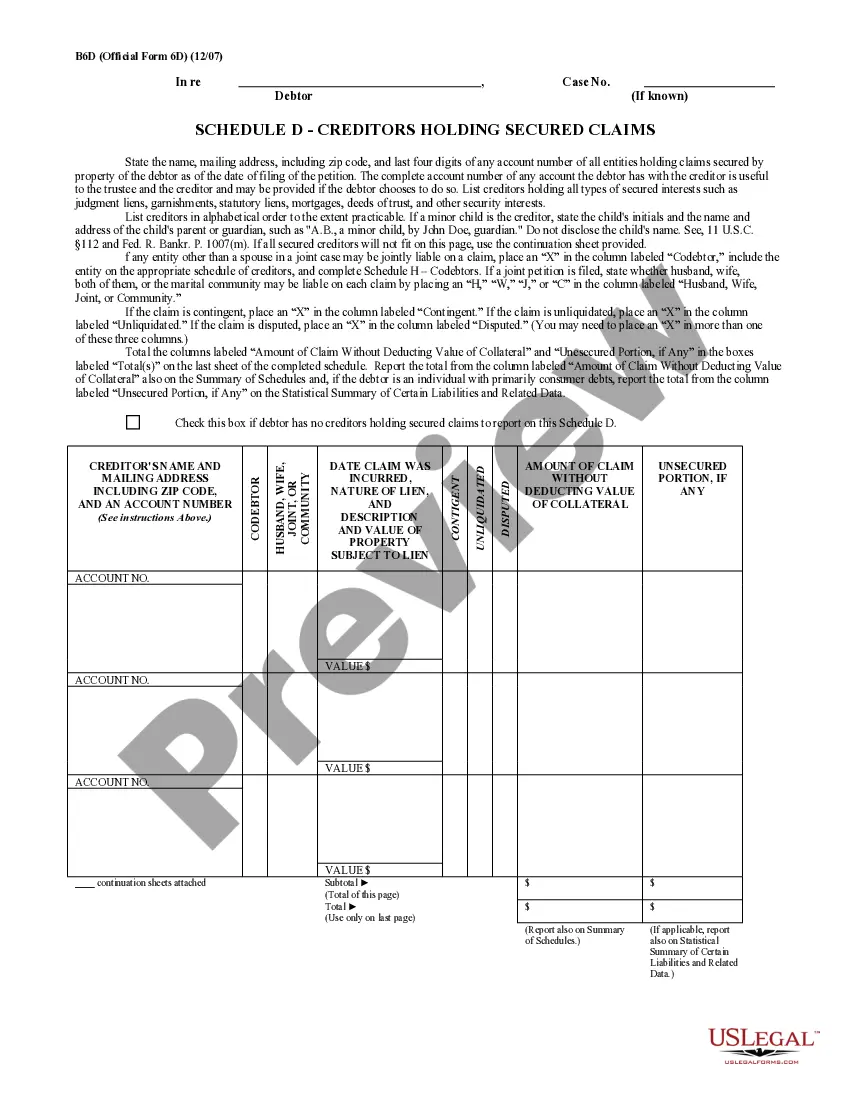
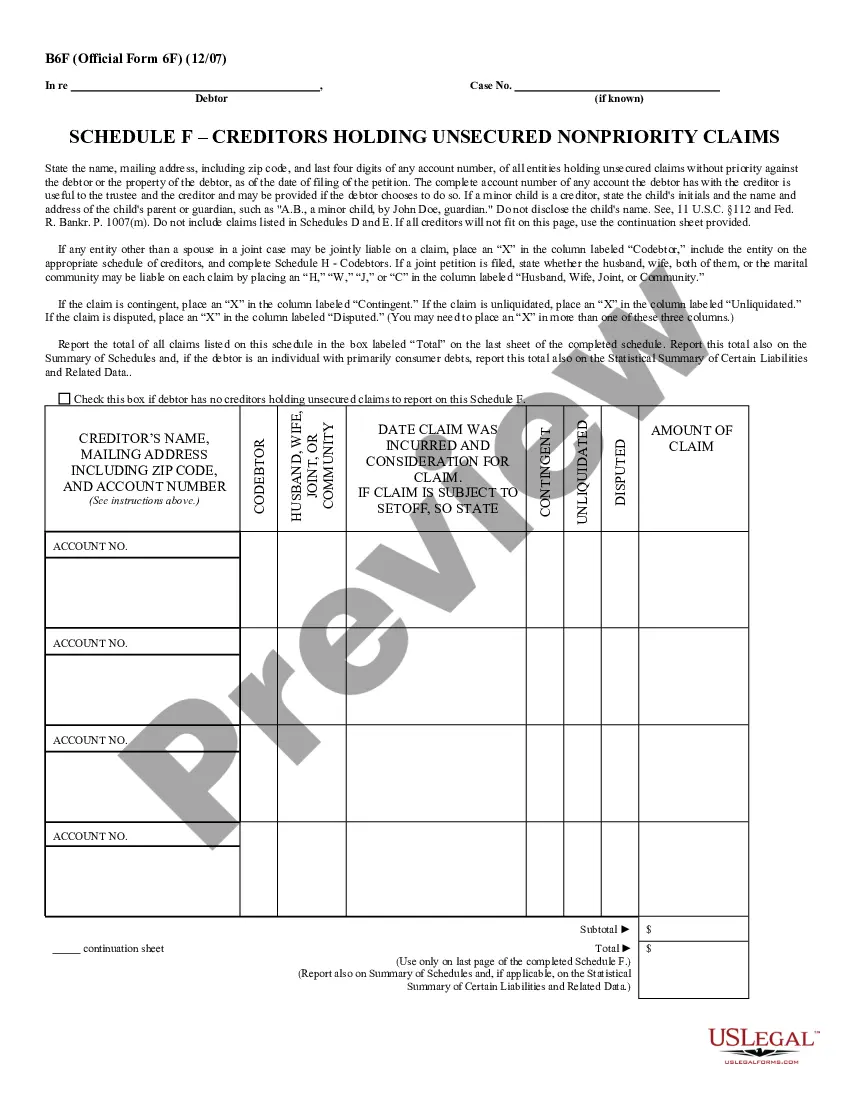
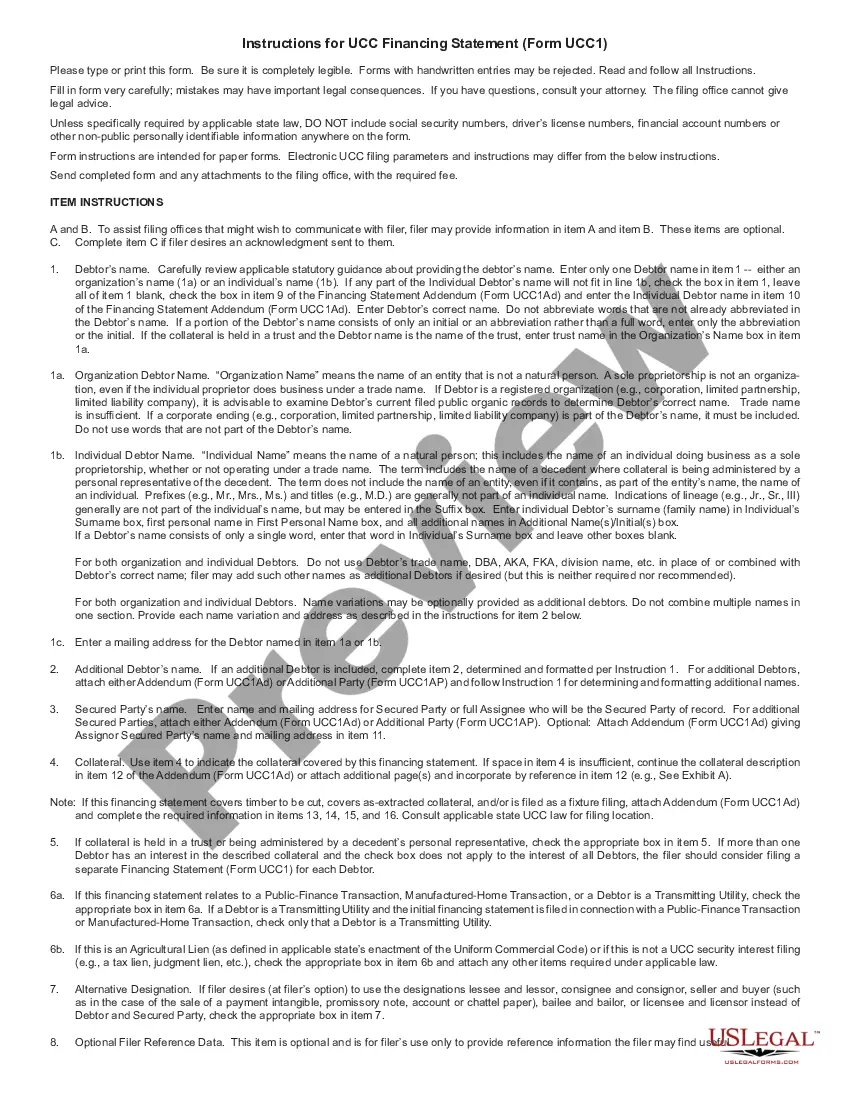


How to fill out List Of Creditors Holding 20 Largest Secured Claims - Not Needed For Chapter 7 Or 13 - Form 4 - Post 2005?
Legal administration can be exasperating, even for experienced professionals.
When you are looking for a List Chapter 7 With 10 and lack the time to spend searching for the right and updated version, the tasks can become overwhelming.
US Legal Forms caters to any requirements you may have, from personal to business documents, all in one location.
Utilize sophisticated tools to complete and manage your List Chapter 7 With 10.
Here are the steps to follow after locating the form you require: Validate that it is the correct form by previewing it and reviewing its details. Ensure that the template is accepted in your state or county. Select Buy Now when you are prepared. Choose a subscription plan. Select the format you need, and Download, fill out, sign, print, and send your documents. Take advantage of the US Legal Forms online repository, supported by 25 years of expertise and reliability. Transform your daily document management into a seamless and user-friendly process today.
- Access a repository of articles, guides, and resources pertinent to your situation and requirements.
- Save effort and time looking for the documents you need, and use US Legal Forms’ advanced search and Review feature to find List Chapter 7 With 10 and download it.
- If you possess a subscription, Log Into your US Legal Forms account, search for the form, and download it.
- Check the My documents tab to view the documents you have previously downloaded and manage your folders as you wish.
- If this is your first experience with US Legal Forms, create an account and gain unlimited access to all the benefits of the library.
- A robust online form repository could be a transformative solution for anyone wishing to handle these circumstances effectively.
- US Legal Forms stands as a frontrunner in online legal documentation, with more than 85,000 state-specific legal forms accessible to you at any moment.
- With US Legal Forms, you can access state- or county-specific legal and business forms.
Form popularity
FAQ
Chapter 10 was a type of corporate bankruptcy filing that was eventually retired due to its complexity. Chapter 10, originally known as ?Chapter X,? listed the processes and procedures for bankruptcies involving corporations.
Your average household income is determined by averaging your monthly income over the last six calendar months. If you are over the median income limit and your income has declined over the last six months, then waiting one or more months might bring your income under the median level for California.
Filing for Chapter 7 bankruptcy eliminates credit card debt, medical bills and unsecured loans; however, there are some debts that cannot be discharged. Those debts include child support, spousal support obligations, student loans, judgments for damages resulting from drunk driving accidents, and most unpaid taxes.
Examples of nonexempt assets that can be subject to liquidation: Additional home or residential property that is not your primary residence. Investments that are not part of your retirement accounts. An expensive vehicle(s) not covered by bankruptcy exemptions.
You may hear it called a ?liquidation? bankruptcy because your trustee can liquidate, or sell off, an nonexempt property. This might sound scary but rest assured that most Chapter 7 filers do not lose any property because their property is protected by exemptions.