List Chapter 7 For Students
Description
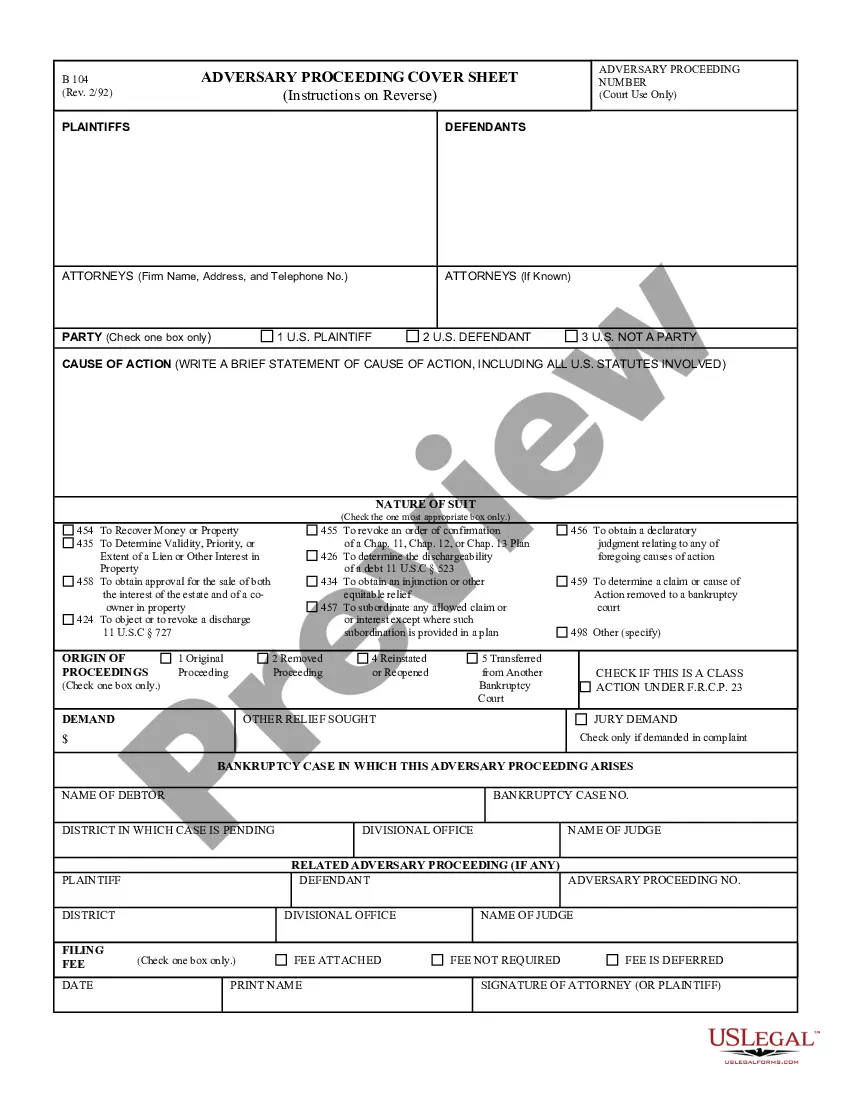
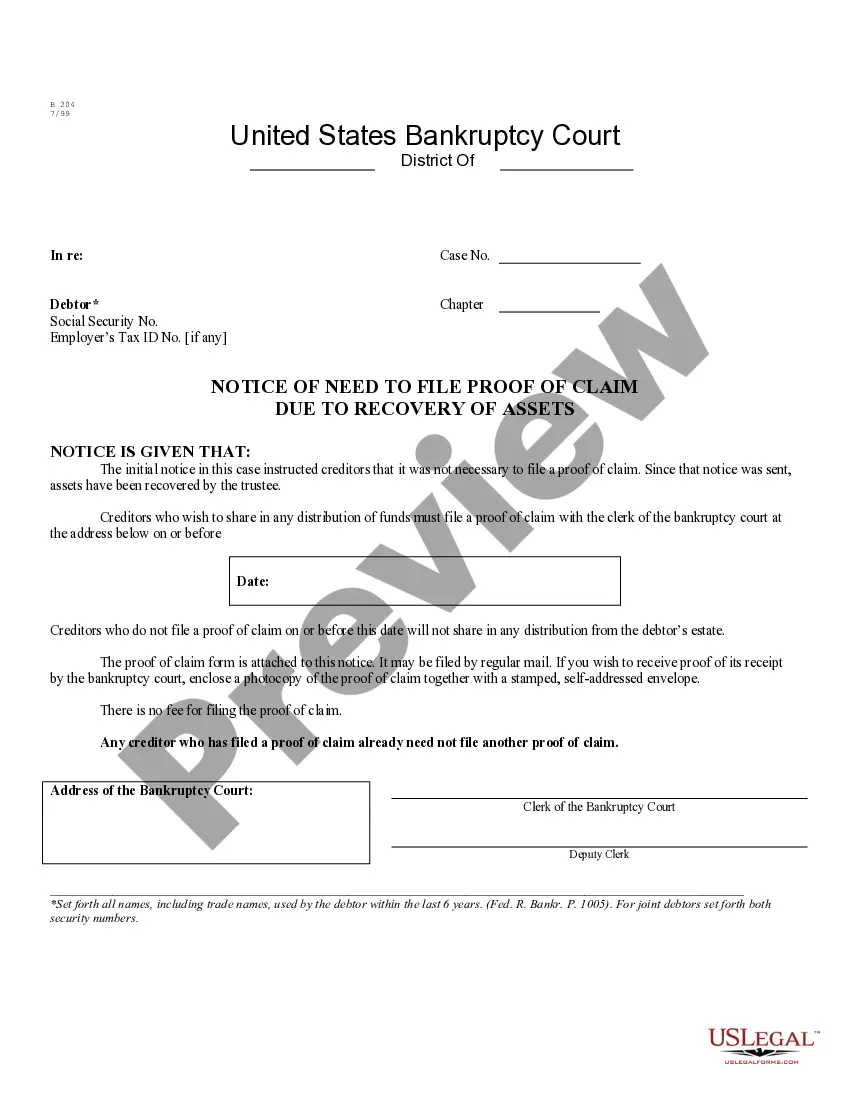
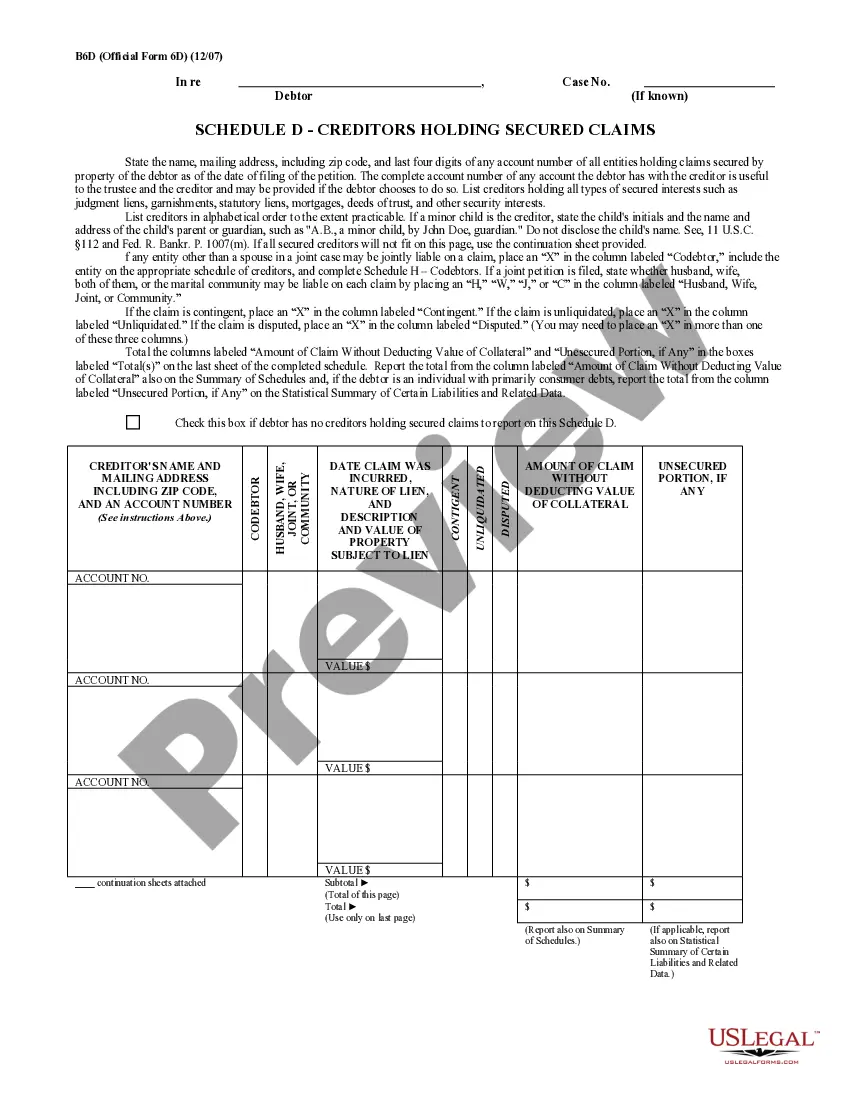
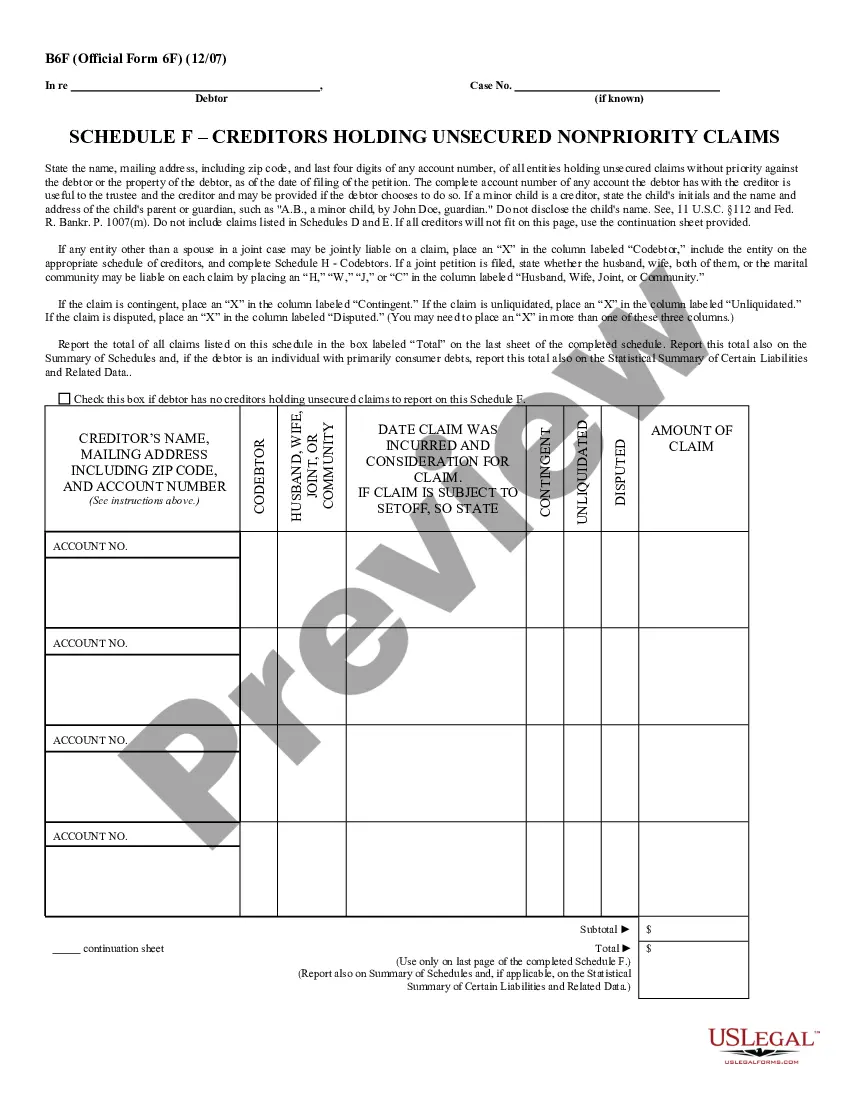




How to fill out List Of Creditors Holding 20 Largest Secured Claims - Not Needed For Chapter 7 Or 13 - Form 4 - Post 2005?
It’s well-known that you cannot become a legal expert instantly, nor can you swiftly learn how to prepare List Chapter 7 For Students without possessing a specialized skill set.
Creating legal documents is a lengthy undertaking that necessitates particular training and expertise. So why not entrust the preparation of the List Chapter 7 For Students to the experts.
With US Legal Forms, one of the largest legal template collections, you can find everything from court documents to templates for internal business communication. We recognize how vital compliance and adherence to federal and state regulations are. That’s why, on our platform, all forms are location-specific and current.
You can access your forms again from the My documents tab at any time. If you’re an existing client, you can simply Log In, and find and download the template from the same tab.
No matter the reason for your documents—whether it’s financial and legal, or personal—our platform has everything you need. Try US Legal Forms today!
- Find the document you require using the search bar at the top of the page.
- Preview it (if this option is offered) and review the accompanying description to determine if List Chapter 7 For Students is what you need.
- Repeat your search if you require any other template.
- Create a free account and choose a subscription plan to purchase the form.
- Click Buy now. Once the payment is finalized, you can obtain the List Chapter 7 For Students, fill it out, print it, and send or mail it to the necessary parties or organizations.
Form popularity
FAQ
If you had a Chapter 7 that resulted in discharge of your debts, you must wait at least eight years from the date you filed it before filing Chapter 7 bankruptcy again. While Chapter 7 is typically the quickest form of debt relief, the eight-year period to refile is the longest waiting time between cases.
A chapter 7 case begins with the debtor filing a petition with the bankruptcy court serving the area where the individual lives or where the business debtor is organized or has its principal place of business or principal assets.
When you file for Chapter 7 bankruptcy, you will have to complete a form called the Statement of Intention for Individuals Filing Under Chapter 7. On this form, you tell the court whether you want to keep your secured and leased property?such as your car, boat, or home?or let it go back to the creditor.
The Chapter 7 Discharge. A discharge releases individual debtors from personal liability for most debts and prevents the creditors owed those debts from taking any collection actions against the debtor.
That being said, here's what you're not allowed to do with a Chapter 7: Lie under oath about your financial or property assets. Keep property that must be used to discharge your debts. Miss payments to certain creditors in order to keep your home.