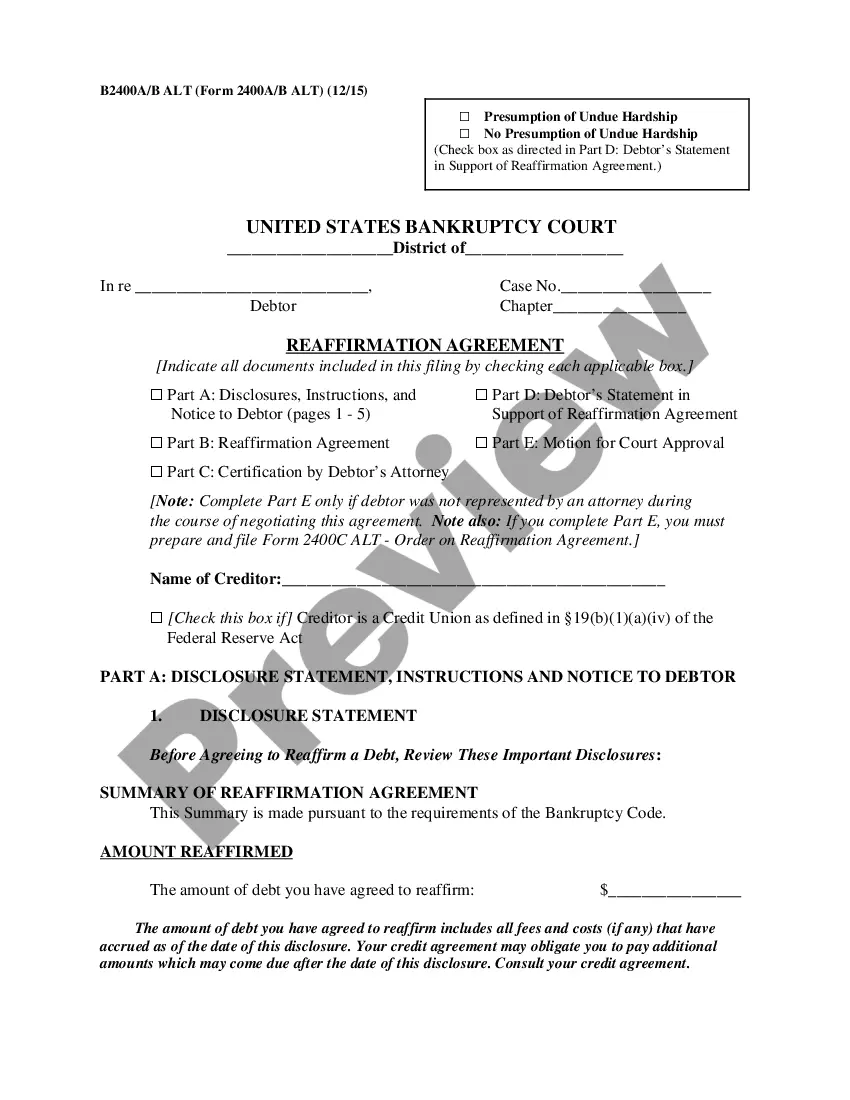
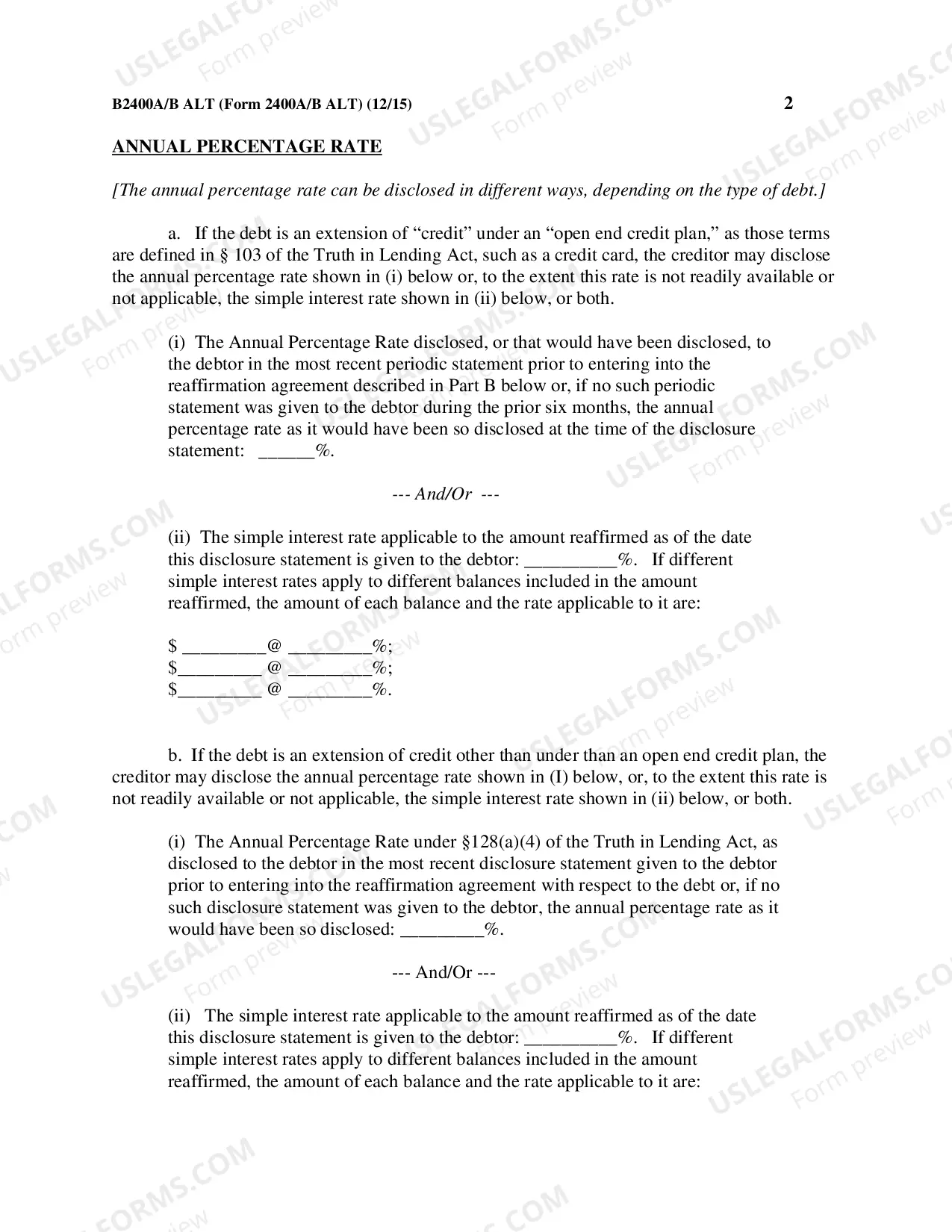
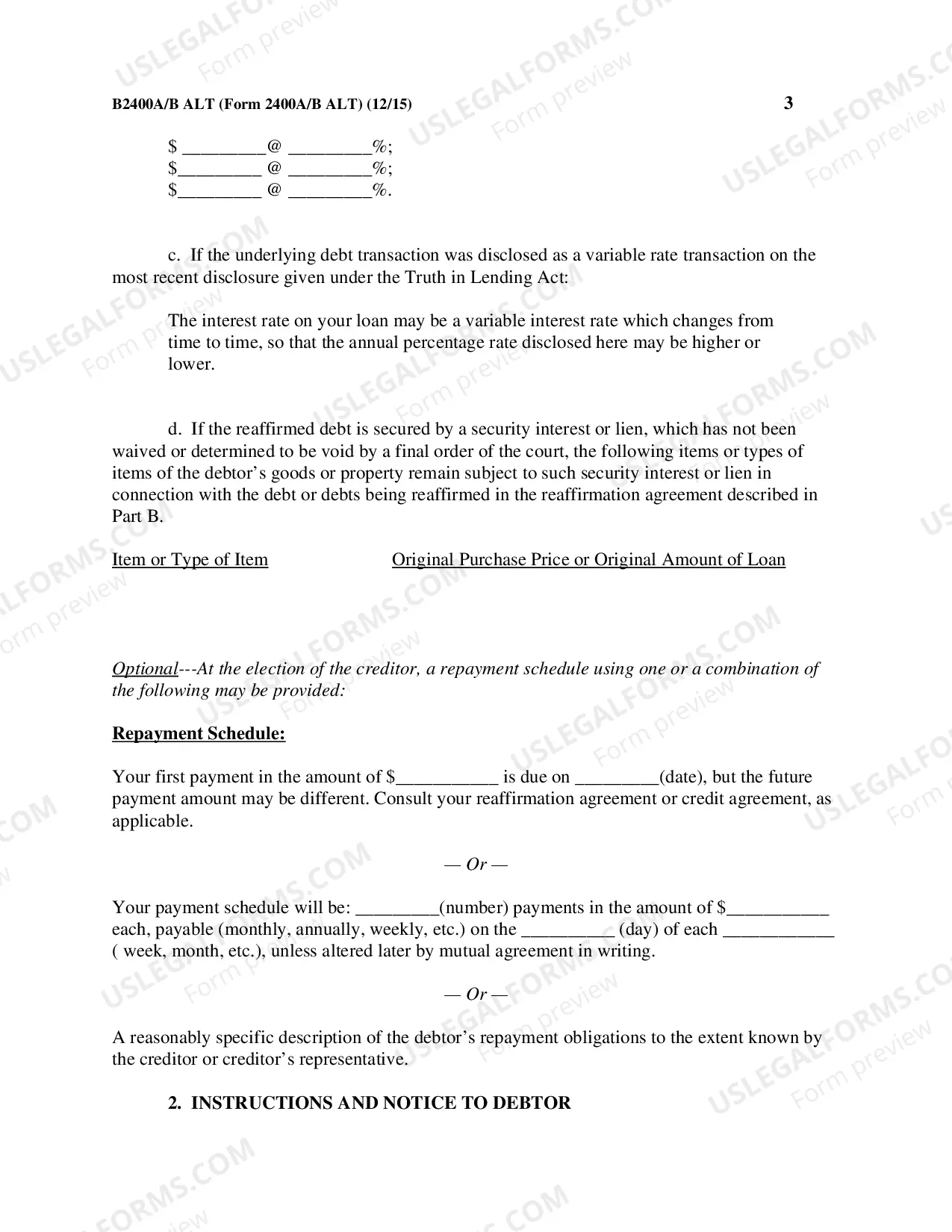
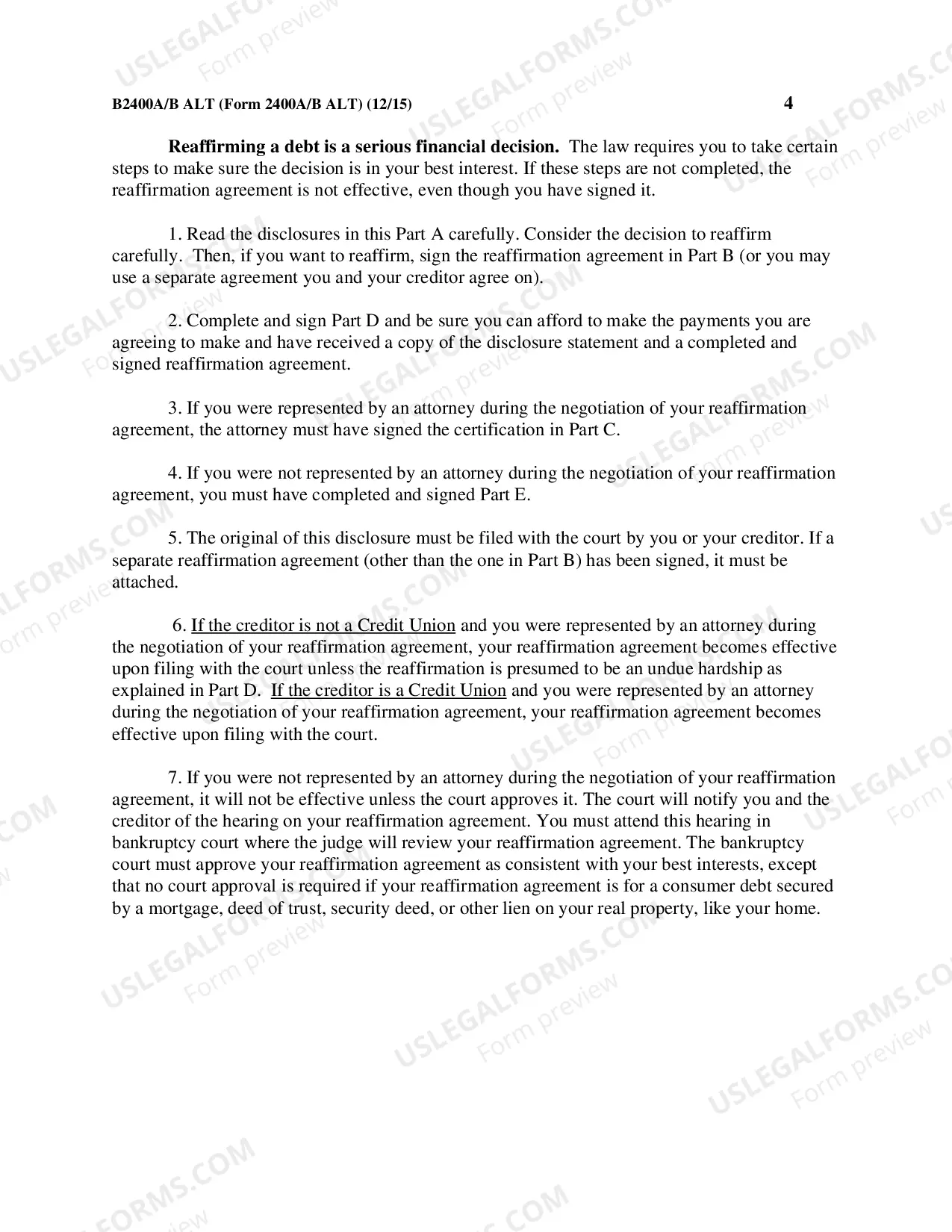
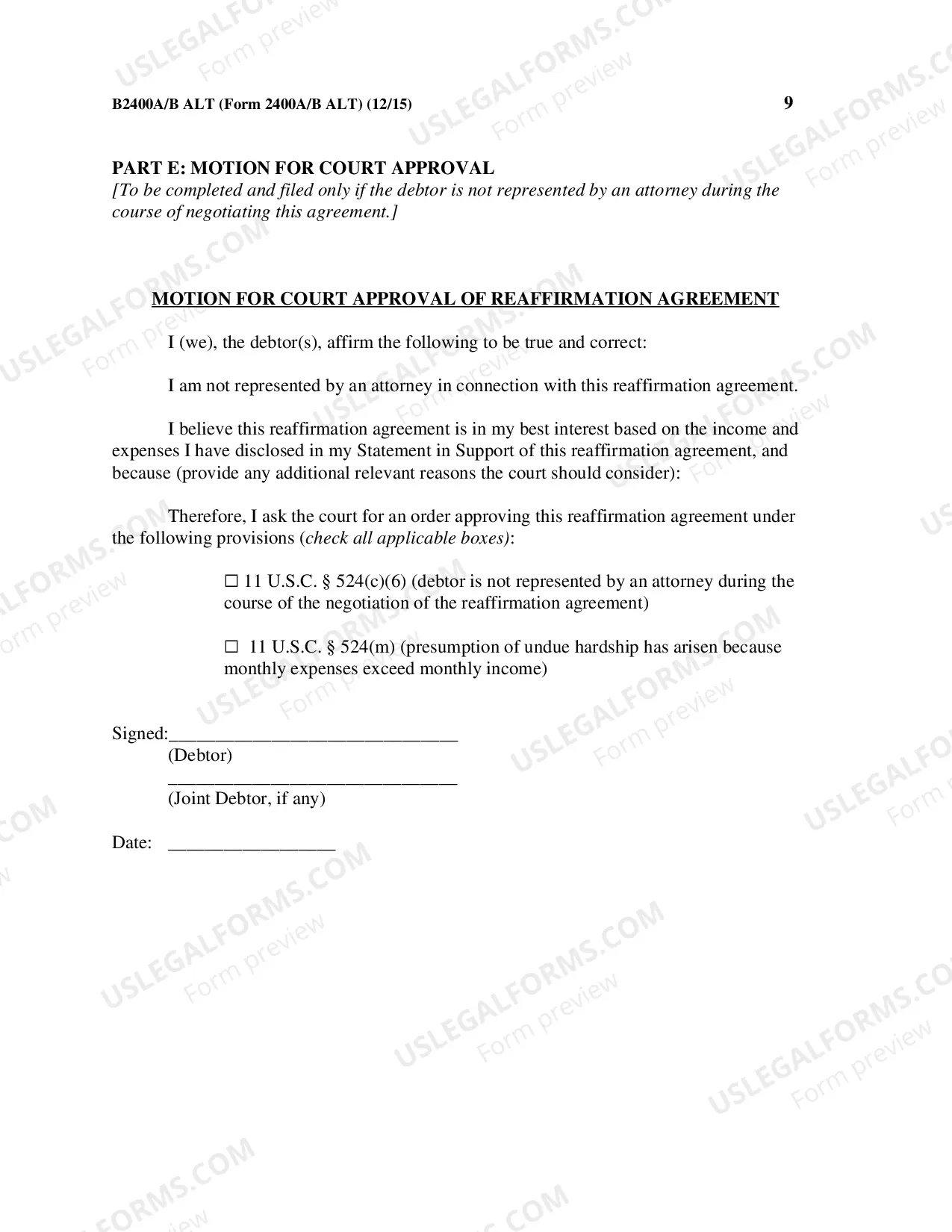
Reaffirmation Agreement For Credit Card
Description
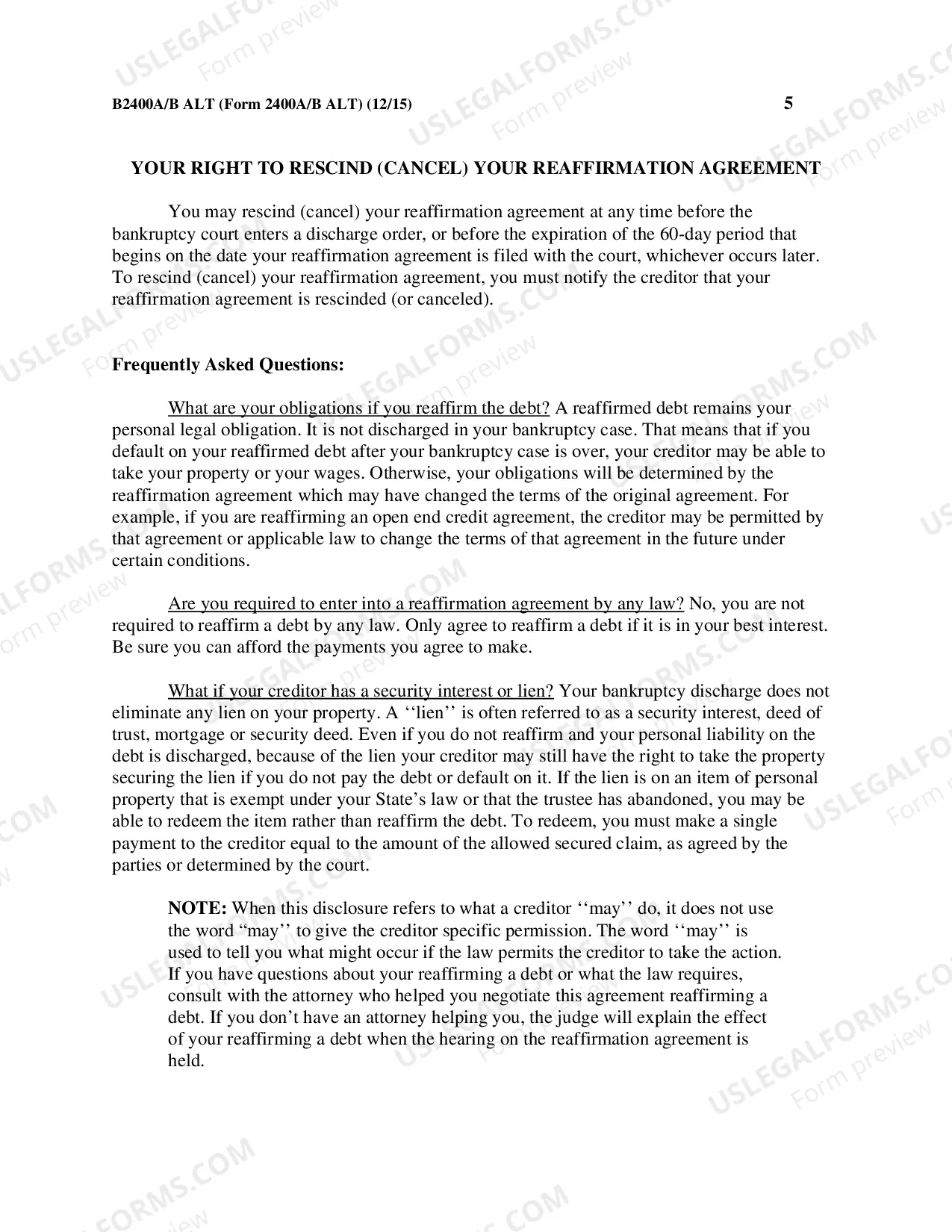
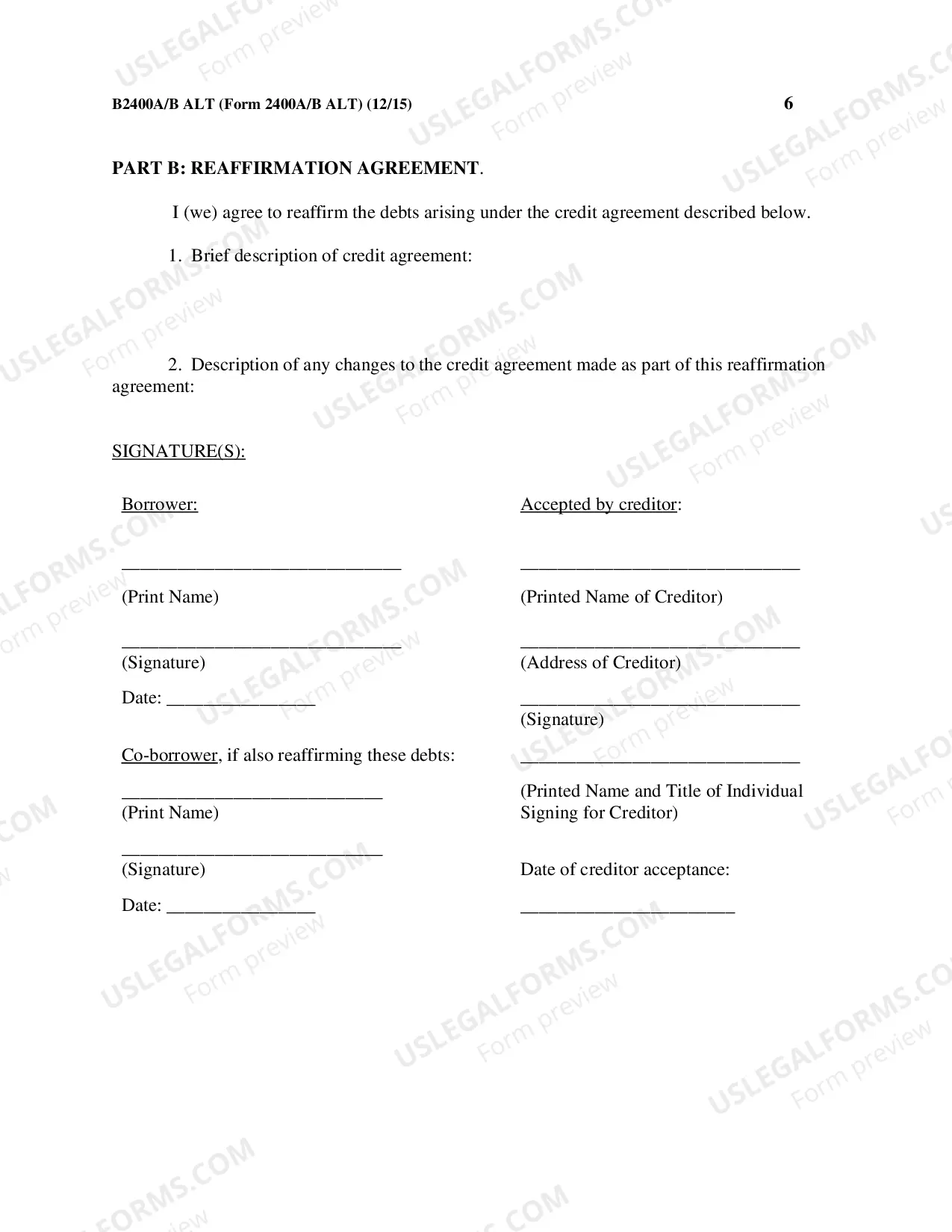
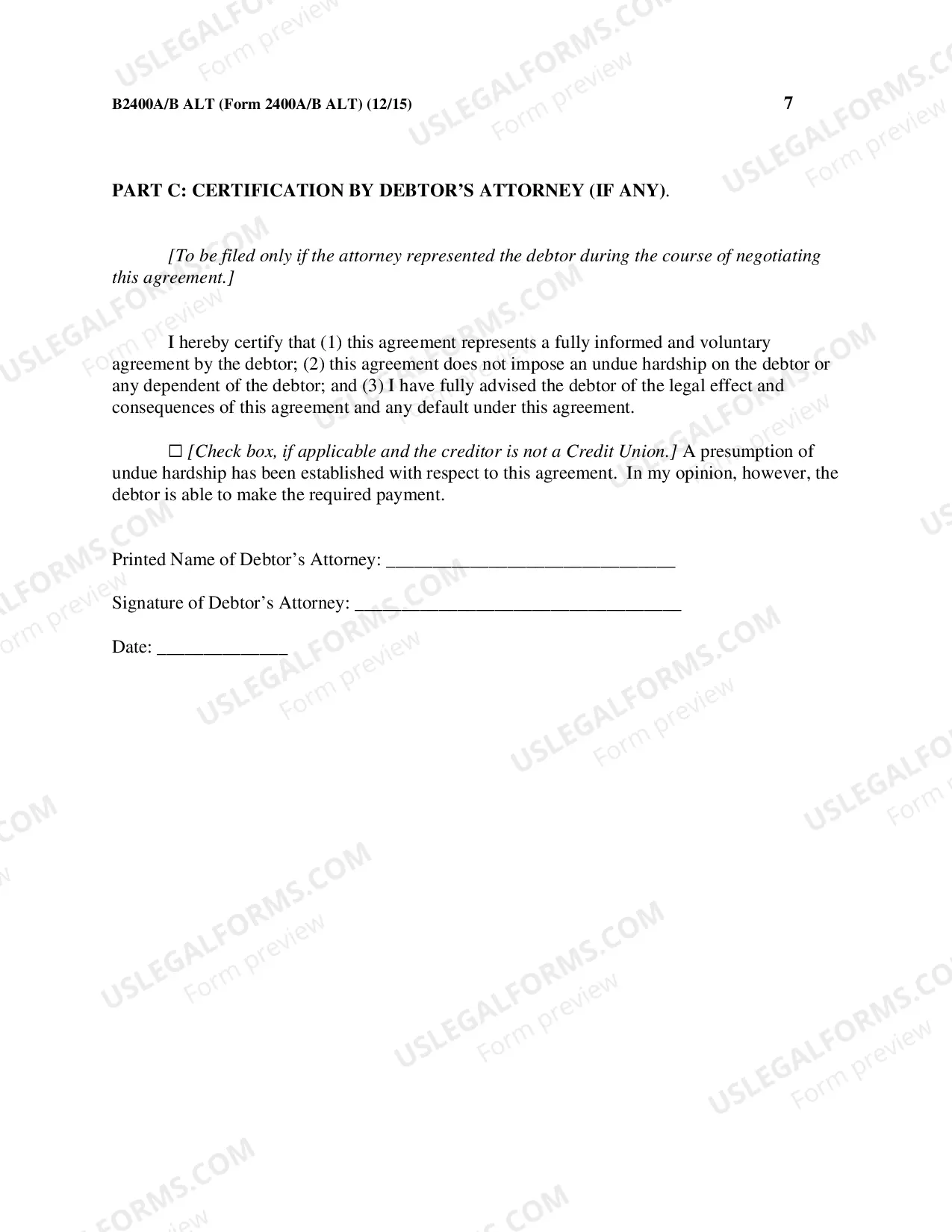
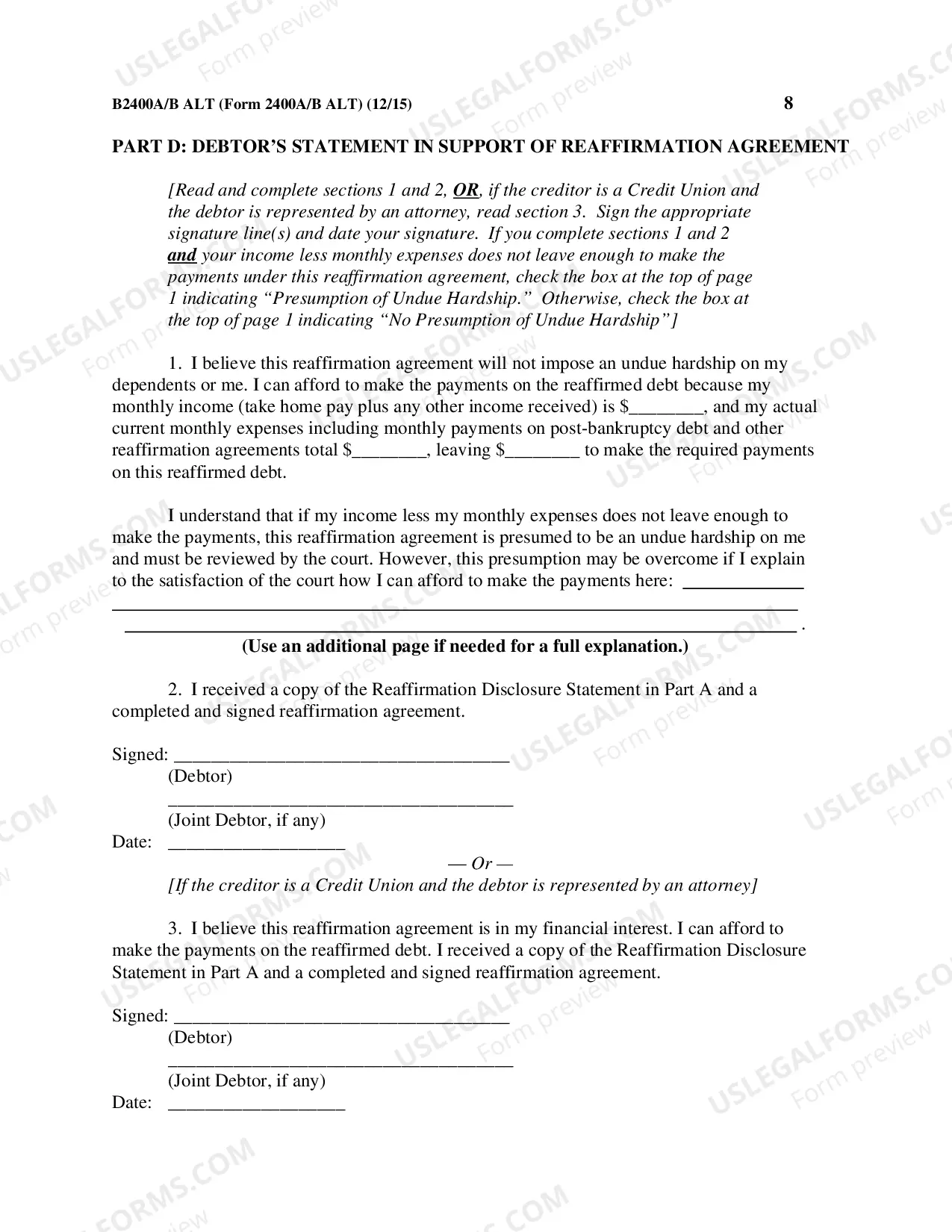
Get your form ready online
Our built-in tools help you complete, sign, share, and store your documents in one place.
Make edits, fill in missing information, and update formatting in US Legal Forms—just like you would in MS Word.
Download a copy, print it, send it by email, or mail it via USPS—whatever works best for your next step.
Sign and collect signatures with our SignNow integration. Send to multiple recipients, set reminders, and more. Go Premium to unlock E-Sign.
If this form requires notarization, complete it online through a secure video call—no need to meet a notary in person or wait for an appointment.
We protect your documents and personal data by following strict security and privacy standards.

Make edits, fill in missing information, and update formatting in US Legal Forms—just like you would in MS Word.

Download a copy, print it, send it by email, or mail it via USPS—whatever works best for your next step.

Sign and collect signatures with our SignNow integration. Send to multiple recipients, set reminders, and more. Go Premium to unlock E-Sign.

If this form requires notarization, complete it online through a secure video call—no need to meet a notary in person or wait for an appointment.

We protect your documents and personal data by following strict security and privacy standards.
Looking for another form?
How to fill out Reaffirmation Agreement, Motion And Order?
When you are required to present a Reaffirmation Agreement For Credit Card that adheres to your local state's statutes and regulations, there may be various alternatives to choose from.
There's no necessity to scrutinize every form to ensure it meets all the legal requirements if you are a US Legal Forms subscriber.
It is a trustworthy service that can assist you in obtaining a reusable and current template on any topic.
- US Legal Forms boasts the most comprehensive online catalog with a collection of over 85k ready-to-use documents for business and personal legal situations.
- All templates are validated to adhere to each state's regulations.
- Consequently, when downloading the Reaffirmation Agreement For Credit Card from our website, you can be assured that you possess a legitimate and current document.
- Retrieving the necessary sample from our platform is quite effortless.
- If you already have an account, simply Log In to the system, verify that your subscription is active, and save the chosen file.
- In the future, you can access the My documents section in your profile and gain entry to the Reaffirmation Agreement For Credit Card at any time.
- If this is your first experience with our website, please follow the guideline below.
- Review the suggested page and ensure it meets your criteria. You will also be able to review the form description in Preview mode if available.
Form popularity
FAQ
Once an account is reaffirmed and paid in full, it should no longer show a status of "included in bankruptcy" on your credit report. When you reaffirm a debt, it means you enter into an agreement with your lender to continue to making payments on the account rather than including it in your bankruptcy.
Reaffirmation agreements are a special feature of Chapter 7 bankruptcy. They give your creditors a chance to get you back on the hook for debt you would have otherwise discharged in the bankruptcy by allowing you to reaffirm, or re-sign, liability for a specific debt.
Reaffirming Helps Rebuild Your Credit So timely payments won't help you establish a good credit history after bankruptcy. If you reaffirm the loan, your lender will continue reporting payments.
Reaffirming a debt informs the lender that you intend to continue to pay the loan. Generally, the lender will continue to report the loan and all payments made on that loan to the credit reporting agencies, which may help improve your credit score after bankruptcy, provided timely payments are made on the loan.
Reaffirmation is an agreement by a debtor, to a lender, to repay some or all of their debt. Debtors make reaffirmation agreements purely voluntarily. When a borrower reaffirms a debt, this is noted by credit reporting agencies, which then register that the person will make regular on-time payments.