Release Letter For Employee
Description
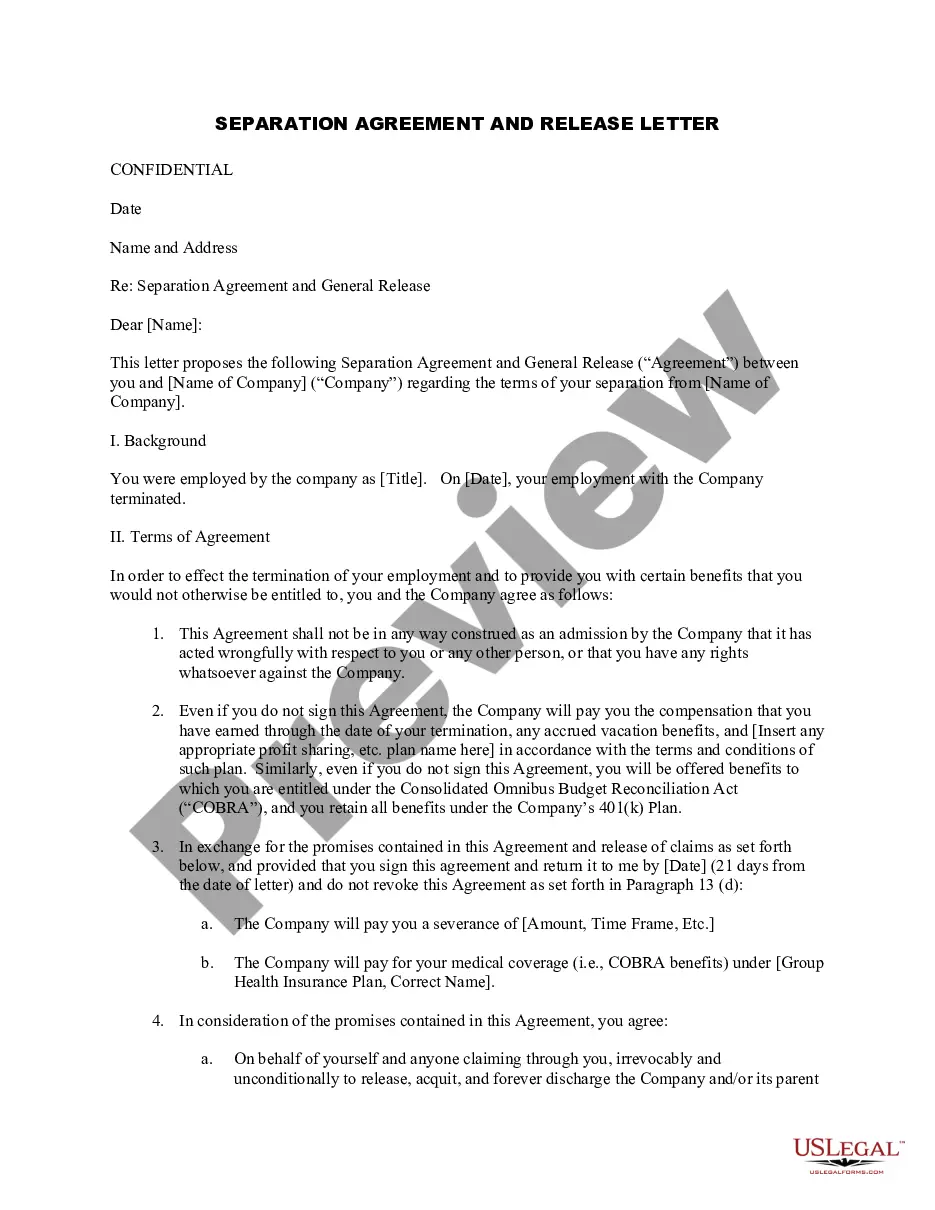
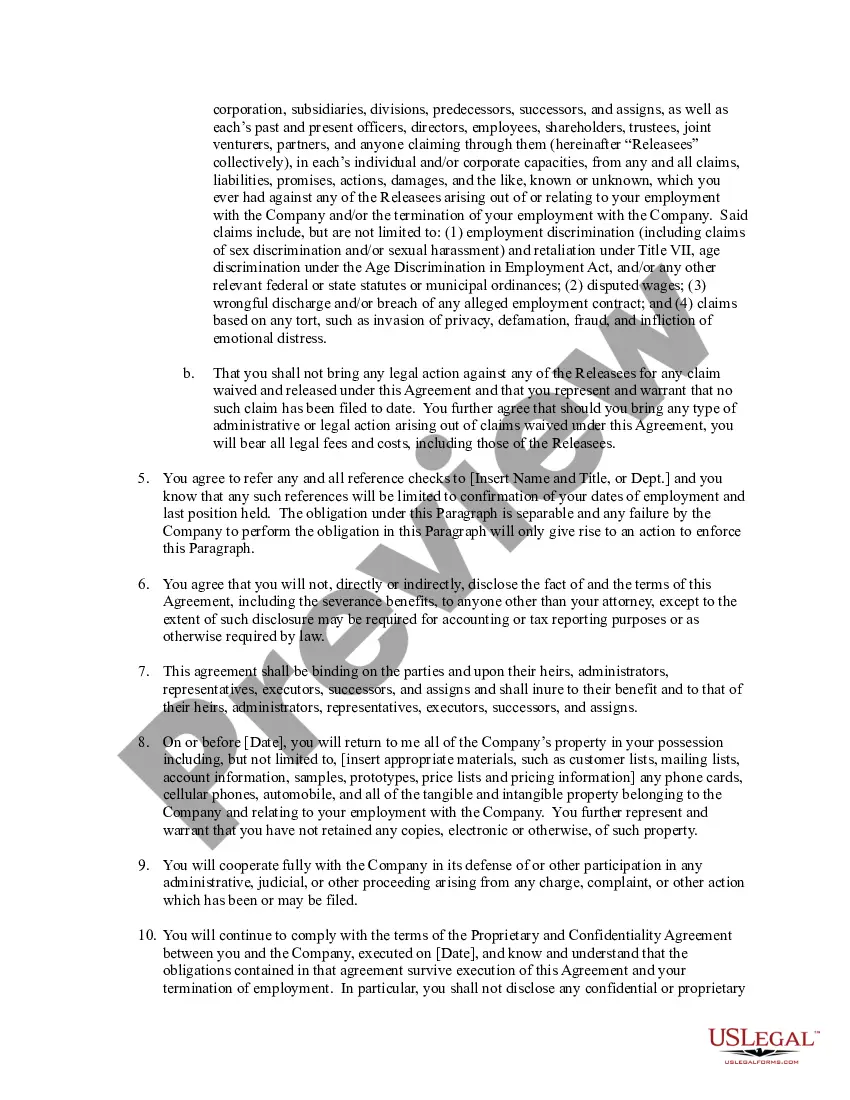
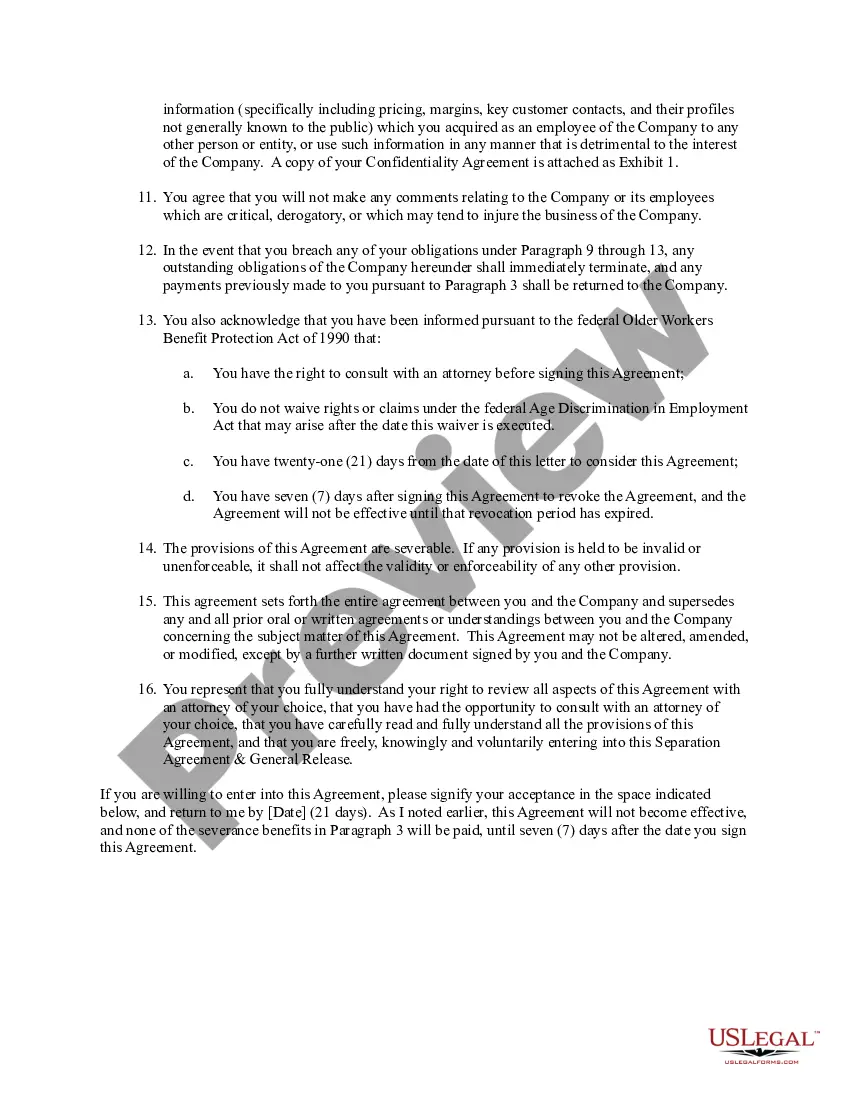
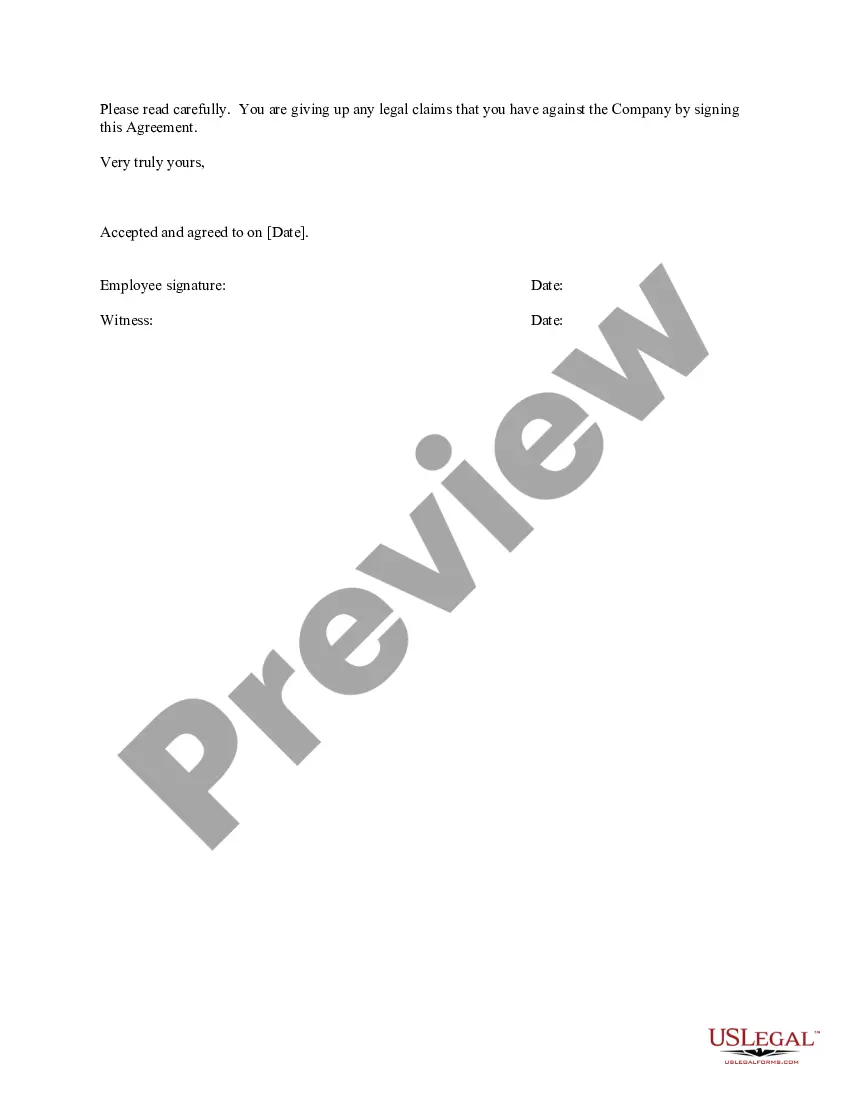
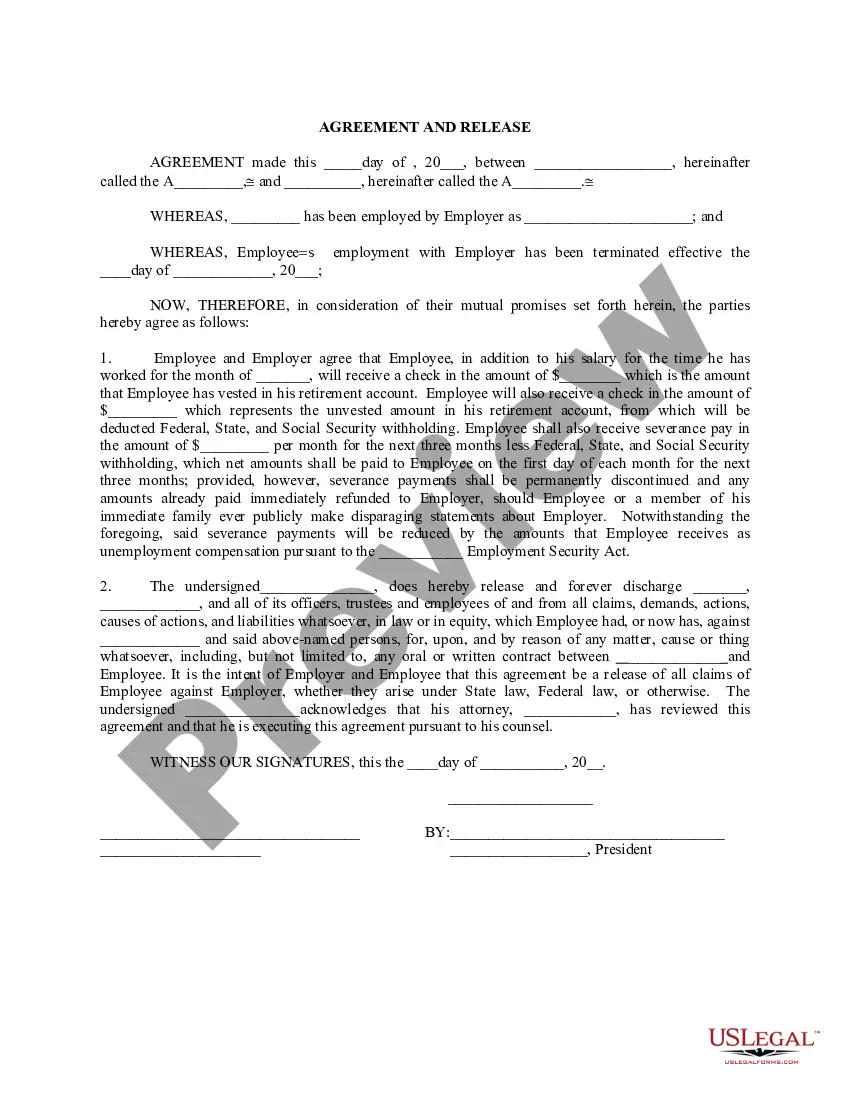
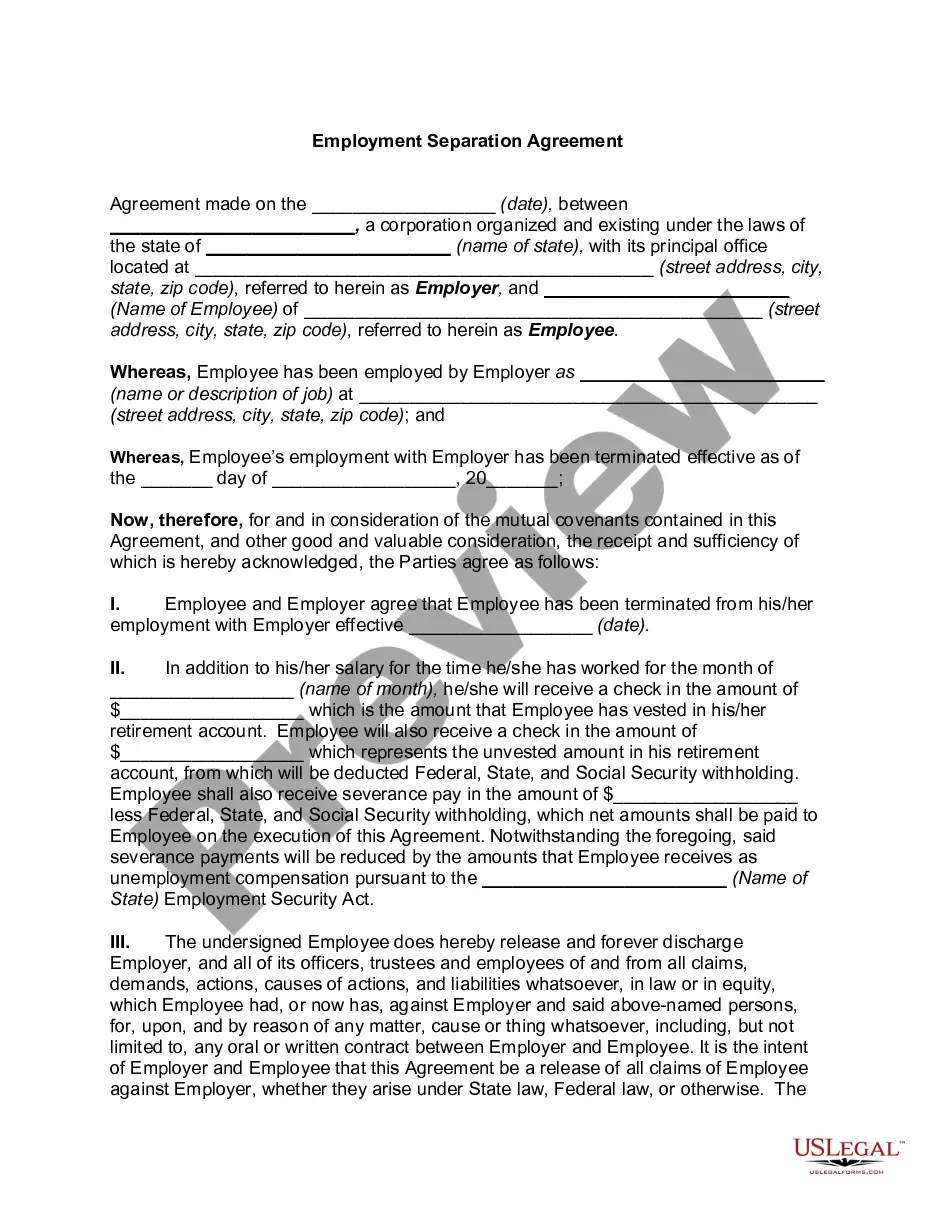
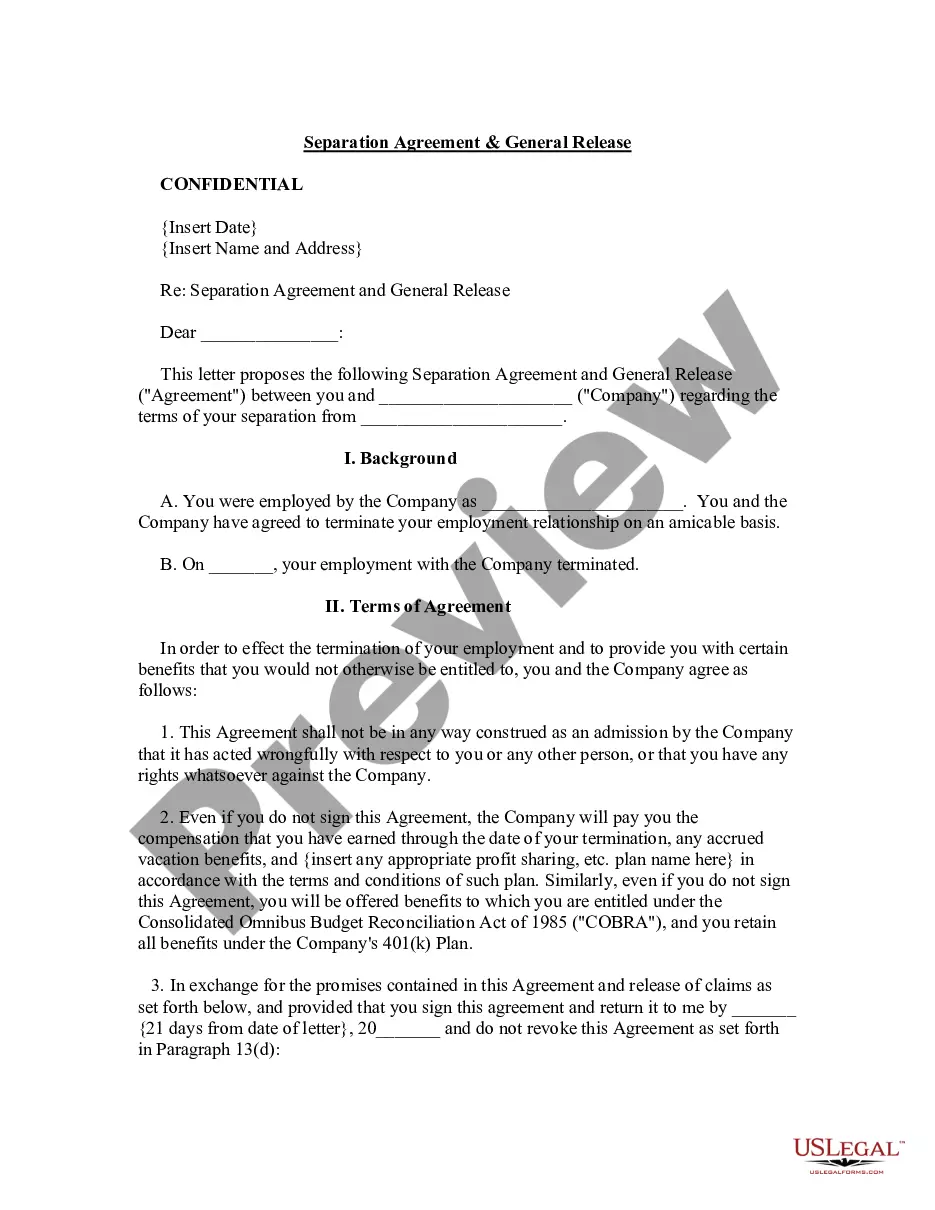
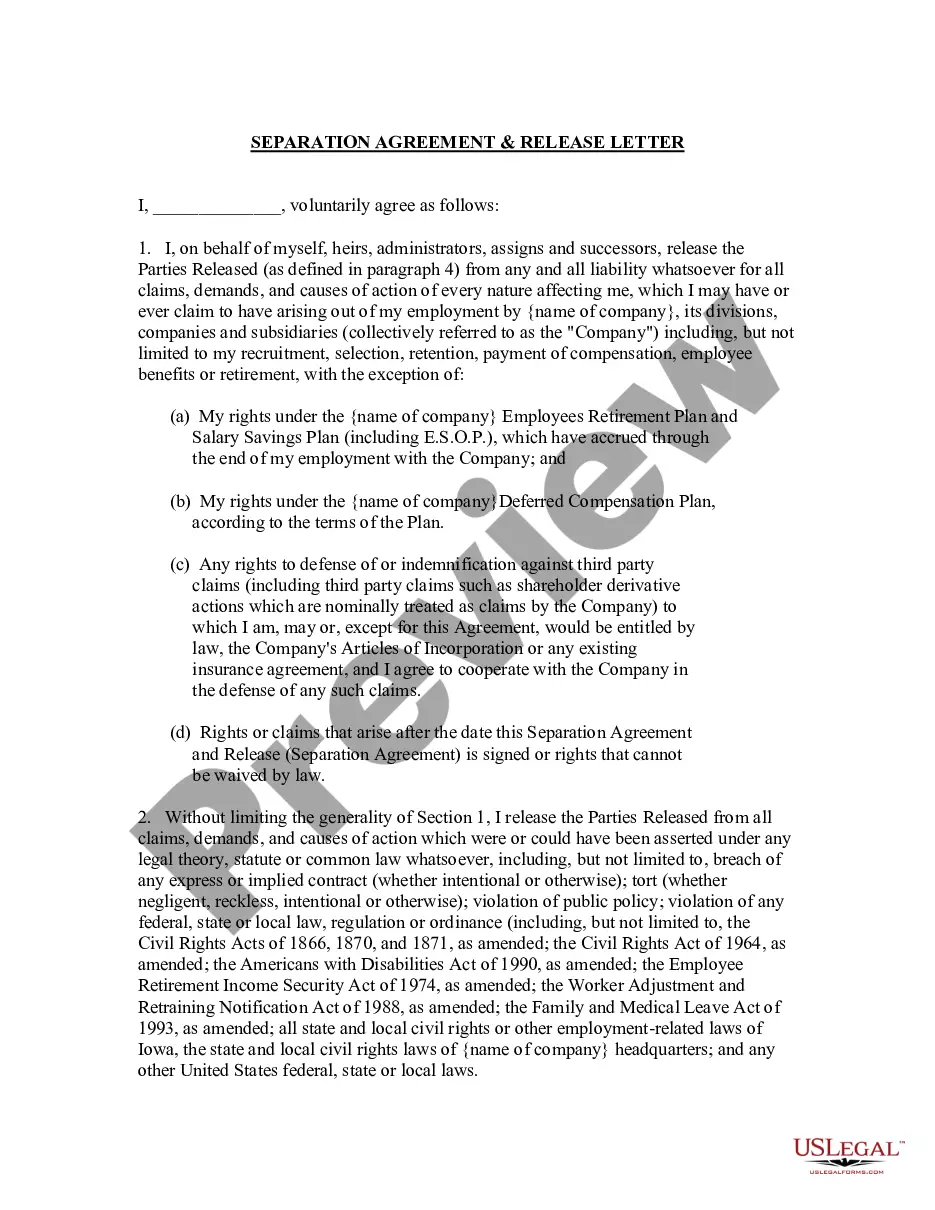

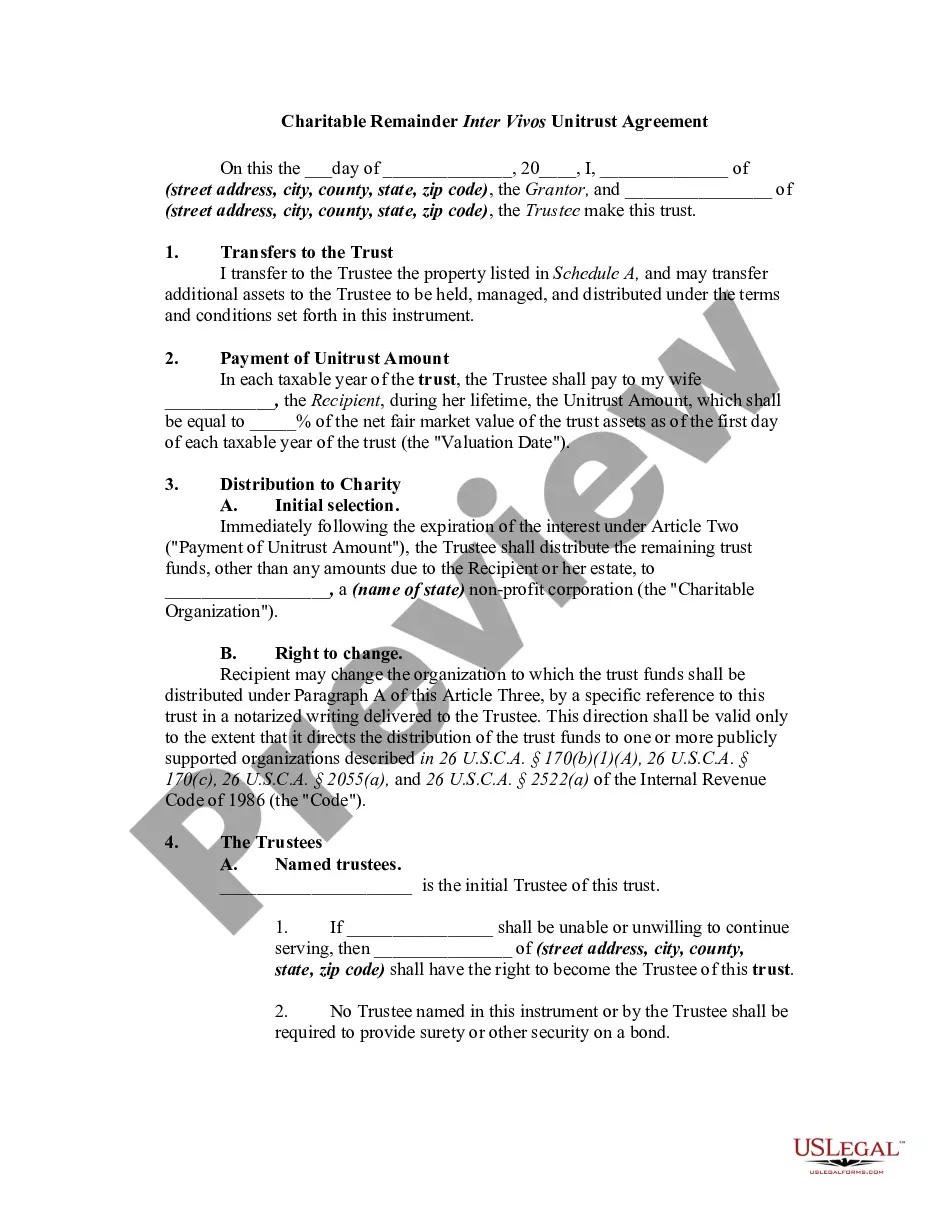
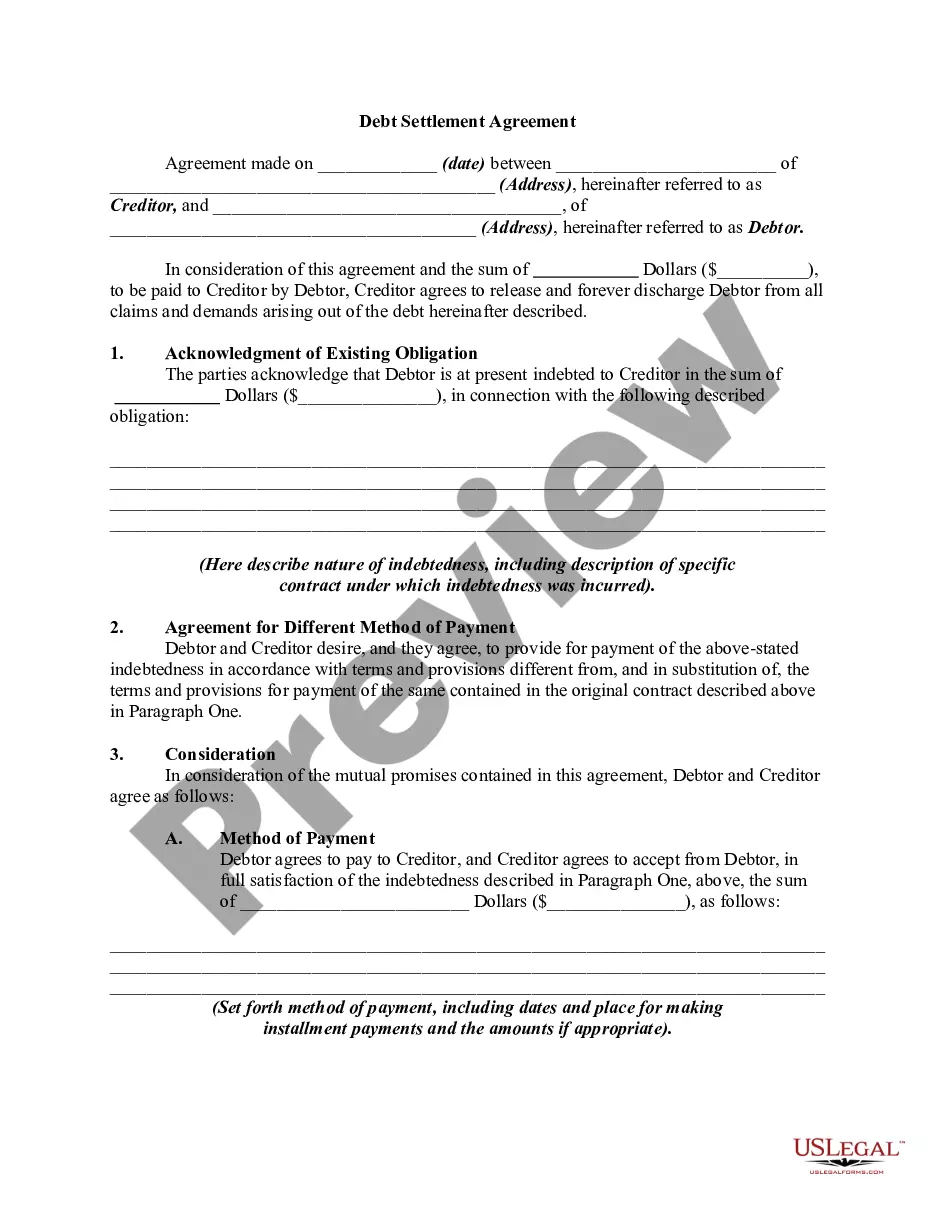
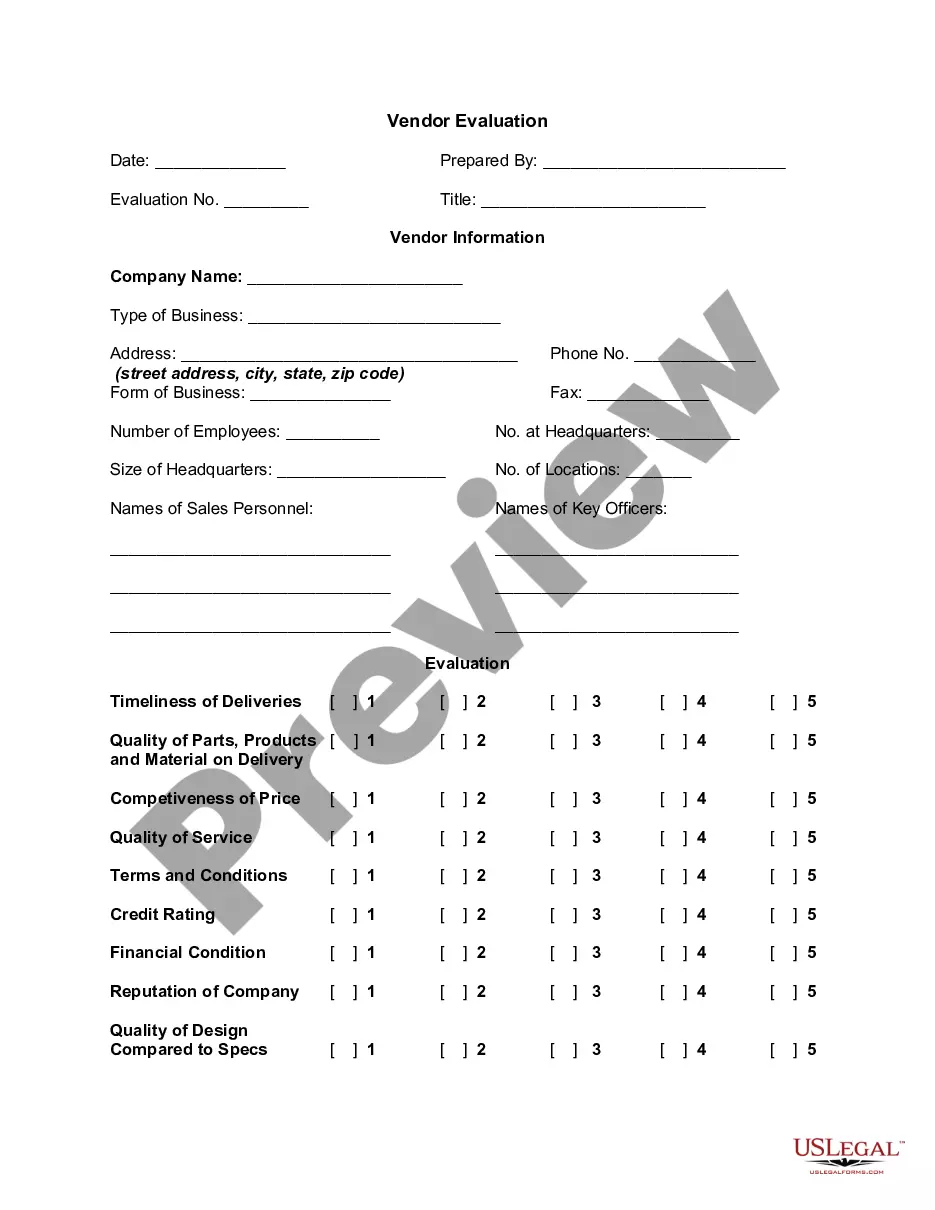
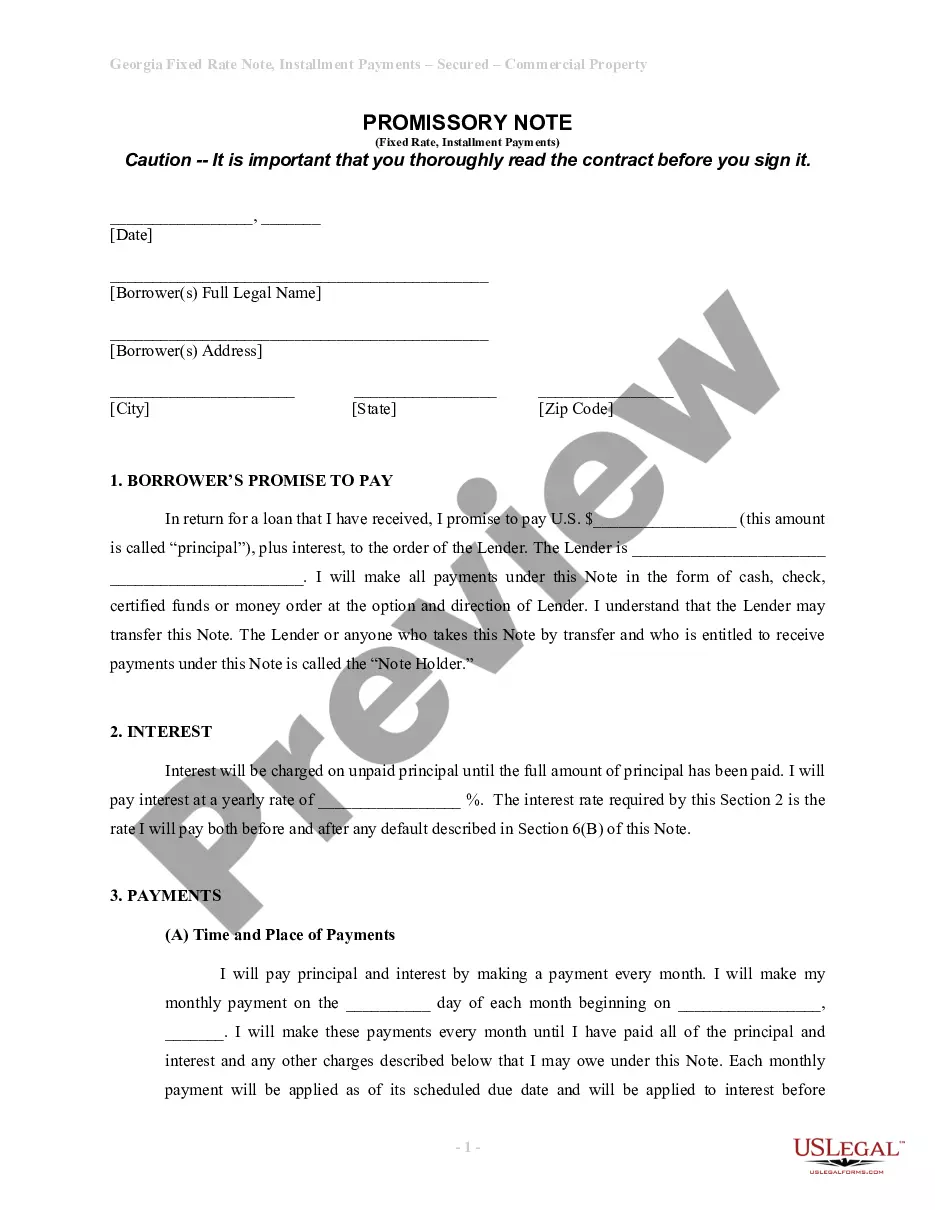
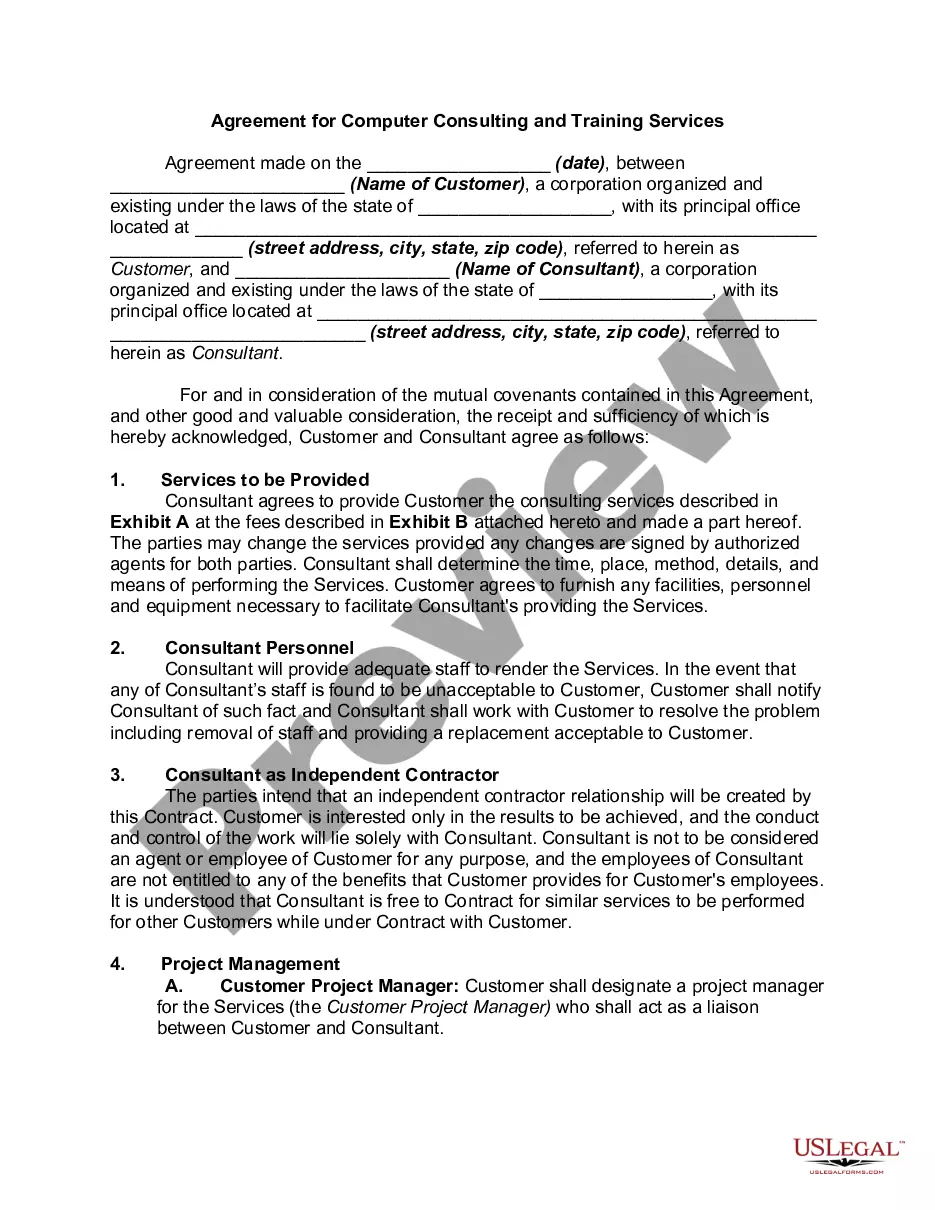

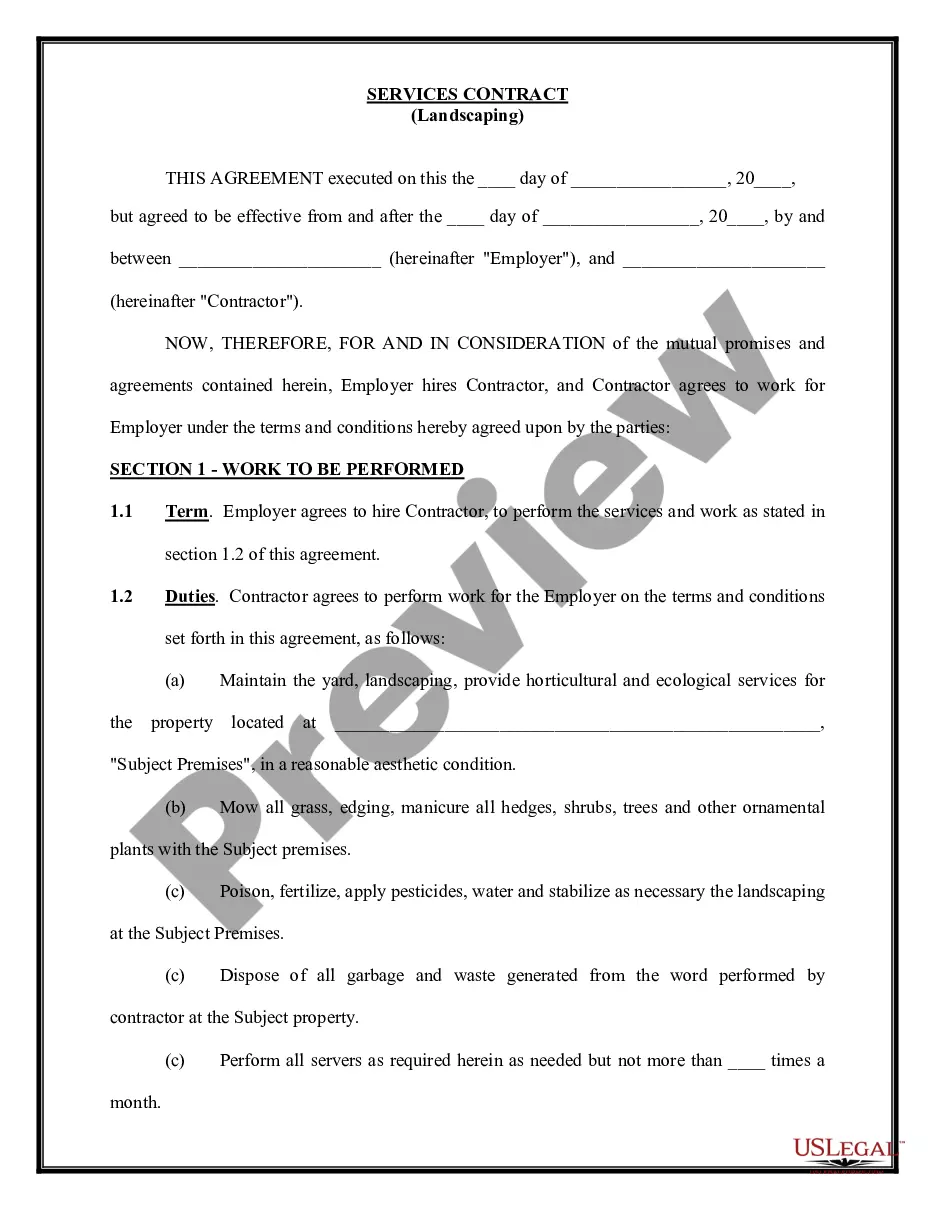
How to fill out Separation Agreement And Release Letter For Exiting Employee?
Regardless of whether for commercial reasons or personal matters, everyone must handle legal circumstances eventually in their lifetime. Filling out legal documents requires meticulous care, starting with selecting the suitable form template.
For instance, if you choose an incorrect version of a Release Letter For Employee, it will be rejected upon submission. Therefore, it is vital to obtain a reliable provider of legal documents like US Legal Forms.
With an extensive catalog from US Legal Forms available, you don’t need to waste time searching for the correct template online. Use the library’s straightforward navigation to find the appropriate form for any scenario.
- Acquire the necessary template using the search bar or catalog browsing.
- Review the description of the form to ensure it fits your circumstances, state, and area.
- Click the form's preview to view it.
- If it is not the correct form, go back to the search function to find the Release Letter For Employee sample you need.
- Download the template once it fulfills your requirements.
- If you have a US Legal Forms account, simply click Log in to access previously saved documents in My documents.
- If you do not yet have an account, you can download the form by clicking Buy now.
- Select the appropriate pricing option.
- Complete the account registration form.
- Choose your payment method: either a credit card or PayPal account.
- Select the file format you prefer and download the Release Letter For Employee.
- Once it is saved, you can fill out the form using editing software or print it and complete it manually.
Form popularity
FAQ
To effectively write a letter for release, start with a clear structure that includes a salutation, the purpose of the letter, and detailed closure information. Be sure to maintain a professional tone throughout and include any relevant agreements or final arrangements. Using a template from US Legal Forms can streamline this process, ensuring you cover all necessary points.
An employee release letter is a formal document that indicates the end of the employment relationship. It specifies the terms of release, including the employee's last day of work and any severance or benefits owed. This letter serves to clarify the status of both the employer and employee moving forward.
Writing a release letter for an employee involves being straightforward and professional. Start with a header that includes the company name and the employee's details, followed by a clear statement of release. It's best to include the last working day, any final payments, and well wishes for the employee's future. Tools like US Legal Forms can assist you in drafting a comprehensive release letter easily.
A termination letter is a communication informing an employee that they are being let go, often detailing the reasons for termination. In contrast, a release letter for an employee generally confirms the end of employment and expresses thanks, creating a more positive closure. Understanding this difference can help employers choose the appropriate document for their situation.
Typically, a release letter for an employee is used to formally document the end of an employment relationship. This letter can also serve as proof for future employers that the employee has left the company on good terms. Often, it is necessary for the employee’s future job applications or for processing unemployment benefits.
To write a release letter for an employee from the employer's perspective, start with a formal greeting. State the date of termination, the reason for the decision, and any important information related to the employee's final days with the company. It's important to express gratitude for the employee's service, which can foster positive feelings about the departure.
When you need to write a release letter for an employee, begin by clearly stating the purpose of the letter. Outline the reasons for the decision, ensuring to maintain a professional tone. Including a summary of the employee's contributions can also provide closure. Always make sure to include any important details regarding benefits or final payments.
If your employer doesn't provide a termination letter, it can create challenges for your future employment. Without this letter, you may face difficulties in verifying your work history. In such cases, you can reach out to US Legal Forms to guide you in drafting the necessary documents to document your employment for future opportunities.
To request a release letter for employee from your employer, you should send a formal written request. Include your employment details, reasons for leaving, and express appreciation for your time with the company. This approach not only helps you but also leaves a positive impression on your employer.
When writing an email to HR asking for a relieving letter, be direct and respectful. Introduce yourself, mention your position and tenure, and specify your need for the letter. Include a request for any documents or forms they may require to process your request for the release letter for employee.