Job Interview Cheat Sheet
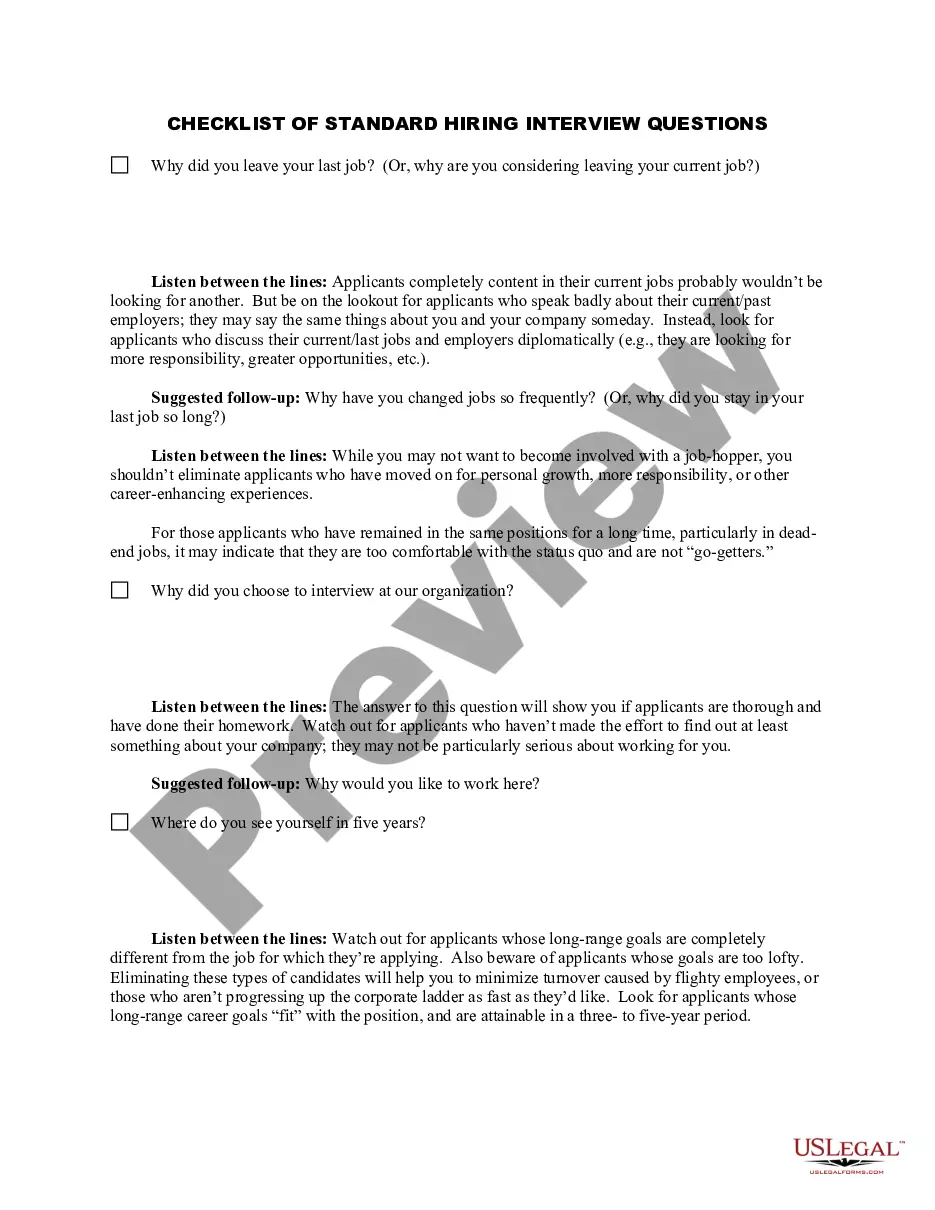
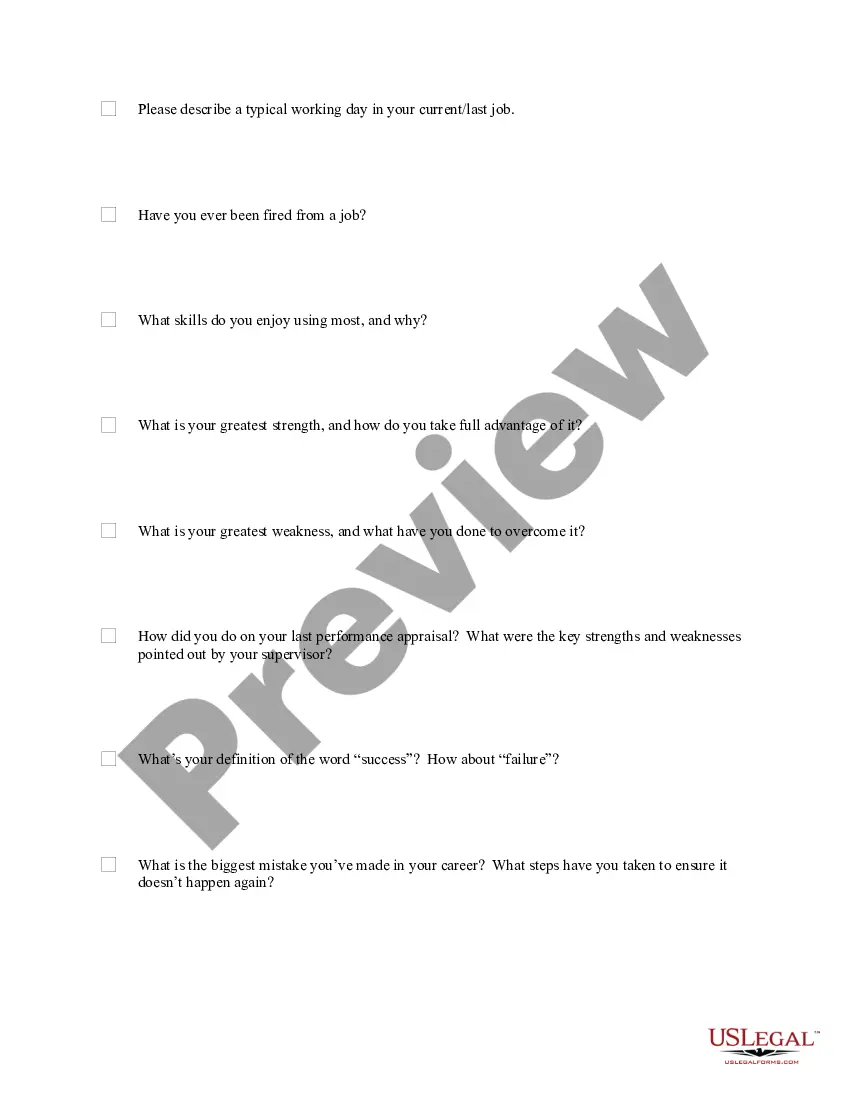
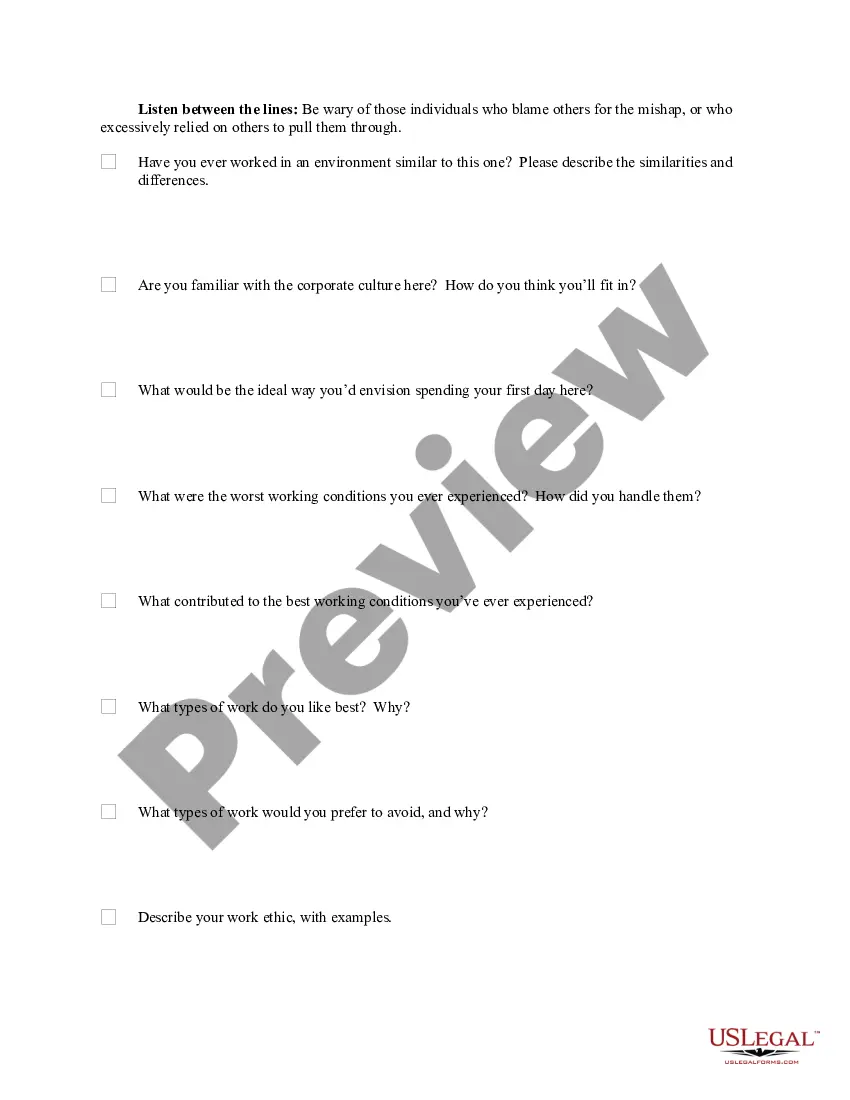
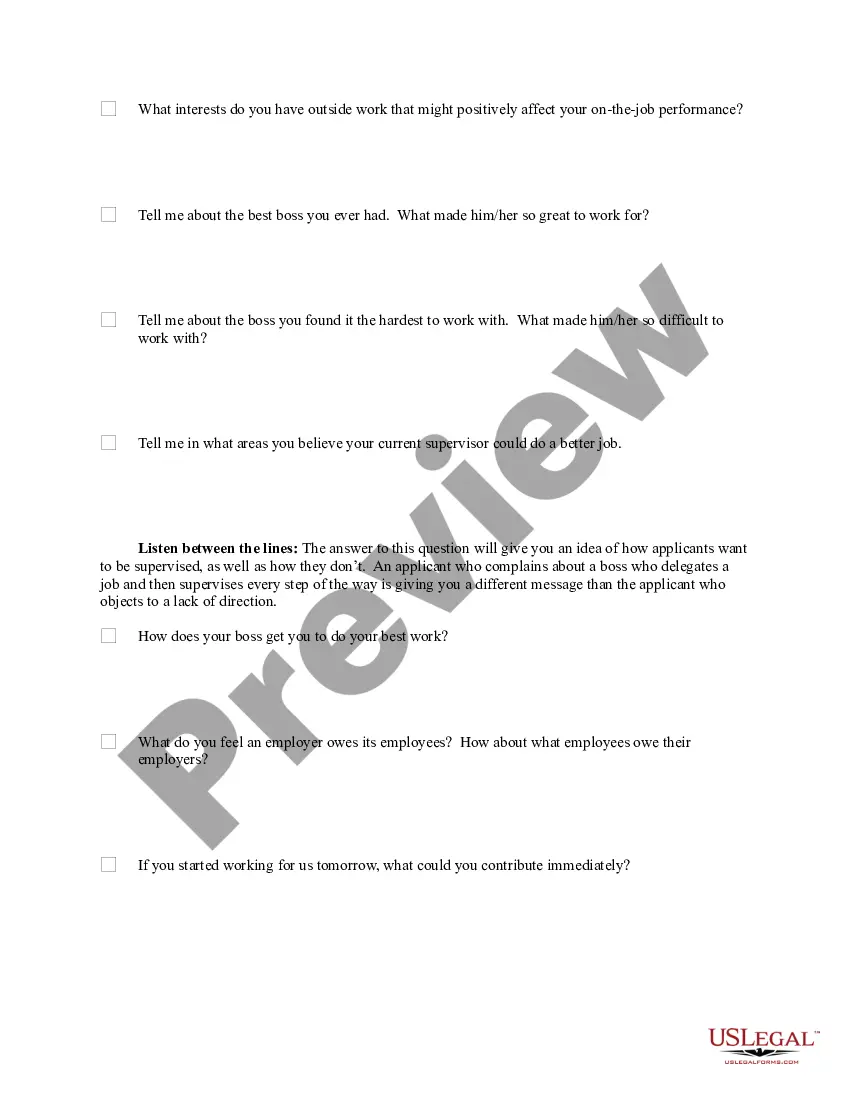
Description
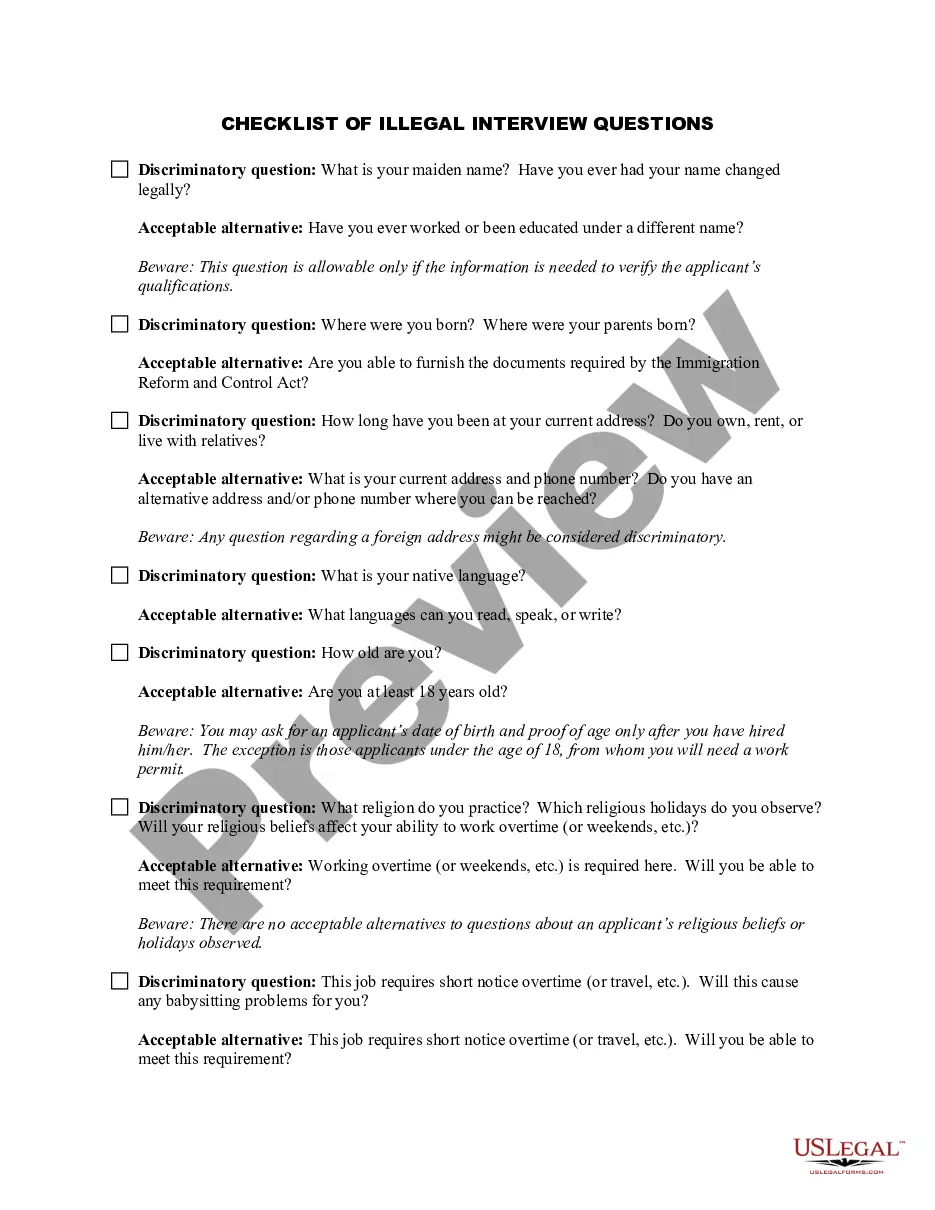
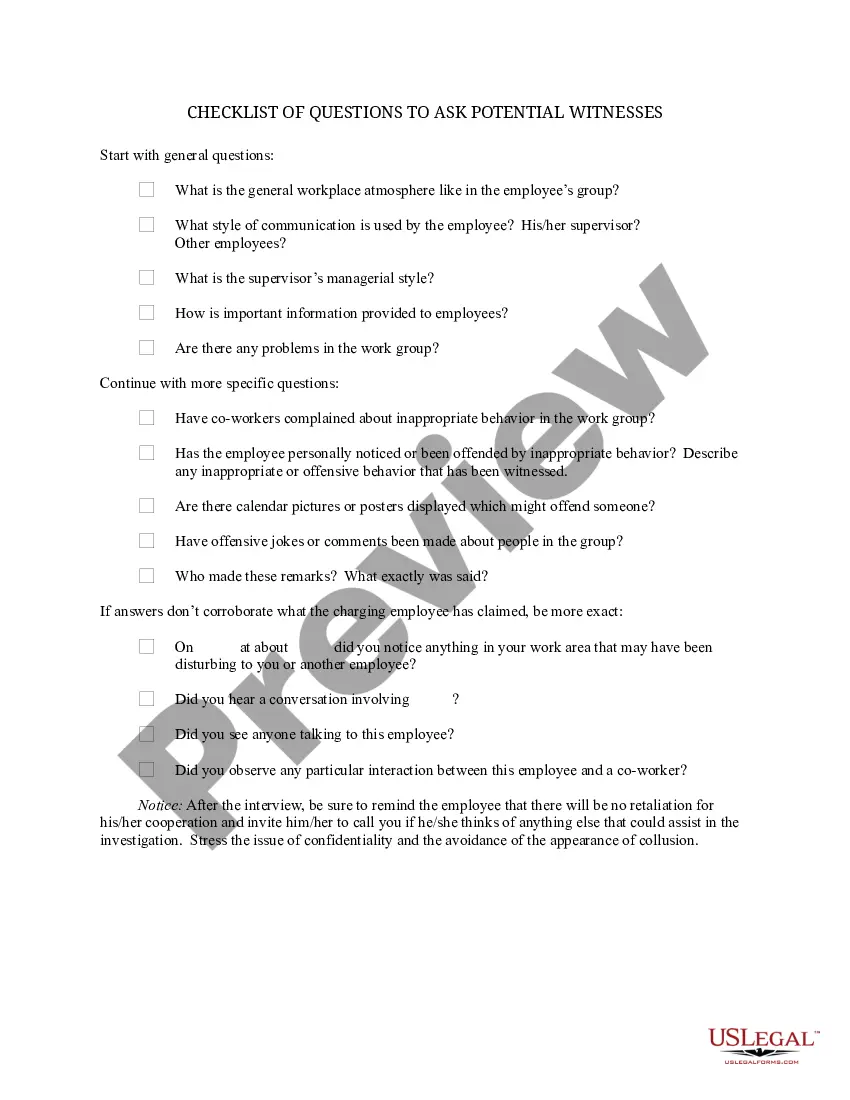
Get your form ready online
Our built-in tools help you complete, sign, share, and store your documents in one place.
Make edits, fill in missing information, and update formatting in US Legal Forms—just like you would in MS Word.
Download a copy, print it, send it by email, or mail it via USPS—whatever works best for your next step.
Sign and collect signatures with our SignNow integration. Send to multiple recipients, set reminders, and more. Go Premium to unlock E-Sign.
If this form requires notarization, complete it online through a secure video call—no need to meet a notary in person or wait for an appointment.
We protect your documents and personal data by following strict security and privacy standards.

Make edits, fill in missing information, and update formatting in US Legal Forms—just like you would in MS Word.

Download a copy, print it, send it by email, or mail it via USPS—whatever works best for your next step.

Sign and collect signatures with our SignNow integration. Send to multiple recipients, set reminders, and more. Go Premium to unlock E-Sign.

If this form requires notarization, complete it online through a secure video call—no need to meet a notary in person or wait for an appointment.

We protect your documents and personal data by following strict security and privacy standards.
Looking for another form?

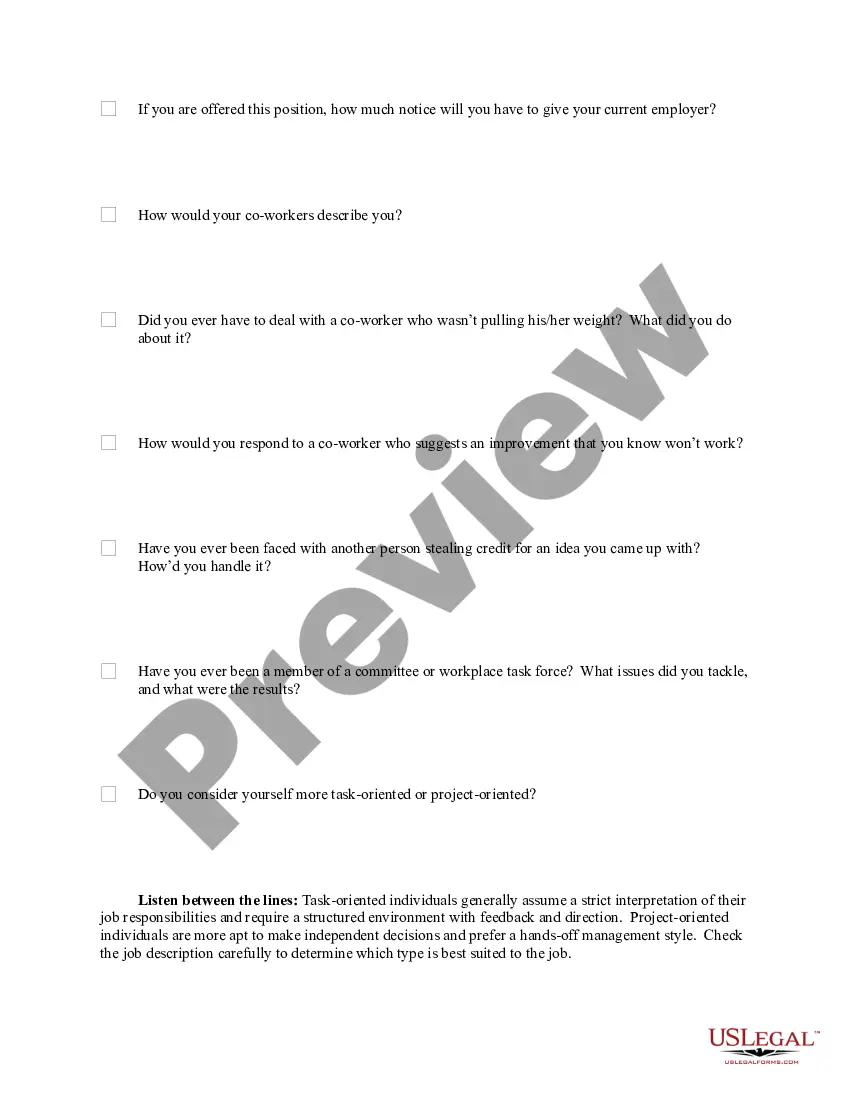
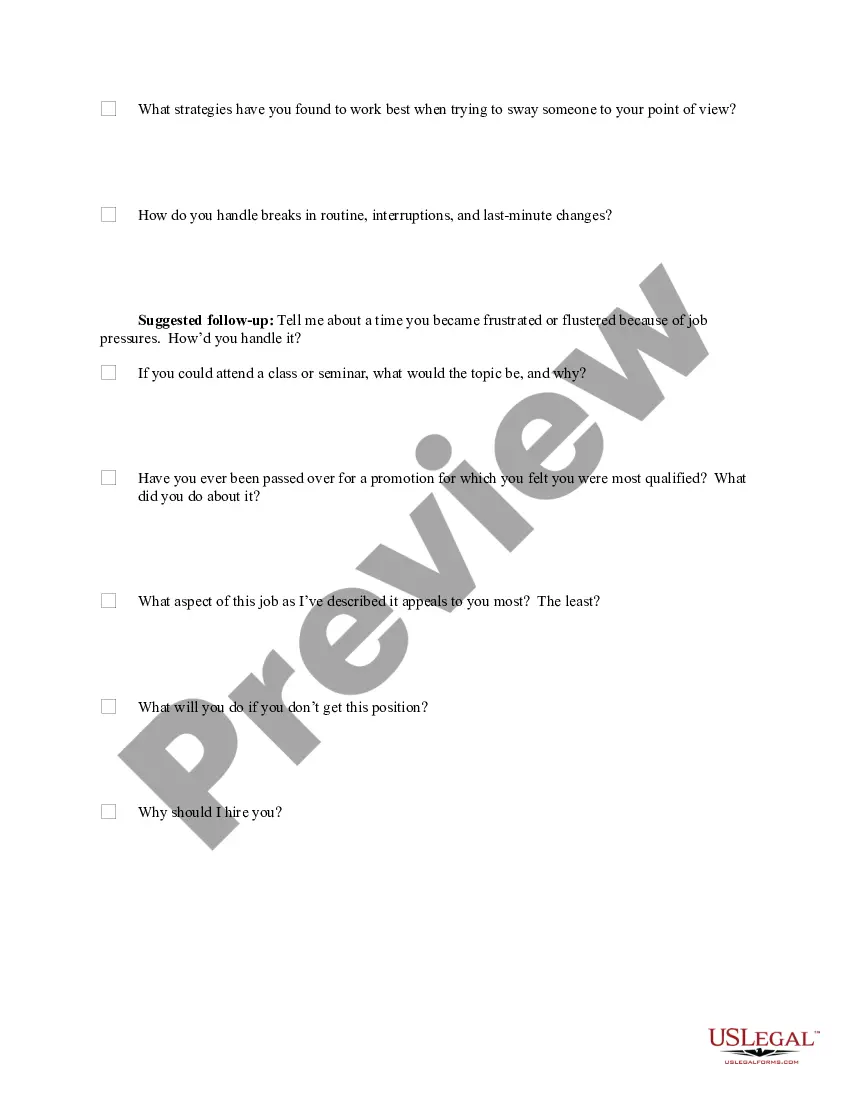
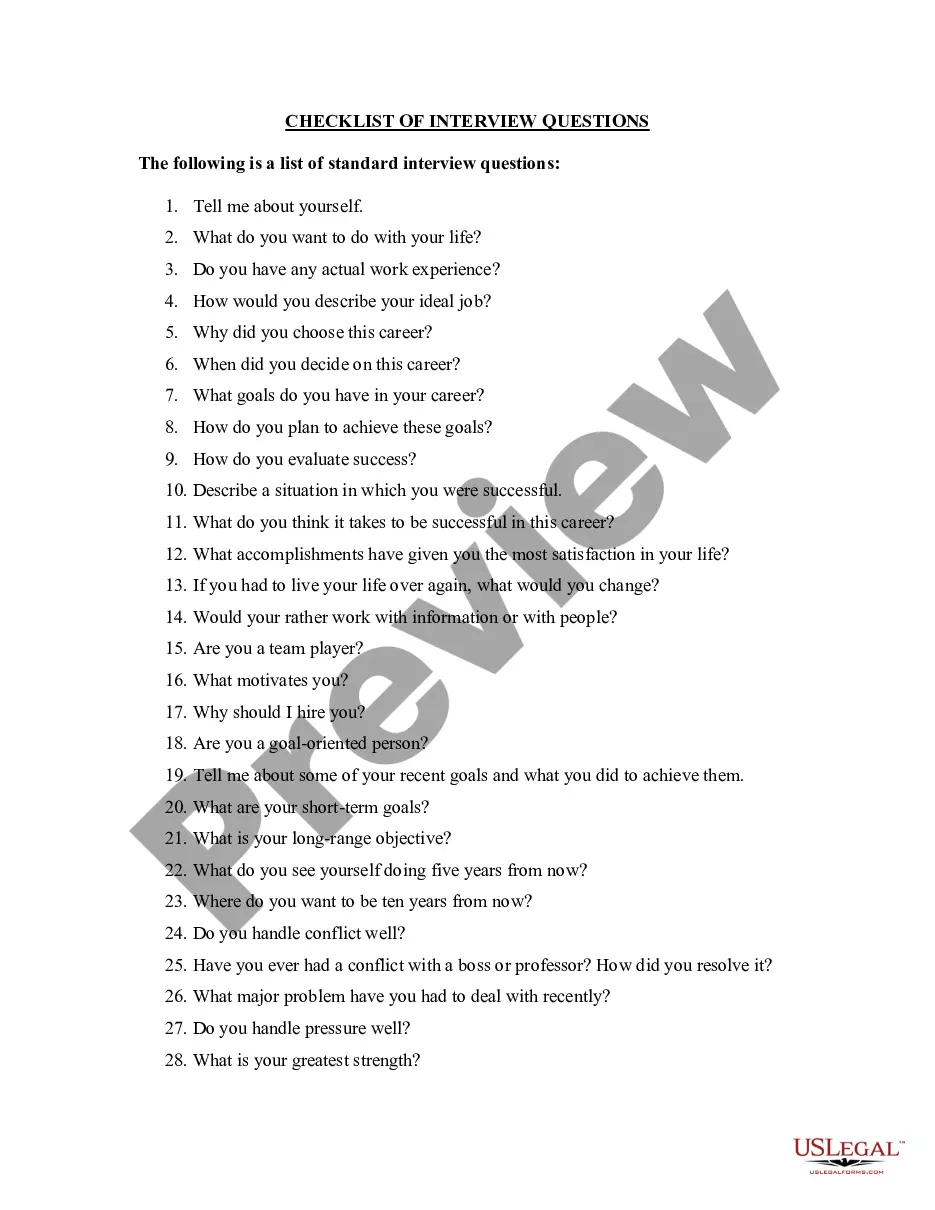
How to fill out Checklist Of Standard Hiring Interview Questions With Listening Tips And Suggested Follow-up Questions?
- If you're a returning user, log into your account and select the desired form template to download it to your device by clicking the Download button. Ensure your subscription is active; if it has expired, please renew it based on your chosen plan.
- For first-time users, begin by exploring the Preview mode and examining the form description to confirm you have selected a template that fits your requirements and adheres to your local laws.
- Should you notice a discrepancy or need a different template, utilize the Search tab to find the correct form that meets your criteria.
- After locating the appropriate document, click on the Buy Now button and select your preferred subscription plan. You'll need to register an account to access the extensive resources in the library.
- Complete your purchase by entering your credit card information or using your PayPal account to pay for the subscription.
- Finally, download your chosen form and save it to your device. You can also access it anytime in the My Forms section of your profile.
With US Legal Forms, you gain access to over 85,000 premium legal templates and packages, which are not only fillable and editable but also come with expert assistance to ensure your documents are accurate and legally sound.
In conclusion, utilizing US Legal Forms can significantly enhance your job interview preparation. Don't leave your future up to chance—start creating your job interview cheat sheet today!
Form popularity
FAQ
The 5Cs of interviewing include Clarity, Confidence, Connection, Critical thinking, and Communication. Each element plays a crucial role in delivering a strong performance during interviews. A job interview cheat sheet can help you remember these aspects, ensuring you present yourself clearly and confidently. By mastering the 5Cs, you enhance your chances of leaving a positive impression on potential employers.
Bringing a job interview cheat sheet can be helpful, but it's essential to use it wisely. You want to ensure that it serves as a tool to guide your thoughts, rather than a crutch that distracts you from engaging in the conversation. Many interviewers appreciate candidates who are well-prepared. However, it's best to be discreet and refer to your cheat sheet only when necessary, to maintain professionalism.
Yes, it is perfectly acceptable to have a cheat sheet in an interview. A well-organized job interview cheat sheet can keep you focused and on track, making sure you highlight your key strengths and ask insightful questions. Just remember to use it as a reference, not a crutch, ensuring that you maintain a friendly and engaging conversation with the interviewer.
A red flag in a job interview can include vague responses, lack of enthusiasm, or an inability to discuss the details of the job. These signs may indicate issues with the company culture or management style. Recognizing these red flags promptly ensures that you focus your energies on positions that align with your values and professional goals. A job interview cheat sheet can help you formulate insightful questions to uncover potential red flags.
Having notes in an interview does not necessarily reflect poorly on you. Many candidates use a job interview cheat sheet to keep essential information at hand. If you refer to your notes occasionally to highlight your qualifications or to remember key questions, it shows that you are prepared and serious about the opportunity. Just be sure to maintain eye contact and engage with the interviewer.
The rule of 3 in interviewing emphasizes the importance of conveying your main points in groups of three. This technique helps you communicate your skills, experiences, and accomplishments clearly and memorably. A job interview cheat sheet can assist you in organizing these points effectively, allowing you to deliver them seamlessly during the interview.
Bringing a job interview cheat sheet is not inherently bad. It can serve as a useful tool to help you remember key points, such as your achievements and questions to ask the interviewer. However, you should use it strategically, ensuring it does not distract you from engaging in a natural conversation. Ultimately, it can enhance your confidence and performance.
It is perfectly fine to have a job interview cheat sheet, as long as you use it wisely. A cheat sheet can help you remember key details and reinforce your points during the conversation. Do keep in mind that while it’s a helpful tool, your focus should remain on the dialogue with the interviewer. Balance your use of the cheat sheet with authentic interaction to create a lasting impression.
Bringing a notepad to an interview is entirely acceptable. A notepad allows you to take notes on important points discussed and questions that arise. It can also be useful for jotting down your thoughts and reflecting on your responses. Just make sure to remain engaged and maintain eye contact with the interviewers while you write.
Yes, you can have a job interview cheat sheet with you during an interview. It serves as a valuable reference to keep important points at your fingertips. However, ensure that it does not become a distraction. Use it to bolster your confidence and enhance your performance, but prioritize engaging naturally with your interviewers.