Theft With Violence
Description


Get your form ready online
Our built-in tools help you complete, sign, share, and store your documents in one place.
Make edits, fill in missing information, and update formatting in US Legal Forms—just like you would in MS Word.
Download a copy, print it, send it by email, or mail it via USPS—whatever works best for your next step.
Sign and collect signatures with our SignNow integration. Send to multiple recipients, set reminders, and more. Go Premium to unlock E-Sign.
If this form requires notarization, complete it online through a secure video call—no need to meet a notary in person or wait for an appointment.
We protect your documents and personal data by following strict security and privacy standards.

Make edits, fill in missing information, and update formatting in US Legal Forms—just like you would in MS Word.

Download a copy, print it, send it by email, or mail it via USPS—whatever works best for your next step.

Sign and collect signatures with our SignNow integration. Send to multiple recipients, set reminders, and more. Go Premium to unlock E-Sign.

If this form requires notarization, complete it online through a secure video call—no need to meet a notary in person or wait for an appointment.

We protect your documents and personal data by following strict security and privacy standards.
Looking for another form?





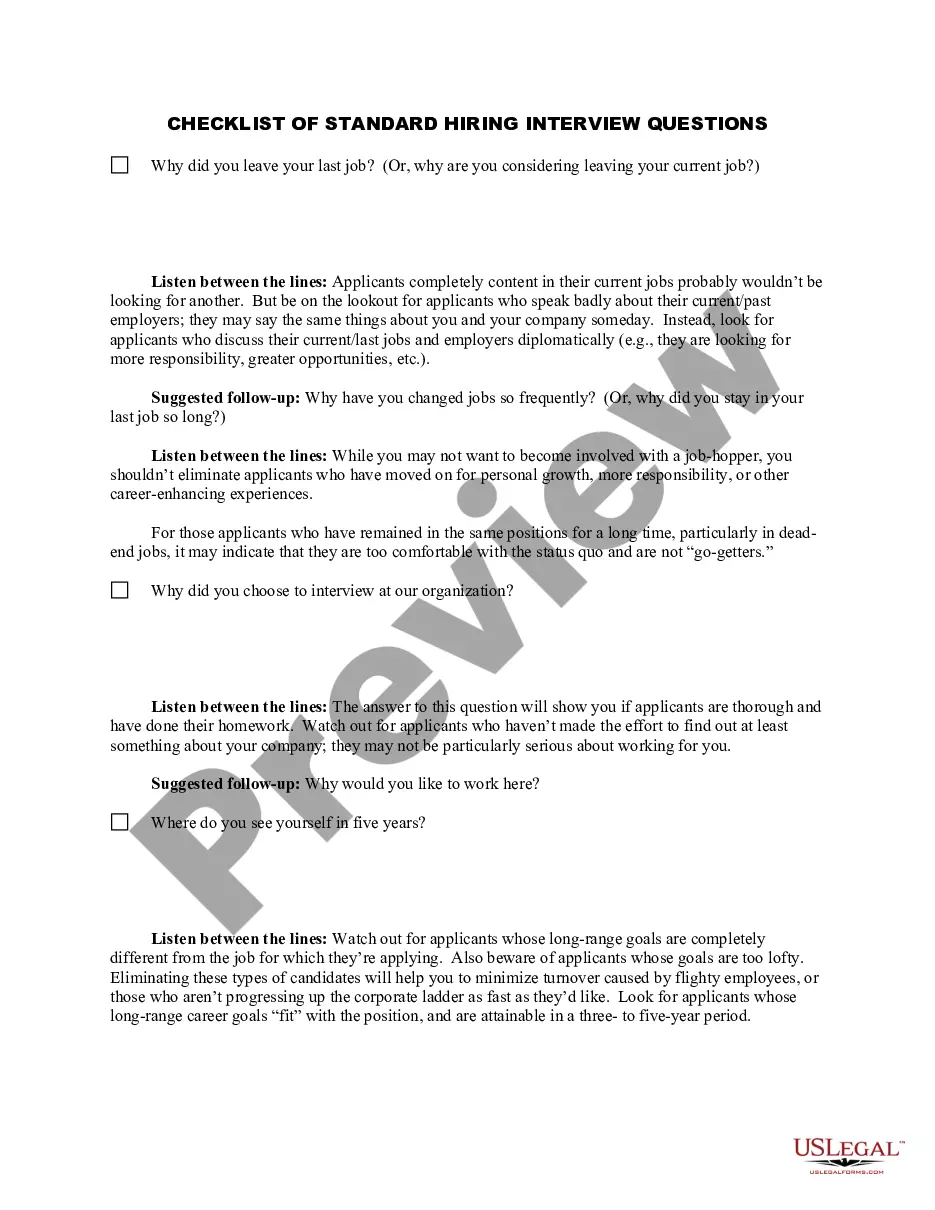
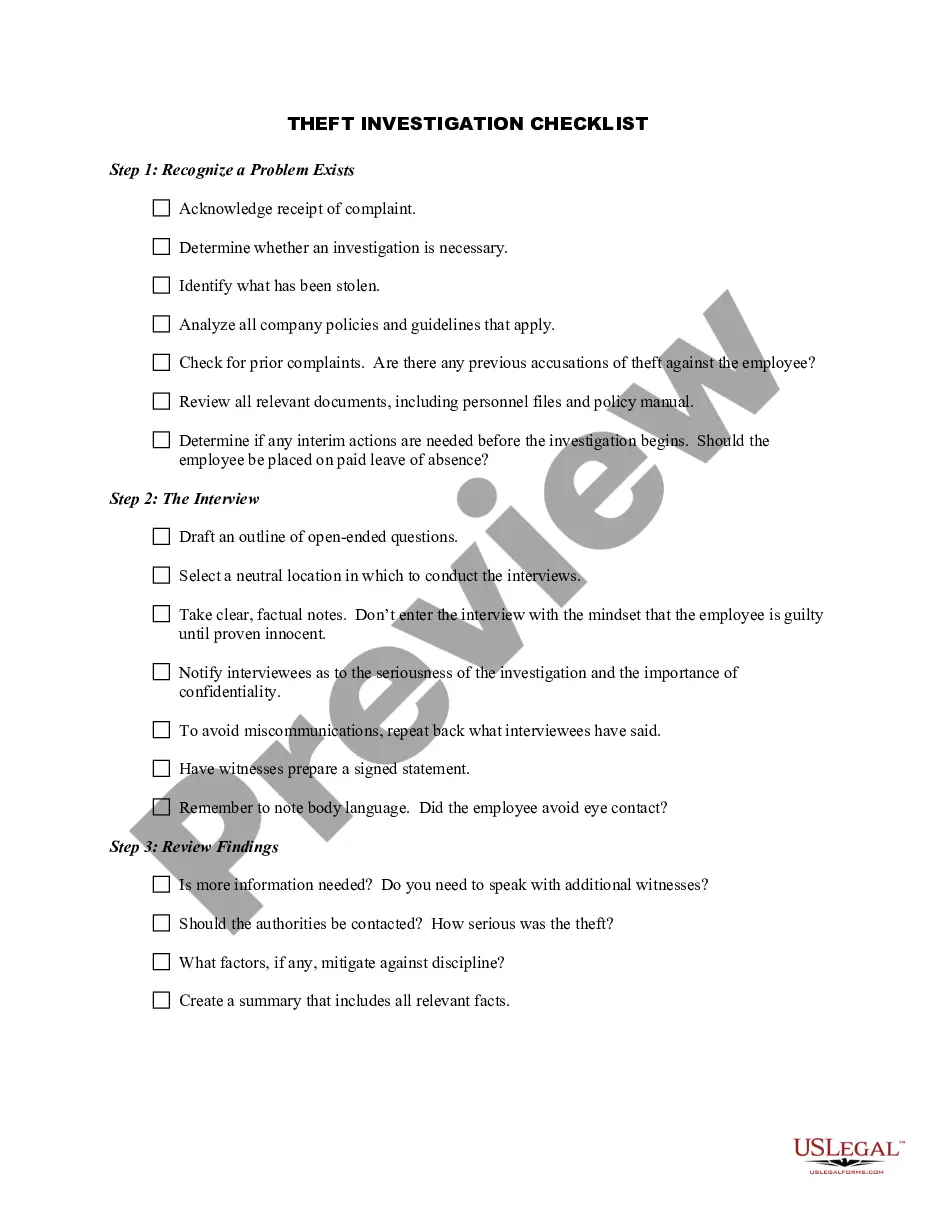
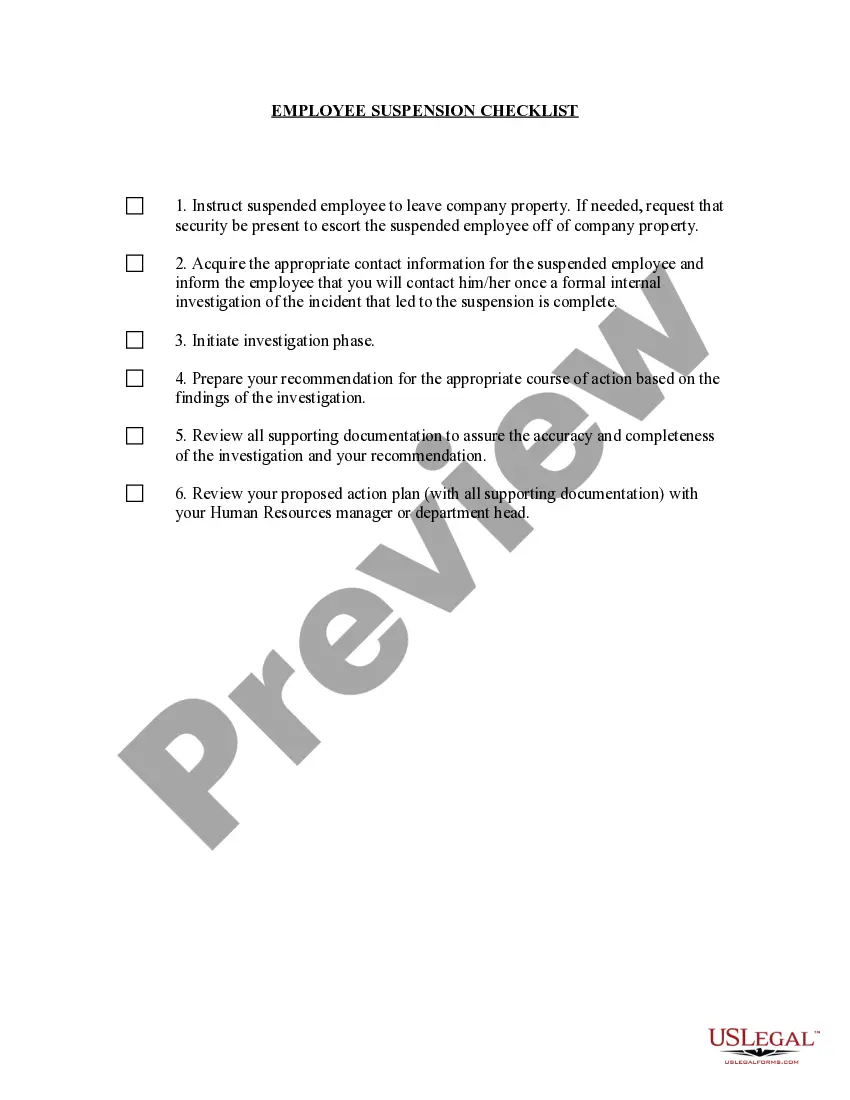
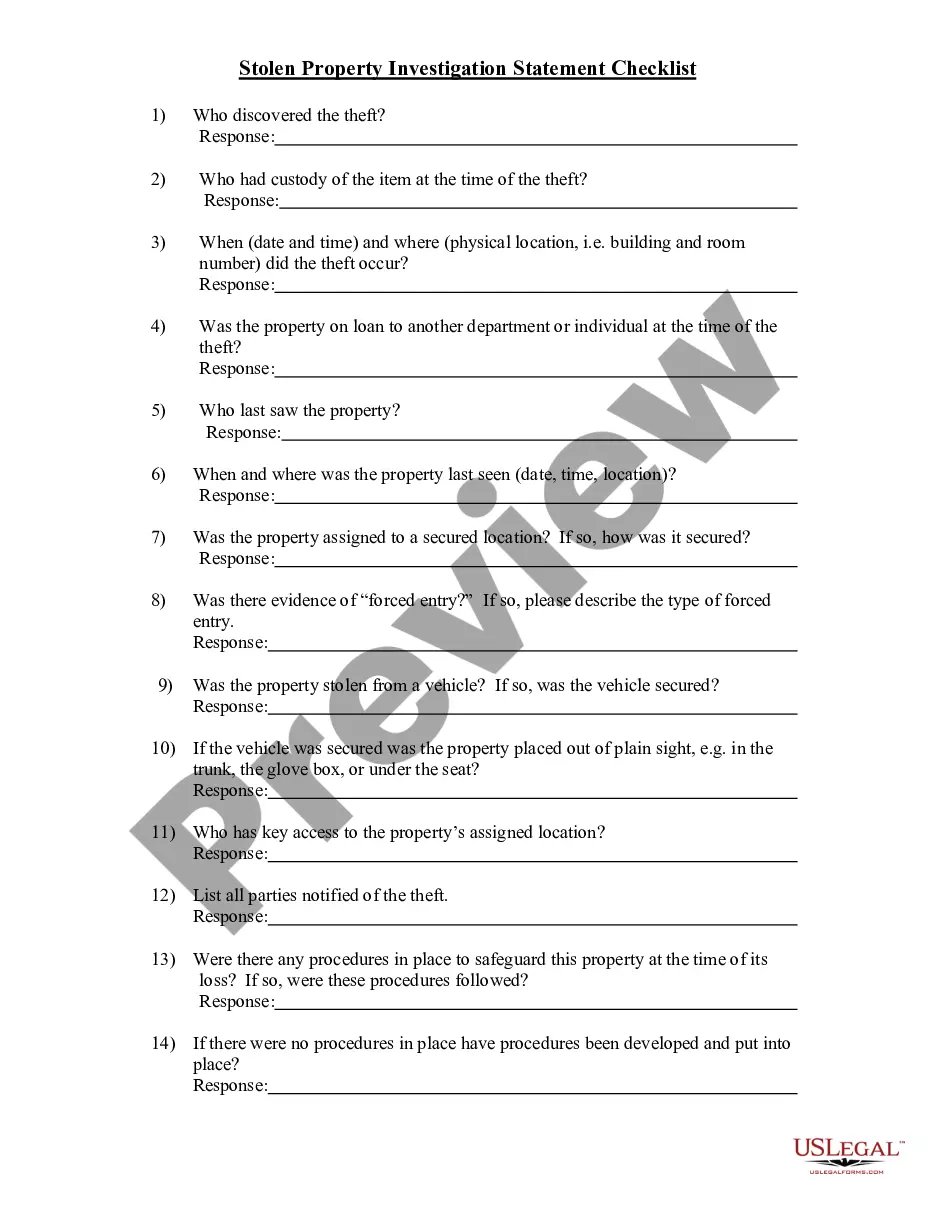
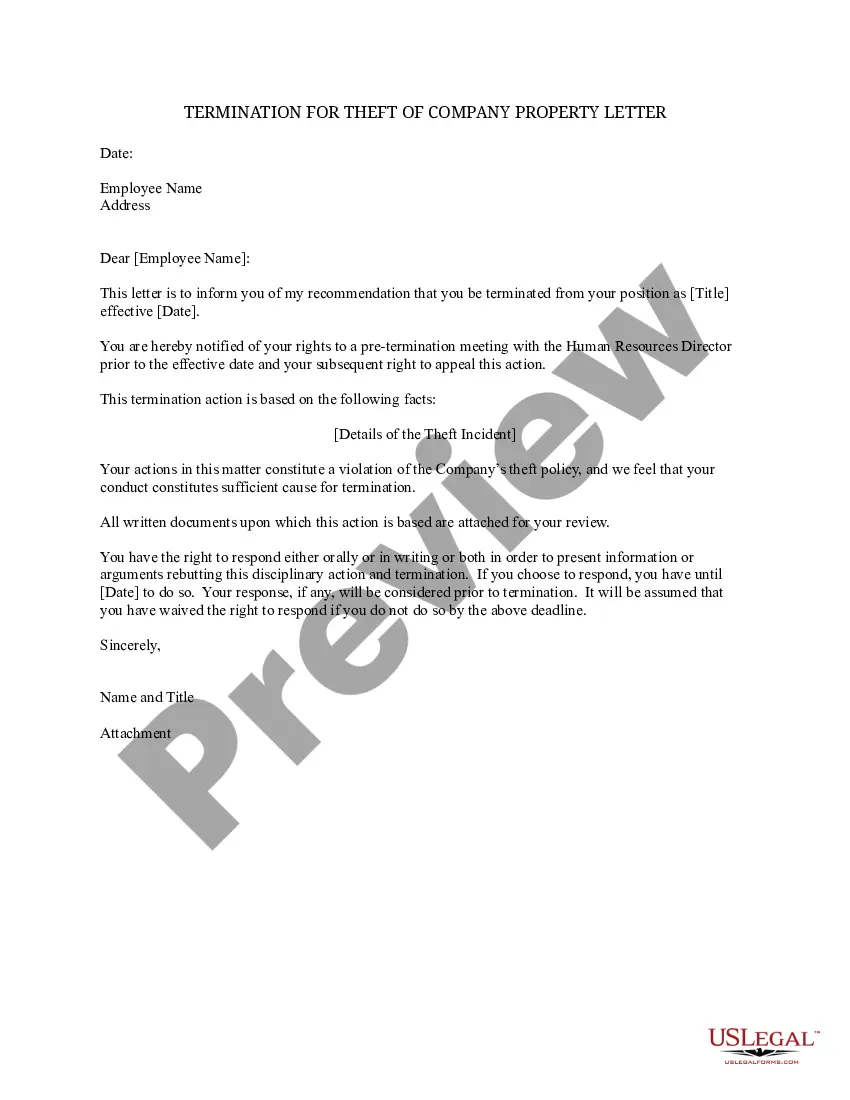
How to fill out Theft Investigation Checklist?
- If you're a returning user, sign in to your account and click on the Download button for your desired form. Ensure your subscription is active; if it has expired, renew it.
- For first-time users, start by checking the Preview mode and descriptions to find the appropriate form related to theft with violence that meets your jurisdiction's requirements.
- Use the search feature to locate any additional templates if necessary, ensuring you select the most accurate one for your needs.
- Proceed to purchase your document by clicking the Buy Now button and choosing the subscription plan that fits your situation. You’ll need to create an account for full access.
- Complete the payment process by entering your credit card details or using your PayPal account to finalize the subscription.
- After your purchase, download the template to your device and access it later from the My Forms section of your profile.
By following these steps, you can efficiently access the forms needed to navigate the complexities of theft with violence cases. US Legal Forms not only provides a vast selection of documents but also expert assistance if needed.
Start using US Legal Forms today to ensure your legal documentation is handled accurately and effectively. Make the most of the extensive resources available!
Form popularity
FAQ
The term used for violent theft is robbery, particularly when it involves coercion or physical harm. This form of theft with violence signifies a breach of personal safety and property rights. Legal systems classify this crime harshly, and understanding its implications is vital for society. If you find yourself affected by such a crime, consider resources available through uslegalforms for legal guidance.
The definition of violent robbery encompasses theft that involves direct force or threats to the victim's safety. This crime includes physical harm or the intimidation to use violence, specifically categorized as theft with violence. Perpetrators often face severe legal consequences due to the dangers posed to the victim. Victims of such crimes should seek legal assistance to understand their rights and options.
Robbery with violence typically refers to crimes aimed at individuals or businesses where force is used or threatened. In this context, it is a severe form of theft with violence that directly endangers victims. Understanding this type of robbery can help victims seek justice and support services more effectively. It is crucial to have resources available, such as those provided by uslegalforms, to navigate legal options.
Not all forms of theft qualify as violent crimes; however, when theft involves force or threats, it transforms into theft with violence. This distinction is crucial for legal categorization and the associated penalties. If violence or coercion is used during the act of theft, law enforcement will investigate it more seriously. Knowing this can aid victims and perpetrators in comprehending their legal standings.
Robbery as a violent crime typically refers to taking property from someone through force or intimidation. This includes instances where the threat of harm is present, classifying it as theft with violence. Not only does this crime impact the victim physically and emotionally, but it also carries serious legal ramifications for the offender. Understanding the nature of robbery helps in grasping the legal definitions and consequences involved.
The most serious type of robbery involves using violence or threats to intimidate victims. Known as theft with violence, this crime escalates the consequences significantly. Authorities often treat it as a felony, leading to severe penalties, including lengthy prison sentences. It's essential to understand the severity of this crime and the risks involved.
Robbery with violence refers to the act of stealing property through force or intimidation, making it a more serious offense than theft alone. It poses an immediate threat to individuals, often resulting in severe legal consequences. Knowing the meaning of robbery with violence is essential, especially if you find yourself in a similar situation. Utilizing legal resources, such as US Legal Forms, can guide you through these legal challenges.
Stealing that involves violence is primarily classified as robbery, where intimidation or physical force accompanies the act. This violent element increases the crime's seriousness and potential penalties significantly. Understanding this classification can help prepare for possible legal action. Engaging with legal experts can provide vital support if charged with theft with violence.
Theft becomes a violent felony when it involves force or threats against a person. This classification leads to harsher penalties compared to non-violent theft offenses. If you encounter allegations of theft with violence, it’s crucial to understand the legal ramifications you might face. Legal resources are available to help navigate these complexities.
The most effective defense for theft often depends on the specific circumstances surrounding the case. Common defenses include proving lack of intent, consent, or identifying mistaken identity. When dealing with theft with violence, a strategic approach is necessary, often requiring focused legal expertise. Utilizing platforms like US Legal Forms can ensure you have the right legal documents and support.