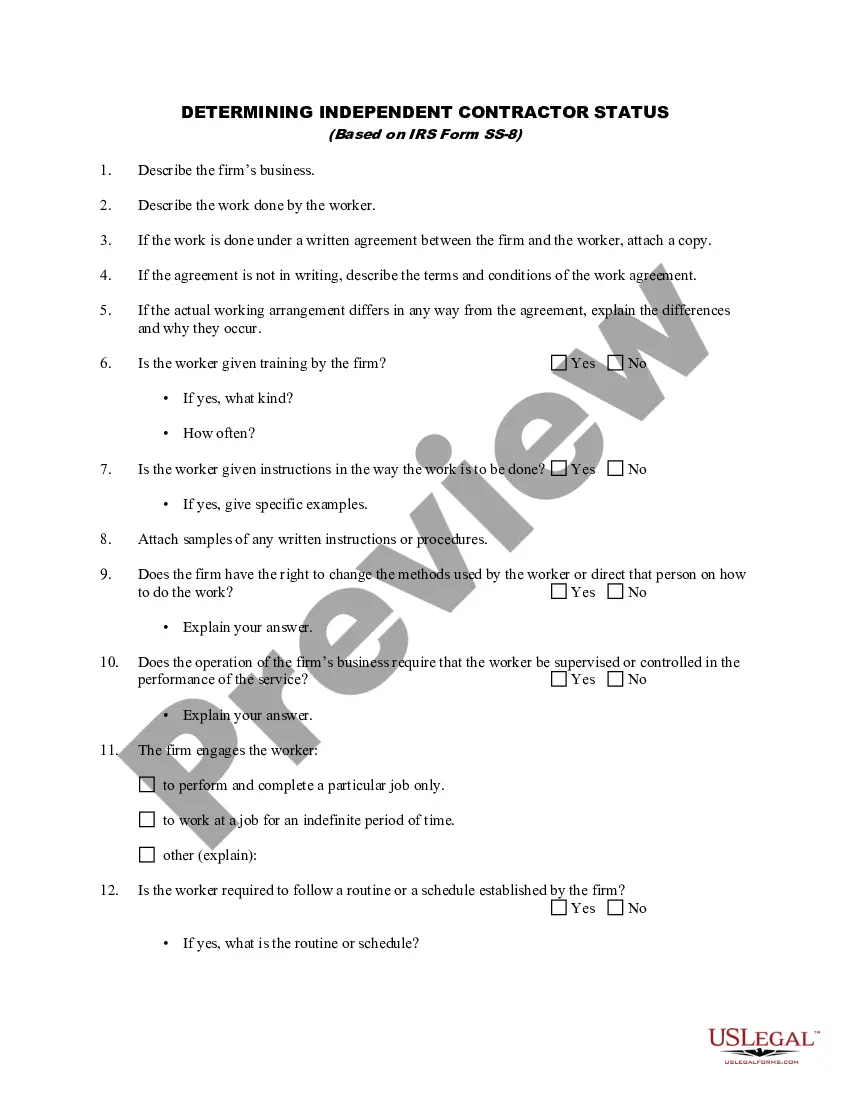
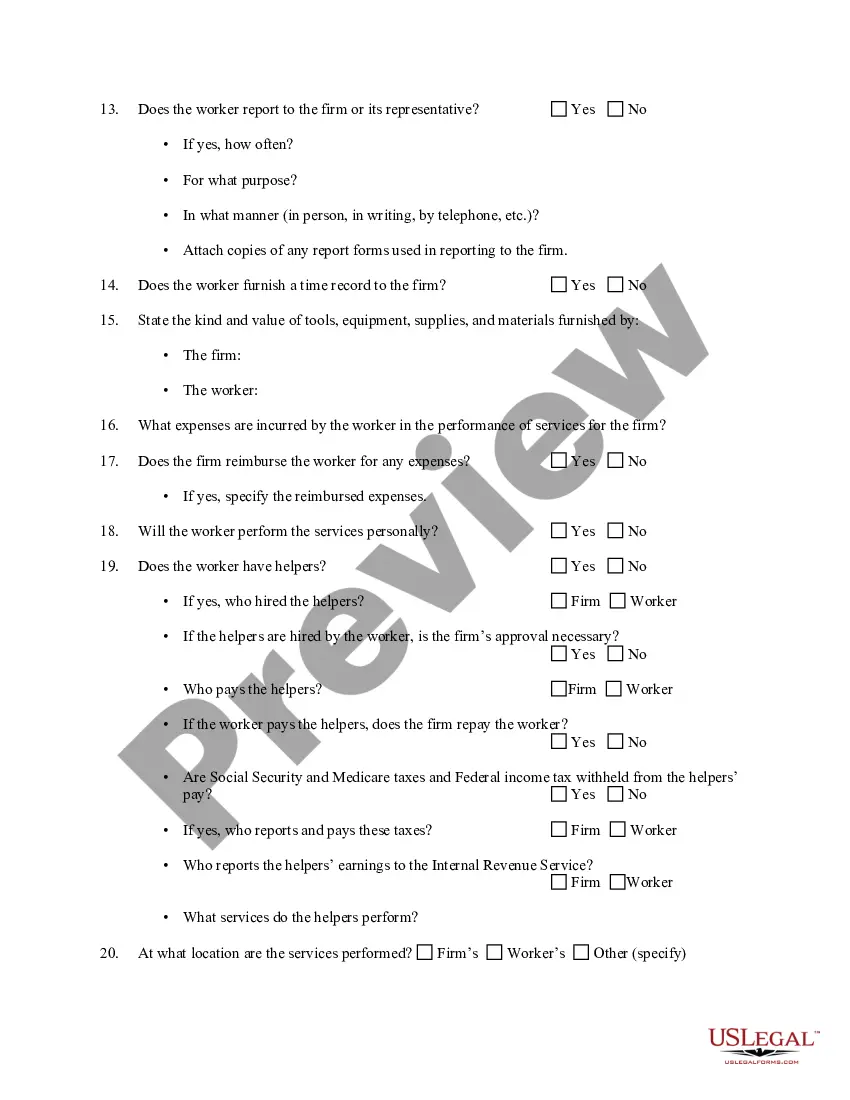
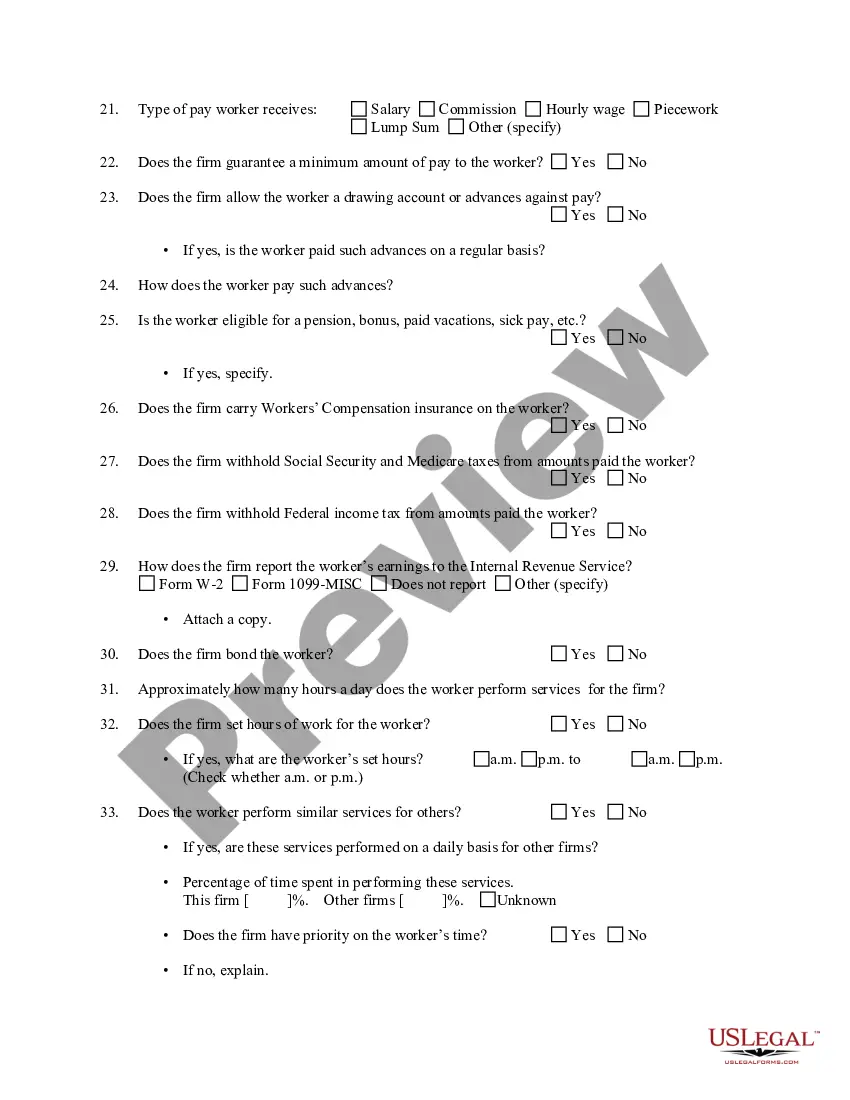
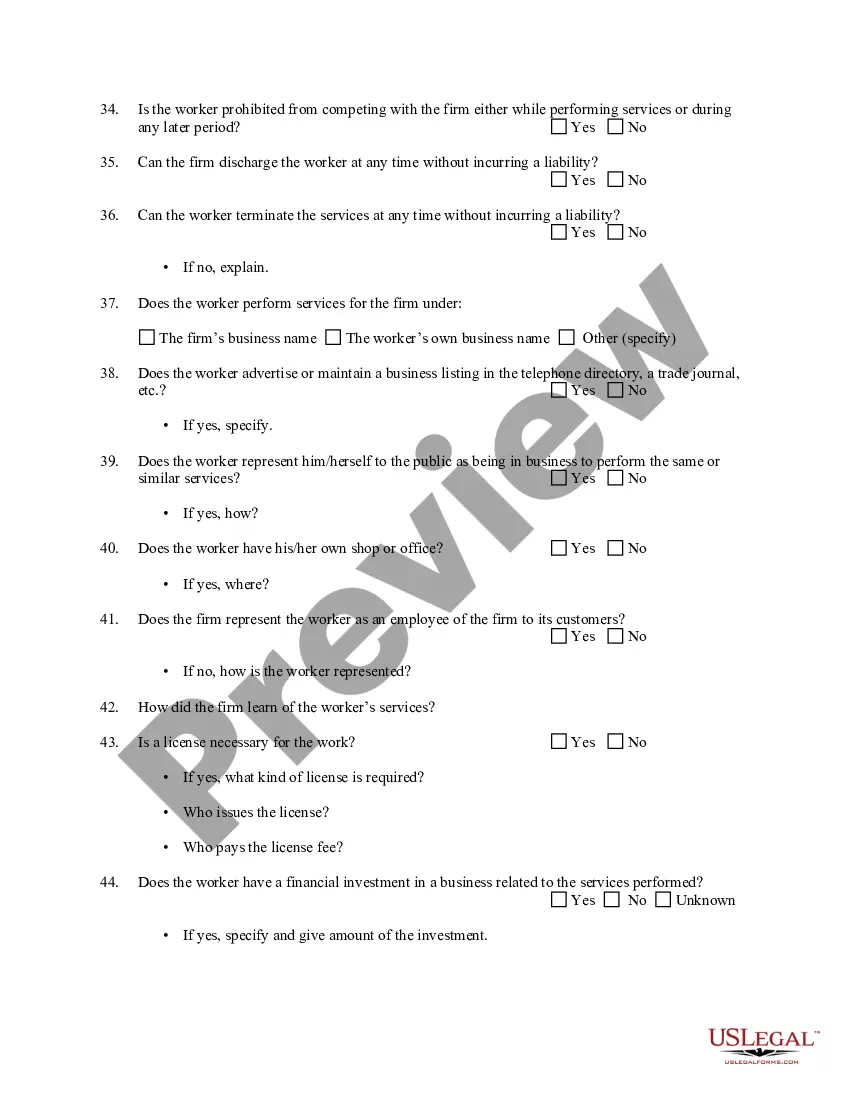
Contractor Irs Withholding Tables
Description
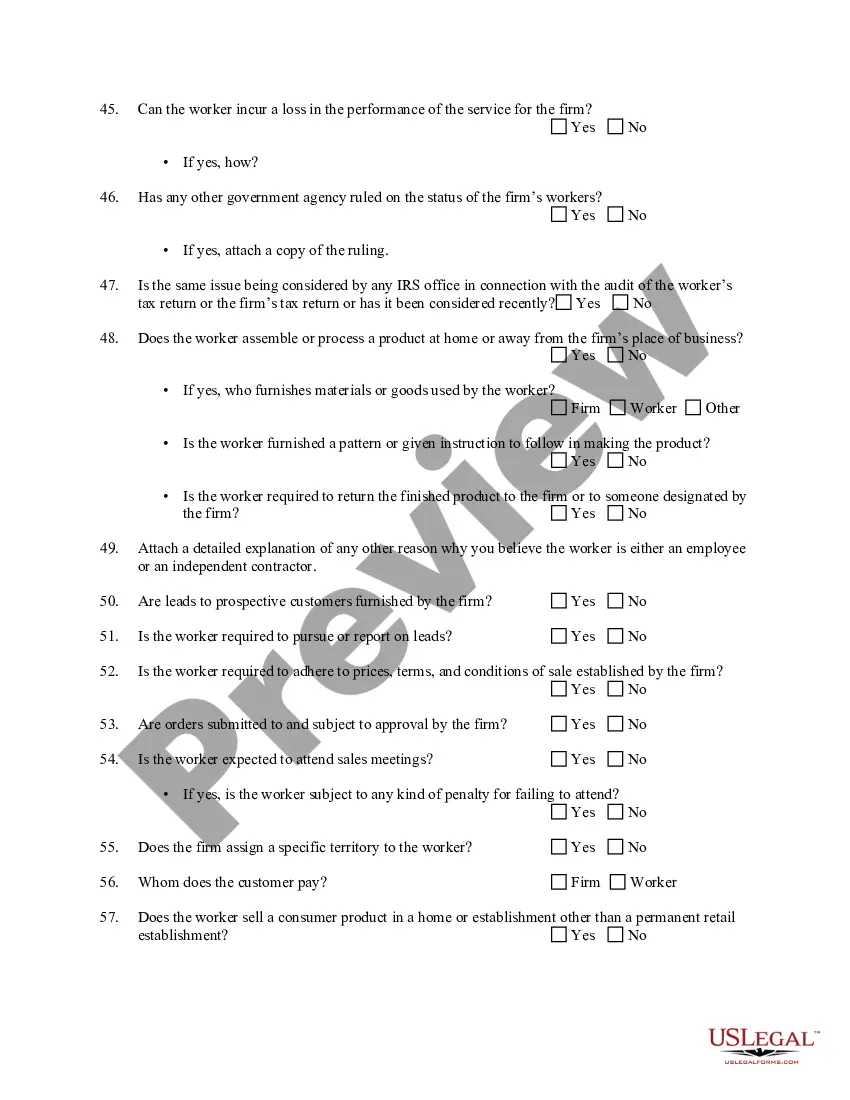
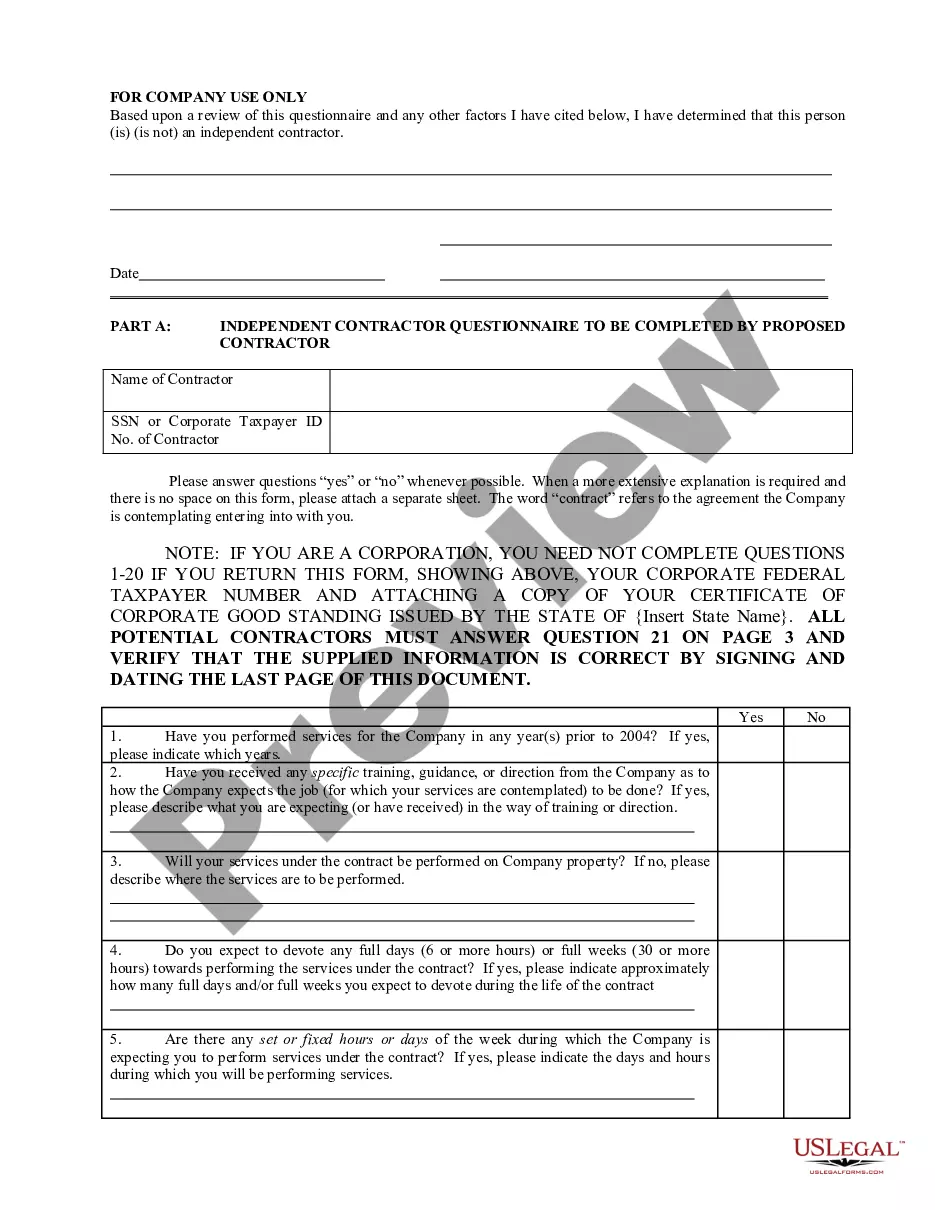
Get your form ready online
Our built-in tools help you complete, sign, share, and store your documents in one place.
Make edits, fill in missing information, and update formatting in US Legal Forms—just like you would in MS Word.
Download a copy, print it, send it by email, or mail it via USPS—whatever works best for your next step.
Sign and collect signatures with our SignNow integration. Send to multiple recipients, set reminders, and more. Go Premium to unlock E-Sign.
If this form requires notarization, complete it online through a secure video call—no need to meet a notary in person or wait for an appointment.
We protect your documents and personal data by following strict security and privacy standards.

Make edits, fill in missing information, and update formatting in US Legal Forms—just like you would in MS Word.

Download a copy, print it, send it by email, or mail it via USPS—whatever works best for your next step.

Sign and collect signatures with our SignNow integration. Send to multiple recipients, set reminders, and more. Go Premium to unlock E-Sign.

If this form requires notarization, complete it online through a secure video call—no need to meet a notary in person or wait for an appointment.

We protect your documents and personal data by following strict security and privacy standards.
Looking for another form?


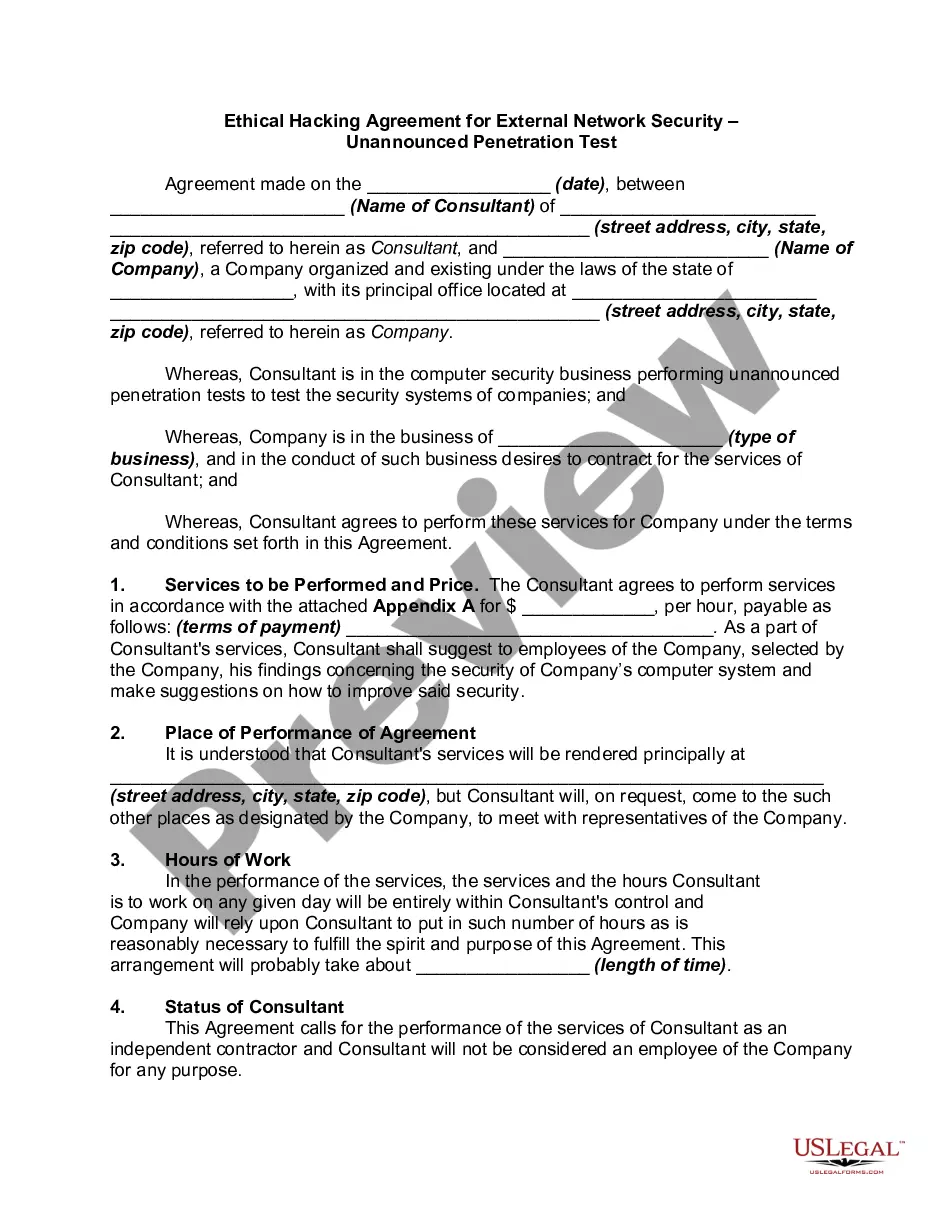







How to fill out Determining Self-Employed Independent Contractor Status?
Regardless of whether it is for corporate objectives or personal affairs, everyone must navigate legal matters at some stage in their lives.
Completing legal documents requires meticulous care, beginning with choosing the appropriate form template. For example, if you select an incorrect version of a Contractor Irs Withholding Tables, it will be rejected upon submission. Thus, it is crucial to have a trustworthy source for legal documents like US Legal Forms.
With an extensive US Legal Forms catalog available, you never have to waste time searching for the right template online. Utilize the library's user-friendly navigation to find the correct form for any situation.
- Acquire the template you need by utilizing the search bar or catalog browsing.
- Review the form's description to confirm that it aligns with your case, state, and county.
- Click on the form's preview to view it.
- If it is the incorrect document, return to the search feature to locate the Contractor Irs Withholding Tables template you require.
- Download the template if it fulfills your criteria.
- If you already possess a US Legal Forms account, simply click Log in to access previously saved documents in My documents.
- In case you do not have an account yet, you can acquire the form by clicking Buy now.
- Choose the appropriate pricing option.
- Complete the profile registration form.
- Select your payment method: you can utilize a credit card or PayPal account.
- Choose the document format you desire and download the Contractor Irs Withholding Tables.
- Once downloaded, you can fill out the form using editing software or print it and complete it by hand.
Form popularity
FAQ
Withholding taxes for independent contractors can be a bit different than for employees. Generally, you do not withhold taxes for independent contractors, but you should inform them about their tax responsibilities. However, if your contract specifies withholding, you will want to refer to the Contractor IRS withholding tables for proper guidance. Using resources from US Legal Forms can help you navigate these requirements and ensure compliance.
To submit withholding to the IRS, you must fill out the necessary forms, such as Form 941, which reports the taxes you withheld from employee wages. You can submit these forms electronically through the IRS e-file system or by mailing them directly to the IRS. It's important to follow the Contractor IRS withholding tables to ensure accurate calculations. Utilizing tools from platforms like US Legal Forms can simplify this process, guiding you through each step.
As a contractor, the amount you should withhold for taxes varies based on your income and tax situation. Generally, it is advisable to set aside at least 20-30% of your earnings for federal taxes, but this can change based on your total income and deductions. You can refer to the contractor IRS withholding tables for specific guidance. For a more tailored approach, US Legal Forms can provide resources to help you calculate and manage your tax withholding effectively.
To determine your tax withholding, you can use the contractor IRS withholding tables provided by the IRS. Start by estimating your income and filing status, as these factors influence your withholding amount. Additionally, you can complete the IRS Form W-4 to help calculate the right amount to withhold based on your situation. For personalized guidance, consider using tools available on platforms like US Legal Forms.
The 20% withholding rule refers to the IRS guideline for withholding a flat rate of 20% on certain payments made to independent contractors. This rule helps ensure that contractors meet their tax obligations when they receive payments without regular payroll withholding. Understanding this rule is crucial for both contractors and employers to avoid underpayment penalties. Platforms like US Legal Forms can assist you in navigating these requirements effectively.
The Internal Revenue Service (IRS) provides the contractor IRS withholding tables. These tables are essential for employers to accurately calculate the federal income tax withheld from employee paychecks. By using these tables, employers can ensure compliance with federal tax regulations. You can access the latest tables on the IRS website or through comprehensive platforms like US Legal Forms, which offer additional resources for understanding tax obligations.
There are multiple reasons that a return would calculate a tax different from that on the tax tables. The return may have an alternative minimum tax rate, there may be foreign income involved, or the return may have qualified dividends and/or capital gains which may be taxed at a different rate.
Tax brackets 2023 (taxes due 2024) Tax RateSingleMarried filing jointly10%$0 to $11,000.$0 to $22,000.12%$11,001 to $44,725.$22,001 to $89,450.22%$44,726 to $95,375.$89,451 to $190,750.24%$95,376 to $182,100.$190,751 to $364,200.2 more rows ?
A tax table is a chart that displays the amount of tax due based on income received. The IRS provides tax tables to help taxpayers determine how much tax they owe and how to calculate it when they file their annual tax returns. Tax tables are divided by income ranges and filing status.
As a result, the IRS created a version of Form 1040 that uses larger print and includes a standard deduction table directly on the for so that seniors can quickly look up their standard deduction amounts. Form 1040-SR uses the same line items and instructions as the standard Form 1040.