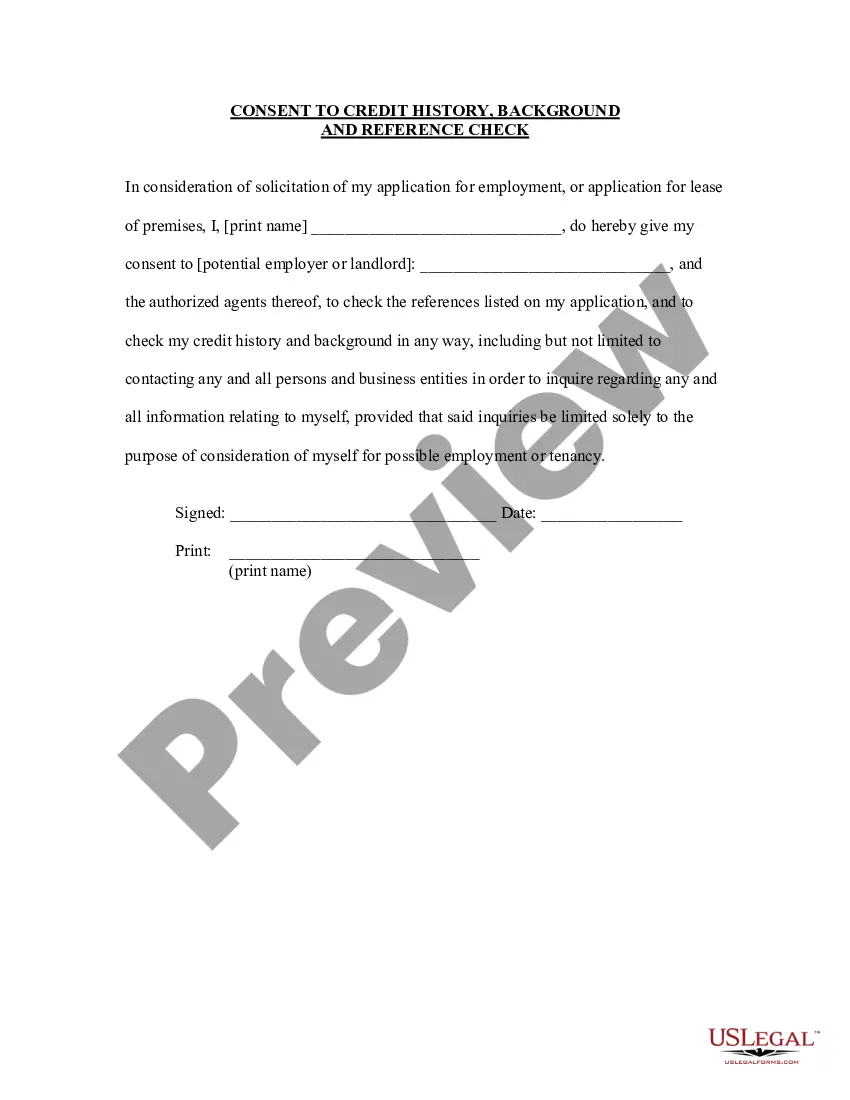
Credit Score For Background Check
Description
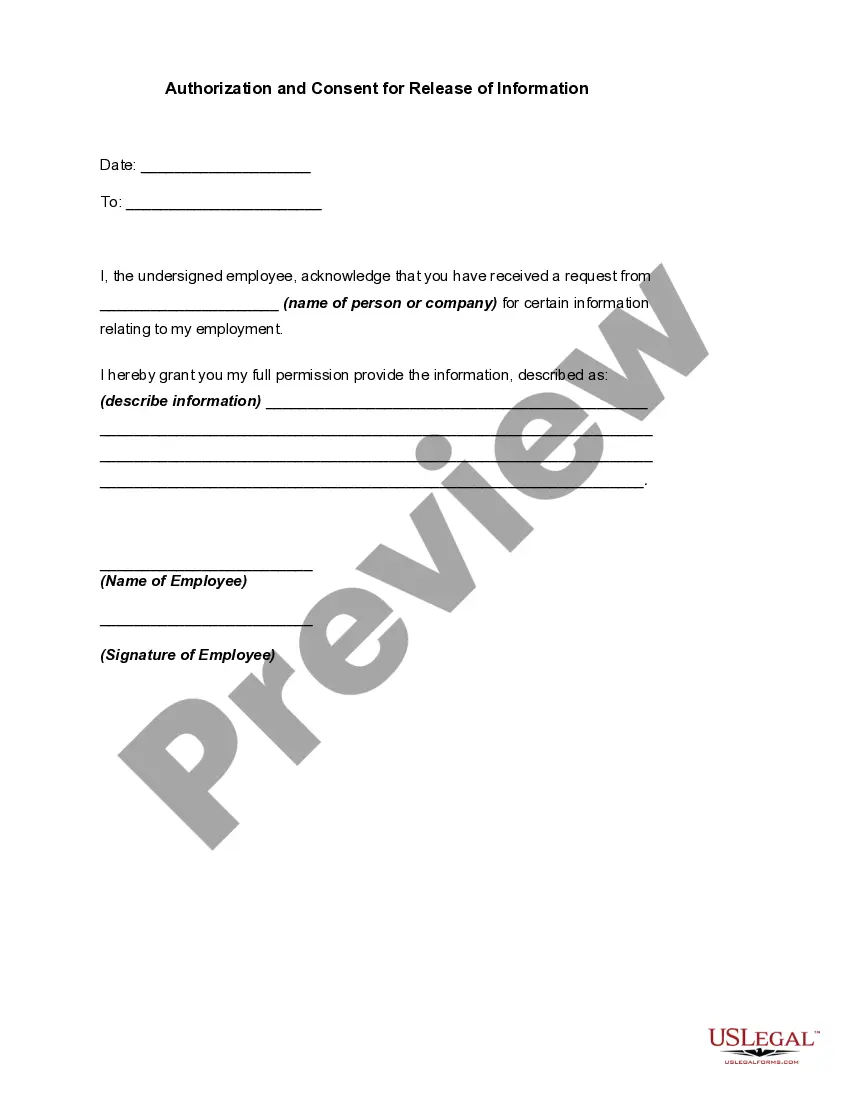
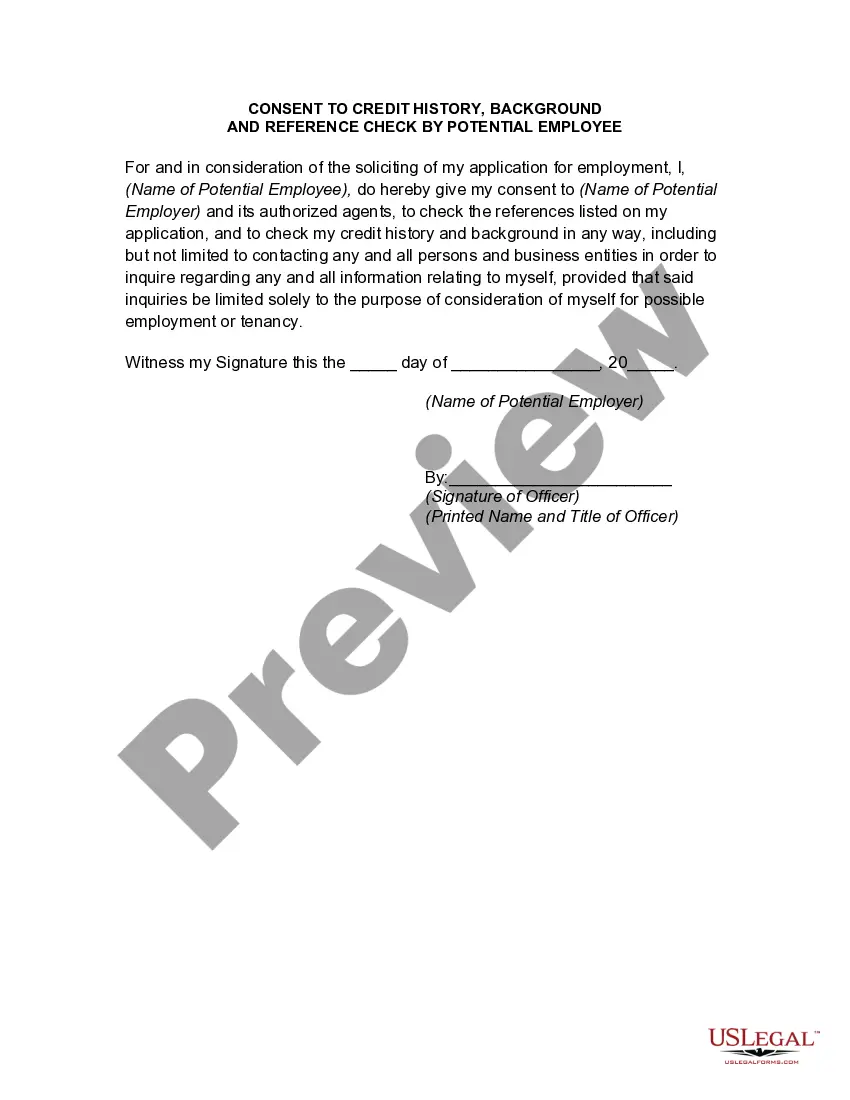
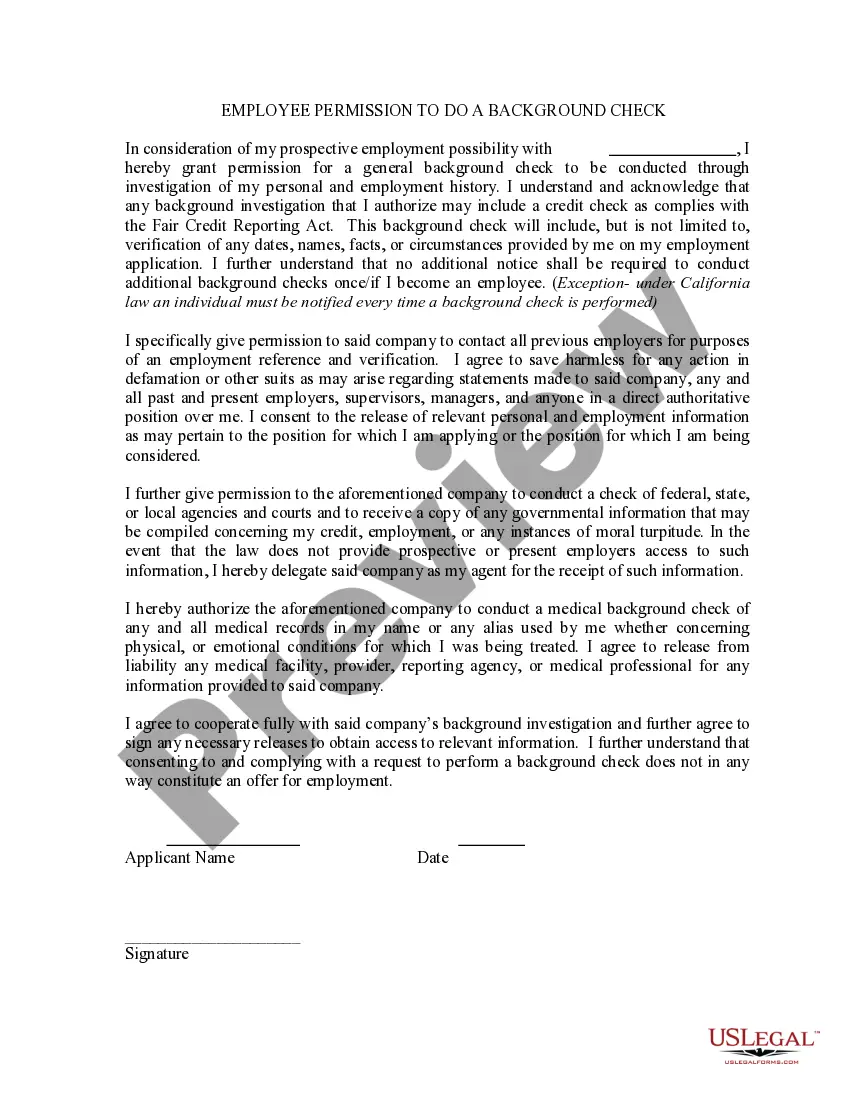
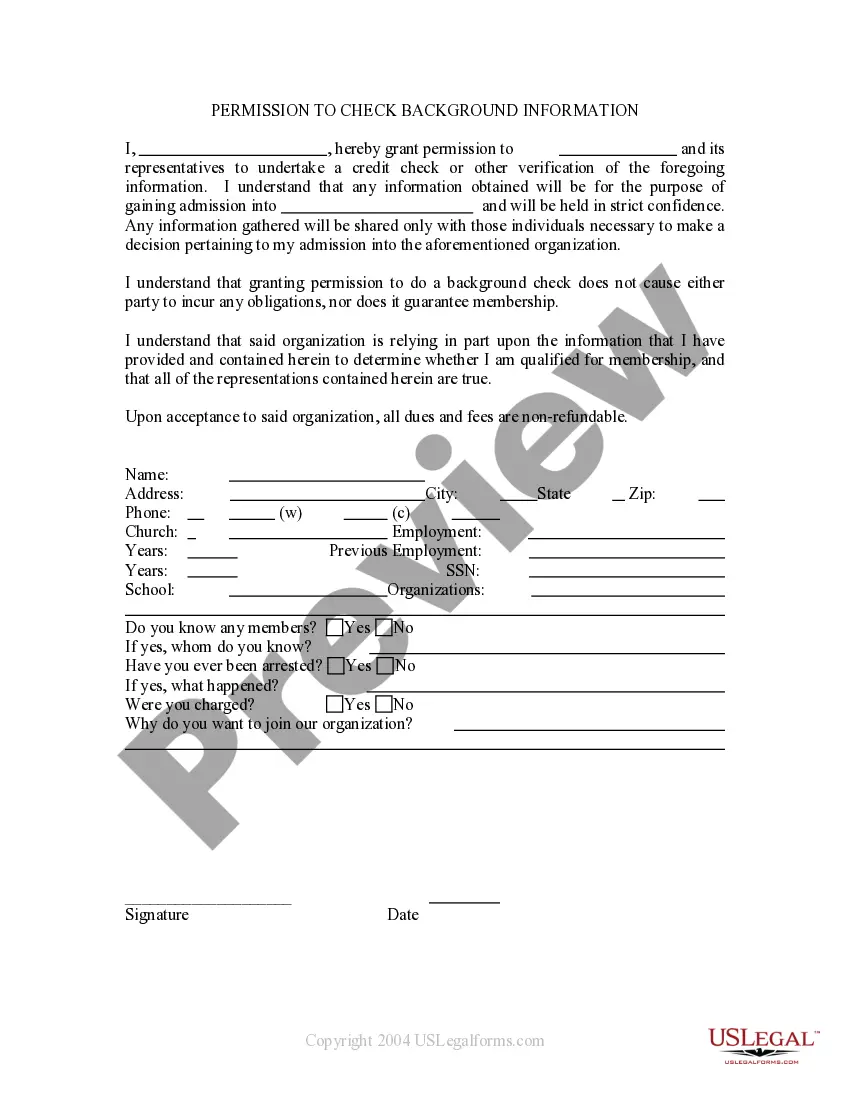
Get your form ready online
Our built-in tools help you complete, sign, share, and store your documents in one place.
Make edits, fill in missing information, and update formatting in US Legal Forms—just like you would in MS Word.
Download a copy, print it, send it by email, or mail it via USPS—whatever works best for your next step.
Sign and collect signatures with our SignNow integration. Send to multiple recipients, set reminders, and more. Go Premium to unlock E-Sign.
If this form requires notarization, complete it online through a secure video call—no need to meet a notary in person or wait for an appointment.
We protect your documents and personal data by following strict security and privacy standards.

Make edits, fill in missing information, and update formatting in US Legal Forms—just like you would in MS Word.

Download a copy, print it, send it by email, or mail it via USPS—whatever works best for your next step.

Sign and collect signatures with our SignNow integration. Send to multiple recipients, set reminders, and more. Go Premium to unlock E-Sign.

If this form requires notarization, complete it online through a secure video call—no need to meet a notary in person or wait for an appointment.

We protect your documents and personal data by following strict security and privacy standards.
Looking for another form?








How to fill out Consent To Credit History Background And Reference Check?
- Log in to your US Legal Forms account if you’re an existing user. Ensure your subscription is active to access the forms.
- If you’re new, begin by navigating to the Templates section. Preview the available forms to choose the one that matches your needs and complies with your jurisdiction.
- Use the Search function to find alternative templates if your initial choice isn’t suitable. It's important to find the correct document.
- Select your preferred template and click on the Buy Now button. Choose a subscription plan that works best for you and create an account if you don’t already have one.
- Complete your payment using your credit card or PayPal account to finalize the subscription.
- Once your purchase is confirmed, download the form to your device. You can access it later in the My Forms section of your profile.
By using US Legal Forms, individuals and attorneys gain access to a vast library of over 85,000 customizable legal documents. This empowers users to create legally sound documents swiftly and accurately.
Unlock the power of professional legal forms today and ensure your background checks are thorough and effective. Start your journey with US Legal Forms now!
Form popularity
FAQ
Having bad credit does not automatically prevent you from getting hired. Many employers consider various factors beyond credit score for background check, such as skills and experience. Consider using platforms like uslegalforms to access resources that help you improve your credit situation. A proactive approach can increase your chances of being hired.
Yes, employers can deny a job based on bad credit, as they often use your credit score for background check in their decision-making process. They may view poor credit history as a sign of financial irresponsibility. However, they must follow legal guidelines and inform you if your credit influenced their decision. Make sure to stay informed about your rights.
When explaining bad credit to a landlord, be honest about your situation. Emphasize any mitigating factors such as employment stability or consistent rental history. Highlighting improvements you have made or are making to raise your credit score for background check can also help your case. Being upfront shows integrity, which landlords appreciate.
A good explanation for bad credit often includes personal circumstances like medical emergencies or job loss. Transparency helps potential employers or landlords understand your situation better. It may also be useful to highlight steps you are taking to improve your credit score for background check. Providing documentation can further strengthen your case.
Yes, your credit score for background check can impact your job prospects. Employers may review your credit history to assess your financial responsibility. However, they must obtain your consent before doing so. If your credit score is low, consider providing a solid explanation during the interview.
A background check can include your credit report, depending on the type of check conducted by the employer. Many employers utilize credit reports to assess candidates' reliability and fiscal responsibility. Knowing that your credit report may be examined helps you prepare and address any potential issues. Improving your credit score for background check purposes can enhance your job application prospects.
Yes, companies can deny job applications based on bad credit. This often happens in industries where financial trust is crucial. Employers may believe that poor financial management reflects on your work ethics. Being aware that your credit score for background check influences hiring decisions enables you to take steps toward improving it.
Background checks might reveal debt collection accounts, depending on the type of check an employer performs. If an employer checks your credit report, they could see accounts in collections, which may affect their hiring decision. Awareness of what employers see can help you address any concerns proactively. Your credit score for background check can play a significant role in how debt collection impacts your job applications.
When discussing bad credit with a potential employer, transparency is key. You can explain the reasons behind your credit issues and emphasize your current financial management efforts. Focus on the lessons learned from past mistakes and highlight your recent improvements. A positive approach can help reassure employers that you are responsible and capable despite your credit score for background check.
Yes, a credit report can appear on a background check if the employer requests it. This report provides information such as your payment history and outstanding debts. Employers often request this information to gauge your financial behavior, particularly for roles that require financial prudence. Understanding the scope of your credit score for background check helps you navigate these situations.