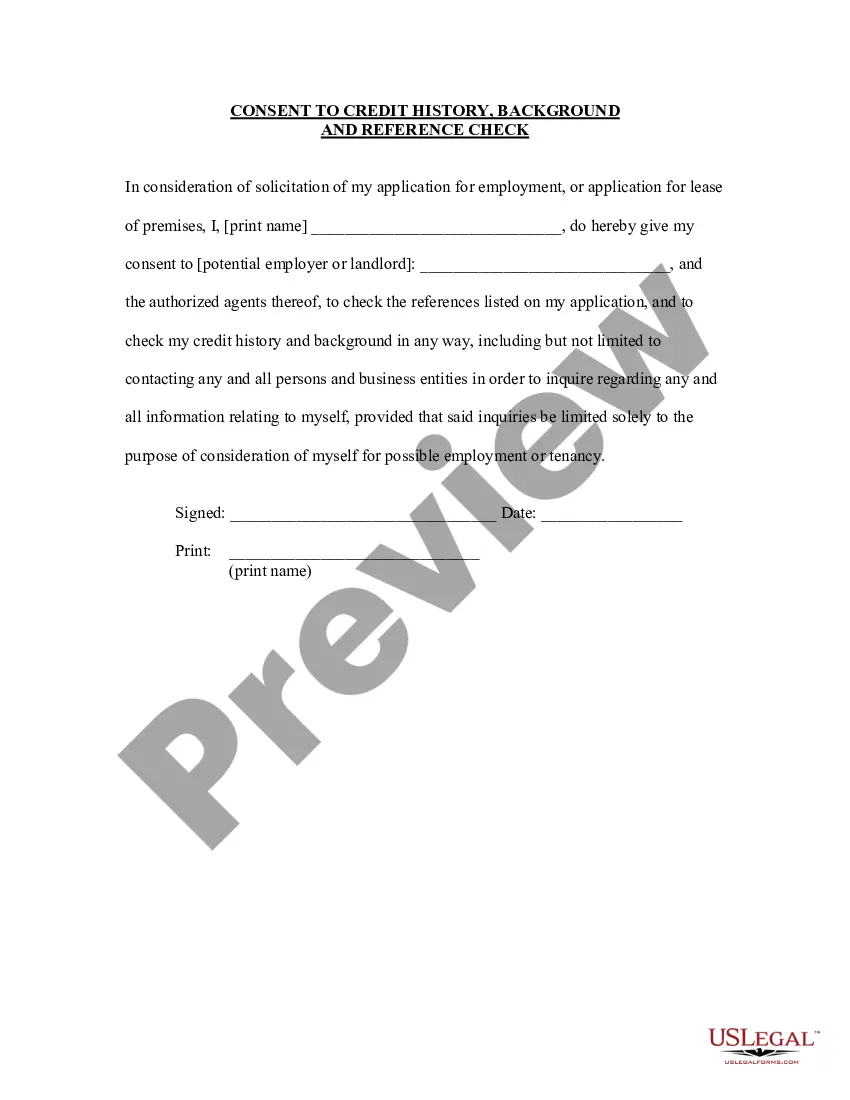
Background Check For Rental Property
Description
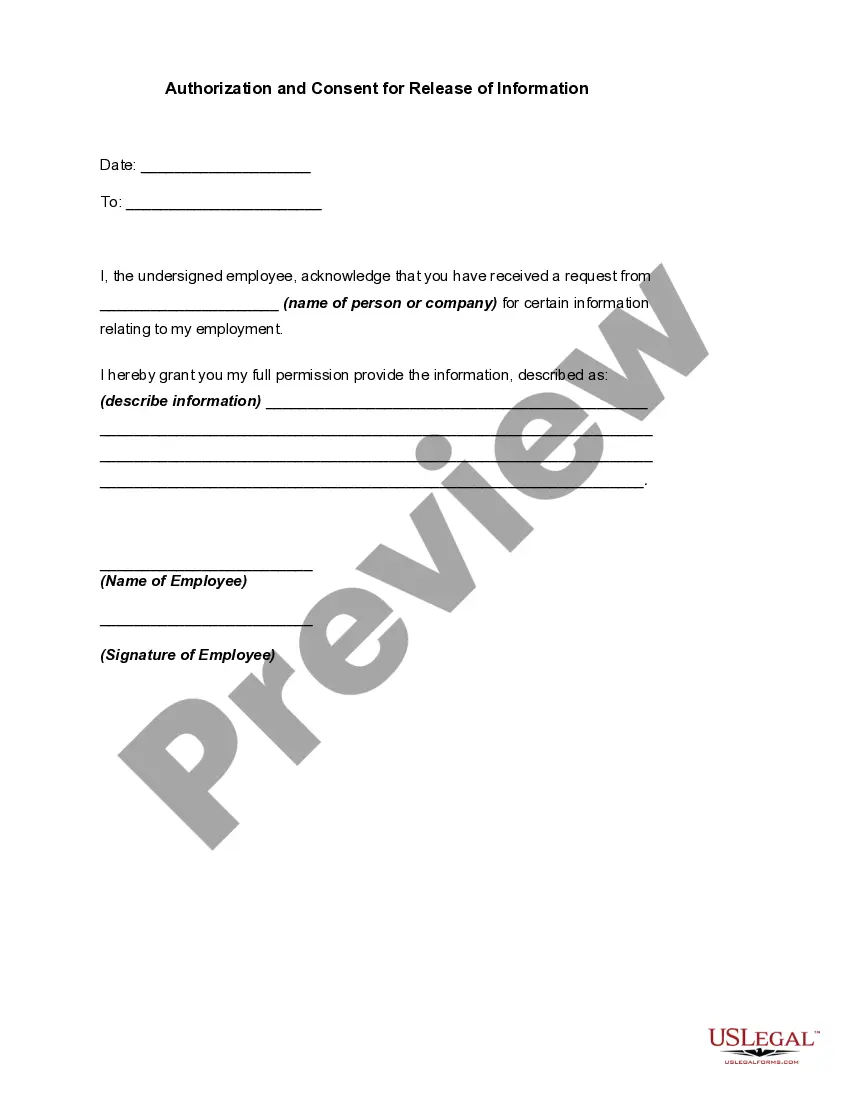
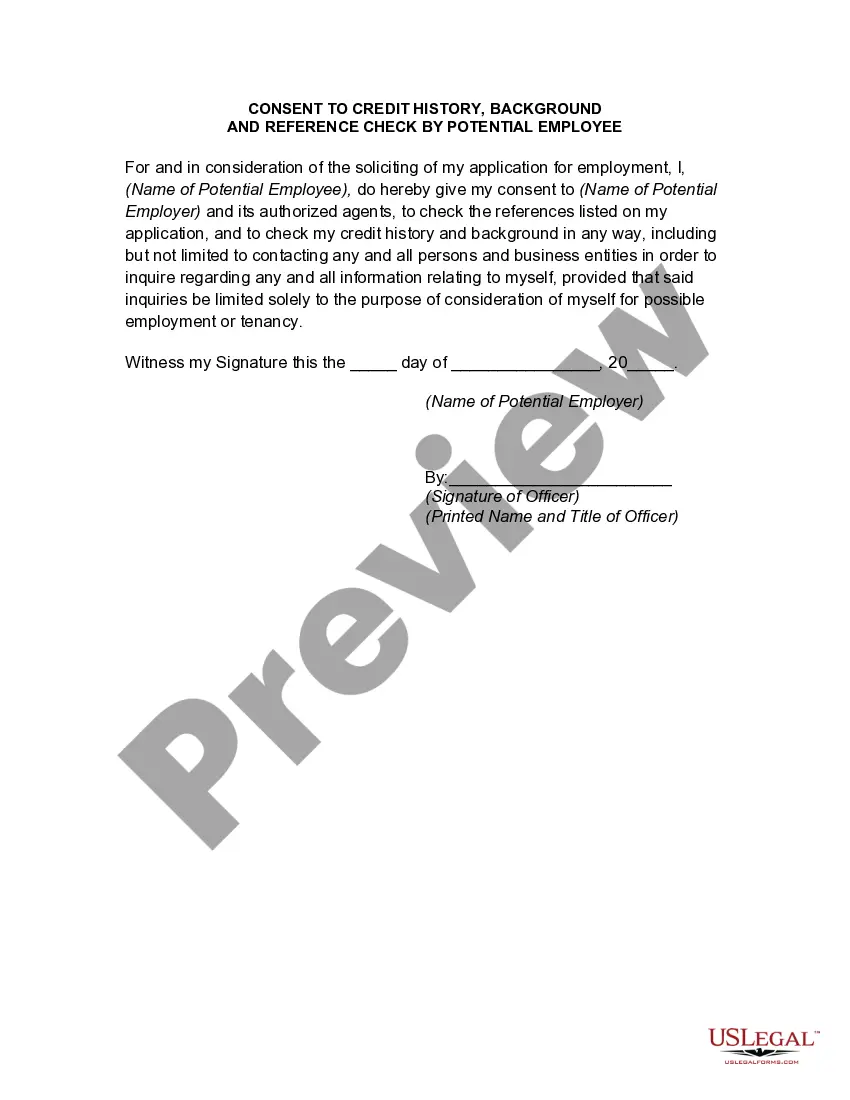
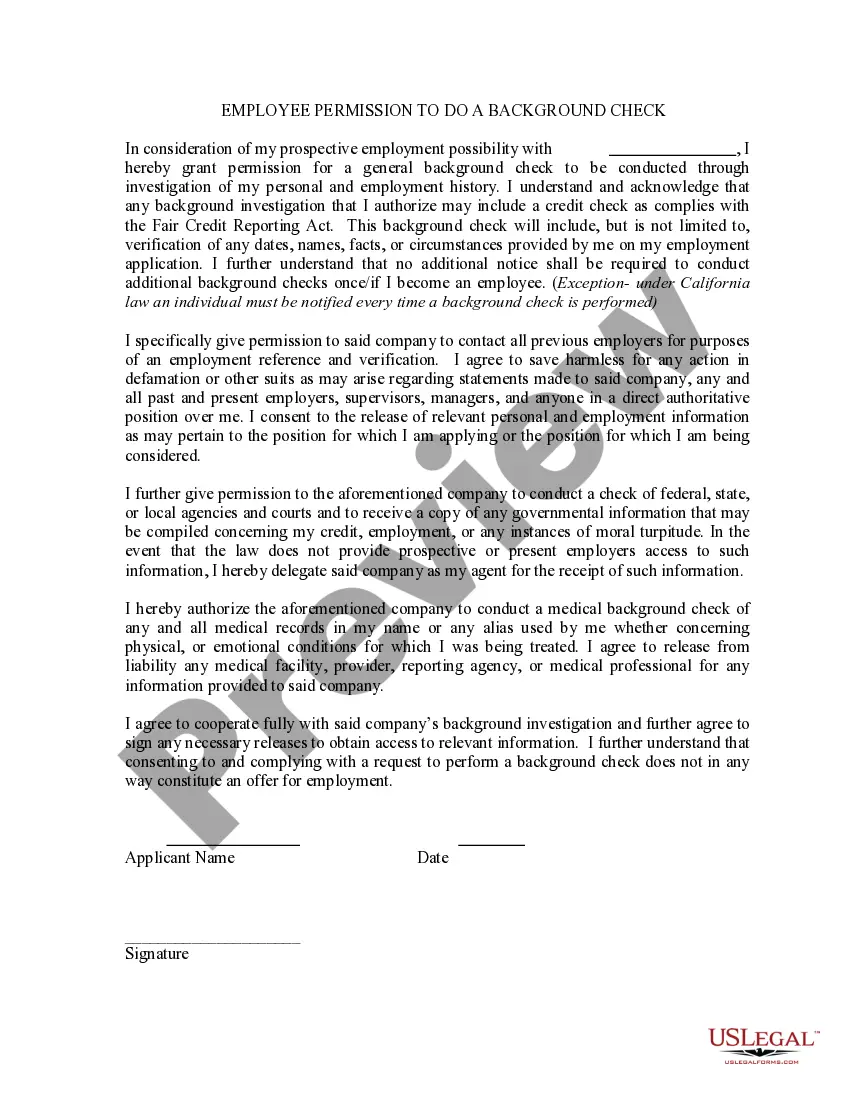
Get your form ready online
Our built-in tools help you complete, sign, share, and store your documents in one place.
Make edits, fill in missing information, and update formatting in US Legal Forms—just like you would in MS Word.
Download a copy, print it, send it by email, or mail it via USPS—whatever works best for your next step.
Sign and collect signatures with our SignNow integration. Send to multiple recipients, set reminders, and more. Go Premium to unlock E-Sign.
If this form requires notarization, complete it online through a secure video call—no need to meet a notary in person or wait for an appointment.
We protect your documents and personal data by following strict security and privacy standards.

Make edits, fill in missing information, and update formatting in US Legal Forms—just like you would in MS Word.

Download a copy, print it, send it by email, or mail it via USPS—whatever works best for your next step.

Sign and collect signatures with our SignNow integration. Send to multiple recipients, set reminders, and more. Go Premium to unlock E-Sign.

If this form requires notarization, complete it online through a secure video call—no need to meet a notary in person or wait for an appointment.

We protect your documents and personal data by following strict security and privacy standards.
Looking for another form?




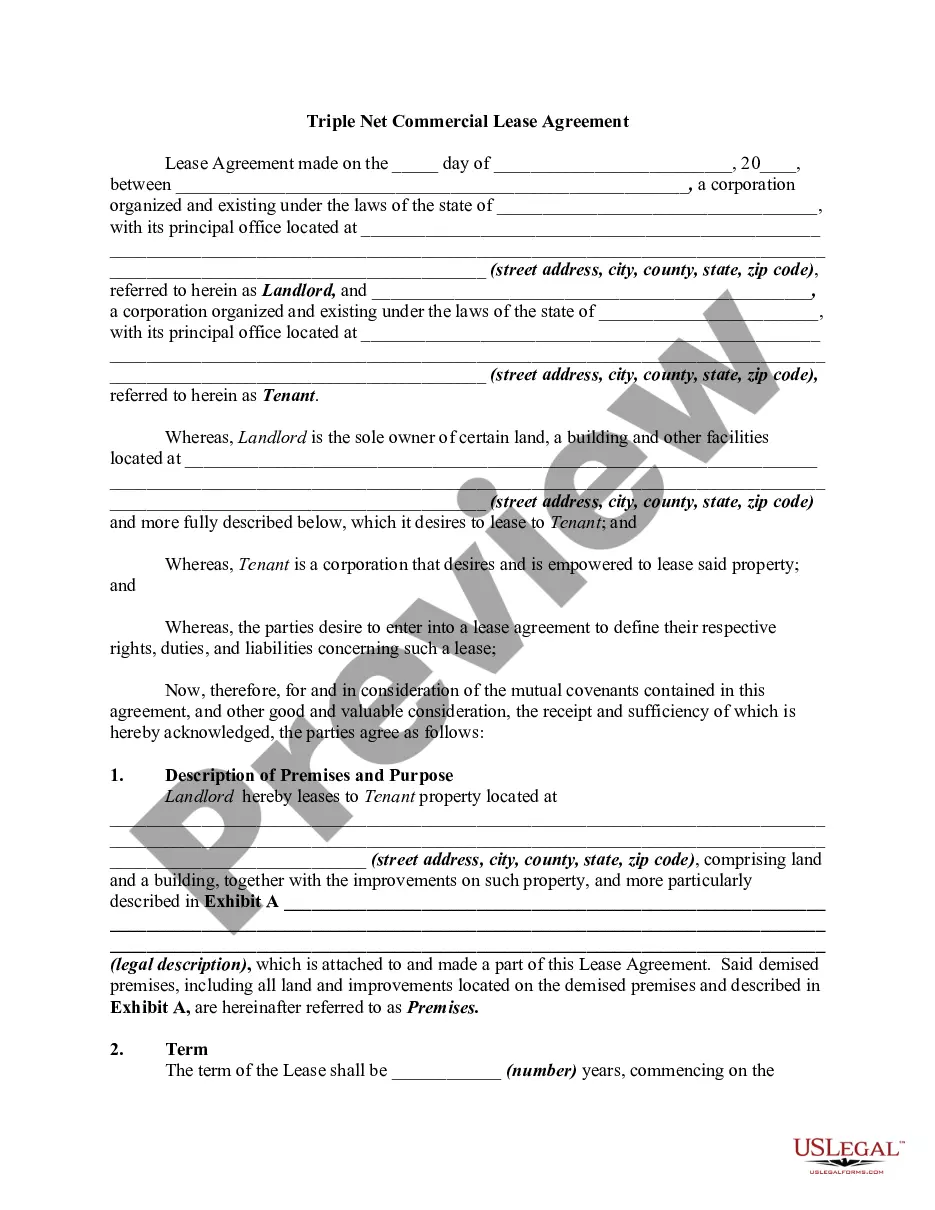

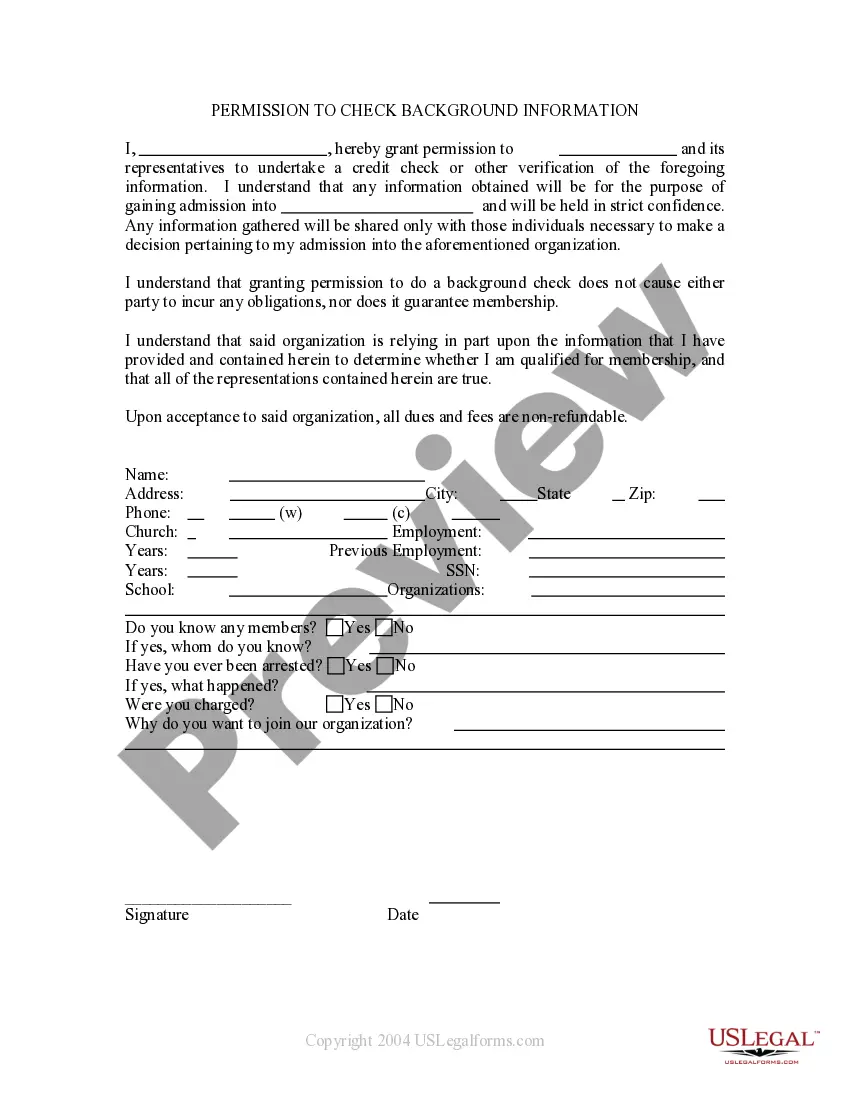
How to fill out Consent To Credit History Background And Reference Check?
- Log in to your US Legal Forms account. If you're a new user, create an account first.
- Search for the 'Background check for rental property' form in the extensive library. Use the preview mode for a detailed description.
- Select the appropriate form that meets your specific needs and jurisdiction requirements.
- If necessary, locate alternative forms by utilizing the search feature to ensure compliance.
- Choose your preferred subscription plan by clicking the 'Buy Now' button.
- Complete your purchase by entering your payment details or using PayPal.
- Download your form and save it for future access through the 'My Forms' section of your profile.
By following these steps, you can efficiently obtain the necessary forms for a thorough background check, which protects both your investment and tenants.
Take control of your rental process today by leveraging US Legal Forms’ user-friendly platform and extensive resources!
Form popularity
FAQ
Yes, you can perform a background check for rental property on yourself to ensure you meet the requirements landlords typically look for. Start by accessing reputable tenant screening services that provide comprehensive reports on your rental history and creditworthiness. This proactive approach enables you to address potential issues that could impact your rental application, giving you peace of mind during your apartment search. Using platforms like US Legal Forms can streamline this process for you.
To run a background check for rental property on yourself, start by gathering your personal information, such as your full name, Social Security number, and address history. Next, consider using reliable online platforms that specialize in tenant screening. These services allow you to review your rental history, credit report, and any potential criminal records. Taking this step can help you identify any discrepancies before applying for rentals.
Yes, you can perform a rental background check on yourself, and it’s a smart step before applying for a lease. By doing so, you can identify any potential issues that landlords might see, such as an unfavorable credit score or past rental problems. Utilizing services like US Legal Forms allows you to access your own background report and rectify any inaccuracies, boosting your chances of securing your ideal rental property.
Most landlords typically utilize a comprehensive background check for rental property, which includes credit history, criminal record, and rental history. This helps landlords assess the reliability and responsibility of potential tenants. By using a trusted platform like US Legal Forms, landlords can easily obtain these checks to make informed decisions and ensure they choose the right applicant for their property.
A rental history report typically includes your payment history, any evictions, debts owed to landlords, and even references from past rentals. This report helps landlords gauge your reliability as a tenant. Hence, maintaining a positive history is crucial for future applications. You can benefit from a proper background check for rental property to understand what potential landlords will see.
Bad rental history includes multiple evictions, unpaid rent, damaging property, or being hostile toward landlords. These issues raise concerns for future landlords who seek trustworthy tenants. Before applying for new rentals, it's wise to reflect on past experiences and correct any misconceptions. Using a reliable background check for rental property can help clarify your situation and improve your chances.
Yes, you can and should run a rental background check on yourself before applying for new housing. This proactive step allows you to identify any potential issues that landlords might see. By knowing what appears on your report, you can address concerns upfront or gather supporting documents to strengthen your application. Remember, a comprehensive background check for rental property can give you insights into your rental history.
A good rental history typically includes on-time payments, stable occupancy over a period, and positive feedback from landlords. Landlords value reliable tenants who communicate effectively and treat properties with care. If you can provide a consistent track record of responsibility, you’ll enhance your chances of being approved for a new rental. This is where using a detailed background check for rental property becomes vital.
Several factors can negatively impact your rental history. Frequent late payments, evictions, and unpaid debts to previous landlords all create red flags. Additionally, leaving a rental property in disarray or failing to communicate with landlords can tarnish your reputation. A thorough background check for rental property can uncover these issues and guide landlords in their decision-making.