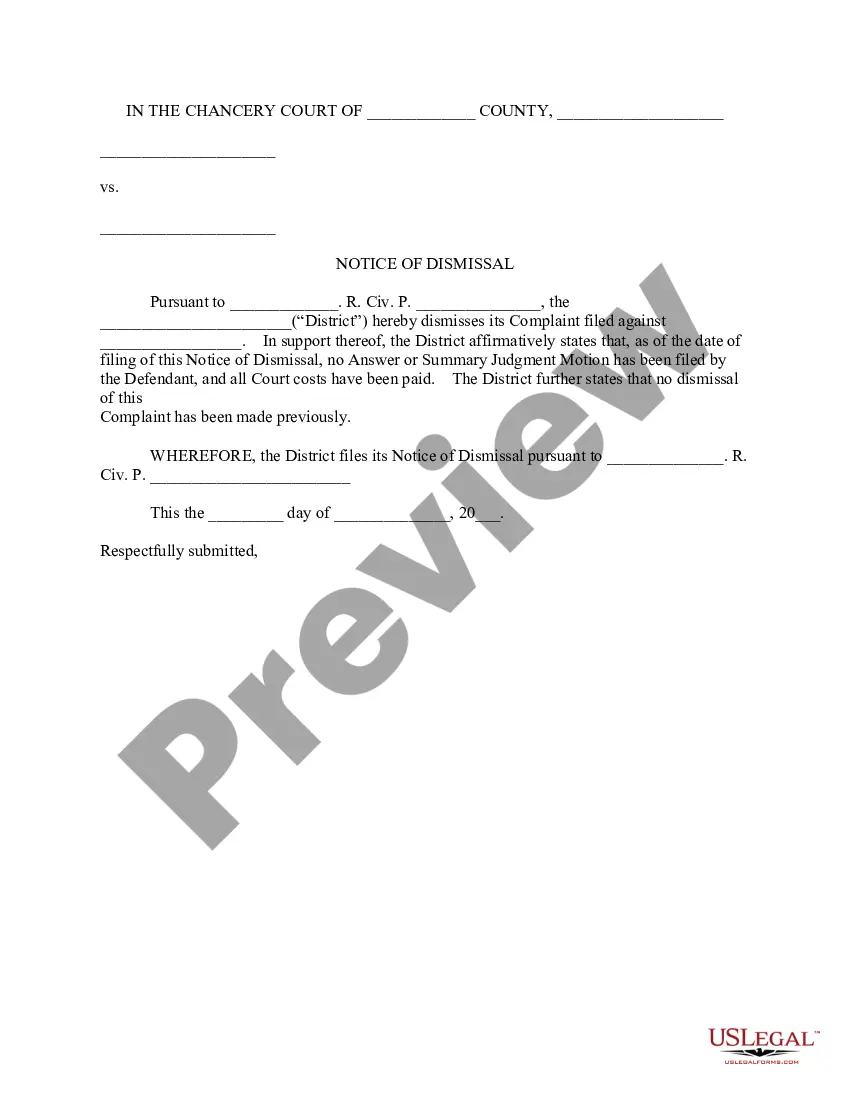
Federal Court Dismissal Without Prejudice
Description
Get your form ready online
Our built-in tools help you complete, sign, share, and store your documents in one place.
Make edits, fill in missing information, and update formatting in US Legal Forms—just like you would in MS Word.
Download a copy, print it, send it by email, or mail it via USPS—whatever works best for your next step.
Sign and collect signatures with our SignNow integration. Send to multiple recipients, set reminders, and more. Go Premium to unlock E-Sign.
If this form requires notarization, complete it online through a secure video call—no need to meet a notary in person or wait for an appointment.
We protect your documents and personal data by following strict security and privacy standards.

Make edits, fill in missing information, and update formatting in US Legal Forms—just like you would in MS Word.

Download a copy, print it, send it by email, or mail it via USPS—whatever works best for your next step.

Sign and collect signatures with our SignNow integration. Send to multiple recipients, set reminders, and more. Go Premium to unlock E-Sign.

If this form requires notarization, complete it online through a secure video call—no need to meet a notary in person or wait for an appointment.

We protect your documents and personal data by following strict security and privacy standards.
Looking for another form?
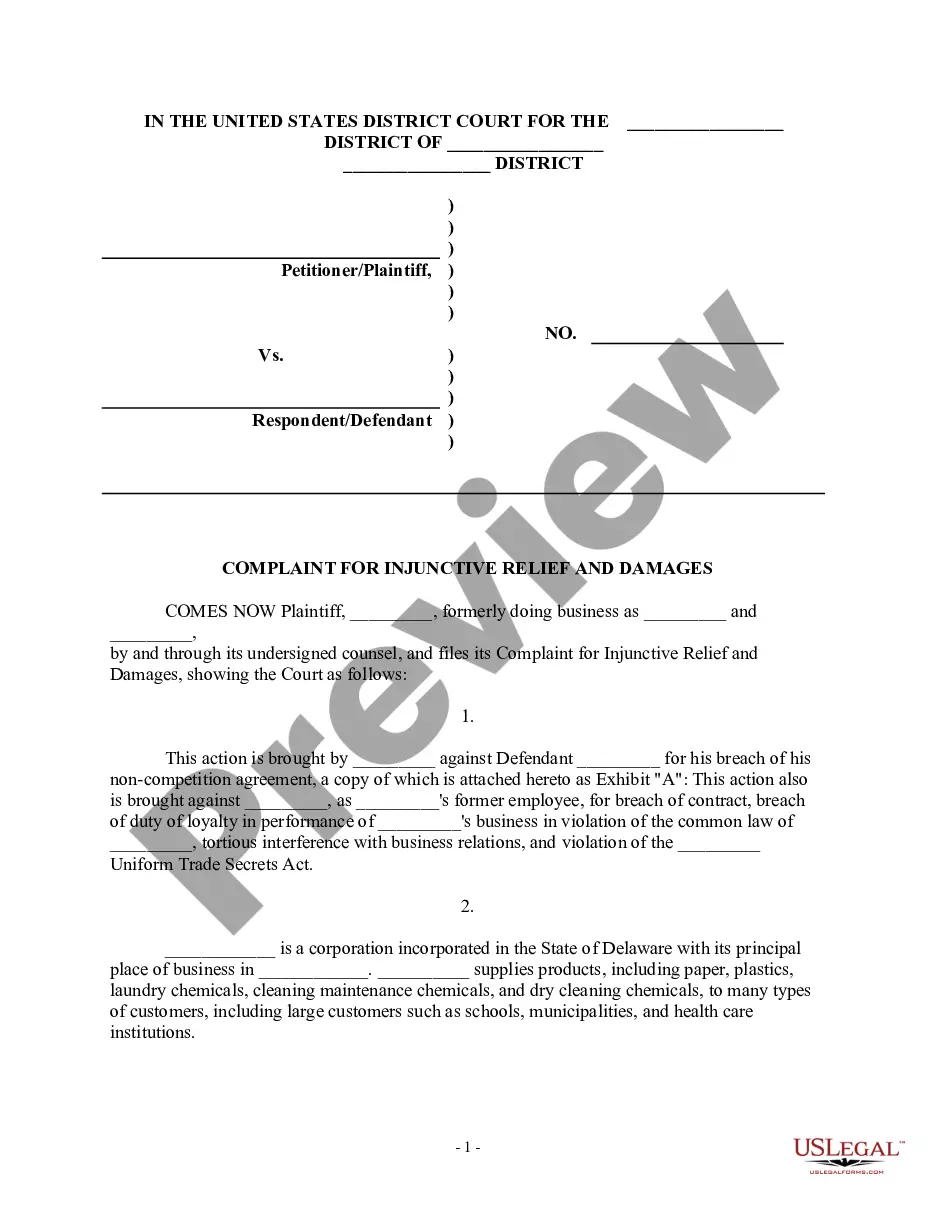

How to fill out Notice Of Dismissal?
Utilizing legal document examples that comply with federal and local regulations is essential, and the internet provides a plethora of choices to select from.
However, what is the benefit of expending time searching for the correct Federal Court Dismissal Without Prejudice template online when the US Legal Forms digital library conveniently has such documents gathered in one location.
US Legal Forms is the premier online legal repository with over 85,000 editable templates crafted by attorneys for any commercial or personal situation.
- They are easy to navigate with all documents organized by state and intended use.
- Our specialists stay updated with legal modifications, ensuring your documents are current and compliant when obtaining a Federal Court Dismissal Without Prejudice from our site.
- Obtaining a Federal Court Dismissal Without Prejudice is quick and straightforward for both existing and new clients.
- If you already possess an account with an active subscription, Log In and store the document sample you need in your desired format.
- If you are new to our platform, follow the instructions below.
Form popularity
FAQ
A case typically gets dismissed without prejudice through a formal request by the plaintiff or at the court's discretion. The plaintiff may file a motion for dismissal, and if the court approves, the case is dismissed but remains open for future action. Utilizing platforms like USLegalForms can help streamline the paperwork and ensure that all necessary procedures are correctly followed for a federal court dismissal without prejudice.
Yes, a federal case can be dismissed, and there are different types of dismissals. A federal court dismissal without prejudice is a specific type that permits the plaintiff to refile the case later, preserving their right to seek a resolution. Understanding the nuances of federal court dismissals is crucial for any litigant, and using resources like USLegalForms can provide clarity during this process.
Federal court dismissal without prejudice can occur for several reasons. Commonly, a plaintiff may choose to dismiss their case to refile later, perhaps with more evidence or a stronger legal basis. Additionally, procedural issues, such as failure to follow court rules, might lead to a dismissal without prejudice. This type of dismissal allows the plaintiff to pursue the case again in the future.
Dismissing a case in federal court typically involves filing a notice of dismissal in accordance with Rule 41. You must ensure that you comply with any specific requirements set by the court, including notifying the other parties involved. If you are considering a federal court dismissal without prejudice, you can do so by simply stating your intention in the notice. For assistance with this process, platforms like uslegalforms can provide you with the necessary forms and guidance.
The federal rule regarding dismissal without prejudice is outlined in Rule 41 of the Federal Rules of Civil Procedure. This rule gives plaintiffs the right to dismiss their case voluntarily without prejudice, allowing them to reinitiate the case later if needed. However, it's essential to follow proper procedures, such as filing a notice of dismissal, to ensure that the dismissal is valid. Understanding this rule can help you navigate the complexities of federal court dismissals effectively.
When considering a federal court dismissal, understanding the difference between dismissal with and without prejudice is crucial. A dismissal without prejudice allows you to refile your case in the future, maintaining your legal options. In contrast, a dismissal with prejudice prevents you from bringing the same claim again. Therefore, if you anticipate the possibility of pursuing your case later, a federal court dismissal without prejudice may be the better choice.
File the Notice. Deliver or mail the original plus two copies of the Notice and Certificate to the Clerk's Office at the courthouse where the Judge for your case is located. The Clerk will take the original and one copy. The other copy is for you to keep after it is stamped by the Clerk.
An order dismissing a complaint without prejudice is an appealable final order when no amendment could save the plaintiff's action. Always, always ask for leave to amend after a dismissal without prejudice.
Under Federal Rules of Civil Procedure Rule 41(b), the default rule is that a dismissal is considered an ?adjudication on the merits,? and therefore with prejudice. Contrast with dismissal without prejudice, where the plaintiff may subsequently bring their claim in another court.
Dismissal Without Prejudice For example, if a person beats another person very severely, the prosecutor may file assault charges against the aggressor. If the victim later dies, the prosecutor may want to drop the assault charges in favor of a murder charge.