Motion For Summary Judgment When To File
Description
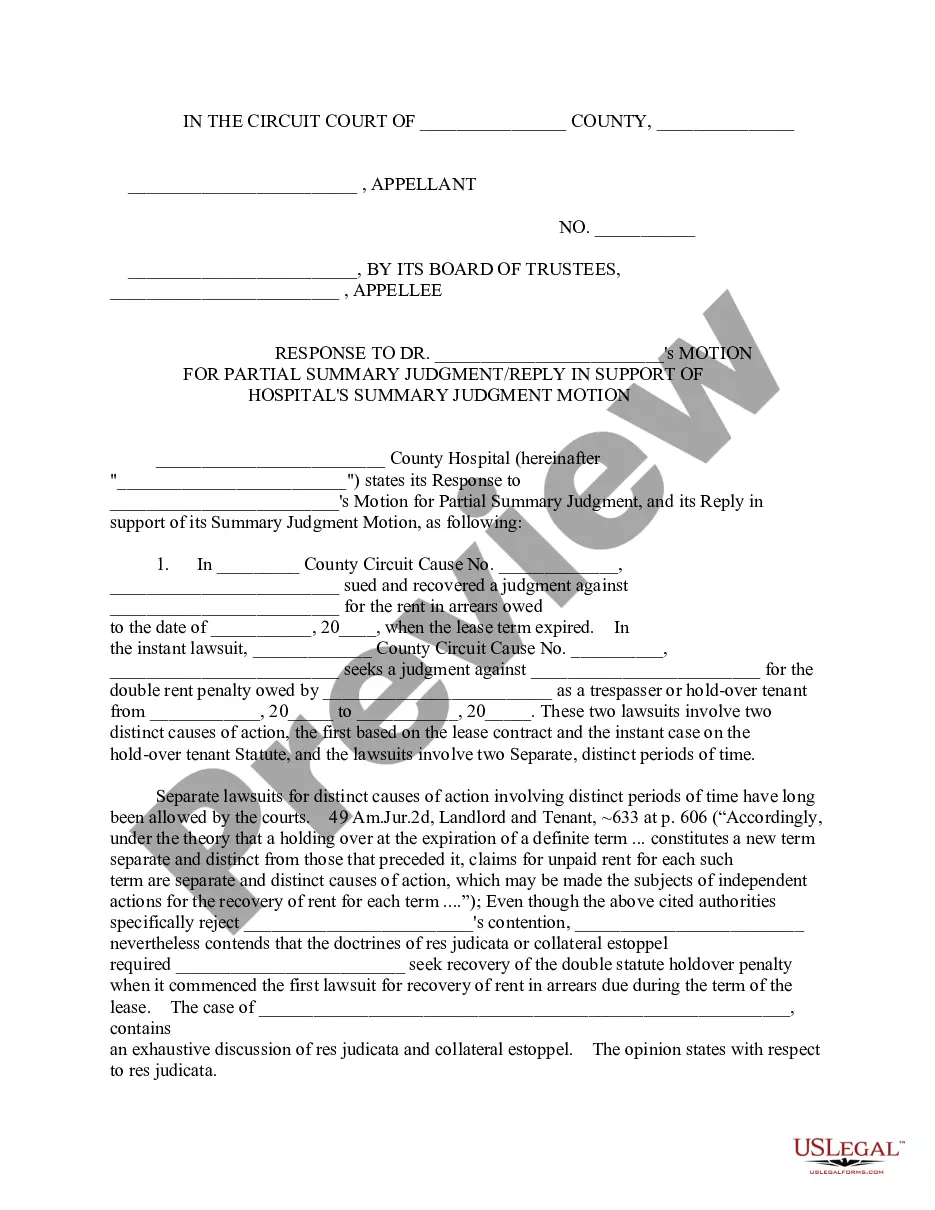
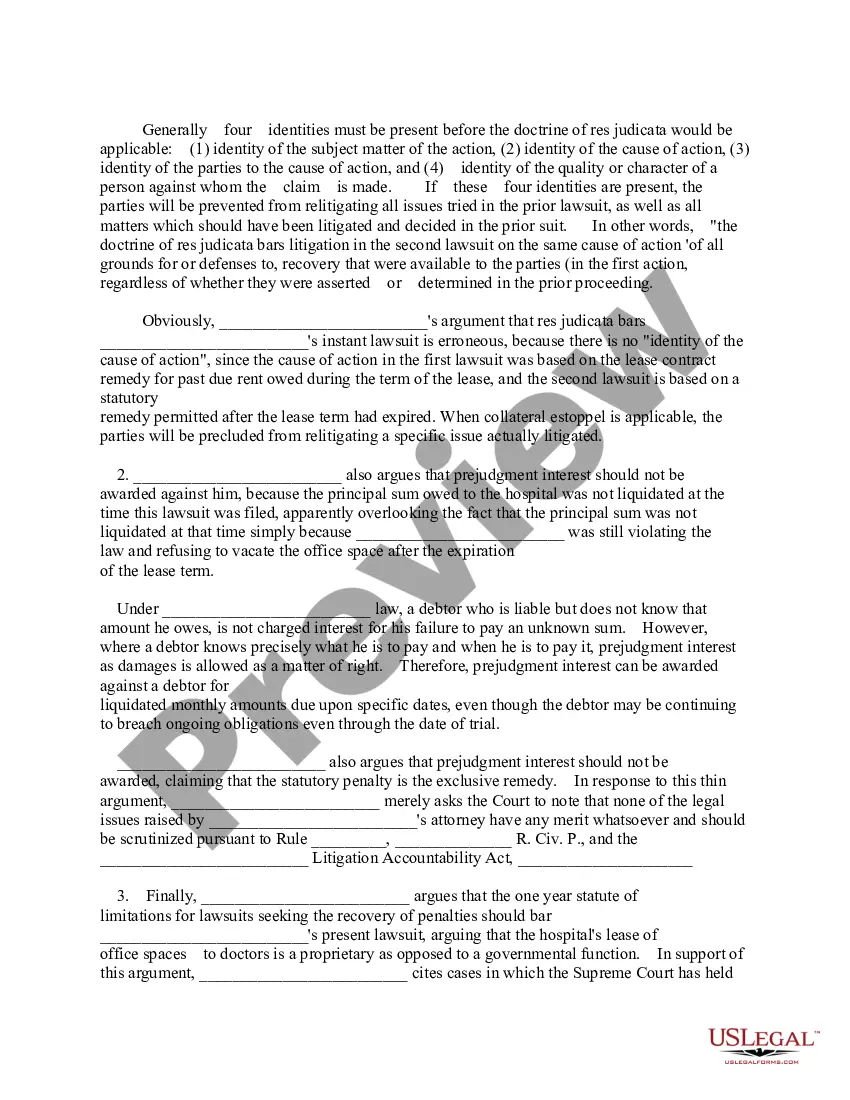
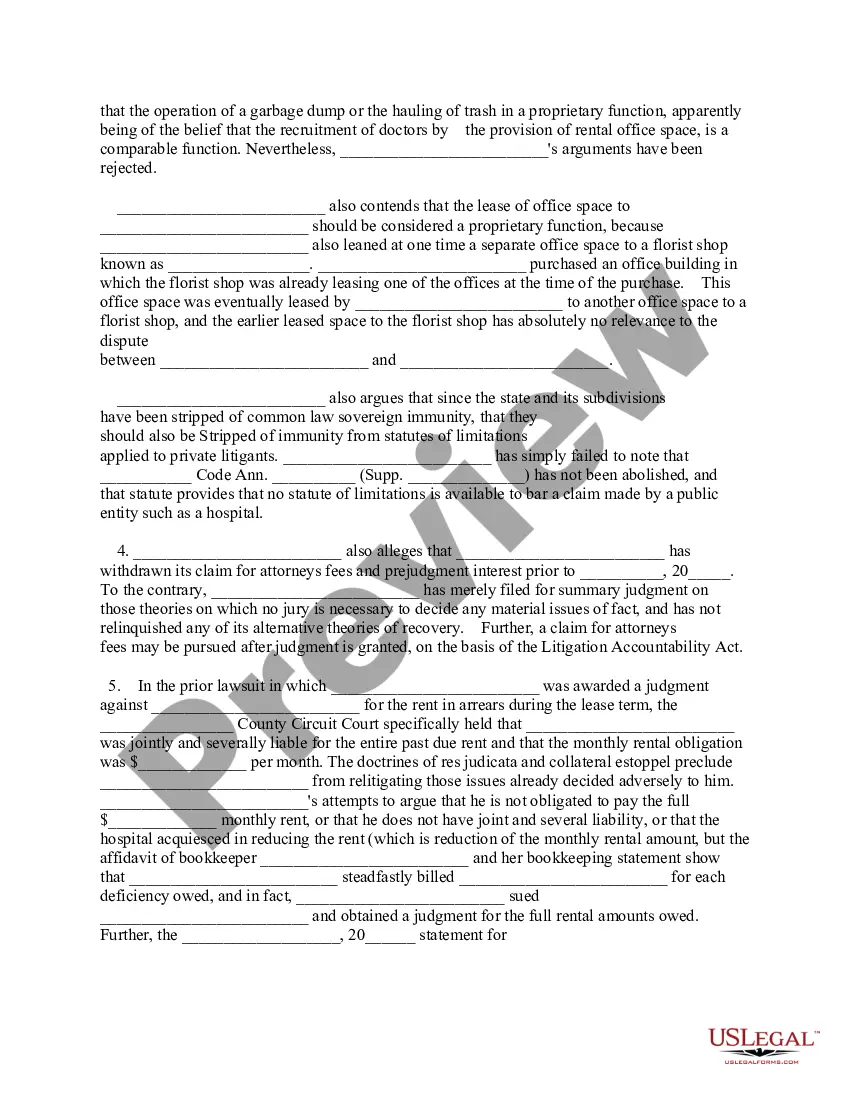

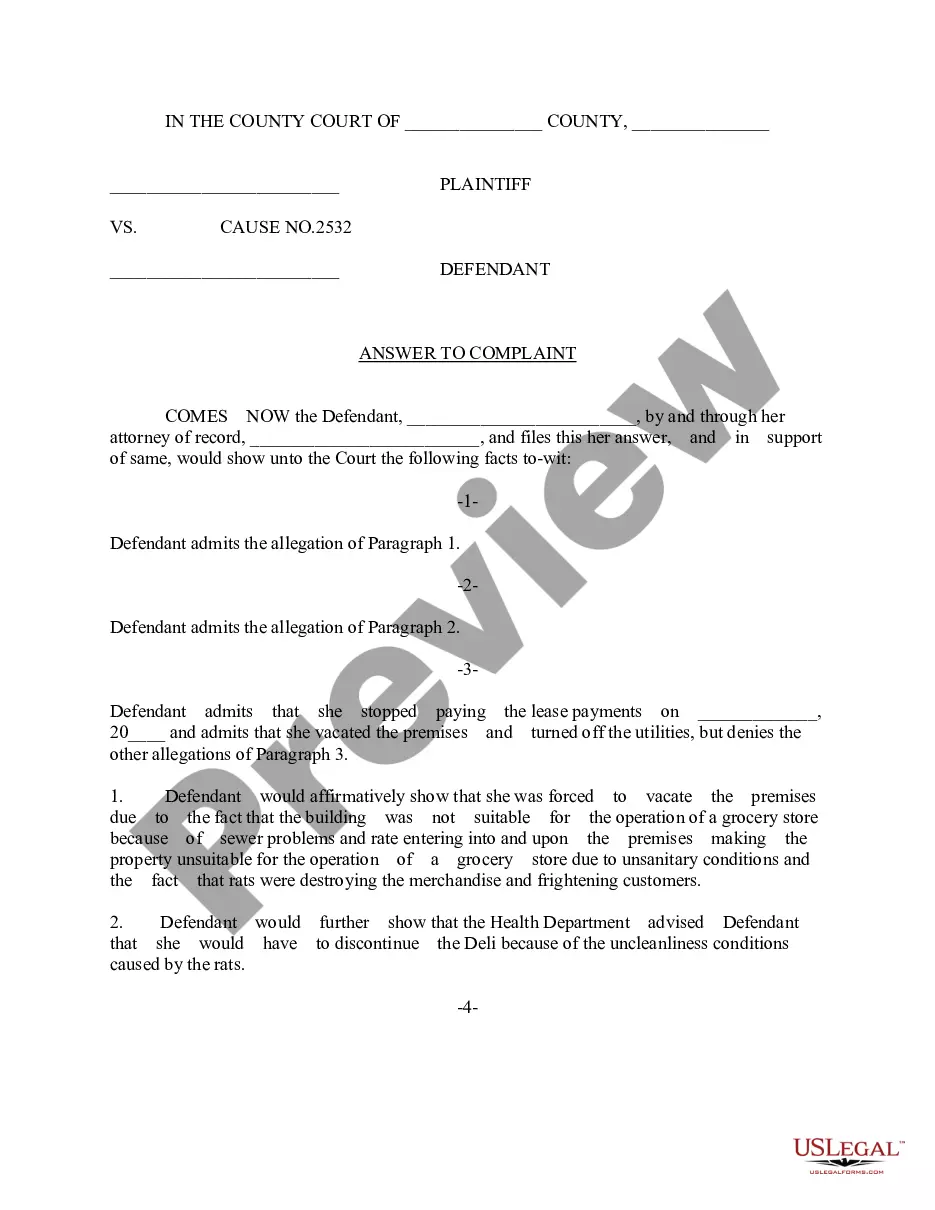
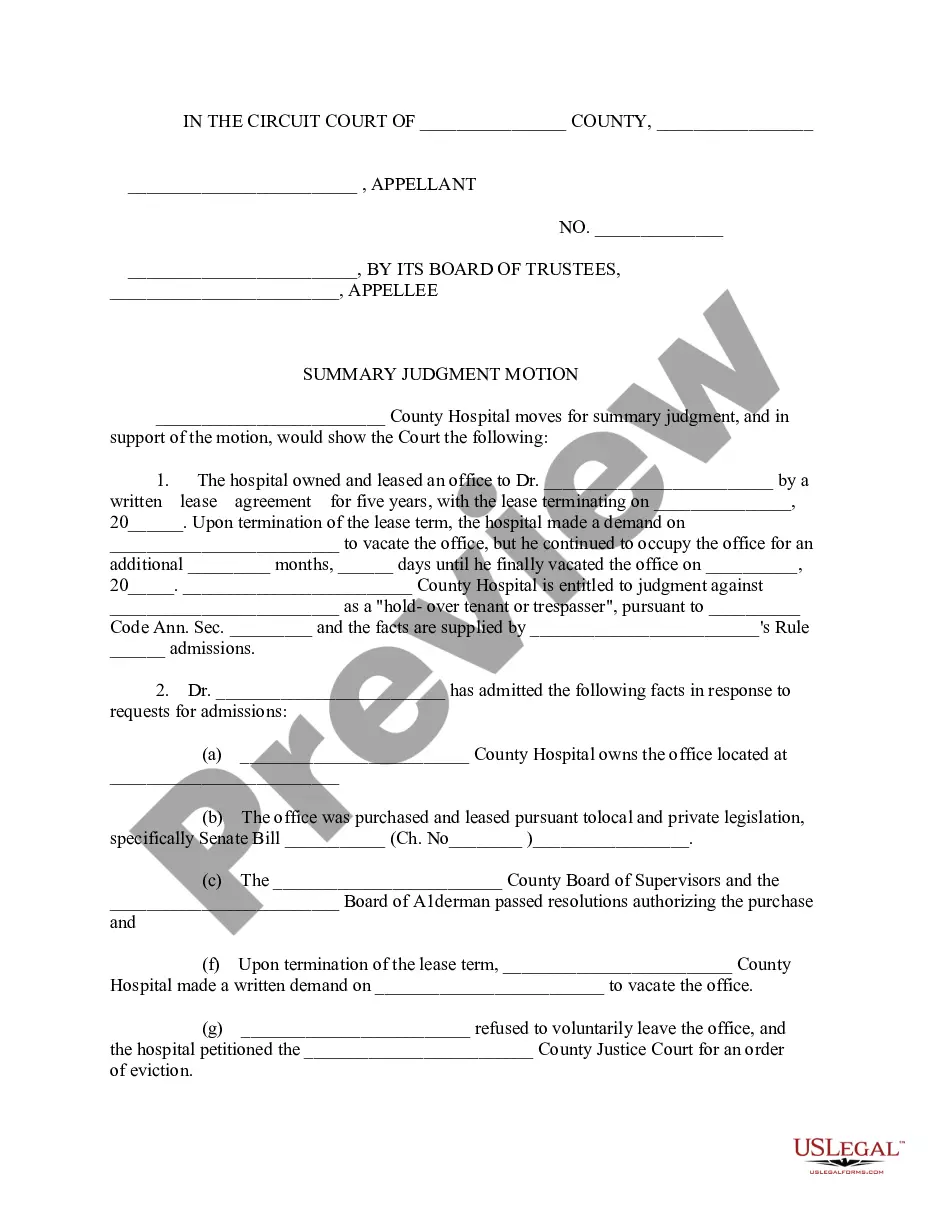
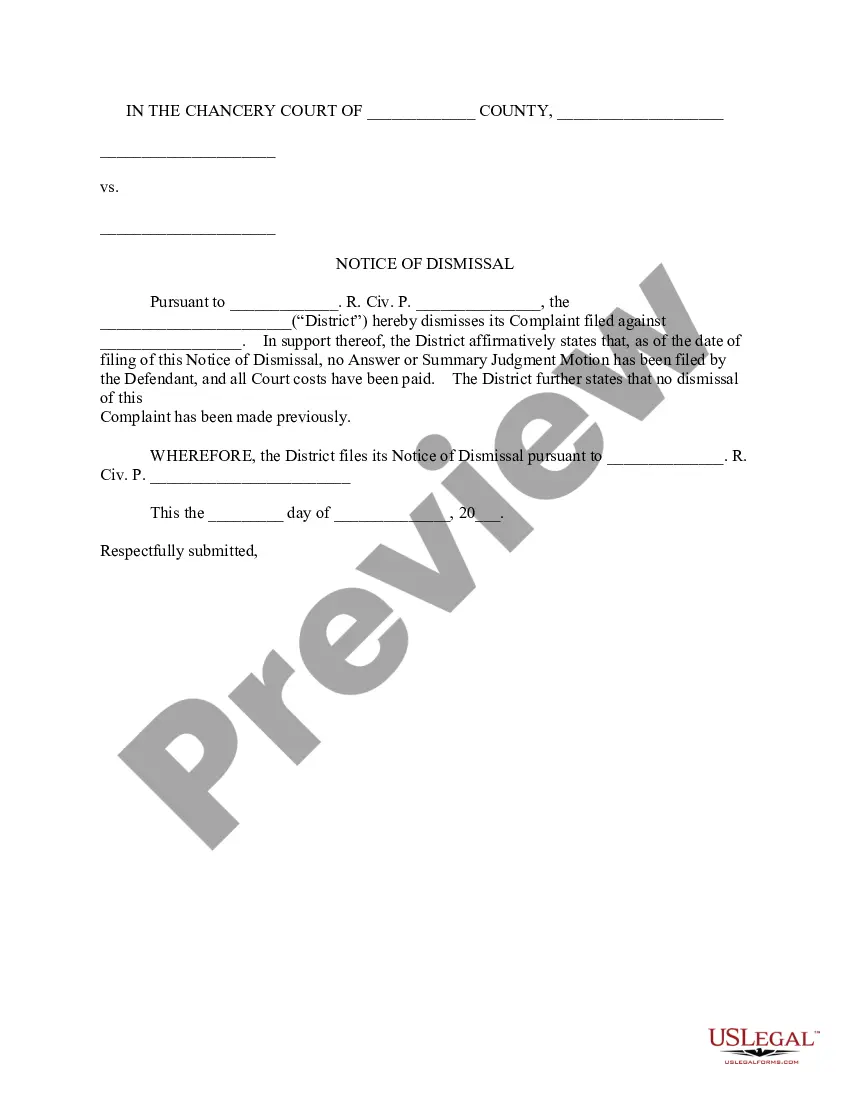
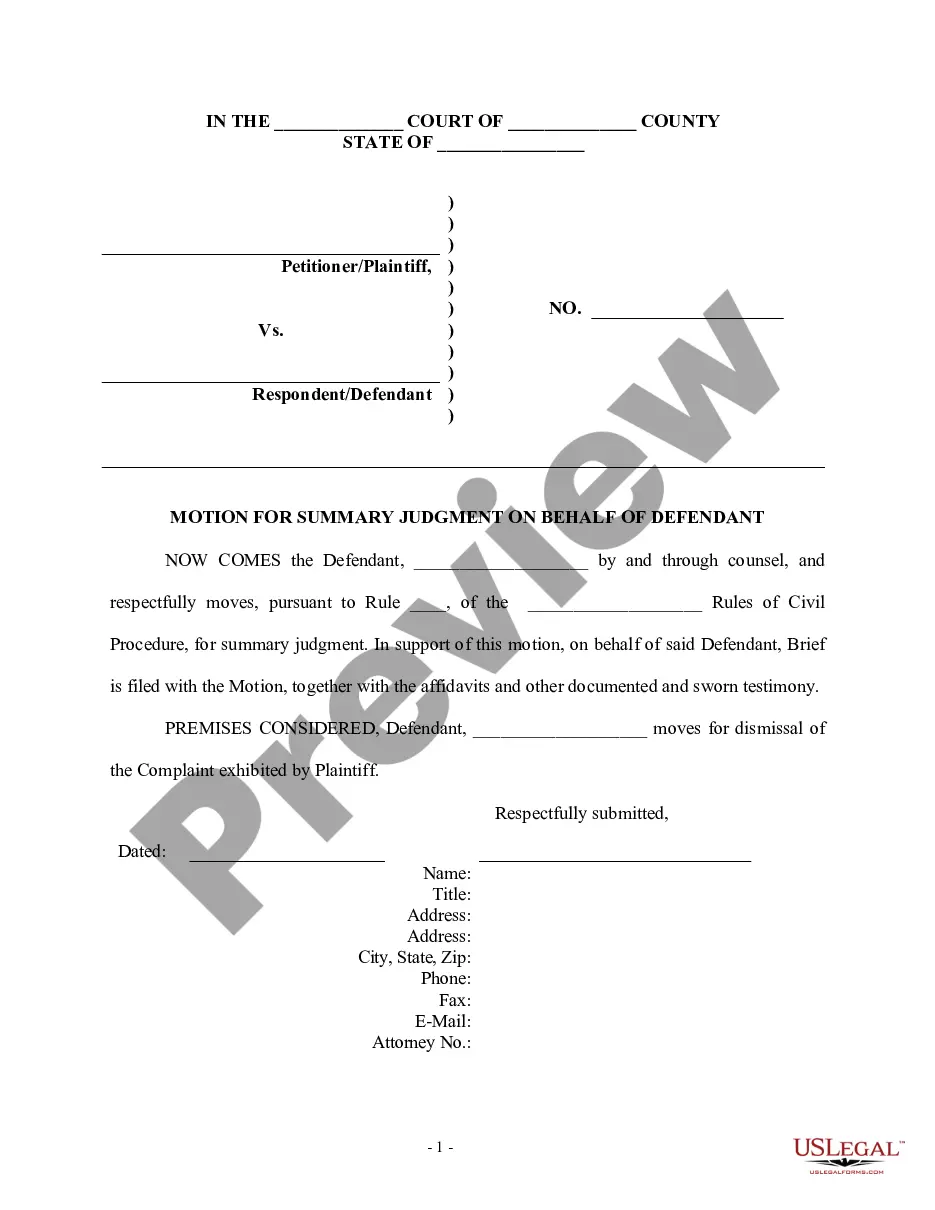
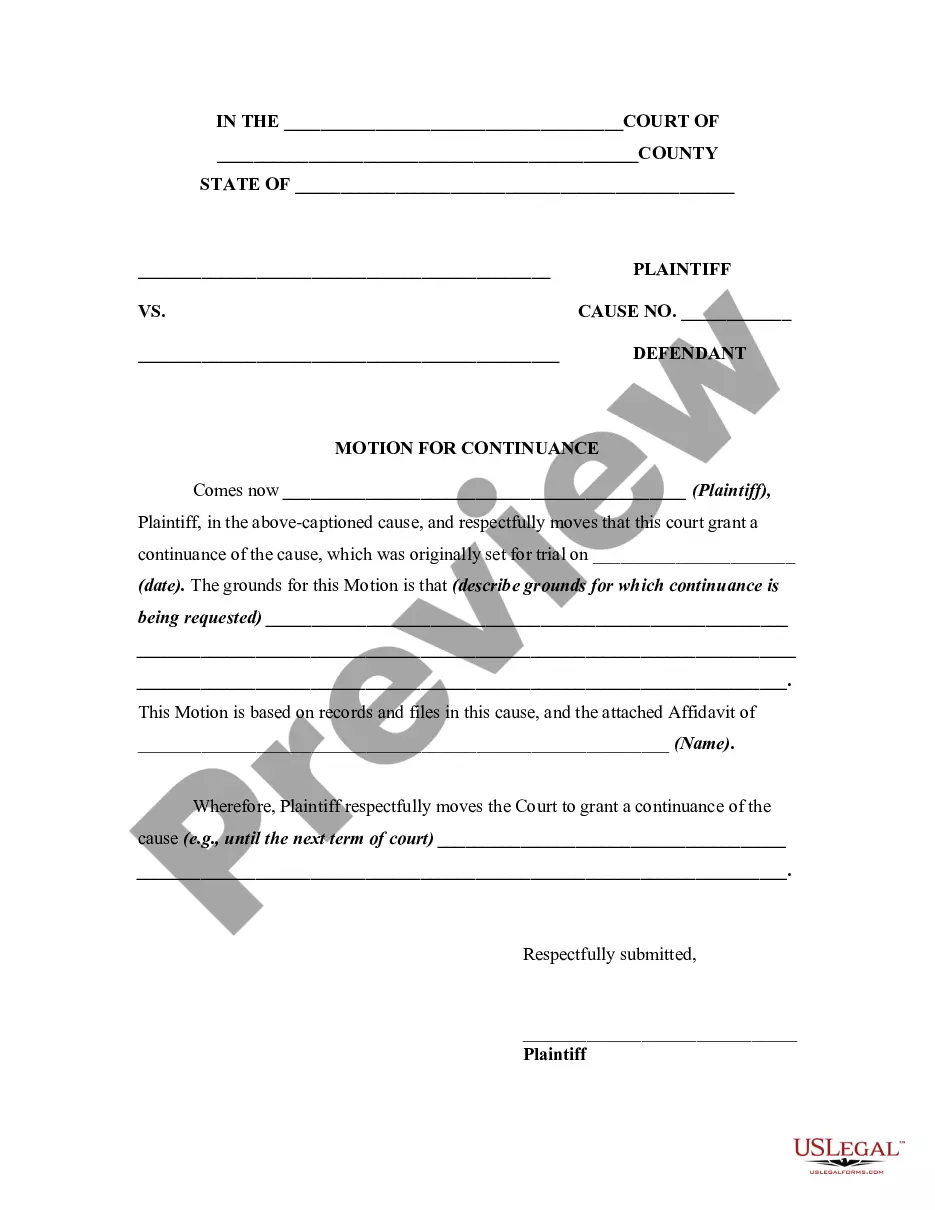
Get your form ready online
Our built-in tools help you complete, sign, share, and store your documents in one place.
Make edits, fill in missing information, and update formatting in US Legal Forms—just like you would in MS Word.
Download a copy, print it, send it by email, or mail it via USPS—whatever works best for your next step.
Sign and collect signatures with our SignNow integration. Send to multiple recipients, set reminders, and more. Go Premium to unlock E-Sign.
If this form requires notarization, complete it online through a secure video call—no need to meet a notary in person or wait for an appointment.
We protect your documents and personal data by following strict security and privacy standards.

Make edits, fill in missing information, and update formatting in US Legal Forms—just like you would in MS Word.

Download a copy, print it, send it by email, or mail it via USPS—whatever works best for your next step.

Sign and collect signatures with our SignNow integration. Send to multiple recipients, set reminders, and more. Go Premium to unlock E-Sign.

If this form requires notarization, complete it online through a secure video call—no need to meet a notary in person or wait for an appointment.

We protect your documents and personal data by following strict security and privacy standards.
Looking for another form?




How to fill out Response To Motion For Partial Summary Judgment In Support Of Hospital's Summary Judgment Motion?
Managing legal paperwork and processes can be a lengthy addition to your overall day.
Motion For Summary Judgment When To File and similar forms often require you to look for them and comprehend how to fill them out correctly.
Therefore, whether you are handling financial, legal, or personal issues, having a comprehensive and convenient online collection of forms when needed will greatly assist you.
US Legal Forms is the leading online platform for legal templates, offering over 85,000 state-specific forms and various resources to help you complete your documents with ease.
Simply Log In to your account, find Motion For Summary Judgment When To File, and obtain it immediately from the My documents section. You can also retrieve previously saved forms.
- Explore the collection of relevant documents accessible to you with just one click.
- US Legal Forms provides state- and county-specific forms available at any time for download.
- Streamline your document management tasks using a reliable service that enables you to prepare any form in minutes without additional or unexpected fees.
Form popularity
FAQ
To file a motion for judgment, begin by researching your local court rules for specific requirements. Draft your motion, clearly stating the grounds for your request and supporting evidence. After you file it with the court, ensure all parties receive a copy. For additional assistance, consider using uslegalforms to access resources tailored for this process.
A motion for judgment is a request made to the court to conclude a case based on the evidence presented, asserting that no factual issues remain for trial. This motion aims to expedite court proceedings by allowing the judge to make a decision without going through a lengthy trial. It's vital to understand how to prepare this motion properly. If you need assistance, platforms like uslegalforms can provide valuable resources.
You can file for summary judgment when there is no genuine dispute of material fact in your case. This means that the evidence is so clear that a reasonable person could only decide in your favor. Typically, you must file the motion after the discovery phase, but before the trial begins. Understanding the right timing is crucial for a successful motion for summary judgment.
An example of Judgment as a Matter of Law occurs when a plaintiff presents evidence that essentially captures every crucial element of a legal claim, leaving nothing for the defendant to contest. For instance, if a plaintiff demonstrates that a defendant caused an accident without any contradictory evidence, the court could rule in favor of the plaintiff immediately. This context also illustrates the importance of understanding when to file a motion for summary judgment. Utilize US Legal Forms to explore more examples and refine your legal strategies.
Rule 50 refers to Judgment as a Matter of Law, allowing a judge to remove a case from a jury's consideration if the evidence supports a conclusion in favor of one party. It is essential to know when to file such a motion, particularly if you believe the opposing party has not met the required legal standards. In the context of your case, filing a motion for summary judgment can also prepare you to challenge insufficient evidence by the other party. Resources from US Legal Forms can guide you through this complex process.
Filing a motion for summary judgment can lead to downsides, such as the possibility of the motion being denied, which may strengthen your opponent's case. Additionally, it can increase overall legal costs and extend timelines. Make sure your evidence is robust and conclusive to avoid these pitfalls. A thorough approach, possibly aided by US Legal Forms, can help mitigate risks in the process.
Filing a motion for summary judgment provides a strategic advantage in legal proceedings. By filing this motion, you seek to resolve your case quickly and efficiently, potentially avoiding the high costs and lengthy process of a trial. It is essential to determine the right moment to file; doing so can lead to a favorable outcome by highlighting the lack of genuine disputes regarding material facts. Utilizing a platform like US Legal Forms can simplify the process, providing you with the necessary resources and templates to craft an effective motion for summary judgment when to file.