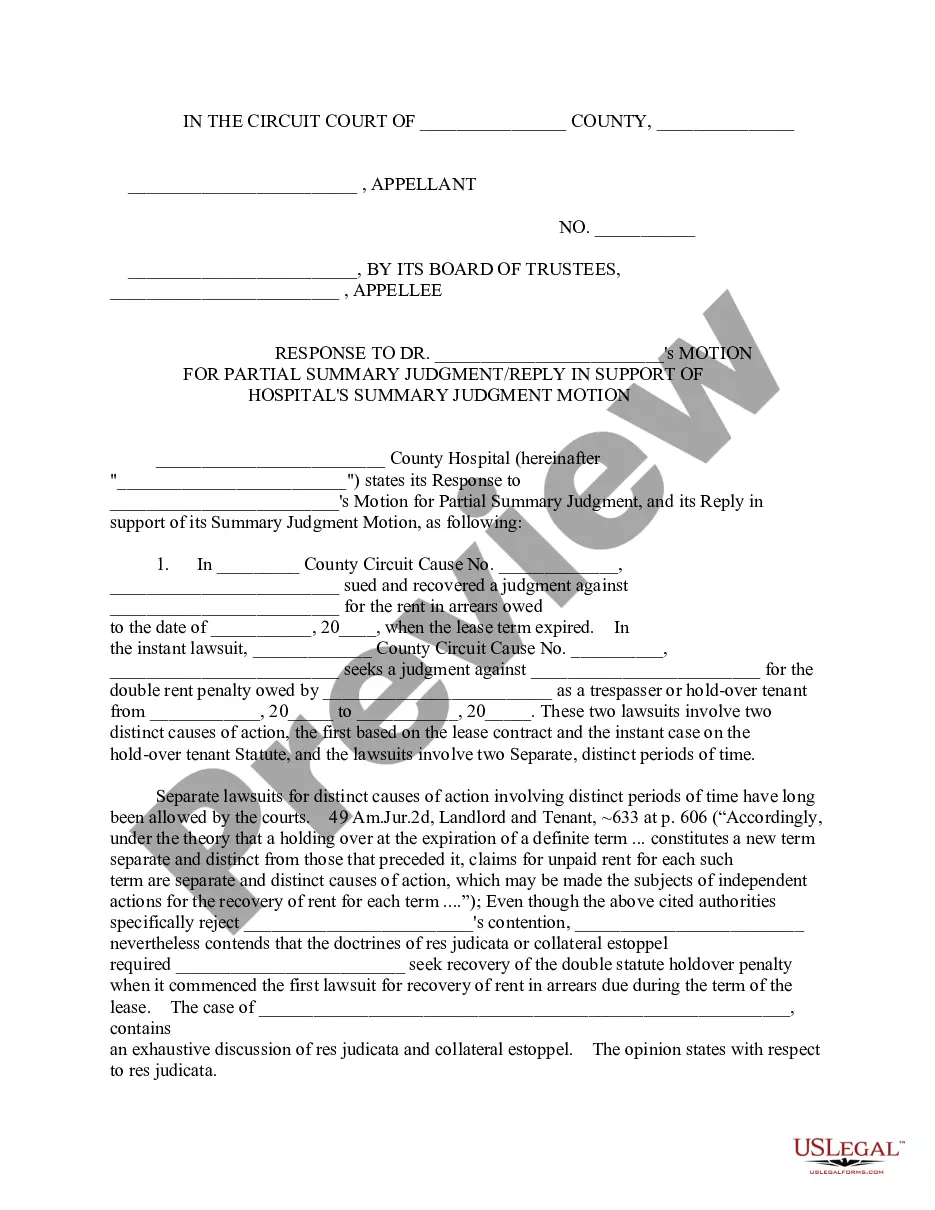
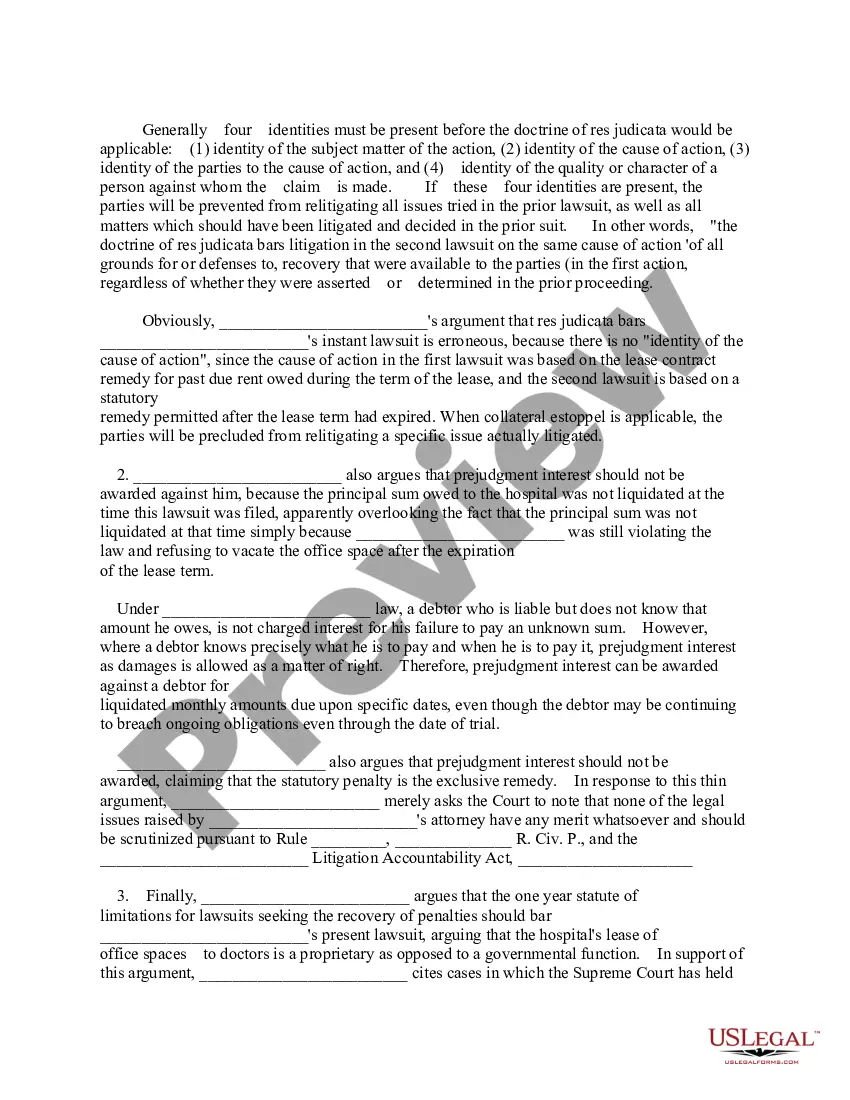
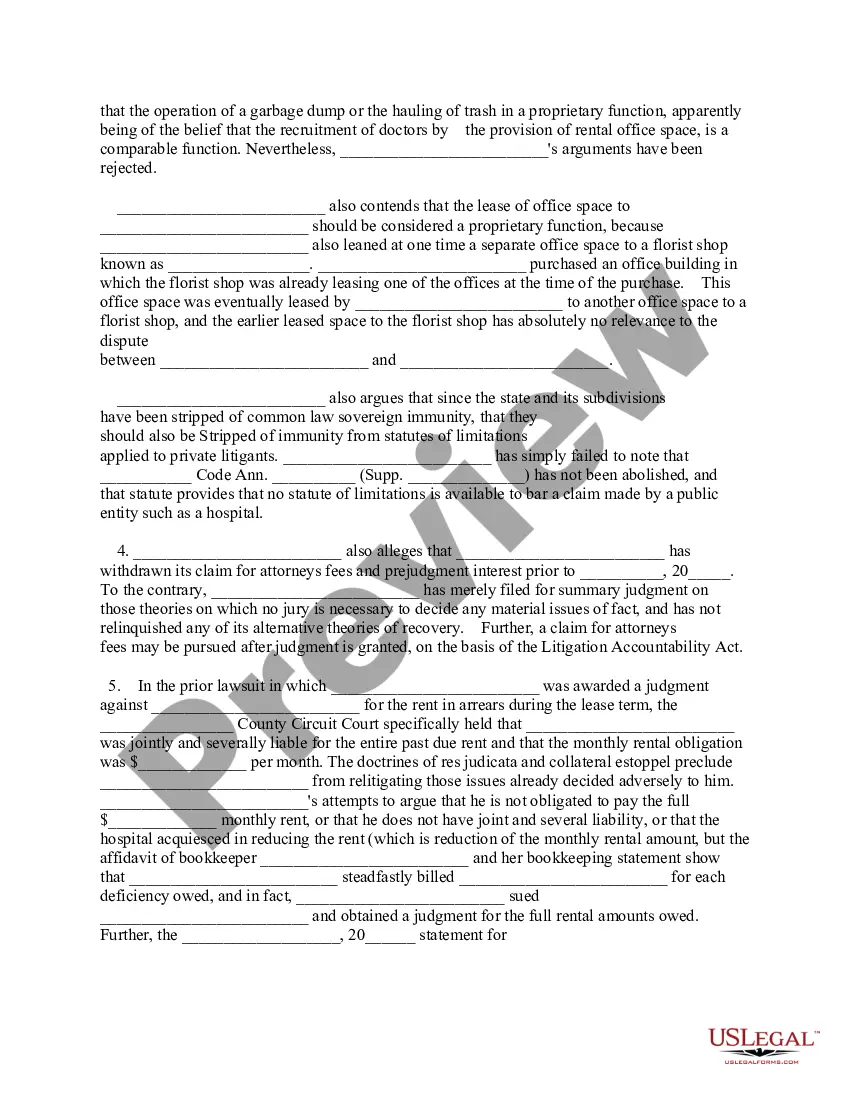
Motion For Summary Judgment Format
Description
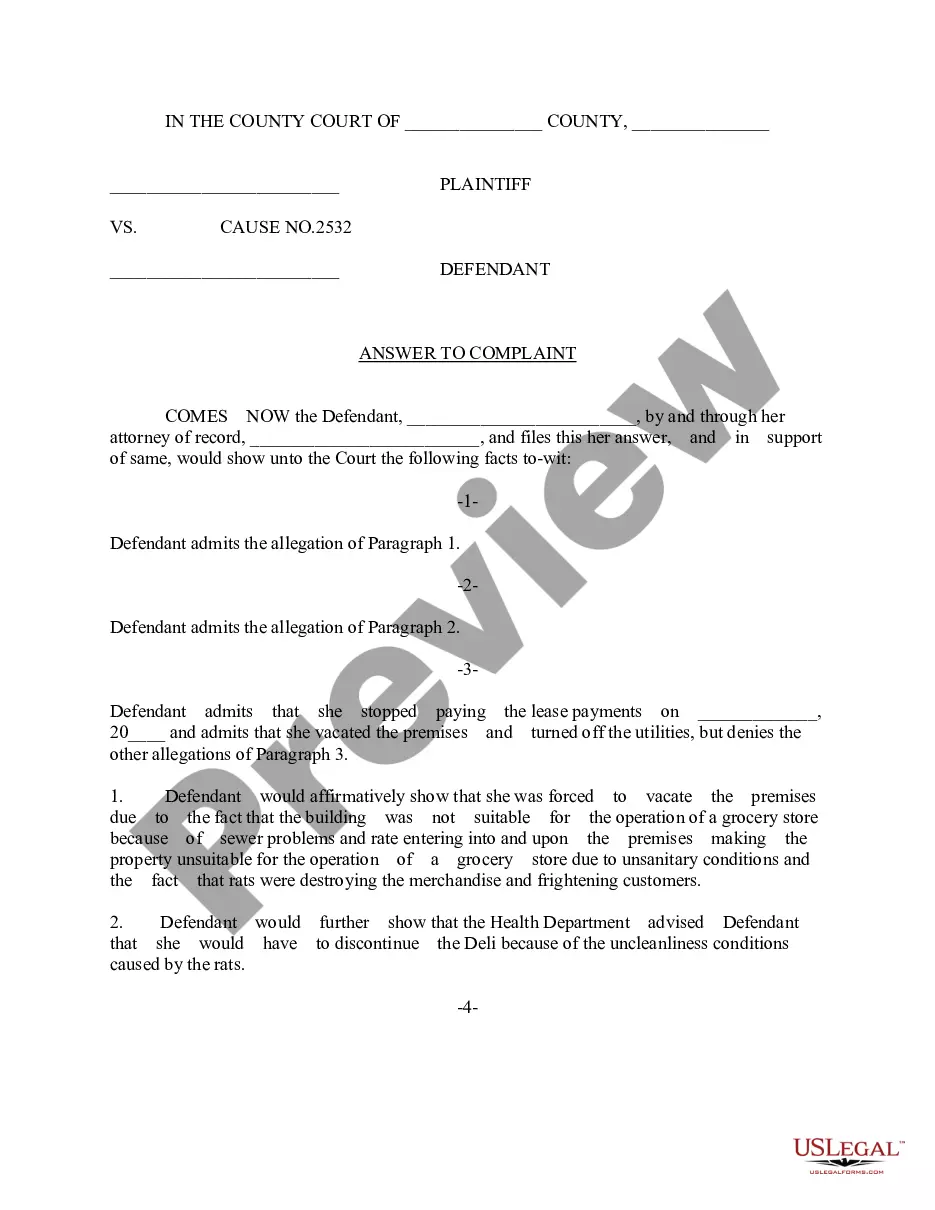
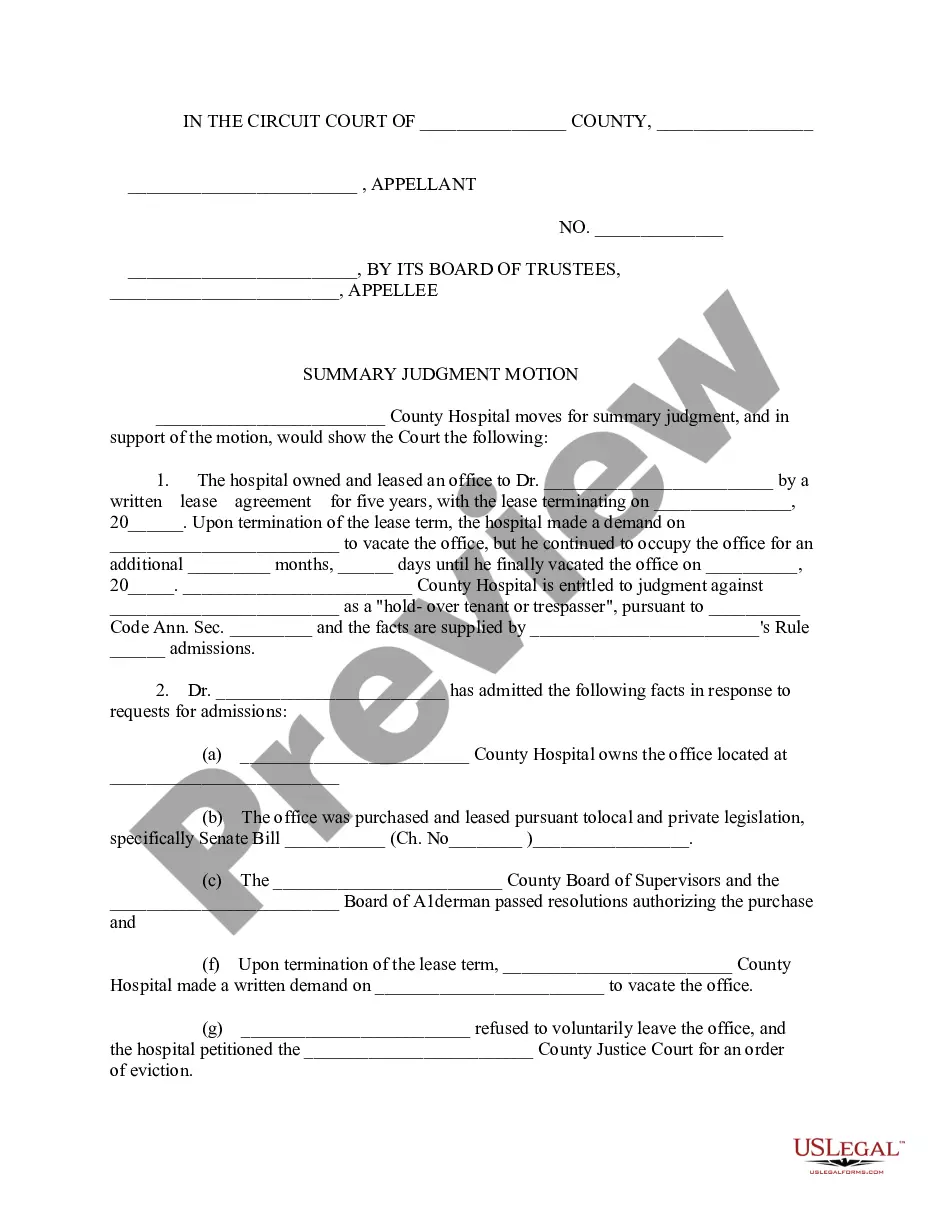
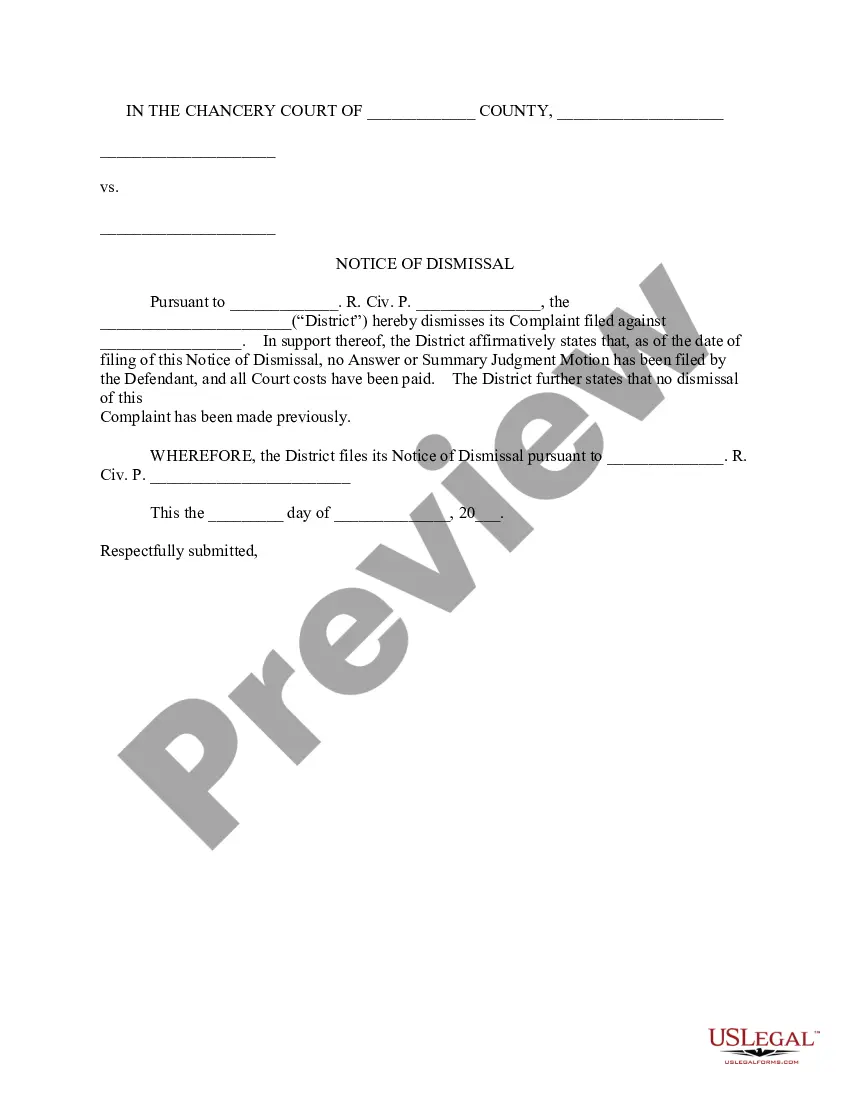
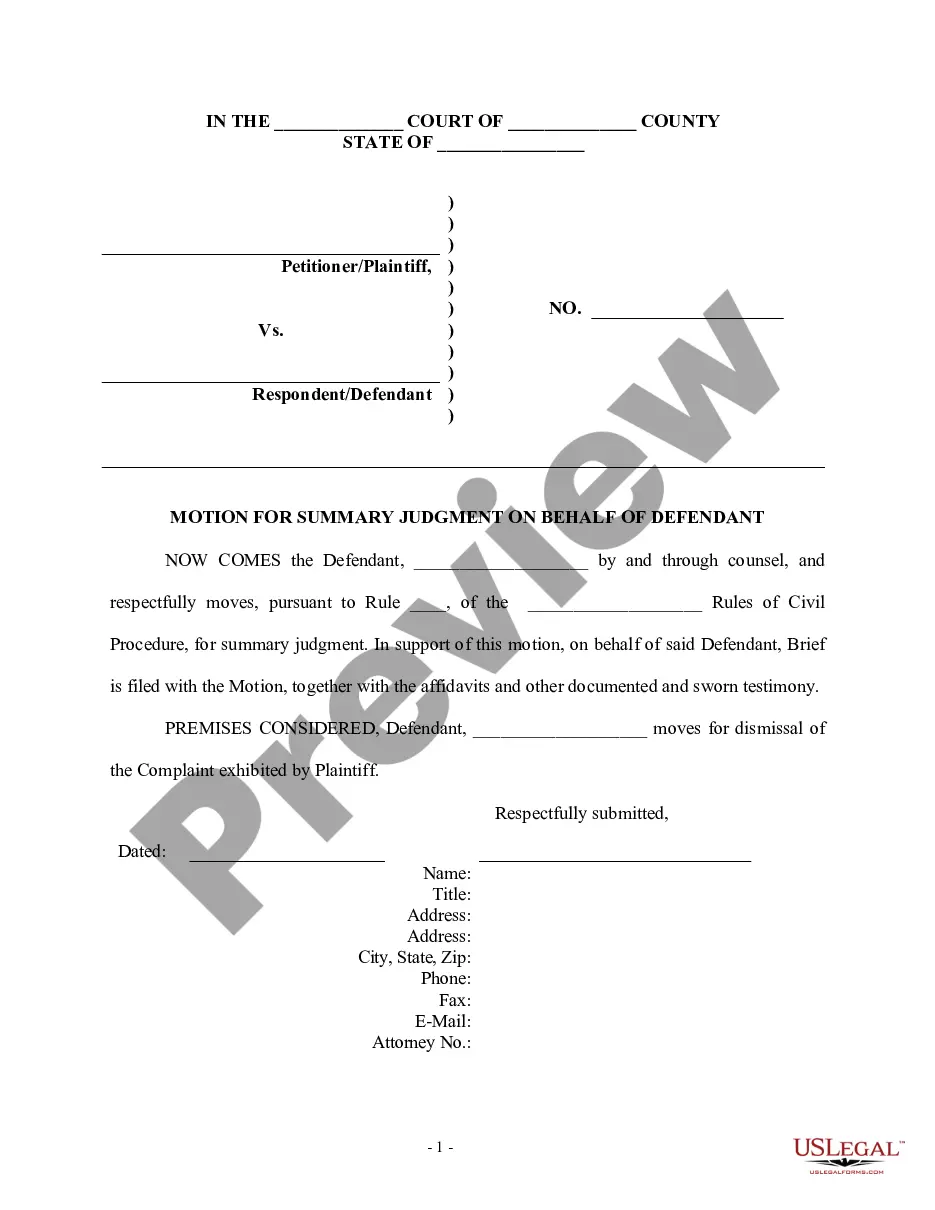
Get your form ready online
Our built-in tools help you complete, sign, share, and store your documents in one place.
Make edits, fill in missing information, and update formatting in US Legal Forms—just like you would in MS Word.
Download a copy, print it, send it by email, or mail it via USPS—whatever works best for your next step.
Sign and collect signatures with our SignNow integration. Send to multiple recipients, set reminders, and more. Go Premium to unlock E-Sign.
If this form requires notarization, complete it online through a secure video call—no need to meet a notary in person or wait for an appointment.
We protect your documents and personal data by following strict security and privacy standards.

Make edits, fill in missing information, and update formatting in US Legal Forms—just like you would in MS Word.

Download a copy, print it, send it by email, or mail it via USPS—whatever works best for your next step.

Sign and collect signatures with our SignNow integration. Send to multiple recipients, set reminders, and more. Go Premium to unlock E-Sign.

If this form requires notarization, complete it online through a secure video call—no need to meet a notary in person or wait for an appointment.

We protect your documents and personal data by following strict security and privacy standards.
Looking for another form?



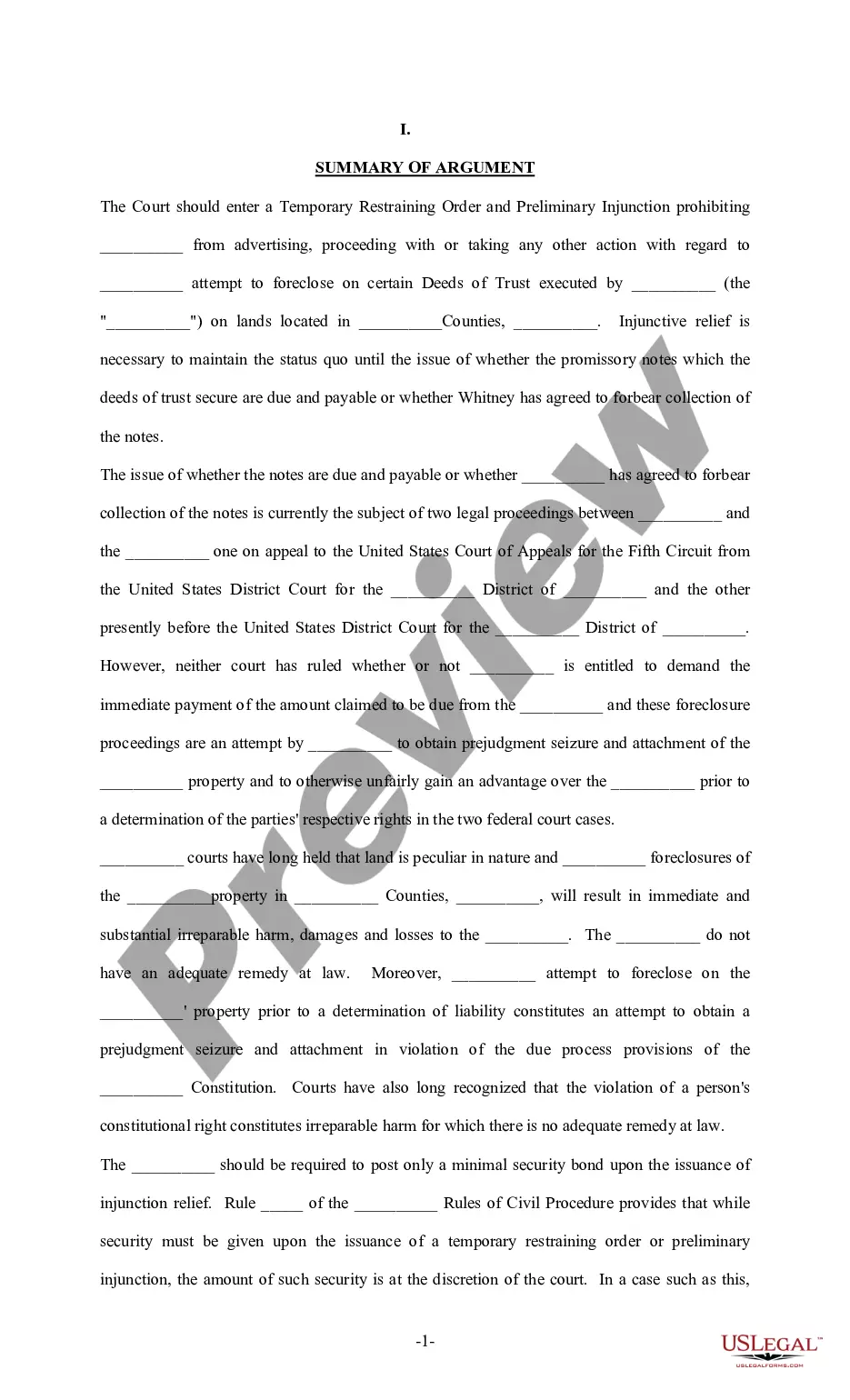
How to fill out Response To Motion For Partial Summary Judgment In Support Of Hospital's Summary Judgment Motion?
The Motion For Summary Judgment Template you see on this page is a reusable legal form crafted by expert lawyers in accordance with federal and state laws.
For over 25 years, US Legal Forms has supplied individuals, companies, and lawyers with more than 85,000 validated, state-specific documents for any professional and personal circumstance. It’s the fastest, simplest, and most reliable method to obtain the paperwork you require, as the service promises bank-standard data protection and anti-malware safeguards.
Register for US Legal Forms to have verified legal templates for every aspect of life readily available.
- Search for the document you require and review it.
- Examine the file you searched and preview it or analyze the form details to confirm it meets your needs. If it doesn’t, use the search function to locate the right one. Click Buy Now once you have located the format you require.
- Register and sign in.
- Choose the payment plan that fits you and create an account. Use PayPal or a credit card to complete a swift payment. If you already possess an account, Log In and verify your subscription to continue.
- Obtain the fillable form.
- Select the format you prefer for your Motion For Summary Judgment Template (PDF, Word, RTF) and download the template to your device.
- Complete and sign the document.
- Print the template to fill it out manually. Alternatively, use an online multifunction PDF editor to swiftly and accurately complete and sign your document with a valid.
- Redownload your documents as needed.
- Access the same document again when necessary. Go to the My documents tab in your profile to redownload any previously acquired forms.
Form popularity
FAQ
To request a summary judgment, you must file the appropriate motion with the court, accompanied by supporting documents that demonstrate the absence of factual disputes. Your request should clearly articulate your arguments and rely on evidence, such as affidavits or depositions. Familiarizing yourself with the motion for summary judgment format will help streamline the process. The US Legal Forms platform can guide you through each step effectively.
To format a motion for summary judgment, you should adhere to court-specific guidelines, which often outline necessary sections such as the introduction, statement of facts, argument, and conclusion. Writing in clear and concise language is essential to enhance understanding. The motion for summary judgment format should also include citations to relevant laws and supporting evidence. Utilize resources like US Legal Forms to ensure you follow the proper format.
You have a right to attend most court proceedings in Virginia state courts. However, your right of access is not absolute, and a court can restrict your access under certain circumstances.
A hearing shall be held by the court, as provided herein, and the court shall rule on any such motions not later than forty-five days after the date of judgment, not including the date of entry of such judgment.
This form is to be used to recover fees and other allowable expenses incurred by court-appointed counsel, guardians ad litem, expert witnesses, court reporters, mediators, and others authorized by the court.
Motions may be filed for the same purposes recognized by the courts of record in the Commonwealth. Unless otherwise ordered by the commission, any response to a motion must be filed within 14 days of the filing of the motion, and any reply by the moving party must be filed within 10 days of the filing of the response.
Public records maintained by a clerk of court, including nonconfidential court records maintained in individual case files, should be requested from the clerk of court. Information on requesting records from a clerk of court is available in the document Requesting Public Records from Clerks of Court.
Absent leave of court, if a brief in support of a motion is five or fewer pages in length, the required notice and the brief shall be filed and served at least 14 days before the hearing and any brief in opposition to the motion shall be filed and served at least seven days before the hearing.
Rule . Pretrial Conferences. In cases set for trial for five days or more, upon request of any counsel of record, made at least 45 days before trial, the court must schedule a final pretrial conference within an appropriate time before commencement of trial.
Rule . ? All final judgments, orders, and decrees, irrespective of terms of court, remain under the control of the trial court and may be modified, vacated, or suspended for twenty-one days after the date of entry, and no longer.