Lease Personal Guarantee
Description
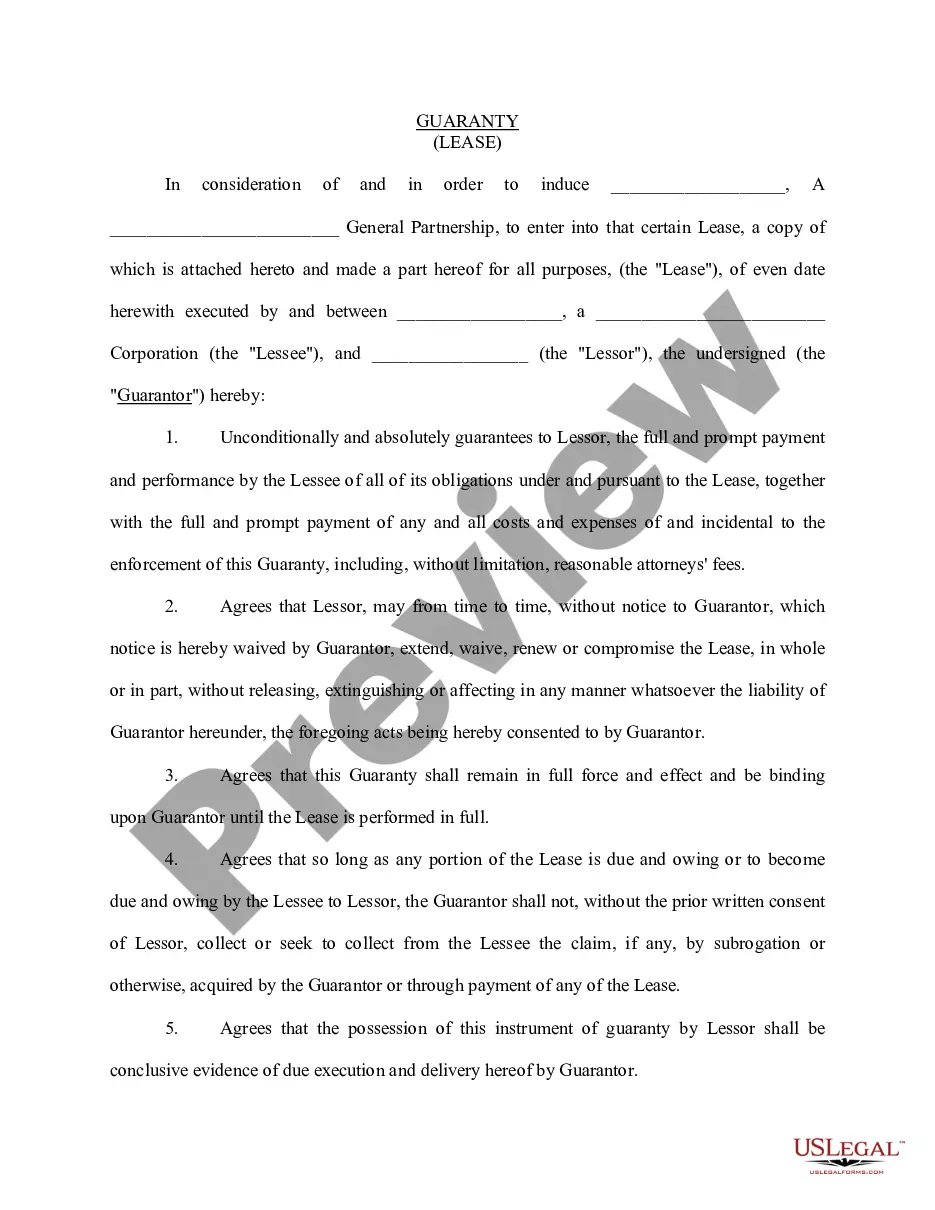
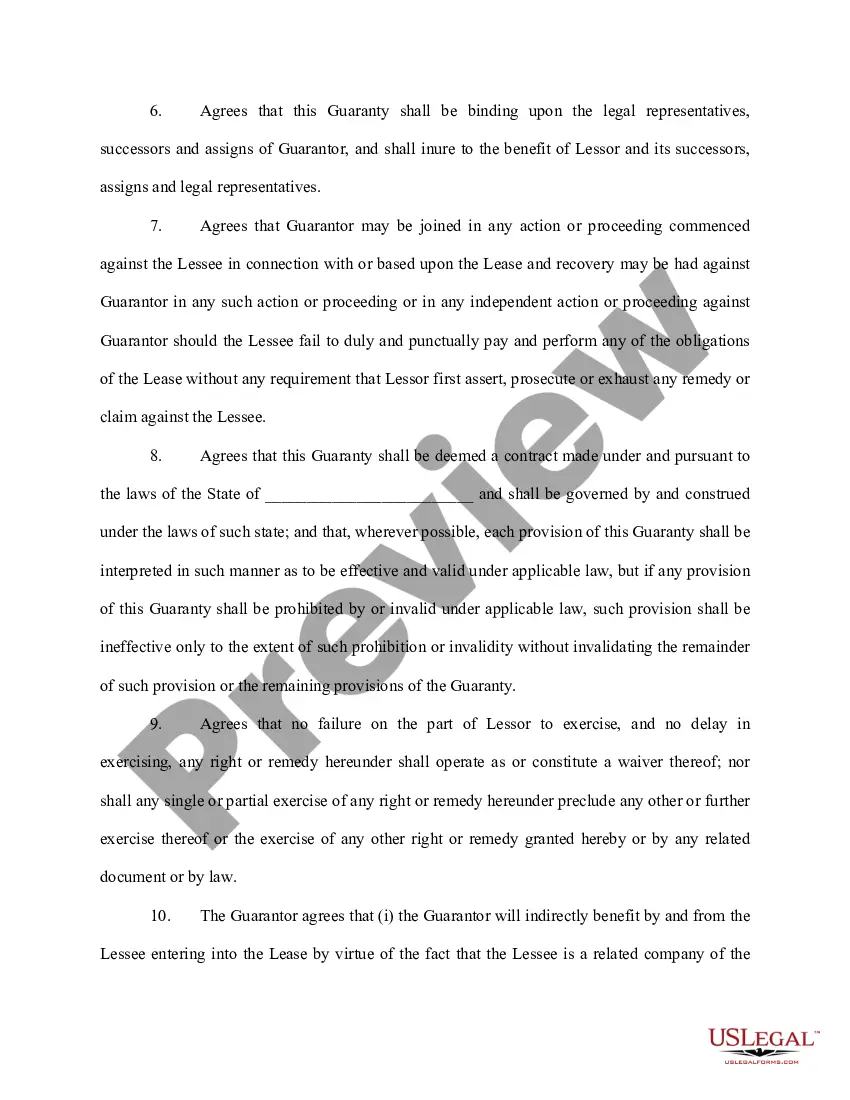
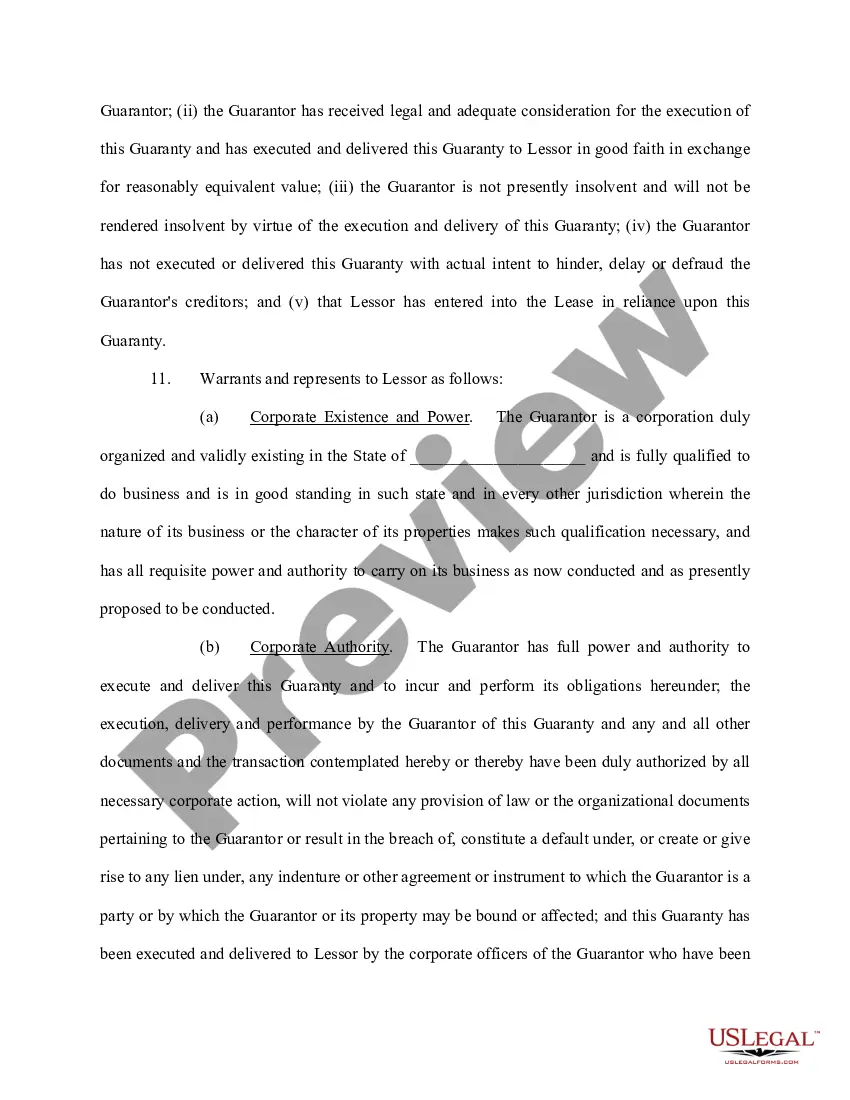
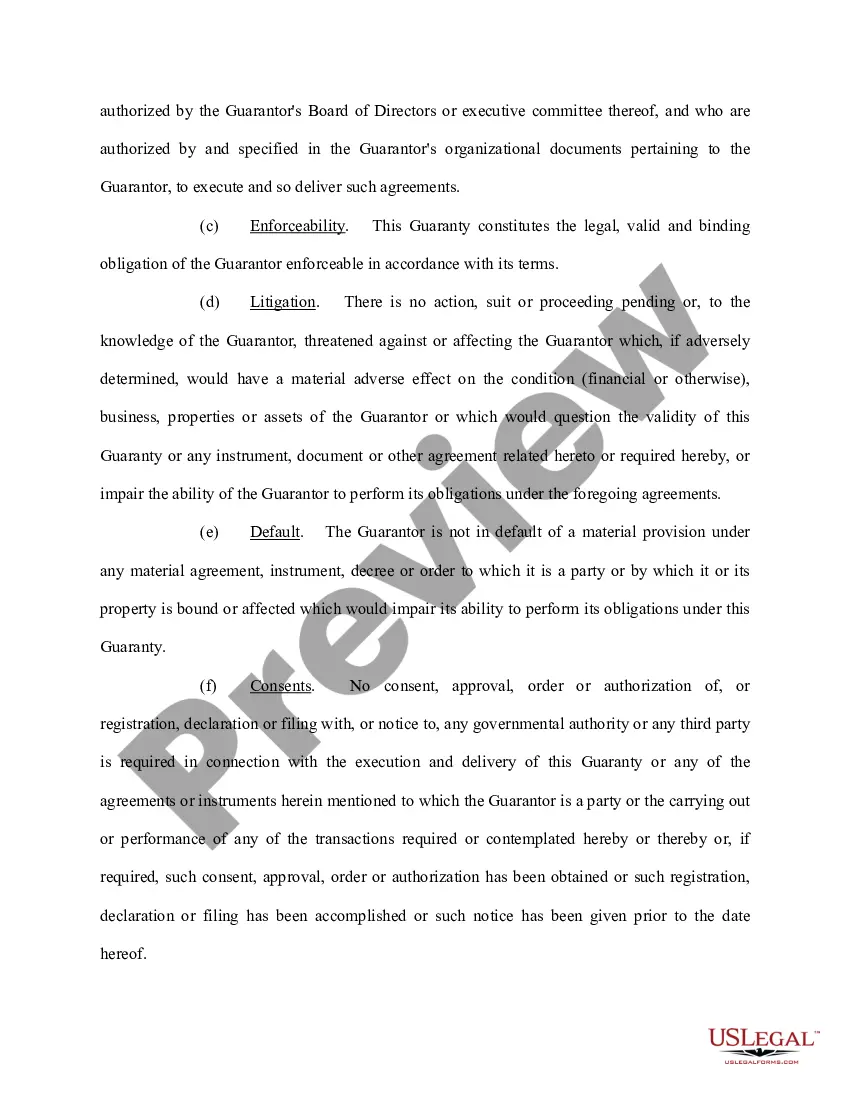
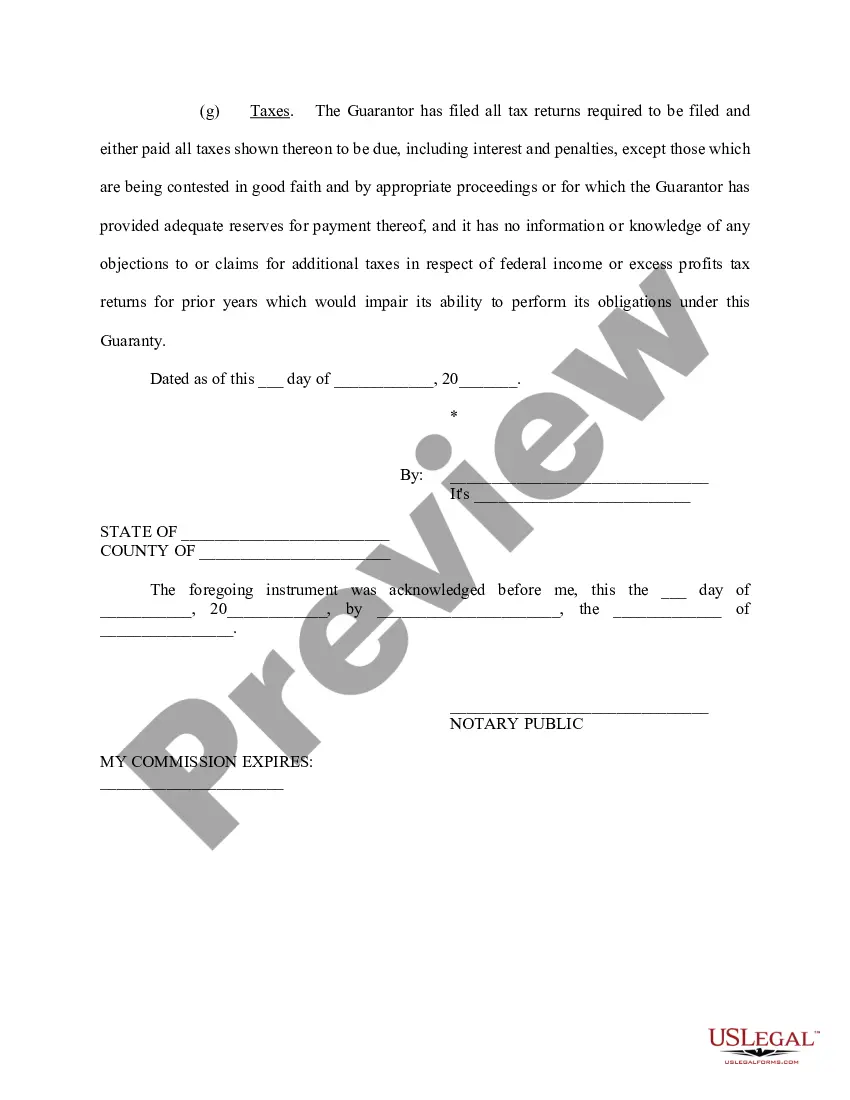
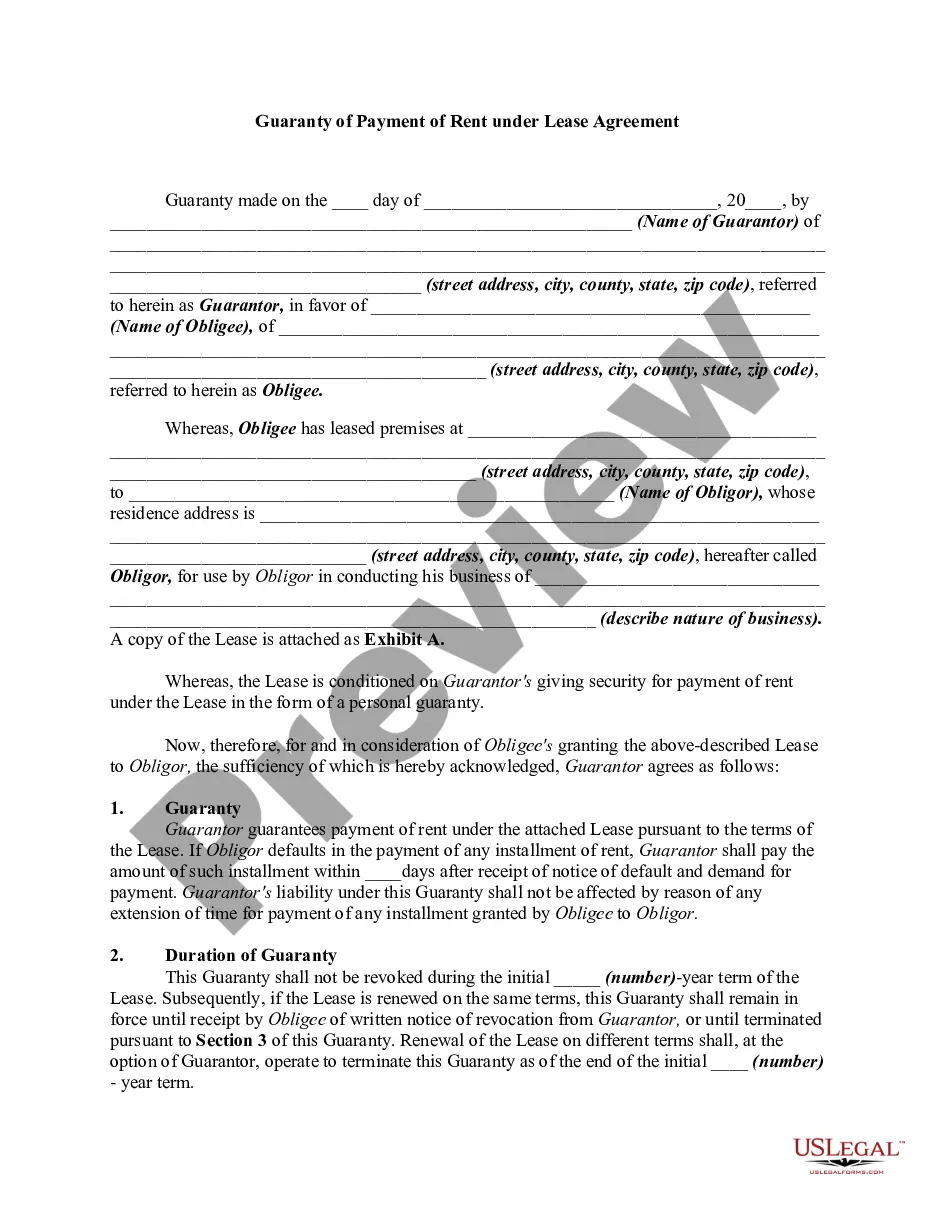
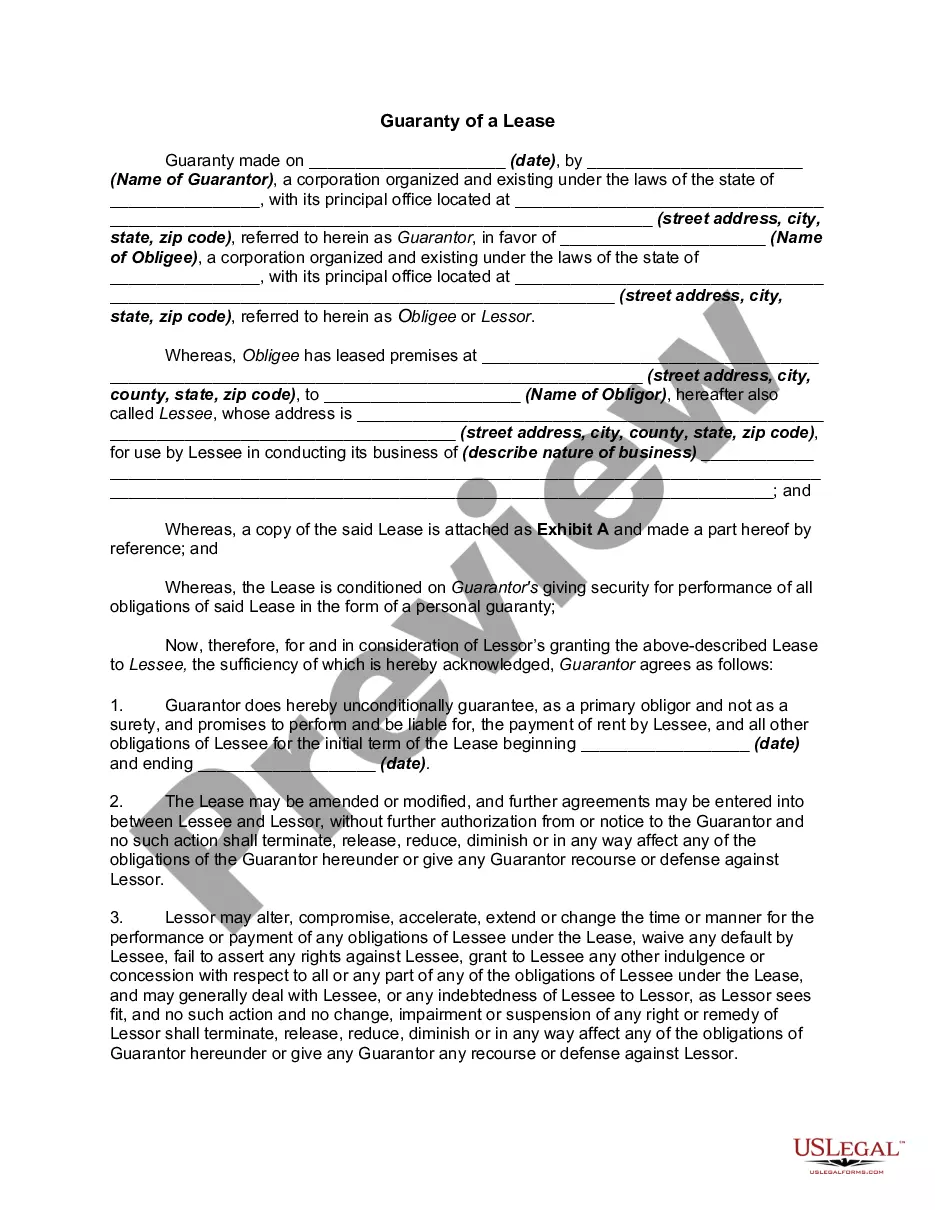
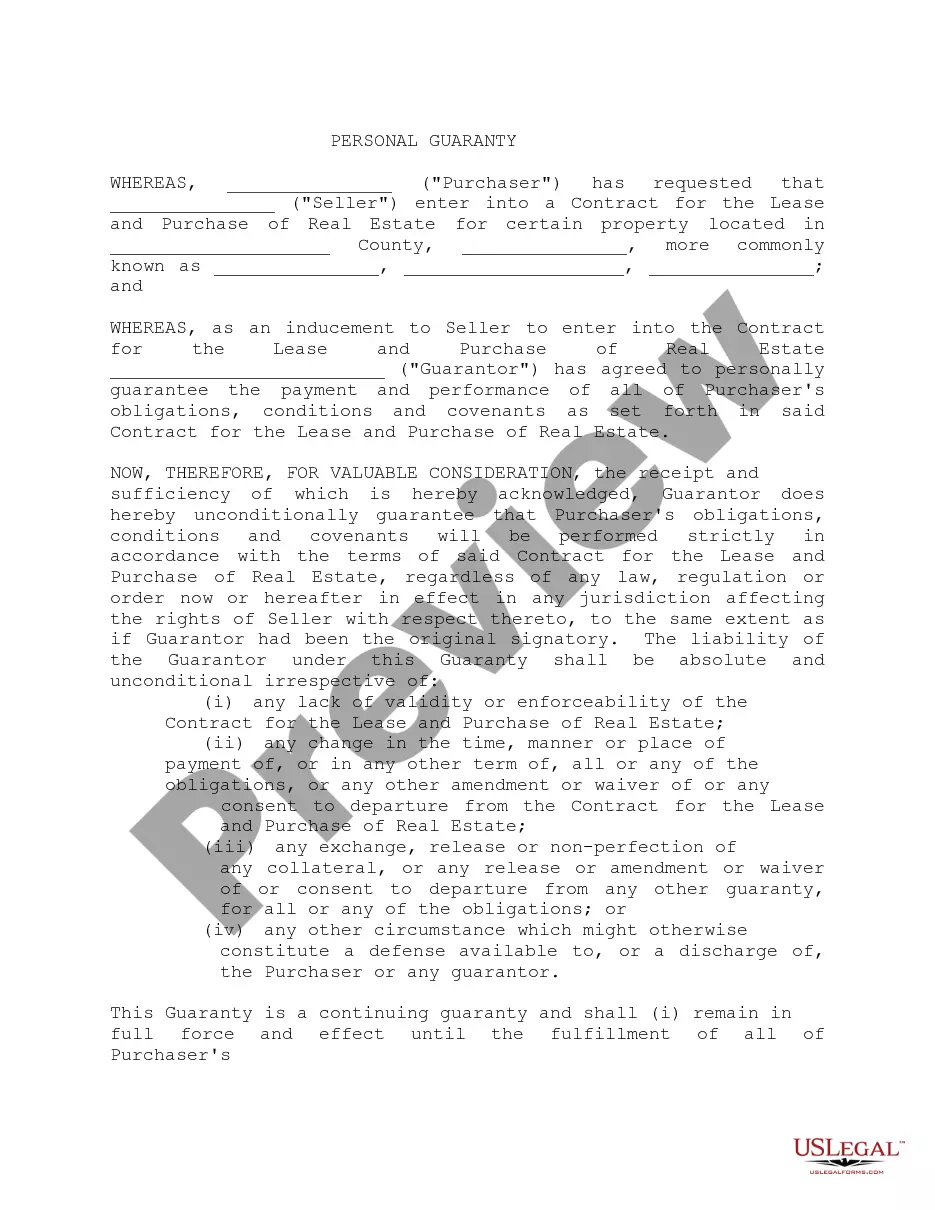
Get your form ready online
Our built-in tools help you complete, sign, share, and store your documents in one place.
Make edits, fill in missing information, and update formatting in US Legal Forms—just like you would in MS Word.
Download a copy, print it, send it by email, or mail it via USPS—whatever works best for your next step.
Sign and collect signatures with our SignNow integration. Send to multiple recipients, set reminders, and more. Go Premium to unlock E-Sign.
If this form requires notarization, complete it online through a secure video call—no need to meet a notary in person or wait for an appointment.
We protect your documents and personal data by following strict security and privacy standards.

Make edits, fill in missing information, and update formatting in US Legal Forms—just like you would in MS Word.

Download a copy, print it, send it by email, or mail it via USPS—whatever works best for your next step.

Sign and collect signatures with our SignNow integration. Send to multiple recipients, set reminders, and more. Go Premium to unlock E-Sign.

If this form requires notarization, complete it online through a secure video call—no need to meet a notary in person or wait for an appointment.

We protect your documents and personal data by following strict security and privacy standards.
Looking for another form?


How to fill out Personal Guaranty - Guarantee Of Lease To Corporation?
- Log in to your existing US Legal Forms account. Ensure your subscription is active; if not, renew it based on your chosen payment plan.
- Search for the 'lease personal guarantee' template. Utilize the Preview mode to verify it meets your specific legal requirements.
- If the form does not meet your needs, explore additional templates using the search bar at the top.
- Select the correct template and click the 'Buy Now' button. Choose the appropriate subscription plan and create an account if you're a new user.
- Input your payment information, either via credit card or PayPal, to finalize your purchase.
- Once purchased, download the document directly to your device. You can also access it anytime from the 'My Forms' section in your profile.
Utilizing US Legal Forms provides a streamlined process for acquiring necessary legal documents. With over 85,000 editable forms and access to expert support, users can ensure they create satisfactory and legally binding agreements.
Take the first step towards solidifying your lease obligations—visit US Legal Forms today and secure your lease personal guarantee!
Form popularity
FAQ
If you are seeking an alternative to a lease personal guarantee, consider using a letter of credit. This financial instrument provides security to the landlord while allowing you to avoid the personal implications of a guarantee. Another option is a co-signer, someone willing to take on the liability without tying it to your personal assets. Each alternative has its own benefits and should align with your financial strategy.
To avoid a personal guarantee on your lease, consider negotiating the terms with your landlord. You could provide sufficient financial documentation to demonstrate your business’s stability, or offer a higher security deposit instead. Additionally, seek out landlords who do not require personal guarantees, as some may be more flexible than others. Exploring options through platforms like US Legal Forms can provide you with valuable resources and insights into this process.
A personal guarantee on a lease is a legal commitment that ensures the lease obligations are met by an individual, typically the business owner, rather than the business itself. If the business defaults on the lease, the individual personally owes the unpaid rent or other obligations. This type of guarantee adds a layer of accountability and protection for landlords. Understanding a lease personal guarantee can help you make more informed decisions when leasing a property.
Acting as a guarantor on a lease comes with significant risks, as you become responsible for the lease obligations should the tenant default. Your personal assets may be at stake, affecting your financial stability. It's essential to thoroughly evaluate your relationship with the tenant and the lease terms before agreeing. Consulting resources like UsLegalForms can provide clarity on your responsibilities as a guarantor.
To secure a lease personal guarantee, landlords often require specific documentation. Typically, you'll need to provide proof of identity, financial statements, and sometimes personal credit history. This information helps landlords assess your reliability as a guarantor. Ensuring you have the right documents can streamline the process.
A personal guarantee is quite common, especially in commercial leases for small businesses. Many landlords require this assurance to mitigate the risk of financial loss. If you're considering signing a lease personal guarantee, it's important to know that these stipulations can vary widely. The prevalence typically depends on the type of lease and the financial history of the tenant.
Exiting a lease personal guarantee can be challenging, but it is possible in certain situations. You may negotiate with the landlord for release, especially if your financial circumstances change. Additionally, check your lease terms for any specific clauses regarding the personal guarantee. If needed, platforms like UsLegalForms can help guide you through the process.
To exit a lease with a personal guarantee, you should first review the lease terms for any clauses that allow for early termination. Consider discussing your situation with the landlord to negotiate a potential release from the guarantee. In some cases, consulting a legal expert or using platforms like USLegalForms can help clarify your rights and options.
To list a guarantor on a lease, ensure that the guarantor's full name, contact information, and signature are included in the lease agreement. It’s important to clearly outline the responsibilities and obligations of the guarantor to avoid misunderstandings later. Having a comprehensive lease can protect both parties involved.
Yes, there are ways to get out of a personal guarantee. Negotiation with the landlord is the most common approach, where you can discuss your situation and any possible alternatives. It may also be helpful to seek legal counsel to explore your options, especially if you feel the guarantee is unfair.