Salaried Guidelines With Lunch
Description
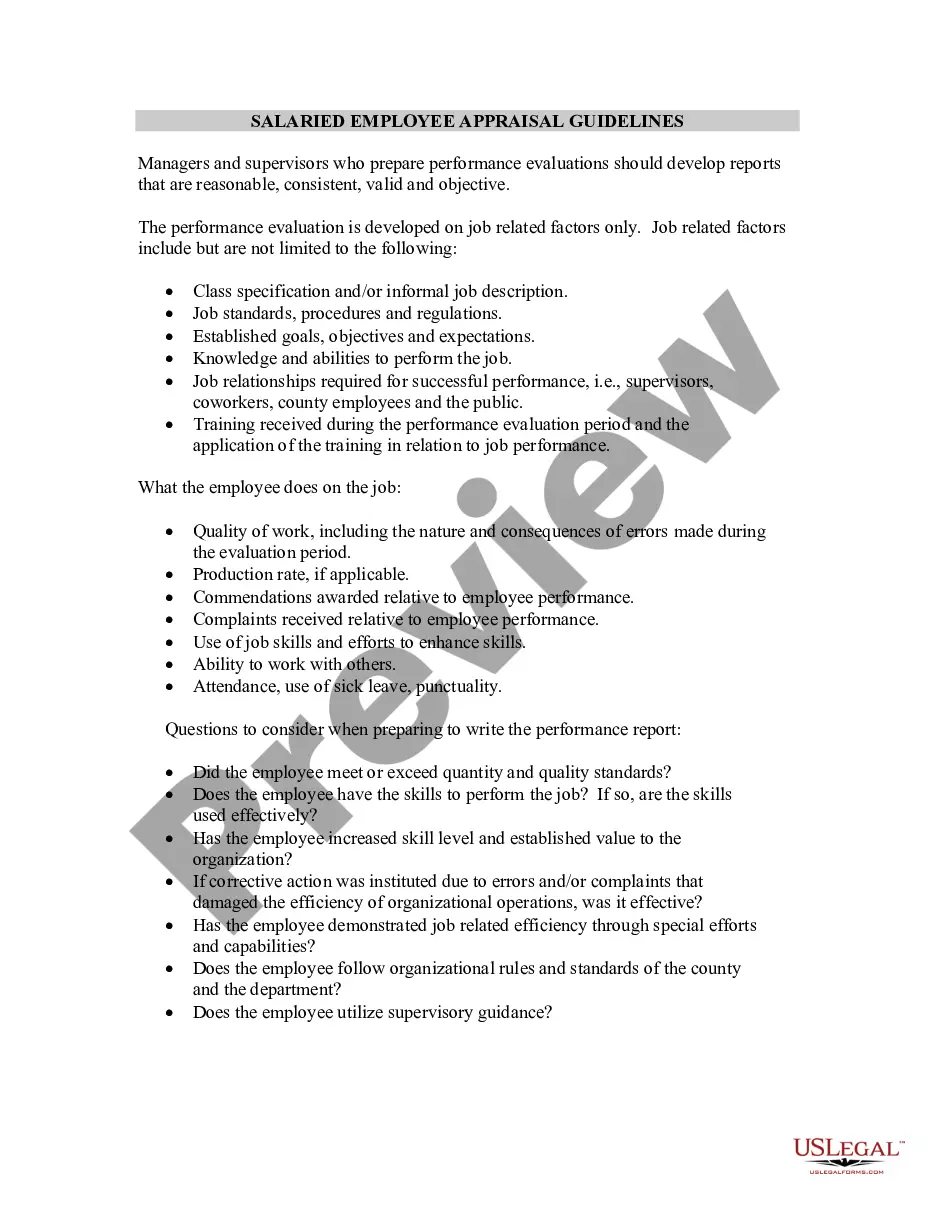
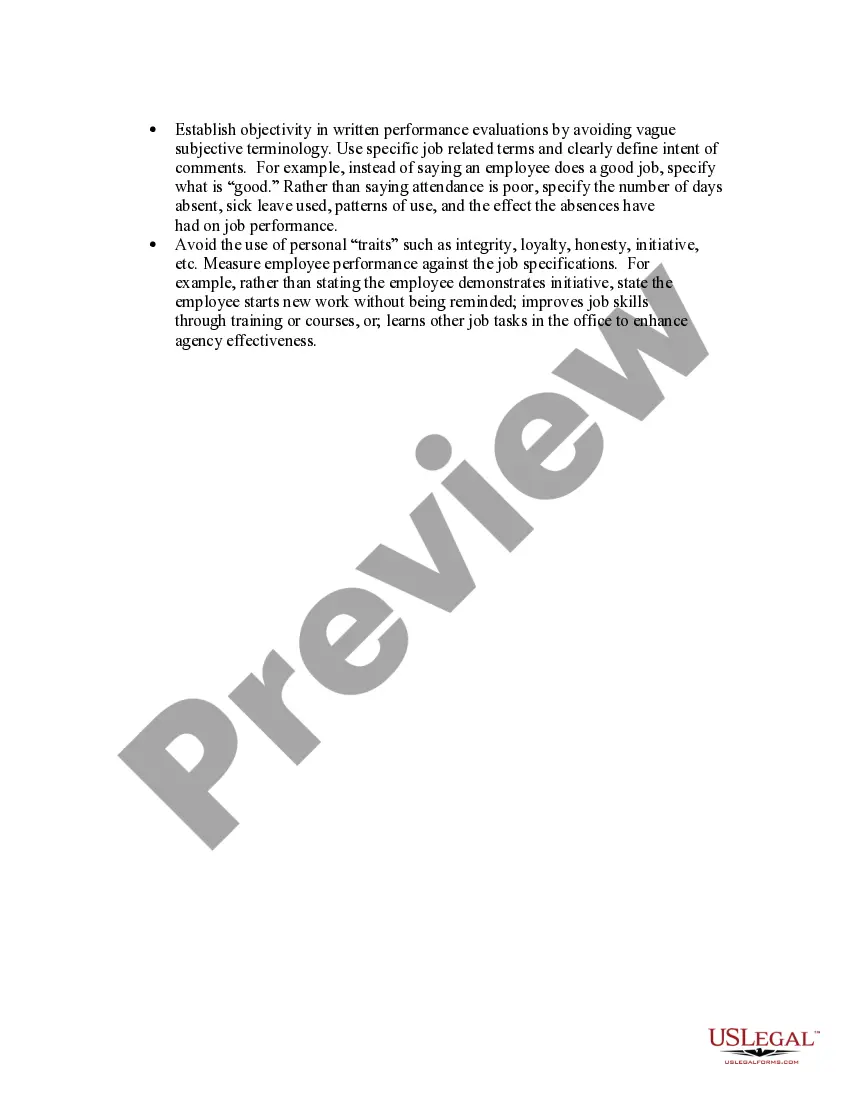
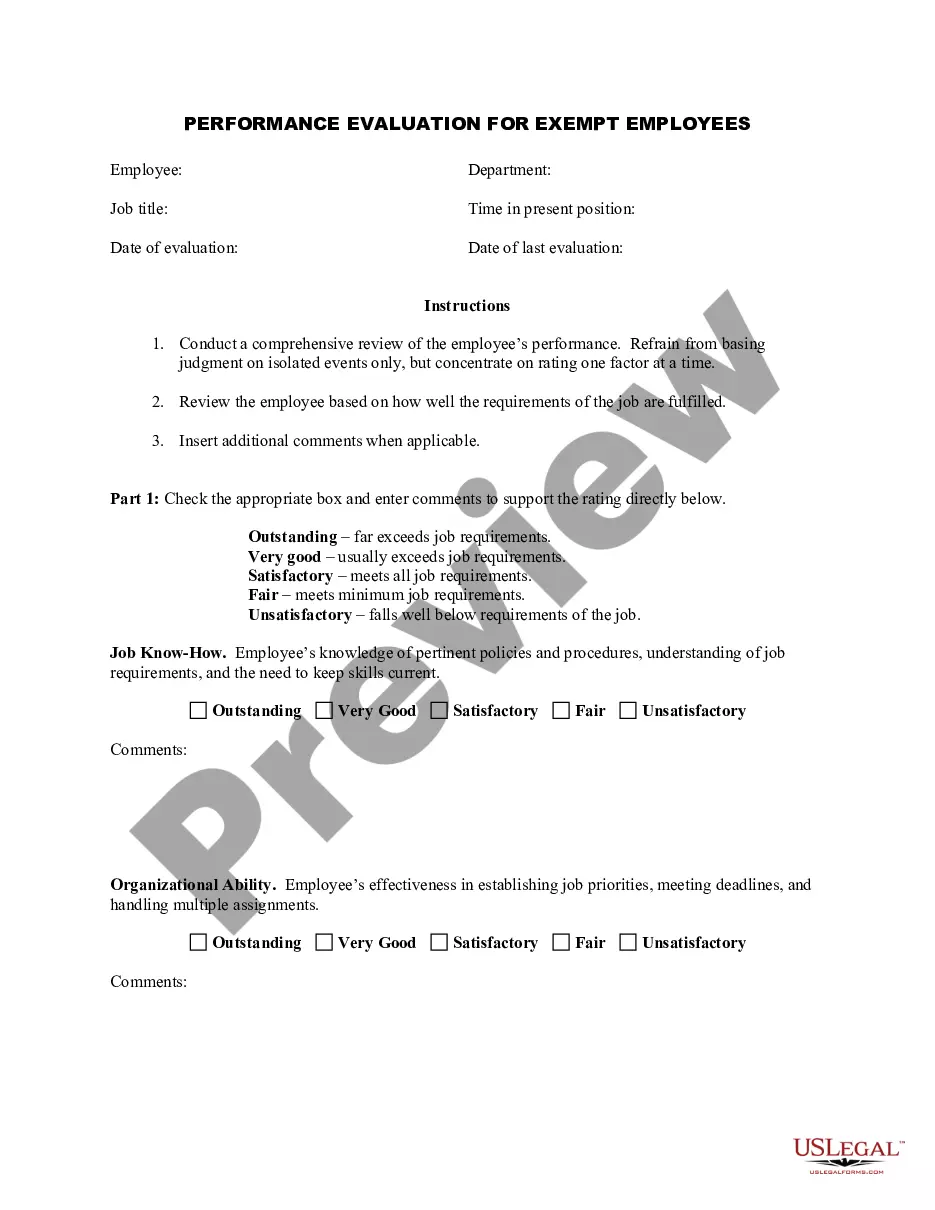
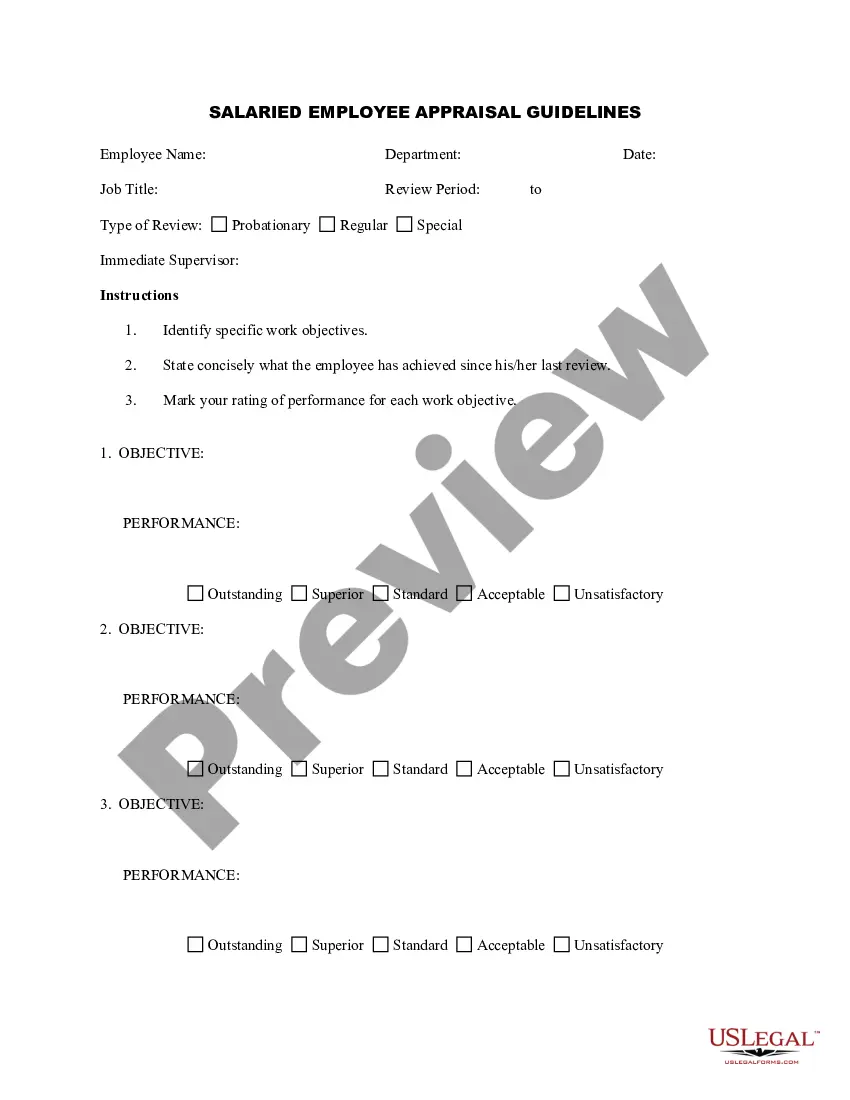
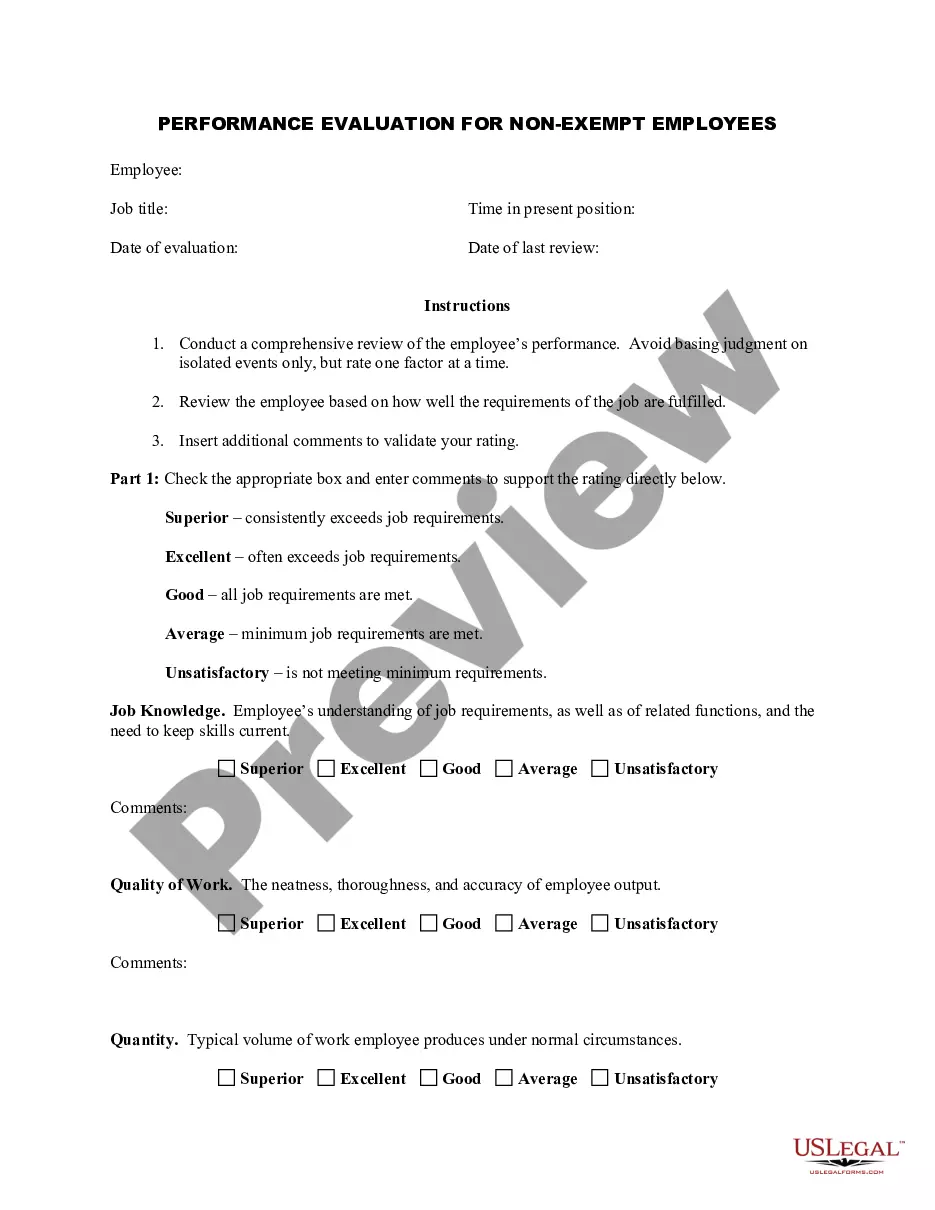
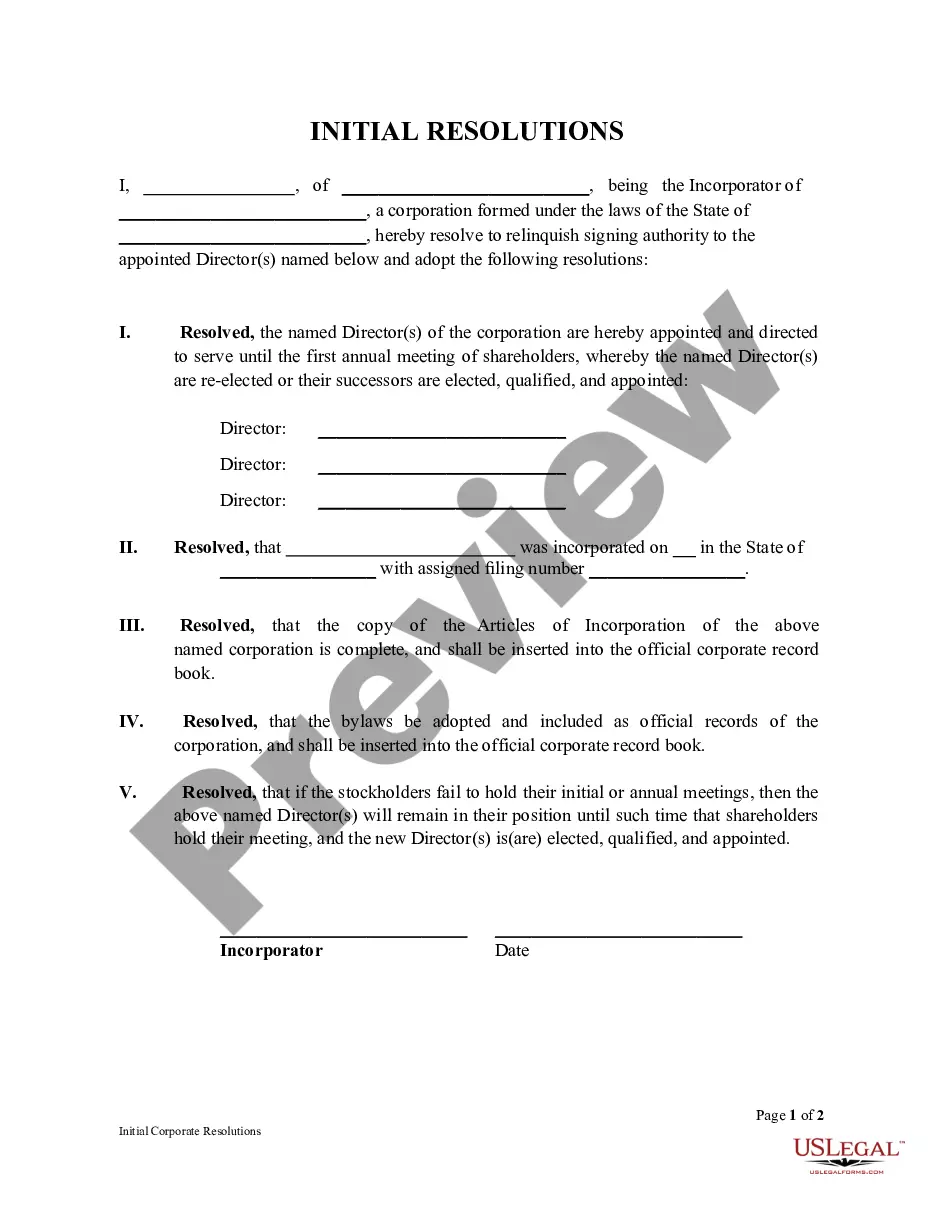

How to fill out Salaried Employee Appraisal Guidelines - General?
The Salaried Guidelines With Lunch you observe on this page is a reusable formal template crafted by professional lawyers in accordance with federal and state laws and regulations.
For over 25 years, US Legal Forms has supplied individuals, organizations, and attorneys with more than 85,000 verified, state-specific forms for any business and personal scenario. It’s the fastest, simplest, and most trustworthy method to secure the documentation you require, as the service guarantees the utmost level of data security and anti-malware protection.
Select the format you prefer for your Salaried Guidelines With Lunch (PDF, DOCX, RTF) and download the sample onto your device.
- Search for the document you require and review it.
- Browse through the file you searched and preview it or check the form description to confirm it meets your needs. If it does not, utilize the search bar to find the correct one. Click Buy Now when you have found the template you need.
- Register and Log In.
- Choose the pricing plan that fits you and create an account. Use PayPal or a credit card for a swift payment. If you already possess an account, Log In and check your subscription to continue.
- Obtain the fillable template.
Form popularity
FAQ
In many situations, knowing how many hours an employee spent on a task defines how the work will be paid. As long as the employee doesn't deduct amounts from your paycheck based on hours you tracked, it is okay to require salaried employees to fill in timesheets.
Employee Time Tracking Salaried employees are not required by law to clock in and out. Because of this, the decision comes down to the employer. While some employers don't require them to, there are many benefits of having your salaried employees track their time.
Do Salaried Employees Have to Clock In? Salaried employees do not legally have to clock in and most employers don't require it. This is because salaried employers are often offered a higher level of trust and accountability than hourly-paid employees.
No, salaried employees don't have to clock in. However, business owners and managers may still ask them to do so to track their work hours, improve time management, measure productivity, and understand how long people are spending on different tasks.
There are some valid reasons for tracking exempt employee hours. For example, an employer may opt to track an exempt employee's hours for purposes of client billing, grant tracking, Family Medical Leave Act (FMLA), 401(k), or hours-based benefits calculations such as vacation accrual.