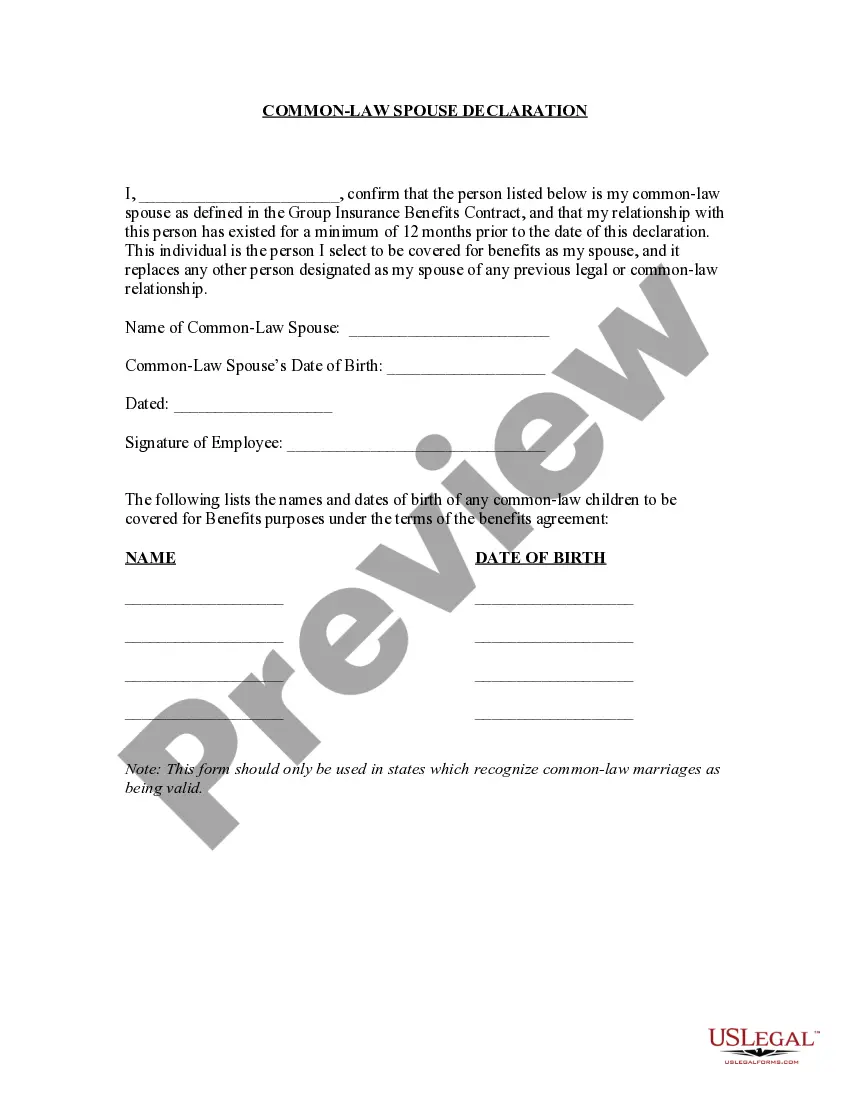
Spouse Common Law Partner In Canada Class
Description
Get your form ready online
Our built-in tools help you complete, sign, share, and store your documents in one place.
Make edits, fill in missing information, and update formatting in US Legal Forms—just like you would in MS Word.
Download a copy, print it, send it by email, or mail it via USPS—whatever works best for your next step.
Sign and collect signatures with our SignNow integration. Send to multiple recipients, set reminders, and more. Go Premium to unlock E-Sign.
If this form requires notarization, complete it online through a secure video call—no need to meet a notary in person or wait for an appointment.
We protect your documents and personal data by following strict security and privacy standards.

Make edits, fill in missing information, and update formatting in US Legal Forms—just like you would in MS Word.

Download a copy, print it, send it by email, or mail it via USPS—whatever works best for your next step.

Sign and collect signatures with our SignNow integration. Send to multiple recipients, set reminders, and more. Go Premium to unlock E-Sign.

If this form requires notarization, complete it online through a secure video call—no need to meet a notary in person or wait for an appointment.

We protect your documents and personal data by following strict security and privacy standards.
Looking for another form?







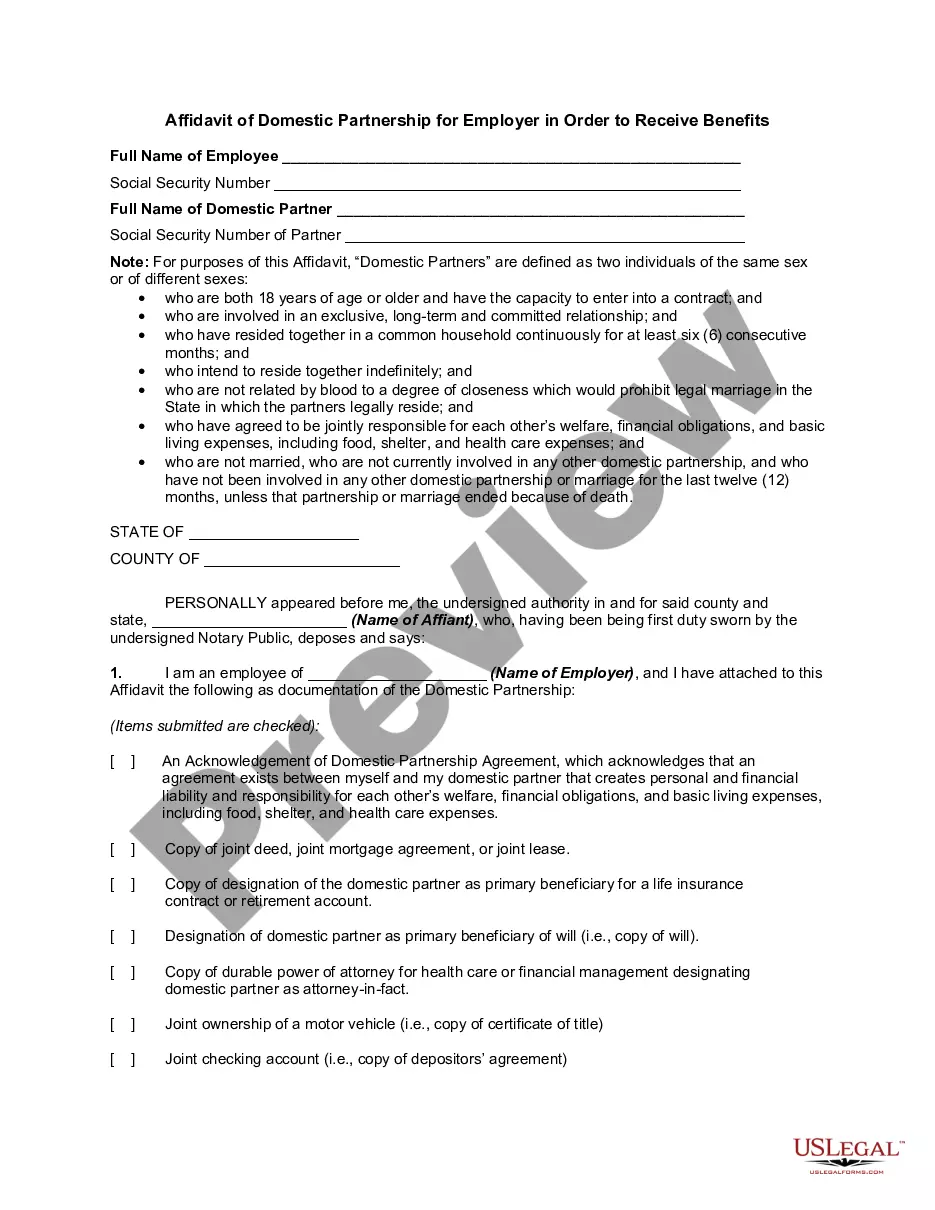
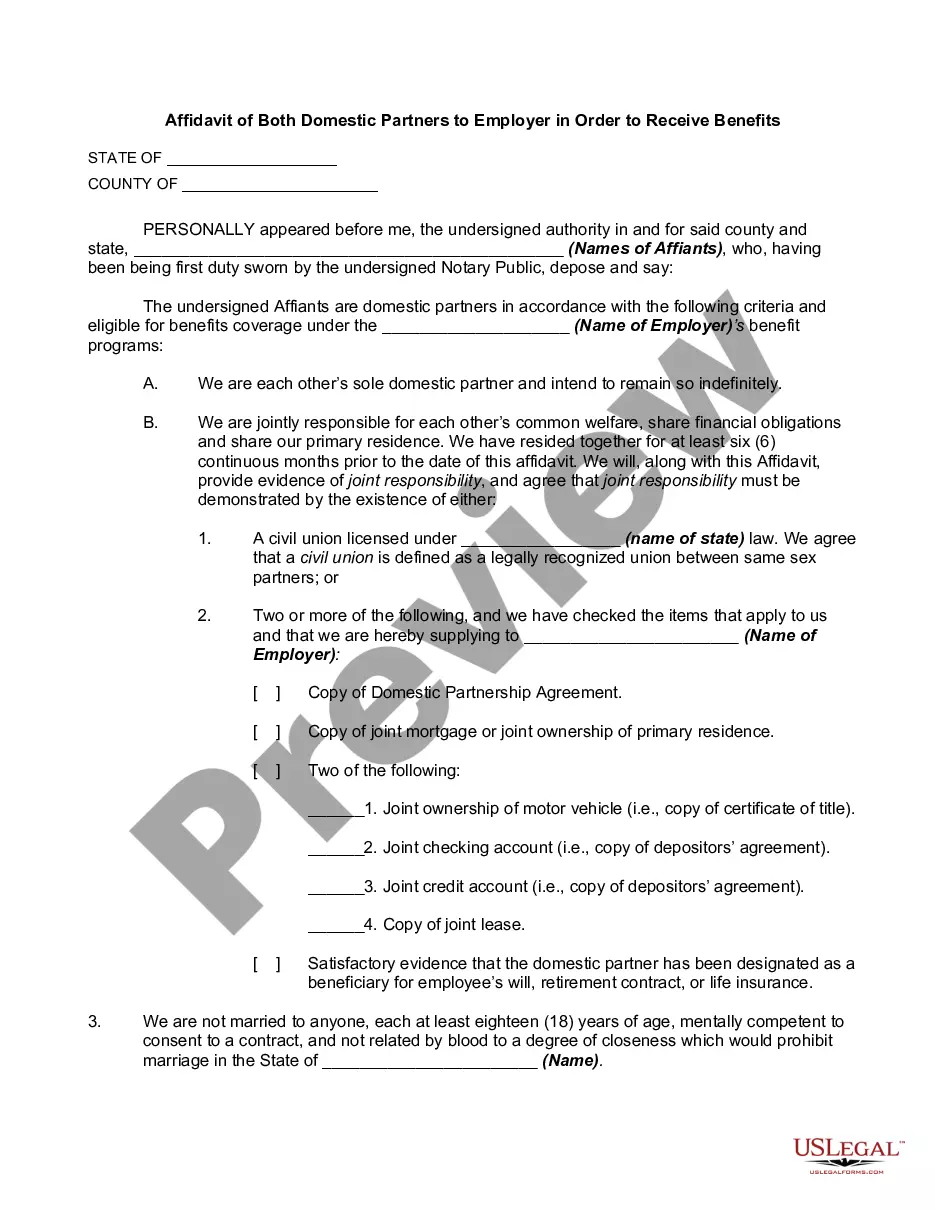
How to fill out Common Law Spouse Or Marriage Declaration Or Affidavit?
Legal papers management might be mind-boggling, even for the most experienced specialists. When you are interested in a Spouse Common Law Partner In Canada Class and do not get the a chance to spend in search of the appropriate and updated version, the processes might be stressful. A robust web form library might be a gamechanger for anyone who wants to take care of these situations successfully. US Legal Forms is a market leader in web legal forms, with more than 85,000 state-specific legal forms available to you anytime.
With US Legal Forms, it is possible to:
- Access state- or county-specific legal and organization forms. US Legal Forms handles any demands you could have, from personal to enterprise documents, all-in-one location.
- Make use of innovative tools to finish and handle your Spouse Common Law Partner In Canada Class
- Access a useful resource base of articles, tutorials and handbooks and resources connected to your situation and requirements
Help save time and effort in search of the documents you need, and make use of US Legal Forms’ advanced search and Preview tool to get Spouse Common Law Partner In Canada Class and download it. In case you have a membership, log in to the US Legal Forms profile, search for the form, and download it. Take a look at My Forms tab to view the documents you previously downloaded and also to handle your folders as you can see fit.
Should it be the first time with US Legal Forms, create a free account and have unlimited use of all advantages of the platform. Here are the steps to consider after getting the form you need:
- Validate it is the proper form by previewing it and reading through its information.
- Ensure that the sample is acknowledged in your state or county.
- Choose Buy Now once you are ready.
- Select a monthly subscription plan.
- Find the file format you need, and Download, complete, eSign, print and send your document.
Benefit from the US Legal Forms web library, supported with 25 years of expertise and trustworthiness. Enhance your everyday document administration into a smooth and user-friendly process today.
Form popularity
FAQ
Items that can be used as proof of a common-law relationship include: shared ownership of residential property. joint leases or rental agreements. bills for shared utility accounts, such as: gas. electricity. ... important documents for both of you showing the same address, such as: driver's licenses. ... identification documents.
While there are pros and cons to filing taxes as a common-law couple versus filing as a single person, if you meet the definition of a common-law relationship in Canada you must disclose your relationship status and information about your partner when you file your tax return.
You can apply under the Spouse or Common-Law Partner in Canada class if your spouse or common-law partner cohabits (lives) with you in Canada. Your spouse or common-law partner must either: have valid temporary residence status or. be exempt from needing this status under a public policy that was set out in 2005.
Living common-law means that you are living in a conjugal relationship with a person who is not your married spouse, and at least one of the following conditions applies: This person has been living with you in a conjugal relationship for at least 12 continuous months.
While there are pros and cons to filing taxes as a common-law couple versus filing as a single person, if you meet the definition of a common-law relationship in Canada you must disclose your relationship status and information about your partner when you file your tax return.