Vehicle Insurance For Business
Description
Get your form ready online
Our built-in tools help you complete, sign, share, and store your documents in one place.
Make edits, fill in missing information, and update formatting in US Legal Forms—just like you would in MS Word.
Download a copy, print it, send it by email, or mail it via USPS—whatever works best for your next step.
Sign and collect signatures with our SignNow integration. Send to multiple recipients, set reminders, and more. Go Premium to unlock E-Sign.
If this form requires notarization, complete it online through a secure video call—no need to meet a notary in person or wait for an appointment.
We protect your documents and personal data by following strict security and privacy standards.

Make edits, fill in missing information, and update formatting in US Legal Forms—just like you would in MS Word.

Download a copy, print it, send it by email, or mail it via USPS—whatever works best for your next step.

Sign and collect signatures with our SignNow integration. Send to multiple recipients, set reminders, and more. Go Premium to unlock E-Sign.

If this form requires notarization, complete it online through a secure video call—no need to meet a notary in person or wait for an appointment.

We protect your documents and personal data by following strict security and privacy standards.
Looking for another form?




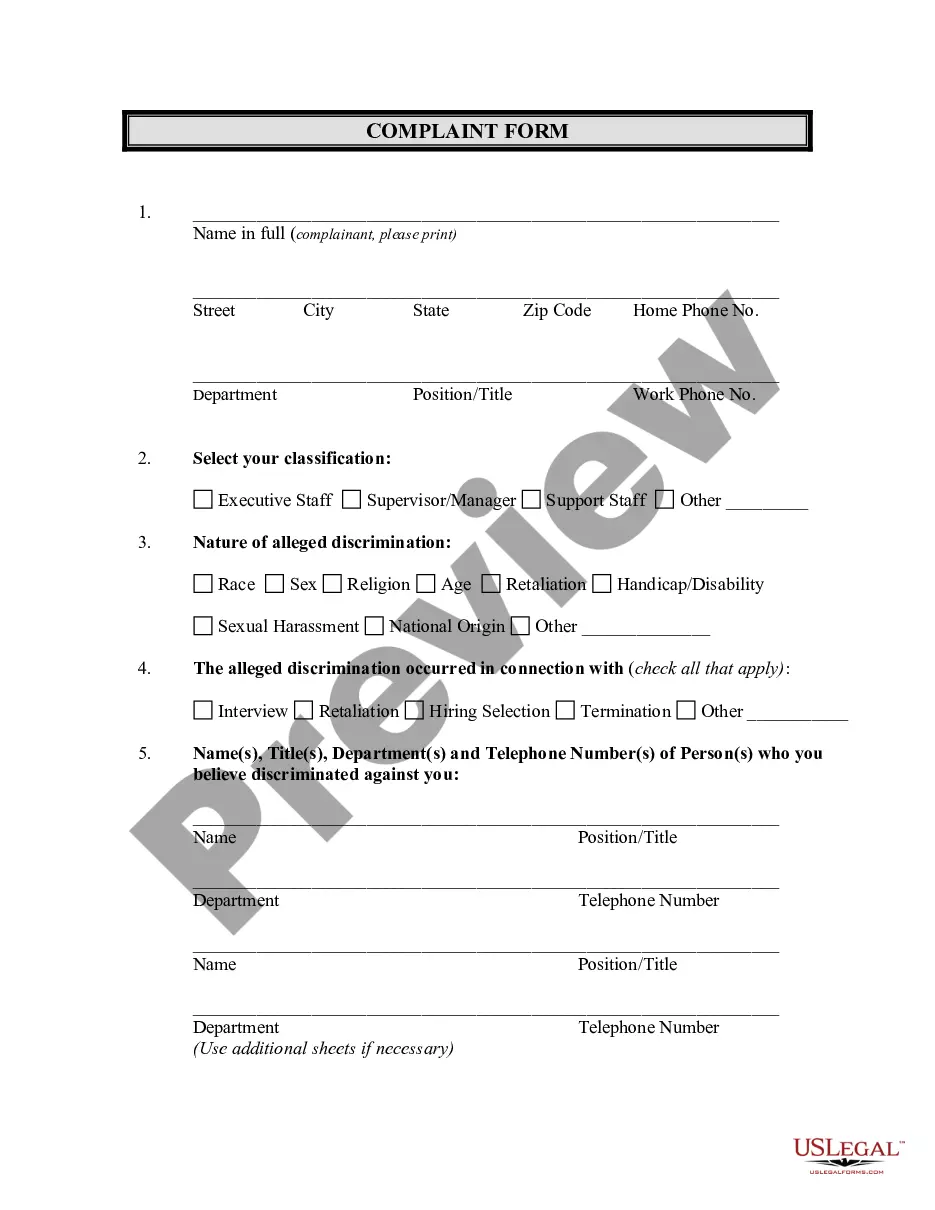

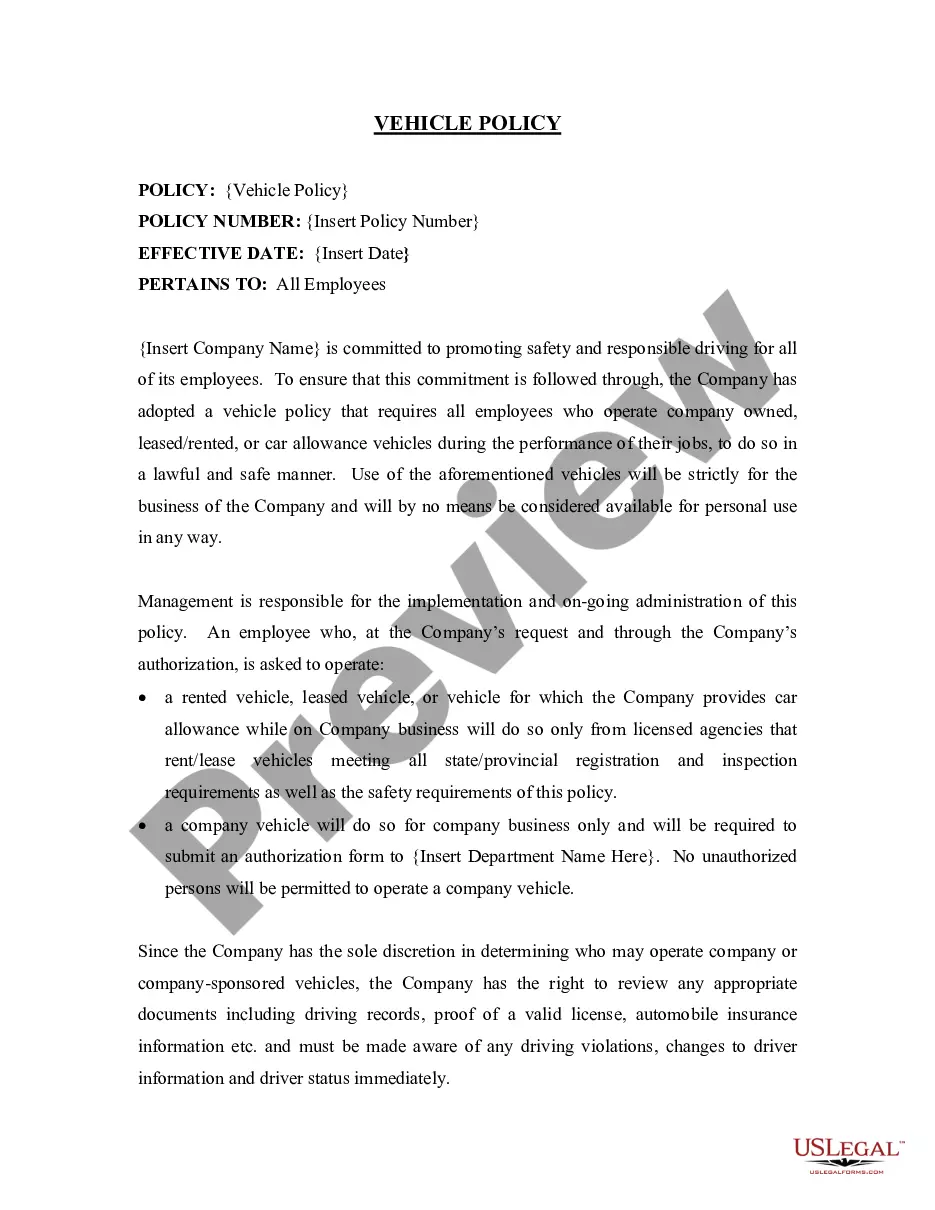
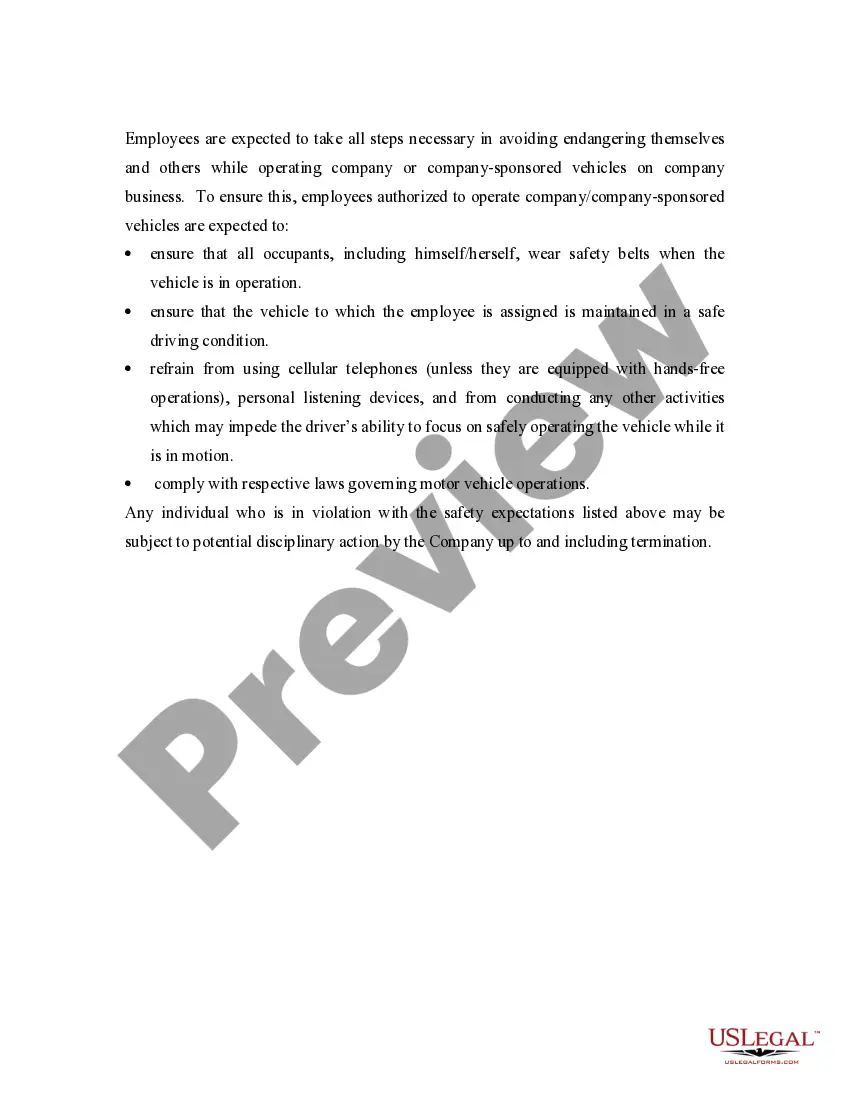
How to fill out Vehicle Policy?
Locating a reliable source to procure the latest and suitable legal templates constitutes a significant part of managing bureaucracy.
Selecting the correct legal documents demands accuracy and meticulousness, which is why it is essential to obtain samples of Vehicle Insurance For Business exclusively from reputable providers, such as US Legal Forms.
Once you have the form downloaded on your device, you can modify it using an editor or print it out to fill it in by hand. Eliminate the hassle associated with your legal documentation. Explore the comprehensive US Legal Forms library to discover legal templates, assess their relevance to your situation, and download them instantly.
- Utilize the library navigation or search bar to locate your document.
- Examine the form’s details to verify if it meets the criteria of your state and locality.
- Review the form preview, if available, to confirm that the form is indeed the one you need.
- Continue your search and seek the appropriate template if the Vehicle Insurance For Business does not fulfill your requirements.
- Once you are confident about the form’s applicability, download it.
- If you are a registered user, click Log in to verify and gain access to your selected documents in My documents.
- If you do not possess an account yet, click Buy now to obtain the template.
- Choose the pricing plan that caters to your needs.
- Proceed with the registration to finalize your purchase.
- Complete your transaction by selecting a payment option (credit card or PayPal).
- Choose the document format for downloading Vehicle Insurance For Business.
Form popularity
FAQ
You can get car insurance in your business name, which is a smart move for any business owner. This type of policy ensures coverage for any vehicle used for business operations. Moreover, vehicle insurance for business can offer protection against liability and physical damage, keeping your company's interests safe. Explore your options to find a policy that fits your business's requirements.
An LLC can indeed write off car insurance as a business expense, provided the vehicle is used for business purposes. Keeping solid records of your vehicle usage will help support your claims. Deductions for vehicle insurance for business can reduce your overall taxable income, making it financially savvy. Consult with a tax professional to ensure you maximize your deductions appropriately.
You can absolutely obtain car insurance under an LLC. Many insurance providers offer specialized vehicle insurance for business designed for companies. This insurance typically covers business-related driving and can include additional benefits, such as liability coverage. Make sure to assess your business's specific needs to choose the right policy.
Yes, you can transfer your car into your LLC. This process involves changing the title of the vehicle to the LLC's name, which can have tax advantages and protect your personal assets. By doing so, you also position the vehicle to qualify for vehicle insurance for business, enhancing your business's credibility. Make sure to consult with your accountant or legal advisor to understand the implications.
Yes, you can claim your car insurance on your business taxes if the vehicle is used for business purposes. Vehicle insurance for business can be included as an expense, reducing your overall taxable income. Make sure to keep precise records of your business-related vehicle use to support your claims during tax season.
Placing your car insurance under your business can provide you with valuable protection as you use the vehicle for related activities. This option allows you to tailor your vehicle insurance for business needs, ensuring that you are adequately covered for business-related incidents. Evaluate your situation with a qualified insurance advisor for personalized recommendations.
To insure a car under a business, you should contact an insurance provider that specializes in vehicle insurance for business. Provide them with details about your vehicle, its use, and your business structure. They can then guide you in selecting the appropriate coverage to fit your needs.
Putting your vehicle in your business name can be beneficial for several reasons. First, it may help you separate personal and business liabilities. Additionally, vehicle insurance for business can often lead to tax deductions and other financial benefits, enhancing your company's overall financial health.
Yes, you can insure a car under an LLC. Doing so allows you to obtain vehicle insurance for business that aligns with your company's operations and protects the business assets. Make sure to provide accurate details about how the vehicle will be used for business purposes when discussing options with your insurance agent.
Yes, you can put car insurance in your business name, especially if you use the vehicle for business activities. This type of vehicle insurance for business can provide coverage tailored to your needs and might include specific endorsements that are relevant to your operations. It's essential to communicate with your insurance provider to ensure you have the right coverage.