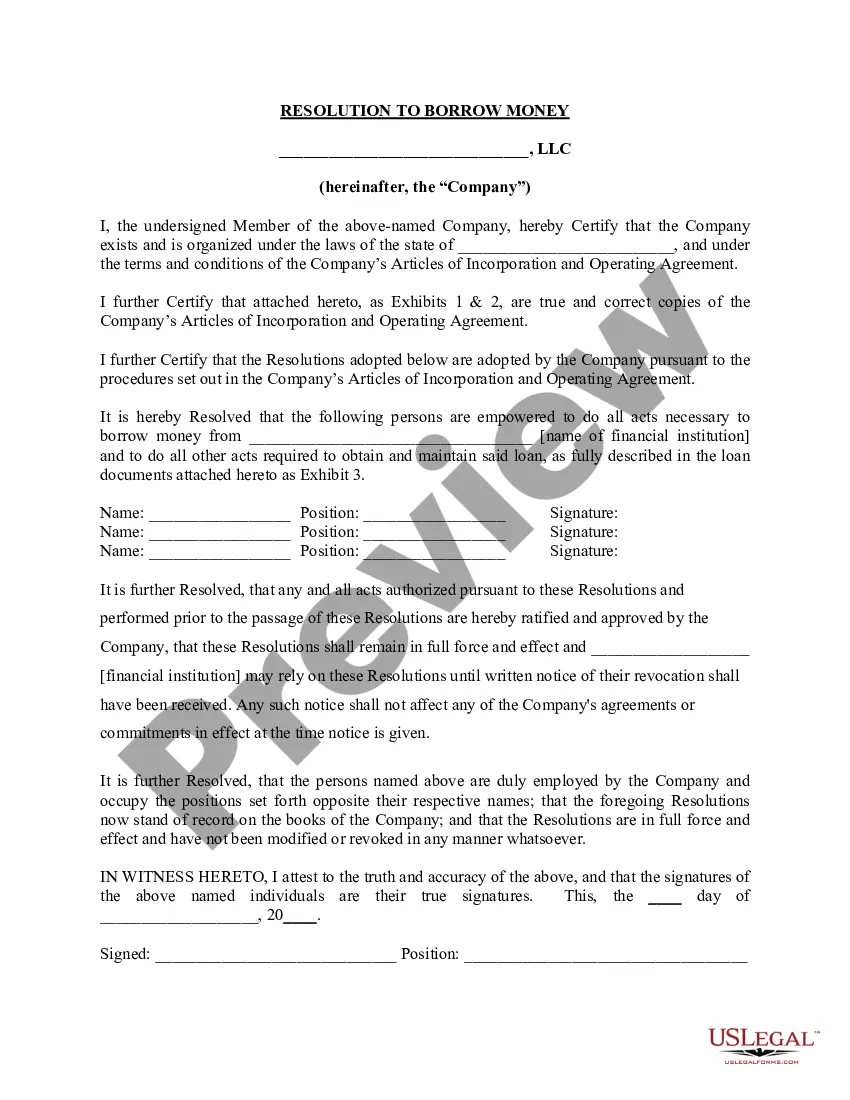
Llc Form Limited Liability For Corporation
Description
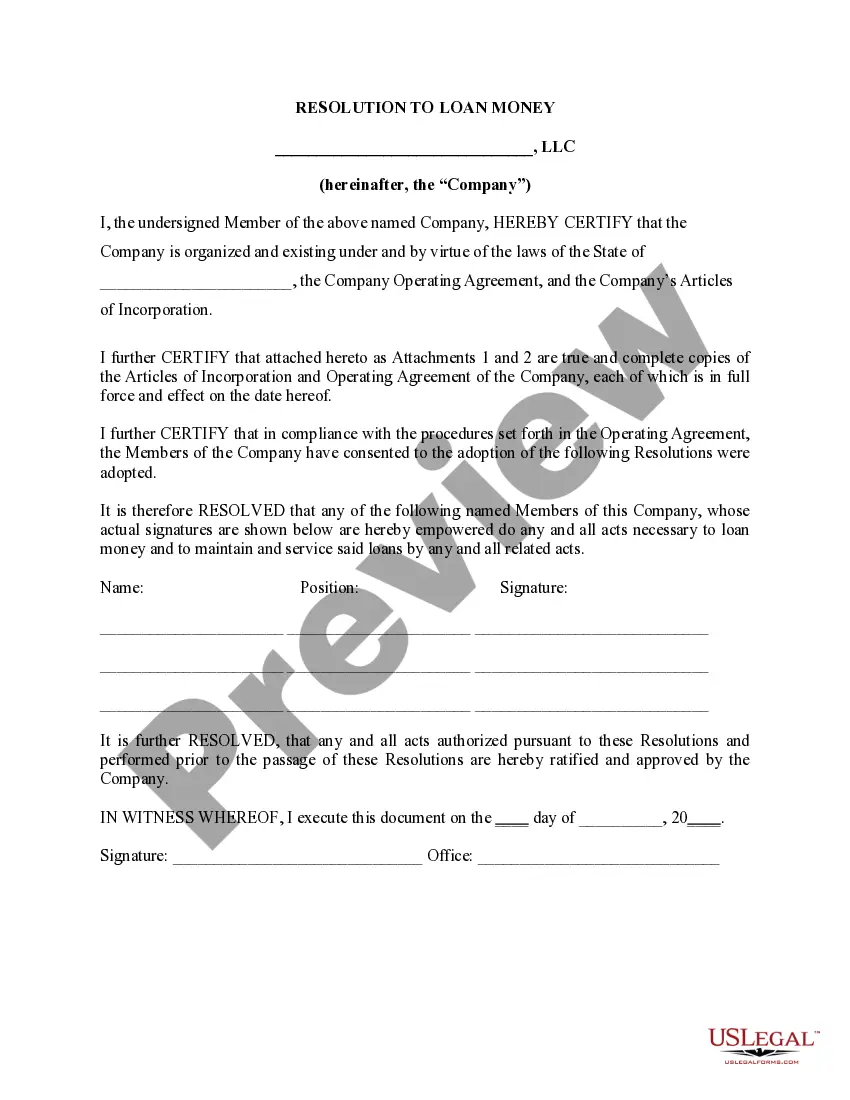
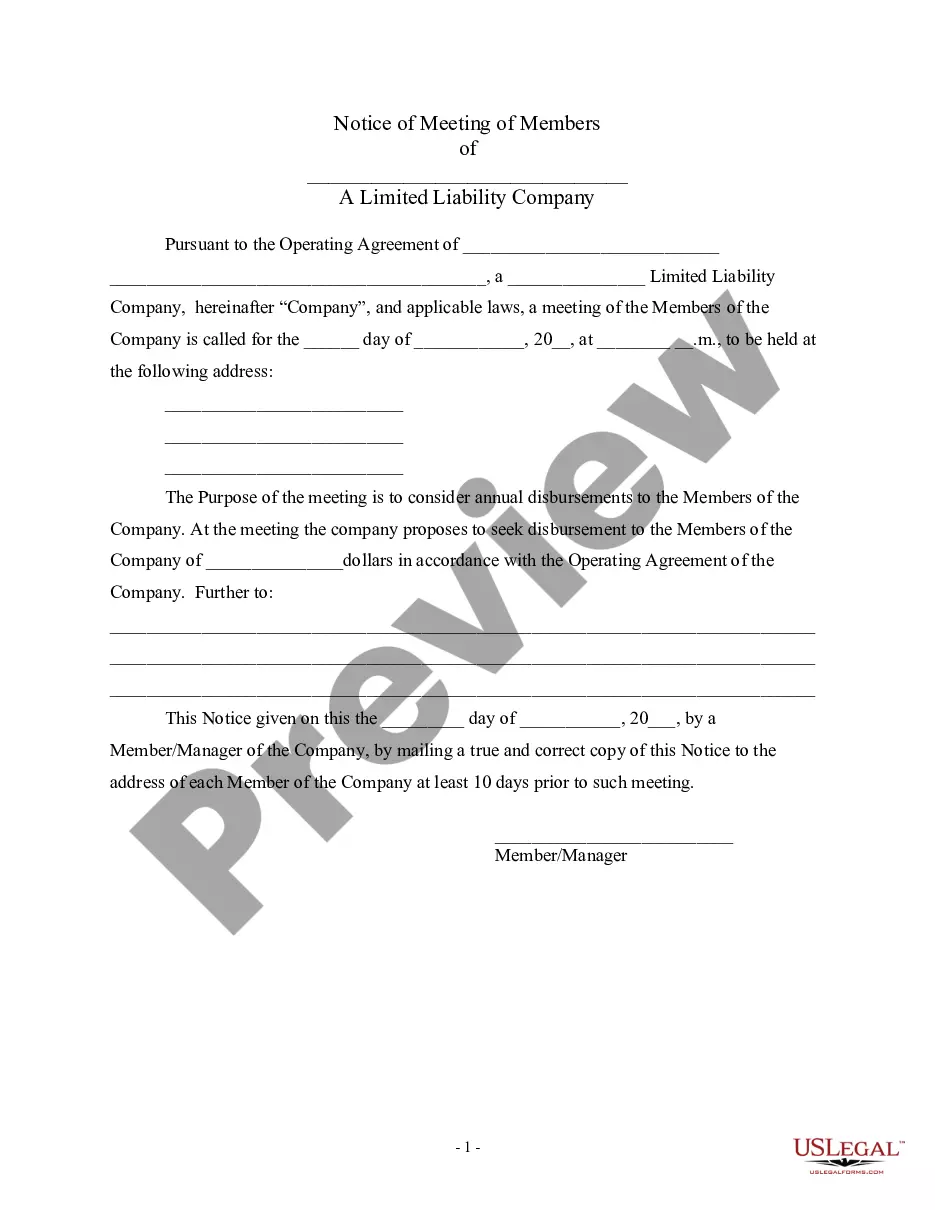
Get your form ready online
Our built-in tools help you complete, sign, share, and store your documents in one place.
Make edits, fill in missing information, and update formatting in US Legal Forms—just like you would in MS Word.
Download a copy, print it, send it by email, or mail it via USPS—whatever works best for your next step.
Sign and collect signatures with our SignNow integration. Send to multiple recipients, set reminders, and more. Go Premium to unlock E-Sign.
If this form requires notarization, complete it online through a secure video call—no need to meet a notary in person or wait for an appointment.
We protect your documents and personal data by following strict security and privacy standards.

Make edits, fill in missing information, and update formatting in US Legal Forms—just like you would in MS Word.

Download a copy, print it, send it by email, or mail it via USPS—whatever works best for your next step.

Sign and collect signatures with our SignNow integration. Send to multiple recipients, set reminders, and more. Go Premium to unlock E-Sign.

If this form requires notarization, complete it online through a secure video call—no need to meet a notary in person or wait for an appointment.

We protect your documents and personal data by following strict security and privacy standards.
Looking for another form?





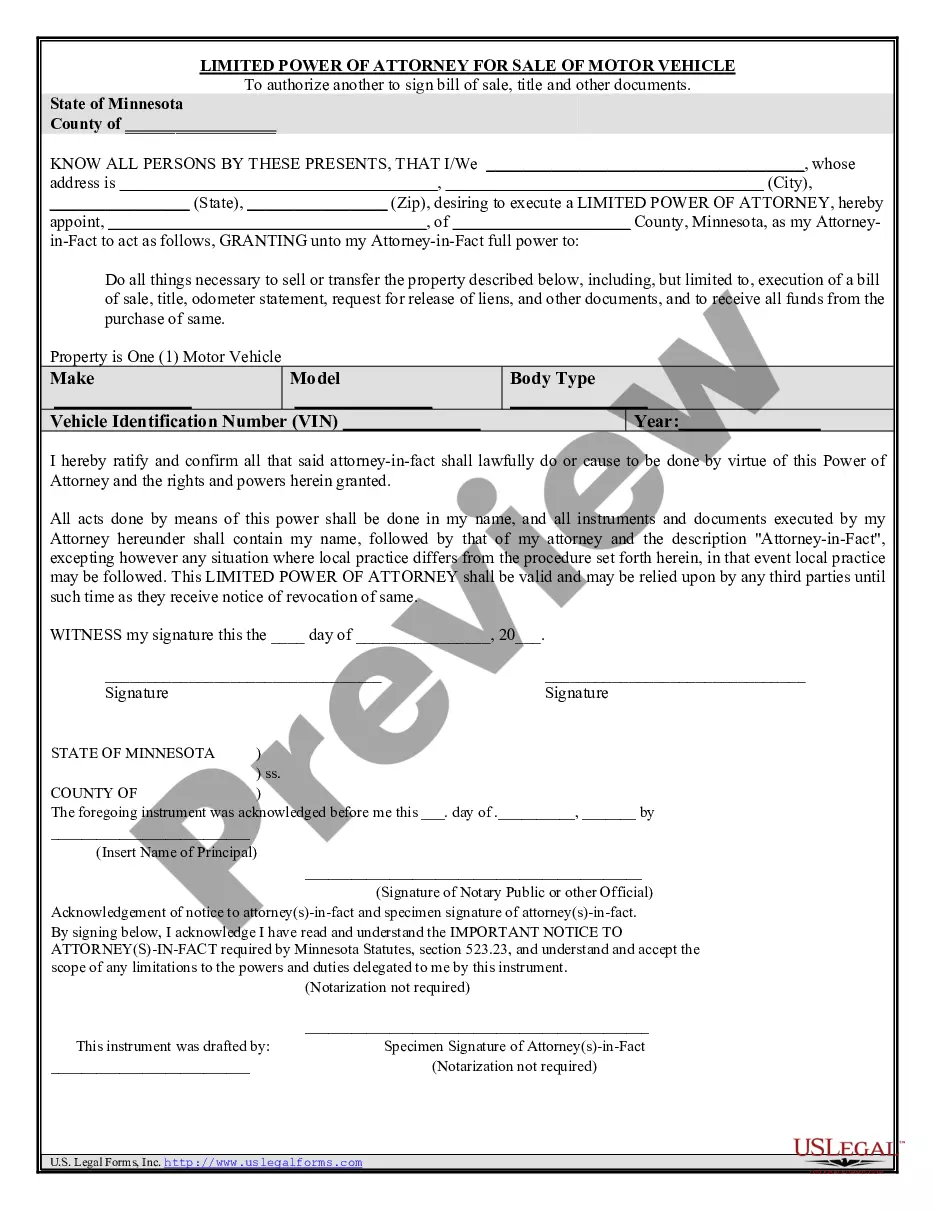



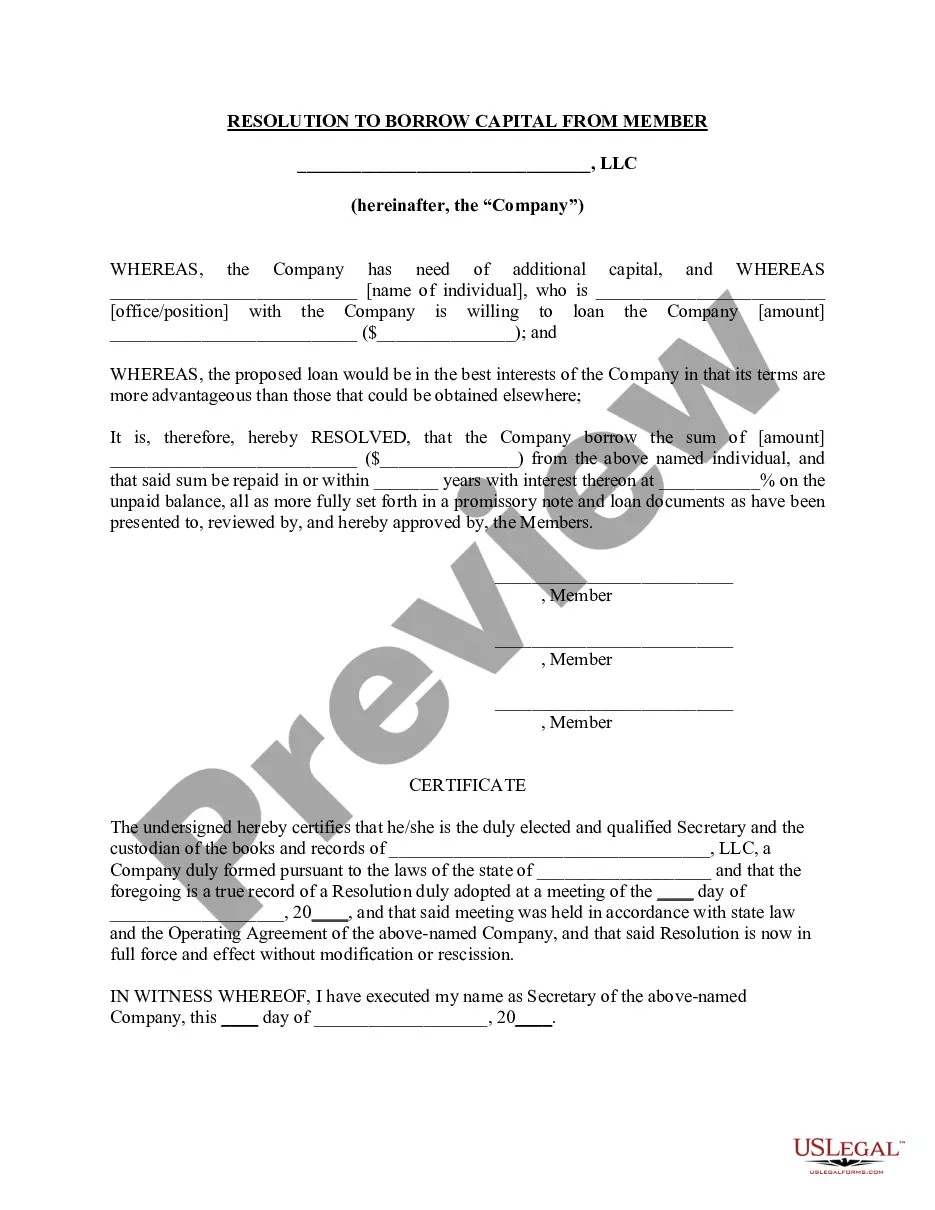
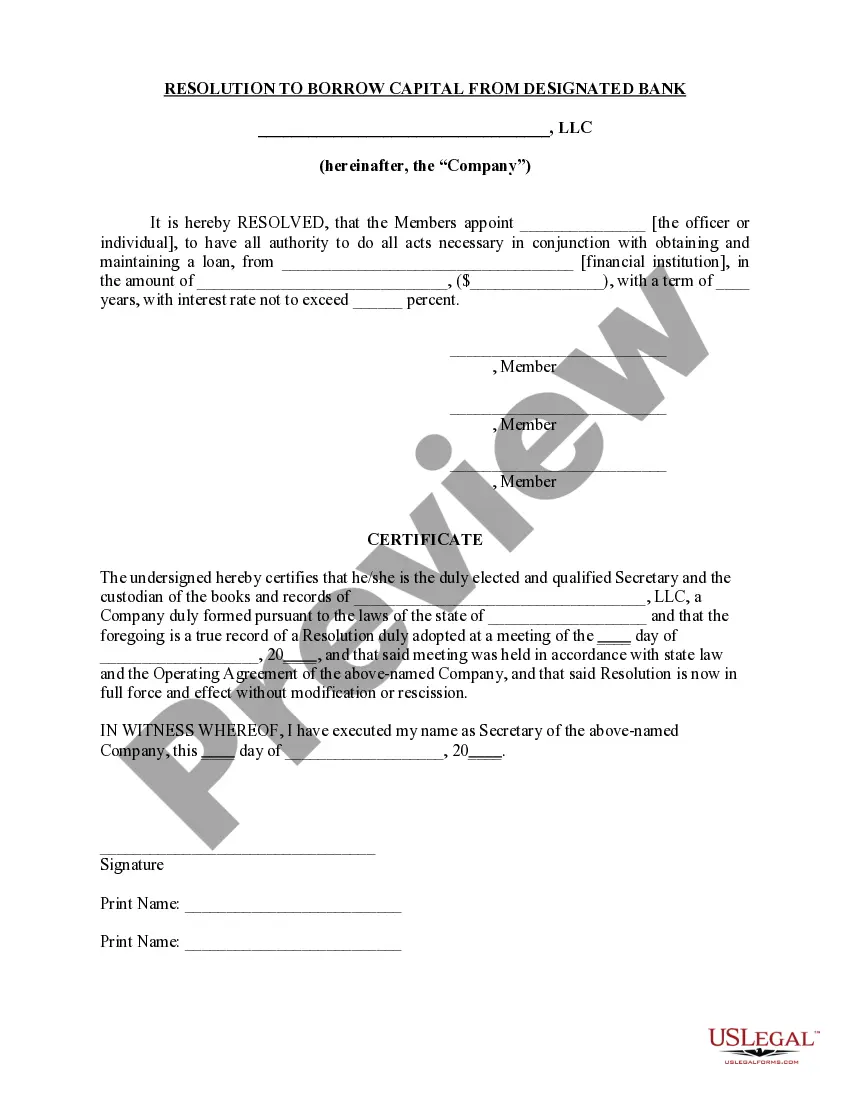
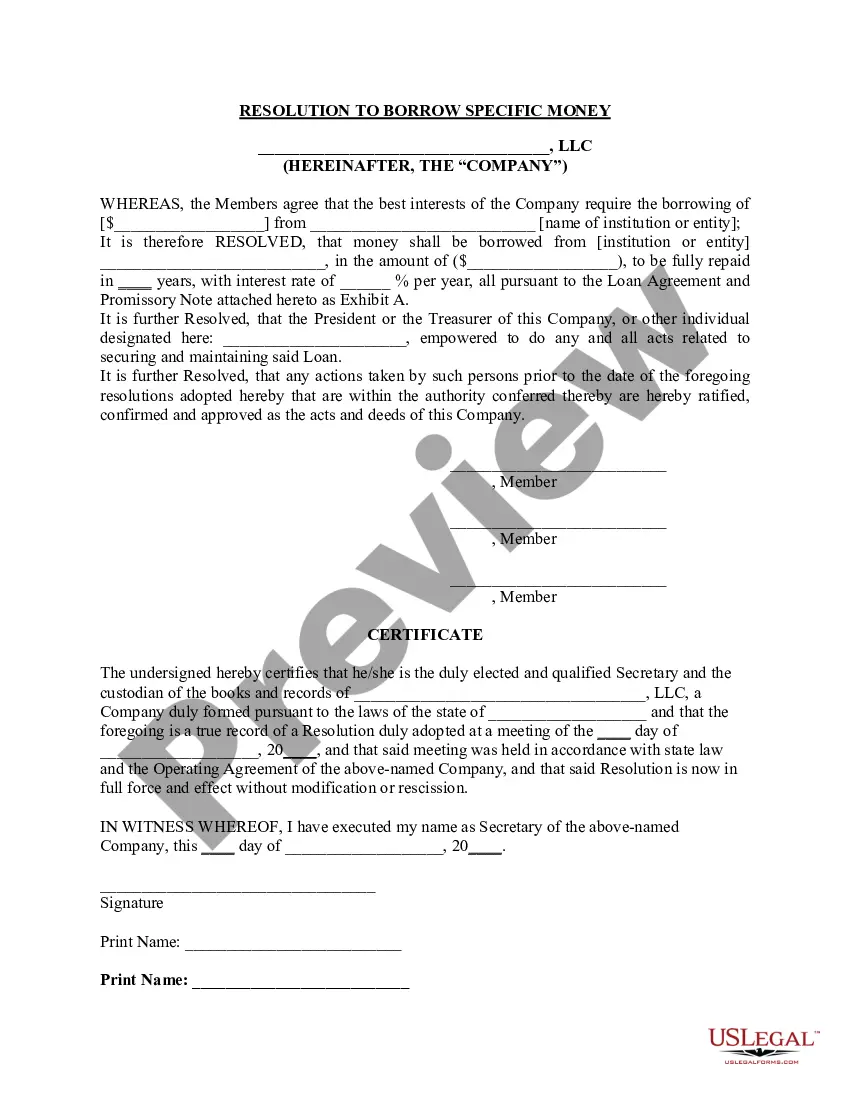
How to fill out Resolution Of Meeting Of LLC Members To Borrow Money?
- Log into your US Legal Forms account if you're a returning user, ensuring your subscription is active to download necessary forms.
- If you're a new user, start by browsing the extensive library and search for the LLC form limited liability for corporation that fits your needs.
- Verify the preview and description of the form to confirm it meets jurisdiction requirements and matches your expectations.
- Click on the 'Buy Now' button to select your desired subscription plan, allowing access to the robust library.
- Complete your purchase by entering your payment information, whether via credit card or PayPal.
- Download the completed form to your device and find it in the 'My Forms' section whenever needed.
In conclusion, US Legal Forms offers a powerful solution for anyone needing legal documentation. With its extensive offerings and expert assistance, users can ensure their forms are accurate and compliant.
Get started today and explore the library to streamline your legal document needs!
Form popularity
FAQ
To establish a limited liability corporation, you must select a unique business name and file Articles of Organization with your state’s business division. After registering, you may need to create an operating agreement outlining management and operational procedures. Consider using US Legal Forms to easily navigate the process of forming your LLC, enhancing your business's protection with the LLC form limited liability for corporation.
To file your LLC as an S Corp, start by structuring your LLC and then elect S Corp status by submitting Form 2553 to the IRS. Ensure that your LLC meets eligibility requirements, such as having eligible shareholders and a limited number of members. Utilizing the LLC form limited liability for corporation can help optimize your tax situation.
A limited liability corporation, or LLC, is a business structure that combines the features of a corporation and a partnership. It provides owners, known as members, with personal liability protection, separating their personal assets from business debts. This structure uses the LLC form limited liability for corporation to offer flexibility and simplicity for its members.
You can determine if your LLC is classified as an S Corp or C Corp by reviewing your IRS filing and your tax treatment. If you filed IRS Form 2553, your LLC may be an S Corp; otherwise, it is likely a C Corp by default. Understanding your classification is crucial for benefiting from the LLC form limited liability for corporation.
To tax your LLC as a C Corp, you need to file Form 8832 with the IRS, electing corporate tax status. This way, your LLC will be treated as a corporation for tax purposes, potentially providing some tax advantages. It's essential to understand the implications of this choice, as the LLC form limited liability for corporation offers different taxation routes.
An LLC structure is ideal for small business owners, entrepreneurs, and freelancers who seek personal liability protection. It suits individuals who want flexibility in management and tax benefits. By opting for the LLC form limited liability for corporation, you can separate personal assets from business liabilities, giving you peace of mind.
Yes, an LLC offers similar protection as a corporation in terms of shielding personal assets from business liabilities. However, they operate under different regulations and tax structures. It is important to clarify these elements as you utilize the Llc form limited liability for corporation to ensure you are fully protected in your business operations.
While both LLCs and corporations offer limited liability protections, the nature of these protections can differ. LLCs provide flexibility in management and taxation, while corporations require more formalities. Knowing these differences can help you make informed decisions for your business structure, particularly through the Llc form limited liability for corporation.
Both an LLC and an S Corporation provide limited liability protection, which means personal assets of owners are protected from business debts. This protection is crucial for mitigating risks associated with business operations. To ensure you comply with legal requirements and understand how this applies to your situation, consider using the Llc form limited liability for corporation for clear guidance.
In an LLC, the liability is generally limited to the assets of the business, meaning personal assets of members are typically protected. This feature makes LLCs attractive for business owners. However, it's important to maintain proper business practices to ensure this protection holds. By understanding the Llc form limited liability for corporation, you can navigate these laws effectively.