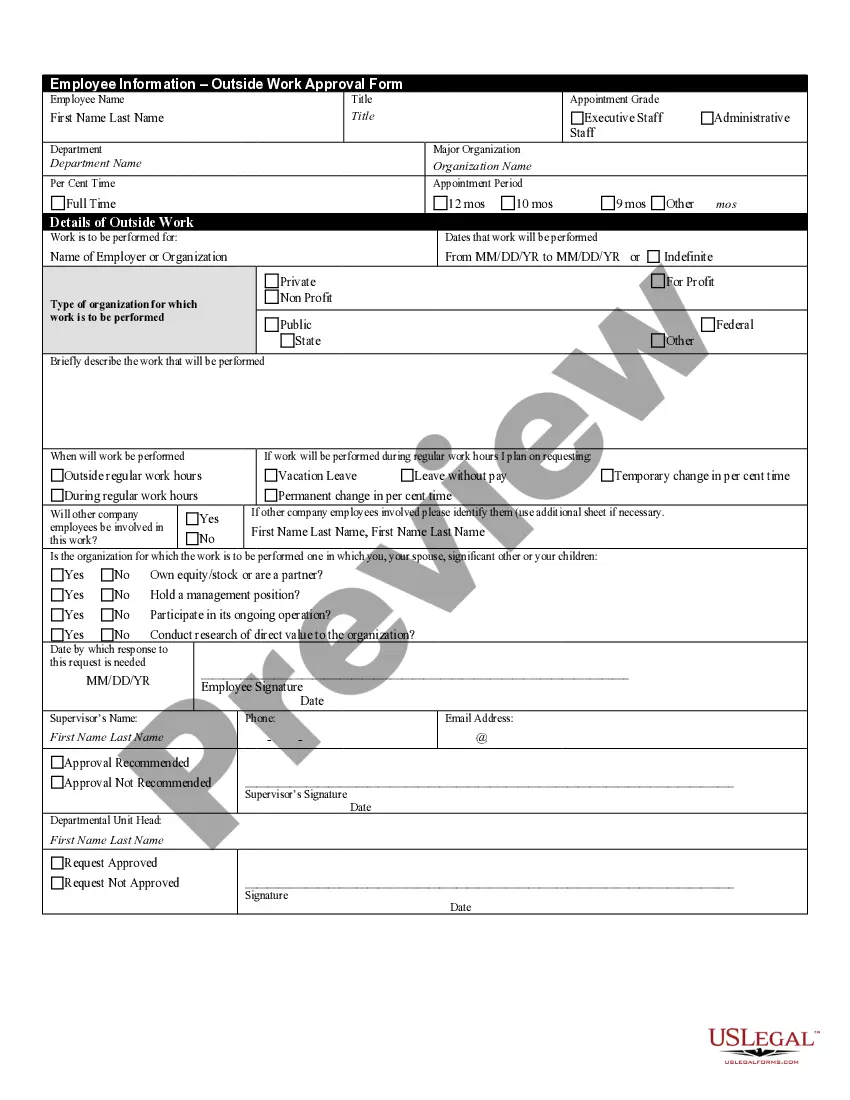
Work Employee Policies Within A Company
Description
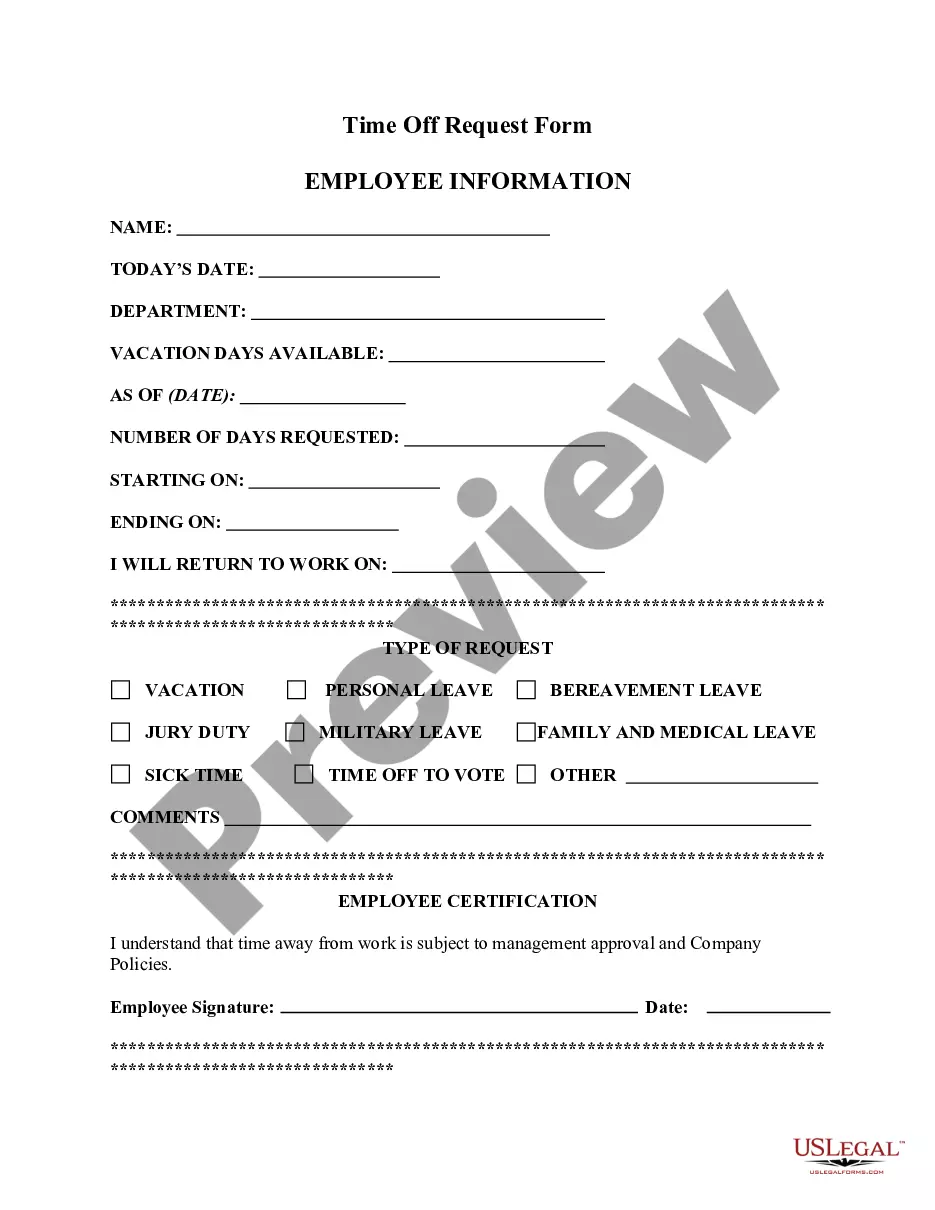

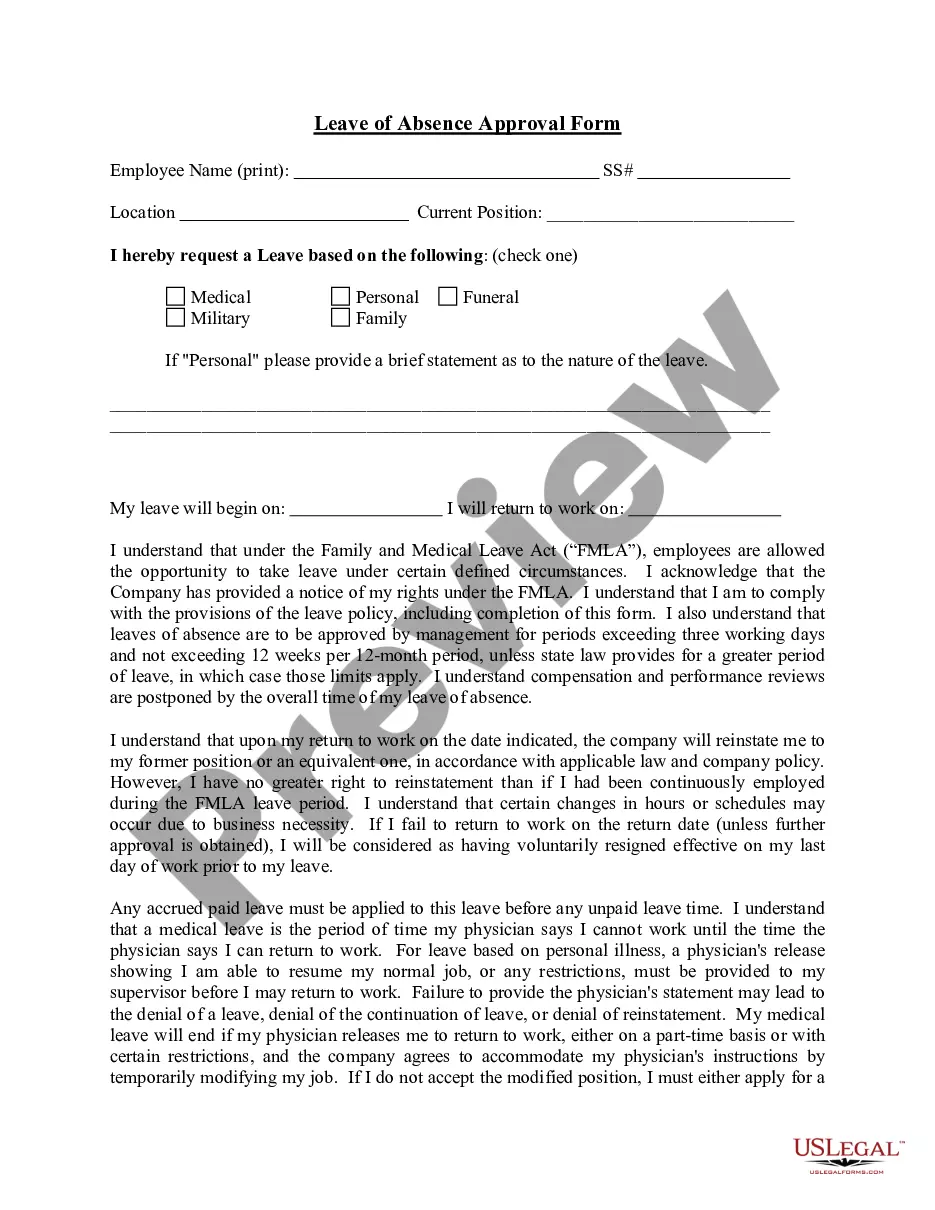
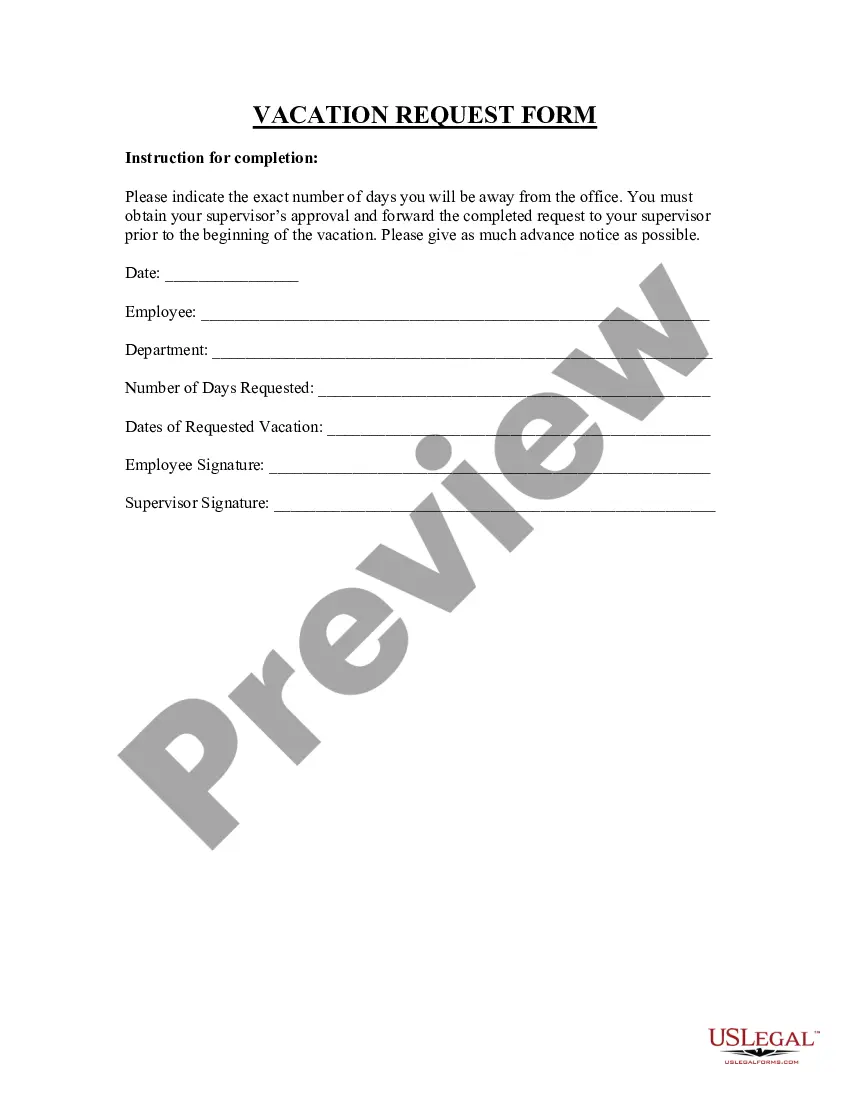
Get your form ready online
Our built-in tools help you complete, sign, share, and store your documents in one place.
Make edits, fill in missing information, and update formatting in US Legal Forms—just like you would in MS Word.
Download a copy, print it, send it by email, or mail it via USPS—whatever works best for your next step.
Sign and collect signatures with our SignNow integration. Send to multiple recipients, set reminders, and more. Go Premium to unlock E-Sign.
If this form requires notarization, complete it online through a secure video call—no need to meet a notary in person or wait for an appointment.
We protect your documents and personal data by following strict security and privacy standards.

Make edits, fill in missing information, and update formatting in US Legal Forms—just like you would in MS Word.

Download a copy, print it, send it by email, or mail it via USPS—whatever works best for your next step.

Sign and collect signatures with our SignNow integration. Send to multiple recipients, set reminders, and more. Go Premium to unlock E-Sign.

If this form requires notarization, complete it online through a secure video call—no need to meet a notary in person or wait for an appointment.

We protect your documents and personal data by following strict security and privacy standards.
Looking for another form?







How to fill out Outside Work Approval Form?
It’s clear that you cannot transform into a legal expert instantly, nor can you swiftly master how to draft Work Employee Policies Within A Company without possessing a specialized skill set.
Formulating legal documents is a lengthy endeavor that necessitates particular training and abilities. So why not entrust the crafting of the Work Employee Policies Within A Company to the experts.
With US Legal Forms, which boasts one of the largest libraries of legal templates, you can find anything from court documents to templates for internal business communication. We recognize the importance of compliance and adherence to federal and local laws and regulations.
Create a free account and select a subscription plan to purchase the template.
Click Buy now. Once the purchase is finalized, you can download the Work Employee Policies Within A Company, fill it out, print it, and send or mail it to the appropriate individuals or organizations.
- That’s why, on our platform, all templates are location-specific and current.
- Start by visiting our website to obtain the document you require in just a few minutes.
- Find the document you need by utilizing the search bar at the top of the page.
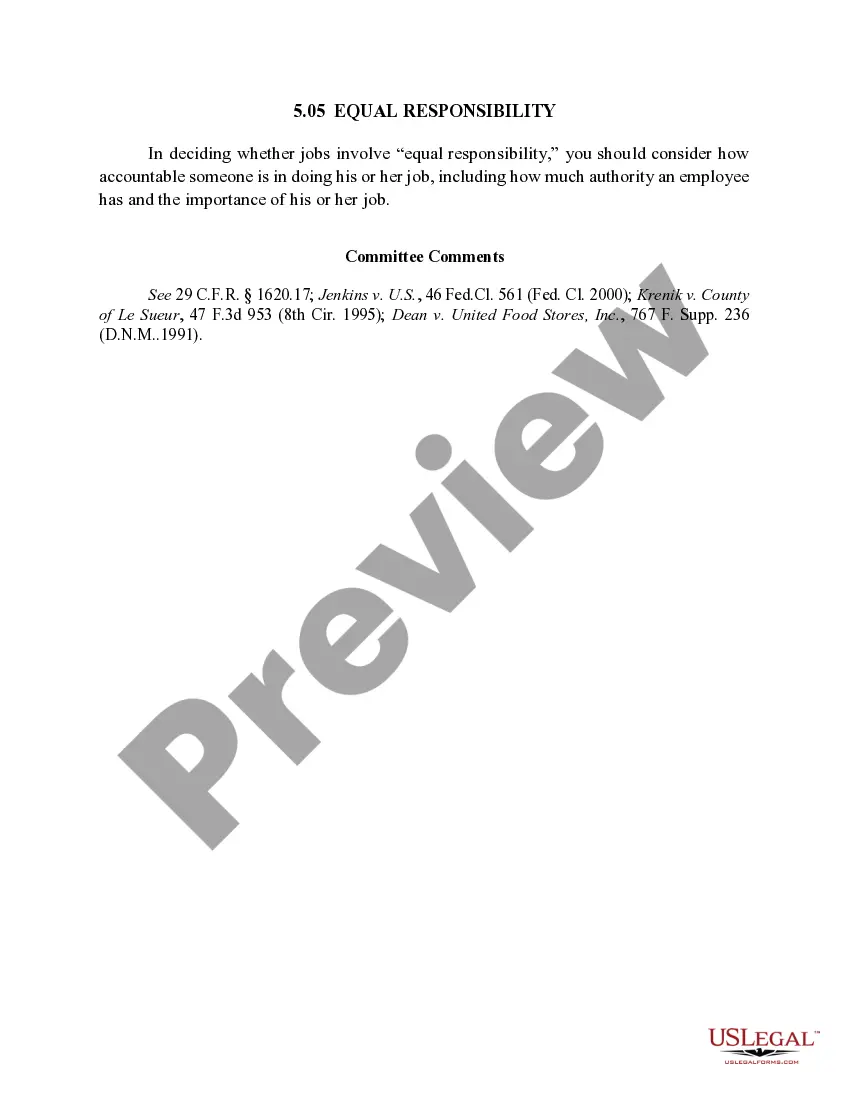
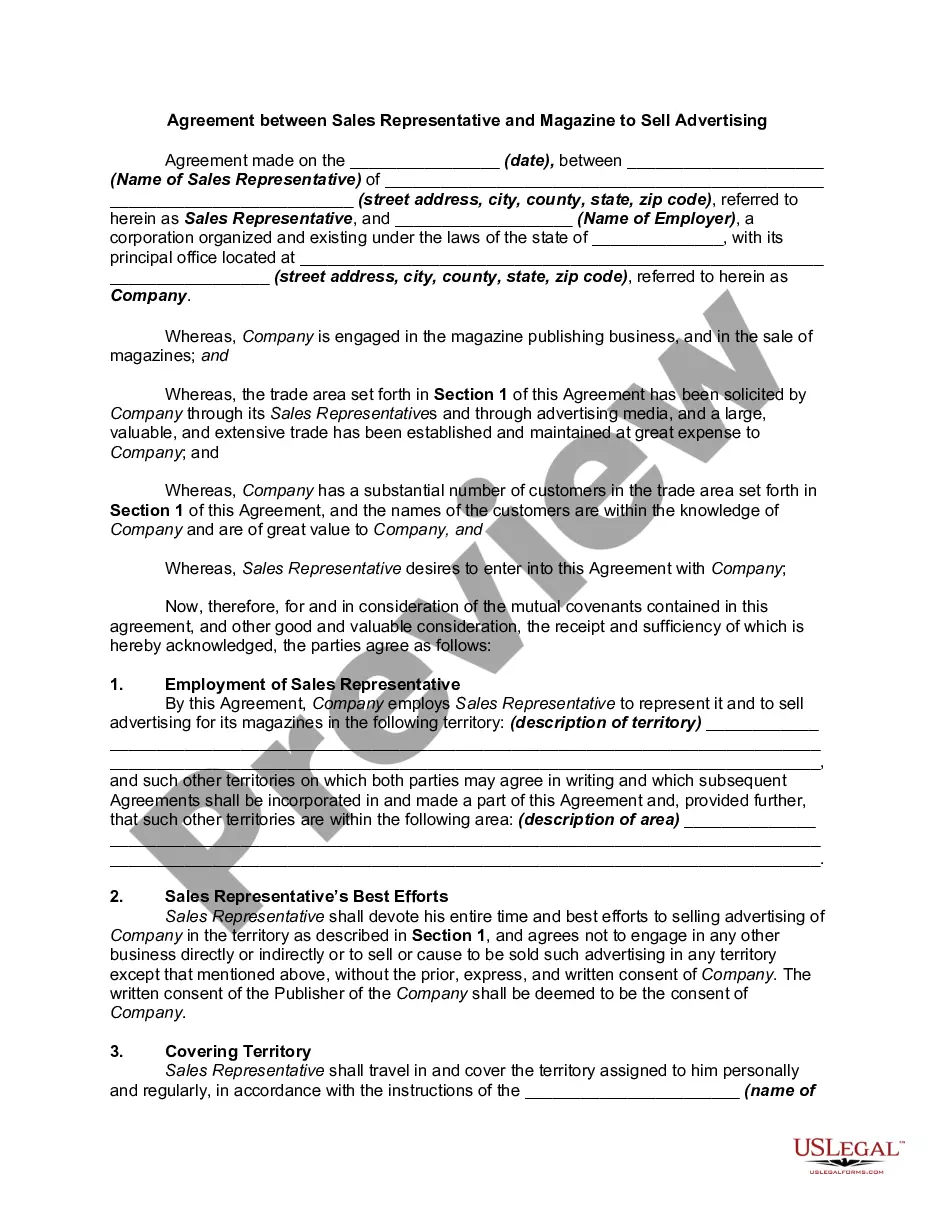
- Preview it (if this feature is available) and review the accompanying description to determine if Work Employee Policies Within A Company is what you’re looking for.
- If you need any other form, restart your search.
Form popularity
FAQ
Creating an employee policy starts with identifying the specific needs of your organization. Gather input from relevant stakeholders and research best practices in your industry. After drafting the policy, seek feedback from employees to ensure clarity and effectiveness. Utilizing resources like uslegalforms can simplify the process of developing work employee policies within a company, ensuring compliance and clarity.
Implementing policies in the workplace involves several key steps. First, you should clearly define the policies and ensure they align with your company’s goals. Next, communicate these policies to all employees and provide training if necessary. Regularly reviewing and updating work employee policies within a company ensures they remain relevant and effective.
Yes, a company can establish different rules for various employees, depending on their roles and responsibilities. However, it is crucial to ensure that these variations do not lead to discrimination or unfair treatment. Clear communication about these policies helps maintain a positive workplace culture. This is where well-defined work employee policies within a company can play a vital role.
Yes, employee misclassification is illegal. When a worker is misclassified as an independent contractor instead of an employee, it can lead to significant legal issues for a company. This situation often results in unpaid taxes and penalties. To avoid misclassification, it’s essential to understand how to work employee policies within a company effectively.
An example of a company policy is a remote work policy, which outlines expectations for employees who work from home. This policy may cover communication guidelines, performance metrics, and equipment usage. Clearly defined work employee policies within a company help ensure that remote workers remain productive and connected, ultimately benefiting the organization as a whole.
The four main types of policies are procedural, regulatory, financial, and human resource policies. Each type serves a distinct purpose in guiding behavior and decision-making within a company. Understanding these work employee policies within a company helps employees navigate their roles and responsibilities effectively, leading to a more organized and efficient workplace.
Three key organizational policies typically include health and safety procedures, anti-discrimination policies, and code of conduct guidelines. Following these work employee policies within a company is essential for creating a safe and inclusive workplace. These policies help protect employees' rights and ensure that everyone understands their responsibilities within the organization.
Company policies can vary widely but often include guidelines on attendance, dress code, and workplace behavior. These work employee policies within a company aim to create a structured environment that fosters productivity and respect. Additionally, policies on harassment, diversity, and remote work are becoming increasingly common as organizations adapt to new workplace dynamics.
Unfair policies at work often include rules that disproportionately affect certain groups of employees or lack transparency. For instance, if work employee policies within a company favor certain demographics while penalizing others, they can be deemed unjust. Addressing these policies is crucial for maintaining a harmonious workplace, and companies should regularly review them to ensure fairness and compliance.
Yes, a company can implement different policies for various employees based on their roles, responsibilities, and employment agreements. However, these work employee policies within a company must align with legal requirements and ensure fairness to avoid discrimination claims. It is essential for companies to clearly communicate these policies to avoid confusion and promote a positive work environment.