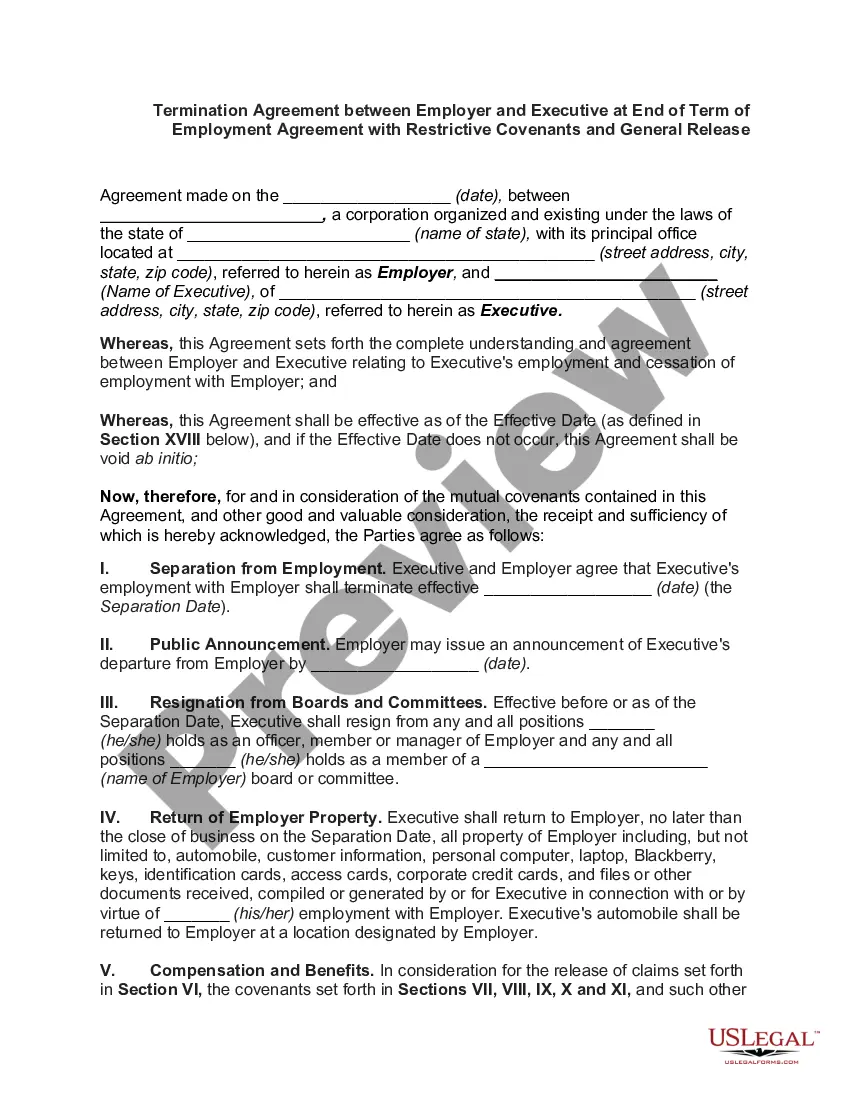
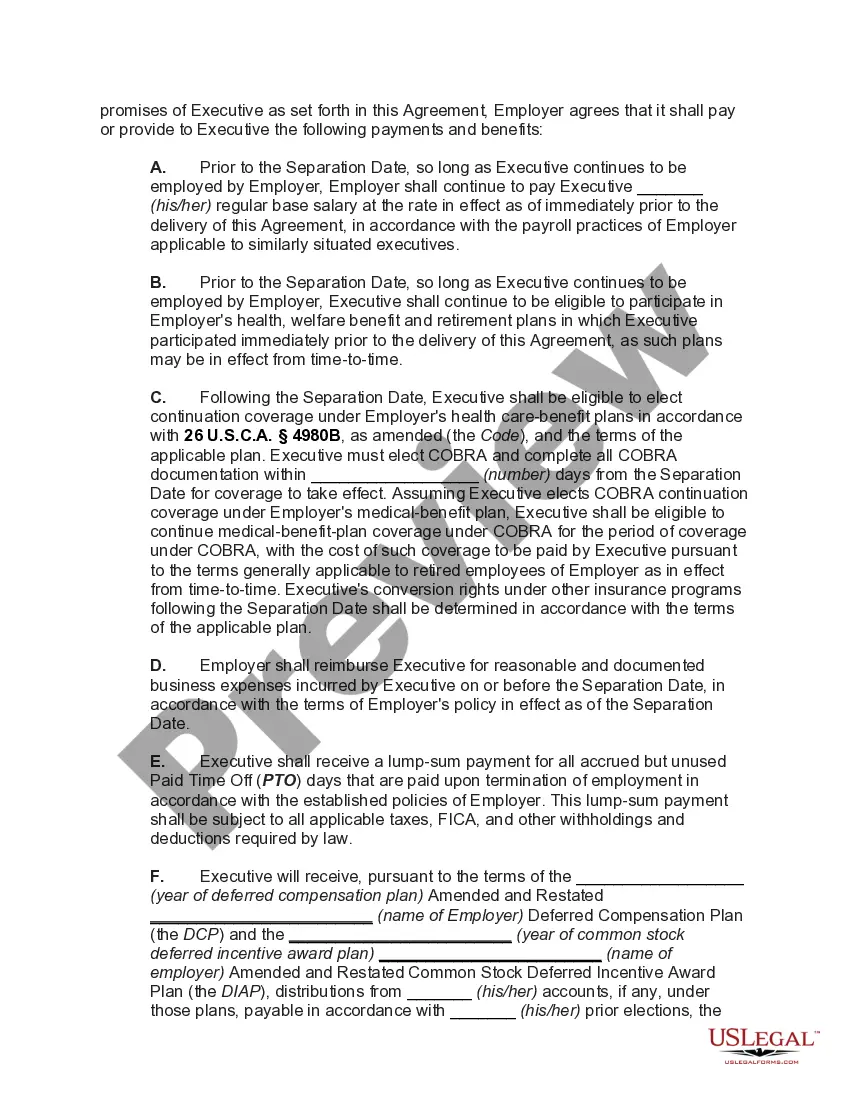
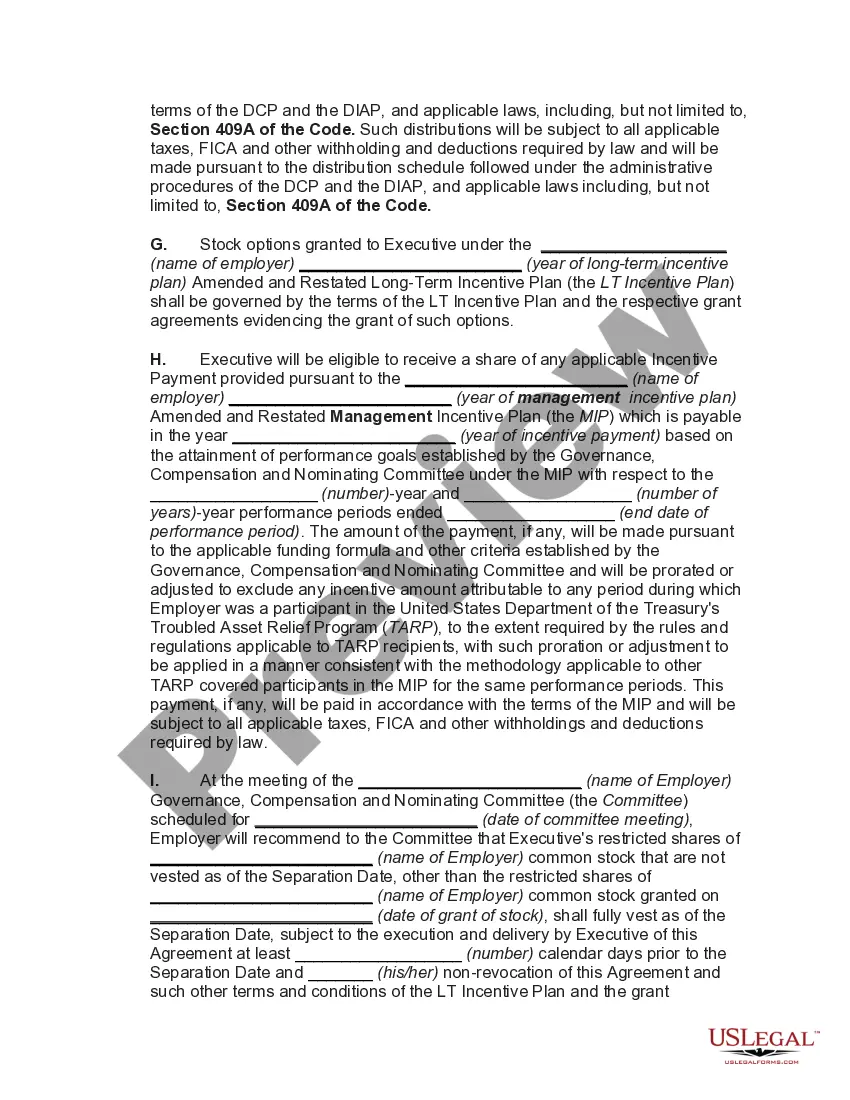
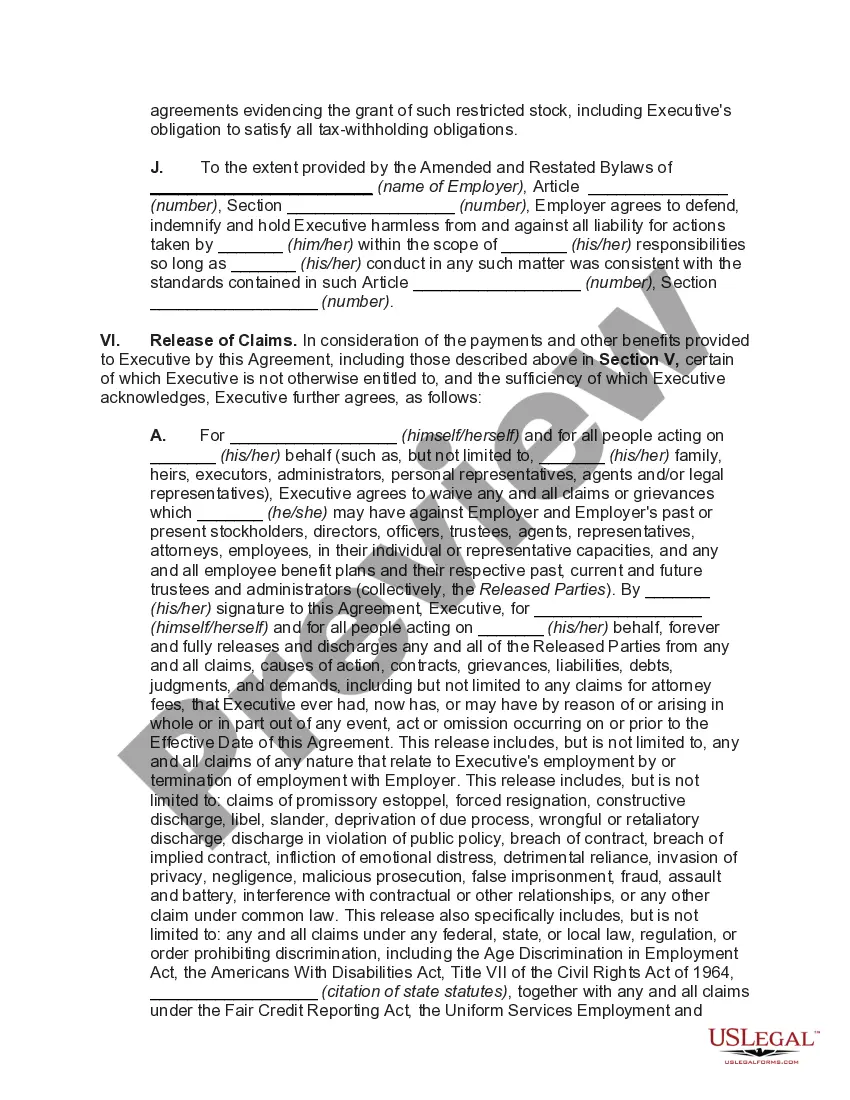
Termination Letter For Employee Theft
Description

Get your form ready online
Our built-in tools help you complete, sign, share, and store your documents in one place.
Make edits, fill in missing information, and update formatting in US Legal Forms—just like you would in MS Word.
Download a copy, print it, send it by email, or mail it via USPS—whatever works best for your next step.
Sign and collect signatures with our SignNow integration. Send to multiple recipients, set reminders, and more. Go Premium to unlock E-Sign.
If this form requires notarization, complete it online through a secure video call—no need to meet a notary in person or wait for an appointment.
We protect your documents and personal data by following strict security and privacy standards.

Make edits, fill in missing information, and update formatting in US Legal Forms—just like you would in MS Word.

Download a copy, print it, send it by email, or mail it via USPS—whatever works best for your next step.

Sign and collect signatures with our SignNow integration. Send to multiple recipients, set reminders, and more. Go Premium to unlock E-Sign.

If this form requires notarization, complete it online through a secure video call—no need to meet a notary in person or wait for an appointment.

We protect your documents and personal data by following strict security and privacy standards.
Looking for another form?






Form popularity
FAQ
When interviewing an employee suspected of theft, create a private and respectful environment to encourage honesty. Start the conversation with open-ended questions to allow them to express their side of the story. Document everything discussed for future reference. If necessary, follow up with a termination letter for employee theft if the investigation confirms the employee’s misconduct.
Firing an employee suspected of theft should be handled delicately and professionally. First, collect evidence that supports your suspicion and consult with your HR department to ensure compliance with company policy and legal requirements. Once you reach a decision, prepare a clear and straightforward termination letter for employee theft that outlines the reasons for termination. This letter provides clarity and can protect your business from potential disputes.
When dealing with an employee suspected of stealing, it is vital to first gather concrete evidence before taking any action. Approach the situation carefully and maintain confidentiality to protect the employee’s rights. Discuss your concerns with HR or legal counsel to ensure you follow the proper procedures. This process may involve preparing a termination letter for employee theft if the evidence confirms wrongdoing.
To prevent employee theft, create a robust workplace policy that outlines acceptable behavior and the consequences of theft. Regularly train employees about these policies and reinforce the importance of trust and integrity in the workplace. Implementing security measures, such as surveillance cameras and inventory checks, can also help deter theft. When necessary, a termination letter for employee theft serves as a formal way to address theft incidents, reinforcing your stance against dishonesty.
To dismiss an employee for stealing, conduct a thorough investigation first to gather evidence. When you meet with the employee, clearly explain the situation and your decision, ensuring you follow company policies regarding theft. Follow up with a termination letter that outlines the specifics of the situation and any next steps required.
To request a termination letter from an employer, ask your HR department directly, either in person or via email. Explain why you need the letter, such as for future job applications or reference checks. Most employers will provide this documentation willingly, as part of their professional conduct.
Writing a letter of dismissal due to lack of work requires a compassionate approach. Clearly state the reasons, referring to any organizational changes that contributed to the decision. Offer information on any severance or support available during their transition.
In a termination letter for absenteeism, begin with a statement of termination. Clearly outline the instances of absenteeism and reference any previous discussions about it. Ensure you inform the employee about their final paycheck and any other benefits, such as unused vacation days.
To terminate an employee for absenteeism, first ensure you have documented evidence of the issue, including previous warnings. During the termination meeting, clearly explain the reasons for the decision while maintaining respect. Follow this up with a formal termination letter that outlines the next steps.
When writing a termination letter for theft, state the specific incident that led to the decision. Provide details about the investigation, if any, and refer to company policies regarding theft. Maintain a professional tone, and offer information about the process for returning company property and other final arrangements.
